
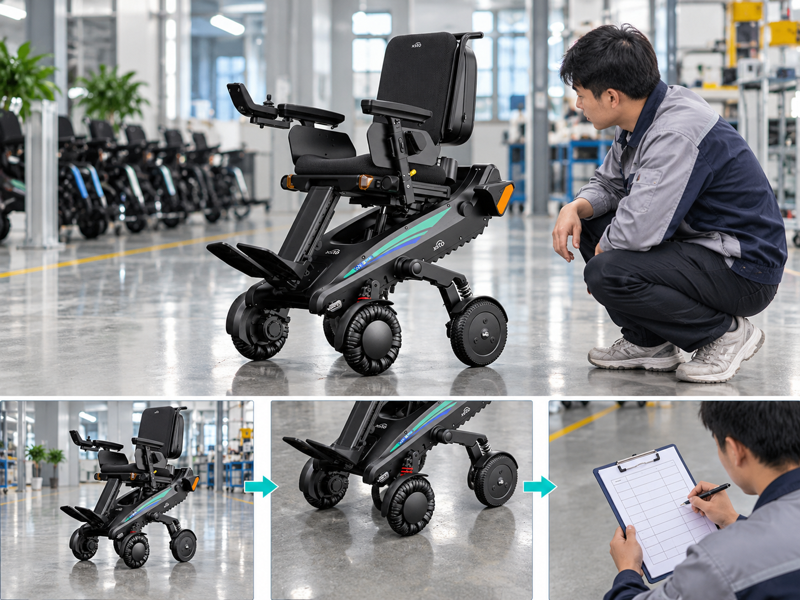
An XSTO X12 range review should compare the conditions behind a quoted distance with the trip the buyer actually intends to make. A flat-ground figure may look sufficient while the planned day includes slopes, stops or stair-access questions. Treating those situations as identical creates expectations the evidence may not support. Record the route and supplied setup, then ask which claims and conditions apply.
What should an XSTO X12 range review establish?
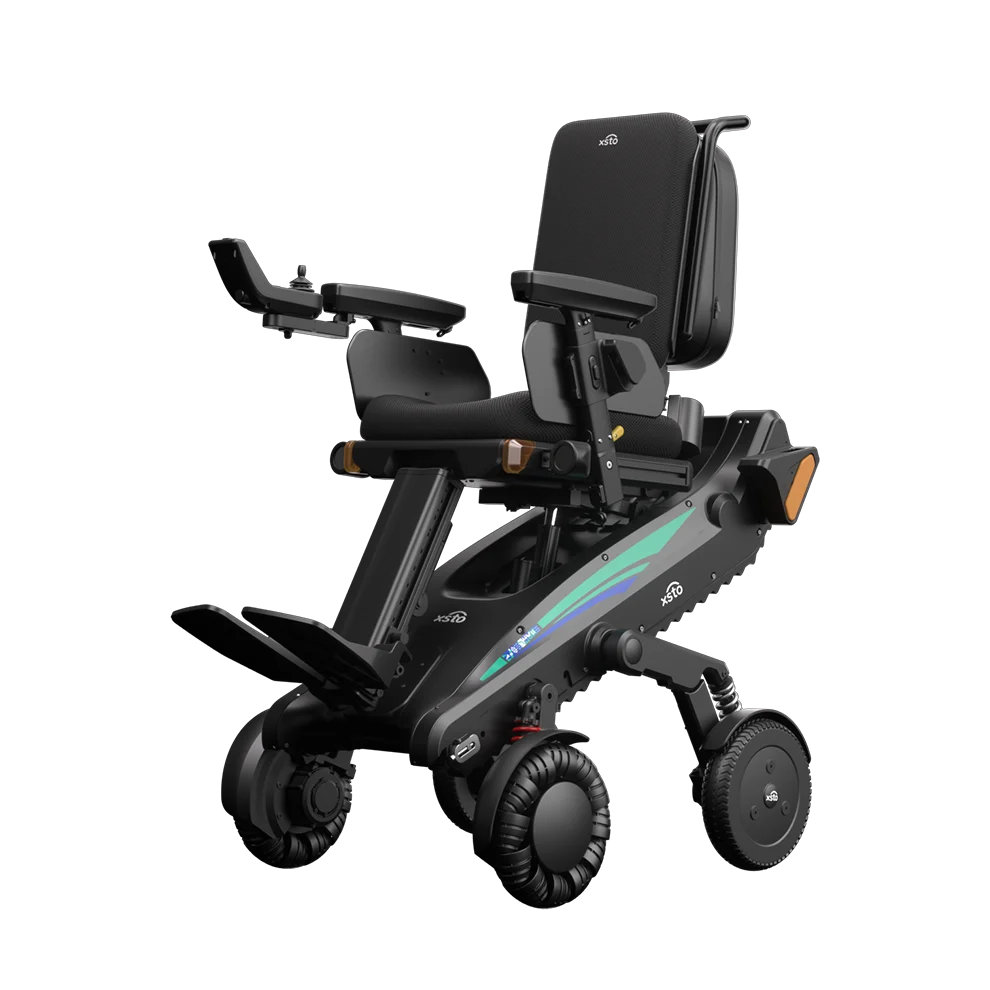
An XSTO X12 range review should establish the conditions behind a quoted distance and whether further evidence is needed for the intended trip. A manufacturer flat-ground figure is not a promise for every user or mixed route.
Which route does the claim describe?
Define which route the claim describes. Describe the actual trip before comparing numbers. Keep the offered battery setup and product version in the same record. Compare the manufacturer product reference with the exact offered version.
- Name the proposed route
- Identify the supplied power setup
- Request the claim conditions
| Check | What to keep |
|---|---|
| Name the proposed route | Trip brief |
| Identify the supplied power setup | Model setup |
| Request the claim conditions | Current manufacturer reference |
Key Takeaway: You can compare a range claim with the intended task without treating a headline distance as guaranteed usable travel.
Why must flat-ground wording remain visible?

Flat-ground wording matters in an XSTO X12 range review because it states the context of the published figure. Removing it can make a narrow claim appear to cover stairs, slopes and repeated changes of mode.
Keep flat-ground wording visible
Keep the test context with the figure. Ask for the measurement method and conditions where needed. Keep any unsupported extrapolation out of the customer-facing offer. Identify the supplied setup with the dimension record.
- Retain the stated route context
- Request relevant test conditions
- Separate mixed-route estimates
| Check | What to keep |
|---|---|
| Retain the stated route context | Source wording |
| Request relevant test conditions | Supplier evidence |
| Separate mixed-route estimates | Open planning questions |
Key Takeaway: Your team can avoid broadening a published claim beyond the situation it actually describes.
How should an XSTO X12 range review define a typical day?
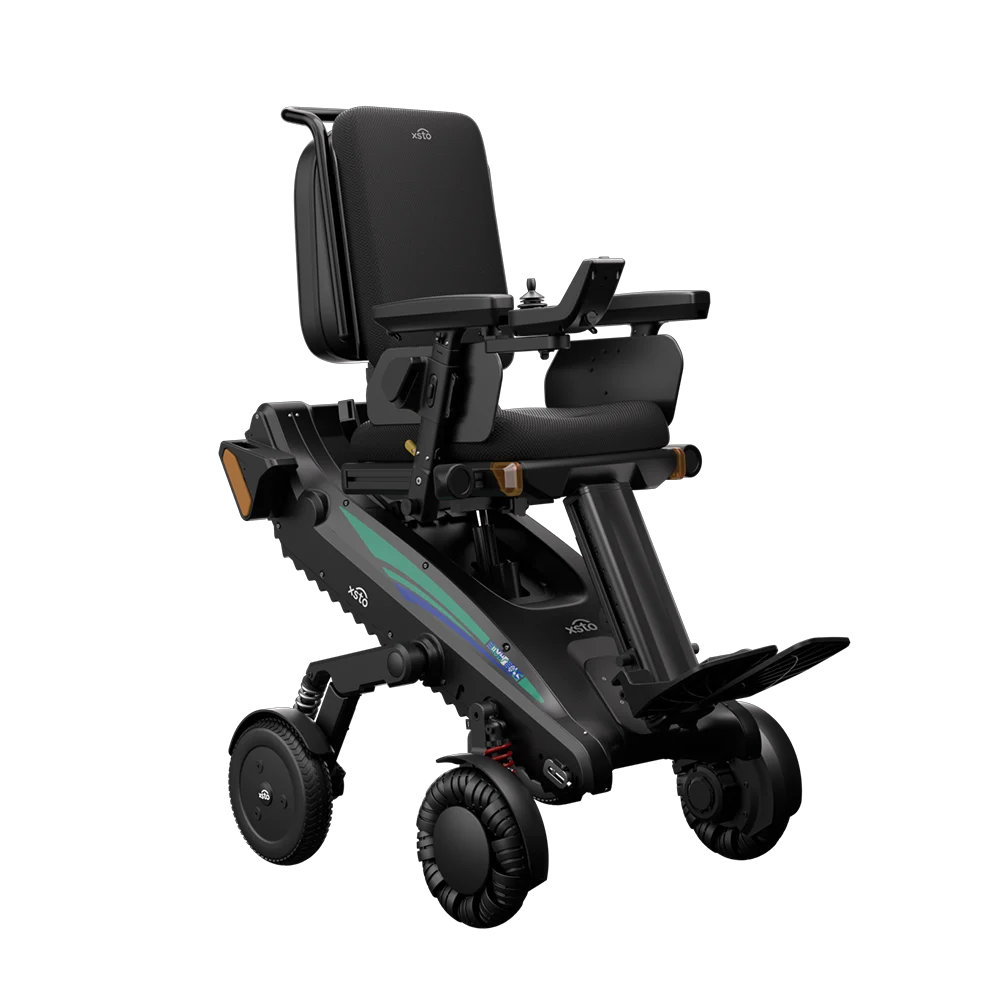
An XSTO X12 range review should describe the actual mix of travel and tasks rather than an ideal uninterrupted route. Record destinations, stops and terrain questions without inventing a formula for energy use.
What does a typical day involve?
Use the customer's real tasks. Keep personal details limited to the review's purpose. Ask qualified support which conditions need further assessment or evidence.
- List intended destinations
- Describe route and task changes
- Identify unresolved conditions
| Check | What to keep |
|---|---|
| List intended destinations | Daily route brief |
| Describe route and task changes | Use-context notes |
| Identify unresolved conditions | Support question list |
Key Takeaway: A realistic task description gives the supplier a clearer basis for discussion than a request for maximum distance alone.
Can battery size predict XSTO X12 range review results?
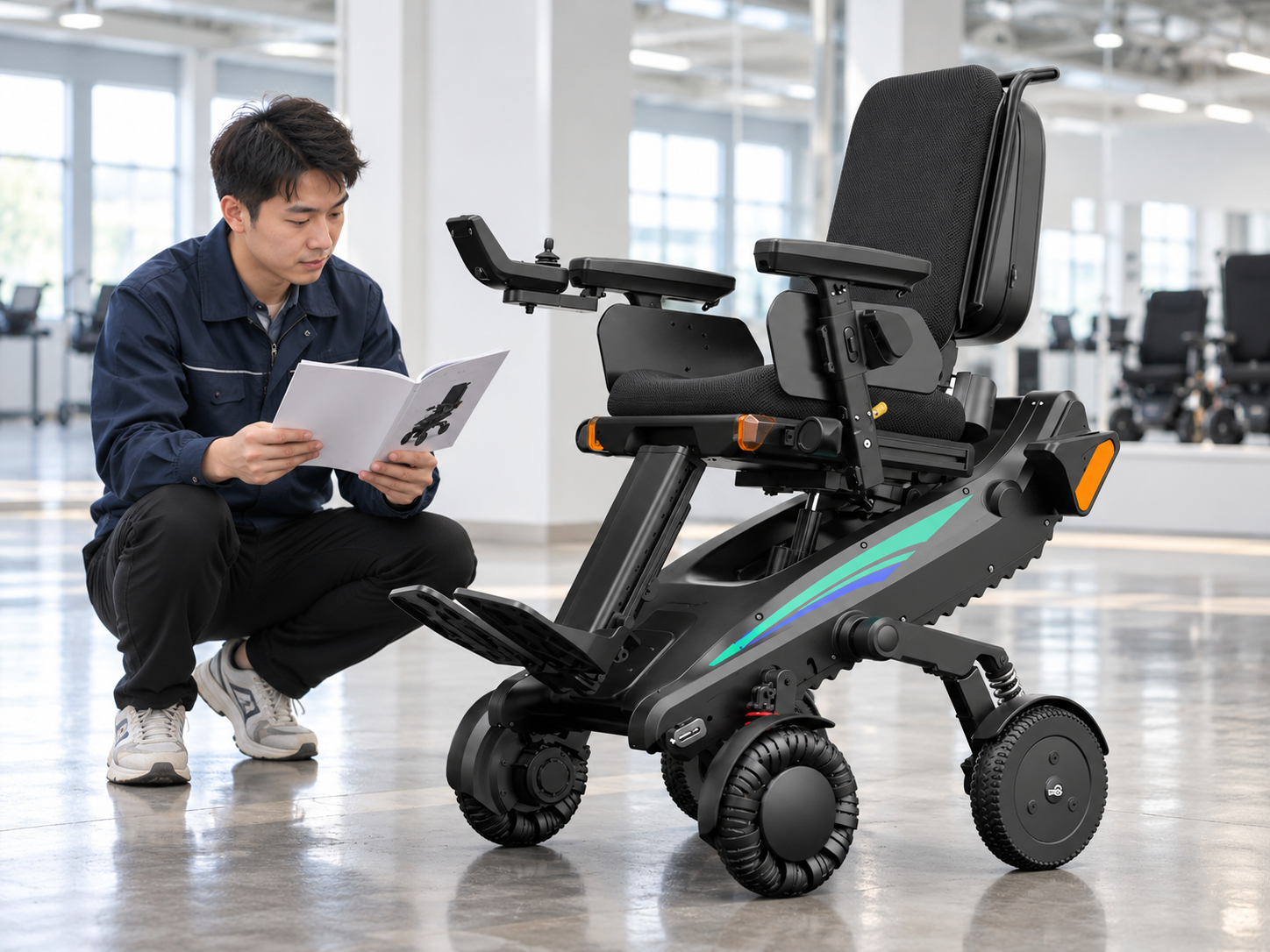
No, battery size alone cannot predict the result of an XSTO X12 range review. A simple capacity comparison does not account for the complete device, route, user and operating conditions.
Avoid unsupported battery arithmetic
Ask for evidence instead of arithmetic. Keep the exact battery setup identifiable. Ask for relevant product evidence rather than doubling a published distance or borrowing another model's result.
- Confirm the complete battery setup
- Avoid unsupported range calculations
- Request applicable performance evidence
| Check | What to keep |
|---|---|
| Confirm the complete battery setup | Product record |
| Avoid unsupported range calculations | Reviewed planning assumptions |
| Request applicable performance evidence | Supplier source files |
Key Takeaway: You can keep a numerical comparison from becoming an unsupported expectation about daily travel.
How should XSTO X12 range review handle stairs and slopes?
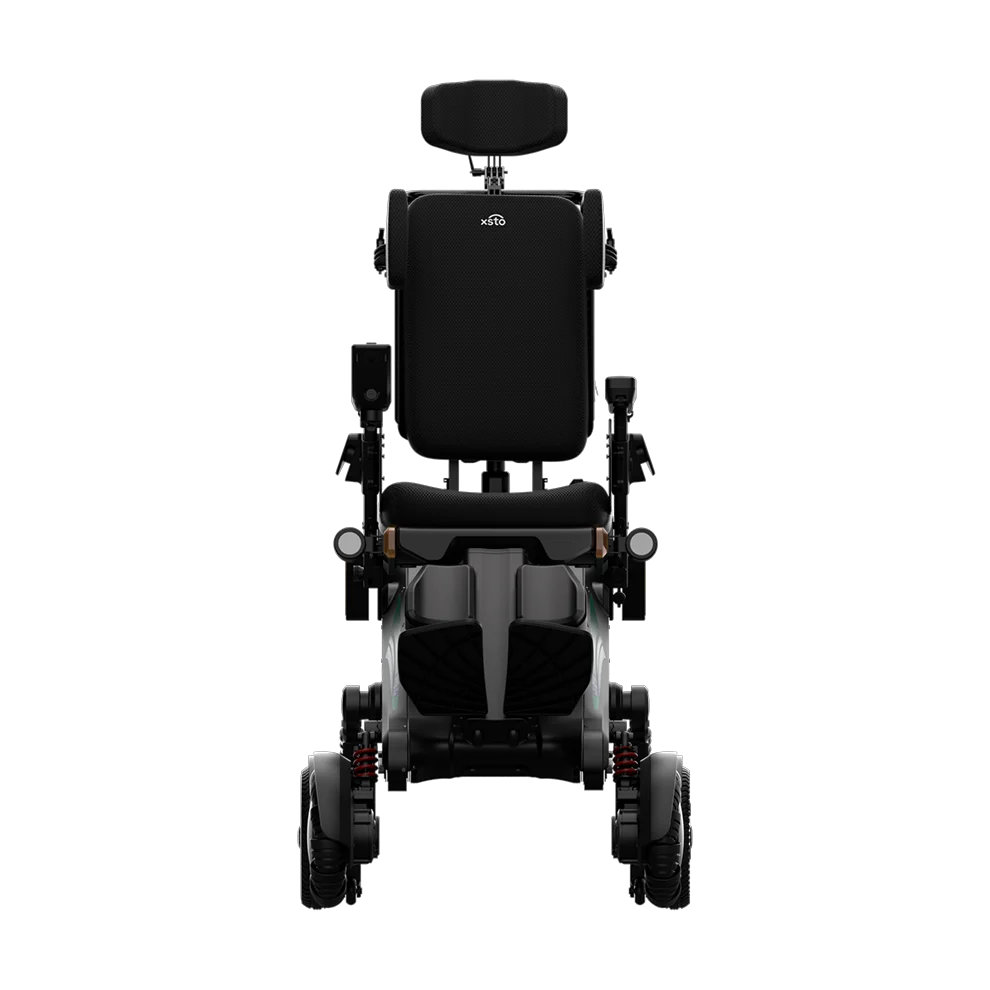
An XSTO X12 range review should treat stairs, slopes and other route changes as separate conditions needing appropriate review. A flat-ground claim cannot establish the distance or number of stair trips available in those settings.
Separate stairs from flat-distance claims
Keep different conditions separate. Do not create a battery-consumption rule from promotional footage. Ask for current guidance and suitable evidence for the proposed use. Keep battery identity in the approved parts mapping.
- Identify non-flat route segments
- Request the relevant model limits
- Keep unresolved endurance questions open
| Check | What to keep |
|---|---|
| Identify non-flat route segments | Location-linked route notes |
| Request the relevant model limits | Manufacturer guidance |
| Keep unresolved endurance questions open | Technical review record |
Key Takeaway: Your plan can recognize the mixed route without inventing a conversion from flat distance to stair performance.
What should buyers ask about battery condition?
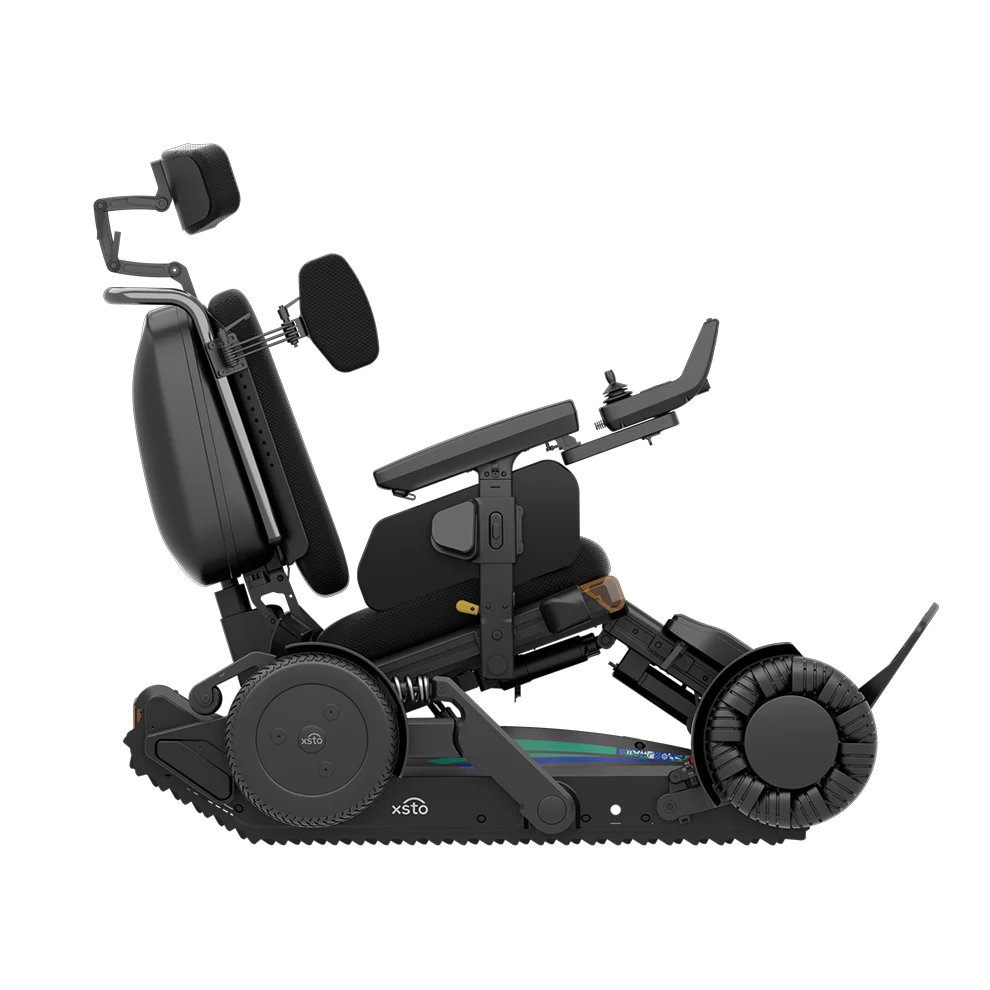
For an XSTO X12 range review, ask how battery condition and the supplied setup relate to the evidence being discussed. A result from another version or an unidentified demo unit may not answer your question.
Record the actual battery condition
Record the actual supplied system. Keep maintenance and care within the exact instructions. Refer suspected loss of performance to qualified service rather than prescribing battery repairs.
- Identify the evaluated battery set
- Retain applicable care guidance
- Route concerns through service
| Check | What to keep |
|---|---|
| Identify the evaluated battery set | Setup evidence |
| Retain applicable care guidance | Current model instructions |
| Route concerns through service | Qualified support contact |
Key Takeaway: The review can distinguish product evidence from an unresolved condition of a particular unit.
How should a practical evaluation be planned?

A practical XSTO X12 range review evaluation should have a clear purpose, appropriate assessment and a stated method. It should not require a user to run the chair to exhaustion or attempt an unapproved route.
How should an evaluation be planned?
Use a defined and suitable review scope. Ask the responsible provider which observations are appropriate. Keep the test context and limitations with any resulting record.
- Define the review purpose
- Confirm suitable supervision and scope
- Retain conditions with observations
| Check | What to keep |
|---|---|
| Define the review purpose | Agreed evaluation brief |
| Confirm suitable supervision and scope | Responsible provider record |
| Retain conditions with observations | Evaluation notes |
Key Takeaway: You can seek useful evidence without turning a buying question into an unsafe endurance experiment.
What contingency questions belong in XSTO X12 range review?
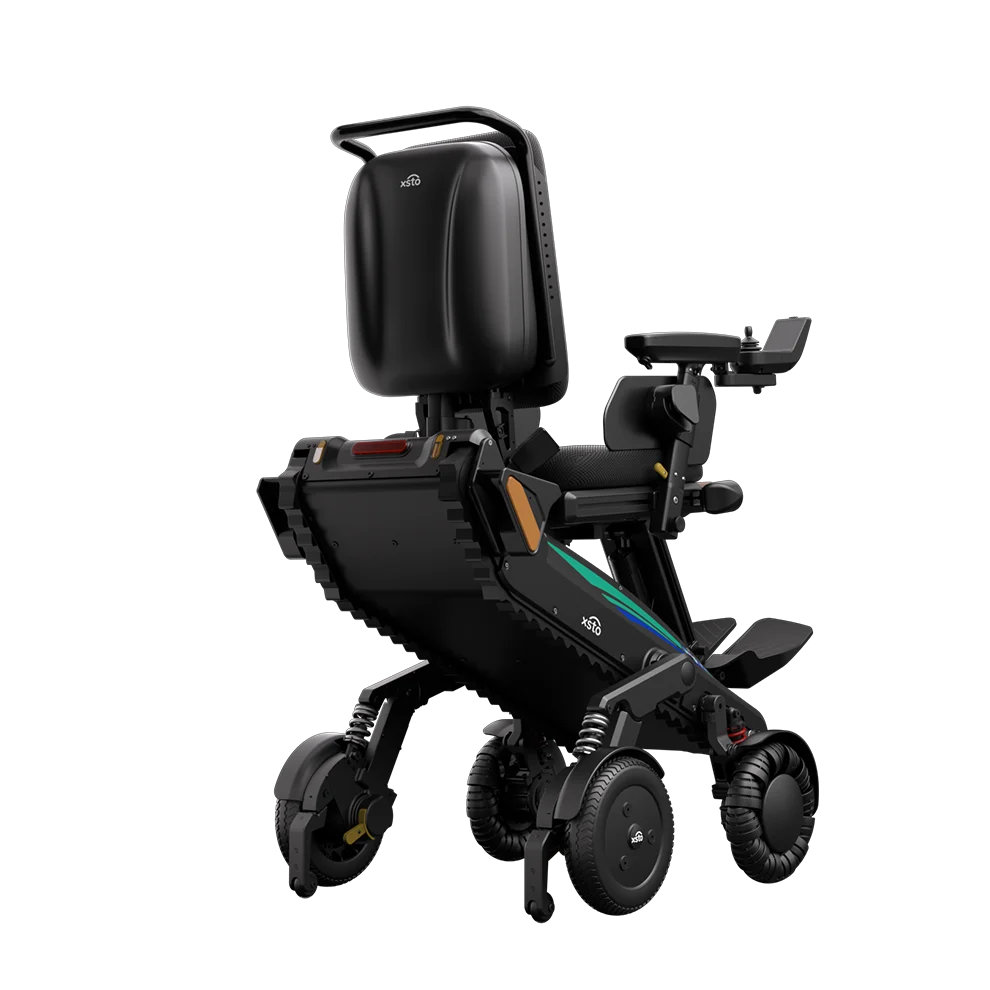
An XSTO X12 range review should identify support and alternative arrangements appropriate to the assessed service. Do not rely on a brochure distance as the only plan when a trip includes uncertain conditions.
Include appropriate support planning
Plan support before committing to the trip. Use the site's approved arrangements and qualified guidance. Keep emergency or recovery procedures outside a general buying article. Qualify any range wording in the quoted offer.
- Name the support contact
- Identify reviewed alternatives
- Keep unresolved trip questions visible
| Check | What to keep |
|---|---|
| Name the support contact | Service directory |
| Identify reviewed alternatives | Approved planning record |
| Keep unresolved trip questions visible | Decision notes |
Key Takeaway: Your planning can account for uncertainty without inventing a technical recovery procedure.
How should an XSTO X12 range review conclusion be written?
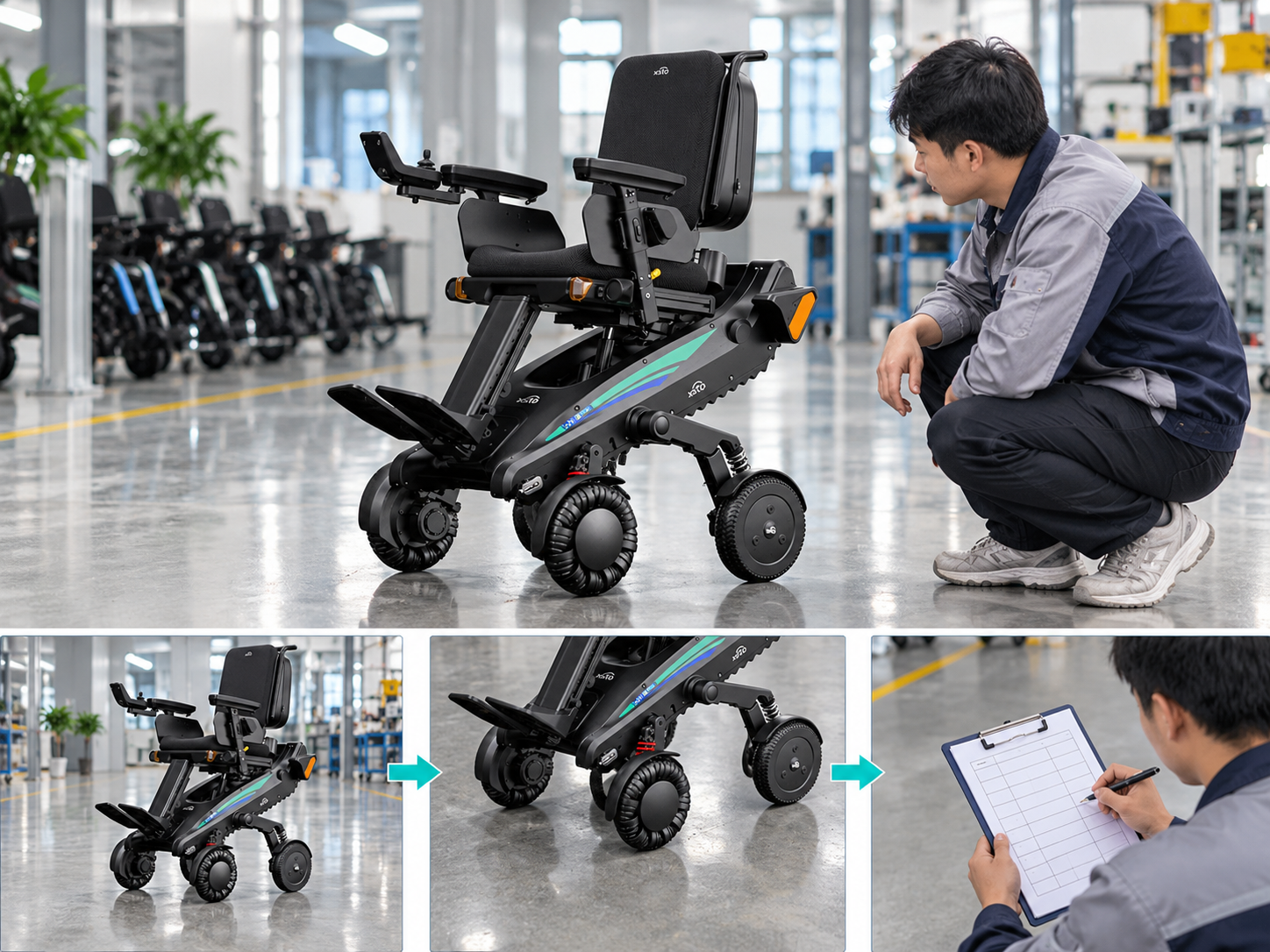
An XSTO X12 range review conclusion should name the model, route context and limits of the evidence reviewed. It may identify missing information rather than provide a definitive distance for every customer.
State the evidence limits
State what the evidence supports. Keep source dates and setup details with the finding. Separate confirmed statements from internal estimates used for planning.
- Identify the reviewed version
- Retain the evidence context
- Label unresolved or estimated points
| Check | What to keep |
|---|---|
| Identify the reviewed version | Model record |
| Retain the evidence context | Source and condition notes |
| Label unresolved or estimated points | Decision sheet |
Key Takeaway: Your team can communicate the result without presenting an assumption as measured product performance.
What should you send for an XSTO X12 range review?

Send an XSTO X12 range review request with the intended route, offered setup and the claim you want clarified. Ask which current evidence and conditions apply before making a travel-distance promise.
Ask a route-specific range question
Make the question specific to your route. State the practical decision your team needs to make. Keep unsupported route estimates open until the responsible reviewer has enough information.
- Attach the actual route brief
- Identify the quoted claim
- Request the missing evidence
| Check | What to keep |
|---|---|
| Attach the actual route brief | Use-case record |
| Identify the quoted claim | Current source reference |
| Request the missing evidence | Supplier question sheet |
Key Takeaway: You can turn a headline range figure into a focused review of the proposed task and its remaining uncertainties. Contact us with your X12 model, intended use and purchasing questions so we can discuss the product information you need. AryMD supports buying decisions grounded in clear model facts.
Frequently asked questions
Q1: Can the published flat-ground range guarantee my daily trip?
No. Keep the stated conditions with the claim and seek relevant review for the actual route, user and supplied setup.
Q2: What's the best way to describe a mixed route?
List the intended destinations and changes in terrain or tasks. Ask the reviewer which conditions need further evidence rather than inventing a conversion formula.
Q3: How do I know if a demo result applies to my chair?
Check the model version, battery setup, method and conditions. An unidentified demo unit may not answer the same question.
Q4: Can I test range by driving until the battery is exhausted?
Do not improvise an endurance trial. Agree a suitable review purpose and method with the responsible qualified provider.
Q5: Can a flat-distance figure be converted into a number of stair trips?
Not without applicable evidence. Keep those conditions separate and ask for current product guidance rather than deriving a result from promotional footage.