
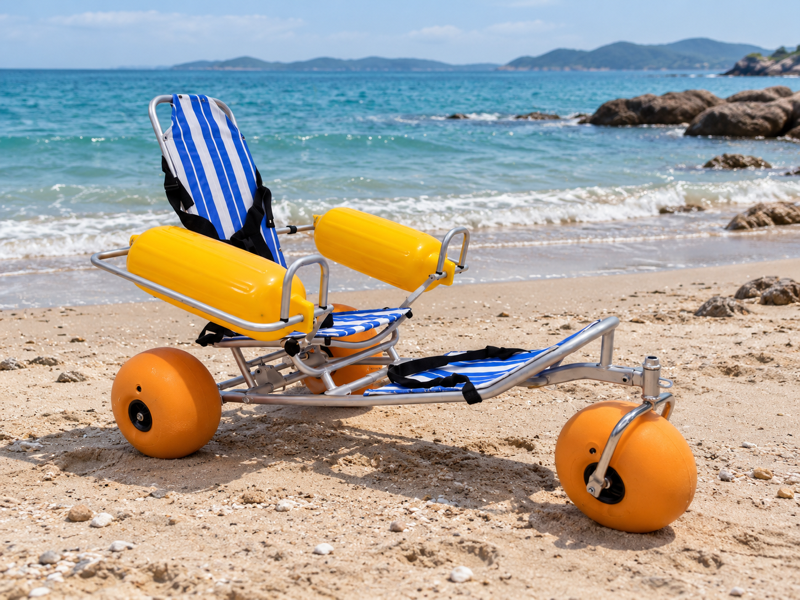
Clarify beach wheelchair purpose by naming the mobility task, product model and service setting before ordering. A beach outing may involve a guest, bags and an expectation of water access. One chair should not silently become the answer to every task. Separate those requests and confirm the scope of each.
What does beach wheelchair purpose mean for buyers?

Beach wheelchair purpose means the intended role of the exact product in supporting a person's mobility. It should be understood from the maker's guidance, the assessed user needs and the proposed service.
Name the intended task
Start with who the chair will serve. Describe the setting and help that will be available. Keep uses outside the confirmed scope out of the offer. WHO guidance covers wheelchair fit and follow-up services.
- Identify intended user needs
- Name service setting
- Request intended-use guidance
| Check | Record to retain |
|---|---|
| Identify intended user needs | Assessment brief |
| Name service setting | Use plan |
| Request intended-use guidance | Current product file |
You can choose around a defined mobility task rather than a broad beach label.
Is a beach chair the same as a cargo cart?
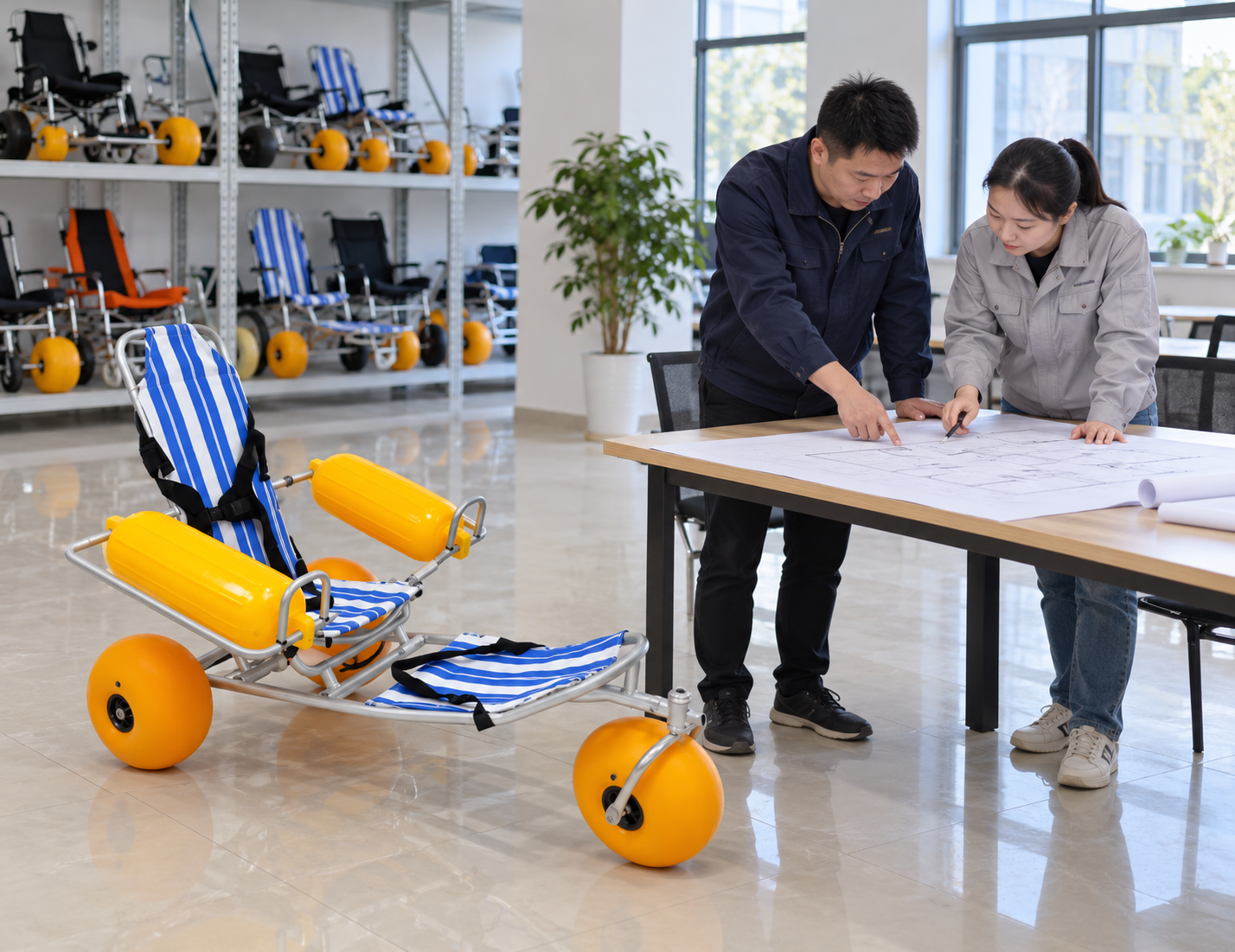
No, a beach wheelchair purpose review should distinguish a mobility chair from a cart chosen to carry belongings. Do not assume that a seat or push handle is an approved cargo platform.
Separate the two jobs
A beach outing can require both tasks. Tell the supplier what the team proposes to carry. Ask for the exact permitted scope before combining people and goods in one plan. Include intended-use questions in the supplier brief.
- Describe mobility task
- List proposed goods
- Request permitted scope
| Check | Record to retain |
|---|---|
| Describe mobility task | Guest support |
| List proposed goods | Separate load question |
| Request permitted scope | Maker guidance |
Your team can plan belongings without silently changing the chair's intended role.
Does beach wheelchair purpose include water use automatically?

No, beach wheelchair purpose does not include water use merely because a product is called a beach wheelchair. Confirm the exact model, instructions and appropriate assessment for any proposed water activity.
Read the model-specific scope
Sand access and water use need separate answers. Ask the supplier to resolve unclear descriptions. Keep the site's offered service consistent with the confirmed product guidance.
- Name exact model
- Request water-use scope
- Confirm service boundary
| Check | Record to retain |
|---|---|
| Name exact model | Product identity |
| Request water-use scope | Relevant instructions |
| Confirm service boundary | Responsible provider |
You can avoid treating every beach chair as a floating product.
Can wheel size define the whole purpose?
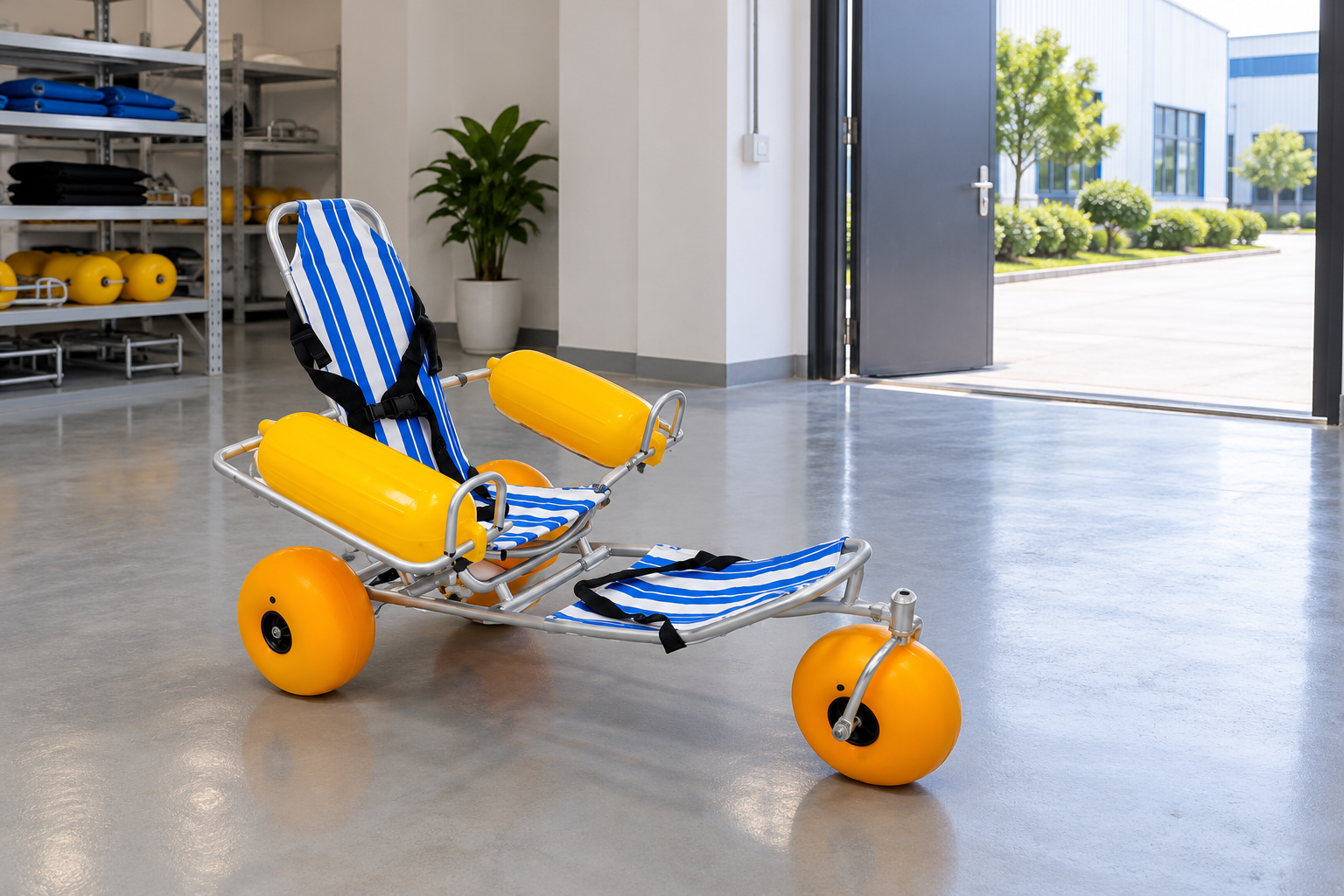
No, wheel size alone cannot define beach wheelchair purpose. The complete chair, supplied parts and stated conditions still matter to the buying decision.
Look at the whole product
A large tire is only one feature. Use the current product file and an appropriate review. Avoid claiming that a wheel shape proves access over every surface.
- Identify complete setup
- Request stated use
- List route questions
| Check | Record to retain |
|---|---|
| Identify complete setup | Model and options |
| Request stated use | Maker guidance |
| List route questions | Qualified review |
Your comparison can remain about a complete mobility product.
How should beach wheelchair purpose be explained to guests?
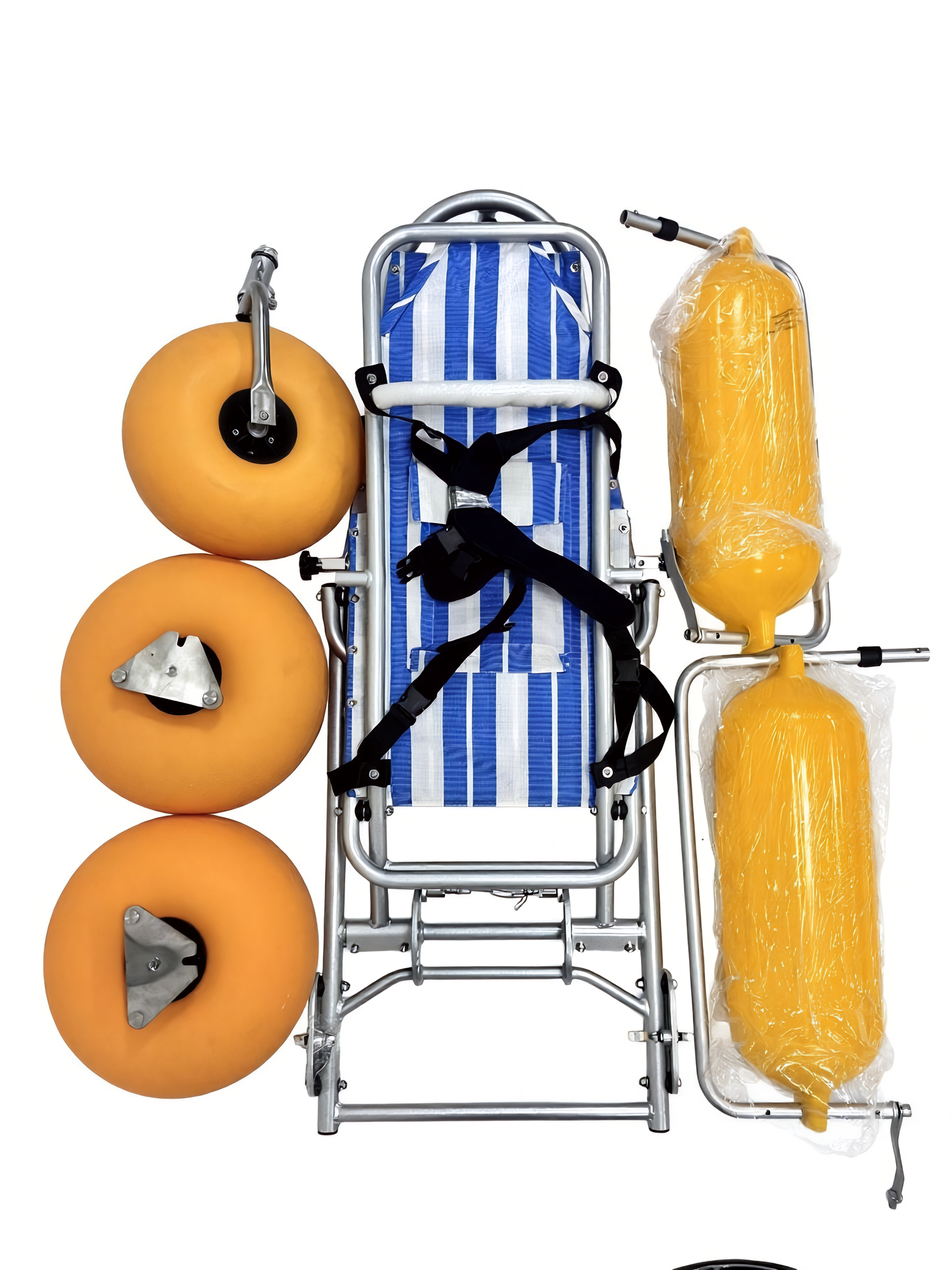
Explain beach wheelchair purpose using the exact service offered, relevant product limits and confirmed assistance arrangements. Avoid broad promises that a chair works anywhere or removes every access barrier.
Use clear service wording
Tell the guest what is actually available. Provide a suitable route for fit or support questions. Keep availability separate from personal suitability.
- Name offered service
- Describe available help
- Provide review contact
| Check | Record to retain |
|---|---|
| Name offered service | Confirmed scope |
| Describe available help | Staff arrangements |
| Provide review contact | Appropriate provider |
Guests can ask useful questions before relying on the service.
Can a product image establish permitted loads?
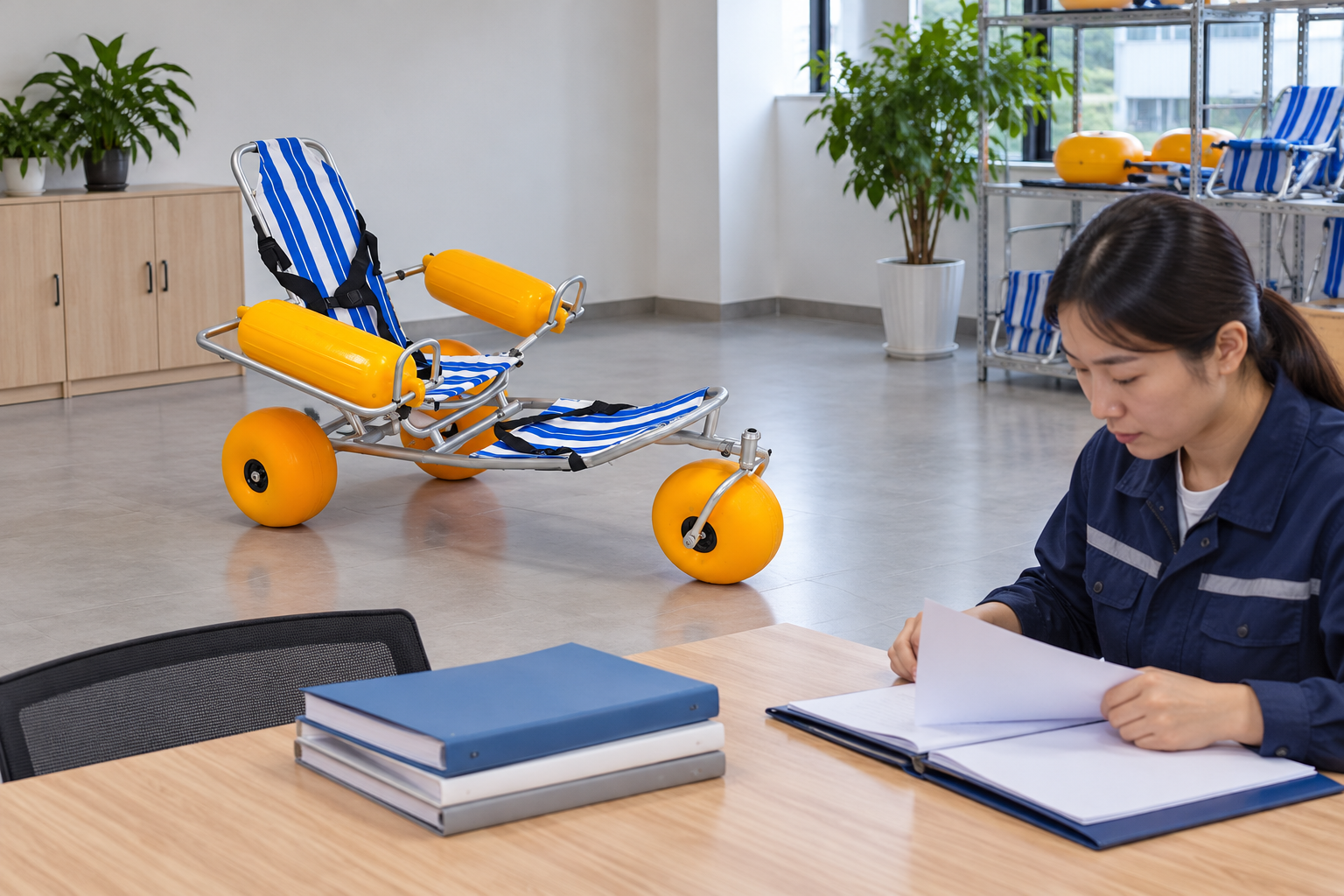
No, an image cannot establish the loads allowed within beach wheelchair purpose. A photograph may show a display setup without explaining the maker's limits or included options.
Ask for the written limit
A pictured bag may be a prop. Request guidance for any proposed extra item or accessory. Do not infer permission to carry goods from empty space on the frame. Keep care obligations separate from extra-load ideas in the maintenance plan.
- Describe extra item
- Identify proposed location
- Retain maker reply
| Check | Record to retain |
|---|---|
| Describe extra item | Load question |
| Identify proposed location | Product reference |
| Retain maker reply | Permitted scope |
Your team can avoid turning a visual suggestion into an approved load claim.
How does assessment relate to beach wheelchair purpose?

Assessment connects beach wheelchair purpose with the actual person's needs and proposed setting. A correct product category does not by itself establish a suitable individual setup.
Keep the person in the decision
The same chair may raise different support questions. Ask the qualified provider which product facts are needed. Use those facts to support the review rather than replacing it.
- Record relevant needs
- Request needed facts
- Retain assessment scope
| Check | Record to retain |
|---|---|
| Record relevant needs | User-approved brief |
| Request needed facts | Product questions |
| Retain assessment scope | Qualified review |
You can distinguish a promising product type from an assessed choice.
What should sales descriptions avoid?
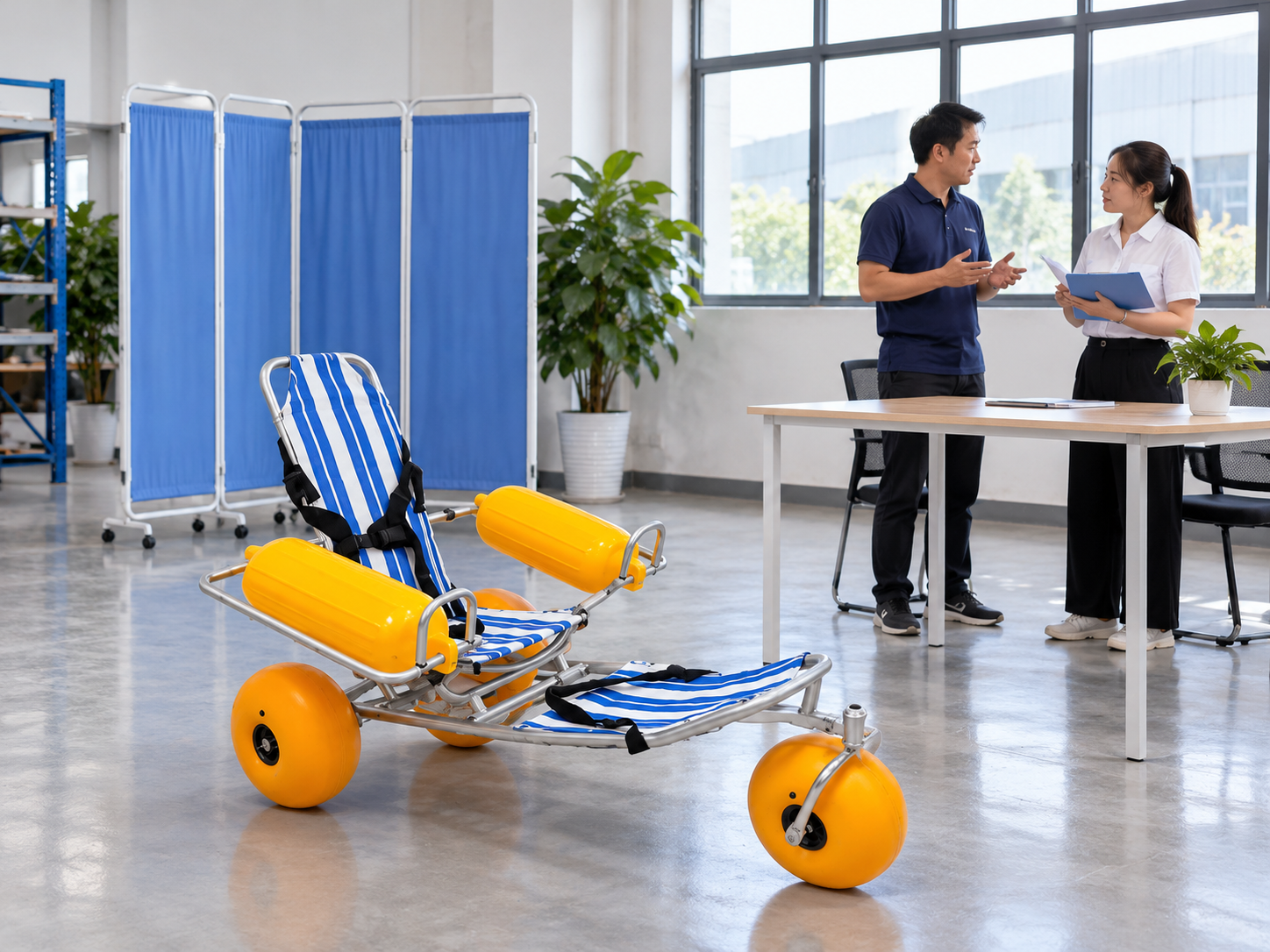
Sales descriptions of beach wheelchair purpose should avoid unsupported claims about universal terrain, flotation, independence or carrying capacity. Describe confirmed features with their relevant conditions.
Keep the claim within the source
A short label should not expand the promise. Ask the supplier to clarify conflicting wording. Leave unresolved claims out of customer-facing offers. Carry confirmed use limits into the sourcing record.
- Name the claim
- Check source scope
- Remove unsupported promise
| Check | Record to retain |
|---|---|
| Name the claim | Exact wording |
| Check source scope | Current model file |
| Remove unsupported promise | Reviewed copy |
Your descriptions can tell buyers what is known without filling gaps with advertising language.
What should a beach wheelchair purpose buying brief preserve?
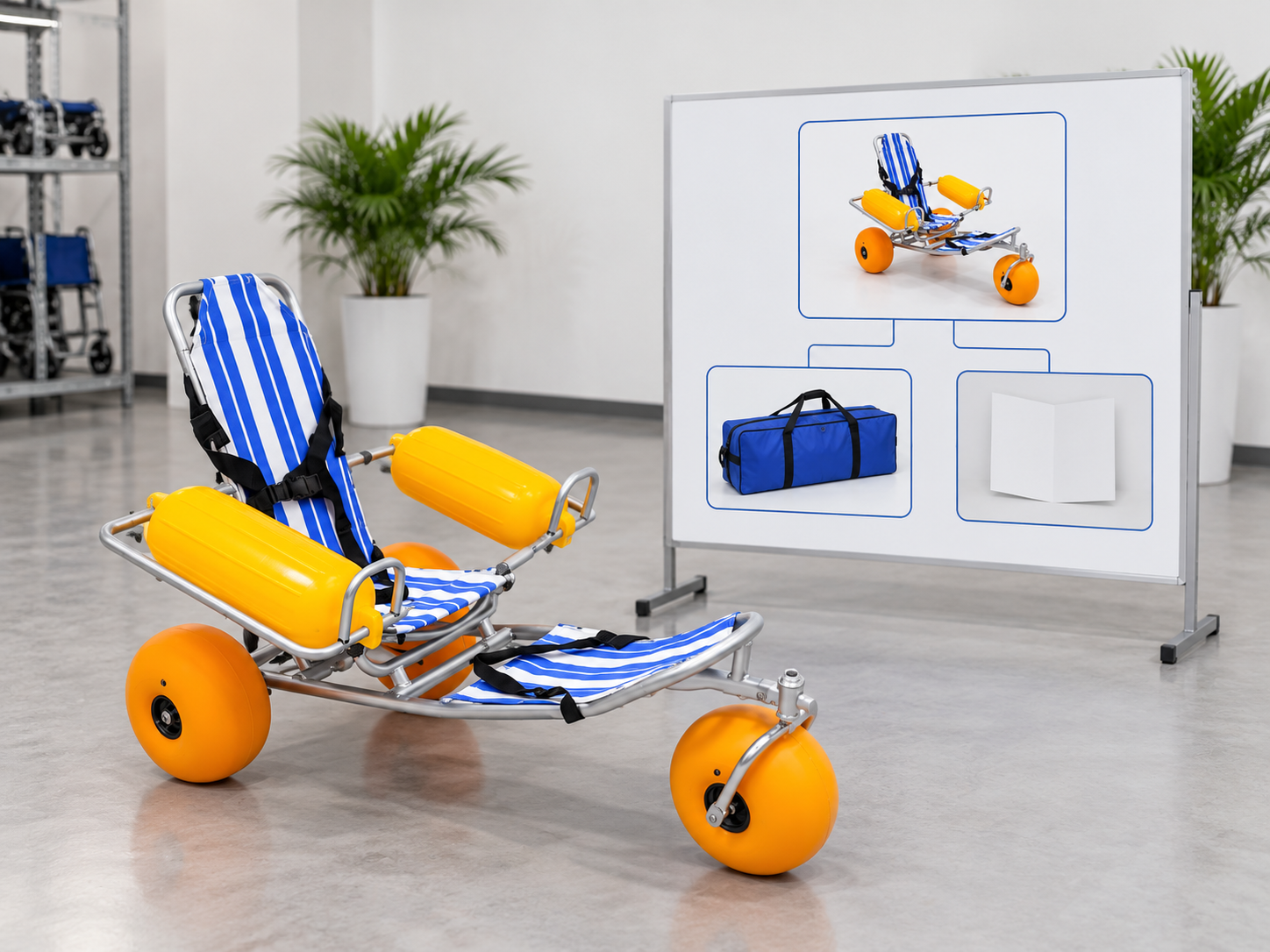
A beach wheelchair purpose buying brief should preserve the intended user task, exact product and unresolved use questions. Keep mobility, cargo and water-service requests distinct where they need separate decisions.
Write down the boundaries
A combined request can hide several different jobs. Ask the appropriate provider to review any change in use. Retain the written product replies with the order.
- Define mobility task
- List separate requests
- Assign open decisions
| Check | Record to retain |
|---|---|
| Define mobility task | Primary use |
| List separate requests | Additional activities |
| Assign open decisions | Responsible reviewers |
Your supplier can respond to the actual intended use rather than an unclear catch-all request.
How should you clarify beach wheelchair purpose before ordering?

Clarify beach wheelchair purpose by naming the person-centered task, proposed setting and assistance arrangements. Request the exact model guidance before choosing an offer.
Prepare a use-based inquiry
Make the proposed job specific. Keep product facts, individual assessment and site decisions connected but clearly assigned. Use their combined answers to complete the purchase brief.
- Name intended task
- Identify product
- Request missing guidance
| Check | Record to retain |
|---|---|
| Name intended task | Buyer request |
| Identify product | Exact model |
| Request missing guidance | Written follow-up |
You can choose equipment around a clear mobility purpose and confirmed service scope. Contact us with your model and project questions so we can discuss the product information and written terms you need.
Frequently asked questions
Q1: Can I use a beach wheelchair as a general cargo cart?
Do not assume that use is permitted. Ask the maker about the exact proposed load and purpose.
Q2: How do I know whether a model can enter water?
Request the exact instructions and appropriate review. A beach-chair label does not establish flotation suitability.
Q3: Can large wheels prove all-terrain access?
No, wheel size alone cannot assess every route. Review the complete product and intended conditions.
Q4: What's the best way to explain the service to guests?
State the actual equipment, help and activities offered. Keep unresolved fit questions on the appropriate review route.
Q5: Can a product photograph establish load limits?
No, use current written guidance. Pictured space or accessories do not define the permitted load.