
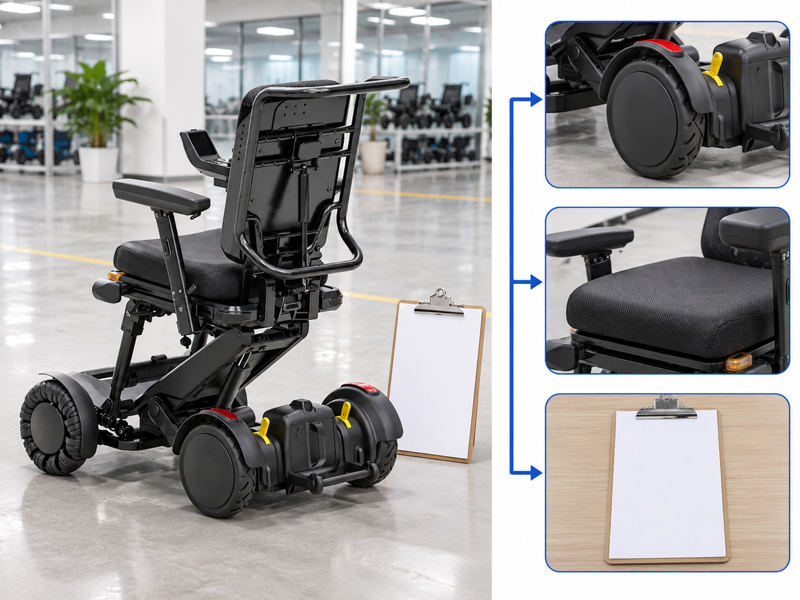
Build an XSTO M4Pro maintenance plan around the actual unit, current guide and the people responsible for care and service. A generic checklist can miss how the powered seat, controls and wheel assemblies are recorded. An unresolved issue may then pass from one person to another without an owner. Keep observations, technical work and follow-up in one clear unit history.
What should an XSTO M4Pro maintenance plan cover?

An XSTO M4Pro maintenance plan should cover the exact unit, its current guide, routine care and the service work assigned to a suitable provider. The chair's powered seating, controls and distinct wheel assemblies need a shared record.
Start with the unit and its guide
The service plan needs a defined product. Keep the model reference and available serial ID with the applicable document revision. Name who handles ordinary observations and who handles technical service. WHO guidance supports assessment, fitting and follow-up.
- Unit identity
- Instruction source
- Assigned roles
| Review point | What to confirm |
|---|---|
| Unit identity | Exact model and available ID |
| Instruction source | Matching revision |
| Assigned roles | User care and service responsibilities |
Key Takeaway: You can build a clear plan without treating every task as routine owner maintenance.
How should the maintenance schedule be chosen?

The schedule for XSTO M4Pro maintenance should follow the applicable maker guidance and the responsible service plan. A generic calendar copied from another chair may omit parts or conditions relevant to this model.
Which guide sets the service interval?
Keep the source beside the schedule. The reviewed manual recommends six-month checks for specified wheel and fastener items. Confirm the applicable plan; that interval is not a reason to ignore concerns reported sooner. Use the same model-specific basis for the wider maintenance plan.
- Schedule source
- Specified items
- Early concerns
| Review point | What to confirm |
|---|---|
| Schedule source | Applicable model guide |
| Specified items | Parts included in the planned review |
| Early concerns | Relevant service response |
Key Takeaway: You can distinguish a planned interval from a promise that no attention is needed between visits.
What should XSTO M4Pro maintenance records identify?

XSTO M4Pro maintenance records should identify the actual chair and the work or observation being recorded. A service note without a unit reference can be confused with another chair in a facility or dealer stock.
Give the record a clear owner
One entry should describe one identifiable unit. Use the organization's approved record system and retain the source date. Link changes in batteries, controls or seating parts to the same unit history.
- Chair reference
- Event date
- Changed parts
| Review point | What to confirm |
|---|---|
| Chair reference | Exact service unit |
| Event date | When the observation or work occurred |
| Changed parts | Relevant configuration history |
Key Takeaway: You can follow the chair's service history without relying on staff memory.
How should everyday observations be recorded?

Everyday observations for XSTO M4Pro maintenance should be factual and within the applicable instructions. Visible wear, an unusual message or a reported change should not be turned into an unconfirmed diagnosis.
Describe what was noticed
A useful report separates facts from guesses. Record the affected area and relevant conditions. Ask the service provider which further evidence is needed instead of starting an improvised test.
- Observed concern
- Affected unit
- Next response
| Review point | What to confirm |
|---|---|
| Observed concern | Specific description |
| Affected unit | Exact chair and part context |
| Next response | Responsible service contact |
Key Takeaway: You can give support staff a clear starting point without claiming a cause you have not established.
Who should handle XSTO M4Pro maintenance beyond routine care?

Technical work within XSTO M4Pro maintenance should follow the maker's guidance and the responsible service provider's scope. A supplied tool or visible fastener does not authorize every adjustment or repair.
Keep technical work within its agreed scope
The task needs the right instructions and person. Ask who is qualified to perform the proposed work and which records will be retained. Keep unapproved modifications outside the service plan. Keep the technical task within the confirmed repair-support scope.
- Work scope
- Responsible person
- Source instructions
| Review point | What to confirm |
|---|---|
| Work scope | Specific proposed task |
| Responsible person | Suitable service provider |
| Source instructions | Applicable technical guidance |
Key Takeaway: You can arrange service without assuming every accessible part is an owner-service item.
How should seating changes enter the plan?
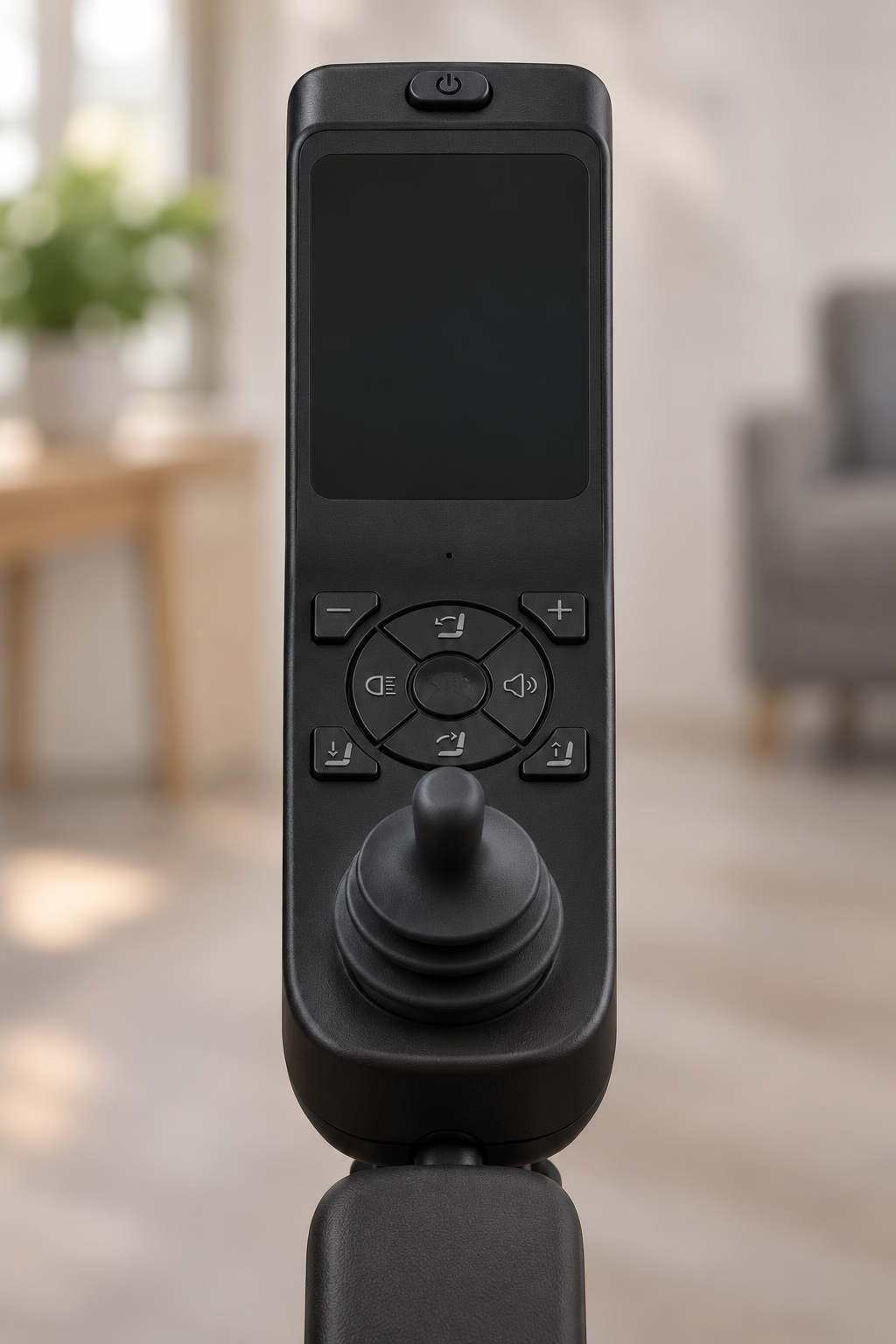
Seating changes should enter XSTO M4Pro maintenance records when they alter the chair's configuration or relevant support needs. A changed cushion, controller position or support part may also need a fitting review.
Update the complete setup
The service record should reflect what is fitted now. Record the exact part and the authorized change. Keep individual fitting decisions distinct from a note that a component was replaced.
- Changed item
- Current setup
- Related review
| Review point | What to confirm |
|---|---|
| Changed item | Exact part reference |
| Current setup | Updated configuration |
| Related review | Relevant individual assessment |
Key Takeaway: You can connect a service change with the right product and user records.
What should happen after storage or transport?

After storage or transport, XSTO M4Pro maintenance should follow the applicable return-to-use and receiving process. The chair's presence on site does not establish that all relevant checks or instructions have been completed.
Confirm the current status
The service team needs a clear handoff. Record the product state, known history and any reported issue. Leave the readiness decision with the person responsible for the relevant review.
- Product state
- Known history
- Readiness owner
| Review point | What to confirm |
|---|---|
| Product state | Actual returned arrangement |
| Known history | Storage or transport context |
| Readiness owner | Responsible reviewer |
Key Takeaway: You can avoid treating a returned unit as automatically ready for service.
How should parts orders support maintenance?

Parts orders for XSTO M4Pro maintenance should use the exact model and component references confirmed by the supplier. A familiar-looking wheel, controller or cable may belong to another version.
Match the part through the product record
The shape is only a clue. Provide the unit identity and relevant images when requested. Ask for the complete approved replacement scope rather than adapting an uncertain part. Link approved replacements to the parts record.
- Unit reference
- Part identity
- Replacement scope
| Review point | What to confirm |
|---|---|
| Unit reference | Exact chair version |
| Part identity | Supplier-confirmed item |
| Replacement scope | Applicable service process |
Key Takeaway: You can reduce the chance of a service visit being delayed by an incorrect part.
What should an XSTO M4Pro maintenance review summarize?
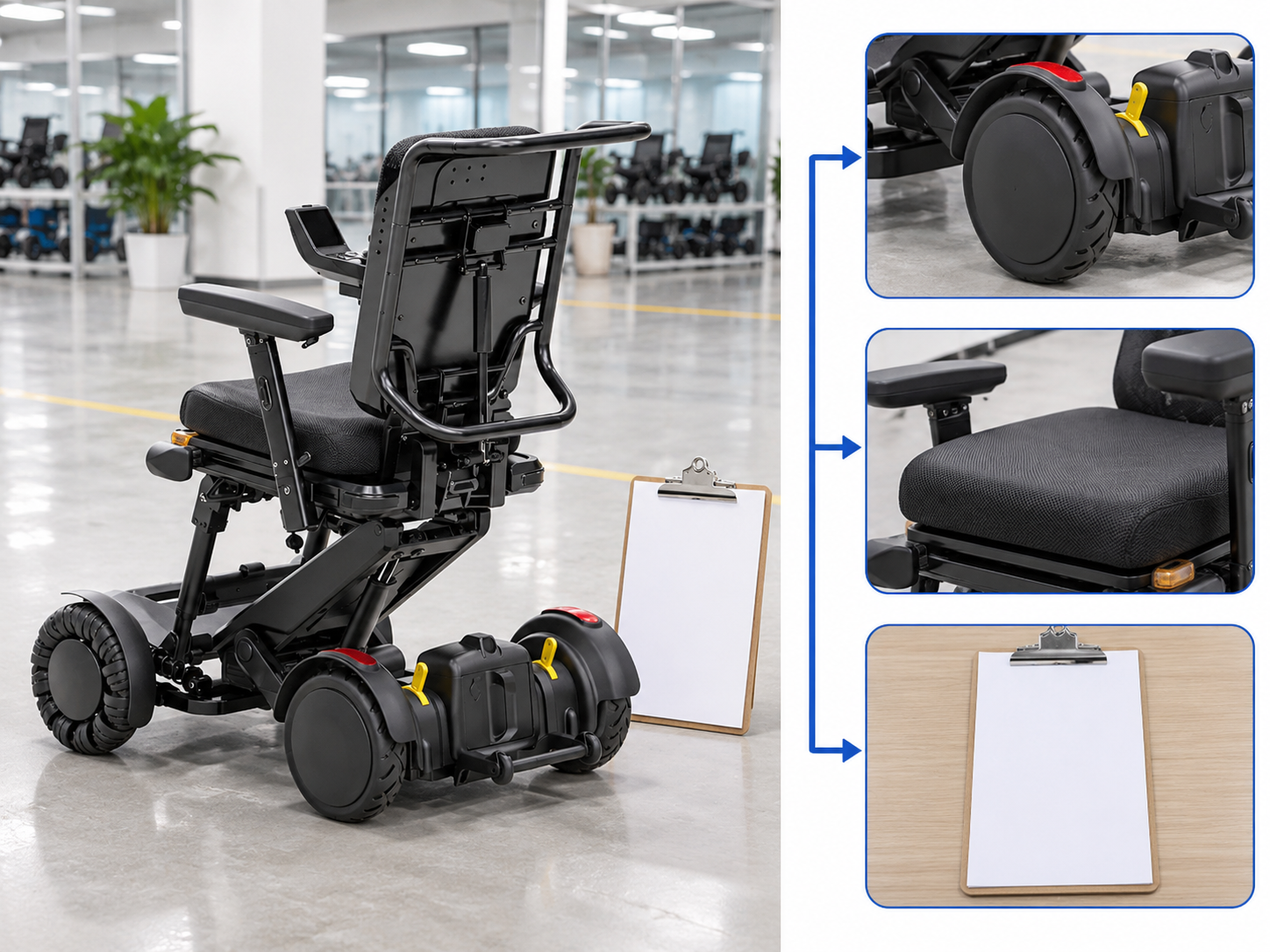
An XSTO M4Pro maintenance review should summarize completed work, open issues and the next assigned actions. It should preserve the scope of actual findings rather than label the entire chair safe from a brief record alone.
Keep completed and pending work distinct
A clear status helps the next person act. Link the review to the relevant service evidence. Record who owns unresolved questions and when the agreed process calls for follow-up.
- Completed work
- Open issues
- Next owner
| Review point | What to confirm |
|---|---|
| Completed work | Actual recorded actions |
| Open issues | Specific unresolved points |
| Next owner | Named responsible person |
Key Takeaway: You can maintain continuity without overstating what a service note proves.
How can you request XSTO M4Pro maintenance support?

Request XSTO M4Pro maintenance support with the unit identity, current guide and the specific service question. Include known history and clear observations rather than a guessed technical cause.
Send a focused service brief
Make the requested response clear. Ask the provider to confirm the applicable work and support arrangements. Keep the reply with the unit's ongoing service record.
- Equipment
- Concern
- Requested response
| Review point | What to confirm |
|---|---|
| Equipment | Exact chair and relevant parts |
| Concern | Factual description and history |
| Requested response | Service scope and next action |
Key Takeaway: You can arrange maintenance from a clear record of the actual product and issue. Contact us with your M4 Pro configuration and purchasing questions so we can discuss the product information and written scope you need. AryMD puts clear product facts at the center of buying decisions.
Frequently asked questions
Q1: Can I use a generic maintenance calendar from another wheelchair?
Not without checking the actual model guidance. The relevant parts, instructions and service arrangements need to match the M4 Pro version supplied.
Q2: What's the best starting point for a maintenance file?
Start with the exact unit identity and matching guide. Add service roles, known history and the current open questions.
Q3: How do I know whether a task belongs with a technician?
Use the applicable maker guidance and provider's scope. A visible fastener or supplied tool does not authorize every repair or adjustment.
Q4: Should a concern wait until the next planned service interval?
No. A reported issue needs the relevant service response rather than an assumption that a calendar interval guarantees condition.
Q5: Can a completed care note prove the whole chair is ready for use?
No. Keep routine observations, technical findings and the responsible readiness decision clearly identified.