
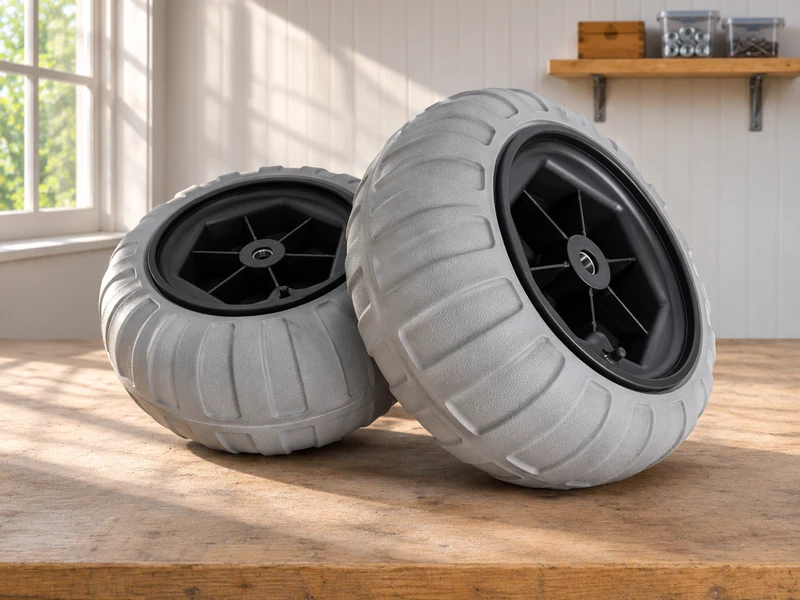
A change in wheel hub offset can move a beach cart tire closer to its frame even when the new wheel fits over the axle. If the original runs clear and the spare rubs, compare both hub faces with the approved assembly drawing before using the cart.
How does wheel hub offset affect clearance?
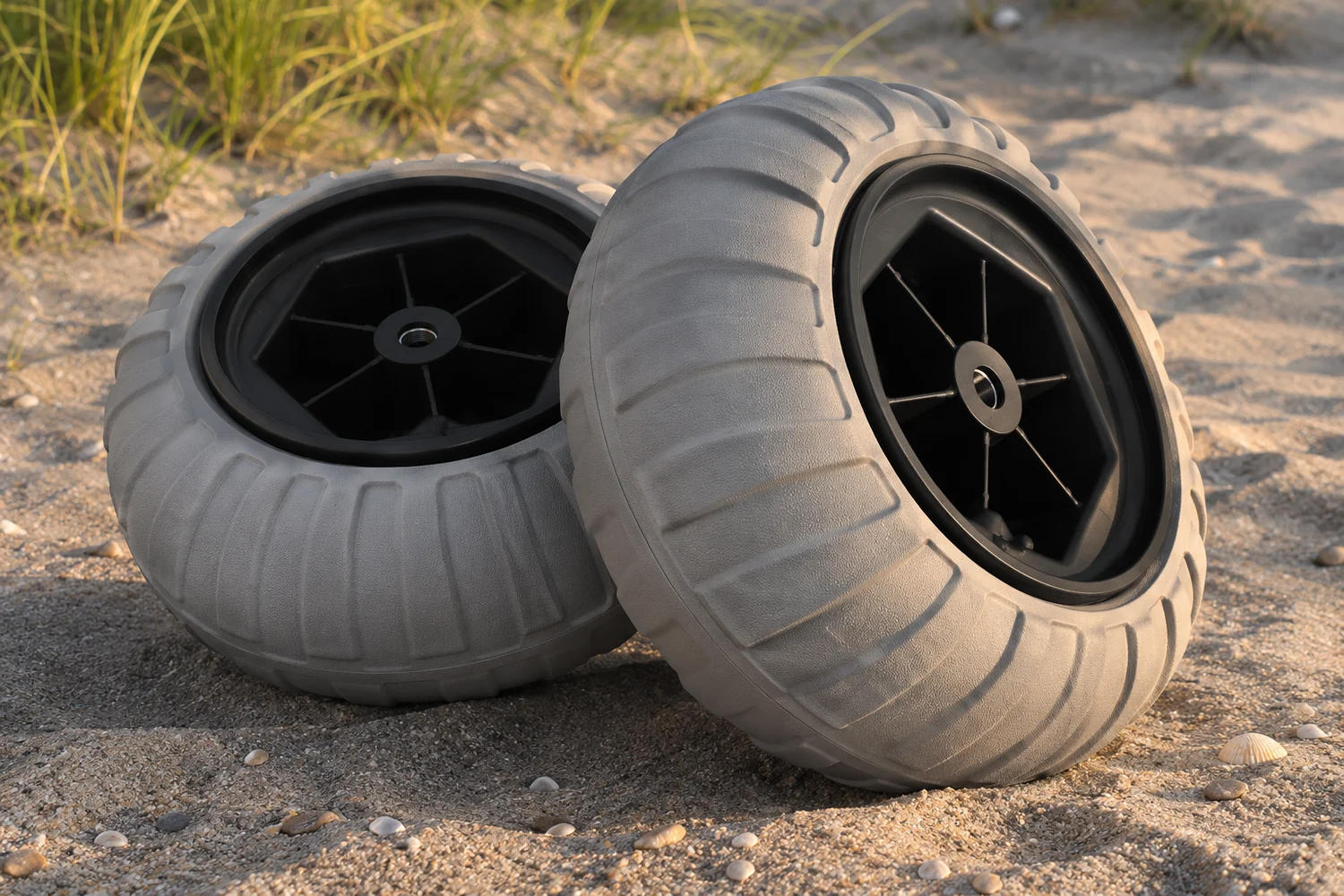
The wheel hub offset influences where the tire sits relative to the mounting surfaces.
What are you comparing?
Look along the axle. A photograph taken square to the wheel can hide a hub that projects farther on one side.
- Request a side profile.
- Include both hub faces.
| Check | What to look for |
|---|---|
| Face view | Opening and hub features |
| Profile | Projection relative to tire |
Key Takeaway: The missing profile often explains why two wheels occupy different space.
Which side of the wheel faces the frame?
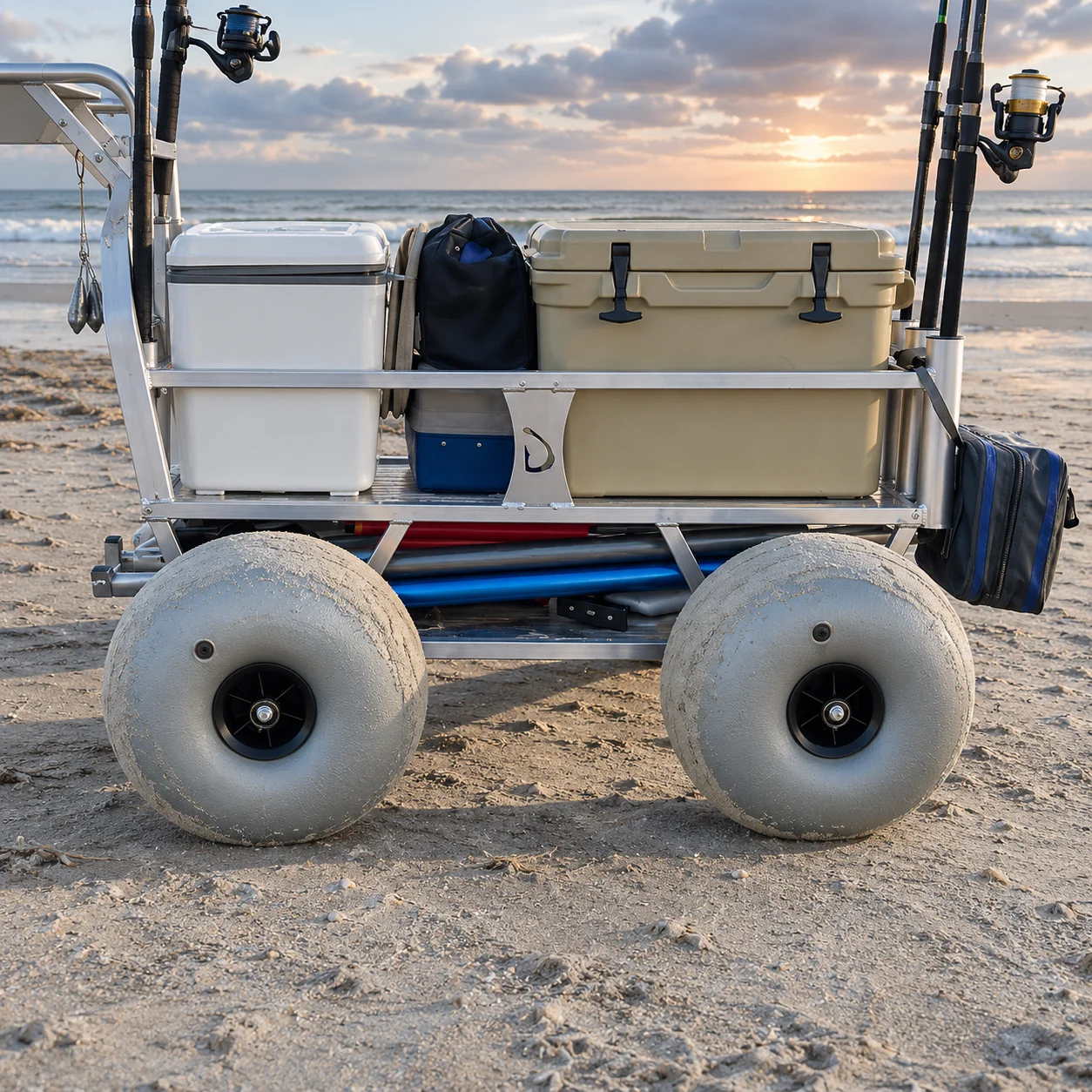
Identify the inboard face using the original installation before comparing wheel hub offset.
Can you use the valve as a guide?
Use the documented orientation. A visible valve can help locate a photo but does not by itself establish the required mounting direction. The terminology in the wheel assembly guide can help label the two views.
- Photograph the original in place.
- Mark an image copy as inboard.
| Check | What to look for |
|---|---|
| Inboard | Toward the frame |
| Outboard | Away from the frame |
Key Takeaway: Everyone reading the quote should use the same viewpoint.
Which reference plane should both parties use?
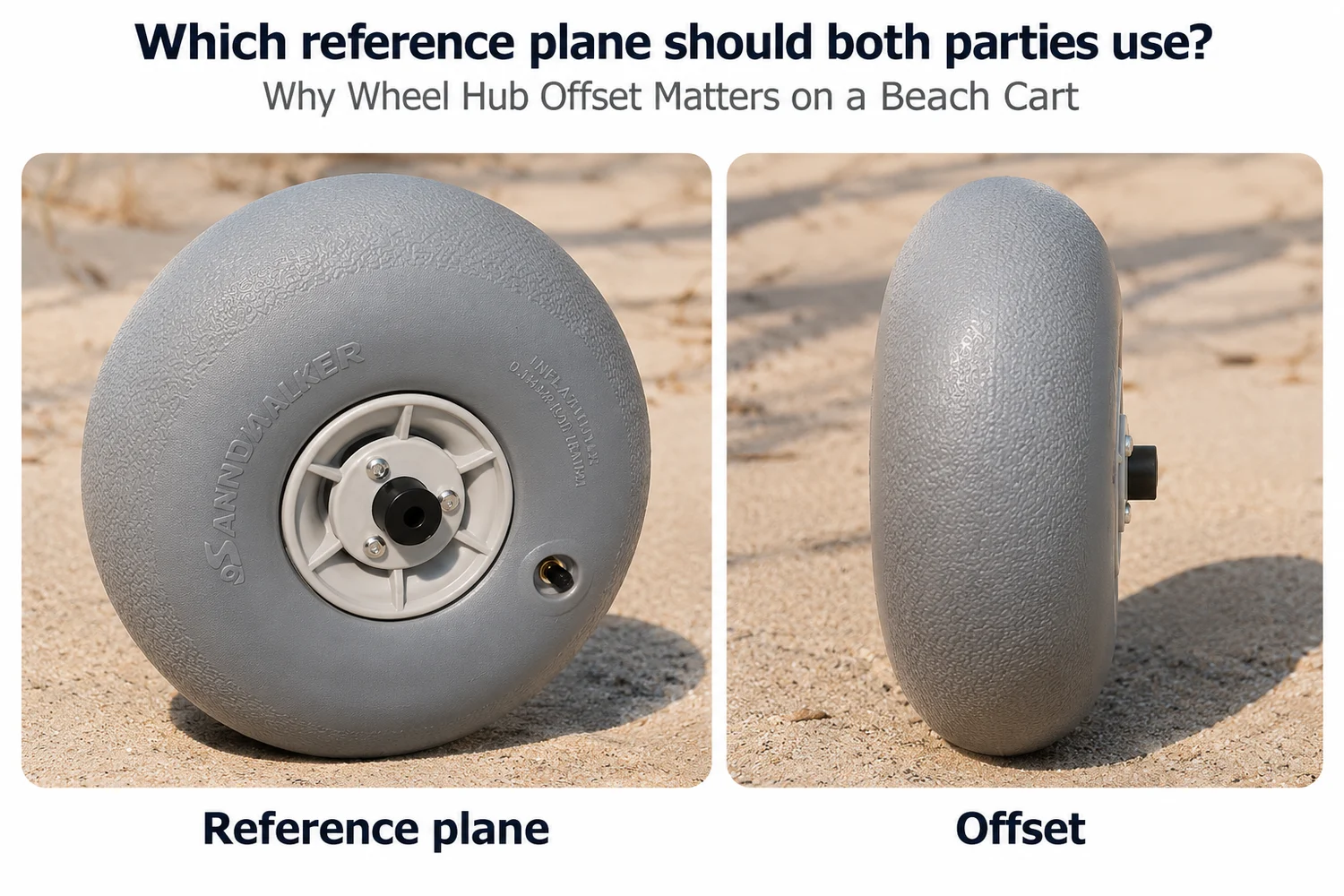
Agree on a reference plane before exchanging wheel hub offset values.
Can two drawings use different conventions?
Read the dimension arrows. One drawing may show a projection from a hub face while another locates a tire centerline; the numbers answer different questions.
- Request the marked drawing.
- Describe the two endpoints in words.
| Check | What to look for |
|---|---|
| Reference plane | Named face or centerline |
| Offset | Distance under the stated convention |
Key Takeaway: Two offset numbers are comparable only when their reference geometry agrees.
How do you distinguish offset from hub length?
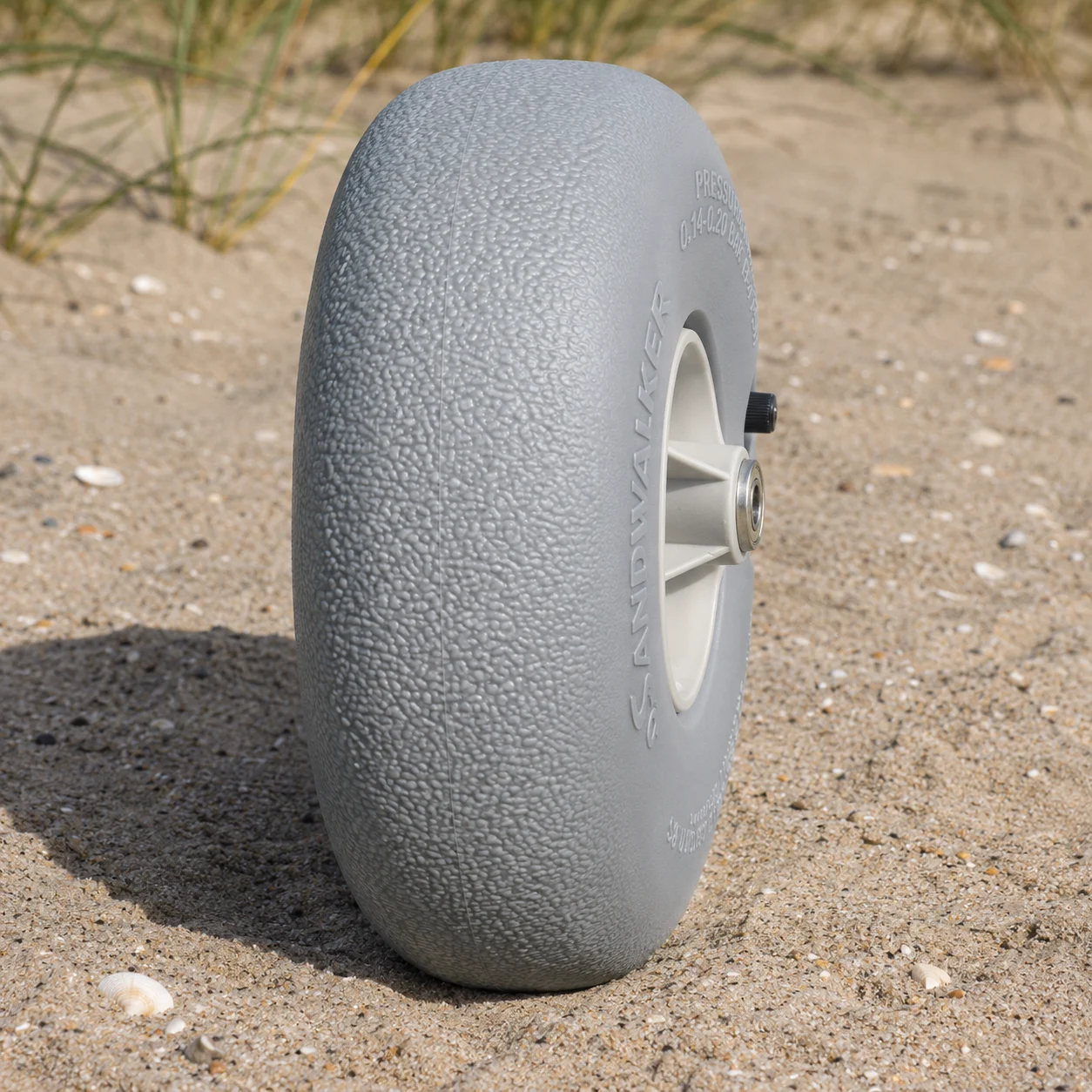
Treat wheel hub offset and overall hub length as separate dimensions.
What if the hub lengths match?
The tire may still sit differently. A hub can project unequally on the two sides even when its total length matches another wheel.
- Measure both projections if requested.
- Keep the full length on a separate line.
| Check | What to look for |
|---|---|
| Total length | End to end across the hub |
| Projection | Position of one face relative to the tire |
Key Takeaway: The extra line on the drawing shows which component moved inward.
What can interfere on the inboard side?
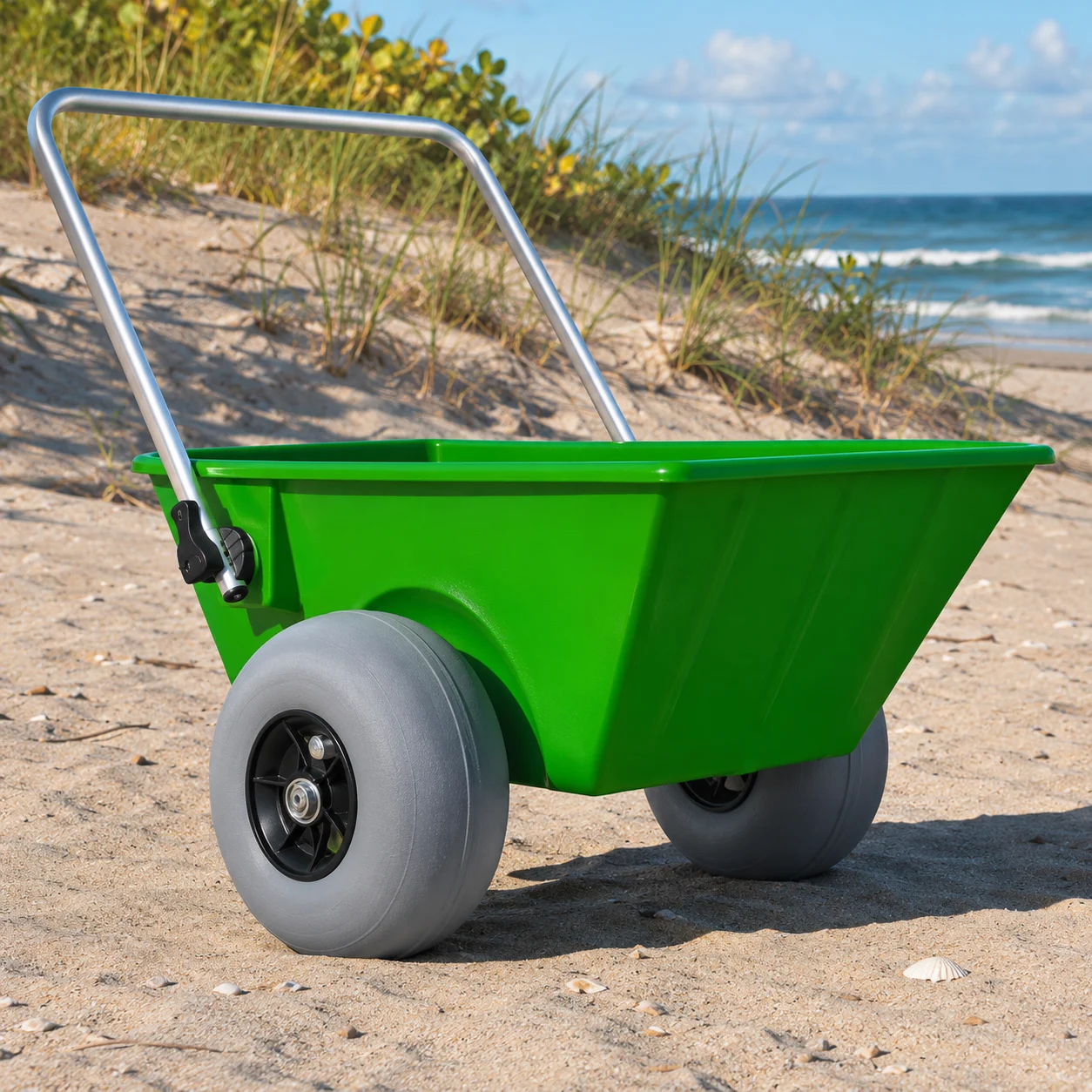
Compare wheel hub offset with the location of the frame, tub or bracket beside the wheel.
What should the site photograph?
Take the mounted view. A wide tire can sit opposite different frame features at different points around its perimeter.
- Photograph the nearest fixed part.
- Show enough frame to locate the view.
| Check | What to look for |
|---|---|
| Wheel | Nearest visible tire surface |
| Frame | Adjacent fixed component |
Key Takeaway: A complete view makes a rubbing report easier to investigate.
Why check the outboard side too?
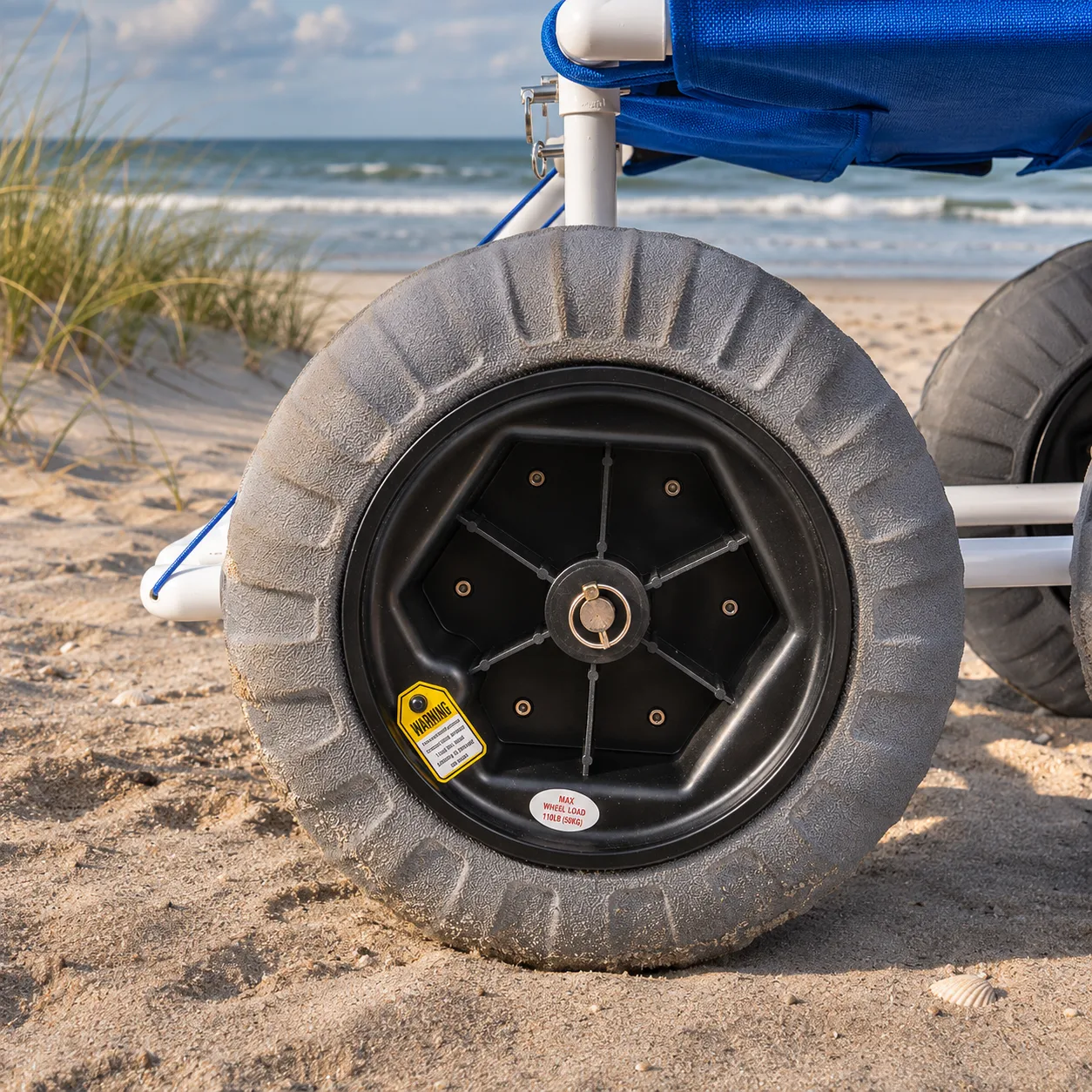
A wheel hub offset change can alter the room available for the specified retention hardware.
Is visible axle length a pass mark?
Ask for the approved arrangement. A partly exposed groove or thread does not prove that the original retainer can be installed as intended. Keep the actual cart from the product range in the shot.
- Show the original retainer position.
- Request the applicable section drawing.
| Check | What to look for |
|---|---|
| Axle end | Visible features |
| Retention | Approved fitted configuration |
Key Takeaway: The service team needs space for both the tire and its retainer.
Do the dimensions change with the cart loaded?
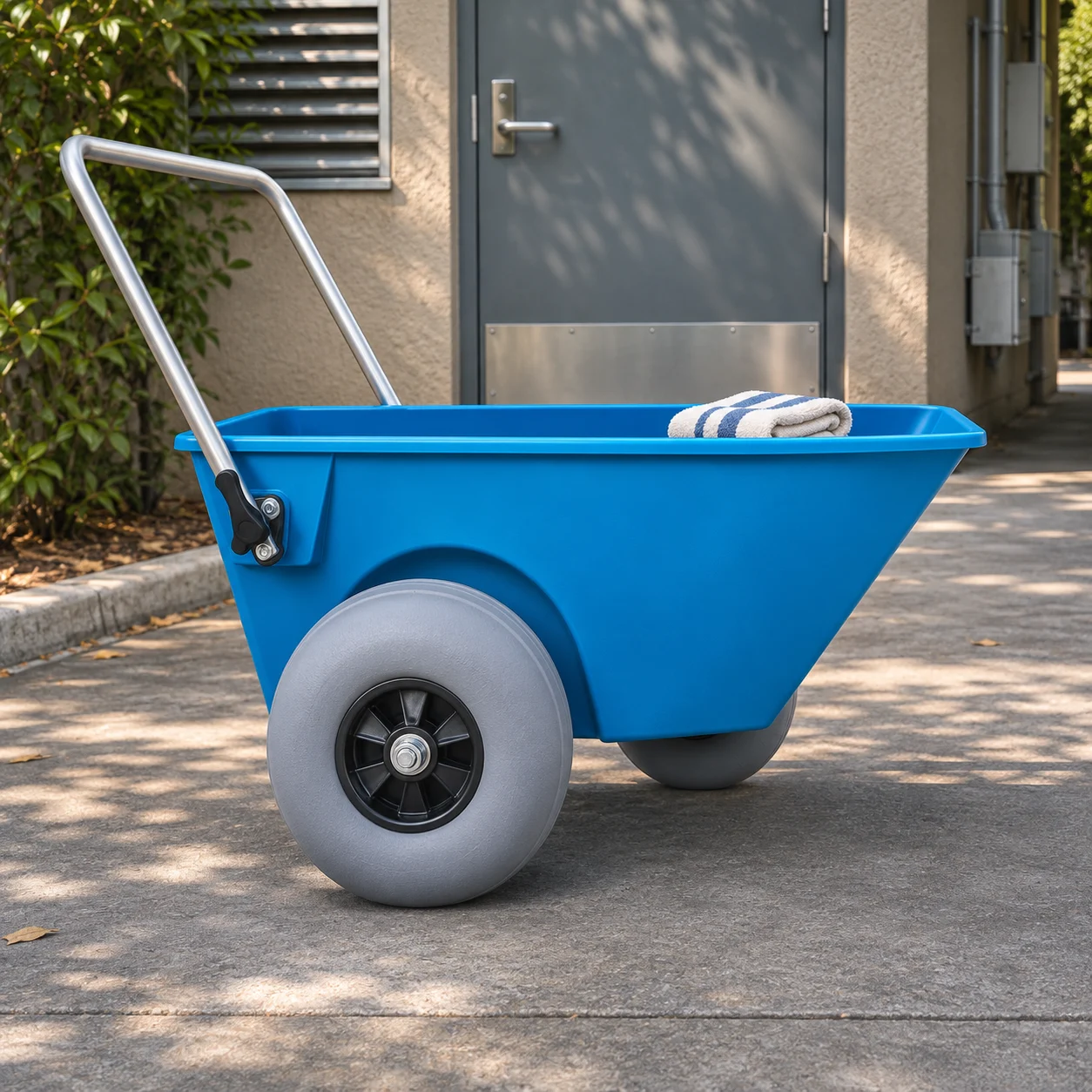
Compare the fixed wheel hub offset separately from clearance under the intended operating conditions.
Why distinguish those checks?
The hub geometry stays with the wheel. Tire shape and the relationship between load and frame can affect available clearance during a documented trial. Use a single length unit throughout the drawing, following the NIST guide to metric length.
- Record unloaded conditions.
- Follow the maker's approved loaded checks.
| Check | What to look for |
|---|---|
| Geometry | Wheel drawing |
| Operating clearance | Condition of the complete cart |
Key Takeaway: An empty cart photo cannot establish clearance for every load.
Can you reverse a wheel to gain space?
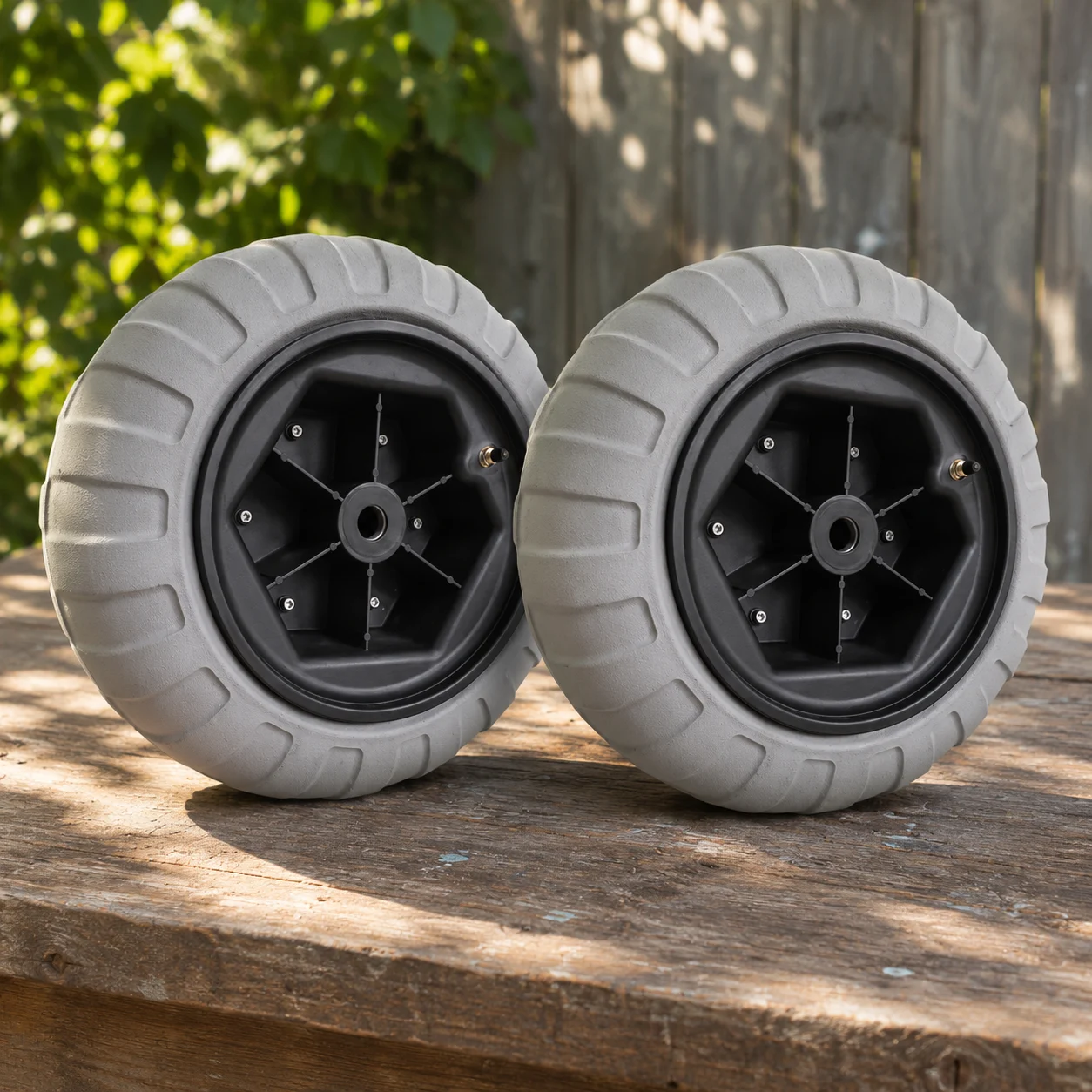
Reverse a wheel to change wheel hub offset only if the manufacturer approves that mounting orientation.
What if reversing it seems to work?
Stop at the observation. The valve, retainer and approved seating surfaces may then be in different positions. Include both orientations in your supplier enquiry.
- Record the proposed orientation.
- Request written compatibility confirmation.
| Check | What to look for |
|---|---|
| Proposed fit | Unverified arrangement |
| Approved fit | Documented orientation |
Key Takeaway: A quick visual fit is a question for the supplier, not a release decision.
What should a buyer send with the enquiry?

Send the original wheel, axle details and the wheel hub offset drawing convention in one request.
Which photograph helps most?
Add the frame in context. A supplier who sees only a detached wheel may never learn which side has the restricted clearance.
- List the cart model.
- Attach the mounted side profile.
| Check | What to look for |
|---|---|
| Identity | Cart and wheel references |
| Constraint | Side and interfering part |
Key Takeaway: The seller can quote to a physical constraint rather than a wheel colour.
How should you close a rubbing complaint?
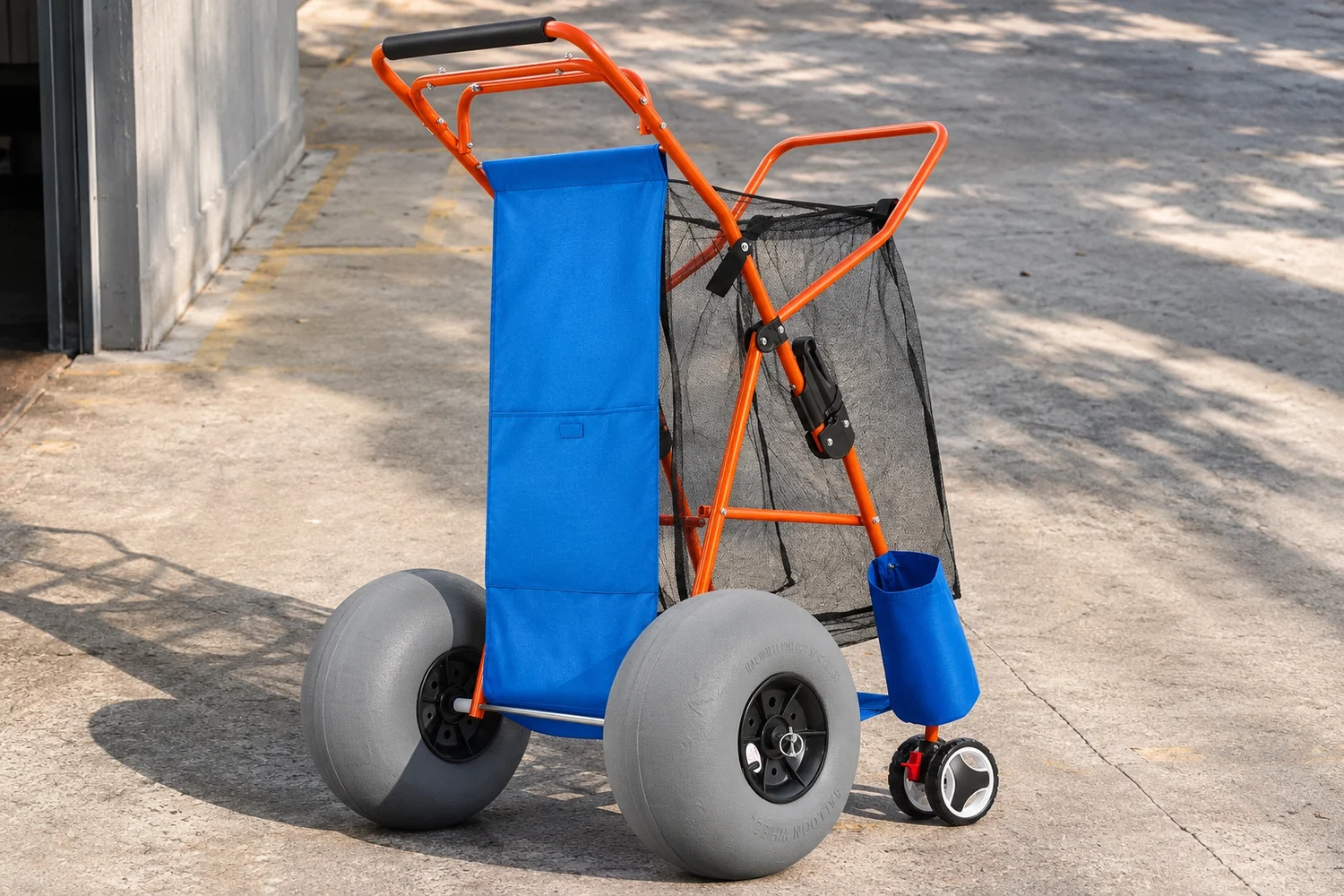
Close it when the approved replacement, wheel hub offset and clearance checks agree on the complete cart.
What should the next buyer inherit?
Keep the comparison. Store the approved drawing together with the part number and the equipment revision it fits.
- Save the accepted reference.
- Record who checked the installed assembly.
| Check | What to look for |
|---|---|
| Purchase record | Approved wheel identity |
| Service record | Installed clearance check |
Key Takeaway: A short record prevents the same wrong wheel arriving next season. Contact us with both hub faces and the assembly that needs the wheel. We want a replacement wheel to fit the whole assembly, down to its last millimetre of clearance.
Frequently asked questions
Q1: Can wheels with the same bore have different offsets?
Yes. Bore size describes the opening and does not locate the tire relative to the hub faces.
Q2: Can a spacer fix a small clearance problem?
Use one only if the complete arrangement is approved for the equipment.
Q3: What is the best angle for a rubbing report?
Send a profile of the mounted wheel plus a wider view showing the nearest frame component.
Q4: How do I know the proposed wheel fits under load?
Use the maker's documented compatibility and approved checks for the complete cart and load.
Q5: Can I use a detached wheel photo for a quote?
Yes, as supporting evidence. Add the installed orientation and original equipment identity.