
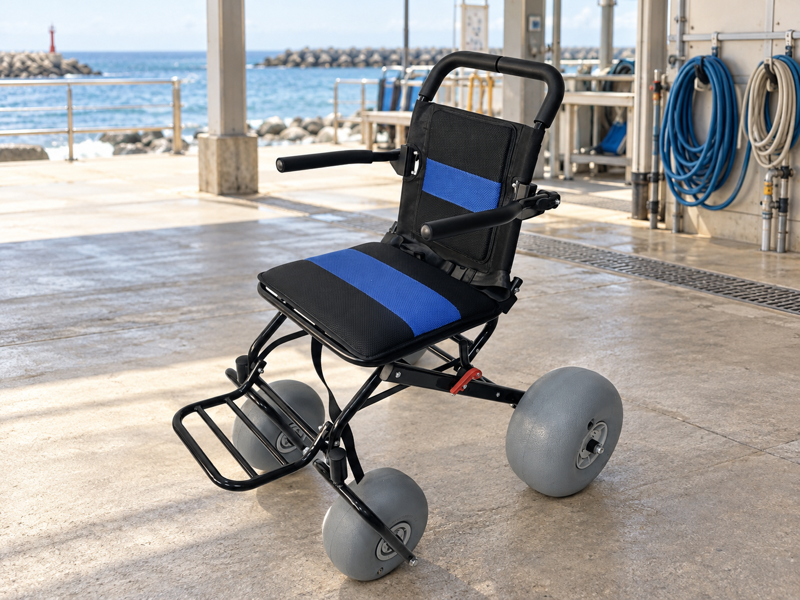
Plan a beach wheelchair drying area around the exact care guidance and a visible equipment-status process. A chair may be placed in a spare corner while the next shift assumes it is ready. That misunderstanding starts with an unclear handoff. Define the area, responsible staff and required checks before routine use.
What should a beach wheelchair drying area plan establish?
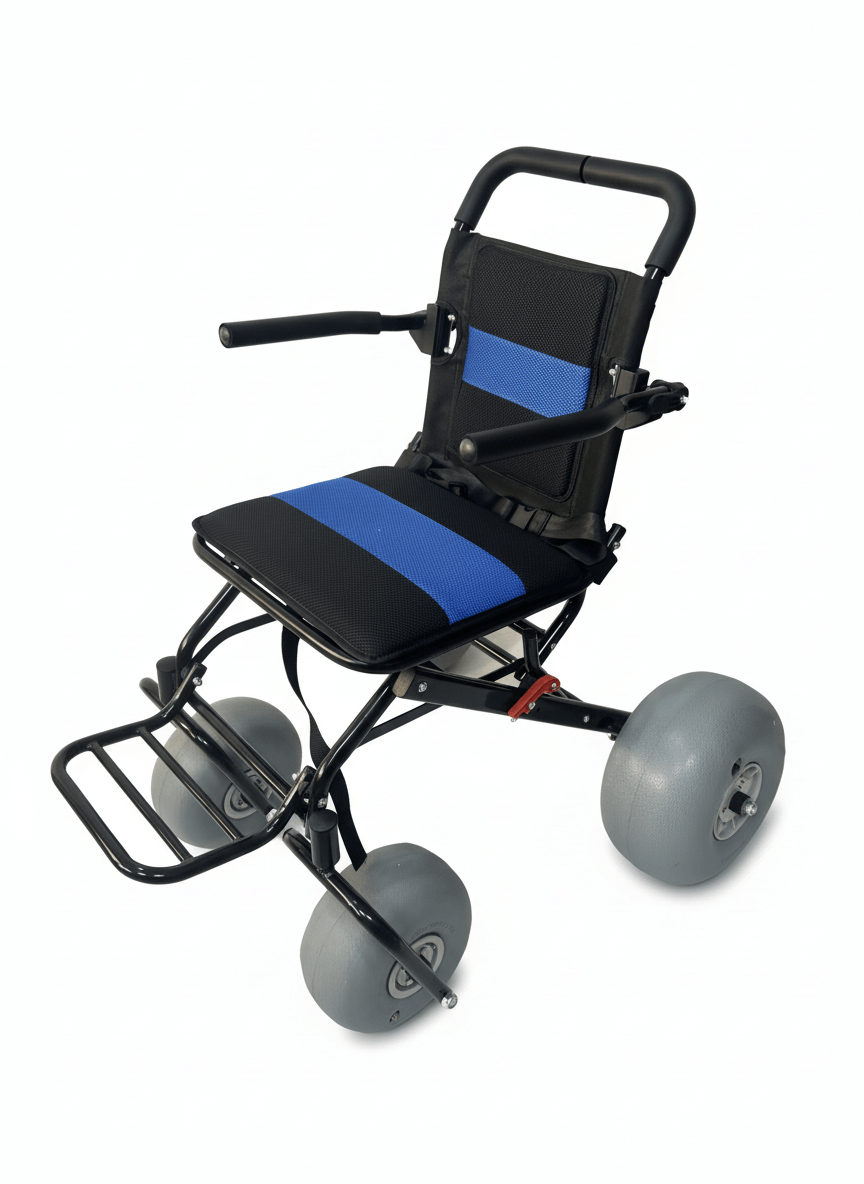
A beach wheelchair drying area plan should establish where equipment completes the maker-approved drying process and how staff track its status. A spare corner does not by itself provide a usable workflow.
Start with the care instructions
Let the product guide define the needs. Ask for the exact guidance before choosing the area. Keep space, staff access and equipment identification in the same plan. WHO guidance covers wheelchair fit and follow-up services.
- Identify care source
- Name equipment scope
- List area needs
| Check | Record to retain |
|---|---|
| Identify care source | Current guide |
| Name equipment scope | Models used |
| List area needs | Approved process |
You can plan a defined stage between care and later use.
Which environmental questions belong in the plan?
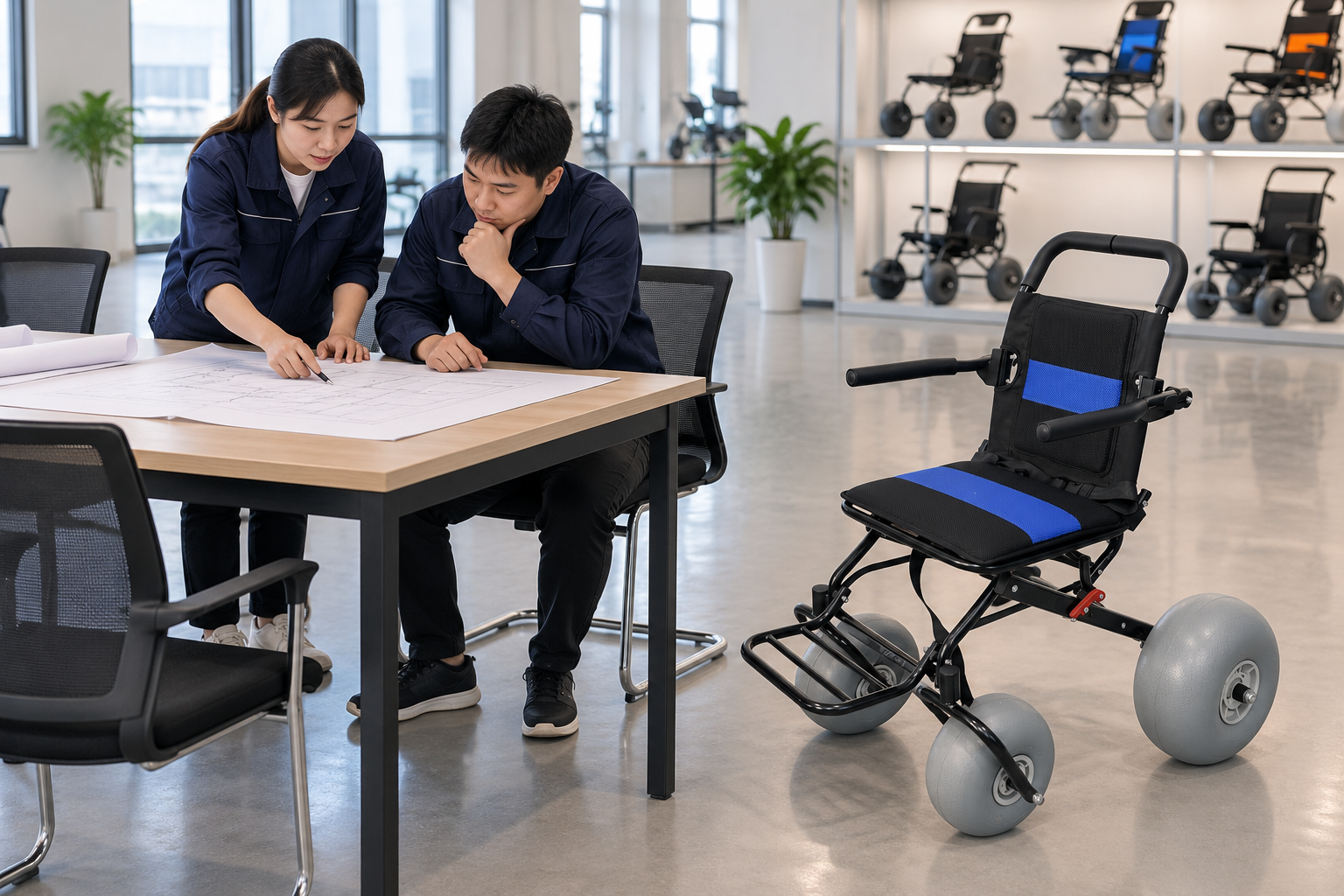
Environmental questions for a beach wheelchair drying area should be answered through the exact product guidance and suitable site review. Do not invent universal heat, sunlight or airflow requirements.
Check the permitted conditions
A faster-looking method may be unsuitable. Ask the maker to clarify unclear instructions. Keep proposed heaters or other changes outside the plan until reviewed. Request unclear drying guidance through your supplier review.
- Request product conditions
- Describe proposed area
- Review extra equipment
| Check | Record to retain |
|---|---|
| Request product conditions | Maker guidance |
| Describe proposed area | Site record |
| Review extra equipment | Responsible provider |
Your team can seek suitable conditions without adopting an unapproved drying method.
How should space be measured for a beach wheelchair drying area?
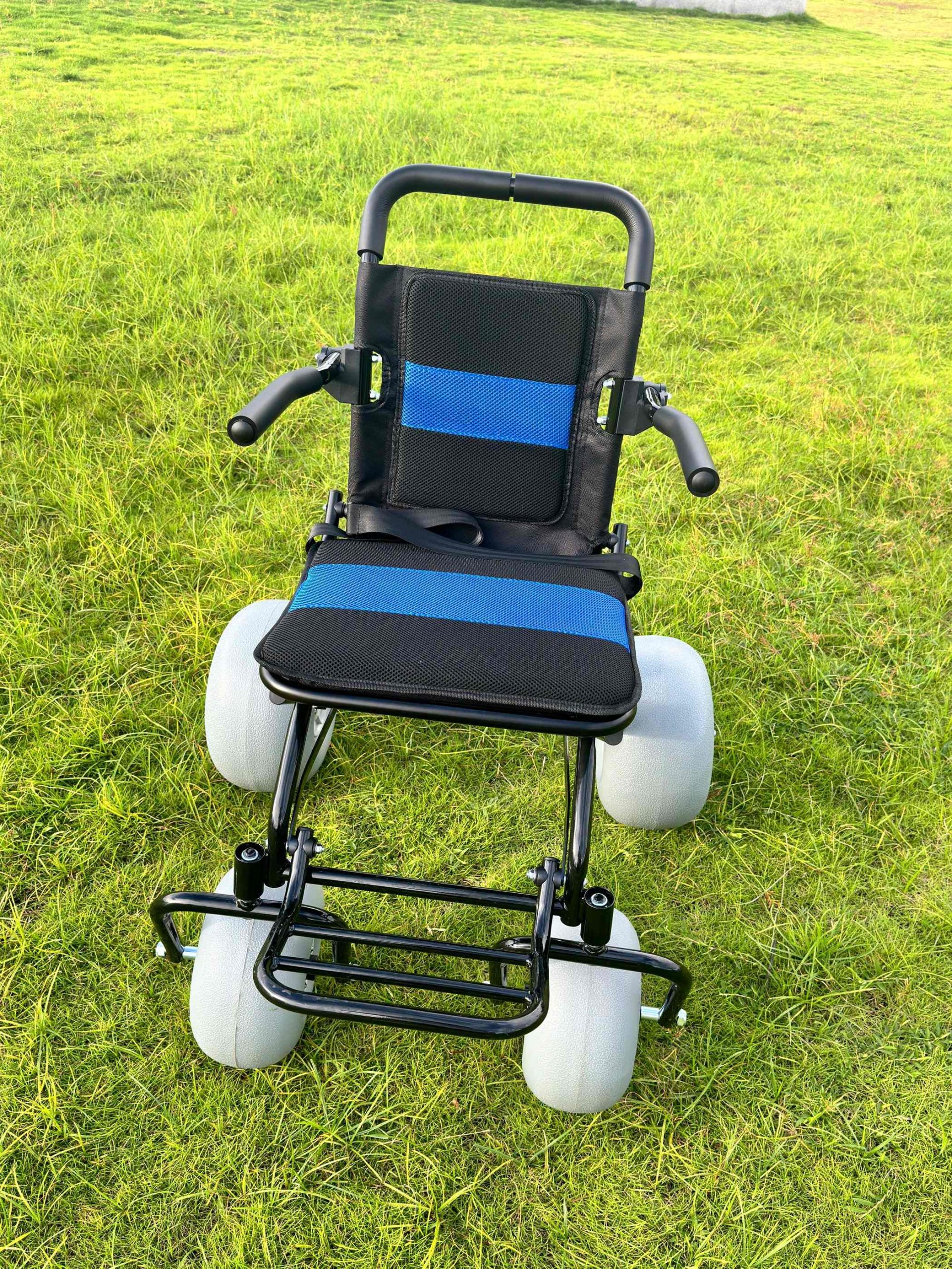
Measure a beach wheelchair drying area around the permitted equipment state and the staff access needed for the approved process. Include relevant routes and nearby fittings in the layout.
Use the actual product state
A folded size may describe a different task. Ask the reviewer which measurements to collect. Keep loose parts identified if the exact instructions require them to be handled separately.
- Name permitted state
- Record area dimensions
- Identify separate items
| Check | Record to retain |
|---|---|
| Name permitted state | Product guide |
| Record area dimensions | Site plan |
| Identify separate items | Approved process |
Your space plan can reflect the work being performed.
Can several models share one drying area?
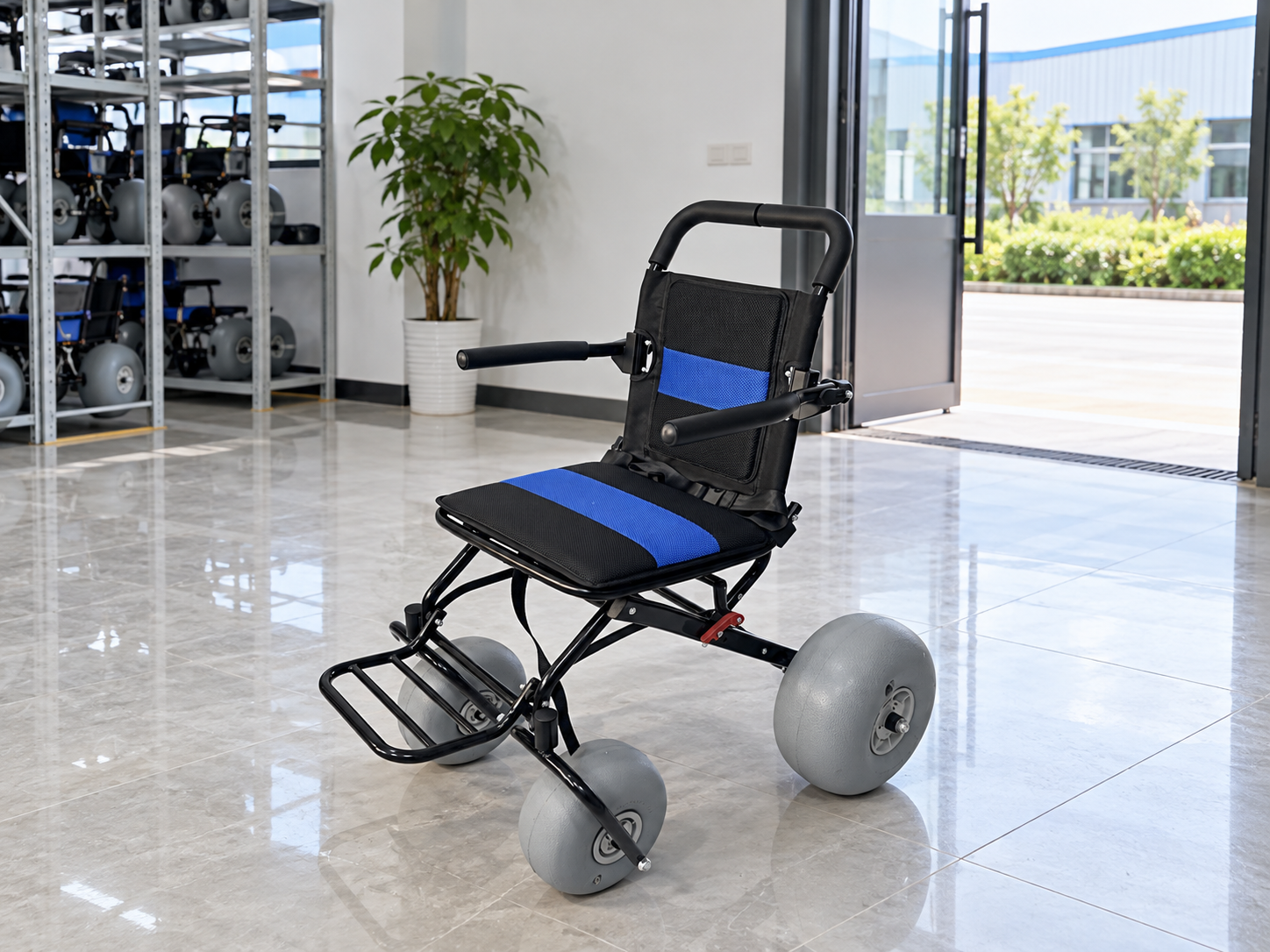
Several models may share a beach wheelchair drying area only where their product guidance and the facility's reviewed process allow the arrangement. Shared space should not erase model-specific instructions.
Keep each model identifiable
Similar frames can require different care records. Ask the responsible team to define the workflow. Confirm that staff can find the correct guide for each unit.
- List models
- Match care guides
- Review shared layout
| Check | Record to retain |
|---|---|
| List models | Equipment register |
| Match care guides | Current files |
| Review shared layout | Site decision |
Your team can use a common area without assuming identical care requirements.
How should a beach wheelchair drying area show equipment status?
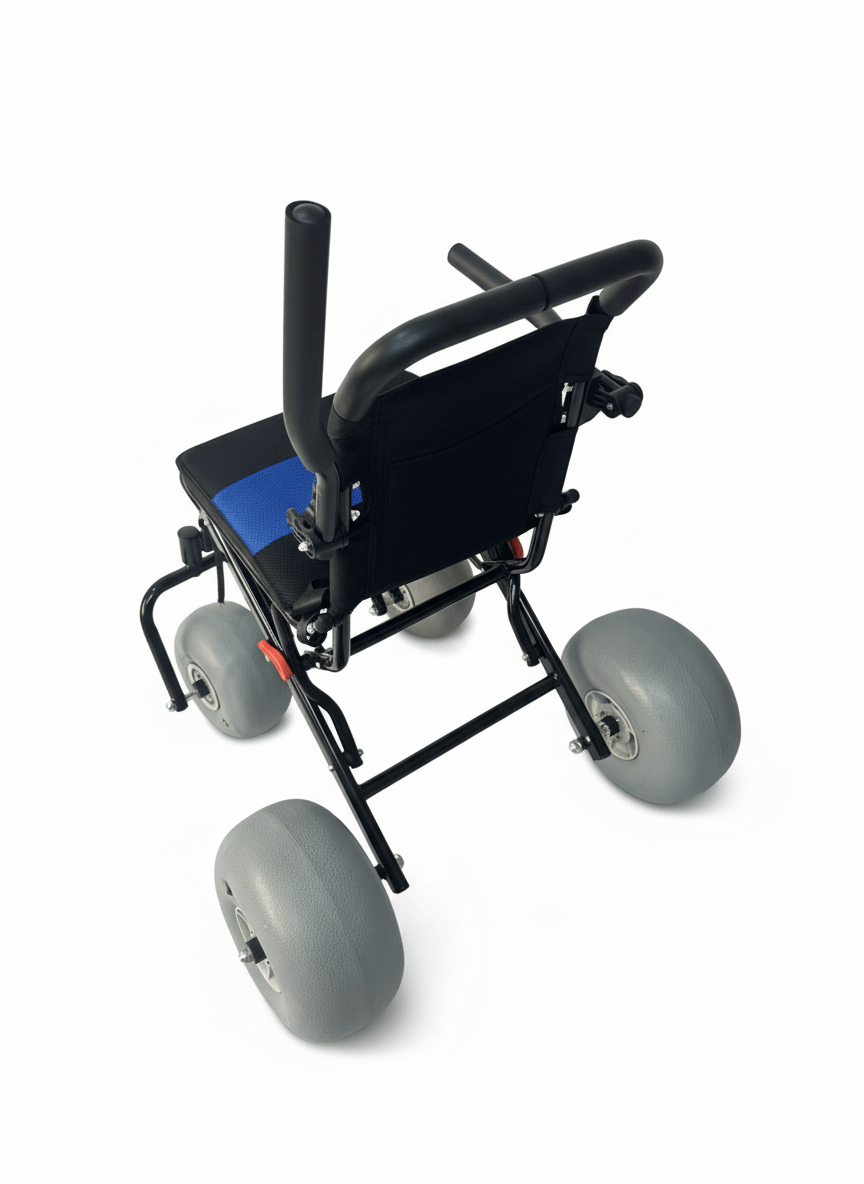
A beach wheelchair drying area should show equipment status using the site's defined record or marking process. A chair's location alone should not be the only evidence that it is ready.
Use a clear status record
The next shift needs the same meaning. Define who records progress and who makes any release decision. Keep unreviewed equipment distinguishable from available stock.
- Define status terms
- Assign update roles
- Link record to unit
| Check | Record to retain |
|---|---|
| Define status terms | Local procedure |
| Assign update roles | Named staff |
| Link record to unit | Asset reference |
Your staff can recognize the actual stage of each chair.
Can a fixed drying time be used for every chair?
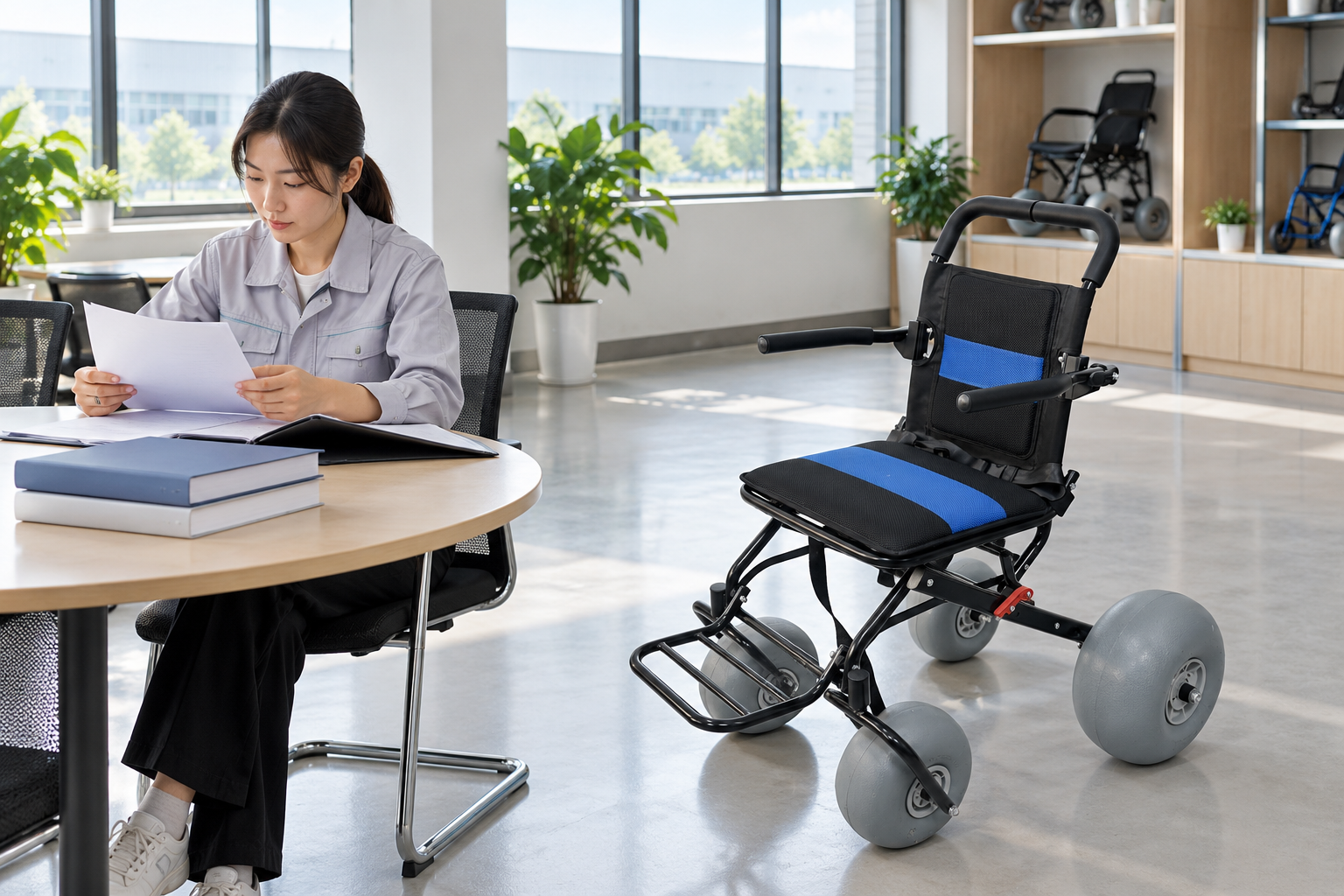
No, a fixed time should not be invented for every beach wheelchair drying area workflow. Follow the exact product guidance and the facility's approved method for confirming the required condition.
Avoid a universal timer rule
The instruction source must support the decision. Ask the maker or responsible provider to resolve missing guidance. Label planning estimates separately from equipment-release criteria. Keep status decisions connected with the maintenance record.
- Request applicable guidance
- Define decision method
- Separate estimates
| Check | Record to retain |
|---|---|
| Request applicable guidance | Product source |
| Define decision method | Approved process |
| Separate estimates | Planning notes |
Your operation can avoid treating a convenient schedule as proof that equipment is ready.
What should staff do with an unclear condition?
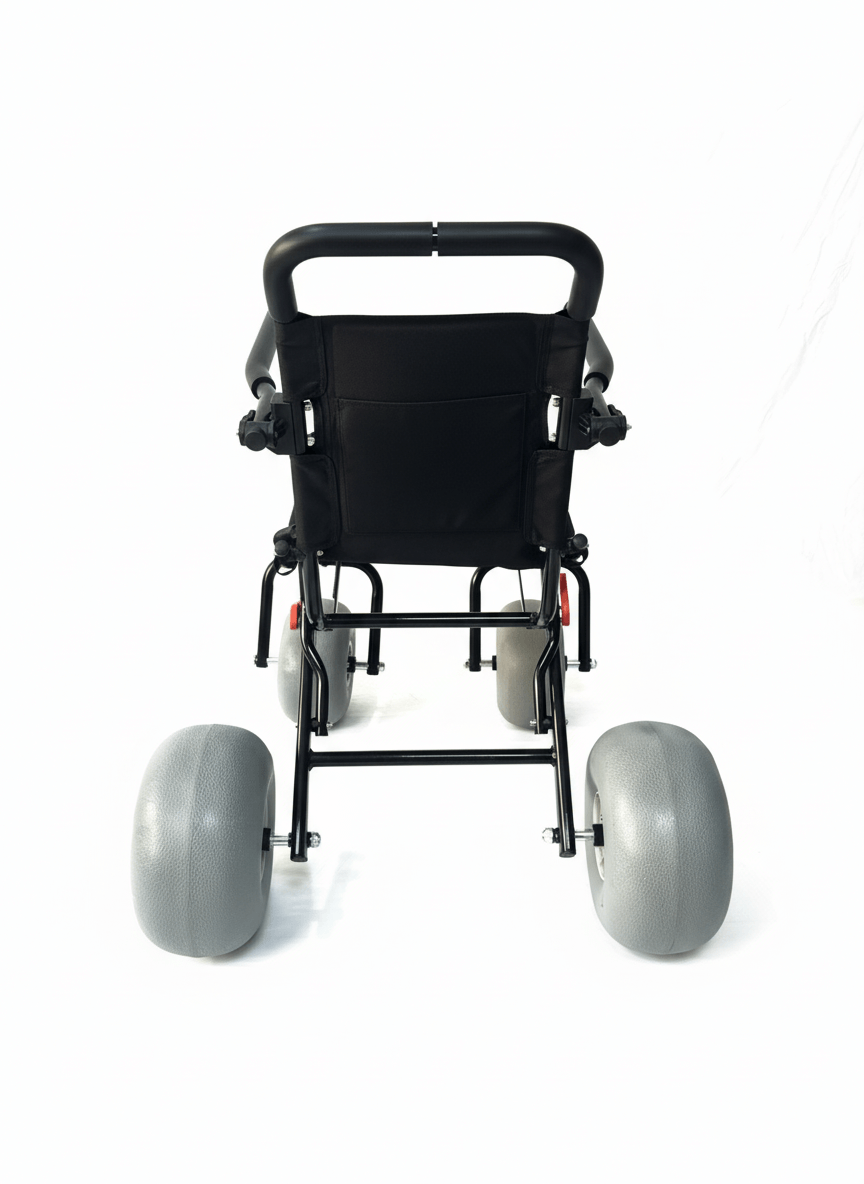
An unclear condition in a beach wheelchair drying area should be referred through the relevant care or service process. Staff should describe what they observe rather than guess whether it is acceptable.
Keep the observation factual
A concern needs an owner. Record the unit and affected area where appropriate. Maintain the equipment status required while the question is open.
- Identify the unit
- Describe observation
- Assign review
| Check | Record to retain |
|---|---|
| Identify the unit | Asset record |
| Describe observation | Clear note |
| Assign review | Responsible provider |
Your team can seek the right answer without hiding uncertainty in a completed checklist.
How should a beach wheelchair drying area connect with storage?
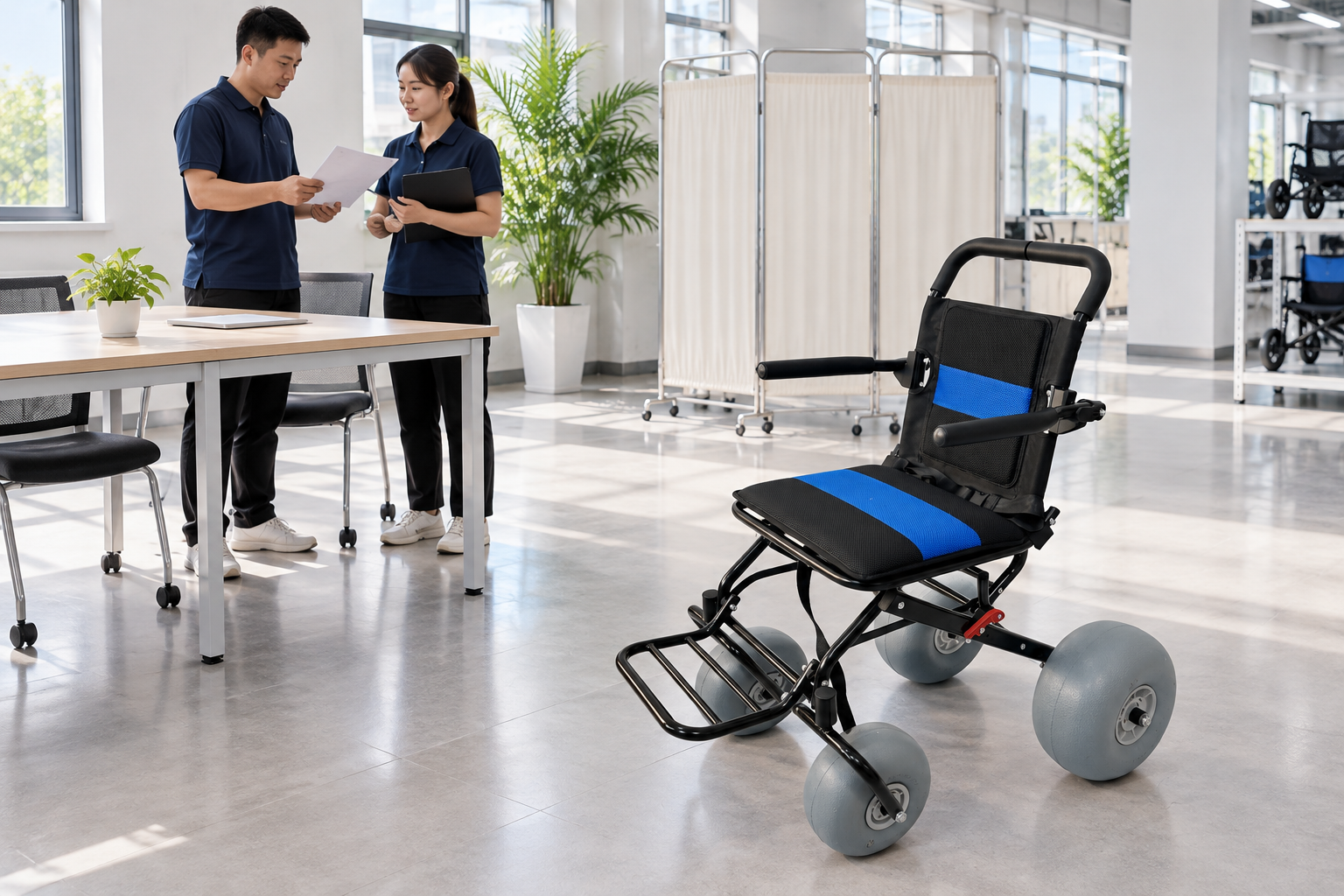
A beach wheelchair drying area should connect with storage through the approved care and status process. Moving a chair into a storage bay should not silently stand in for a required check.
Define the handoff point
The location change needs a clear meaning. Ask which records accompany the chair. Keep normal access routes and handling guidance visible in the plan. Add storage handoff needs to the sourcing brief.
- Name next location
- Record required checks
- Assign handoff owner
| Check | Record to retain |
|---|---|
| Name next location | Storage plan |
| Record required checks | Approved process |
| Assign handoff owner | Named role |
Your workflow can show when and why equipment moves to storage.
What changes should prompt a beach wheelchair drying area review?
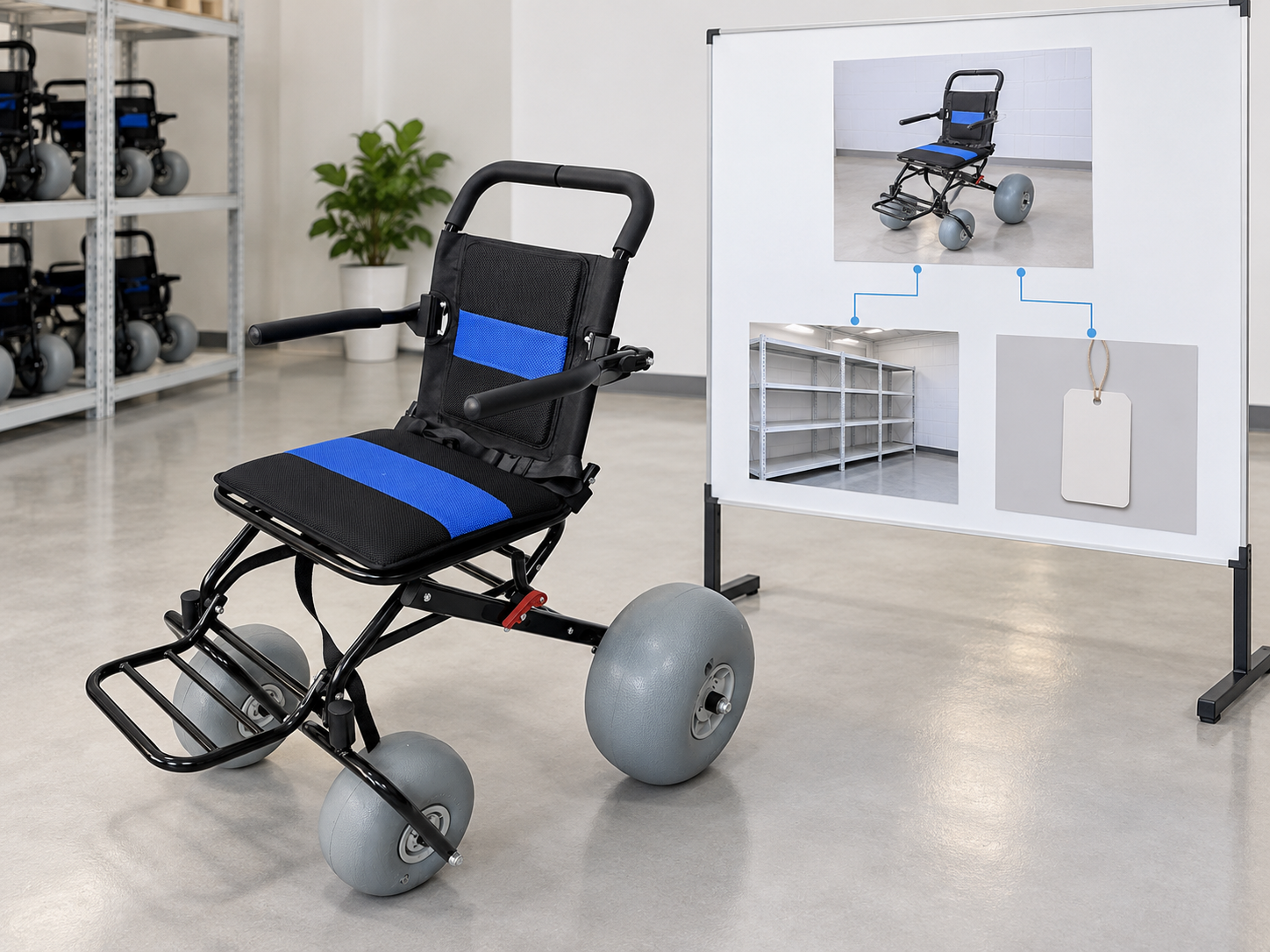
Review a beach wheelchair drying area when relevant product models, care guidance, facilities or service patterns change. The responsible team should decide which earlier assumptions need checking.
Revisit the affected part of the plan
A new product may bring new instructions. Record the change and retain the accepted revision. Avoid relying on an old room photo after the layout changes.
- Identify changed factor
- Request updated guidance
- Save revised plan
| Check | Record to retain |
|---|---|
| Identify changed factor | Review trigger |
| Request updated guidance | Relevant source |
| Save revised plan | Current approval |
Your area plan can remain tied to the equipment and process in use.
How should you plan a beach wheelchair drying area with suppliers?
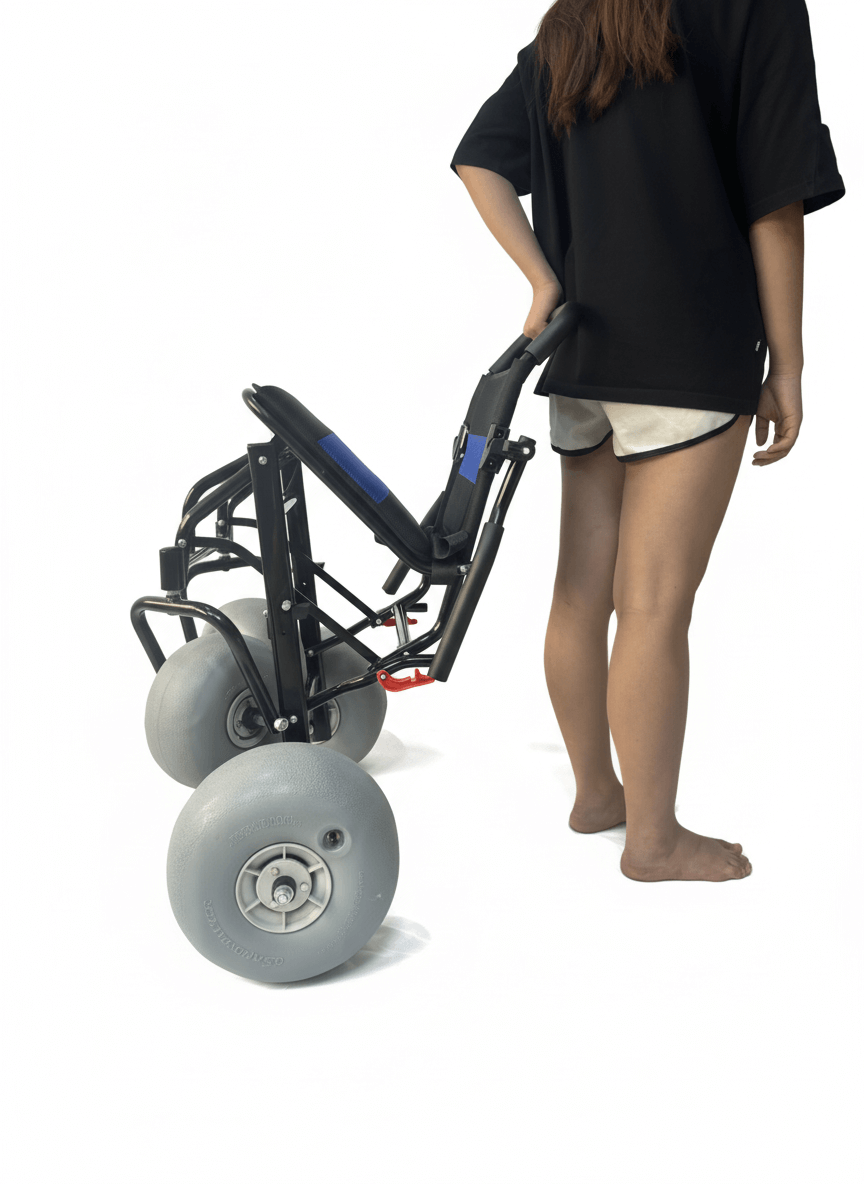
Plan a beach wheelchair drying area by requesting the current care guidance for each model and sharing the questions needed for site review. Ask for clear answers where instructions are incomplete.
Prepare a model-based care brief
Keep the facility questions separate. Use supplier facts to support the responsible site's plan. Do not replace product guidance with a generic drying checklist.
- List equipment
- Request care details
- Assign site review
| Check | Record to retain |
|---|---|
| List equipment | Model scope |
| Request care details | Current instructions |
| Assign site review | Responsible team |
You can build a clearer drying workflow around confirmed product needs. Contact us with your model and project questions so we can discuss the product information and written terms you need.
Frequently asked questions
Q1: Can I use one fixed drying time for every model?
Do not invent a universal time. Follow the exact guidance and approved method for confirming the required condition.
Q2: How do I choose heat or airflow conditions?
Ask for the applicable product and site guidance. A faster-looking method is not automatically suitable.
Q3: Can several models share the area?
Only within a reviewed arrangement that preserves their care requirements. Keep each unit and its correct instructions identifiable.
Q4: What's the best way to mark equipment status?
Use the site's defined record or marker process. Assign who updates it and who makes any required release decision.
Q5: Can a new chair use the old drying plan unchanged?
Review the relevant product guidance first. New models or care processes can change the area requirements.