
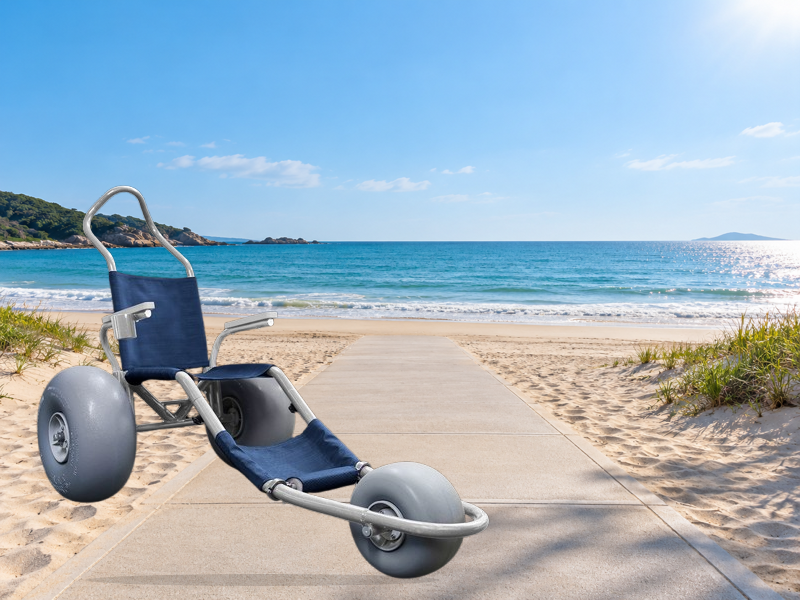
What Is The Best Beach Wheelchair For Resort Sand Access depends on sand depth, route distance, staff handling, storage space, and guest comfort expectations. Resort teams often face the same operational problem: a beautiful shoreline exists, yet standard mobility gear stops at the edge of soft sand. A clear equipment plan solves that gap by matching beach wheelchair use with access routes, handover training, and care routines.
For a broader product view, review AryMD beach wheelchair options while comparing the local site conditions your team manages every day. Before a purchase meeting, gather photos of the route, peak-hour guest flow, storage space, and staff handover point. Those notes help a beach wheelchair supplier answer with practical options instead of broad catalog claims.
They also help finance, operations, and guest service review one shared plan with fewer late surprises during seasonal planning.
For a California-specific example, the Coastal Commission’s beach-wheelchair directory lists local equipment and asks visitors to confirm arrangements with each beach.
What makes a beach wheelchair fit resort sand access?
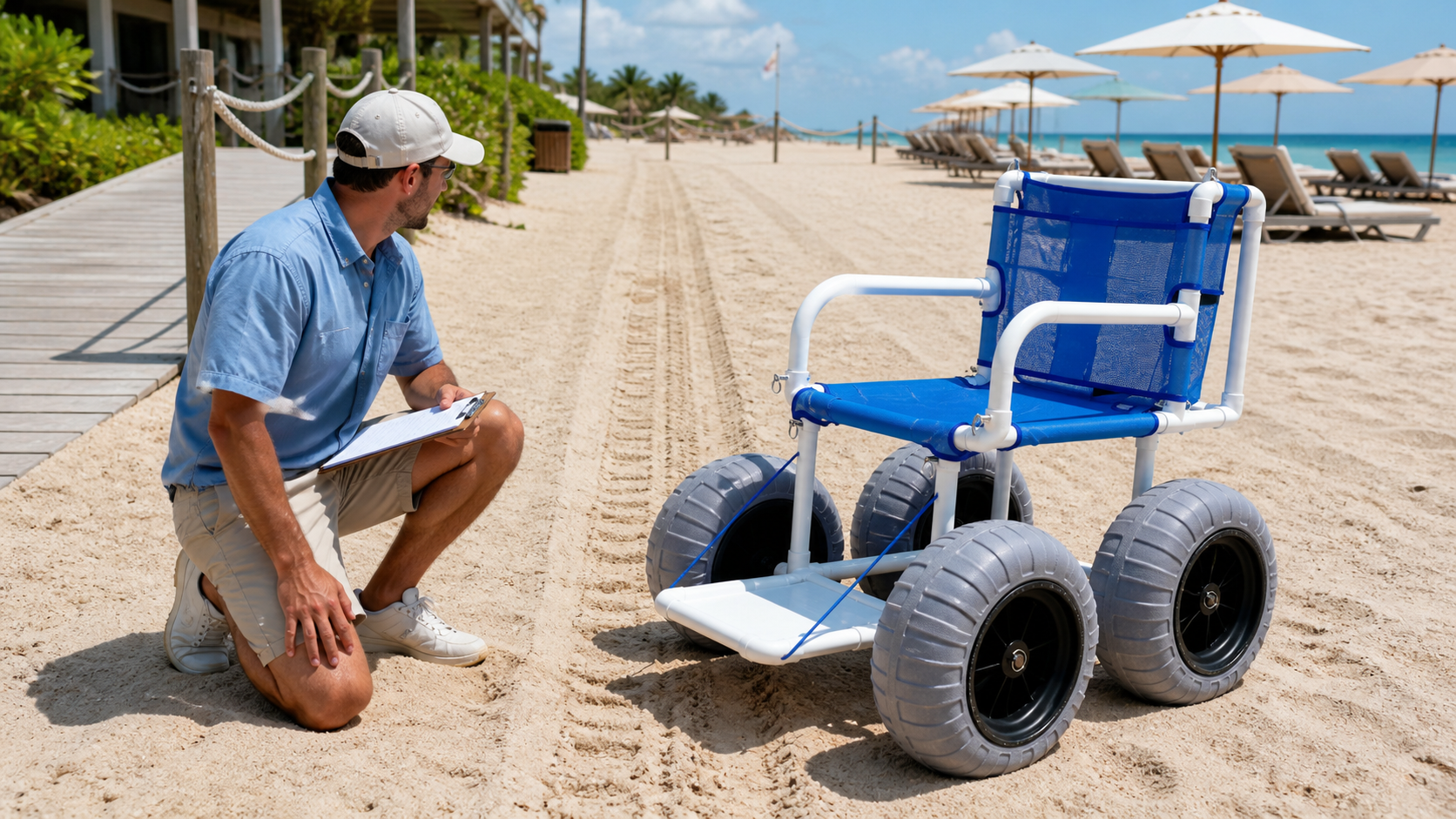
Beach wheelchair selection starts with sand conditions, guest support needs, and a clear handover routine before any resort buyer compares models. A strong fit begins with route mapping, guest transfer points, and equipment handling. Buyers should record where sand gets soft, where shade exists, and where staff can stand safely. That information turns a vague purchase into a practical operating plan. A related AryMD page can help your team compare options: beach wheelchair planning resource.
For B2B buyers, this beach wheelchair decision also affects training time, cleaning rhythm, storage layout, and guest communication. A resort may have a wide beach entrance in the morning and a much tighter route after chairs, towels, umbrellas, and service carts arrive. That is why procurement notes should describe real operating conditions in plain words.
Staff can then compare supplier answers against daily tasks, not against a showroom scene. When teams document who prepares equipment, who guides guests, who receives returns, and who checks visible wear, the purchase becomes easier to defend across operations, purchasing, and guest service teams.
Which buying checks should come before model choice?
- Map entry points from pavement to sand
- Note distance from storage area to guest zone
- Check whether staff can guide without crowding guests
Beach-wheelchair buyers should map pickup and return paths around loungers, umbrellas, and service carts. Add route checks, cleaning, storage, and handover owners to the site brief so suppliers can answer against the resort’s actual service plan.
How should teams judge route and surface fit?
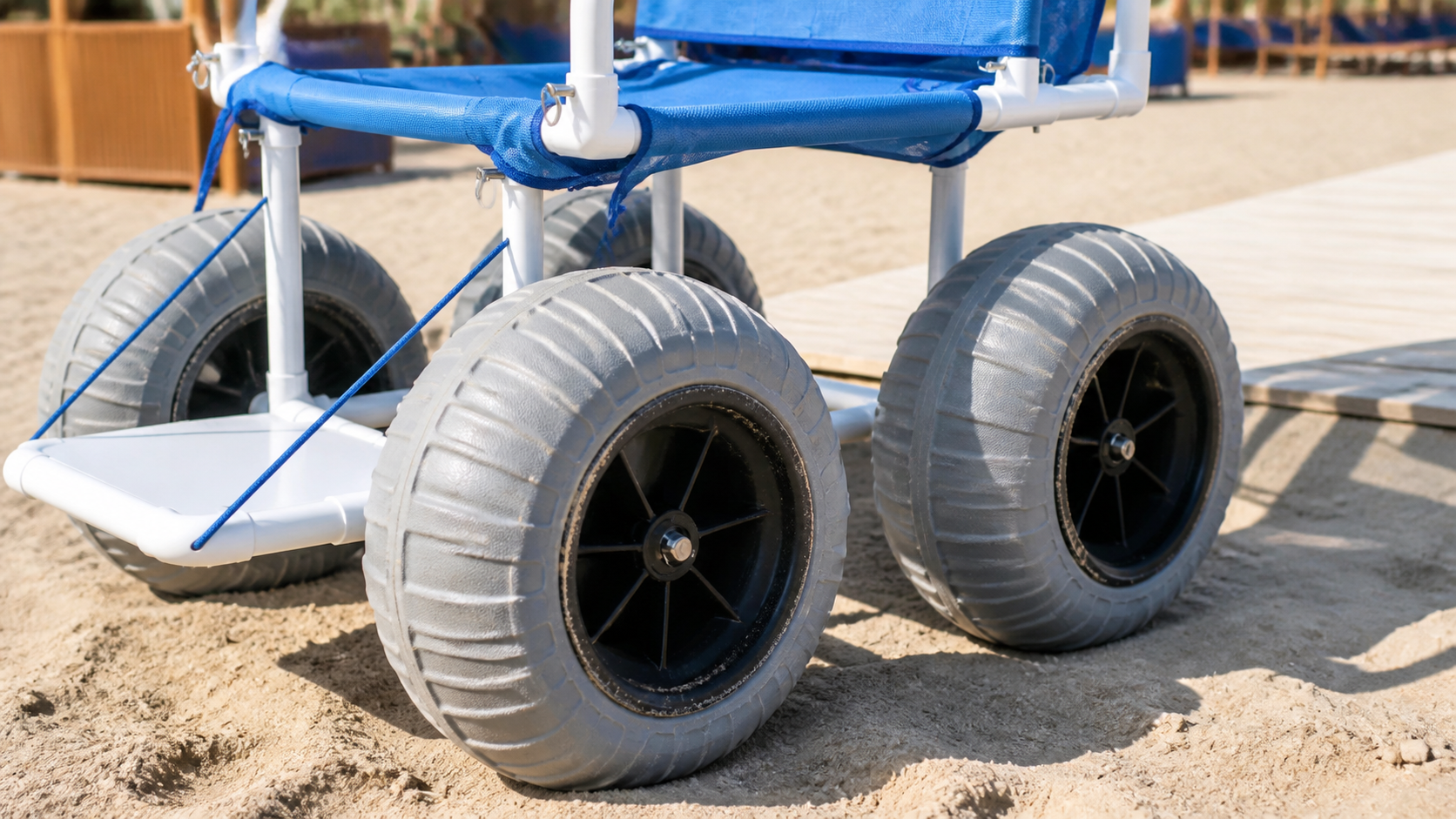
Beach wheelchair route fit depends on where guests enter sand, how far they travel, and where staff can offer calm support. Sand near water, dunes, ramps, and lounge rows behaves differently through the day. Teams should inspect route changes after cleaning, tide movement, and heavy guest traffic. This keeps the choice tied to repeatable service. A related AryMD page can help your team compare options: beach wheelchair planning resource.
What route details change the equipment decision?
- Check firm sand and soft sand separately
- Record turns near cabanas and umbrellas
- Keep a clear return path for staff
Which product details matter during procurement?
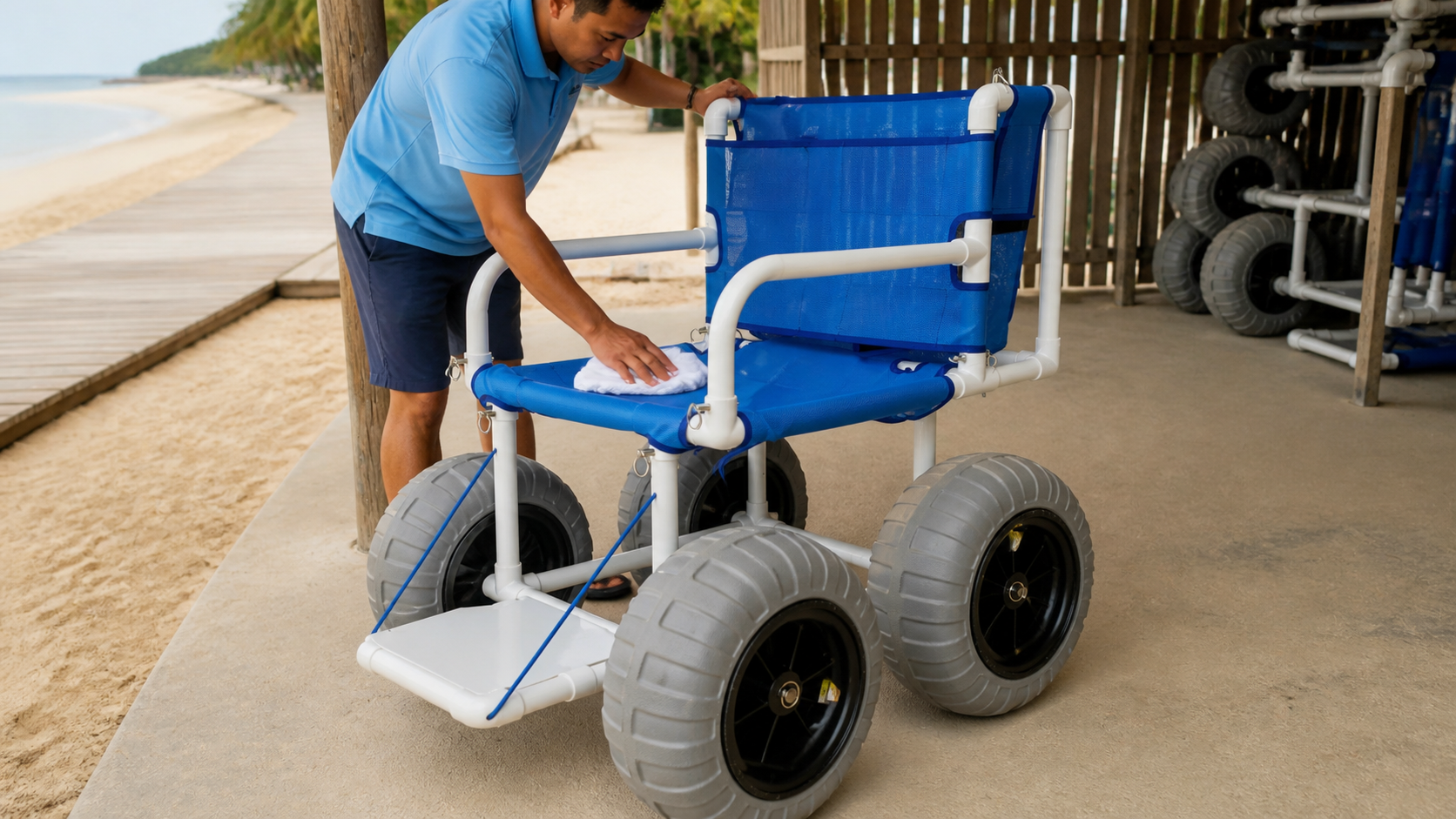
Beach wheelchair product checks should focus on contact points, frame handling, cleaning access, and storage before price talks begin. Frame shape, wheel contact, seat support, handle location, and cleaning access affect daily use. Procurement teams should ask for clear photos and setup notes before ordering, especially when planning a fleet. A related AryMD page can help your team compare options: beach wheelchair planning resource.
What should buyers inspect before asking for a quote?
- Review wheel style and frame clearance
- Check seat surface and transfer area
- Confirm parts that staff touch every shift
How can staff run a smoother access workflow?
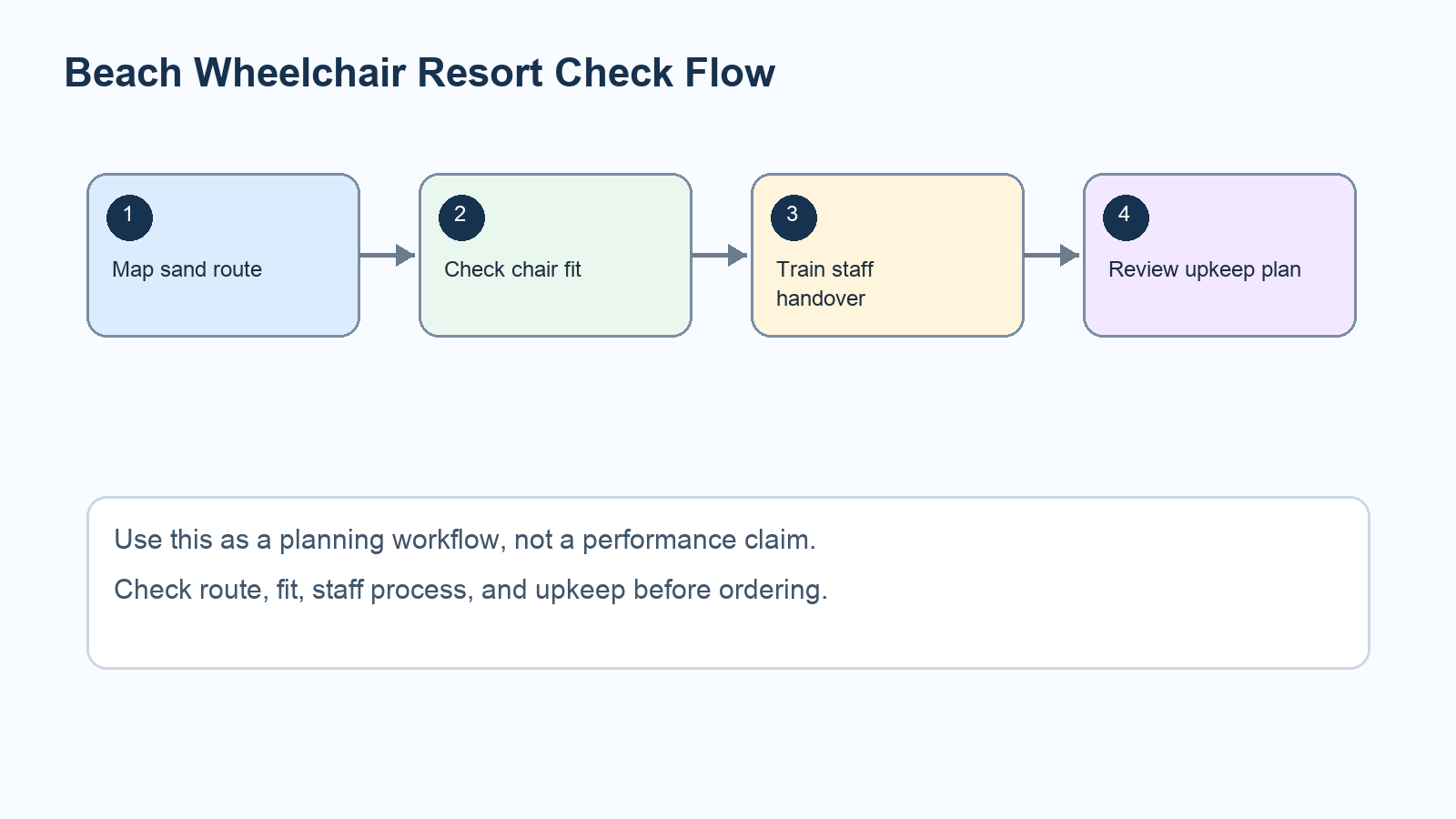
Beach wheelchair operations improve when staff use one simple checklist for setup, guest handover, return, and routine care. A short handover routine helps staff explain use boundaries, route limits, and return steps. It also protects equipment from avoidable strain because every shift follows the same process. A related AryMD page can help your team compare options: beach wheelchair planning resource.
What should a handover checklist include?
- Prepare equipment before peak beach hours
- Explain route limits in plain language
- Inspect wheels, frame, and seating after return
How should resorts plan care and storage?
Beach wheelchair planning works best when teams answer this question with a route check, a user fit check, and a staff process before buying. Salt air, sand, moisture, and storage space all affect resort mobility gear. Staff should rinse, dry, inspect, and store equipment in one assigned area so the next guest experience starts clean.
What upkeep routine keeps the program steady?
- Keep a dry shaded storage point
- Remove sand from moving parts after use
- Log visible wear without making repair claims
FAQ
Can I use beach wheelchair equipment on every beach?
No, every beach needs a route check. Sand depth, slope, storage access, staff support, and local rules can change what works for a resort.
What’s the best way to compare options?
Start with daily service tasks. Compare route fit, user support, cleaning steps, storage, and supplier communication before comparing extras.
How do I know if staff can manage the program?
Use a short trial workflow. If staff can set up, explain, return, clean, and store equipment without confusion, the program has a stronger base.
Can this equipment replace trained assistance?
No, equipment supports access but does not replace staff judgment. Resorts should set clear support rules and follow local safety requirements.
What should buyers do next?
Beach wheelchair buying should end with a site-specific checklist, not a rushed order. Review the route, match the equipment type, prepare staff steps, and keep records from each season. For a direct supplier discussion, contact us today with your route photos and planned use case.