
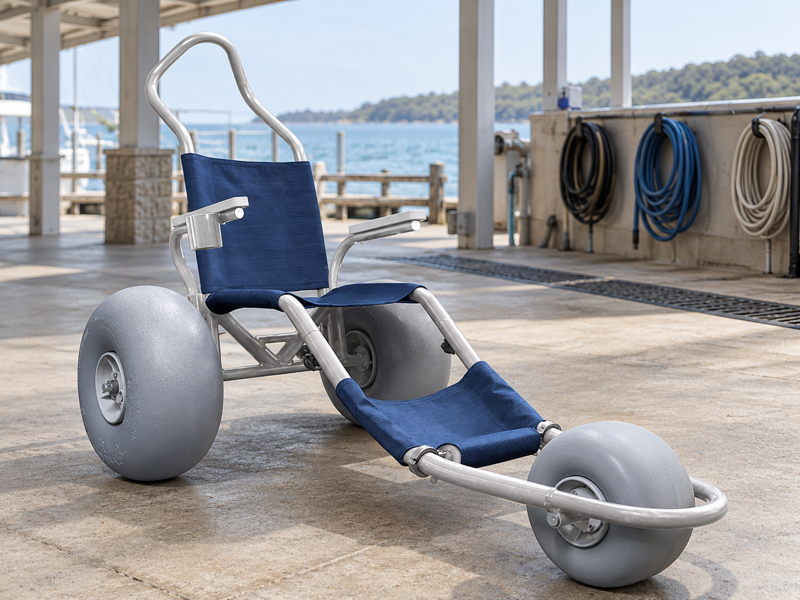
Build a beach wheelchair retirement plan by defining who reviews the unit and how its service record will close. An old chair may remain on a fleet list long after staff start questioning its condition. A guessed replacement age does not resolve those questions. Gather the known history and use the responsible review process to decide the next step.
What should a beach wheelchair retirement plan decide?

A beach wheelchair retirement plan should decide how a unit leaves service, who authorizes that decision and what records remain. Age alone does not establish a fixed retirement date. A date on a sticker does not show the chair's current condition.
Define the decision process
Start with responsibility rather than a calendar guess. Use matching maker guidance and the organization's service process. Name the people who review condition, continued suitability and replacement needs. WHO guidance links assistive products with supporting services.
- Name decision owner
- Name guidance
- Define review scope
| Check | Record to retain |
|---|---|
| Name decision owner | Approved role |
| Name guidance | Matching sources |
| Define review scope | Condition and service needs |
You can plan a controlled withdrawal without inventing a fixed product lifespan.
Which records should inform the decision?
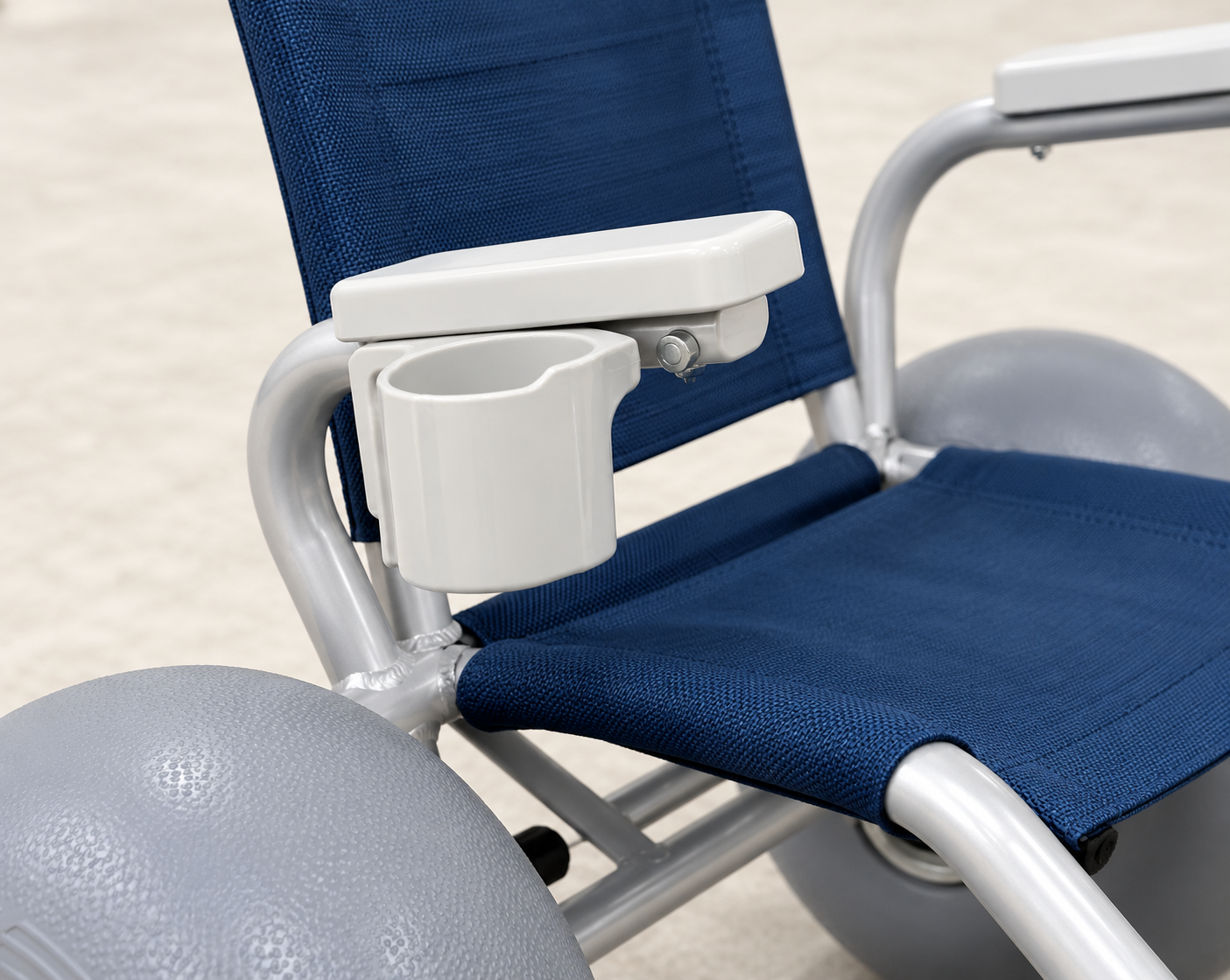
A beach wheelchair retirement plan should draw on the unit's identity, known service history and needed professional findings. An incomplete history should be recorded as a limitation rather than treated as proof of good condition. Keep the unit ID with each service report.
What does the service history show?
Missing details need a label. Collect available inspection, repair and change records. Keep staff observations separate from findings made through the agreed technical process. Use the available maintenance history as part of the evidence file.
- Name unit
- Collect history
- Mark unknowns
| Check | Record to retain |
|---|---|
| Name unit | Exact product reference |
| Collect history | Available service records |
| Mark unknowns | Missing or uncertain details |
You can show what the decision relied on and where evidence remained limited.
Can a beach wheelchair retirement plan rely on appearance alone?
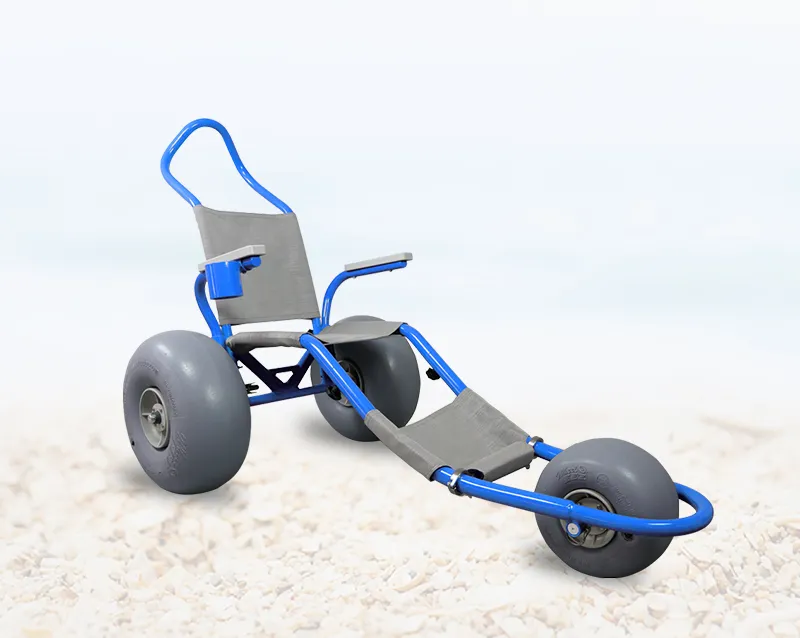
No, a beach wheelchair retirement plan cannot rely on appearance alone to establish continued suitability or a technical cause. A tidy exterior and a worn finish each leave other questions unanswered.
Use the agreed review process
A photograph has limited reach. Record visible condition and seek the needed service review. Do not conduct improvised load tests or repairs to settle a retirement question.
- Record visible condition
- Request review
- Retain findings
| Check | Record to retain |
|---|---|
| Record visible condition | Factual observations |
| Request review | Appropriate service process |
| Retain findings | Written review scope |
You can keep the decision grounded in more than a cosmetic impression.
How should availability change during review?
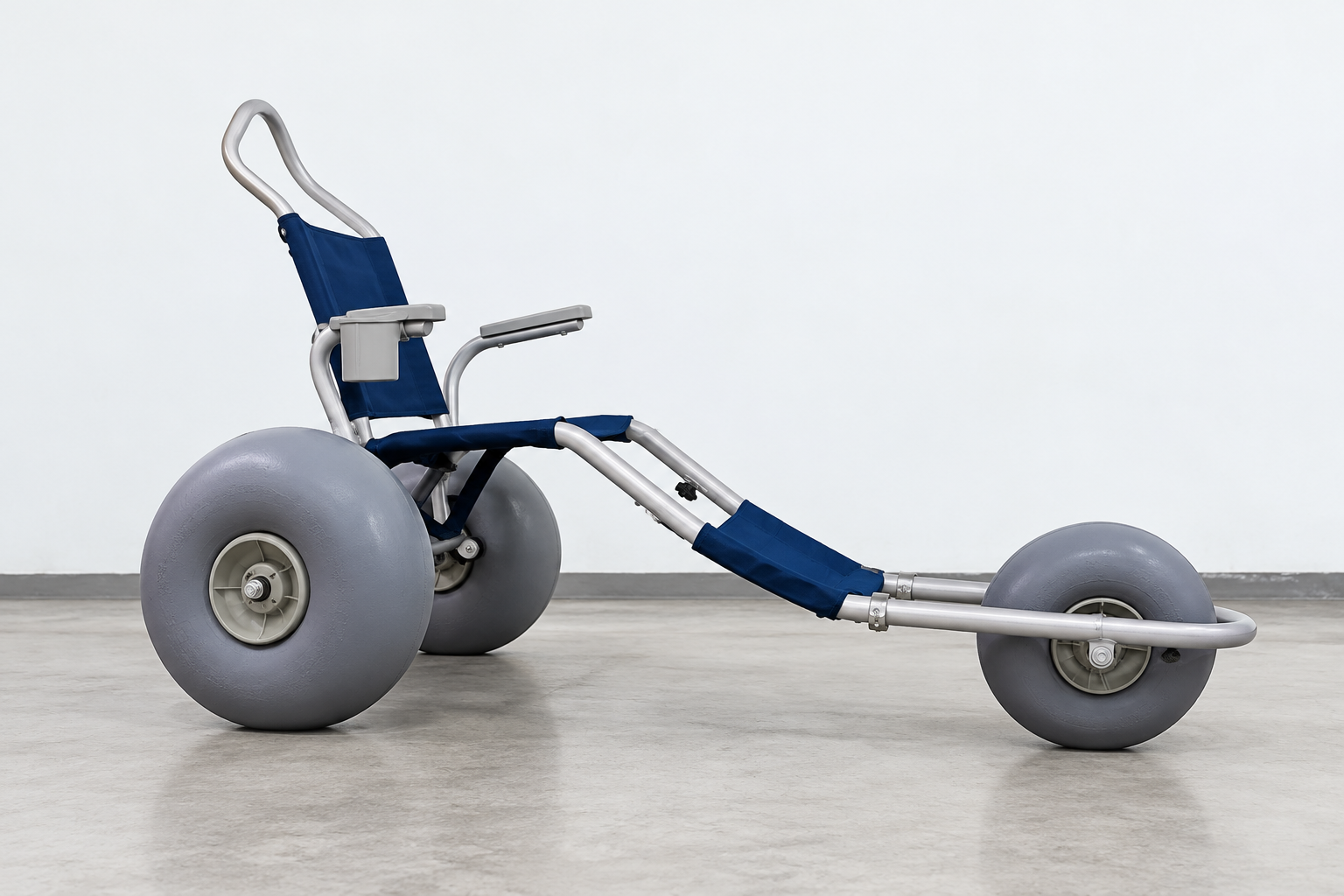
The beach wheelchair retirement plan should use the organization's agreed process to make the unit's current availability clear while review is open. Staff need to know which unit is being discussed and who can change its status.
Give the status a clear owner
An unresolved unit should not disappear into the fleet list. Record the status according to the responsible decision. Share the current details with booking and service teams through their normal system.
- Name affected unit
- State current status
- Name status owner
| Check | Record to retain |
|---|---|
| Name affected unit | Exact record |
| State current status | Approved service designation |
| Name status owner | Responsible person |
You can keep staff aligned while a decision is still pending.
What should a beach wheelchair retirement plan say about parts?
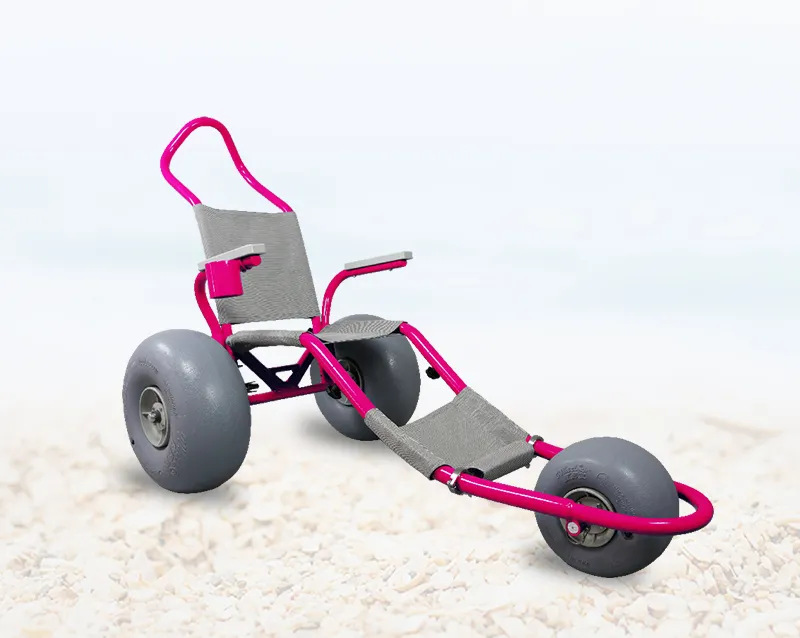
A beach wheelchair retirement plan should leave any proposed parts reuse to the needed maker guidance and approved technical review. Retirement of a full unit does not establish that each part is suitable elsewhere. A wheel from another chair may have a different axle or fitting.
Keep reuse decisions separate
A familiar part still needs evidence. Record any approved decision and the exact receiving product where needed. Do not assume visual similarity proves compatibility or condition. Keep any receiving-unit question within the facility equipment review.
- Name proposed part
- Request reuse review
- Track decision
| Check | Record to retain |
|---|---|
| Name proposed part | Exact reference |
| Request reuse review | Approved technical process |
| Track decision | Written scope and destination |
You can prevent an unreviewed part transfer from being hidden inside a retirement task.
How should replacement planning begin?
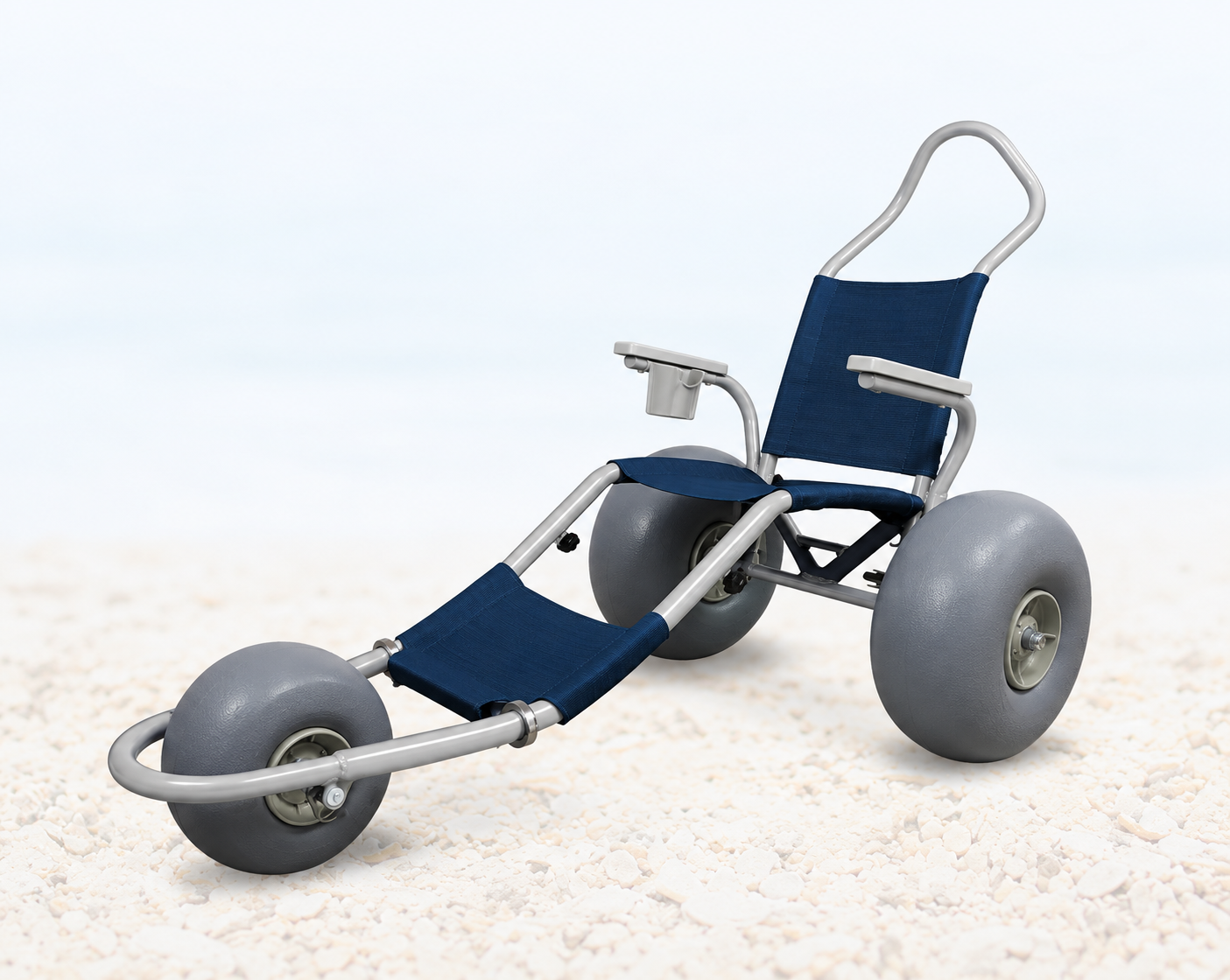
Replacement planning within a beach wheelchair retirement plan should begin with current user and service needs. Reordering the same model may overlook changes in the site, support setups or available product version.
Review the present need
The next unit deserves its own brief. Use current demand and service records to define the requirement. Request fresh product details rather than treating the retired unit as a permanent specification.
- Define present need
- Review product choices
- Record constraints
| Check | Record to retain |
|---|---|
| Define present need | Current service brief |
| Review product choices | Current available details |
| Record constraints | Fit site and support questions |
You can replace a service function thoughtfully instead of copying an outdated order.
Who should decide the route after service?
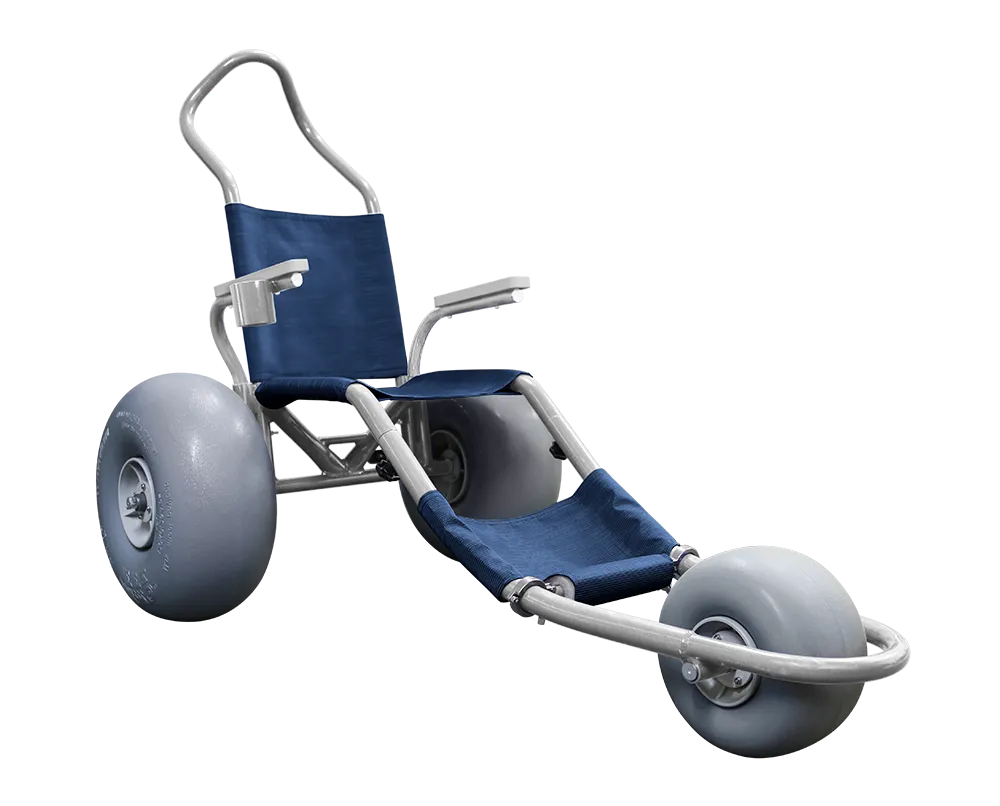
The organization responsible for the beach wheelchair retirement plan should confirm the appropriate route after service with needed local and product-specific guidance. Resale, donation and disposal involve different decisions and should not be treated as interchangeable.
Use the correct local process
The route depends on the actual situation. Ask the approved team which records and external services are needed. Keep the decision separate from any unverified claim that the unit is fit for another user.
- Name the responsible team
- Confirm route
- Retain evidence
| Check | Record to retain |
|---|---|
| Name the responsible team | Approved organization role |
| Confirm route | Needed local process |
| Retain evidence | Required handoff records |
You can complete the withdrawal without presenting a guessed next route method as standard practice.
How should booking and service teams be informed?
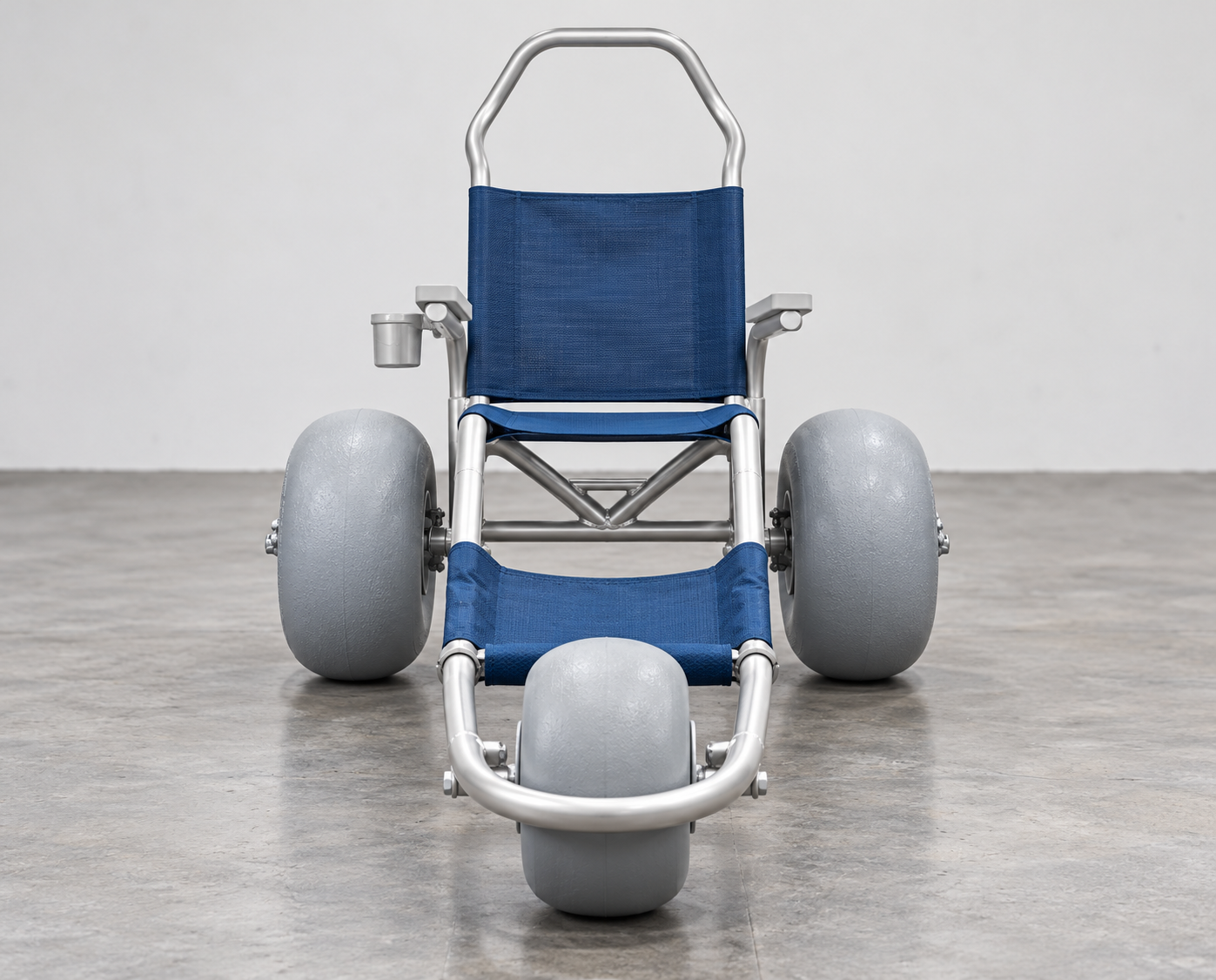
A beach wheelchair retirement plan should name which teams need the confirmed availability and replacement details. Messages should state the service effect without sharing unnecessary personal or technical speculation.
Communicate the operational change
Staff need the next usable fact. Update the appropriate booking and equipment records. Give unresolved replacement questions a named owner and avoid promising a date that has not been confirmed. Track replacement questions through your buying process.
- Update availability
- Name replacement status
- Assign questions
| Check | Record to retain |
|---|---|
| Update availability | Current service record |
| Name replacement status | Confirmed or pending |
| Assign questions | Responsible contact |
You can keep visitors and staff from receiving conflicting availability messages.
What should a beach wheelchair retirement plan record preserve?
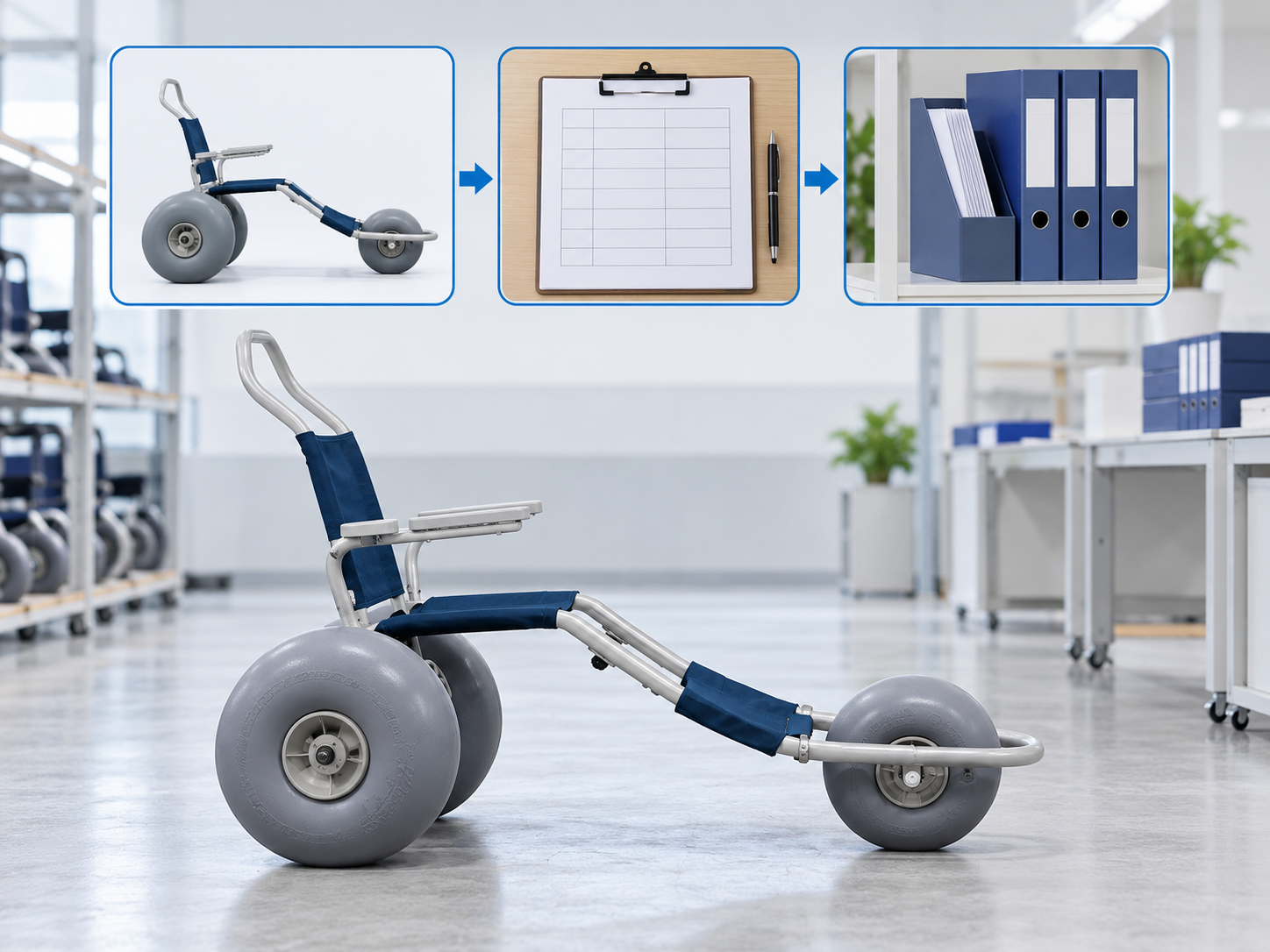
A beach wheelchair retirement plan record should preserve the unit identity, decision basis, approval and completed handoffs. Historical records should remain distinguishable from current fleet availability. The closed record should still let staff identify the old unit.
Close the unit's service history
Keep the final status traceable. Link the decision and needed records in the approved system. Record what was completed without implying a technical guarantee beyond the findings.
- Retain identity
- Retain decision
- Record handoffs
| Check | Record to retain |
|---|---|
| Retain identity | Exact retired unit |
| Retain decision | Basis and approval |
| Record handoffs | Completed actions |
You can explain why the unit left service and where responsibility passed next.
How can you prepare a beach wheelchair retirement plan?

Prepare a beach wheelchair retirement plan by naming decision owners, collecting the unit's history and defining the approved withdrawal process. Keep replacement planning and next destination as separate documented decisions.
Build a clear end-of-service brief
Start with the facts you already hold. Ask for the product guidance and support details needed for review. Use the resulting record to guide the named team's next steps.
- Name unit
- Gather evidence
- Assign decisions
| Check | Record to retain |
|---|---|
| Name unit | Exact product |
| Gather evidence | Known service history |
| Assign decisions | Review replacement and next route |
You can end a unit's service through a clear process without relying on an assumed lifespan. Contact us with your model and project questions so we can discuss the product information and written terms you need.
Frequently asked questions
Q1: Can I retire every chair after the same number of years?
No universal lifespan is established here. Use applicable maker guidance, condition history and the responsible review process for the actual unit.
Q2: What's the best record to start with?
Start with the unit's identity and service history. Mark missing information clearly and gather relevant technical findings.
Q3: How do I know who can authorize withdrawal from service?
Use the organization's approved process. The decision owner should have the relevant product and service information before recording a final status.
Q4: Can parts from a retired chair be fitted elsewhere?
Not automatically. Any proposed reuse needs the relevant maker guidance and authorized technical review for the receiving product.
Q5: Should retirement trigger a new buying review?
Yes. Replacement needs should reflect the current service and user requirements rather than simply repeating an old order.