
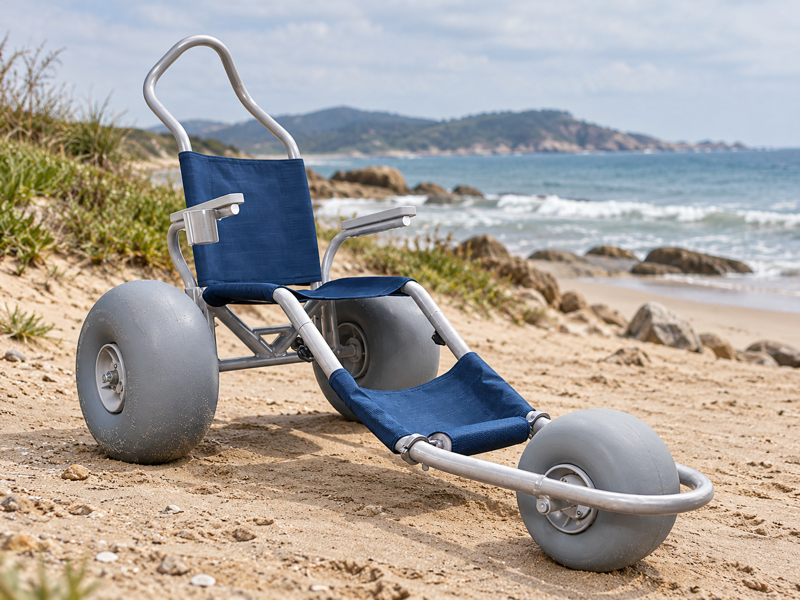
Plan beach wheelchair site allocation by matching each site's service needs with suitable, confirmed available equipment. An even split can leave one location short while another has unused units. Staff and route constraints may matter as much as chair count. Use local records and reviewed service scope to explain the allocation.
What should beach wheelchair site allocation decide?

Beach wheelchair site allocation should decide where confirmed available chairs can support actual site needs. A total fleet count does not show whether each location has suitable equipment and support.
Start with each site's service
Map the need before moving units. List the equipment, staff and reviewed use scope at each location. Keep assumptions separate from confirmed arrangements. WHO guidance covers wheelchair fit and follow-up services.
- Name each site
- Record local needs
- List available units
| Check | Record to retain |
|---|---|
| Name each site | Service location |
| Record local needs | Actual demand |
| List available units | Current status |
You can assign equipment using the conditions at each site.
Which demand records are useful?

Useful records for beach wheelchair site allocation include actual requests, confirmed bookings and periods of unmet demand where your operation records them. Do not invent a demand forecast from another business's experience.
Use your own service history
Count the question the record actually answers. Separate requests from completed uses. Label missing data and planning estimates clearly. Request model facts needed for site decisions through the supplier review.
- Record requests
- Separate completed use
- Flag estimates
| Check | Record to retain |
|---|---|
| Record requests | Demand evidence |
| Separate completed use | Actual service record |
| Flag estimates | Planning assumptions |
Your team can see the basis of a proposed site allocation.
How should product fit affect beach wheelchair site allocation?
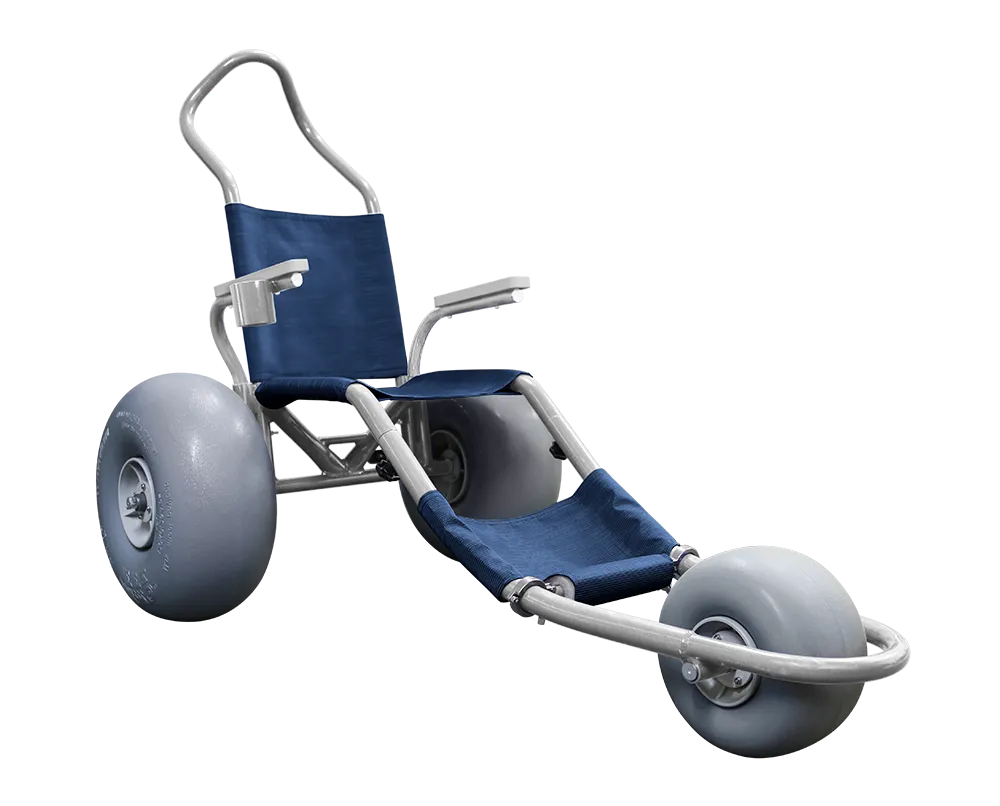
Product fit affects beach wheelchair site allocation because a chair suitable for one reviewed service may not suit another. Keep model, setup and individual-assessment needs visible.
Match the service scope
A free unit is not automatically the right unit. Ask the responsible provider which reviews are needed before reassignment. Use current product facts rather than category labels alone.
- Identify candidate unit
- Describe receiving service
- Assign required review
| Check | Record to retain |
|---|---|
| Identify candidate unit | Model and setup |
| Describe receiving service | Local needs |
| Assign required review | Qualified provider |
Your allocation can respect the actual use conditions at the destination.
What should staff capacity contribute?
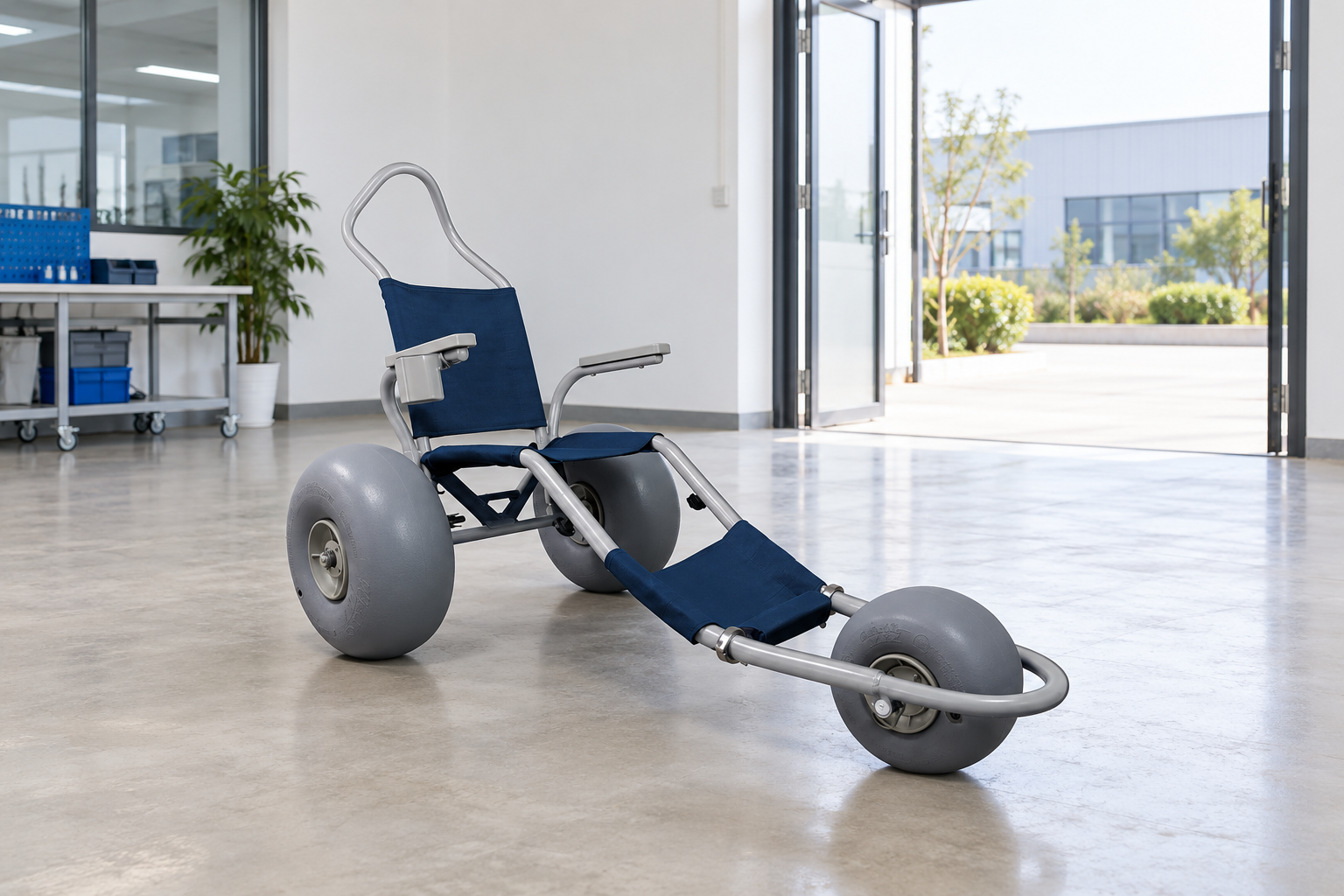
Staff capacity should contribute to beach wheelchair site allocation through the actual assistance and training available at each site. Equipment supply alone cannot establish that a service can be offered.
Include the people in the plan
A chair does not provide its own support team. Confirm the model-specific tasks staff can perform. Record gaps requiring instruction or another service arrangement.
- List available staff
- Check relevant training
- Record support gaps
| Check | Record to retain |
|---|---|
| List available staff | Service roles |
| Check relevant training | Model and task |
| Record support gaps | Action plan |
Your site plan can connect equipment with the assistance it needs.
How should transport enter beach wheelchair site allocation?
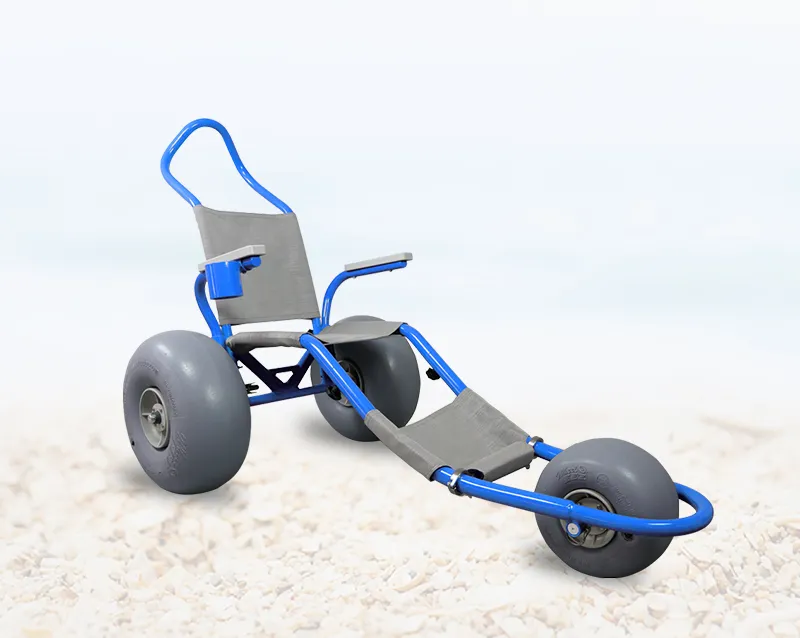
Transport enters beach wheelchair site allocation as a defined movement between sites with suitable handling and receiving arrangements. Do not assume a chair can be moved within a booking gap without checking the actual process.
Plan the handoff between locations
The journey is part of the allocation. Request the relevant product transport guidance. Confirm who handles dispatch, receipt and the next equipment-status decision.
- Name movement route
- Review handling plan
- Assign receiving role
| Check | Record to retain |
|---|---|
| Name movement route | Actual sites |
| Review handling plan | Appropriate guidance |
| Assign receiving role | Responsible team |
Your plan can account for the work needed to place equipment at another site.
Should every site hold the same number of chairs?

No, beach wheelchair site allocation should not assume every site needs the same number of chairs. Use actual service needs, suitable units and confirmed support rather than an even split for its own sake.
Compare the local constraints
Equal numbers can hide unequal needs. Discuss the evidence with site owners. Keep the reasons for the agreed distribution in the record. Keep readiness linked to each unit's maintenance record.
- Review demand
- Check suitable supply
- Record decision basis
| Check | Record to retain |
|---|---|
| Review demand | Local evidence |
| Check suitable supply | Available equipment |
| Record decision basis | Site agreement |
Your team can explain why equipment is assigned differently across locations.
How should outages affect beach wheelchair site allocation?
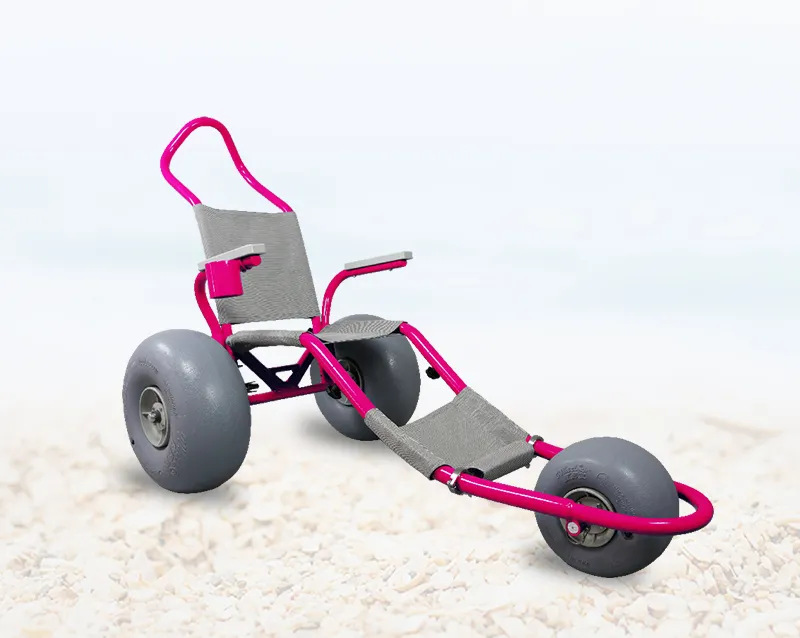
Outages should affect beach wheelchair site allocation through current equipment status and reviewed service options. A plan should not count a unit awaiting parts or assessment as ready stock.
Use the current fleet picture
An asset list can include unavailable chairs. Keep service records linked to the allocation view. Confirm any substitute through the appropriate review before offering it.
- Check unit status
- Identify affected site
- Review substitutes
| Check | Record to retain |
|---|---|
| Check unit status | Service record |
| Identify affected site | Service impact |
| Review substitutes | Qualified decision |
Your allocation can use equipment that is actually confirmed available.
How should beach wheelchair site allocation changes be communicated?
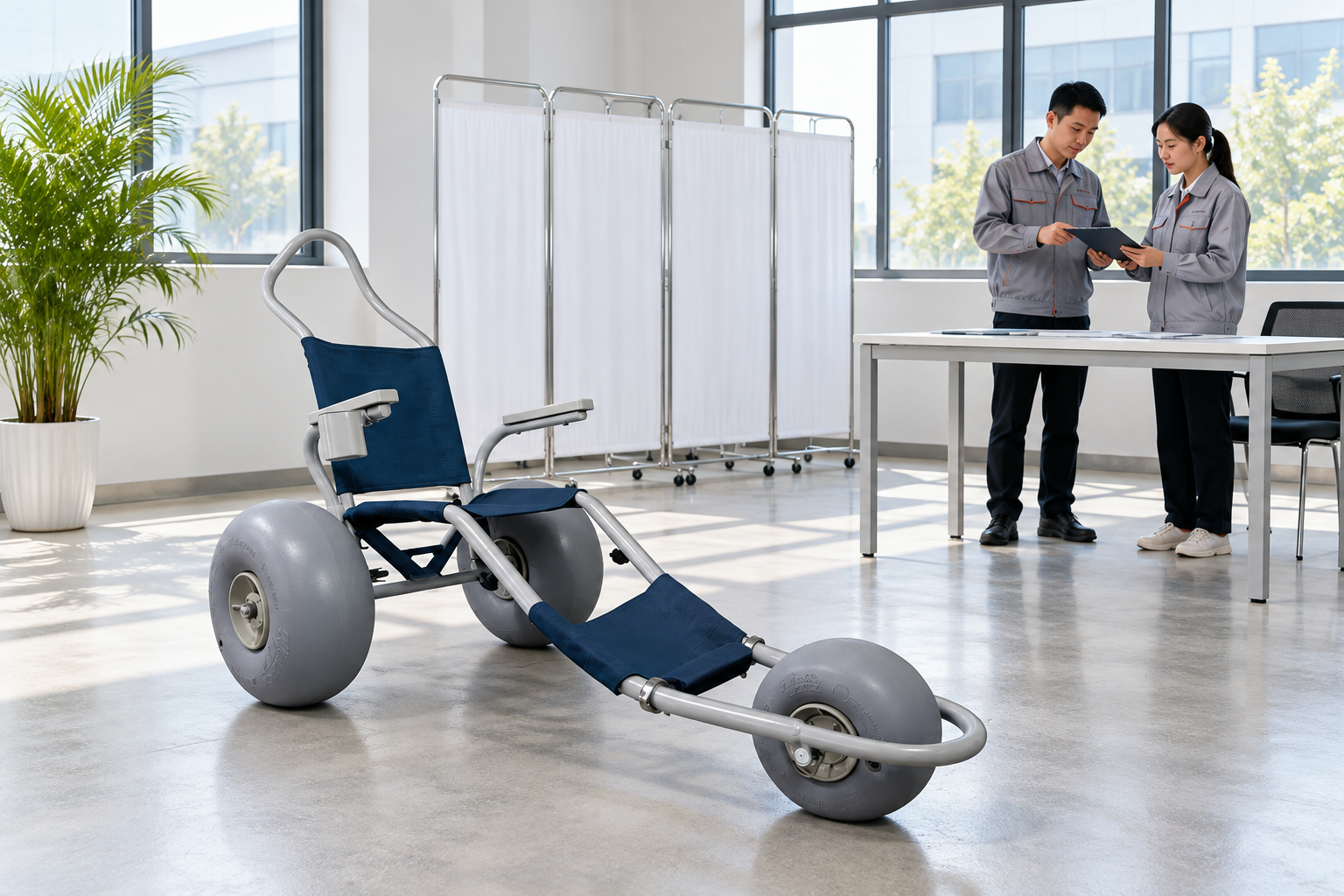
Communicate beach wheelchair site allocation changes to the people responsible for bookings, dispatch and receiving using the approved current plan. State what is confirmed and what still awaits review.
Update the next team
A move on paper may not be a completed handoff. Record effective dates and responsible contacts. Check that outdated site availability information is corrected. Confirm promised support in the relevant sourcing handoff.
- Name affected teams
- State confirmed change
- Track completed handoff
| Check | Record to retain |
|---|---|
| Name affected teams | Booking and operations |
| State confirmed change | Current plan |
| Track completed handoff | Receipt record |
Your staff can work from the same equipment-location information.
What should a beach wheelchair site allocation review compare?
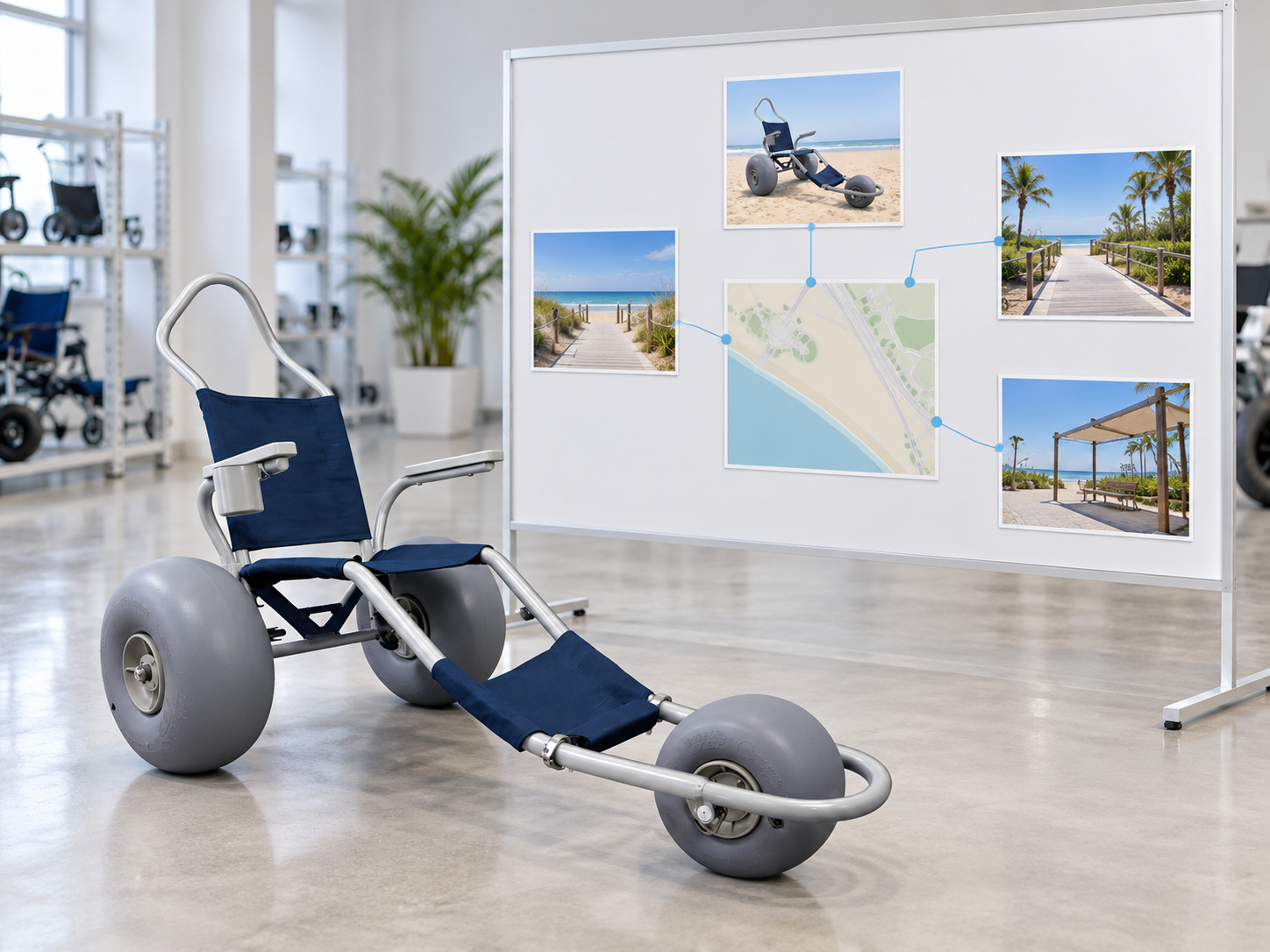
A beach wheelchair site allocation review should compare the agreed plan with actual service records and known changes. Examine unmet needs or unused allocations without inventing a universal performance target.
Review the evidence behind the plan
Ask why the result differed. Separate changes in demand from equipment or staffing constraints. Update assumptions with the responsible site teams.
- Compare planned supply
- Review actual use
- Explain deviations
| Check | Record to retain |
|---|---|
| Compare planned supply | Agreed allocation |
| Review actual use | Local records |
| Explain deviations | Evidence-based notes |
Your next site plan can respond to what the operation actually experienced.
How should you prepare beach wheelchair site allocation?

Prepare beach wheelchair site allocation with a current fleet list, site-specific needs and clear support and transport responsibilities. Ask suppliers for product facts needed by the receiving-site reviews.
Build a site-by-site brief
Keep the relevant constraints visible. Confirm equipment status before advertising availability. Retain the reasons and conditions behind the agreed plan.
- List sites and needs
- Identify suitable units
- Assign handoffs
| Check | Record to retain |
|---|---|
| List sites and needs | Service map |
| Identify suitable units | Reviewed options |
| Assign handoffs | Named responsibilities |
You can distribute equipment through a clearer and more accountable site plan. Contact us with your model and project questions so we can discuss the product information and written terms you need.
Frequently asked questions
Q1: Can I divide the fleet equally across all sites?
Only if that fits the actual needs and support arrangements. Equal numbers are not automatically the best plan.
Q2: How do I separate demand from actual use?
Keep requests, confirmed bookings and completed services in distinct fields. They answer different planning questions.
Q3: Can an unavailable chair count toward ready stock?
No, use its current approved status. A unit awaiting parts or review is not confirmed available equipment.
Q4: What's the best evidence for a site move?
Keep the sending and receiving records with the relevant transport and service reviews. Confirm the physical handoff.
Q5: Can I promise the same service after moving equipment?
Confirm the receiving site's setup and support first. A chair's arrival does not establish the complete service.