

Plan beach wheelchair wayfinding signs from the actual service point and the decisions visitors must make on the way there. A general access symbol may draw people toward the beach without showing where to ask for equipment. That leaves a gap between arrival and service. Map the destination, approve the wording and have the proposed sign set reviewed for its location.
What should beach wheelchair wayfinding signs help visitors find?
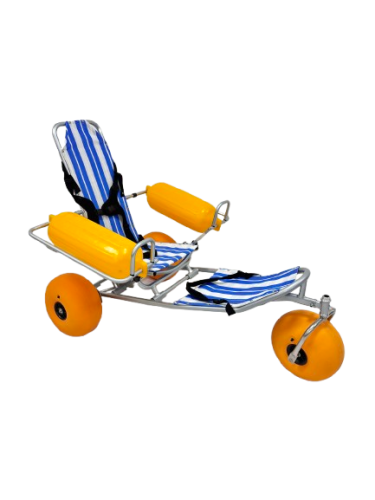
Beach wheelchair wayfinding signs should help visitors find the actual service point and understand the next step. A general beach-access symbol may not identify where equipment is collected or who provides assistance.
Start with the real destination
The sign needs a precise job. Map the service entrance, desk and handoff location. Keep product availability and route approval as separate questions from the sign's directional purpose. WHO guidance links assistive products with supporting services.
- Name destination
- Define next action
- Confirm owner
| Check | Record to retain |
|---|---|
| Name destination | Actual service point |
| Define next action | Where to ask or check in |
| Confirm owner | Responsible site team |
You can give visitors a useful direction without making an unsupported service promise.
Where should directional decisions be reviewed?

A plan for beach wheelchair wayfinding signs should review the points where visitors need to choose a direction. The responsible site team should assess the actual approach, sightlines and applicable requirements.
Where does the visitor choose a direction?
The decision point matters. Record entrances, junctions and changes in direction for the site reviewer. Avoid choosing sign positions from an aerial image alone. Use the same site references as your beach access plan.
- Map approach
- Mark choices
- Request site review
| Check | Record to retain |
|---|---|
| Map approach | Real visitor entry |
| Mark choices | Route decision points |
| Request site review | Actual conditions |
You can identify missing directions before commissioning a sign set.
What wording should beach wheelchair wayfinding signs use?

Beach wheelchair wayfinding signs should use clear wording that matches the service actually offered. Equipment collection, enquiries and assisted use are different destinations or actions and should be named accurately.
Choose the service term carefully
The wording sets an expectation. Use the terminology the operator has approved. Avoid broad phrases that imply every visitor can collect any chair without the required process.
- Name service
- State next action
- Confirm wording
| Check | Record to retain |
|---|---|
| Name service | Actual offered activity |
| State next action | Enquire collect or check in |
| Confirm wording | Operator approval |
You can help visitors understand what happens when they arrive.
How should visual accessibility be reviewed?

The design of beach wheelchair wayfinding signs should receive a review appropriate to the location and sign type. A large arrow alone does not settle readability, contrast, glare or other applicable design questions.
Use the right design guidance
Accessibility depends on the sign's role. For a US project, the Access Board sign guide is a relevant starting source. A qualified local review should determine which requirements apply to the actual installation.
- Identify sign type
- Review design
- Confirm location rules
| Check | Record to retain |
|---|---|
| Identify sign type | Directional or informational role |
| Review design | Applicable visual requirements |
| Confirm location rules | Responsible local review |
You can specify a review process without claiming that a generic sign template proves compliance.
Can beach wheelchair wayfinding signs replace route information?

No, beach wheelchair wayfinding signs cannot replace current information about the route and service conditions. A direction to a desk does not establish that every onward path suits the equipment or visitor.
Keep directions and route review linked
The arrow does not assess the journey. Ask the site team which route information visitors need at the service point. Update that information through the approved operational process. Keep visitor-facing destination information aligned with that route record.
- Identify onward route
- Provide current facts
- Name update owner
| Check | Record to retain |
|---|---|
| Identify onward route | Actual service pathway |
| Provide current facts | Relevant conditions |
| Name update owner | Responsible site team |
You can prevent a directional message from being read as a complete access assessment.
How should languages and symbols be selected?

Languages and symbols for beach wheelchair wayfinding signs should match the site's communication needs and applicable design guidance. A symbol should support clear information rather than carry an unverified claim by itself.
Use an approved communication set
Translation needs a source message. Keep one approved meaning for each sign and review translated versions. Ask the responsible designer which symbols are appropriate for the sign's role.
- Approve source wording
- Review translations
- Confirm symbols
| Check | Record to retain |
|---|---|
| Approve source wording | One clear message |
| Review translations | Required audience languages |
| Confirm symbols | Applicable design guidance |
You can avoid different versions sending visitors to different services.
What should a sign schedule record?

A beach wheelchair wayfinding signs schedule should record each sign's location, message, direction and responsible owner. The schedule connects design files with the actual site installation.
Give each sign a record
The installer needs more than artwork. Use a unique reference and a location view for every item. Keep orientation and placement questions with the responsible site review.
- Assign sign reference
- Record location
- Link artwork
| Check | Record to retain |
|---|---|
| Assign sign reference | Unique schedule item |
| Record location | Site position and direction |
| Link artwork | Approved file revision |
You can trace which approved message belongs at each location.
How should temporary changes be handled?

Temporary changes affecting beach wheelchair wayfinding signs should follow the site's approved process for current information. A permanent arrow may need a coordinated update when the service point moves or closes.
Keep the visitor message current
The sign and service must agree. Ask who updates signs and related online information. Record the temporary arrangement and the condition for restoring the normal message. Coordinate changes with the wider mobility service information.
- Name change owner
- Update linked information
- Record restoration
| Check | Record to retain |
|---|---|
| Name change owner | Responsible site role |
| Update linked information | Signs and service notices |
| Record restoration | Agreed return condition |
You can reduce conflicting directions during a service change.
What should a beach wheelchair wayfinding signs review check?

A beach wheelchair wayfinding signs review should check that the installed set leads to the intended service and uses the approved messages. It should also capture issues raised through the site's accessibility review process.
Review the installed route
The finished location may differ from a mock-up. Compare the installed items with the schedule and record observed gaps. Assign corrective actions without declaring compliance from a photograph alone.
- Match schedule
- Record observed issues
- Assign correction
| Check | Record to retain |
|---|---|
| Match schedule | Correct signs and locations |
| Record observed issues | Specific route or message gap |
| Assign correction | Responsible owner |
You can turn a sign review into a clear action record.
How can you prepare beach wheelchair wayfinding signs?
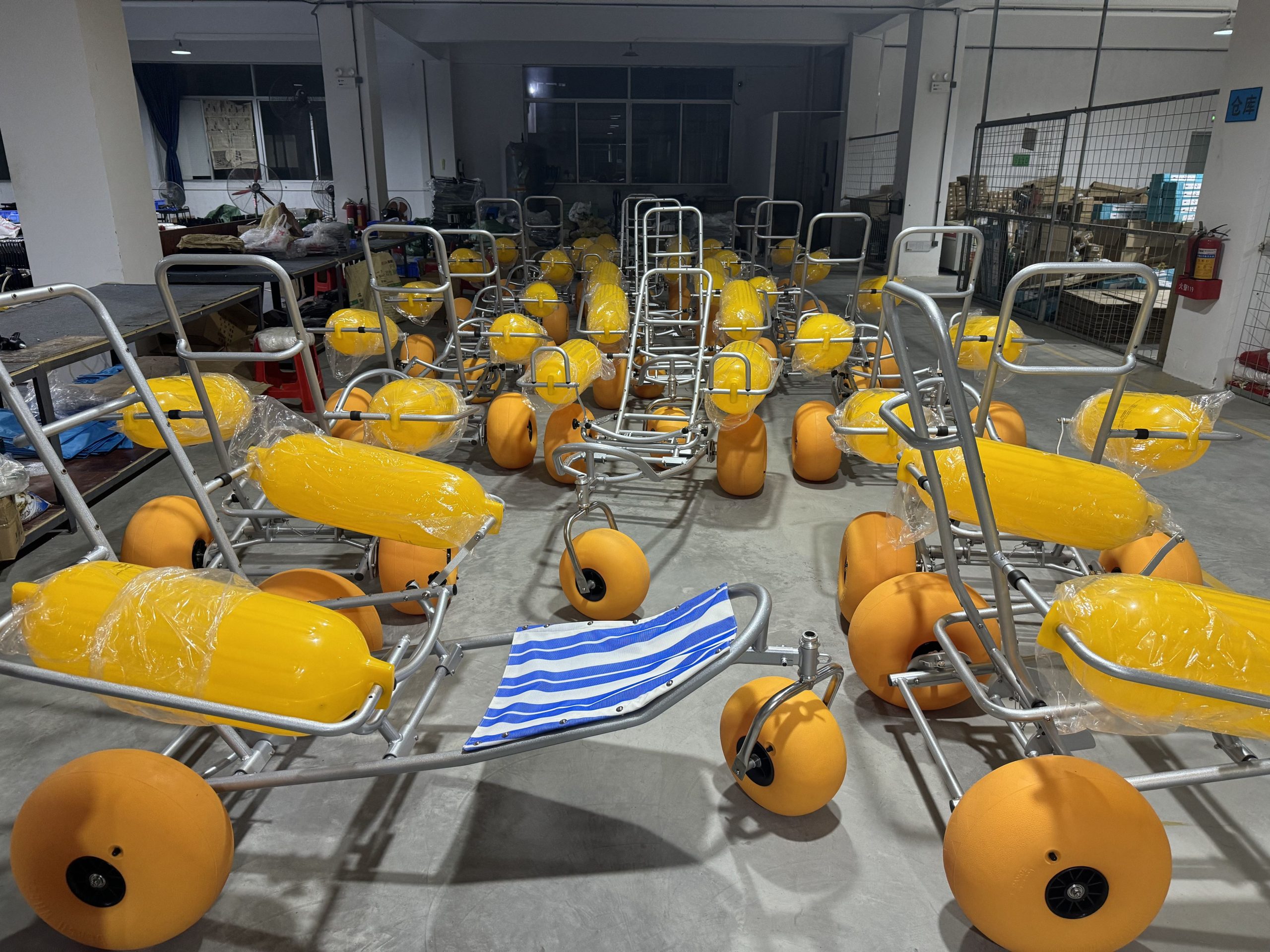
Prepare beach wheelchair wayfinding signs from the actual service map, approved wording and a location-specific design review. Confirm who maintains the information before ordering the sign set.
Build a service-based sign brief
Start with where visitors need to go. Use product information to describe the equipment service accurately. Keep design, site approval and daily availability within their respective responsible processes.
- Map destination
- Approve message
- Assign maintenance
| Check | Record to retain |
|---|---|
| Map destination | Actual service point |
| Approve message | Accurate next action |
| Assign maintenance | Current-information owner |
You can commission directions that support the real service rather than an assumed visitor journey. Contact us with your model and project questions so we can discuss the product information and written terms you need.
Frequently asked questions
Q1: Can a general wheelchair symbol identify the collection point?
Not by itself. Visitors may still need clear directions and wording that identifies the actual equipment service.
Q2: What's the best starting document for a sign brief?
Start with the service map. Mark entrances, direction choices and the destination before commissioning individual signs.
Q3: How do I know which accessibility requirements apply?
Use a qualified review for the location and sign type. A generic design or photograph cannot establish compliance with every applicable requirement.
Q4: Can a directional sign prove the onward route is suitable?
No. The route and service conditions need their own current information and responsible review.
Q5: Who should update the signs when the service moves?
Assign a responsible site owner. Coordinate the physical signs with booking information and other service notices.