
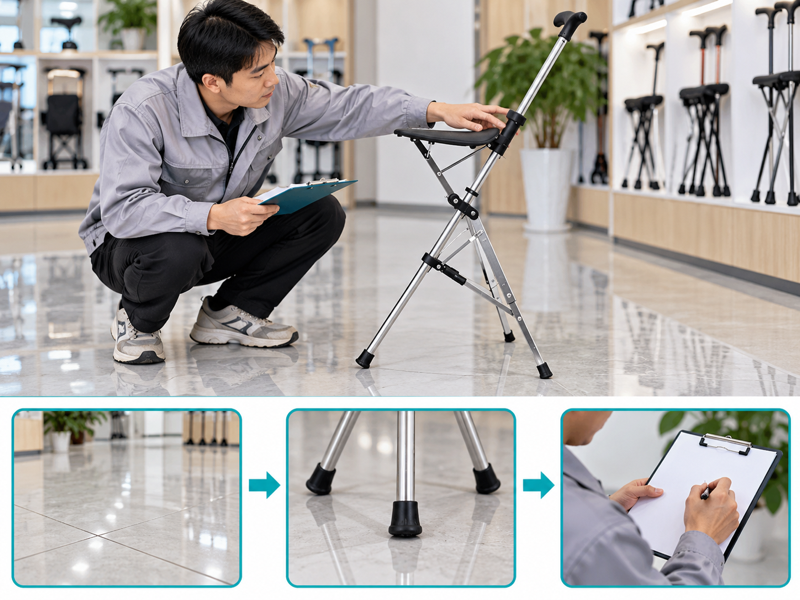
Review cane seat ground conditions against the maker's permitted surfaces and the exact task the person needs it for. A Spanish retailer may be asked whether a compact cane seat works at any outdoor stop. Clear surface limits and a defined product role help answer that enquiry without a blanket terrain promise.
What should cane seat ground conditions review first?
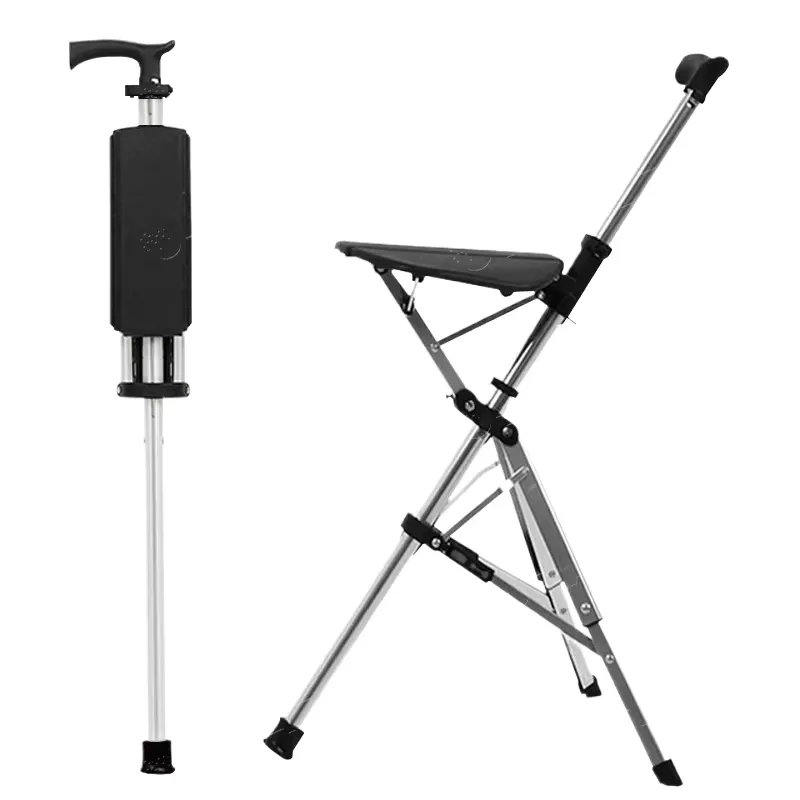
Cane seat ground conditions should be reviewed against the maker's instructions and the actual intended location. A three-legged shape does not prove suitability on every outdoor surface.
Confirm the permitted surface
Confirm the surface the model permits. Identify the exact model and its permitted cane and seat functions. Use suitable assessment where personal balance or support needs are uncertain.
- Exact model
- Permitted surface
- Personal needs
| Check | Record or reference |
|---|---|
| Exact model | ID |
| Permitted surface | Guide |
| Personal needs | Assessment |
Key Takeaway: The ground question starts with the product's stated role.
Why should the cane and seat roles be separated?
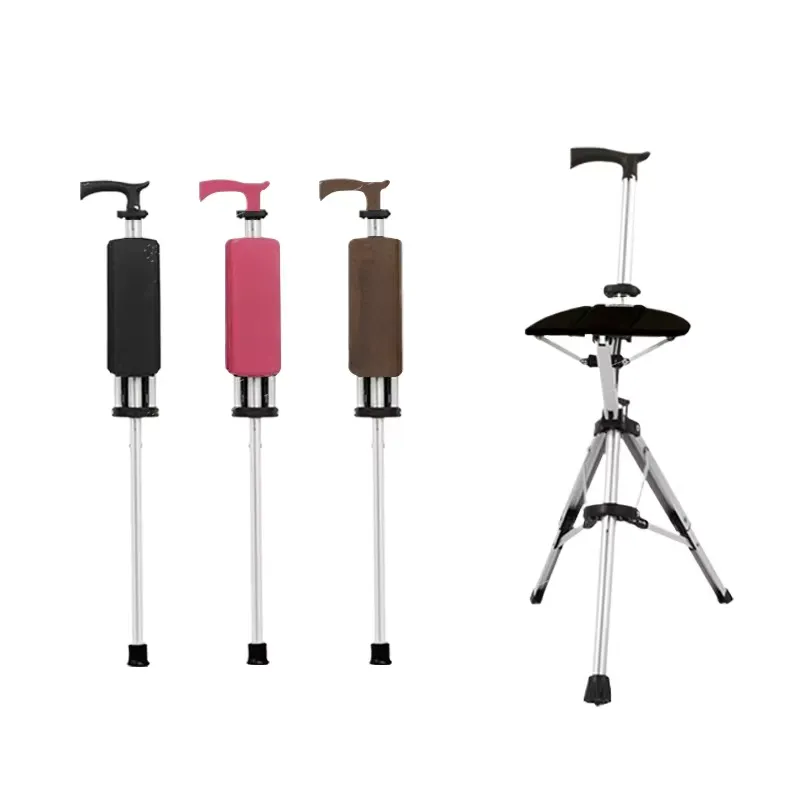
For cane seat ground conditions, the folded cane role and open seat role may involve different support conditions. Suitability for one task does not establish suitability for the other.
Separate cane and seat functions
Review each function on its own terms. Ask the maker for clear instructions for each supported function. Do not assume a convenient resting seat meets every walking-support need. Confirm the permitted setup for an adjustable cane-seat model where one is proposed.
- Cane role
- Seat role
- Assessed task
| Check | Record or reference |
|---|---|
| Cane role | Guide |
| Seat role | Guide |
| Assessed task | Review |
Key Takeaway: The two functions are not merged into one broad promise.
What should be recorded about a surface?
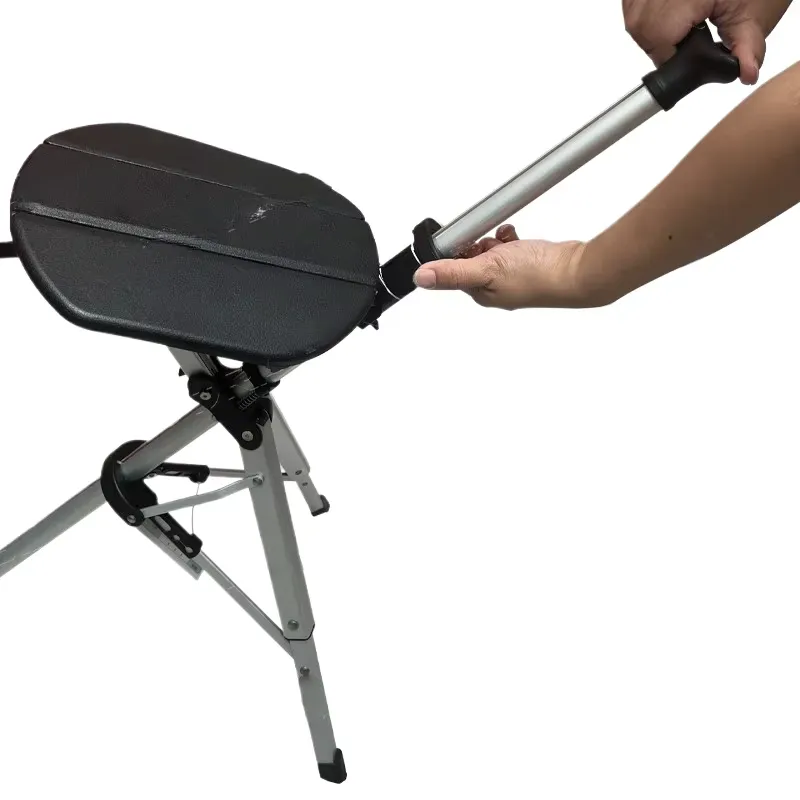
Cane seat ground conditions should include level, firmness and visible surface condition where the product is intended to stand. A small flat-looking patch may not describe all contact points.
Describe the support area
Describe the whole support area. Take a measured or clearly described site record where needed. Refer uncertain surfaces to the suitable reviewer instead of relying on a photograph alone.
- Level
- Firmness
- Contact area
| Check | Record or reference |
|---|---|
| Level | Site note |
| Firmness | Review |
| Contact area | Photo |
Key Takeaway: The surface record covers the complete support footprint.
Can soft ground change the comparison?
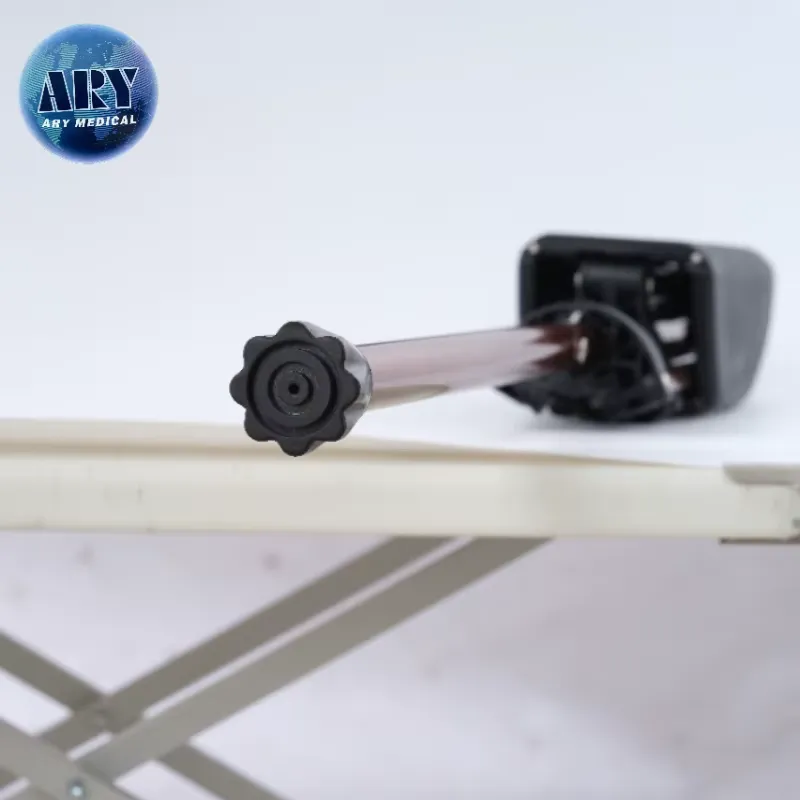
For cane seat ground conditions, soft or uneven ground needs explicit review against the product instructions. A broad rubber tip should not be treated as proof that the seat can be used on sand, grass or mud.
Check soft-ground limits
Use the maker's stated limits. Ask the maker which conditions are supported. Choose a reviewed alternative if the intended surface falls outside the guidance.
- Surface type
- Supported use
- Open question
| Check | Record or reference |
|---|---|
| Surface type | Location record |
| Supported use | Manual |
| Open question | Supplier response |
Key Takeaway: The purchase does not rely on an assumed outdoor capability.
What about slopes and edges?
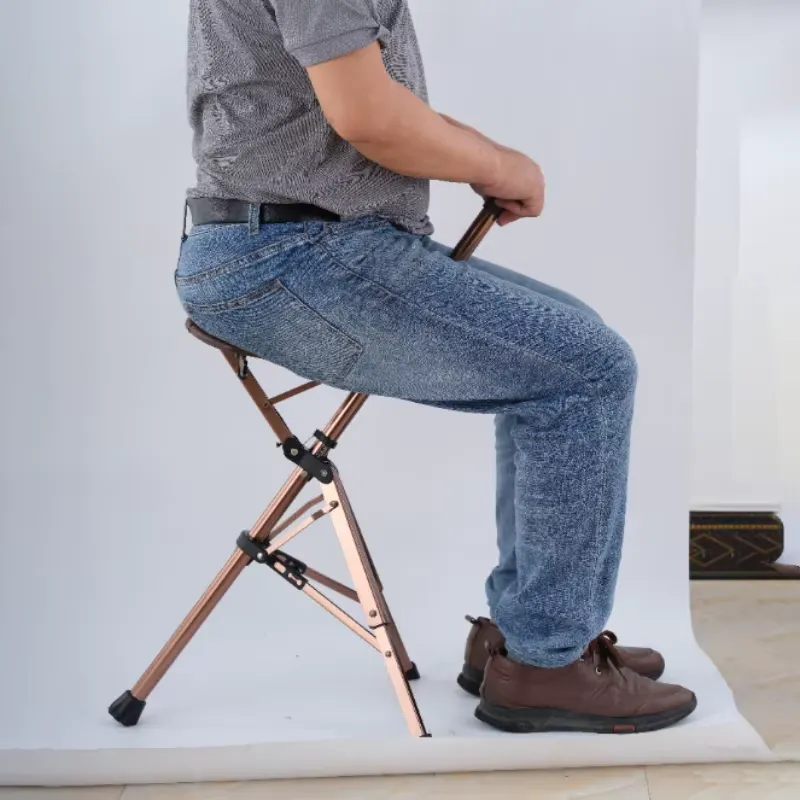
Cane seat ground conditions should account for slopes, edges and gaps around the intended position. The seat's outline alone does not show whether every foot has suitable support.
Review slopes and edges
Keep all support points within the reviewed area. Use the maker's limits and an suitable assessment of the task. Do not prescribe an improvised leveling method or seating position.
- Slope or edge
- Footprint
- Use decision
| Check | Record or reference |
|---|---|
| Slope or edge | Site record |
| Footprint | Product drawing |
| Use decision | Assessment |
Key Takeaway: The support area is considered beyond the center of the seat.
How should the rubber tips be reviewed?
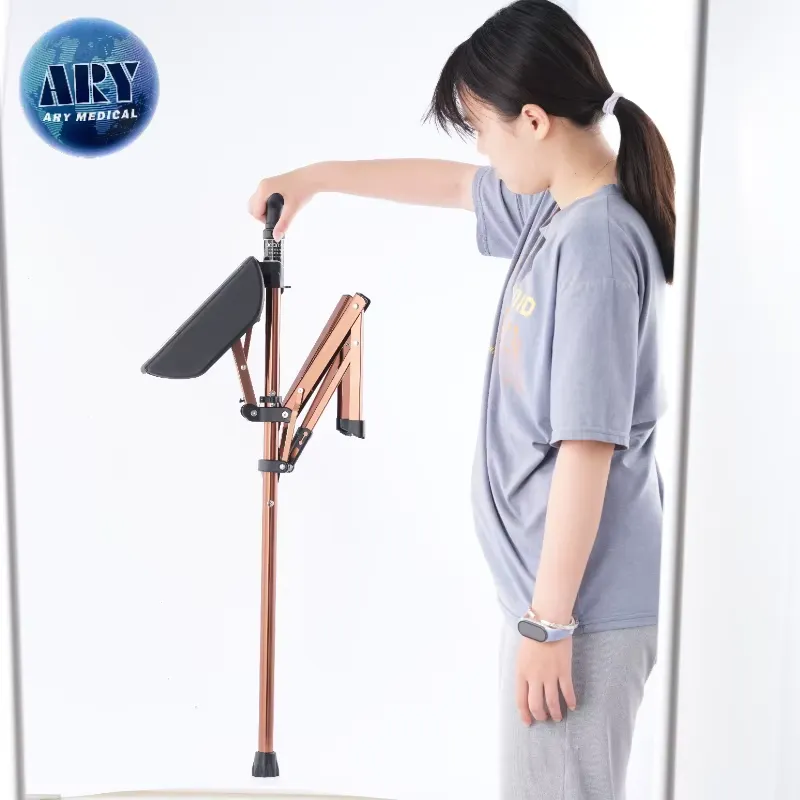
For cane seat ground conditions, confirm that fitted tips are the approved parts and have no unresolved condition concern. Similar-looking replacements may not fit the leg or the intended design.
Identify and inspect the tips
Match condition and part identity. Follow the maker's care and service instructions. Refer worn, missing or uncertain tips before treating the product as ready. Follow the relevant storage guidance to protect the product between uses.
- Tip code
- Visible condition
- Service action
| Check | Record or reference |
|---|---|
| Tip code | Parts list |
| Visible condition | Check record |
| Service action | Decision |
Key Takeaway: The surface review uses the product in its supported condition.
What does a load statement contribute?
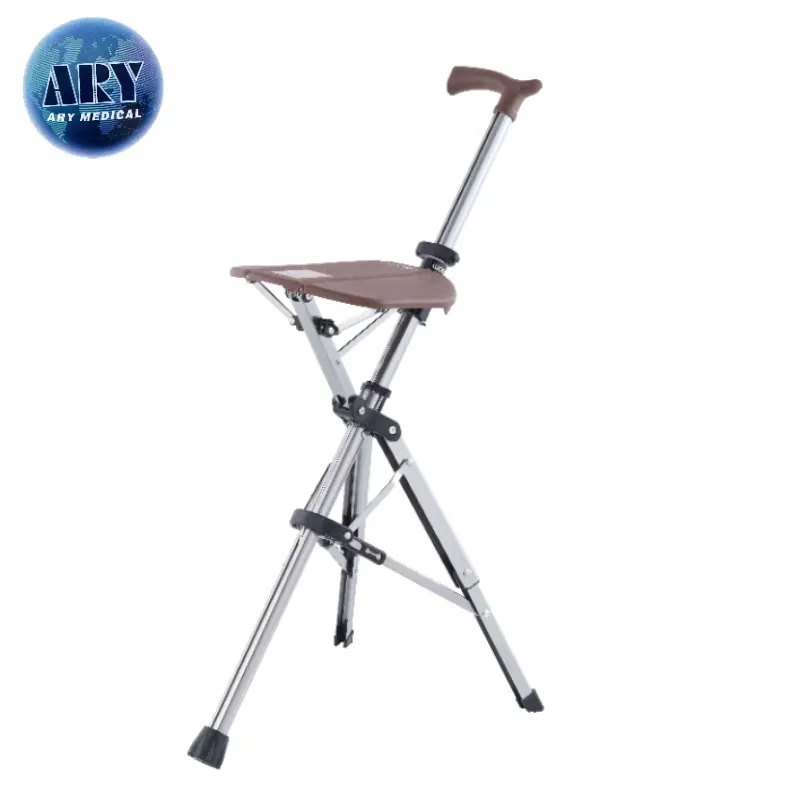
For cane seat ground conditions, a supported load statement is one part of the product details. It does not override surface limits, correct setup or personal suitability.
Interpret load details within scope
Keep the rating within its conditions. Request the exact model evidence and instructions. Avoid interpreting a load figure as a guarantee against tipping on any ground.
- Load source
- Setup limits
- Personal fit
| Check | Record or reference |
|---|---|
| Load source | Maker file |
| Setup limits | Guide |
| Personal fit | Assessment |
Key Takeaway: A capacity figure is not stretched into a general stability claim.
How should a product demonstration be limited?
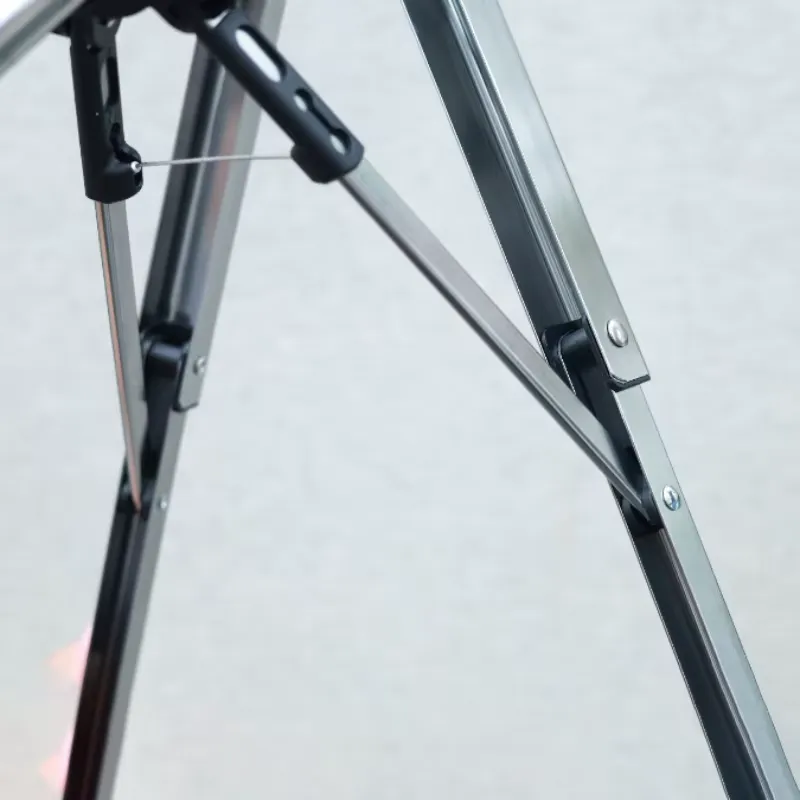
A cane seat ground conditions product review can identify the model, footprint and permitted setup without asking someone to test an uncertain surface. Personal use should follow suitable assessment and instructions.
Define a limited product review
Use an approved unoccupied review first. Record the environment and scope of the review. Do not demonstrate suitability by sitting on an unapproved arrangement. Agree the review scope during supplier selection.
- Review scope
- Surface record
- Personal trial
| Check | Record or reference |
|---|---|
| Review scope | Plan |
| Surface record | Photo |
| Personal trial | Assessment |
Key Takeaway: The demonstration does not create unsupported use advice.
When should ground suitability be reconsidered?
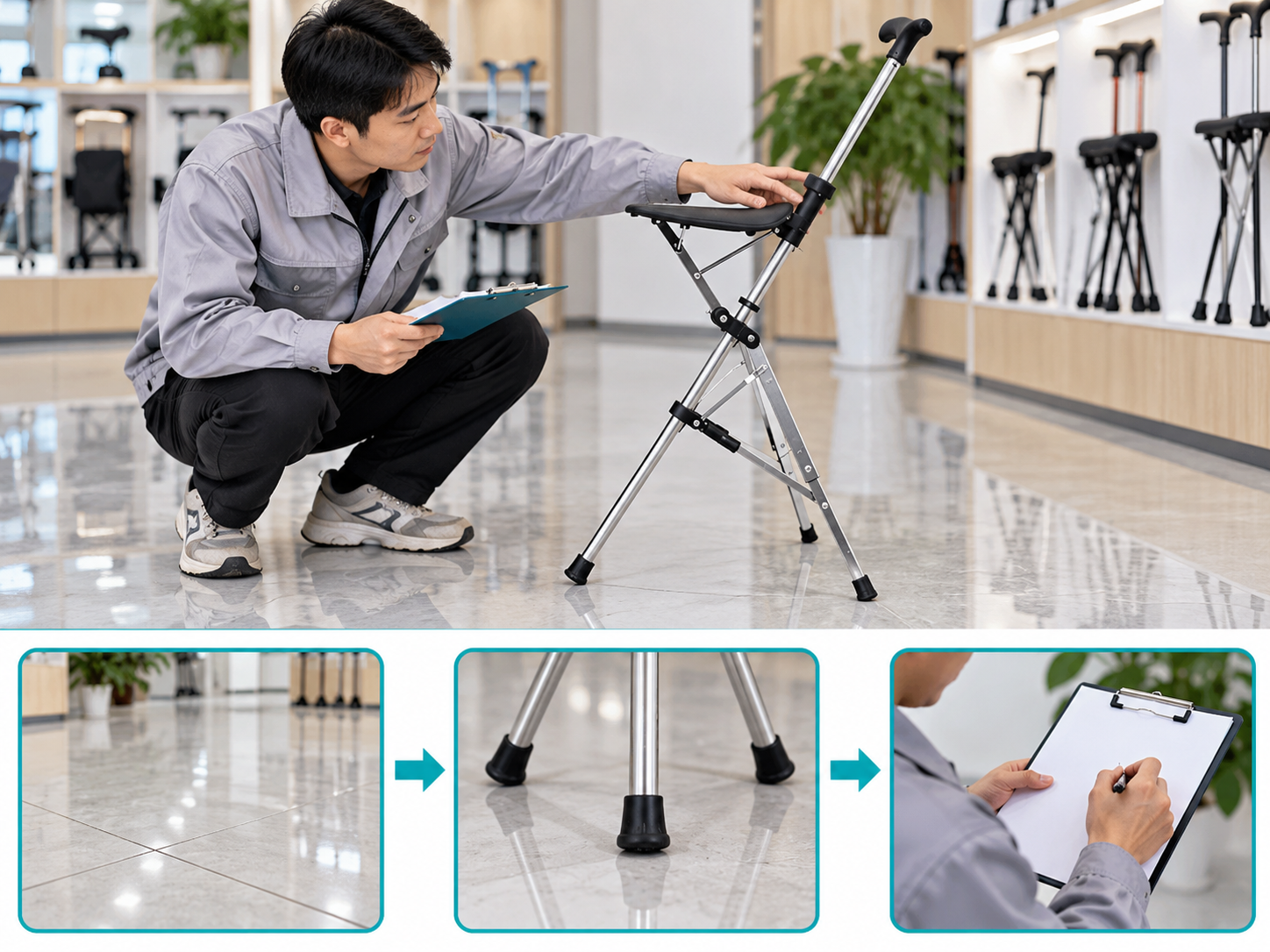
Revisit cane seat ground conditions when the location, product condition or person's needs change. A previous indoor review does not automatically cover a new outdoor stop.
Revisit changed locations
Review the location each time it changes. Keep the model guide accessible for the user or responsible team. Refer uncertain use conditions before relying on the seat. The NHS walking-aid and wheelchair guidance provides general selection context.
- New location
- Product change
- Use question
| Check | Record or reference |
|---|---|
| New location | Site note |
| Product change | Service record |
| Use question | Review |
Key Takeaway: A portable product still needs a suitable place for its intended use.
What should a buyer ask before ordering?
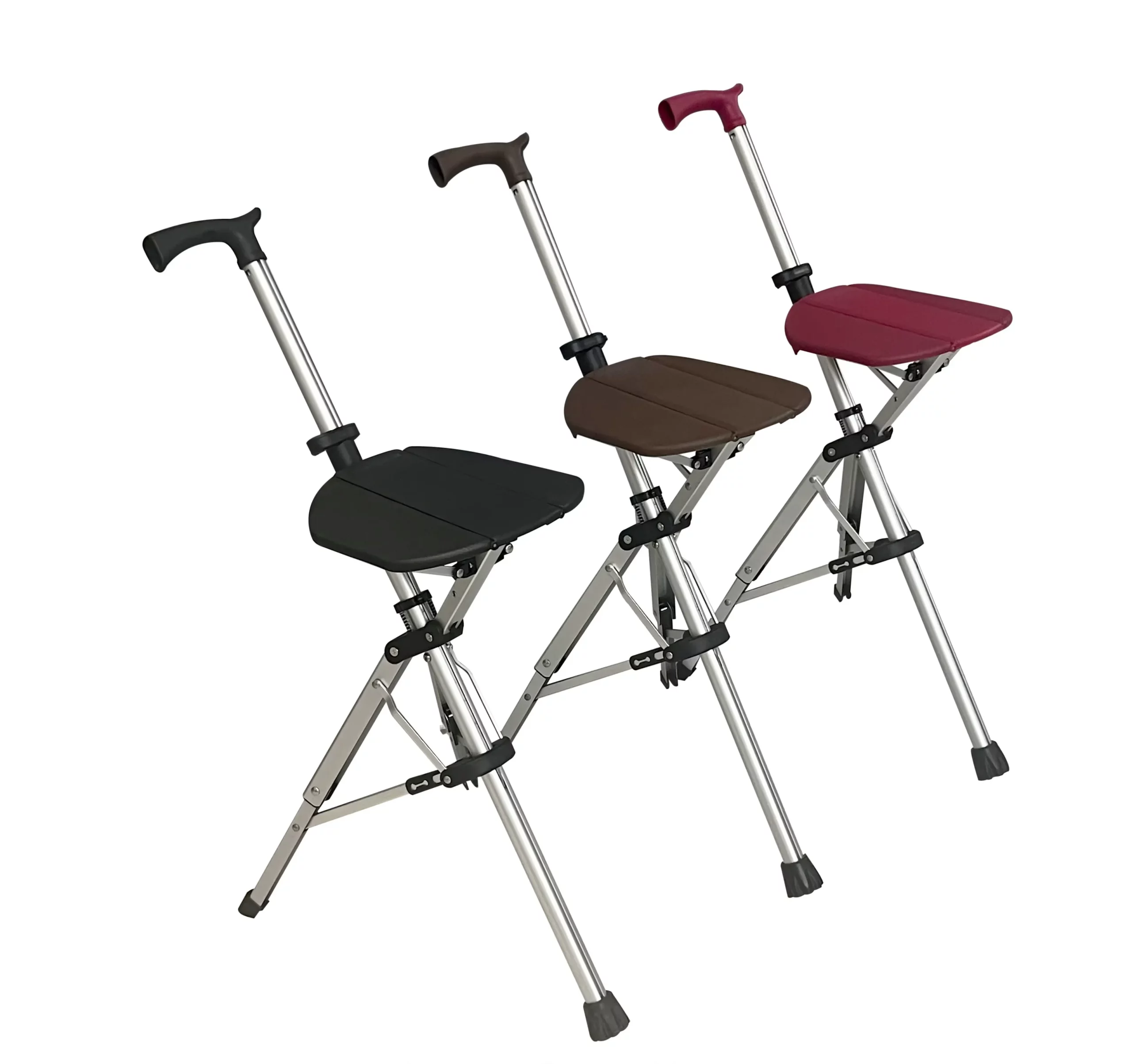
For cane seat ground conditions, send the exact intended surfaces and product role with your enquiry. Ask for written limits and current instructions for the proposed model.
What should you do next?
Describe the intended setting precisely. Use that details with the suitable personal assessment. Keep unsupported terrain claims out of the dealer description.
- Intended setting
- Maker limits
- Dealer wording
| Check | Record or reference |
|---|---|
| Intended setting | Brief |
| Maker limits | Response |
| Dealer wording | Approved copy |
Key Takeaway: Your selection can reflect the ground conditions it is meant to serve. To discuss the model and documents for your order, contact us with your requirements. At AryMD, useful product facts should support every care-equipment purchase.
Frequently asked questions
Q1: Can three legs make a cane seat suitable on every surface?
No. Follow the exact model's ground and setup limits and use suitable personal assessment.
Q2: What’s the best surface for every cane seat?
Use the surface conditions stated by the maker. Do not substitute a general rule for the product's instructions.
Q3: How do I know whether it is suitable on sand or grass?
Ask for explicit model guidance. The shape of a rubber tip does not establish soft-ground capability.
Q4: Can a load rating guarantee stability on a slope?
No. Load evidence does not override surface limits, setup or personal suitability.
Q5: Should a damaged tip be replaced with a similar one?
Use the maker-approved part and service method. Similar appearance does not establish the correct fit.