
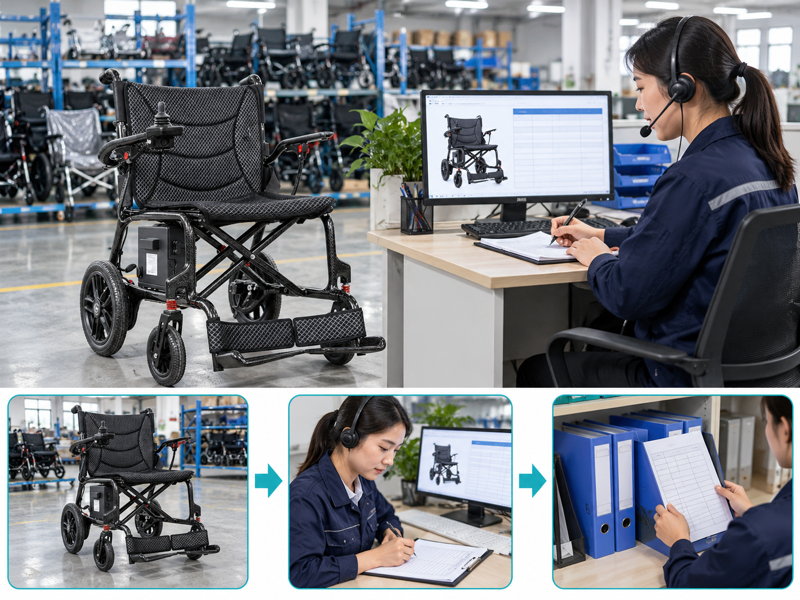
Collect electric wheelchair user feedback around the task, chair setup and reported difficulty before choosing a response. A short message about poor comfort may reach a sales inbox without enough context for the right referral. Guessing at the cause can delay useful help. A clear intake and follow-up process connects the customer's own report with suitable technical, seating or service review.
How should you collect electric wheelchair user feedback?
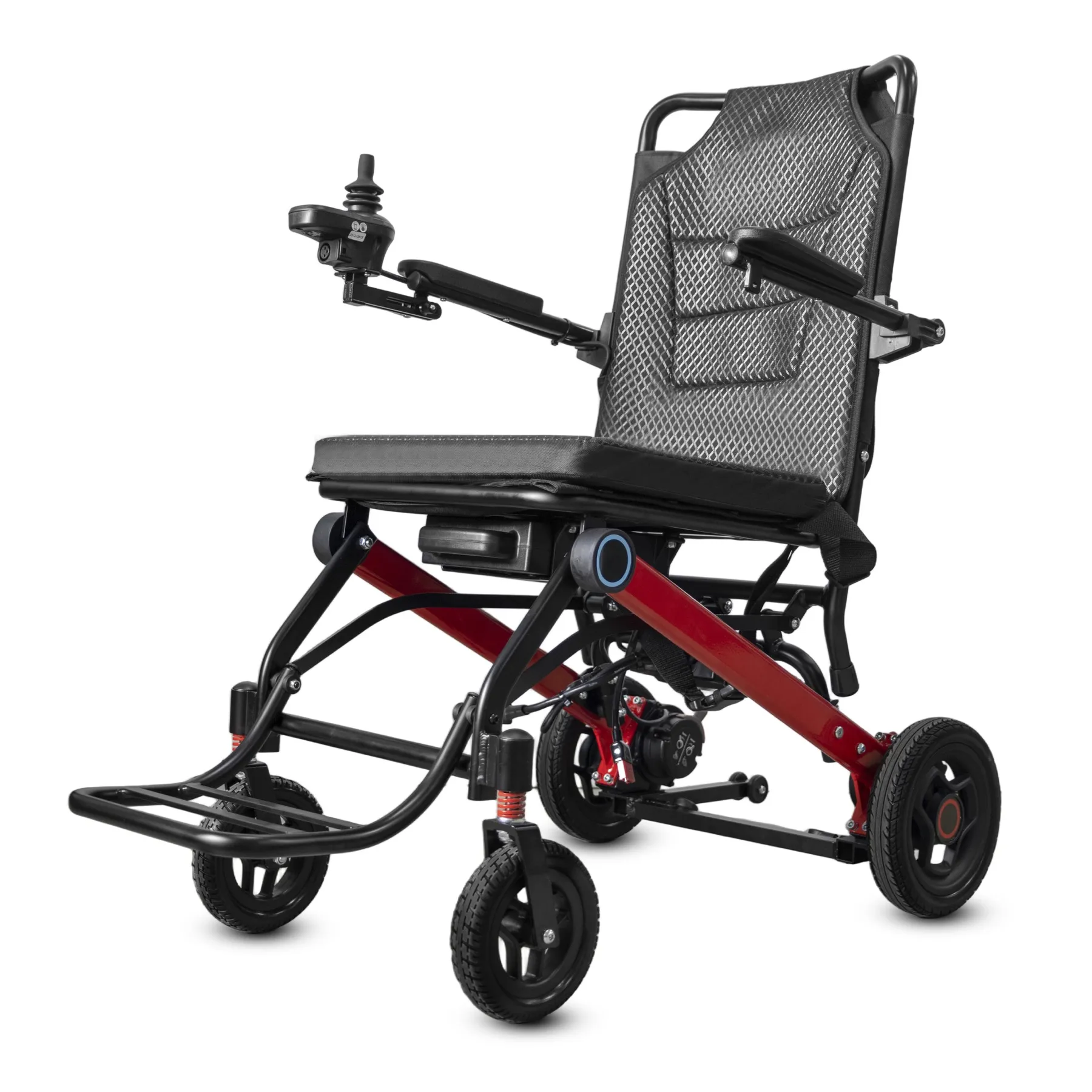
Collect electric wheelchair user feedback around the user's task, setup and reported difficulty. A general comment that a chair is uncomfortable or hard to use needs context before anyone chooses a response.
Ask about the actual task
Begin with what the user was doing. Ask plain questions and record the user's own description. If a safety concern appears, use the suitable support route rather than continuing a routine survey.
- Describe the task
- Name the chair setup
- Flag urgent concerns
| Check | What to keep |
|---|---|
| Describe the task | User-approved report |
| Name the chair setup | Current model record |
| Flag urgent concerns | Escalation note |
Key Takeaway: Your team can understand the reported experience without guessing its cause.
Which context helps explain a report?
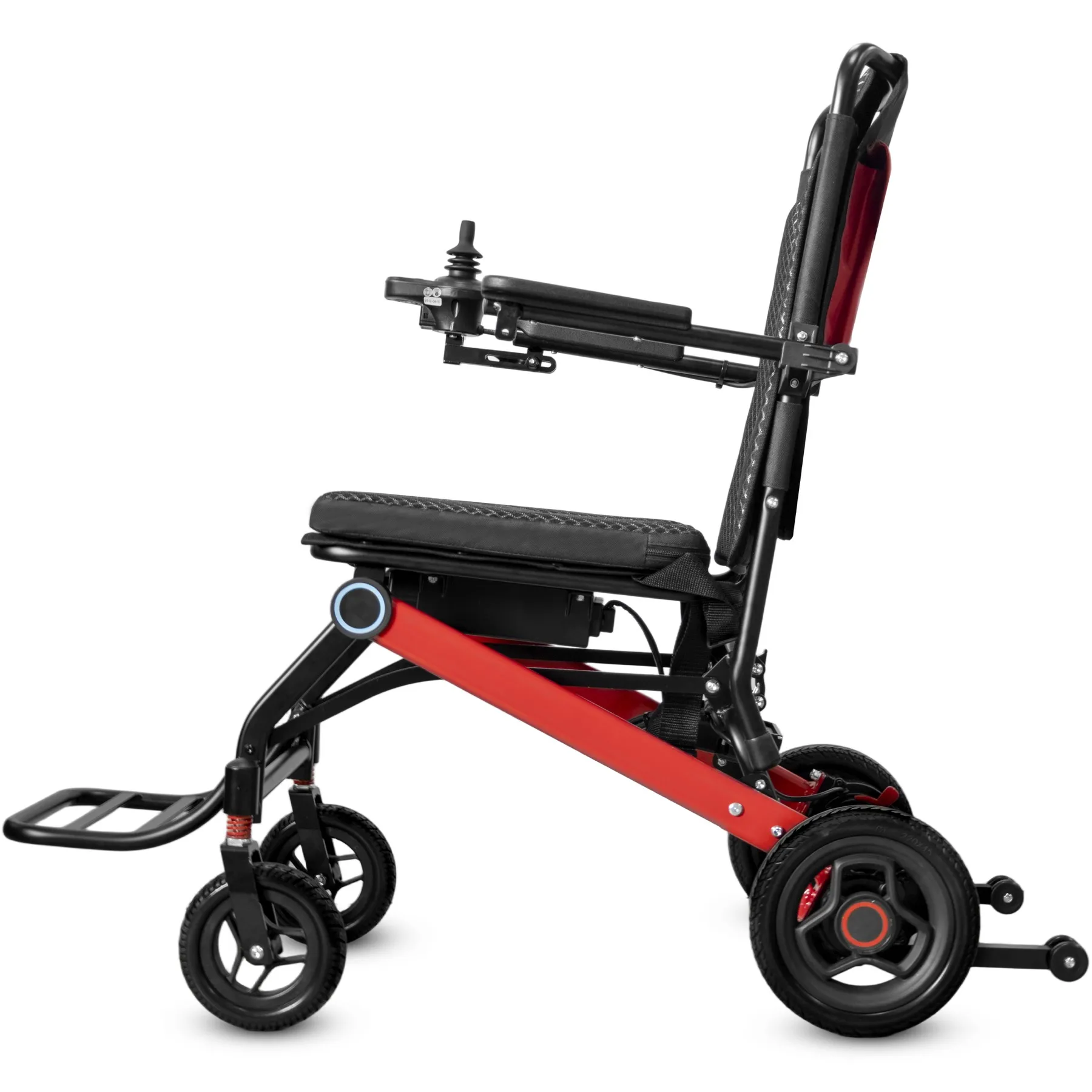
Useful electric wheelchair user feedback includes where the chair was used and what the person was trying to do. A doorway problem and a control problem may sound similar in a short message.
Keep the setting in view
Keep the setting visible. Collect only details needed for the review. If photos help, ask permission and avoid capturing unrelated people or personal details. Record the current seat-depth setup where fit concerns arise.
- Record the intended task
- Describe the setting
- Obtain suitable evidence
| Check | What to keep |
|---|---|
| Record the intended task | Activity notes |
| Describe the setting | Relevant site details |
| Obtain suitable evidence | Permission-based photos |
Key Takeaway: Context helps the reviewer ask the next useful question instead of making an early assumption.
How should electric wheelchair user feedback describe fit concerns?
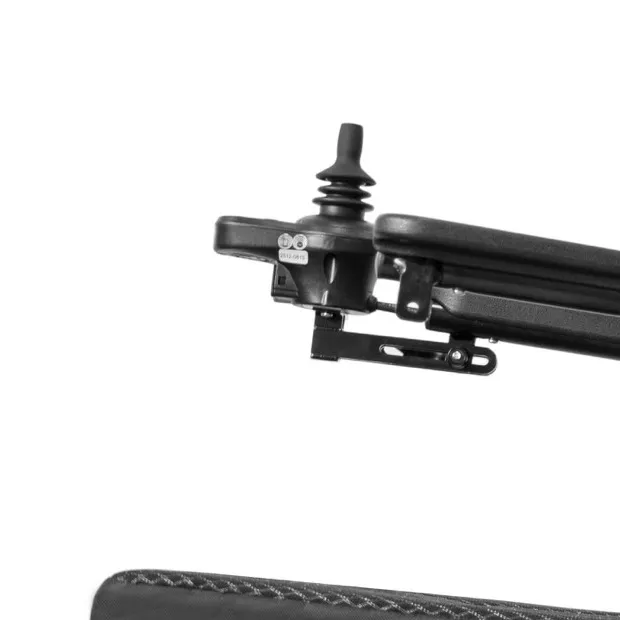
Record fit-related electric wheelchair user feedback as the user's concern about seating, reach or support. Do not turn that description into a prescribed adjustment without suitable assessment.
Record fit concerns accurately
Keep support questions with trained reviewers. Name the current setup and any recent changes. If discomfort or support needs are involved, refer the case to suitably trained personnel.
- Record the user's wording
- Name the current setup
- Arrange suitable review
| Check | What to keep |
|---|---|
| Record the user's wording | Concern description |
| Name the current setup | Seating reference |
| Arrange suitable review | Referral record |
Key Takeaway: You can communicate the concern accurately while leaving individual support decisions with the right people.
How can service issues be separated from product faults?
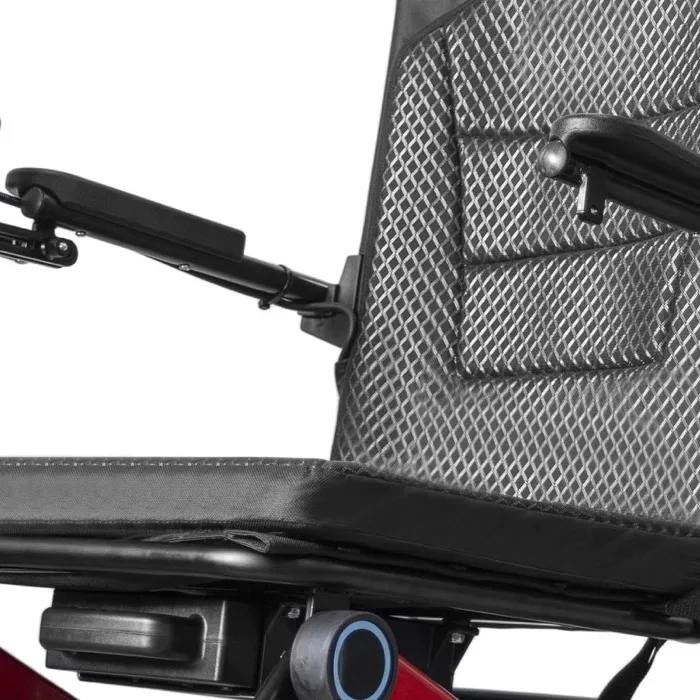
In electric wheelchair user feedback, a missing explanation, delayed reply and suspected fault need different follow-up. Record the sequence so staff can separate service gaps from technical questions.
Separate service issues and faults
Ask what happened before labeling it. Keep more than one issue when the case contains both. If a fault is suspected, use the technical case process rather than closing it as a training problem.
- Record the event sequence
- Separate issue types
- Assign each follow-up
| Check | What to keep |
|---|---|
| Record the event sequence | Case timeline |
| Separate issue types | Service and technical fields |
| Assign each follow-up | Named action owner |
Key Takeaway: The customer can receive help for the full problem instead of only its most visible symptom.
How can electric wheelchair user feedback reveal repeated issues?
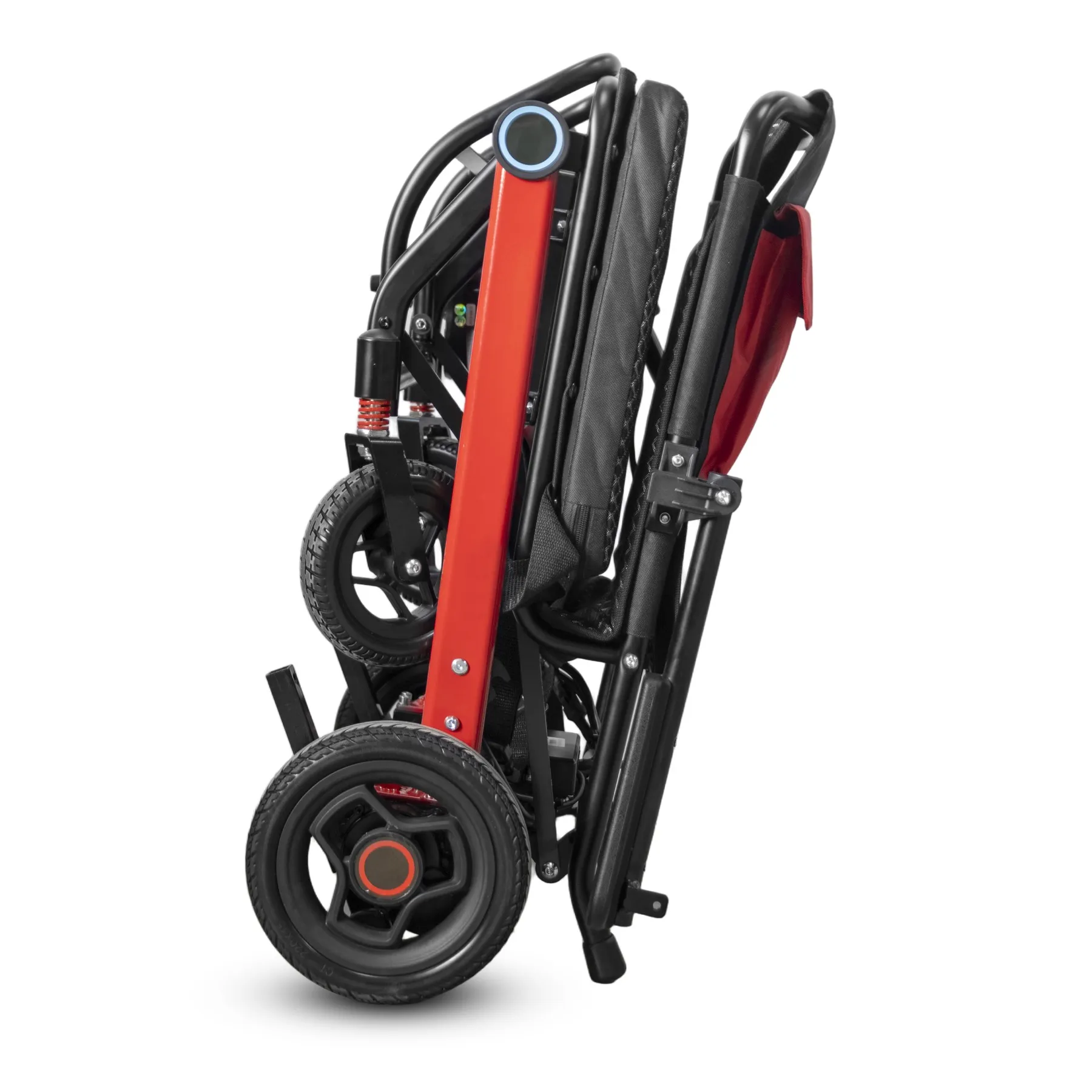
Repeated electric wheelchair user feedback can reveal questions worth investigating when model, setup and symptoms are comparable. Similar wording alone does not prove that reports share one cause.
Compare repeated reports carefully
Compare like cases carefully. Check whether reports concern the same version or a recent change. Keep confirmed findings separate from patterns that still need review. Connect repeated reports in the service log.
- Group comparable reports
- Check version differences
- Separate hypotheses
| Check | What to keep |
|---|---|
| Group comparable reports | Model and symptom summary |
| Check version differences | Product history |
| Separate hypotheses | Open review notes |
Key Takeaway: You can use repeated feedback to guide investigation without overstating what it proves.
Who should review electric wheelchair user feedback?
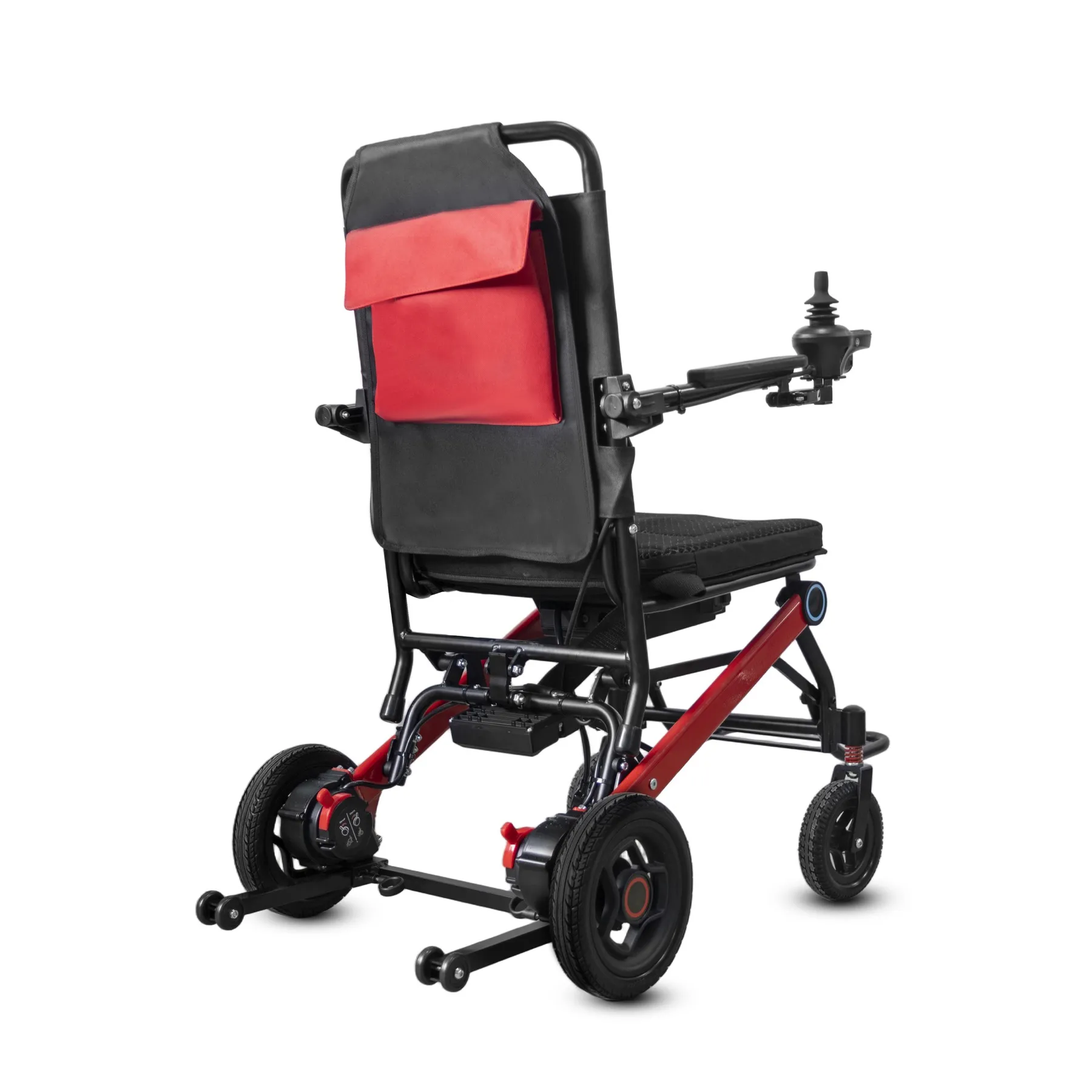
Route electric wheelchair user feedback to staff whose role matches the concern. Technical faults, seating needs, delivery issues and communication problems may require different reviewers.
Route concerns to suitable reviewers
Assign the right route early. Name one case owner to coordinate responses. If the issue may involve an incident, follow applicable reporting and escalation procedures alongside customer support.
- Match concern and reviewer
- Name the case owner
- Keep escalation paths
| Check | What to keep |
|---|---|
| Match concern and reviewer | Routing guide |
| Name the case owner | Contact record |
| Keep escalation paths | Approved support procedure |
Key Takeaway: The customer gets coordinated help while each specialist handles the question within their competence.
How should the customer hear about progress?
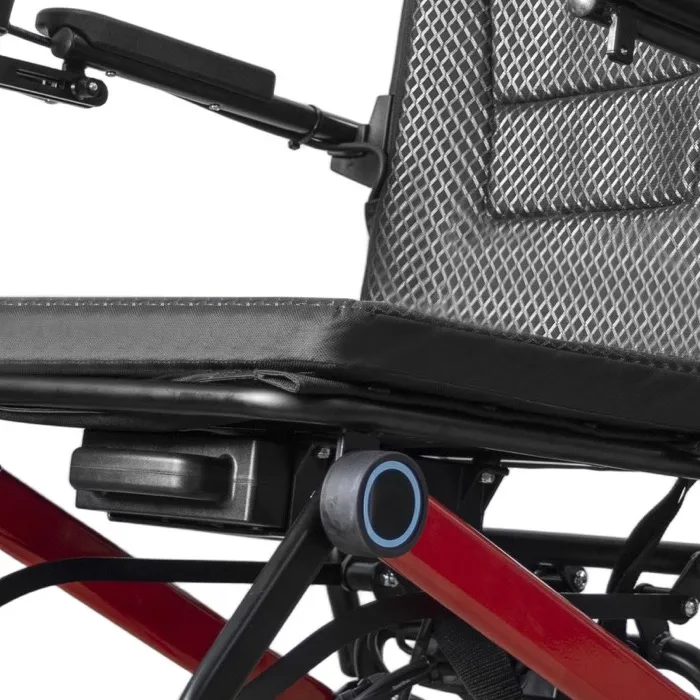
Respond to electric wheelchair user feedback with the next action, responsible contact and known limits. A promise that everything will be fixed soon is less useful than a exact review plan.
Give a clear next step
Give a clear next step. Use dates that your team has actually agreed. If a decision is still open, explain what details or review is needed before it can be made.
- State the next action
- Name the contact
- Explain open decisions
| Check | What to keep |
|---|---|
| State the next action | Customer update |
| Name the contact | Case ownership |
| Explain open decisions | Evidence request |
Key Takeaway: Your response can build trust through clear follow-through rather than an unsupported promise.
How should electric wheelchair user feedback protect privacy?
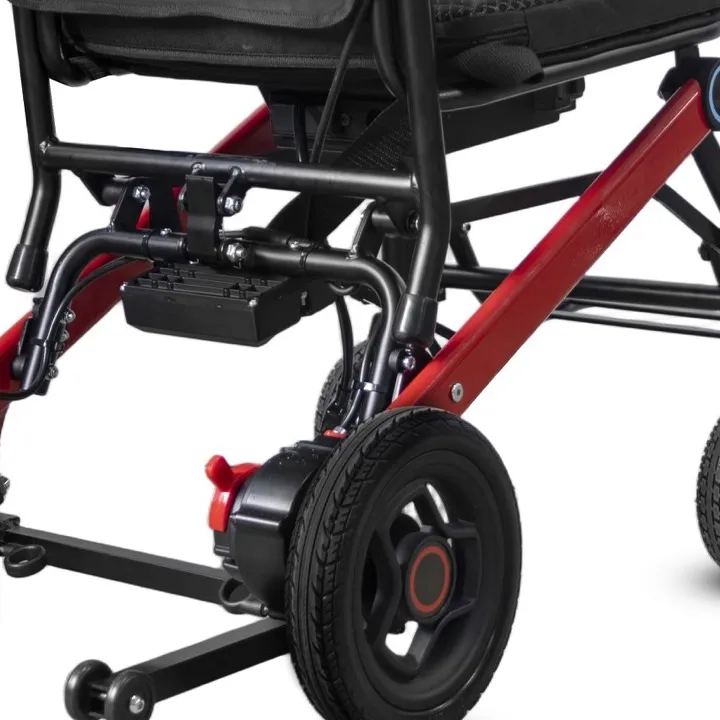
Store electric wheelchair user feedback with only the personal details needed for the service and approved follow-up. Product learning does not require copying a customer's full personal history into a shared worksheet.
Limit personal details
Limit the record to its purpose. Use your organization's privacy rules and permissions. If reports are summarized for product review, remove unnecessary personal details. Keep any follow-up training with the handover record.
- Define the record purpose
- Control access
- Remove unnecessary details
| Check | What to keep |
|---|---|
| Define the record purpose | Service scope |
| Control access | Authorized staff list |
| Remove unnecessary details | Redacted review summary |
Key Takeaway: You can learn from reported problems while limiting unnecessary exposure of personal details.
How can feedback inform product discussions?
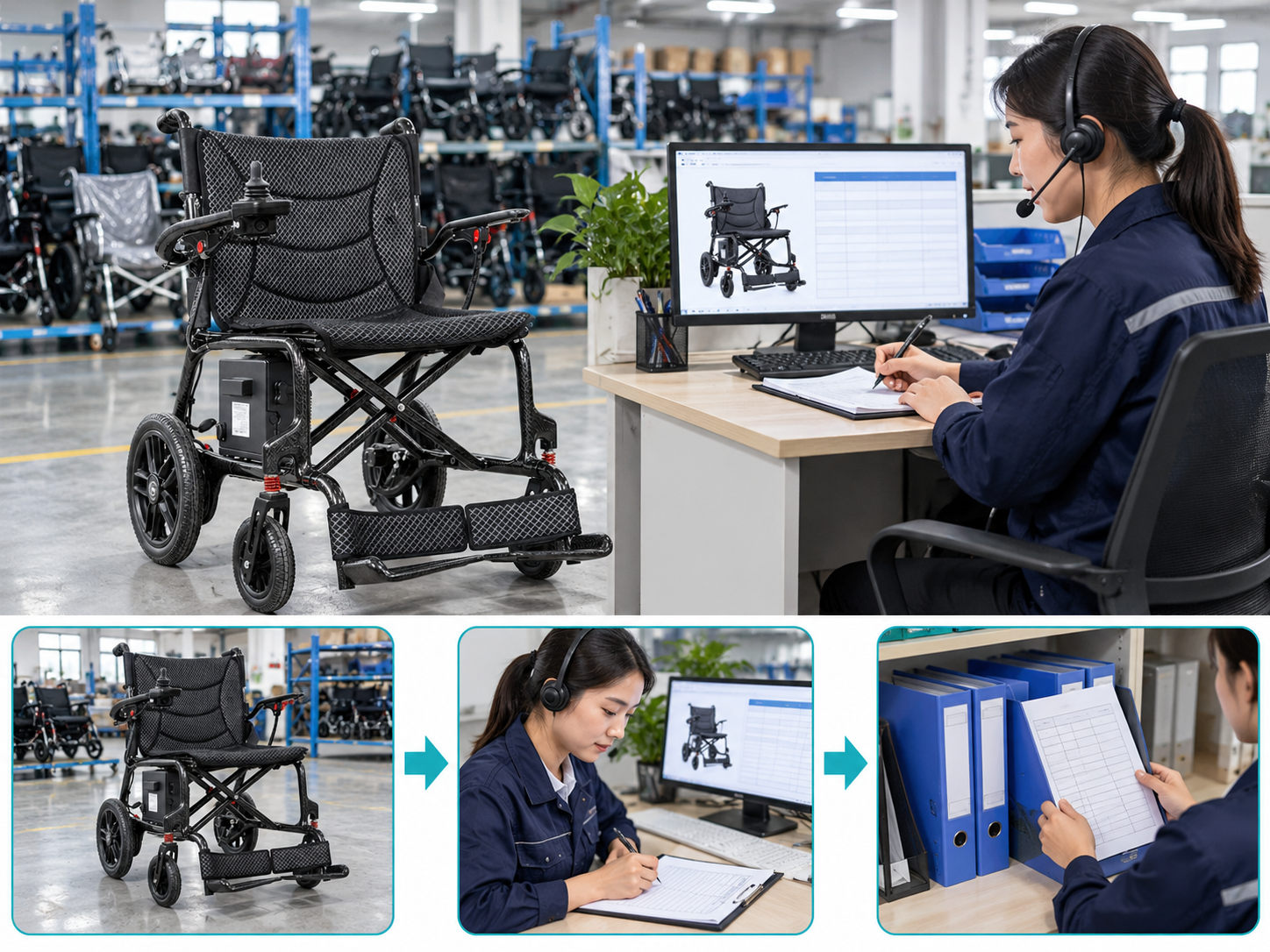
Use electric wheelchair user feedback to ask focused product questions supported by actual reports. A pattern may justify further review, but it does not authorize an untested product change.
Bring evidence to product discussions
Bring evidence to the supplier. Keep proposed actions tied to the affected model and issue. If a change is agreed, track its evidence and later follow-up separately. WHO wheelchair guidance supports individual assessment and trained service provision.
- Summarize relevant reports
- Name the affected version
- Track agreed follow-up
| Check | What to keep |
|---|---|
| Summarize relevant reports | Evidence-based issue note |
| Name the affected version | Model reference |
| Track agreed follow-up | Action record |
Key Takeaway: Your supplier discussion can address a written need without treating feedback as a finished technical solution.
What belongs in an electric wheelchair user feedback process?
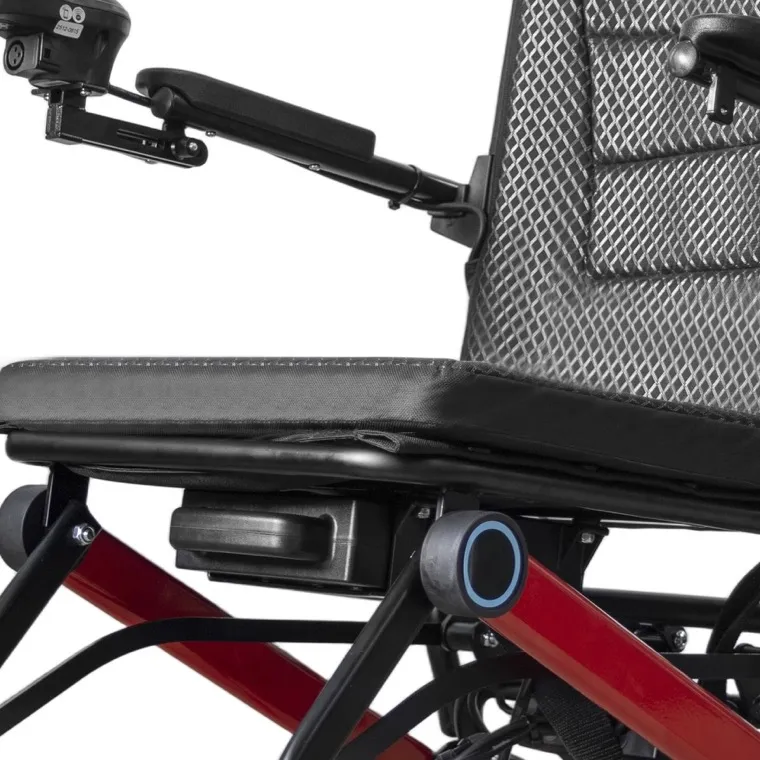
A process for electric wheelchair user feedback should define intake, routing, customer updates and closure. Include a clear path for urgent concerns and individual assessment needs.
Connect intake and follow-up
Keep reporting and follow-up connected. Agree who owns the case across different teams. Review whether the customer received the promised next step rather than counting messages alone.
- Define the intake fields
- Assign review routes
- Confirm follow-through
| Check | What to keep |
|---|---|
| Define the intake fields | Feedback form |
| Assign review routes | Role guide |
| Confirm follow-through | Case closure record |
Key Takeaway: You can turn customer reports into useful service action and better product questions without guessing causes. Contact us with your model and order brief so we can discuss the required product information. AryMD supports wheelchair buying decisions built on clear, model-specific facts.
Frequently asked questions
Q1: Can I infer a fault from a brief customer comment?
No. Record the task, setup and observed problem before asking qualified staff to review it.
Q2: What's the best way to record a fit concern?
Keep the user's description and current setup. Refer seating or support changes for suitable assessment.
Q3: How do I know if repeated reports share one cause?
You need further review. Compare model versions and circumstances rather than relying on similar wording alone.
Q4: Can I share full customer records with every team?
No. Use approved access and privacy processes, and remove personal details that the product review does not need.
Q5: Can feedback directly authorize a product change?
No. It can name a need for investigation, but changes still require the suitable evidence and review.