
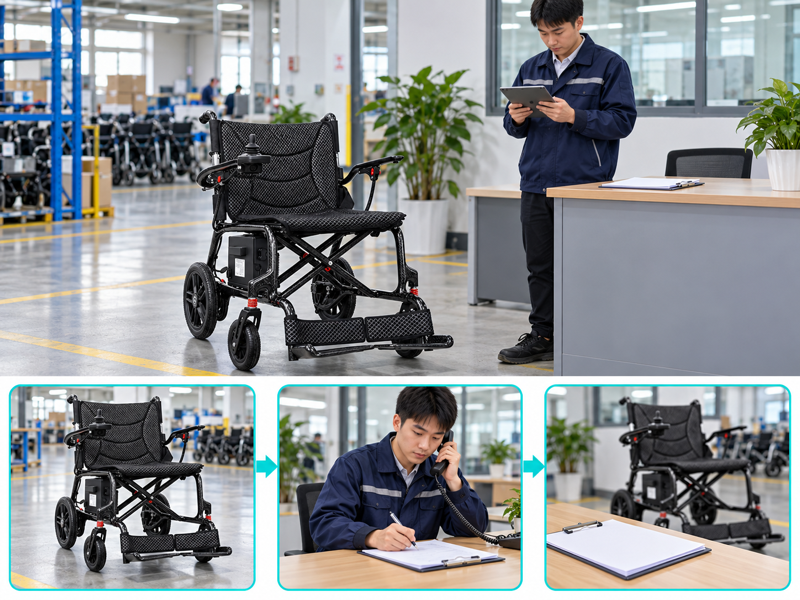
Organize electric wheelchair returns with a clear reason for return, verified unit identity and a named case owner. A customer may report that a chair is unsuitable while sales staff assume it has an electrical fault. That early guess can send the case down the wrong path. A factual intake separates fit, product and commercial questions before staff choose the next step.
How should you organize electric wheelchair returns?
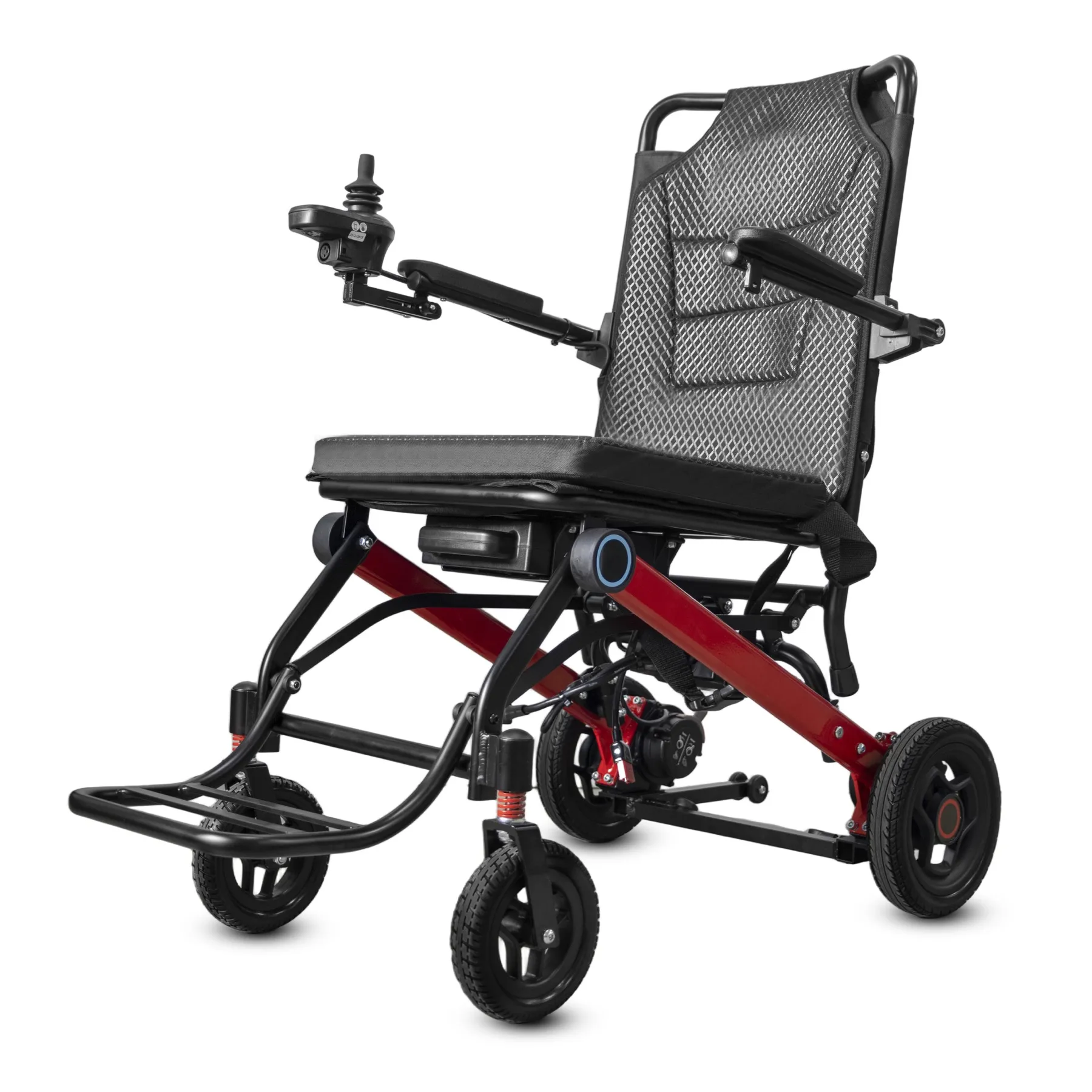
Organize electric wheelchair returns by recording the customer's reason, chair identity and current condition. A return request may concern fit, delivery, setup or a product fault, so avoid assuming a cause.
Separate the reason from the cause
Separate the reason from the diagnosis. Use a clear intake form and plain questions. If safety is in doubt, direct the case to qualified support before discussing routine checks.
- Record the stated reason
- Name the chair and version
- Flag urgent concerns
| Check | What to keep |
|---|---|
| Record the stated reason | Customer report |
| Name the chair and version | Verified product identity |
| Flag urgent concerns | Escalation record |
Key Takeaway: You can route the case correctly without turning an early report into a diagnosis.
Which product details belong in the intake?
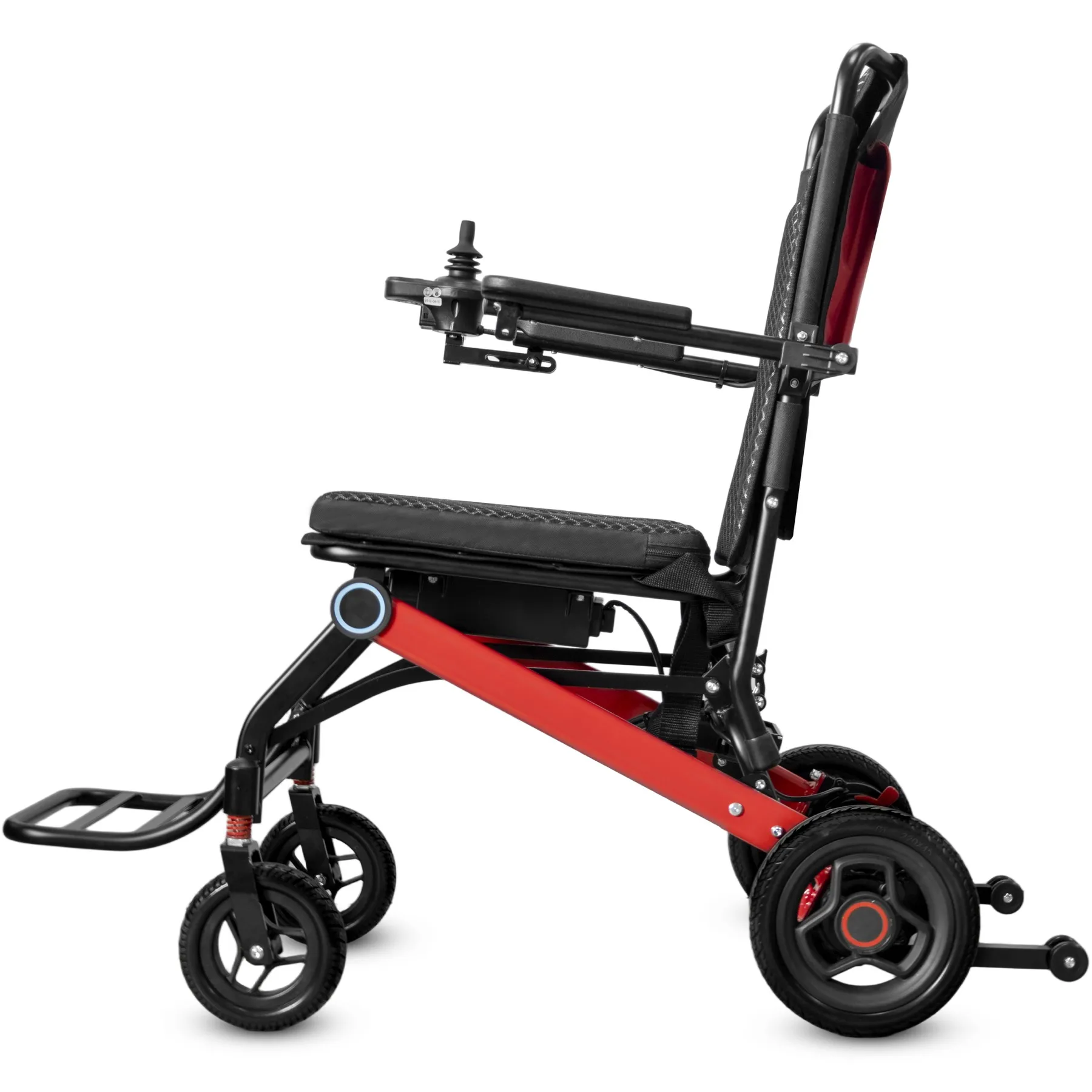
For electric wheelchair returns, collect the model, serial ID and supplied setup before matching parts or instructions. An order number may cover several chairs with different options.
Confirm the returned unit
Get the unit identity right. Ask for a readable label photo where safe and suitable. Keep personal details limited to what the service process needs. Link earlier reports from the service log without guessing a cause.
- Confirm the unit ID
- List fitted options
- Link the order
| Check | What to keep |
|---|---|
| Confirm the unit ID | Serial record |
| List fitted options | Delivered setup |
| Link the order | Purchase reference |
Key Takeaway: The supplier can review the actual unit rather than a similar chair from the same purchase.
What symptoms matter in electric wheelchair returns?
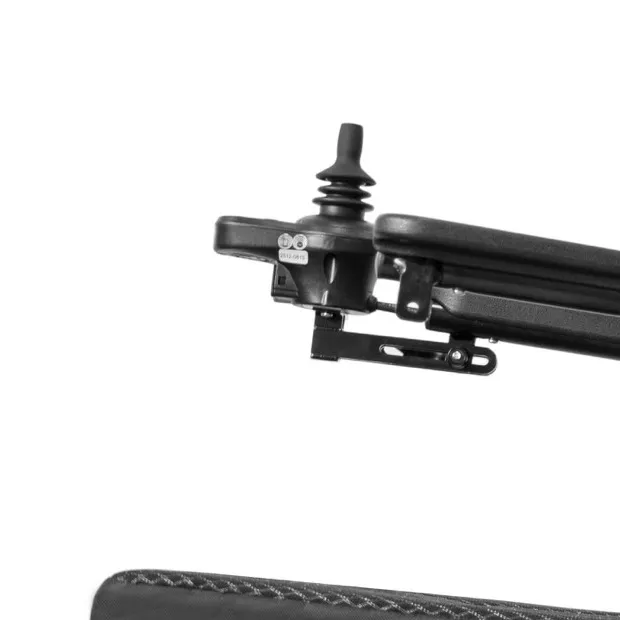
Useful electric wheelchair returns notes describe what happened, when it happened and any visible message. Ask for observations rather than a customer's guess about which part has failed.
Collect factual symptom notes
Ask for observations in plain language. Do not ask the user to recreate a dangerous event. If a photo or existing clip helps, obtain it without requiring unsafe operation.
- Describe the reported behavior
- Record timing and context
- Keep existing safe evidence
| Check | What to keep |
|---|---|
| Describe the reported behavior | Symptom notes |
| Record timing and context | Event details |
| Keep existing safe evidence | Photos or messages |
Key Takeaway: A factual report gives technical staff a better starting point for review.
How can buyers separate fit concerns from faults?
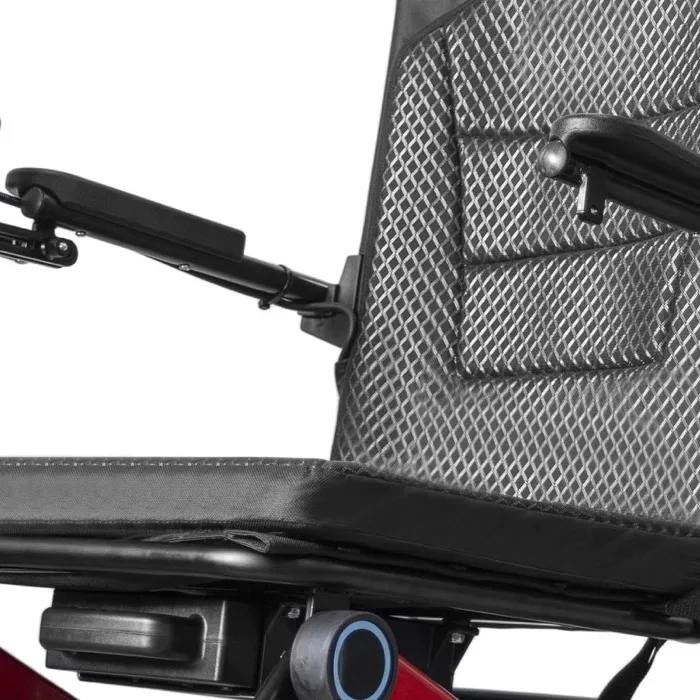
In electric wheelchair returns, fit concerns and suspected faults may require different reviewers. A chair can need an individual seating review even when its written functions work as intended.
Distinguish fit from faults
Keep different questions on separate tracks. Record both concerns when they occur together. If a support change is proposed, involve suitably trained personnel rather than treating it as a routine exchange.
- Record the fit concern
- Record any suspected fault
- Assign suitable reviewers
| Check | What to keep |
|---|---|
| Record the fit concern | User-approved description |
| Record any suspected fault | Technical case |
| Assign suitable reviewers | Referral plan |
Key Takeaway: You can address the customer's actual difficulty without forcing every case into a repair category.
Which checks suit electric wheelchair returns?
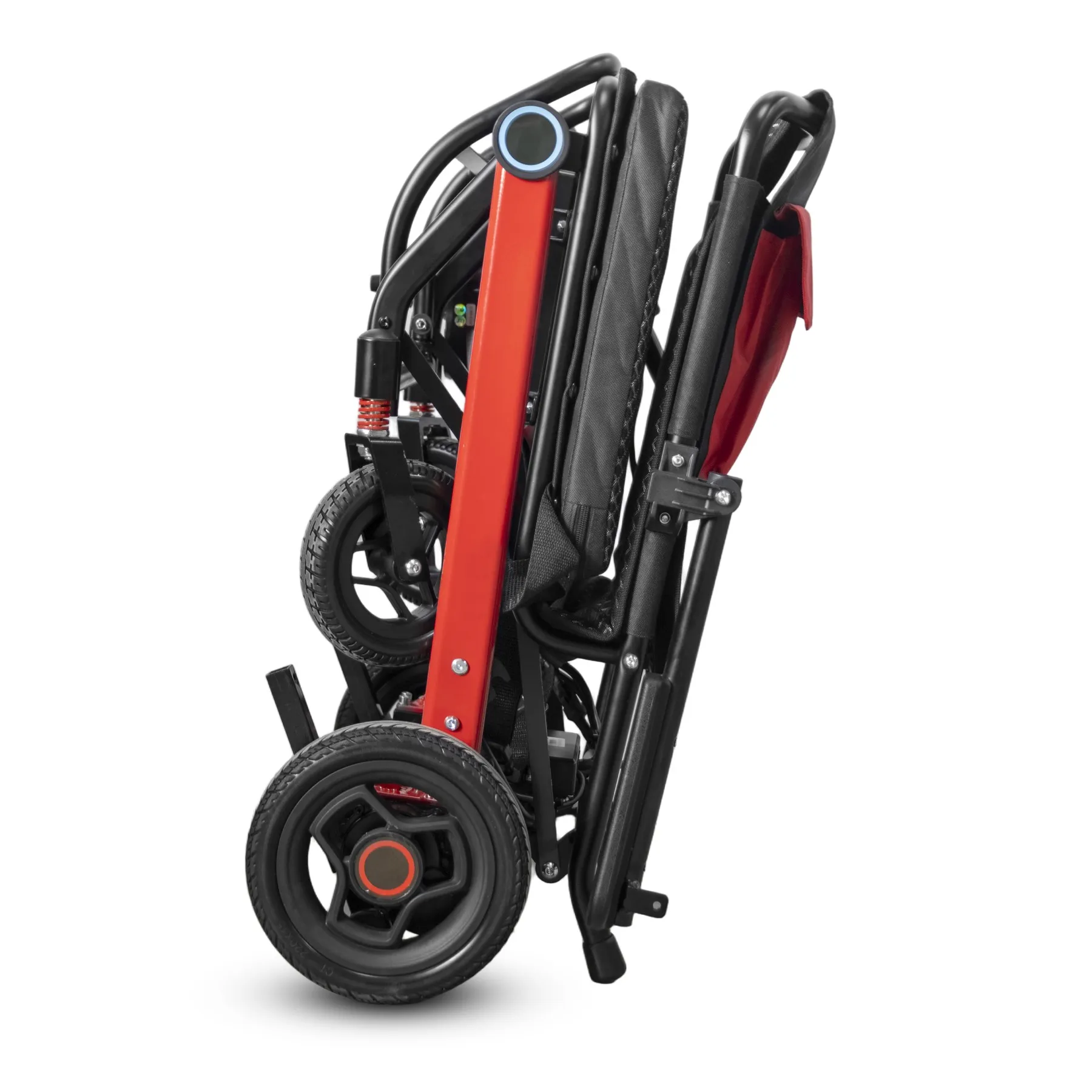
For electric wheelchair returns, ask only for checks permitted by the model instructions and suitable for that user. Sealed electrical parts, battery repairs and unsupported adjustments belong outside routine customer troubleshooting.
Use only permitted customer checks
Stay within the approved user instructions. Qualified support should decide what is suitable. If the user is unsure or a hazard is suspected, stop the check and escalate the case. Use the applicable user instructions when defining permitted customer checks.
- Use the correct manual
- Define permitted checks
- Keep a stop route
| Check | What to keep |
|---|---|
| Use the correct manual | Model-specific instructions |
| Define permitted checks | Support guidance |
| Keep a stop route | Escalation contact |
Key Takeaway: You can collect useful facts without shifting technical work onto the customer.
Who should review electric wheelchair returns?
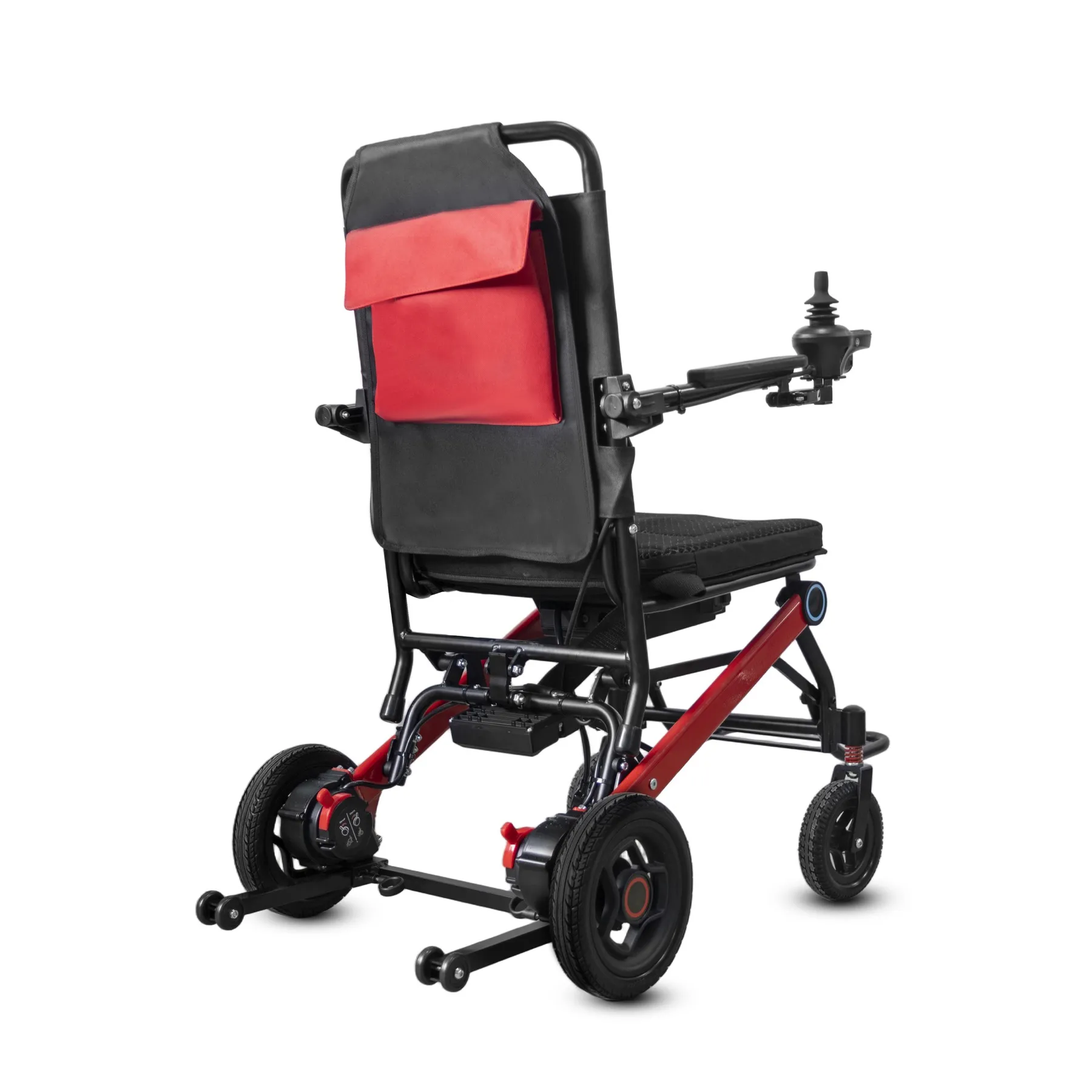
A named reviewer should approve the next step for electric wheelchair returns. Sales, technical and logistics teams may contribute, but someone must connect their decisions into a clear plan.
Name the decision owner
Name the case decision owner. Keep technical release separate from refunds or exchanges. If a product may be unsafe, follow applicable incident and escalation procedures alongside the commercial process.
- Assign the case owner
- Separate technical status
- Confirm commercial action
| Check | What to keep |
|---|---|
| Assign the case owner | Role record |
| Separate technical status | Service decision |
| Confirm commercial action | Agreed case terms |
Key Takeaway: The customer receives one coordinated plan without losing the distinction between safety and commercial outcomes.
How should returned goods enter the warehouse?
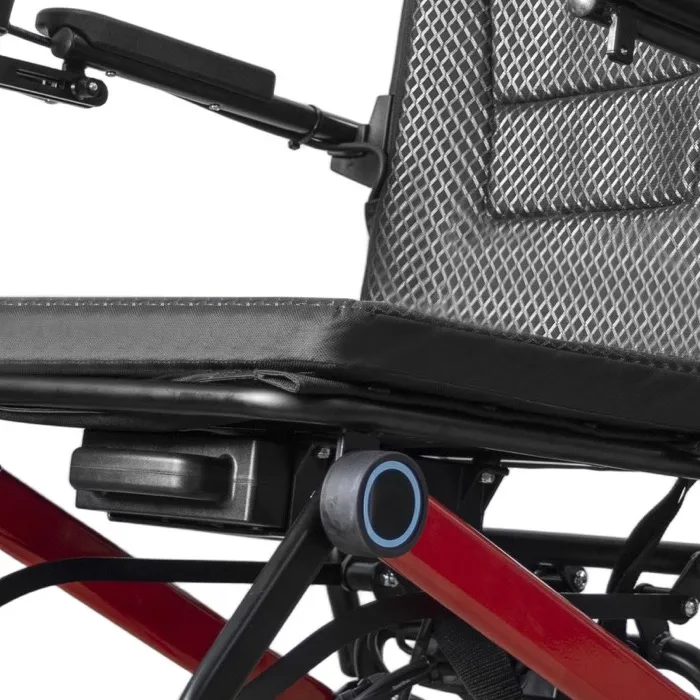
Returned chairs in electric wheelchair returns should enter a controlled review status until the required checks are complete. A clean appearance or complete carton does not establish readiness for another customer.
Control returned-stock status
Keep returns outside saleable stock. Record what arrived and any missing items. Match the physical unit with the case before assigning further work or a new stock status.
- Check the received unit
- List missing items
- Hold pending review
| Check | What to keep |
|---|---|
| Check the received unit | Return intake |
| List missing items | Contents record |
| Hold pending review | Stock-status control |
Key Takeaway: Your available-stock figure reflects chairs that have a written release decision.
How should electric wheelchair returns costs be recorded?
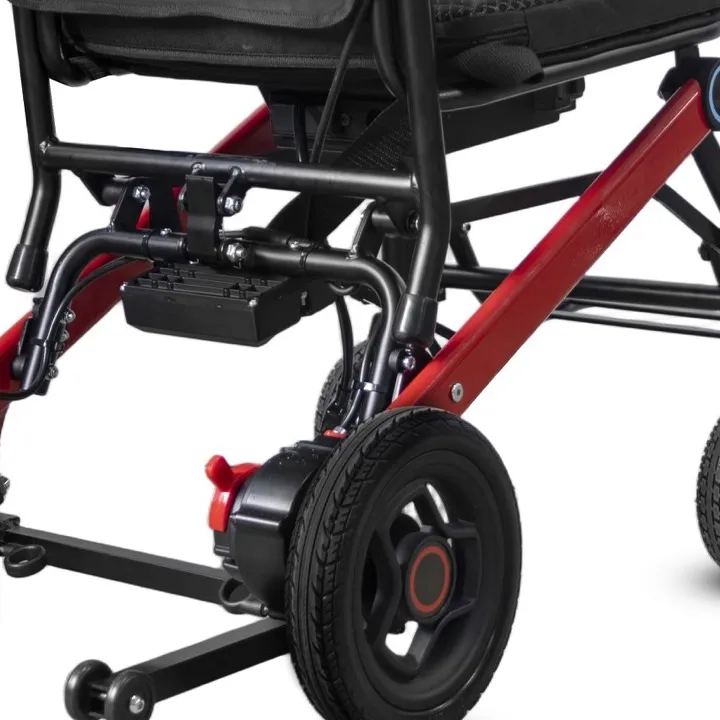
Record electric wheelchair returns costs by freight, parts, labor and other agreed items. A single total can hide which action was authorized or which party agreed to pay.
Record agreed case costs
Keep costs tied to agreed actions. Use the accepted terms and written case decisions. If role remains disputed, record that status without presenting a charge as settled. Match any proposed replacement with the approved parts record.
- Separate cost types
- Link each approval
- Mark unresolved amounts
| Check | What to keep |
|---|---|
| Separate cost types | Case cost sheet |
| Link each approval | Written authorization |
| Mark unresolved amounts | Open commercial record |
Key Takeaway: You can review the case fairly without confusing estimated costs with agreed charges.
What should happen after a case is resolved?
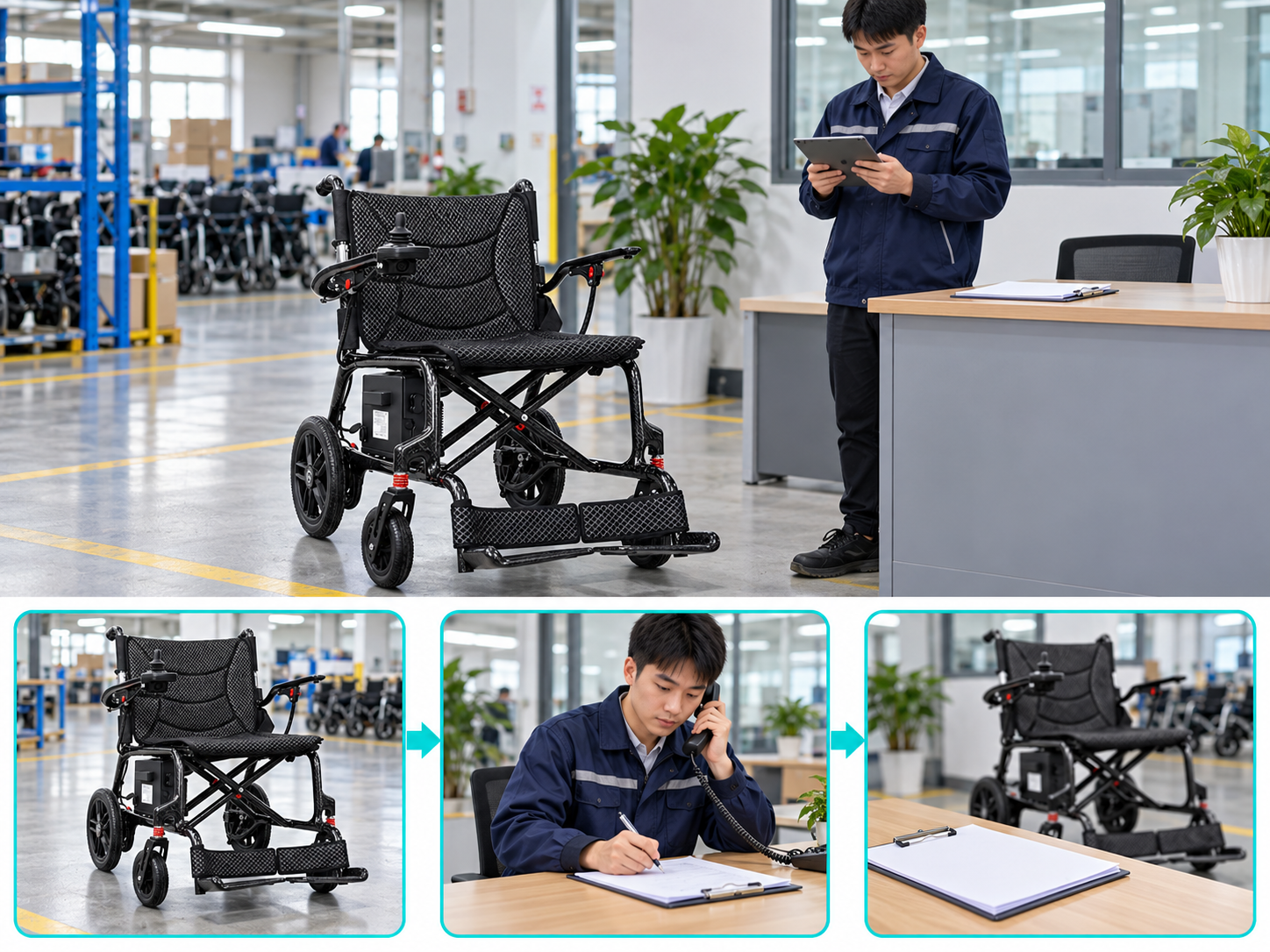
After electric wheelchair returns, confirm the agreed outcome and any follow-up action with the customer. Keep the unit's service history and stock status consistent with that outcome.
Confirm the customer outcome
Close the loop with the customer. Record unresolved questions if the case remains partly open. Look for repeated symptoms across cases without assuming they share the same cause. MHRA device-use checklists provide context for device identity and record keeping.
- Confirm the outcome
- Update the unit record
- Track recurring reports
| Check | What to keep |
|---|---|
| Confirm the outcome | Customer communication |
| Update the unit record | Service history |
| Track recurring reports | Issue review list |
Key Takeaway: The case becomes usable service history rather than an isolated email exchange.
What belongs in an electric wheelchair returns process?
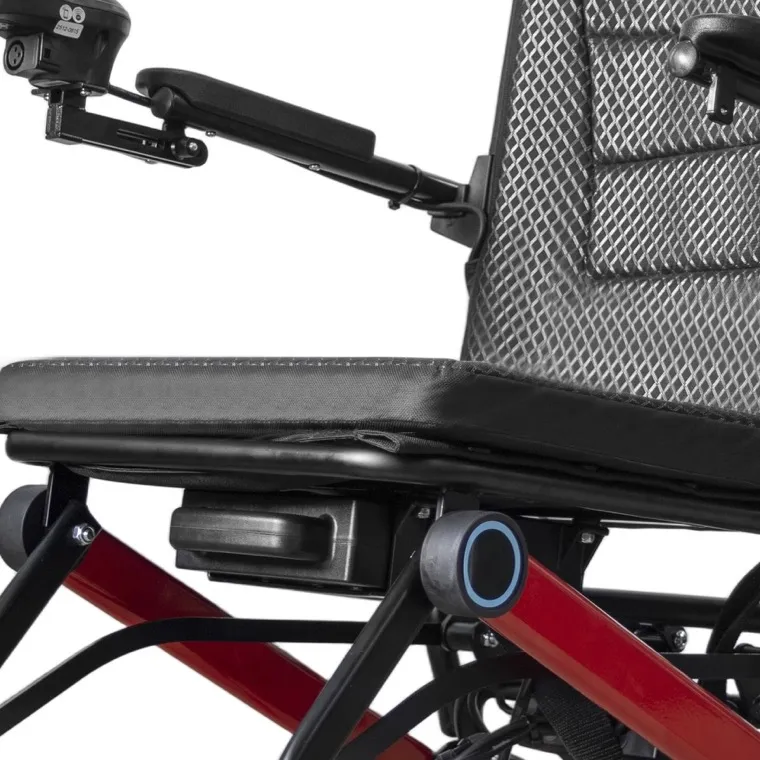
A brief for electric wheelchair returns should define intake, escalation, review and release duties. Include the evidence staff need and the decisions they must not make on their own.
Define your return process
Make the process easy to follow. Agree the process with technical support and logistics staff. Keep current contacts and model documents available when a case arrives.
- Define the intake fields
- Assign review duties
- Keep support contacts current
| Check | What to keep |
|---|---|
| Define the intake fields | Return form |
| Assign review duties | Case workflow |
| Keep support contacts current | Escalation directory |
Key Takeaway: You can handle fit questions, faults and commercial decisions through one clear but properly divided process. Contact us with your model and order brief so we can discuss the required product information. AryMD supports wheelchair buying decisions built on clear, model-specific facts.
Frequently asked questions
Q1: Can I diagnose a fault from the return reason alone?
No. Record the customer's observations and let qualified support assess suspected faults.
Q2: What's the best details to request first?
Start with model, serial ID and the reported problem. Add safe existing evidence where useful.
Q3: How do I know if a case needs a seating review?
Refer fit or support concerns to suitably trained personnel. Do not treat every difficulty as a defective part.
Q4: Can I ask customers to open electrical parts?
No. Routine checks must stay within the model instructions and suitable support guidance.
Q5: Can a clean returned chair go straight back into stock?
No. Keep it under controlled review until the required checks and release decision are complete.