
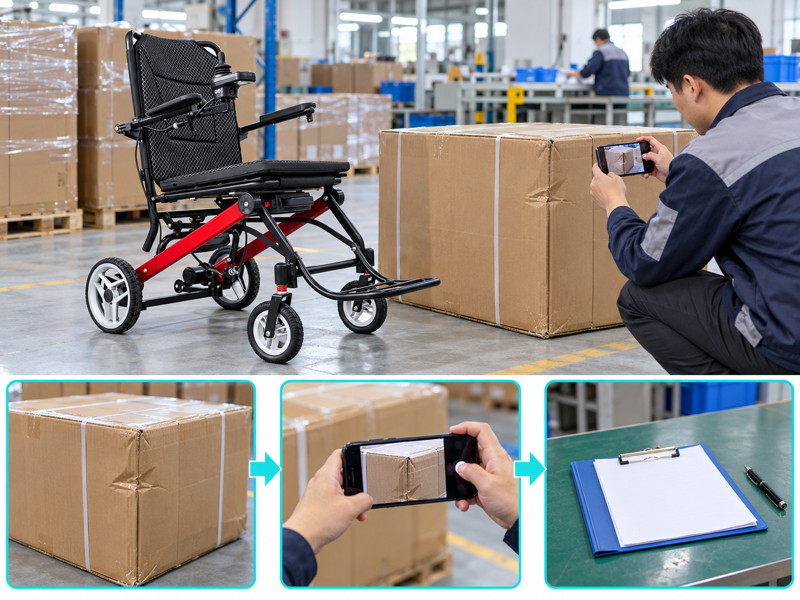
Handle power chair delivery damage by preserving evidence, identifying each affected unit and keeping suspect goods out of ready stock. A receiving team may discard a dented carton before anyone photos it. The supplier then has little context for reviewing the damaged chair. A clear intake process protects the facts and directs safety or shipping questions to trained support.
How should you respond to power chair delivery damage?
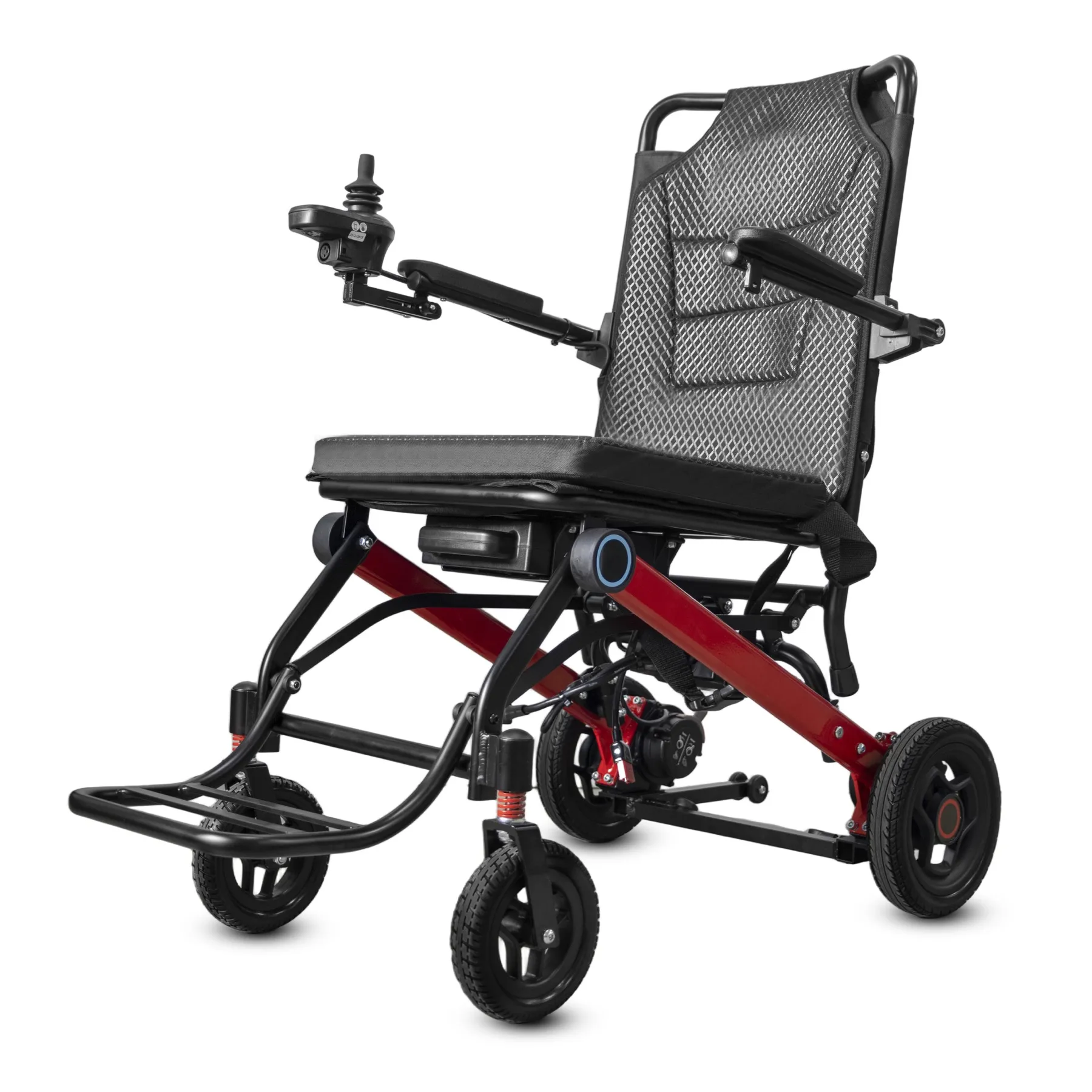
Respond to power chair delivery damage by recording visible condition and keeping suspect goods out of ready stock. A quick unpacking or repair can remove evidence needed for a fair review.
Preserve evidence at receipt
Preserve facts before assigning blame. Follow your site's safe receiving process. If battery damage or another safety concern is suspected, seek trained support before handling, using or charging the chair.
- Record visible condition
- Keep suspect units separate
- Escalate safety concerns
| Check | What to keep |
|---|---|
| Record visible condition | Receiving notes |
| Keep suspect units separate | Controlled stock status |
| Escalate safety concerns | Named support contact |
Key Takeaway: You can protect the evidence and avoid treating damaged goods as ready for use.
What should be recorded at receipt?
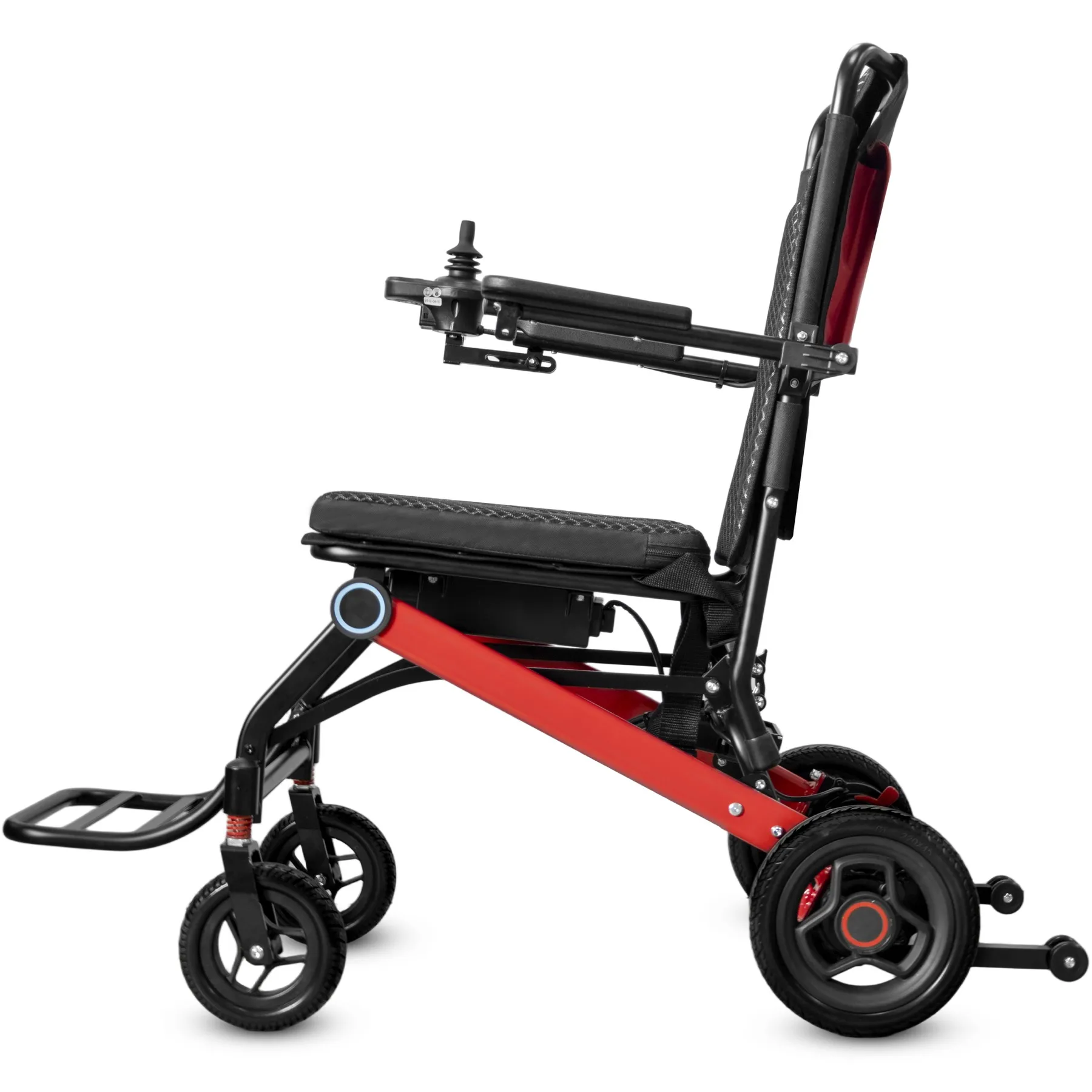
A power chair delivery damage record should include delivery date, shipment reference and visible carton condition. Note what staff saw without turning an observation into a claim about the cause.
Record the delivery context
Capture the delivery context. Keep the carrier documents under your agreed receiving process. If the carton is wet or crushed, describe the area and extent as clearly as possible. Keep the agreed packaging specification with your damage evidence.
- Record shipment details
- Describe visible carton damage
- Keep related documents
| Check | What to keep |
|---|---|
| Record shipment details | Delivery reference |
| Describe visible carton damage | Receiving notes |
| Keep related documents | Carrier and order files |
Key Takeaway: The supplier can place the reported damage within the actual delivery history.
Which photos support a power chair delivery damage report?
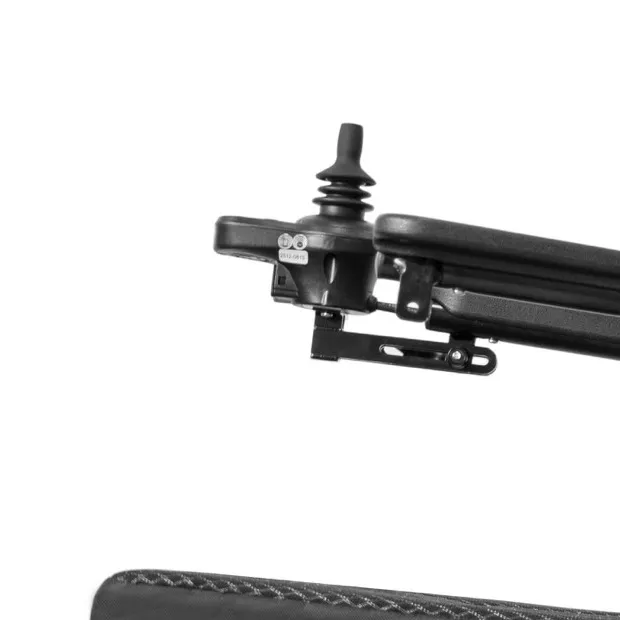
For power chair delivery damage, take clear overall and close-up photos where it is safe to do so. A tight shot of a scratch needs context showing its location on the carton or chair.
Pair overall and detail photos
Pair wide views with details. Keep packaging evidence until the responsible team advises otherwise. Avoid asking staff to expose damaged batteries or open sealed electrical parts for a photo.
- Show the overall package
- Locate each damaged area
- Keep safe photo limits
| Check | What to keep |
|---|---|
| Show the overall package | Wide receiving view |
| Locate each damaged area | Context and detail pair |
| Keep safe photo limits | Receiving procedure |
Key Takeaway: A focused photo set can clarify visible damage without creating another hazard during evidence collection.
Should staff unpack or test the chair?
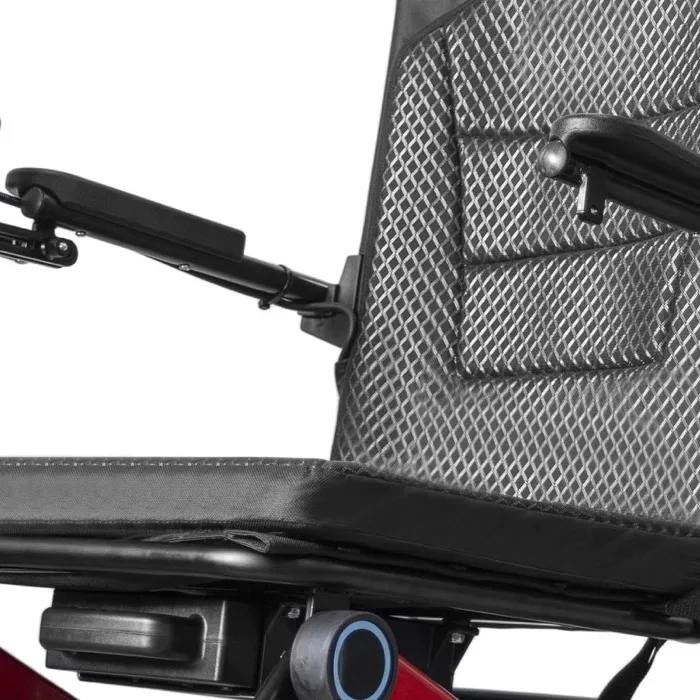
With power chair delivery damage, staff should follow the approved receiving and escalation process before unpacking or testing. Visible safety concerns need trained review rather than a quick attempt to prove the chair works.
Confirm safe next steps
Let the condition guide the next step. Do not charge or use a chair with suspected battery damage. Ask the responsible support team what evidence can be collected safely.
- Record the current condition
- Confirm permitted next steps
- Keep release authority clear
| Check | What to keep |
|---|---|
| Record the current condition | Hold note |
| Confirm permitted next steps | Support instructions |
| Keep release authority clear | Named reviewer |
Key Takeaway: You avoid converting a receiving question into an unplanned operating or repair task.
Who should assess power chair delivery damage?
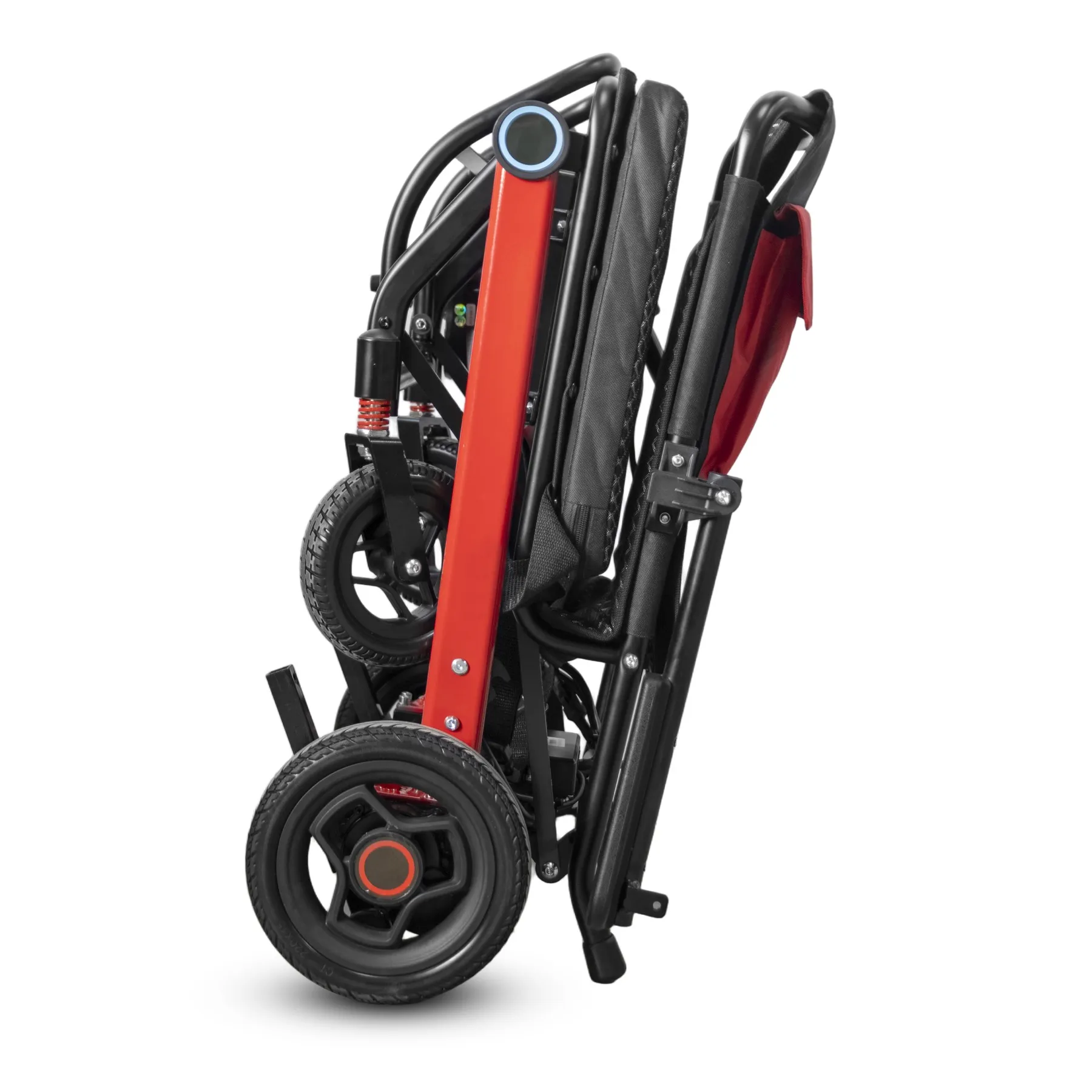
A qualified technical reviewer should assess power chair delivery damage when damage may affect function or safety. A salesperson's visual impression does not establish that the chair is fit for release.
Assign qualified assessment
Use a qualified assessment. Keep the assessment scope and outcome in writing. If further evidence is needed, leave the stock status open rather than recording an assumed pass. Arrange the appropriate inspection review before release.
- Name the technical reviewer
- Keep the review scope
- Record release conditions
| Check | What to keep |
|---|---|
| Name the technical reviewer | Assessment record |
| Keep the review scope | Work request |
| Record release conditions | Written decision |
Key Takeaway: The warehouse receives a clear stock decision supported by the right review.
How should power chair delivery damage records name units?
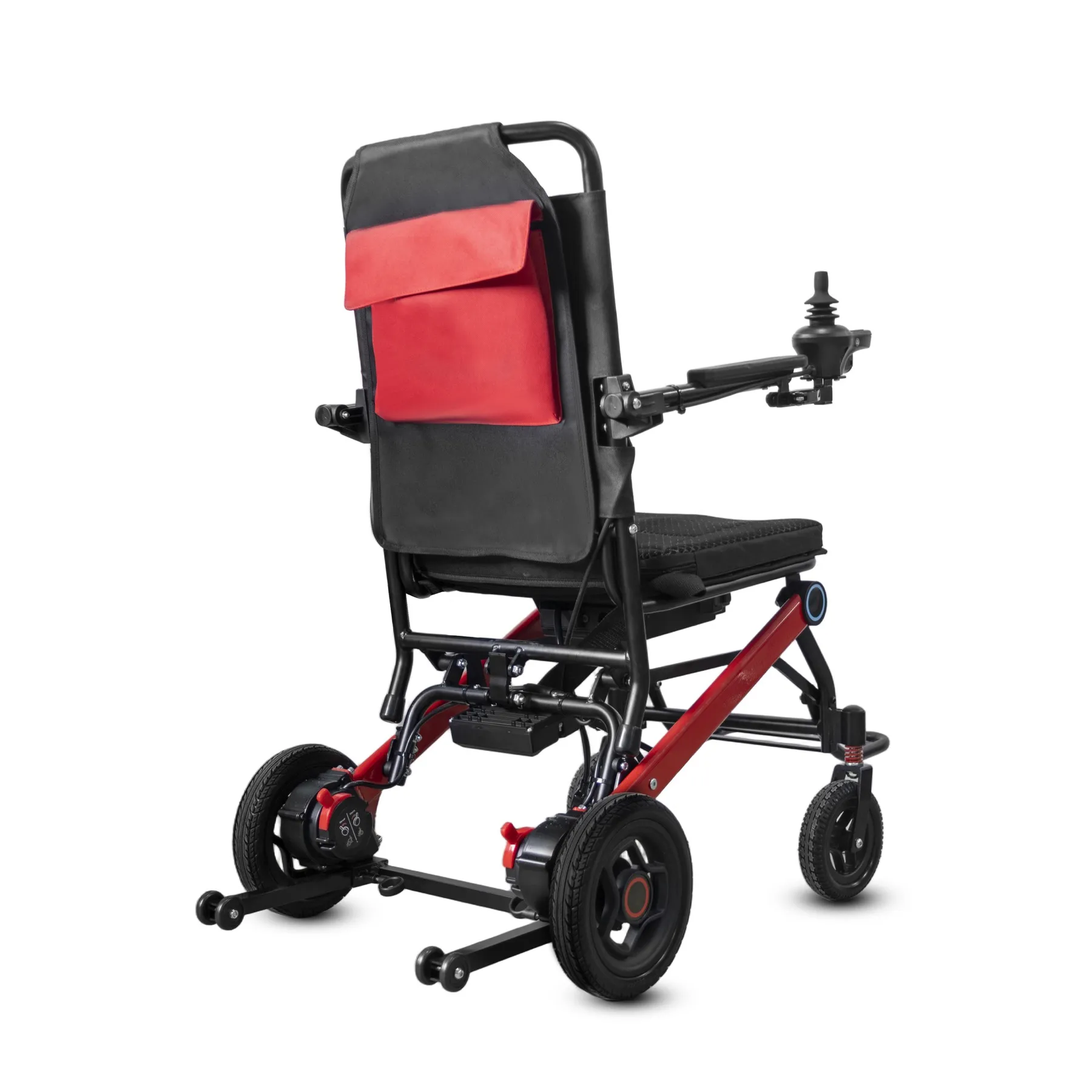
A power chair delivery damage report should name the chair serial ID and its carton or order line. Similar units in a shipment can have different damage or release outcomes.
Trace each affected chair
Trace each chair separately. Keep each photo set linked to the correct unit. If a label is unreadable, ask the supplier how to resolve identity through available records.
- Capture chair identity
- Link the carton
- Separate unit outcomes
| Check | What to keep |
|---|---|
| Capture chair identity | Serial record |
| Link the carton | Packing reference |
| Separate unit outcomes | Case-by-case status |
Key Takeaway: You can discuss one damaged chair without accidentally holding or releasing every similar unit.
How should return transport be arranged?
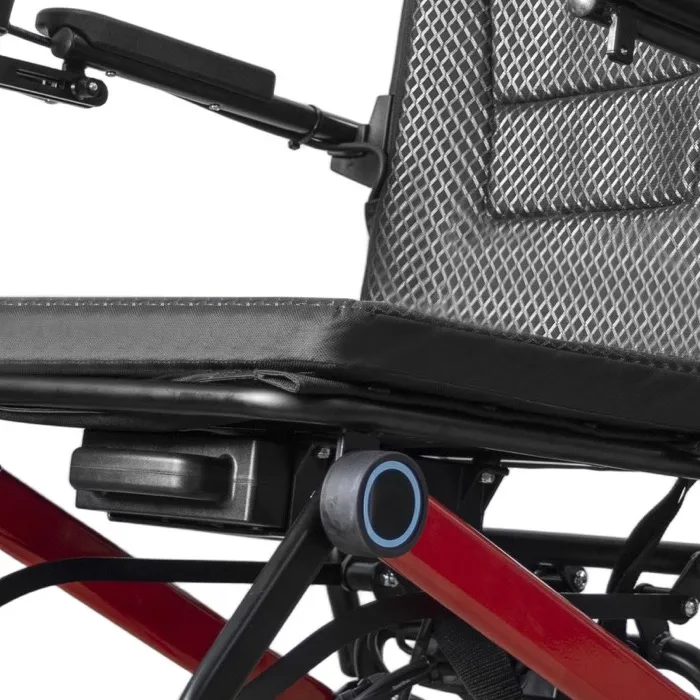
Return transport after power chair delivery damage needs review of the actual chair and battery condition. Damaged lithium batteries may require special handling and must not be sent as routine parcels.
Review the return route
Check the battery and carrier rules. Use a competent shipping provider and applicable rules for the route. Ask for written instructions before packing a suspected damaged battery for transport. For US routes, consult PHMSA lithium-battery guidance.
- State the battery condition
- Confirm the permitted route
- Agree packing instructions
| Check | What to keep |
|---|---|
| State the battery condition | Technical assessment |
| Confirm the permitted route | Qualified shipping advice |
| Agree packing instructions | Carrier-approved process |
Key Takeaway: You can arrange a return without assuming the original shipping method remains suitable.
When can a power chair delivery damage case be closed?
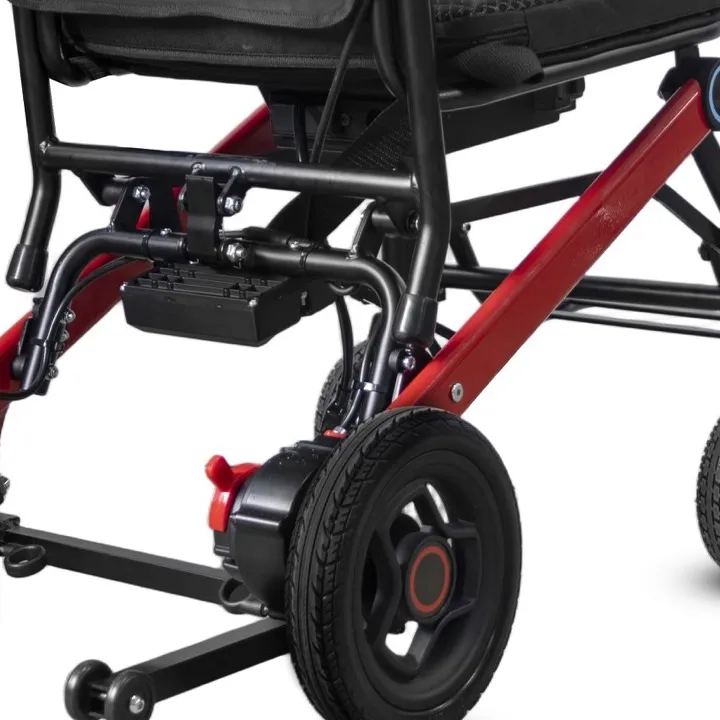
Close a power chair delivery damage case when the agreed remedy and unit status are recorded. A credit note alone may not explain what should happen to the physical chair.
Record the agreed outcome
Close it after the agreed outcome. Keep repair, replacement, return or disposal decisions distinct. If work changes the chair, keep the service and release records with its serial ID. Record any accepted corrective work in the service log.
- Record the agreed remedy
- Confirm physical unit status
- Keep service evidence
| Check | What to keep |
|---|---|
| Record the agreed remedy | Case decision |
| Confirm physical unit status | Stock or return record |
| Keep service evidence | Completed work record |
Key Takeaway: Commercial resolution and the chair's actual disposition stay aligned.
How can buyers use recurring damage reports?
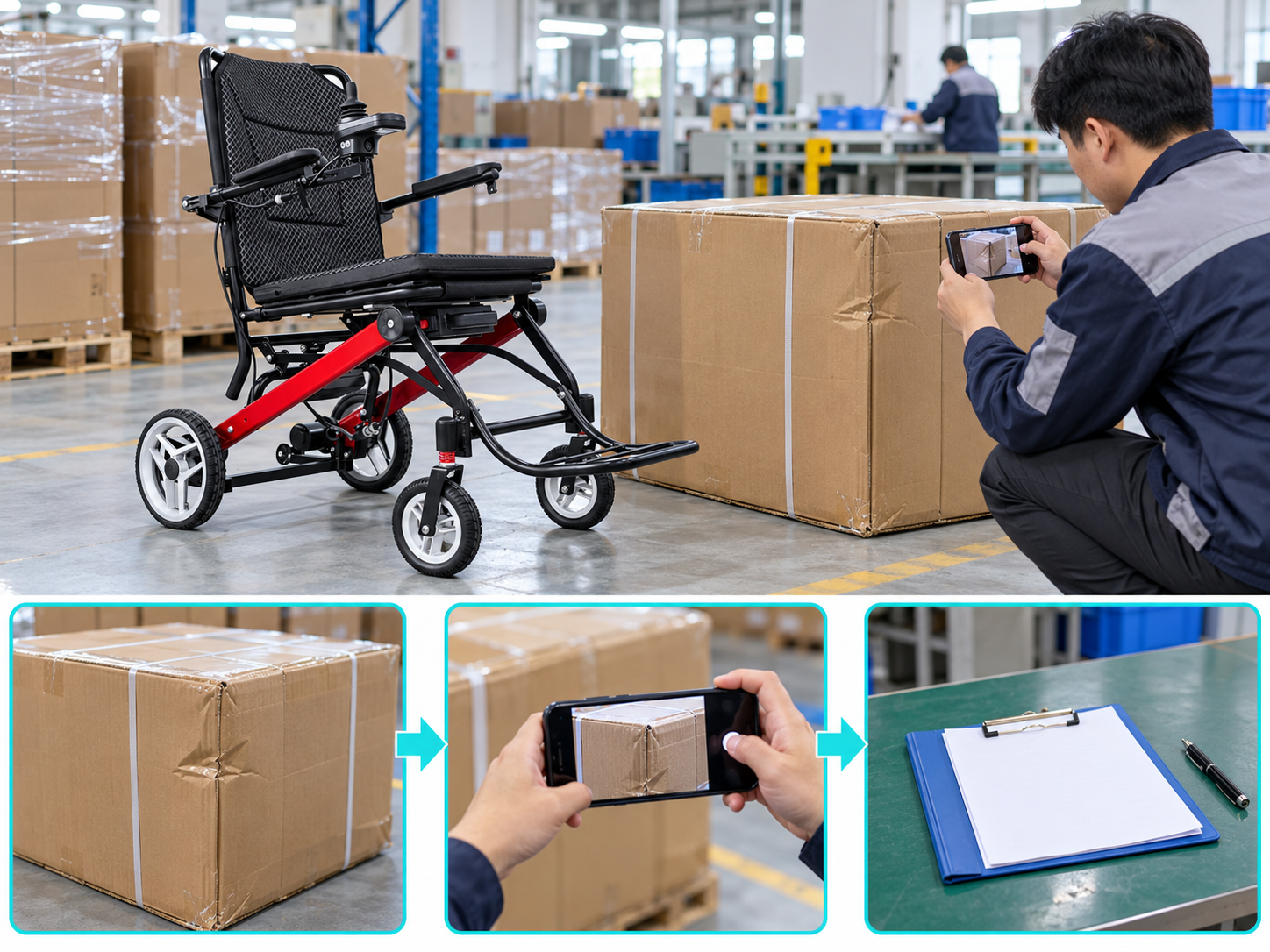
Use repeated power chair delivery damage reports to name where further packaging or handling review is needed. A cluster of similar damage is a reason to investigate, not proof of its cause.
Compare repeated damage reports
Look for patterns in the evidence. Compare actual photos, model setups and shipment routes. Keep any packaging change subject to review instead of assuming more material will solve the problem. MHRA device-use checklists provide context for device identity and record keeping.
- Compare damage locations
- Review pack setups
- Track agreed changes
| Check | What to keep |
|---|---|
| Compare damage locations | Case summary |
| Review pack setups | Packing evidence |
| Track agreed changes | Improvement action record |
Key Takeaway: You can turn repeated reports into focused questions for the supplier and logistics team.
What belongs in a power chair delivery damage report?
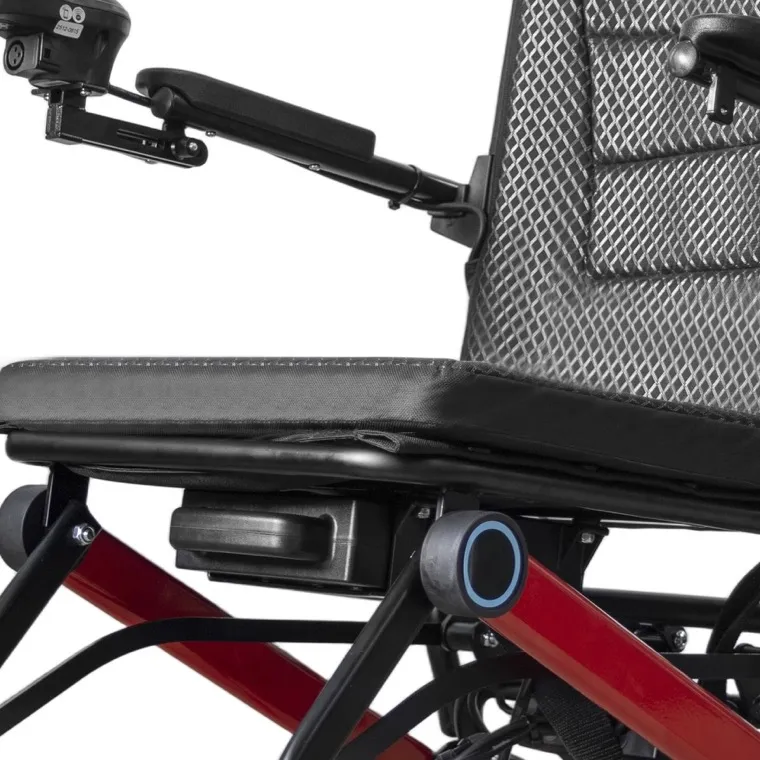
Send a power chair delivery damage report with unit identity, delivery details, safe photos and current stock status. State the decision or support you need without guessing how the damage occurred.
Prepare a factual supplier report
Make the report complete and factual. Keep safety concerns visible at the start of the case. Agree the next contact, evidence request and handling instructions before further action.
- Attach delivery evidence
- Name each affected unit
- Request a clear next step
| Check | What to keep |
|---|---|
| Attach delivery evidence | Shipment record |
| Name each affected unit | Serial-linked photos |
| Request a clear next step | Case action list |
Key Takeaway: You can support a fair review while keeping suspect goods and unresolved shipping questions under control. Contact us with your model and order brief so we can discuss the required product information. AryMD supports wheelchair buying decisions built on clear, model-specific facts.
Frequently asked questions
Q1: Can I charge a chair that may have battery damage?
No. Keep it out of use and seek trained support before handling or charging it further.
Q2: What's the best photo set for a damage report?
Use safe overall and close-up views. Show where each visible issue sits on the carton or chair.
Q3: How do I know if damage affects safe use?
Arrange qualified technical review. A visual impression alone does not establish readiness for release.
Q4: Can I return a damaged battery in an ordinary parcel?
Do not assume so. Battery condition, route and applicable shipping rules need competent review.
Q5: Can a credit note close the whole case?
Only when the physical unit's outcome is also clear. Record return, repair, replacement or other agreed disposition.