

Choose manual wheelchair upholstery by matching the exact chair, the user's seating plan and the maker's cleaning instructions before you set a care routine. An Italian dealer may receive a chair with a tidy black seat, only to find staff using a cleaner the cover instructions do not allow. That mistake can leave marks or hide wear at a seam. Build the product and care record together, and route fit or skin concerns to the appropriate professional.
What does manual wheelchair upholstery include on a chair?
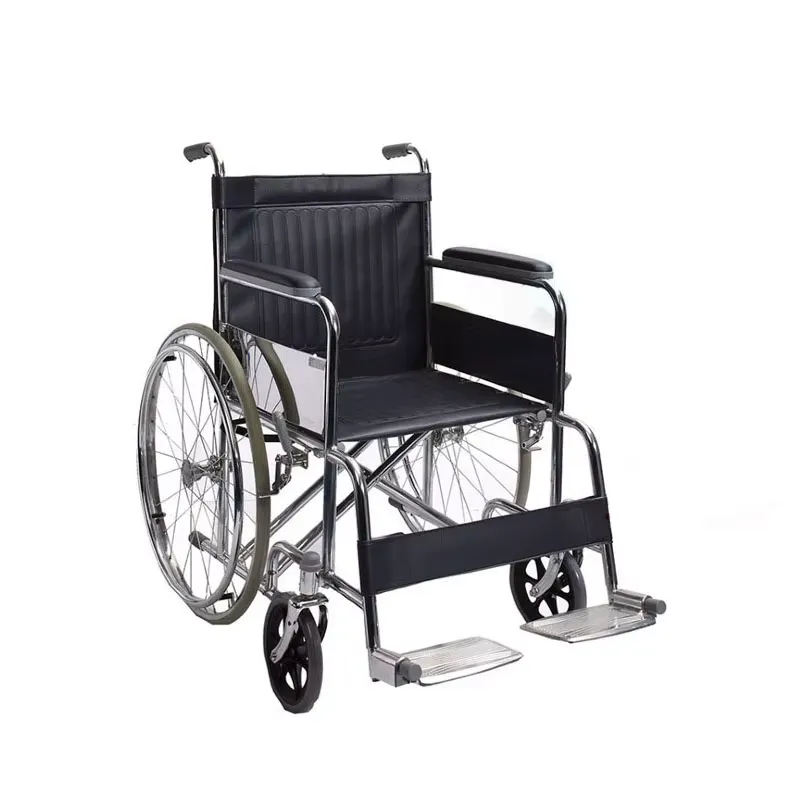
Manual wheelchair upholstery includes the seat and back surfaces, their edges, seams and attachment points on the specified model. The AryMD 809 images show black flexible seating on a chrome manual-chair frame. Appearance alone does not establish fabric composition or a cleaning method.
Which surfaces should your checklist name?
Look at the whole contact area. Identify seat, back, side panels if supplied and any separate cushion cover. Record which pieces belong to the chair rather than calling every black surface one upholstery part.
- Name each fitted surface and part reference.
- Note seams, fasteners and visible condition.
- Keep cushion and frame items distinct.
| Area | Buyer question |
|---|---|
| Seat and back | What is installed on this model? |
| Separate cover | Is it part of a cushion or chair? |
A parts list gives cleaning staff a clearer starting point. Key Takeaway: You can request care information for each real surface, not for a vague 'cover'.
How do you identify manual wheelchair upholstery material?
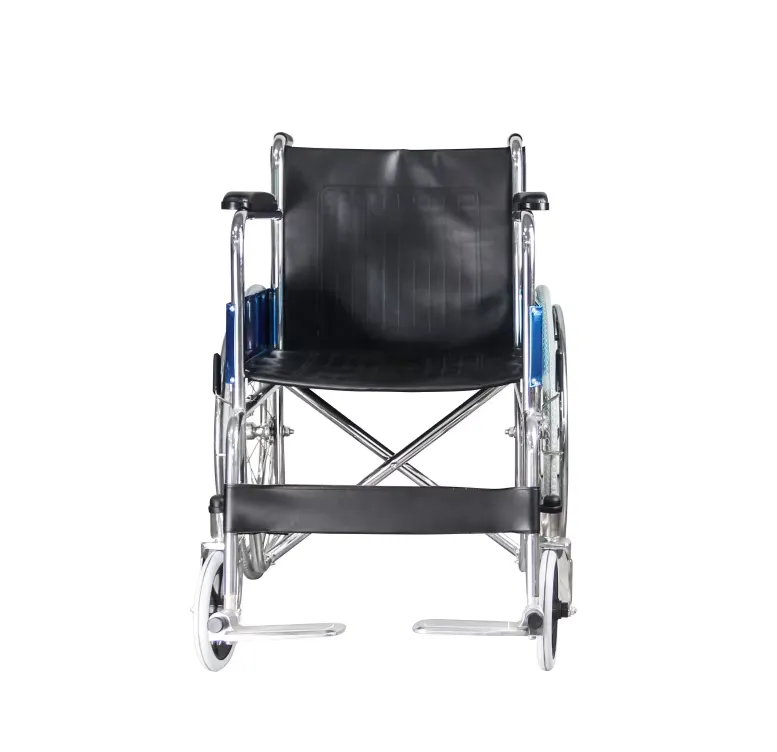
Identify manual wheelchair upholstery material through the maker's current product specification, not by touch or a photograph. Similar black finishes may call for different care. Compare the product range for model identity, then request the actual upholstery description.
What should a supplier confirm in writing?
Get the material name before choosing a cleaner. Ask for the seat and back part references, stated surface composition and relevant care document. Avoid inferring that a shiny seat is a particular polymer or that a matte one is woven fabric.
- Match the chair model and upholstery revision.
- Request stated material and care information.
- Keep a photo only as an identity aid.
| Evidence | Can it establish material? |
|---|---|
| Product photo | No; it shows appearance |
| Current specification | Yes, for the named model |
Material certainty comes from a controlled product record. Key Takeaway: Your cleaning plan will not be built on a visual guess.
Which cleaning method suits manual wheelchair upholstery?

Clean manual wheelchair upholstery only by the current instructions for the exact seat or cover and the care setting. A mild routine for one chair does not approve that routine for another. Ask for product-specific directions before treating a used chair.
What belongs on a cleaning card?
Write the allowed method, not a household habit. The NHS wheelchair-cleaning guidance reminds users to read the manual and follow manufacturer directions. For an Italian distributor, keep the relevant approved cleaning steps and contact route available to the team.
- Identify the surface and permitted cleaning products.
- Record wetting, rinsing and drying limits from the guide.
- Refer unclear stains or damage before reuse.
| Care field | Record |
|---|---|
| Approved product | Named cleaner or allowed class |
| Method | Current maker instructions |
A specific care card helps staff avoid mixing instructions between models. Key Takeaway: You can train cleaners on the actual chair rather than a generic wipe-down rule.
Can disinfectant be used on manual wheelchair upholstery?

Disinfectant may be used on manual wheelchair upholstery only when its product instructions and the chair's care guidance permit the combination. Contact time, dilution and material compatibility depend on the actual products. The wheelchair series contains different designs, so one disinfectant claim cannot cover them all.
Who should approve a shared-care routine?
Check both sides of the pairing. A facility infection-control lead may specify its required disinfection process, while the maker identifies product limits. Resolve any conflict before staff apply a chemical or repeat use on another chair.
- Check maker approval for the upholstery surface.
- Check the disinfectant's own directions.
- Record a safe route when guidance conflicts.
| Question | Responsible source |
|---|---|
| Surface compatibility | Chair or upholstery maker |
| Facility method | Local infection-control lead |
Permission for one product does not imply permission for every material. Key Takeaway: Your care routine can meet site needs without assuming chemical compatibility.
How should manual wheelchair upholstery dry after cleaning?

Dry manual wheelchair upholstery according to the maker's instructions before the chair returns to use or storage. Trapped moisture around seams or layered covers needs attention. Do not invent a universal drying time or heat setting.
What should staff check before release?
Look below the obvious surface. Follow the permitted drying method and inspect seams, folds and any removable layer. Keep the chair out of circulation if the product guidance or facility process calls for further review.
- Record the approved drying method.
- Check permitted removal and reassembly steps.
- Log condition before handover.
| Release point | Question |
|---|---|
| Surface and seams | Are they ready under the guide? |
| Removed parts | Were they restored as instructed? |
A dry-looking top does not prove every layer is ready. Key Takeaway: The next user receives a chair checked under the right care method.
What damage to manual wheelchair upholstery needs review?
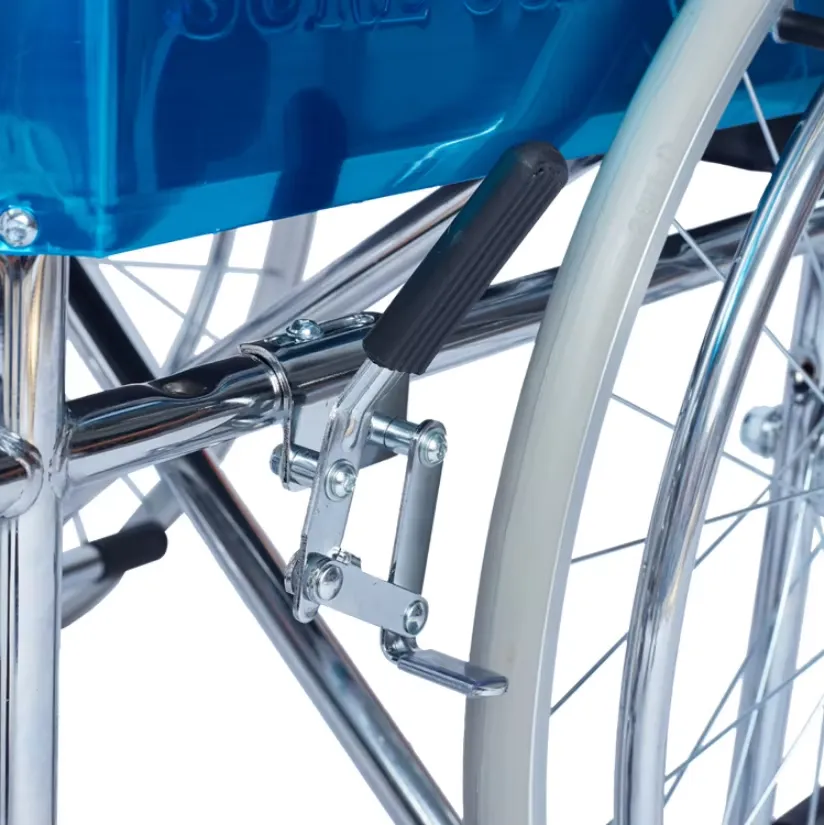
Tears, loose seams, failed fasteners or unexpected surface changes in manual wheelchair upholstery need review against the exact chair instructions. Do not cover a split with an improvised patch and call the seat serviceable. Ask the supplier team which parts and repair route apply.
Which evidence helps a repair enquiry?
Show the defect without hiding it. Photograph the whole chair and the affected area, then record model, age if known and recent cleaning history. A trained service reviewer can decide whether repair, replacement or further inspection is appropriate.
- Identify chair and upholstery part references.
- Capture full-chair and close views of the concern.
- Hold uncertain equipment under the site's process.
| Record | Use |
|---|---|
| Model and part | Finds the right replacement |
| Observed damage | Supports a focused service decision |
A precise report is safer than a quick cosmetic fix. Key Takeaway: Your dealer can order a reviewed solution instead of concealing wear.
Can manual wheelchair upholstery change seating fit?
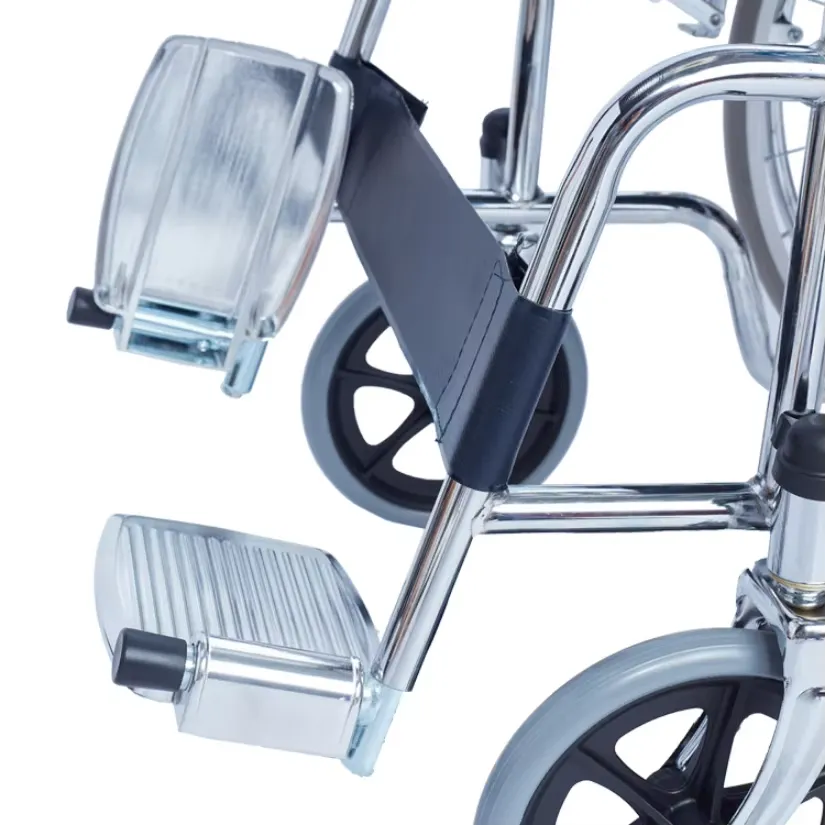
Manual wheelchair upholstery can affect seating fit if the seat surface, tension or added cover changes the person's position. Treat a replacement as part of the complete seating setup. WHO's wheelchair guidance places fitting and follow-up within an individual service process.
When does a fit reviewer need to return?
Connect repair with the person who sits in it. Ask the responsible assessor to review any change that may alter posture, support or transfers. A replacement with the same colour may still have a different construction or attachment method.
- Compare the approved old and new parts.
- Review any changed sitting or transfer relationship.
- Update the agreed care and fit record.
| Change | Review |
|---|---|
| Seat or back replacement | Approved model and individual fit |
| Extra cover | Effect on seating arrangement |
Matching colour is not matching fit. Key Takeaway: A repaired chair can return to the person with its seating plan intact.
How do you order replacement manual wheelchair upholstery?
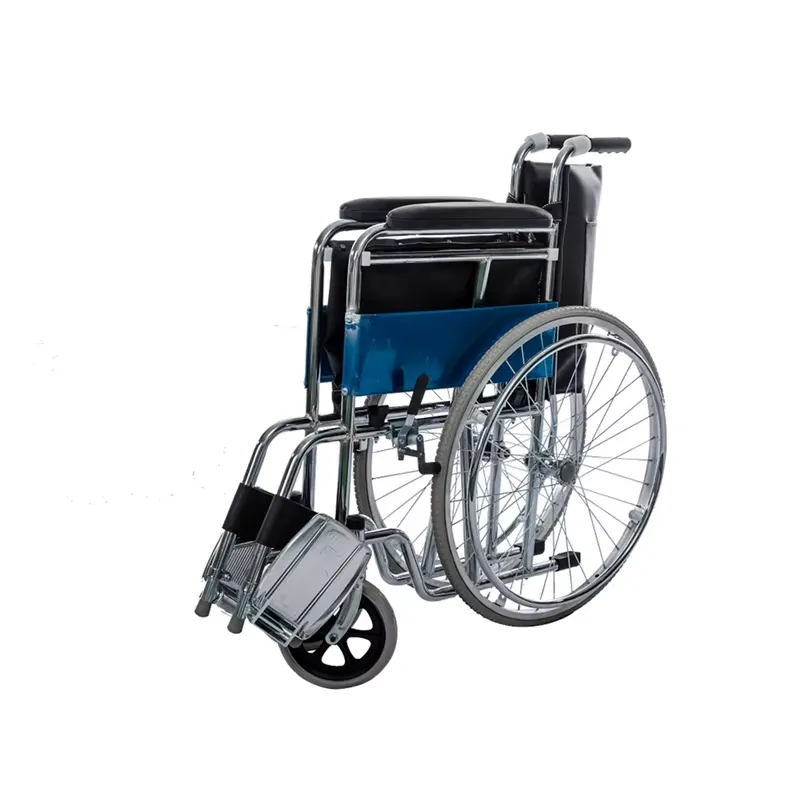
Order replacement manual wheelchair upholstery by exact chair model, upholstery part and the scope of fittings needed. A full seat assembly and a cover are not the same order item. Confirm available instructions before a workshop starts the job.
What should the purchase order say?
Name the complete item. Include model version, part reference, colour or finish only when documented and any required fixing parts. Ask whether removal and installation require trained service work rather than assuming a universal procedure.
- List chair and upholstery identifiers.
- State whether a cover or full assembly is required.
- Request current fitting and care directions.
| Order field | Why |
|---|---|
| Part scope | Prevents an incomplete delivery |
| Service method | Routes fitting to trained staff |
A complete line item prevents a near-match substitution. Key Takeaway: Receiving and service teams can verify what was ordered.
What should Italian dealers record about manual wheelchair upholstery?
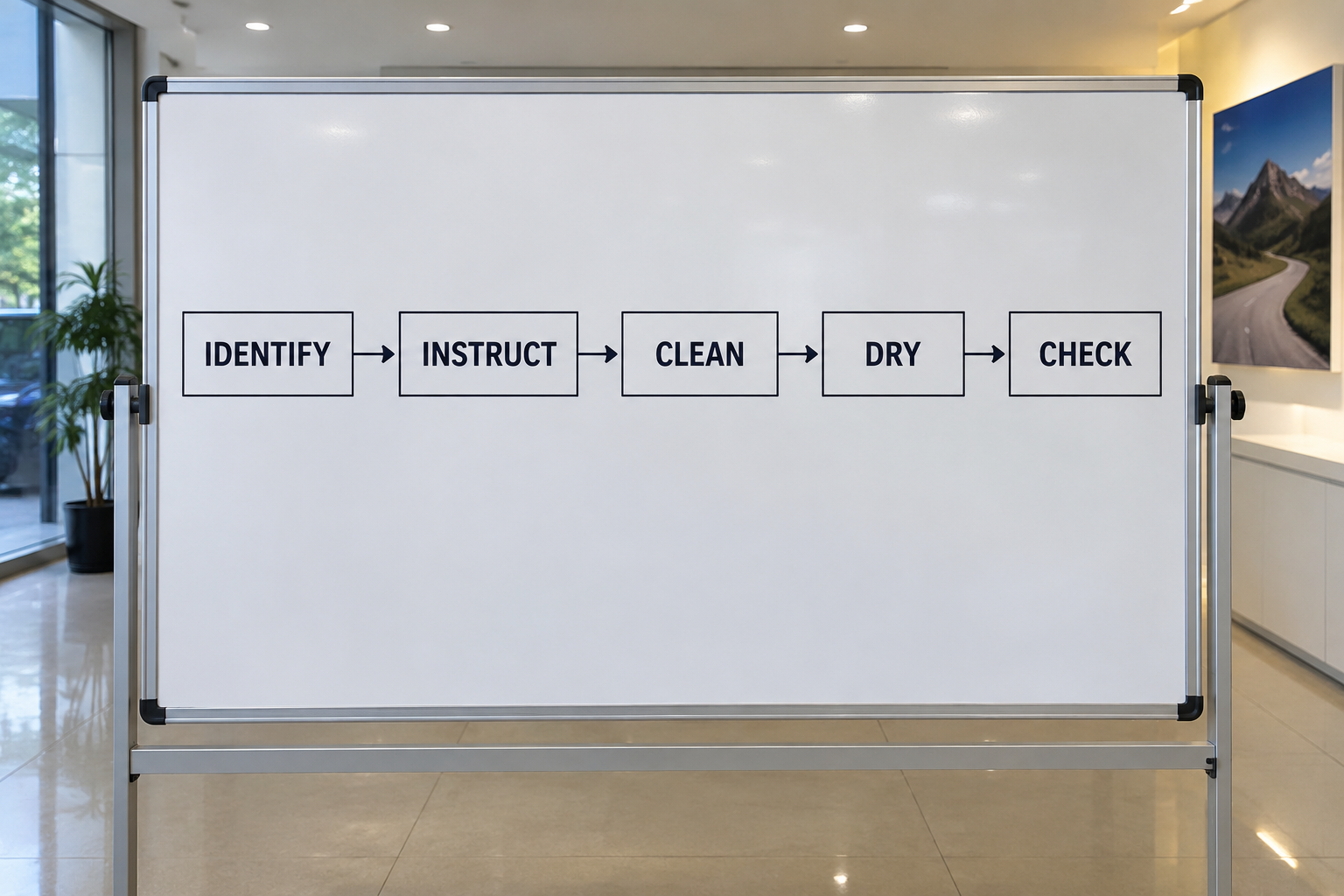
Italian dealers should record manual wheelchair upholstery by model, care instructions, cleaning events, damage and replacement history. Provide staff with a clear working-language care sheet based on the actual product guide. Do not present a preferred sheet format as a legal requirement.
Can another shift follow the same method?
Make the current routine easy to find. The workflow chart runs from identifying the surface through instruction, cleaning, drying and final check. Keep document revisions and a service contact on the record so a replacement part does not inherit stale instructions.
- Link chair ID to the current care document.
- Log cleaning and observed condition.
- Record changed parts and the approved new method.
| Record | Purpose |
|---|---|
| Guide version | Prevents old instructions being reused |
| Care and service history | Supports a later review |
One concise record can connect several teams. Key Takeaway: You can trace which method was used on each chair.
How can manual wheelchair upholstery care stay consistent?
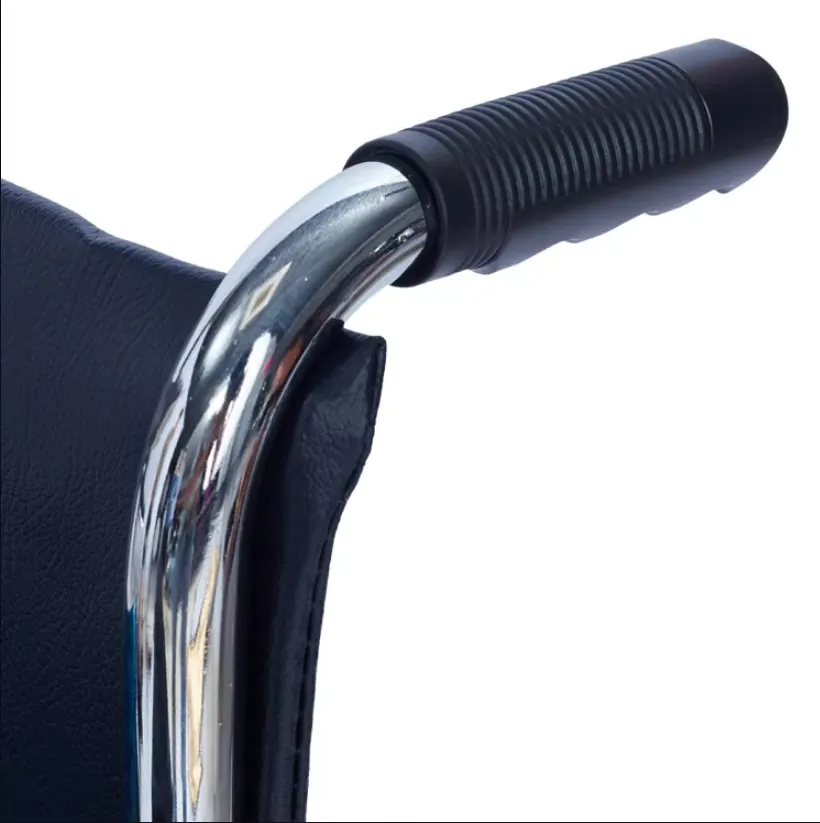
Manual wheelchair upholstery care stays consistent when the model, material, permitted method and service response are all written down. Review the person's fit after a meaningful seat or back change. Give your dealer team one current set of instructions for each configuration.
Ready to request upholstery details?
Send the chair identity with the care question. Ary Medical can clarify available upholstery options and current product documentation for a named manual wheelchair. Ask for material, part and cleaning information before finalising a dealer care card.
- Name the chair and upholstery assembly.
- Explain the Italian dealer's cleaning setting.
- Request current care and replacement information.
| Buyer input | Supplier response |
|---|---|
| Exact model | Relevant upholstery option |
| Care setting | Available instructions and service route |
Resolve the method before the first cleaning shift. Key Takeaway: For model-specific details, contact us. Ary Medical supports care routines that respect the actual chair and its user.
Frequently asked questions
Q1: Can I use any hospital disinfectant on a wheelchair seat?
No. Check both product instructions and facility requirements for the exact upholstery.
Q2: What's the best cleaning method for black upholstery?
Use the current method supplied for the identified material and chair model; colour alone gives no answer.
Q3: How do I know if a cover can be machine washed?
Read the maker's care guide for that specific removable cover before washing.
Q4: Can I repair a seam with tape?
No. Refer damage for an approved repair or replacement decision.
Q5: How do I know whether new upholstery changed fit?
Arrange the appropriate seating review after any change that could alter support or transfers.