

Choose manual wheelchair spare parts by matching the exact chair and assembly, then planning who can fit and verify each replacement. A dealer may find a caster that looks identical in a photo, only to learn its mounting or permitted use differs. That leaves a customer waiting while the chair sits out of service. Build a model-based parts list with the supplier and keep a trained repair route beside it.
What counts as manual wheelchair spare parts for a dealer?
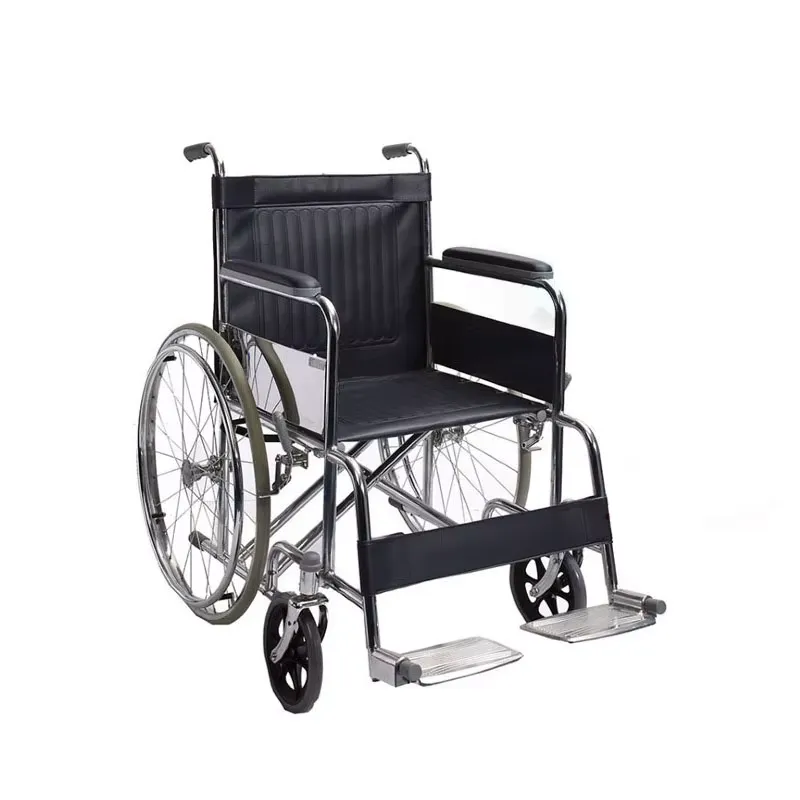
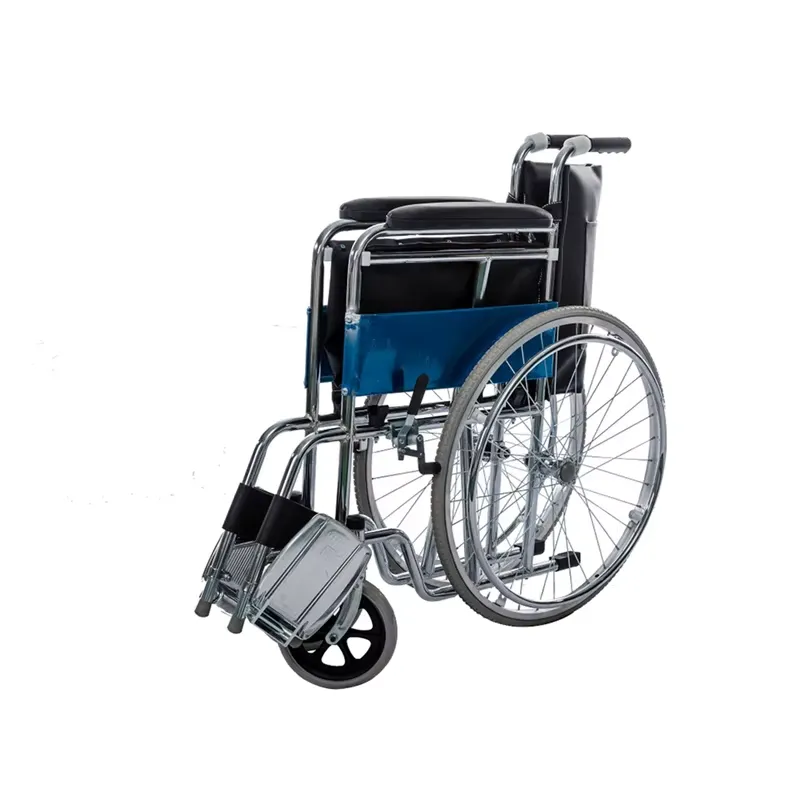
Manual wheelchair spare parts include replaceable items and assemblies approved for the exact chair, from seating pieces to wheels and fittings. A photograph of the AryMD 809 chair shows useful areas to identify, but not a parts catalogue. Ask for the current model list before stocking anything.
Which items should your list distinguish?
Start with the whole chair, then name each part. Separate a complete wheel, tyre, caster, foot support, seat panel and fixing hardware. An item sold as one assembly may not be available as individual pieces.
- Record chair model and revision.
- Identify assembly, side and included fittings.
- Keep approved replacement information with each line.
| Part level | Question |
|---|---|
| Complete assembly | What arrives ready for service? |
| Small component | Can it be ordered separately? |
A named assembly is easier to quote and receive than a generic wheel. Key Takeaway: Your stock list reflects real serviceable items rather than photo guesses.
How do you match manual wheelchair spare parts to a model?
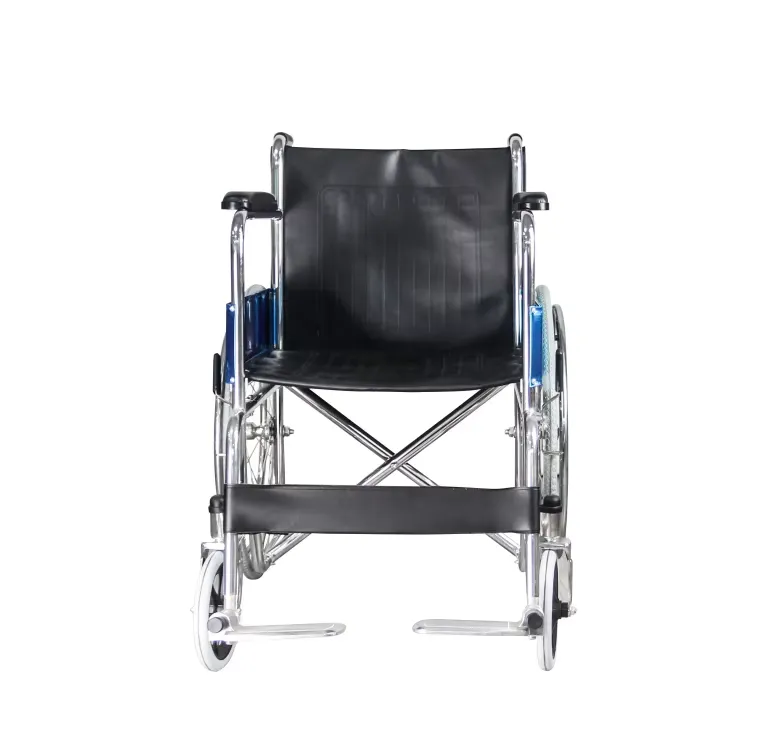
Match manual wheelchair spare parts by exact chair model, relevant revision and approved part reference. Shared colour or diameter does not establish compatibility. Use the product range for orientation, then request a written parts match.
Which identifiers matter on an enquiry?
Put the chair ID on the request. Include any serial or batch reference available, the side of the chair and a clear image of the current assembly. Ask whether a replacement supersedes an older code and what fitting notes change.
- State model, revision and observed part.
- Request the approved current replacement code.
- Confirm whether added fittings are needed.
| Identifier | Use |
|---|---|
| Chair reference | Finds the right catalogue |
| Part code | Defines the quoted item |
A visual match can begin a question but cannot close it. Key Takeaway: The order can point to the approved component for one known chair.
Which manual wheelchair spare parts affect rolling parts?

Manual wheelchair spare parts for rear wheels and front casters must match the model's approved assembly and service method. The 809 photos show large spoked rear wheels and smaller front casters; they do not specify interchangeable sizes. Ask for part references and inspection guidance.
What should a wheel enquiry include?
Describe the complete rolling assembly. Distinguish tyre, rim, axle, bearing and caster fork where the supplier makes those distinctions. A trained reviewer should assess damage, unexpected movement or a changed rolling feel before a replacement is fitted.
- Name front or rear and relevant side.
- Ask whether the order covers a part or full assembly.
- Record the post-service checks required.
| Rolling item | Clarification |
|---|---|
| Rear wheel | Approved assembly and fittings |
| Front caster | Approved fork and wheel pairing |
A wheel can look right while its fixing is wrong. Key Takeaway: Your service team can request the exact rolling component.
Which manual wheelchair spare parts support folding?

Manual wheelchair spare parts involved in folding need an exact frame and mechanism match, plus current service instructions. The 809 folded photo shows a compact position, not how to repair a hinge or brace. Compare the wheelchair series without assuming the same hardware fits every model.
Who should review a damaged folding part?
Keep repair steps out of a photo caption. Record the symptom and affected area without forcing a stiff mechanism. An authorised service person should identify the part, follow the maker's process and verify the chair after work.
- Stop use if a folding part seems unsafe.
- Photograph the chair and affected area.
- Request approved part and service guidance.
| Finding | Next step |
|---|---|
| Loose or damaged brace | Technical review |
| Unclear part identity | Model-specific supplier enquiry |
A folded image is evidence of configuration, not repair permission. Key Takeaway: Your dealer avoids improvising on a structural mechanism.
What manual wheelchair spare parts serve push handles?

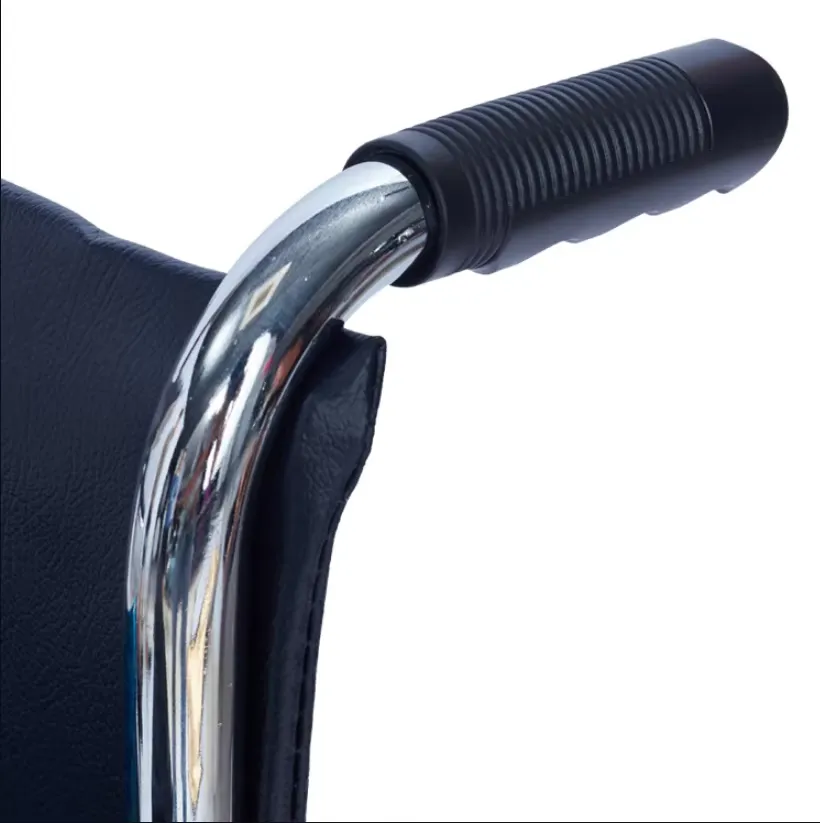
Manual wheelchair spare parts at push handles must fit the chair's intended attendant-handling arrangement. The 809 rear view shows grips on chrome tubes, but their appearance does not establish a replacement specification. Ask for the exact grip or handle assembly and fitting method.
What belongs in a handle report?
Capture the contact point and its mount. Describe looseness, wear or damage and show both a close view and the whole chair. Do not assume a generic grip can be pushed on safely because its hole appears similar.
- Identify the handle and chair reference.
- Note left, right or pair scope.
- Ask for approved fitting and check instructions.
| Handle question | Evidence |
|---|---|
| Grip only or assembly? | Current part description |
| Secure after fitting? | Approved service check |
A handle used for pushing deserves more than a cosmetic match. Key Takeaway: The person behind the chair gets a reviewed handling point.
How do you order brake-related manual wheelchair spare parts?
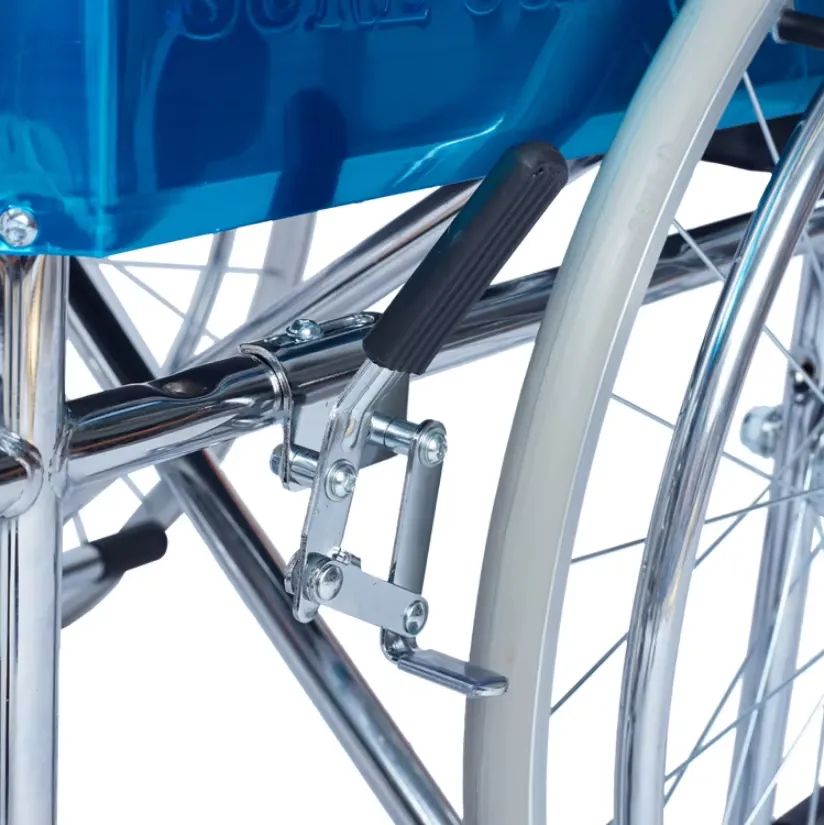
Order brake-related manual wheelchair spare parts only after a trained review identifies the exact wheel-lock assembly and its approved parts. The 809 close-up shows a lever beside a rear wheel, not a universal repair method. Ask the supplier team to clarify part scope.
What should a brake report avoid?
State the symptom, not a guessed fix. Record whether the concern involves lever damage, poor engagement or another observed behavior. Keep the chair out of use when the site's service process calls for it; a qualified technician should determine fitting and checks.
- Name the chair and wheel-lock side.
- Record the observed response without forcing it.
- Request approved replacement and verification steps.
| Record | Purpose |
|---|---|
| Observed behavior | Supports diagnosis |
| Part reference | Avoids a similar but wrong lock |
A photo helps locate a problem but cannot certify braking function. Key Takeaway: You can order the right service review before the chair returns to use.
Which manual wheelchair spare parts fit foot supports?
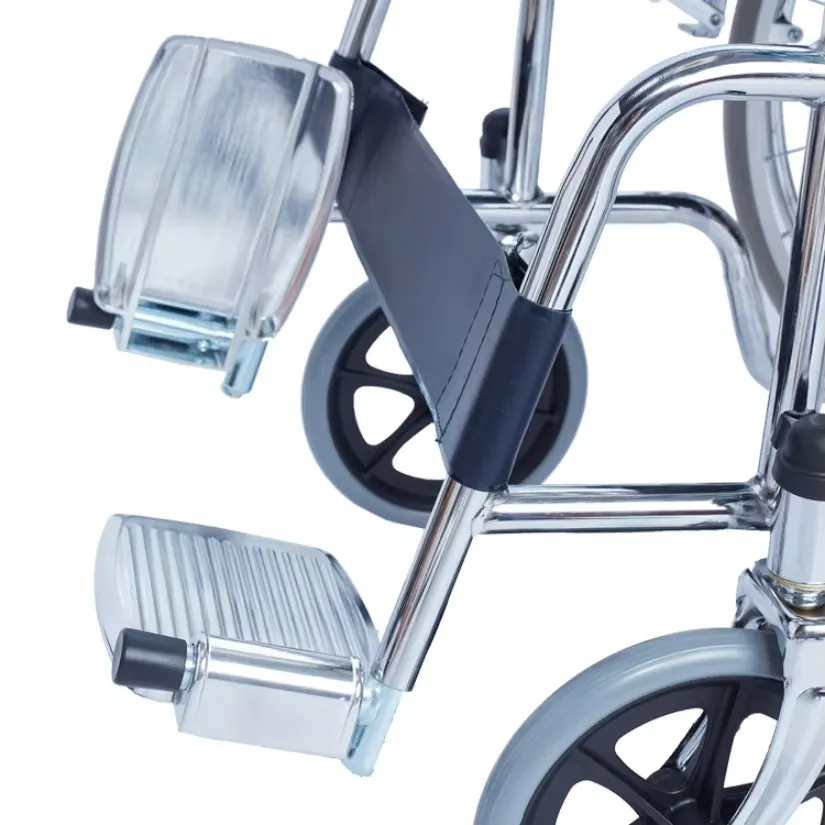
Manual wheelchair spare parts for foot supports and front casters need the exact chair configuration and complete-item scope. The close-up shows silver footplates and a small front wheel on the 809 model. It cannot prove that another chair accepts the same fittings.
What should an accessory request specify?
Name what the user actually needs. Ask whether the order is for a footplate, hanger, strap, caster or a full assembly. Have a fit reviewer check any change that alters foot position or transfer clearance.
- Identify model and left or right side.
- State the damaged or missing piece.
- Keep personal foot-position needs in the brief.
| Item | Check |
|---|---|
| Foot support | Approved part and individual fit |
| Caster | Approved wheel and mounting |
A part swap can change how the person sits or transfers. Key Takeaway: Your buyer can separate a stock item from a seating decision.
How much manual wheelchair spare parts stock should dealers hold?
Hold manual wheelchair spare parts stock against documented service demand, lead-time information and the exact model mix, not an invented universal quantity. Start with parts that the supplier confirms are orderable and needed for authorised work. Review obsolete codes as models change.
What helps a simple stock decision?
Use your own repair history. WHO's assistive-product repair guidance discusses spare-parts management and quality records. Keep reorder points as a dealer decision tied to actual use, supplier availability and service responsibility.
- Review repairs and product mix.
- Confirm current part codes and availability.
- Separate stocked parts from special-order assemblies.
| Stock input | Decision |
|---|---|
| Past demand | Which items recur? |
| Supplier status | Which codes remain current? |
A lean list with real usage beats a large shelf of uncertain parts. Key Takeaway: Your stock budget follows repair needs rather than guesswork.
What record should manual wheelchair spare parts service leave?

Manual wheelchair spare parts service should leave the chair ID, part code, work performed, responsible technician and required post-work checks in one record. Keep replaced items traceable under the site's process. The next dealer should know what changed.
Can the next technician follow the history?
Close the loop after fitting. The workflow chart moves from model and part match through authorised fit and record. Keep current service documents linked to that entry rather than copying an old generic instruction sheet.
- Record model, serial or batch where available.
- Name the fitted item and approved work scope.
- Document checks and release decision.
| Service entry | Use |
|---|---|
| Part and work | Explains the change |
| Verification | Supports safe return to use |
Traceability helps later repairs and buyer questions. Key Takeaway: Your team can see what was done without reconstructing the job.
How do you build a manual wheelchair spare parts plan?
Build a manual wheelchair spare parts plan from the models you sell, the approved parts list and the repairs your team can perform. Ask for current references and service instructions before promising a turnaround. Keep the person's fit and safe return to use in view.
Ready to request a dealer parts list?
Send model details, not a loose description. Ary Medical can clarify available parts information for a named manual wheelchair. Share your model mix and service questions so the response can identify assemblies and documentation worth keeping on hand.
- List the chair models and current codes.
- Identify parts and service tasks in scope.
- Request approved matching and repair information.
| Dealer input | Supplier answer to request |
|---|---|
| Exact models | Available part references |
| Service scope | Current instructions and support route |
Agree on the parts plan before a breakdown turns urgent. Key Takeaway: For model-specific supply information, contact us. Ary Medical values repair paths that keep real chairs useful.
Frequently asked questions
Q1: Can I fit a similar-looking caster to any manual chair?
No. Match the approved assembly and fitting method for the exact model.
Q2: What's the best spare-parts list for a new dealer?
Start with the model mix, approved parts catalogue and expected service duties, then adjust using actual repair records.
Q3: How do I know if a wheel lock needs replacement?
Ask a trained technician to assess the observed fault under the model's service guidance.
Q4: Can I stock one footplate for several chair models?
Only when the supplier confirms that exact part is approved for each model and side.
Q5: How do I know a repair is complete?
Record the authorised work and prescribed post-service checks before the chair returns to use.