
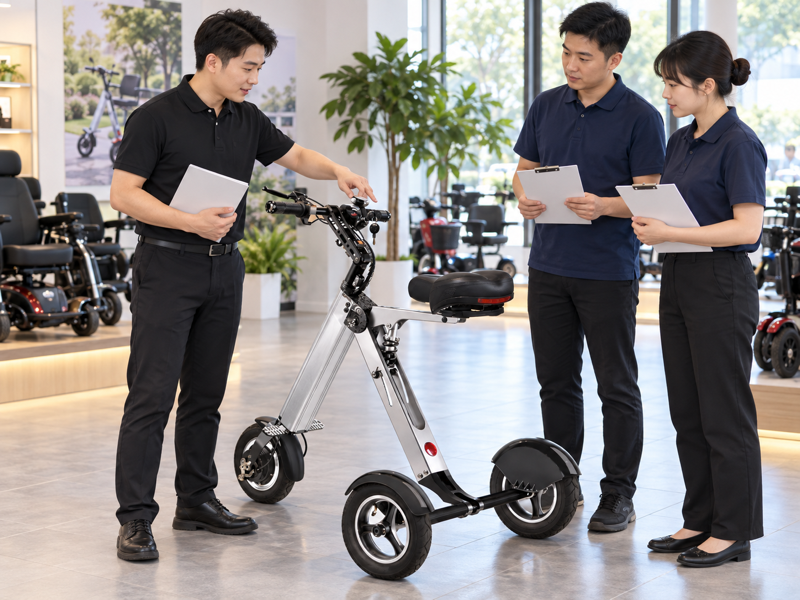
Make a mobility scooter demonstration useful by agreeing what it must answer, using the exact model guide and recording the result. A buyer can watch a smooth showroom presentation and still leave unsure about storage, controls or the help needed at home. The gap is often in the demonstration brief, not the number of features shown. For dealer teams preparing enquiries in Saudi Arabia or other markets, build the session around the actual buyer, product and intended use.
What should a mobility scooter demonstration answer?
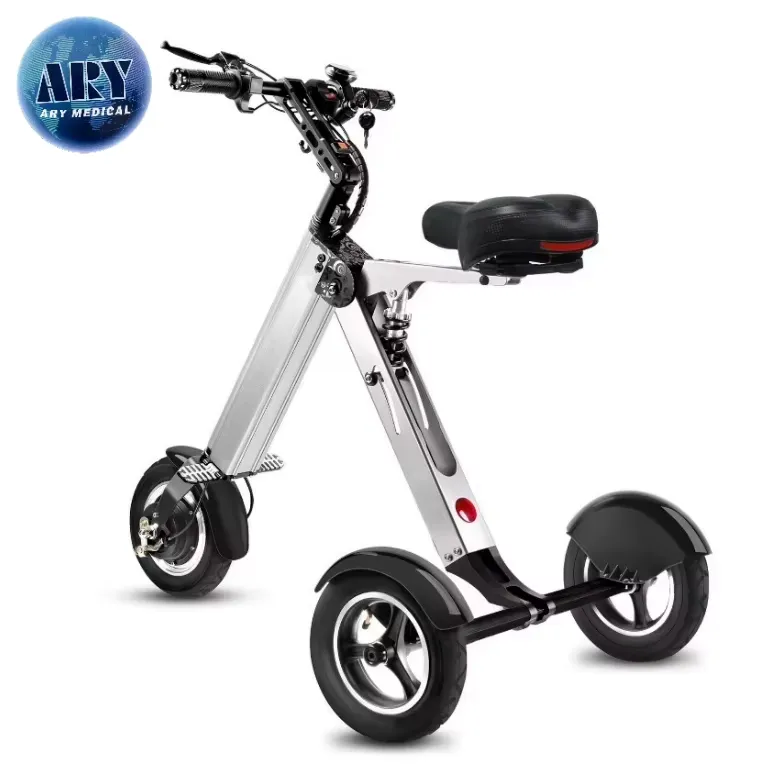
A mobility scooter demonstration should answer the specific product and use questions in the buyer's brief. Decide which points the session can show and which need further assessment or documents. A feature tour alone does not settle individual suitability.
What should you ask before booking the session?
Start with the unresolved questions. Ask about the intended use, route, handling and support needs. RiDC's mobility scooter checklist provides practical selection questions that can help structure that conversation.
- List the buyer's main product questions.
- Separate a static product demonstration from an individual trial.
- Identify needs that require an appropriate assessor.
| Question type | Session response |
|---|---|
| Product function | Show using the exact model guide |
| Individual suitability | Arrange the required assessment or review |
Keep the purpose visible so the session does not drift into a general sales presentation. Key Takeaway: You can judge whether the demonstration answered the questions it was arranged to address.
Which model belongs in a mobility scooter demonstration?
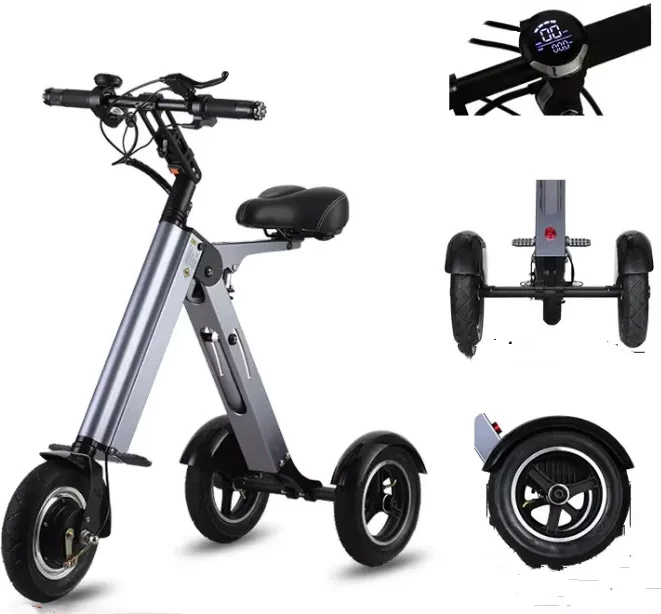
A mobility scooter demonstration should use the setup the buyer is considering or clearly record any difference. Identify the seat, controls, battery and relevant options before starting. Match the sample to the quoted product details.
What if the showroom unit differs from the order?
Name the difference before the session. Explain which features and findings apply to the sample and which still need checking on the proposed version. Do not carry an answer across setups without a valid basis.
- Record the sample model and revision.
- List fitted options and accessories.
- Highlight differences from the proposed supply version.
| Record | Use |
|---|---|
| Sample setup | Identifies what is being shown |
| Order differences | Identifies what still needs review |
Keep the differences with the follow-up enquiry. Key Takeaway: The buyer will not mistake a demonstration sample for an exact description of the ordered unit.
Where should a mobility scooter demonstration take place?
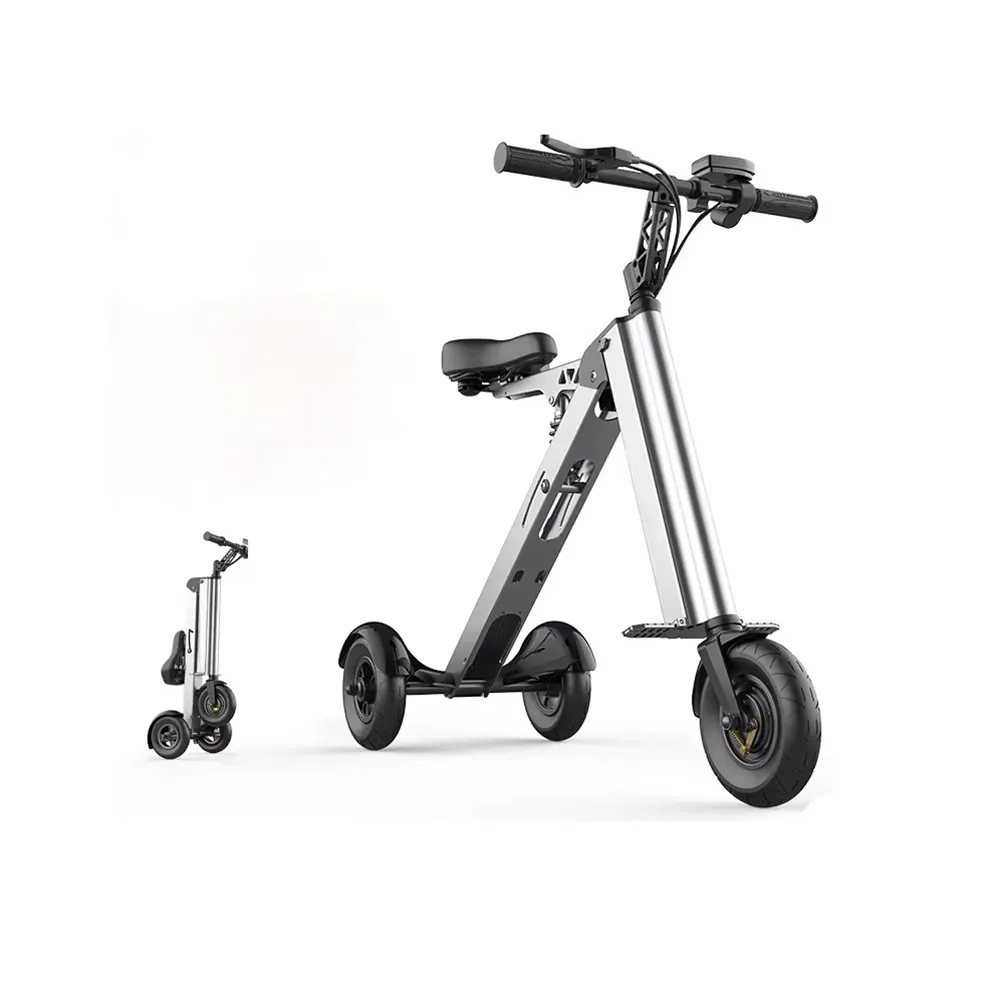
A mobility scooter demonstration needs a suitable setting for the planned activity and the model's stated limits. Review the space, obstructions and people involved before starting. A crowded sales floor should not decide the route of an individual trial.
Which checks come before any movement?
Review the area while the device is stationary. Check that the intended activity can be managed under the relevant instructions and support plan. Keep bystanders and unrelated stock clear of the space needed for the session.
- Define the activity and required working space.
- Check the route against the product's stated use conditions.
- Arrange appropriate supervision and support.
| Setting check | Purpose |
|---|---|
| Space and obstructions | Supports a controlled session |
| Activity and support plan | Keeps the demonstration within its intended scope |
Change the venue or plan if the space does not suit the activity. Key Takeaway: The session can proceed on a planned basis rather than improvising around obstacles.
How should controls be shown in a mobility scooter demonstration?
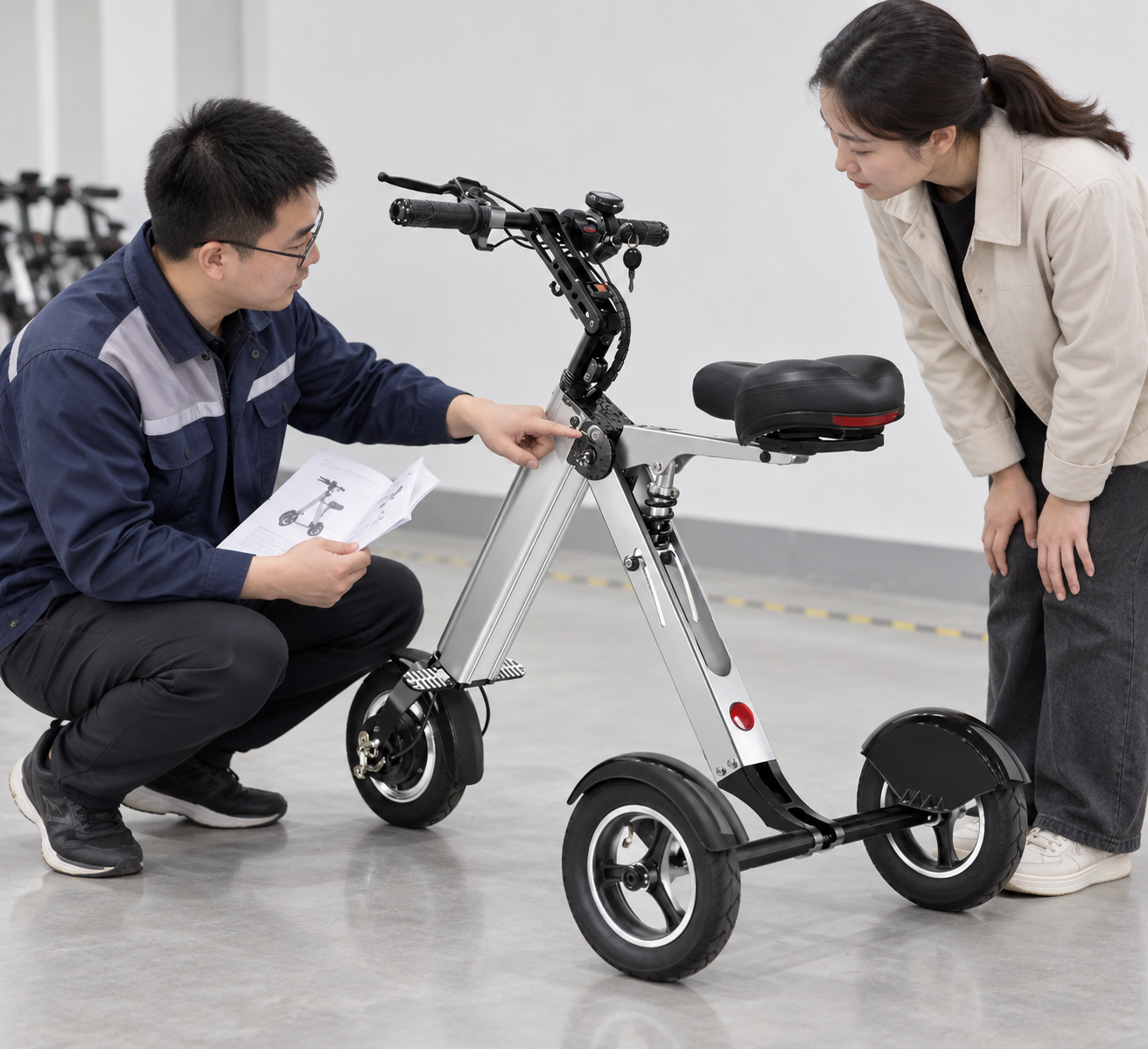
Controls in a mobility scooter demonstration should be explained using the actual device and current instructions. Identify the relevant functions before any suitable user trial. A tiller layout and an electric wheelchair control layout should not share an assumed operating script.
What should the trainer keep model-specific?
Use the guide beside the product. Show the controls and required checks through the authorised training process. Keep technical adjustments and programming with staff who are trained and authorised for that work.
- Identify the controls fitted to the sample.
- Use the current guide for the exact model.
- Record any function or question that requires further help.
| Demonstration element | Source |
|---|---|
| Normal functions and checks | Current model instructions |
| Technical adjustment | Approved service process and authorised staff |
Avoid a generic script that assumes all powered devices behave the same way. Key Takeaway: The buyer receives an explanation tied to the product in front of them.
How do fit questions enter a mobility scooter demonstration?
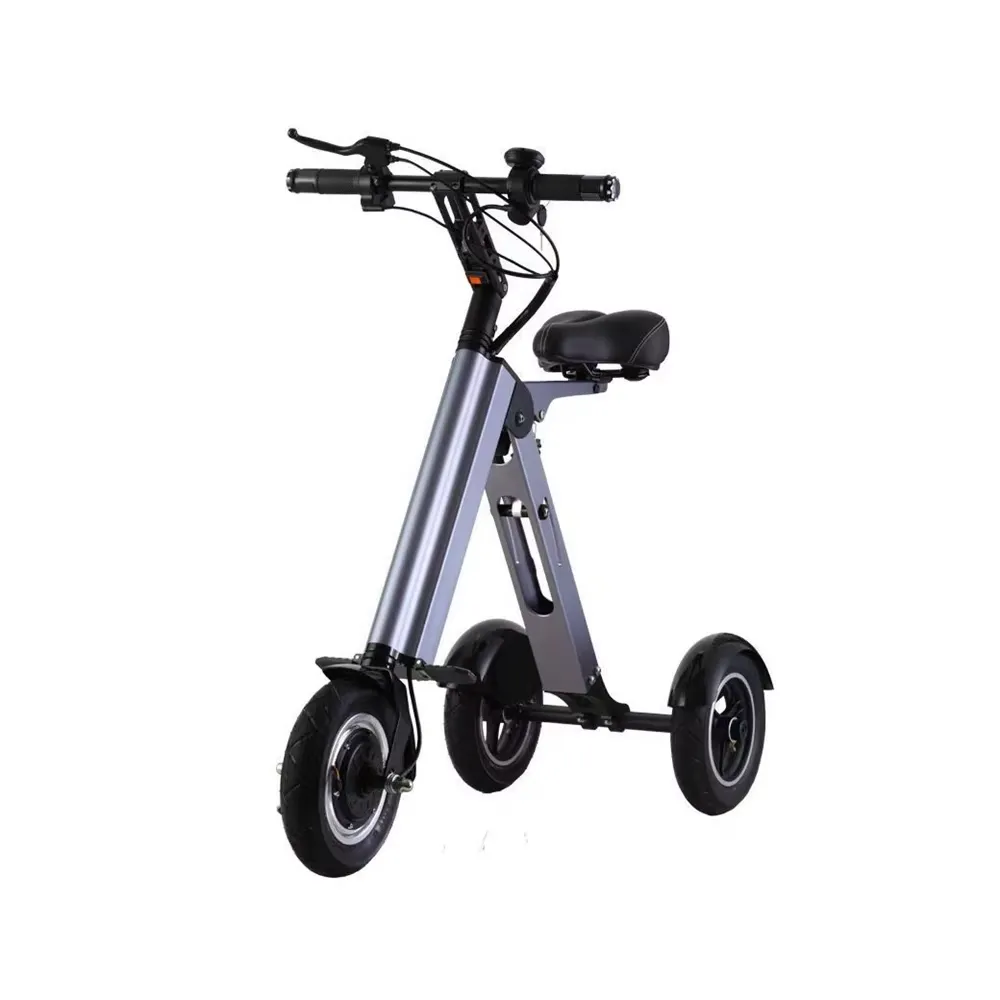
Fit questions should be identified during a mobility scooter demonstration and referred for the appropriate individual review. A salesperson showing an adjustment does not establish that it is suitable for every rider. Keep support, access and control needs connected.
Which findings should be recorded without a diagnosis?
Describe the difficulty the person reports. Note the product feature or task involved and who should review it. Do not turn a brief observation into a clinical conclusion or a promise of comfort.
- Record the person's stated concern.
- Identify the affected seating, access or control feature.
- Arrange the appropriate assessment or follow-up.
| Observation | Next step |
|---|---|
| Reported access or support issue | Record and refer for the required review |
| Unclear adjustment option | Confirm the model's permitted setup |
Keep an unresolved fit question separate from a product-function demonstration. Key Takeaway: The session can reveal what needs review without pretending to complete that review.
Should handling be included in a mobility scooter demonstration?
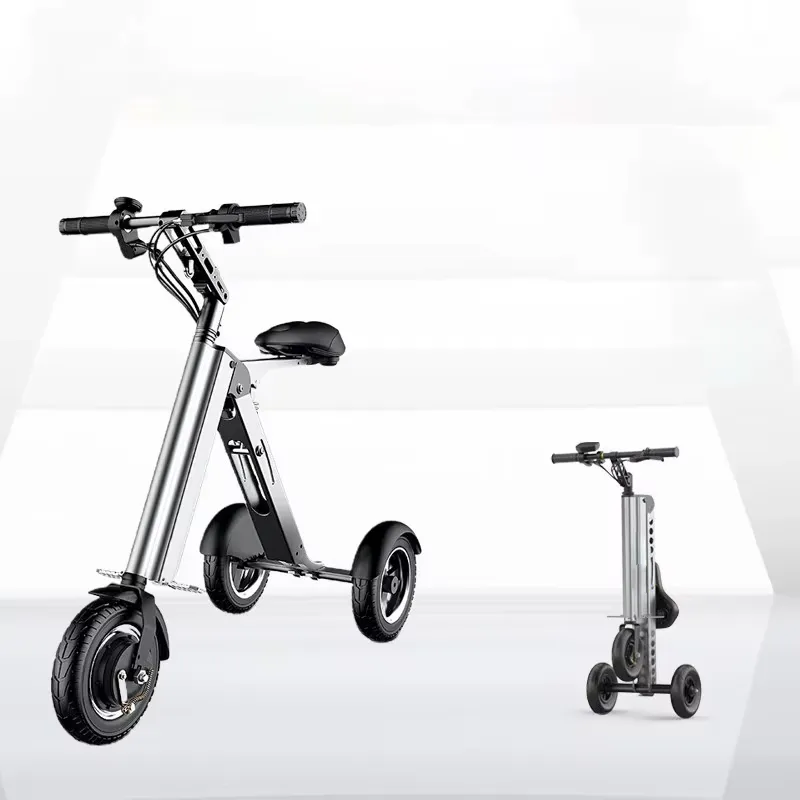
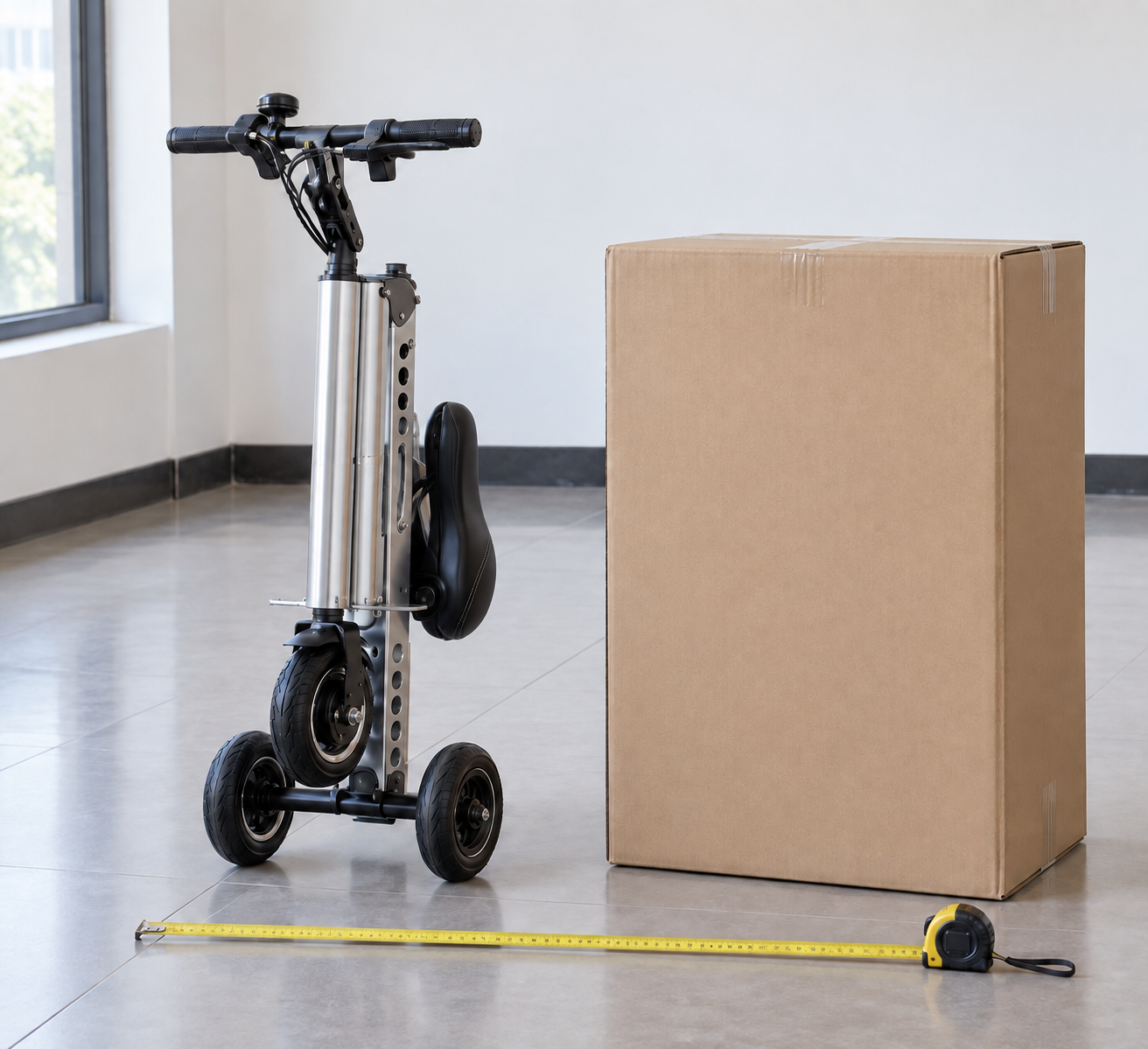
Include handling in a mobility scooter demonstration when folding, storage or transport is part of the buying brief. Use the approved method and involve the person who normally handles the device. Request missing handling details from the supplier team before making a promise.
What happens after the unit has been put away?
Demonstrate the return to use as well. Include permitted part removal, storage placement and the checks needed when the device is reopened. A single successful fold does not show that the whole routine suits the handler.
- Follow the approved handling and folding method.
- Check the actual storage or transport brief.
- Record the required reassembly and pre-use checks.
| Task | What to review |
|---|---|
| Putting away | Method, space and handler needs |
| Returning to use | Correct setup and prescribed checks |
Use the complete cycle to identify where further advice or another method is needed. Key Takeaway: The buyer can understand the daily handling work behind a portability claim.
How do you answer questions during a mobility scooter demonstration?
Answer mobility scooter demonstration questions from the relevant product records and mark anything that needs confirmation. Do not fill a gap with a range, load or warranty estimate. Record the question so it receives a clear follow-up.
What makes an unanswered question useful?
Give it an owner and a source to check. Write down the exact model and the point that remains unclear. Ask the responsible supplier or service team for a reply tied to that setup.
- Distinguish observed functions from unverified claims.
- Record the exact question and product version.
- Assign the appropriate follow-up contact.
| Question status | Response |
|---|---|
| Supported by current records | Explain the evidence and its scope |
| Not yet confirmed | Record, assign and follow up |
An honest open question is better than a claim that later needs withdrawing. Key Takeaway: Your team can close information gaps without overpromising during the session.
Which language should a mobility scooter demonstration use?
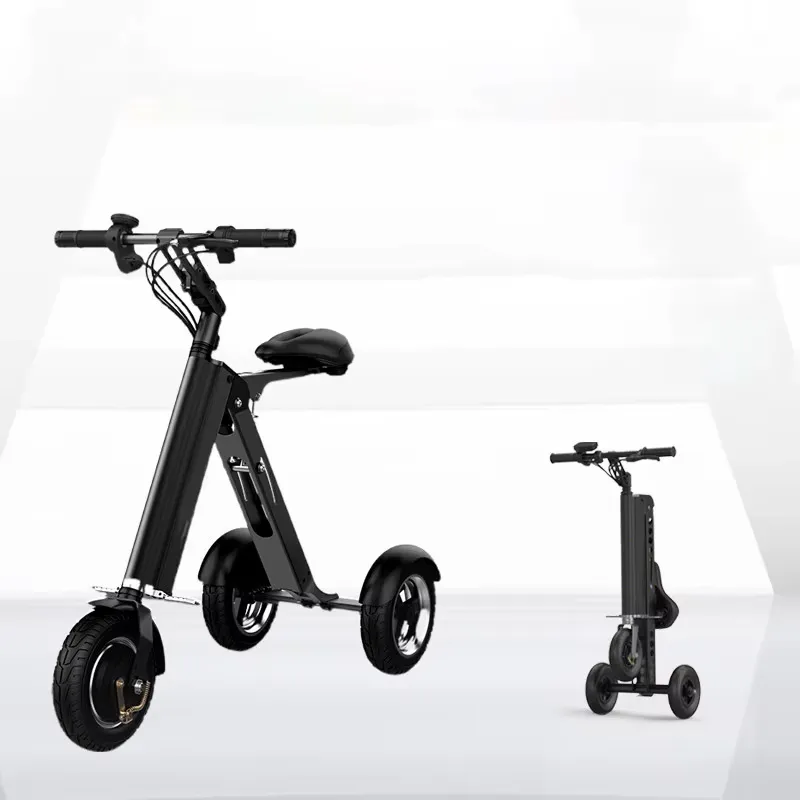
A mobility scooter demonstration should use instructions and explanations the intended audience can understand. For Saudi dealer enquiries, state the required customer-facing language and staff-training needs in the brief. Confirm which current language versions the supplier can provide.
Can a local summary replace the model guide?
Keep the source instructions available. A short local handover aid should stay tied to the current product guide and be reviewed for accuracy. Arrange appropriate language support rather than relying on an unreviewed translation of operating steps.
- Identify the audience's language and communication needs.
- Request the current applicable guide versions.
- Review local summaries against the source instructions.
| Material | Check |
|---|---|
| Model guide | Correct version and suitable language support |
| Local summary | Accurate link to the source instructions |
Update the handover material when the supplied model or guide changes. Key Takeaway: The product information can remain usable after the live demonstration ends.
What should a mobility scooter demonstration record contain?
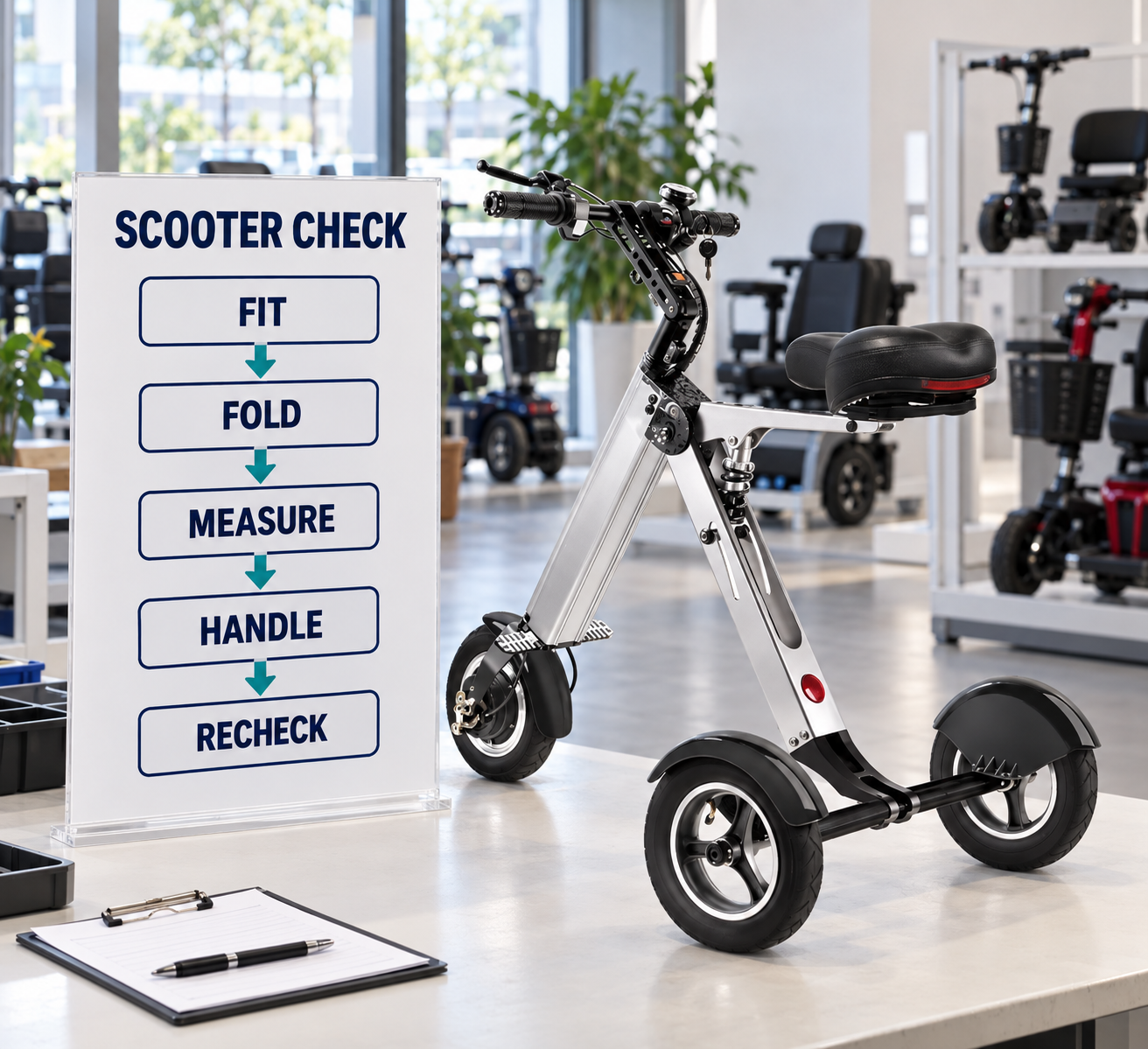
A mobility scooter demonstration record should identify the sample, purpose, activities covered and unresolved findings. State which points were shown and which were only discussed. Keep any individual assessment outside the scope of an ordinary sales record unless properly documented by the responsible professional.
Could another dealer continue the conversation?
Write down the outcome before packing away. Attach relevant product references and note the agreed next steps. A colleague should be able to see why the buyer is ready to proceed or what still needs an answer.
- Record the sample setup and session purpose.
- List the functions or handling tasks covered.
- Retain open questions and follow-up responsibilities.
| Record field | Use |
|---|---|
| Activities and observations | Explains what the session established |
| Open points and next steps | Supports a clear follow-up |
Avoid replacing the record with a general statement that the buyer liked the scooter. Key Takeaway: The demonstration will produce information the next staff member can use.
How can you plan a mobility scooter demonstration confidently?
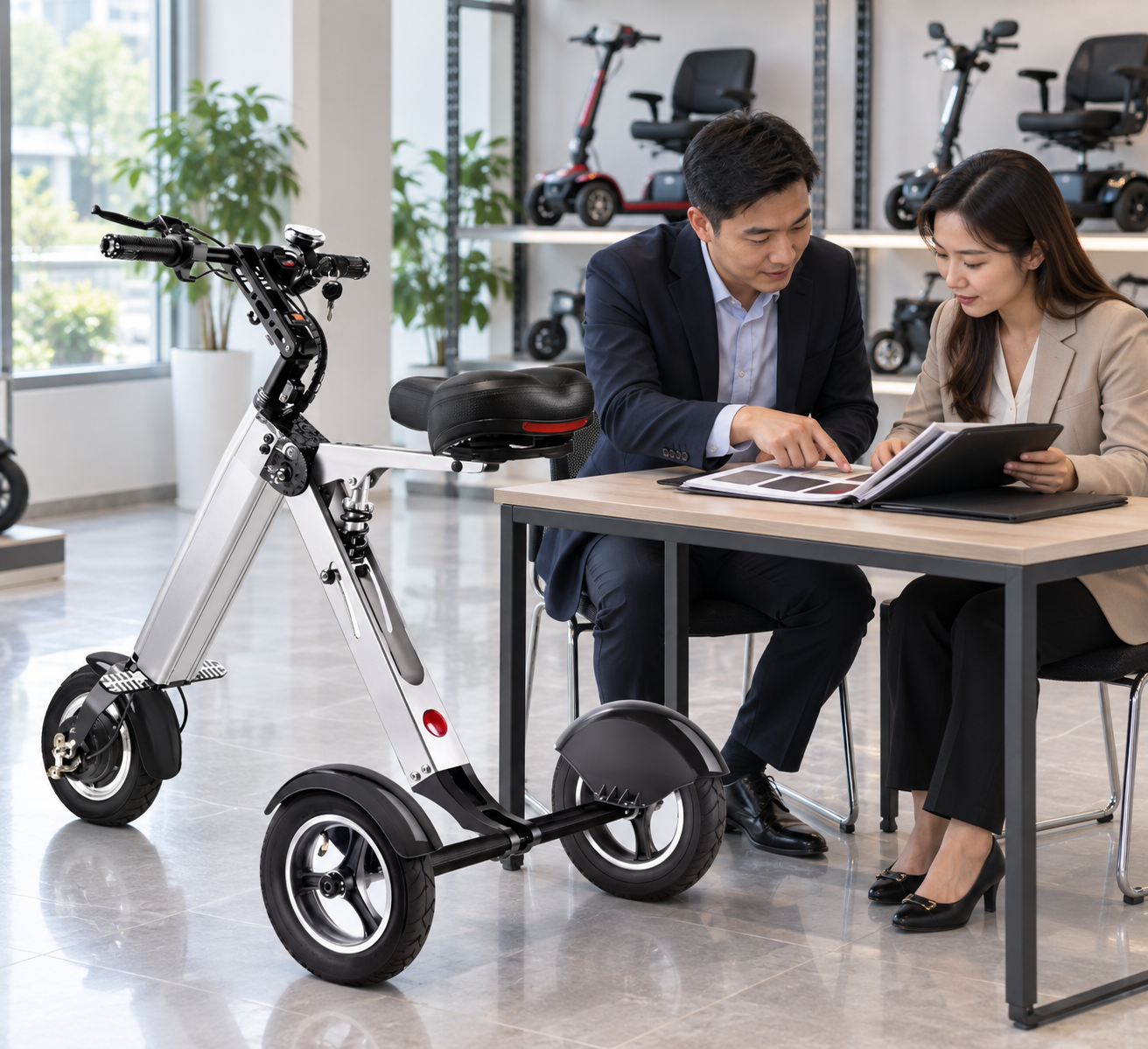
Plan a mobility scooter demonstration when the purpose, sample, setting and support needs are clear. Use the exact model information and record the result. Resolve outstanding fit or technical questions before treating the session as purchase approval.
Ready to build a dealer demonstration brief?
Send the audience and session goals. Ary Medical can review product information for a planned demonstration when the model, intended use and dealer questions are stated. Include any language, handling or support needs that affect the session.
- Identify the sample and proposed supply setup.
- State what the session must answer.
- Request current guides and the relevant product records.
| Your brief | Supplier information to request |
|---|---|
| Audience and purpose | Suitable model information and guide versions |
| Unresolved questions | Answers for the exact model for follow-up |
Use the reply to prepare the session and define its limits. Key Takeaway: For a demonstration plan tied to your buyer brief, contact us. Ary Medical supports clear handovers built on current product information.
Frequently asked questions
Q1: Can a showroom demonstration prove the scooter fits every user?
No. Individual support, control and transfer needs may require an appropriate assessment beyond a product demonstration.
Q2: What's the best way to prepare a dealer demonstration?
Start with the buyer's unresolved questions and the exact sample setup. Use a suitable setting and current model instructions.
Q3: Can I show a different battery or seat and promise the same result?
Not without a valid basis. Record sample differences and confirm which findings apply to the proposed supply version.
Q4: How do I know if a local handover summary is accurate?
Check it against the current source guide and arrange appropriate language review. Keep the source instructions available.
Q5: Can I answer a missing range or warranty question from experience?
Use current model-specific evidence and written terms. Record an uncertain answer for follow-up rather than turning a guess into a sales promise.