
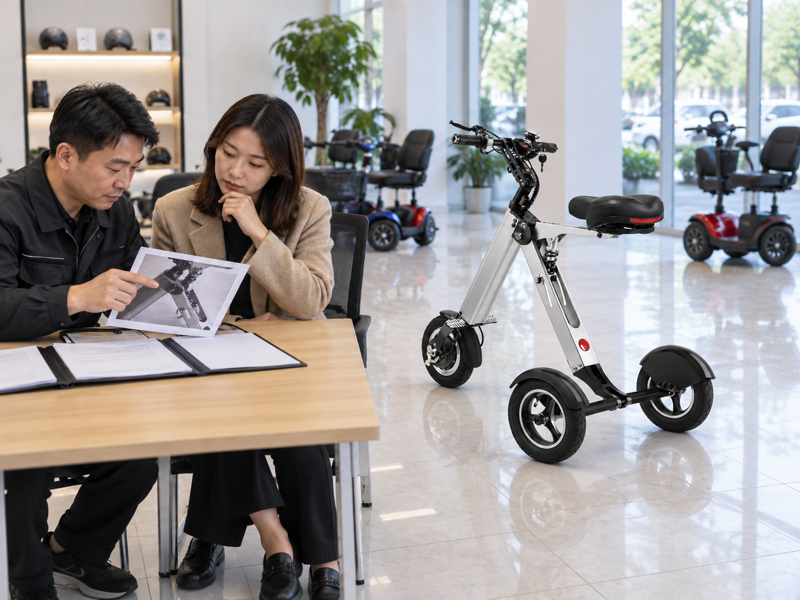
Choose a useful mobility scooter warranty by comparing what it covers, who handles a claim and which costs each party bears. A dealer can see a long coverage period on a quote and later discover that labour, freight or a particular part was never addressed. The claim then stalls while the customer waits for an answer. Ask for current written terms tied to the exact product and sales relationship before placing the order.
Which mobility scooter warranty relationship are you reviewing?
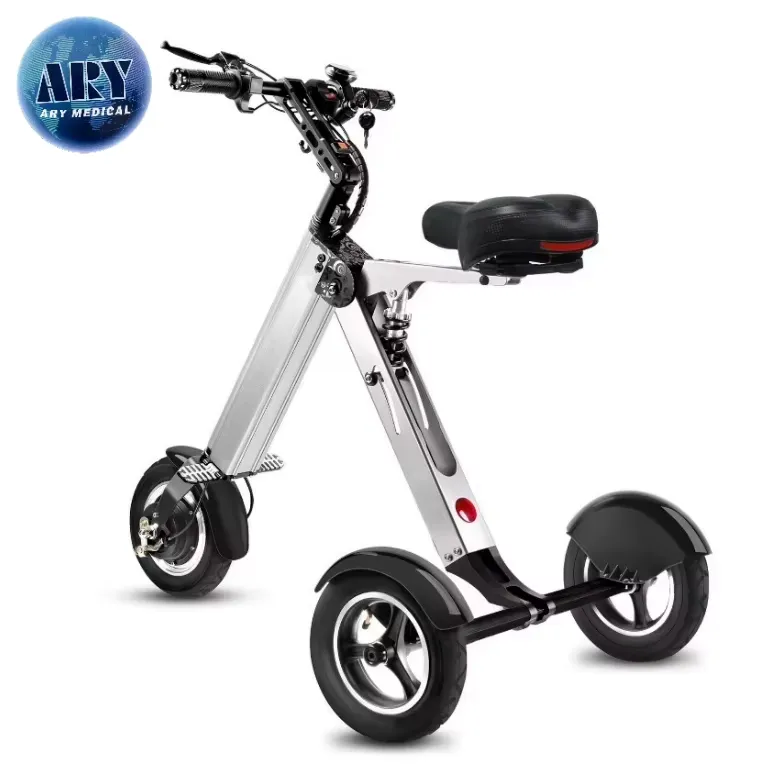
A mobility scooter warranty review should identify whether the terms concern a supplier-to-dealer agreement or a warranty offered to the end customer. Keep those roles distinct and review the law relevant to the market. One document should not be assumed to answer every retail obligation.
Why should a distributor separate these records?
Name the parties before reading the promise. For US contexts, the FTC's business guide to federal warranty law distinguishes covered consumer-product warranties from products sold for resale or commercial purposes. Have the responsible adviser review the rules that apply to the actual arrangement.
- Identify who gives the warranty and to whom.
- State the product and sales relationship covered.
- Keep relevant retail obligations in a separate market review.
| Record | Question |
|---|---|
| Supplier-to-dealer terms | What has been agreed between the businesses? |
| End-customer warranty and rights | What applies to the actual retail relationship? |
Use the right record for the decision being made. Key Takeaway: Your team will not confuse a factory support promise with the full customer-facing position.
What does a mobility scooter warranty actually cover?
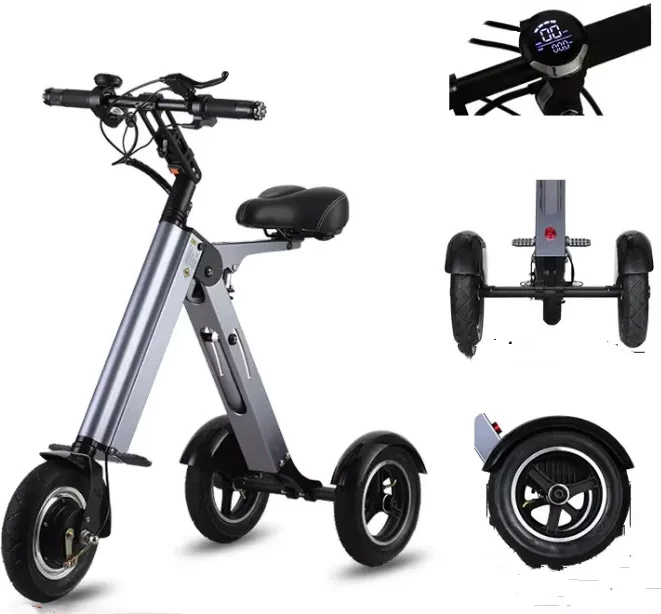
A mobility scooter warranty should state the covered product, components and type of problem. Read the scope with the exclusions and conditions, rather than relying on the period alone. Compare the terms with the actual supplied configuration.
Which parts deserve an explicit entry?
Check the parts people commonly ask about. Ask how the terms address the frame, controls, battery, charger and other relevant items. Do not assume that every component has the same scope or period.
- Identify the exact model and covered components.
- Read the stated defects, exclusions and conditions.
- Request clarification where a part or situation is not addressed.
| Coverage field | Clarify |
|---|---|
| Product and components | Which supplied items are included? |
| Covered problem | What type of issue is addressed by the terms? |
Keep the answers in the written record before accepting the quote. Key Takeaway: A headline warranty period will become a defined coverage statement.
When does a mobility scooter warranty begin and end?
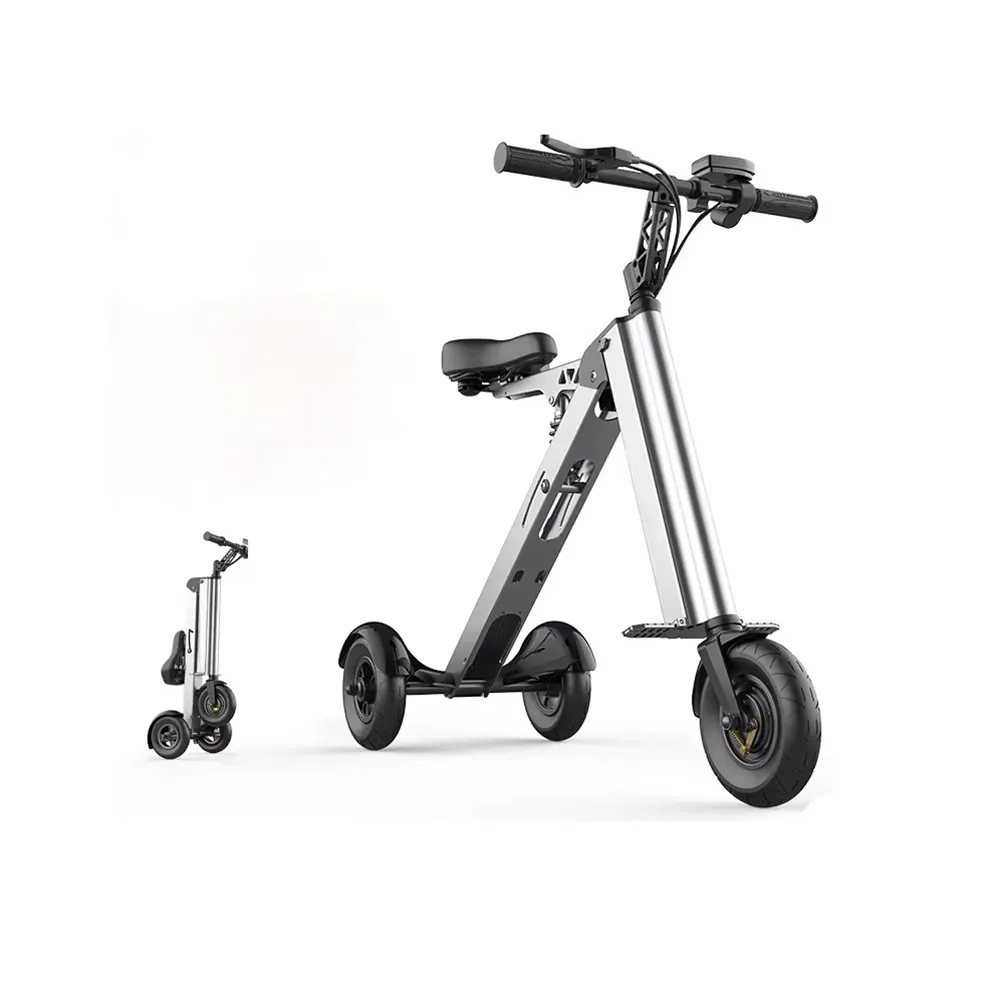
A mobility scooter warranty begins and ends according to its applicable written terms and legal context. Confirm the stated start event and the evidence needed to establish it. Do not assume that shipment, dealer receipt and customer handover are the same date.
Which date should the dealer be able to prove?
Record the event named in the terms. Keep the relevant invoice, delivery or handover record linked to the product identity. Ask how any different component periods or replacement-part terms are handled.
- Confirm the stated start event and duration.
- Identify the records needed to establish the dates.
- Clarify separate periods or later replacement terms.
| Time-related field | Required record |
|---|---|
| Start event | Evidence for the event stated in the terms |
| End or component period | Applicable written scope and dates |
Resolve date ambiguity before the first claim arrives. Key Takeaway: Staff can review timing with a traceable record rather than a remembered sales conversation.
Can one mobility scooter warranty statement cover the whole range?
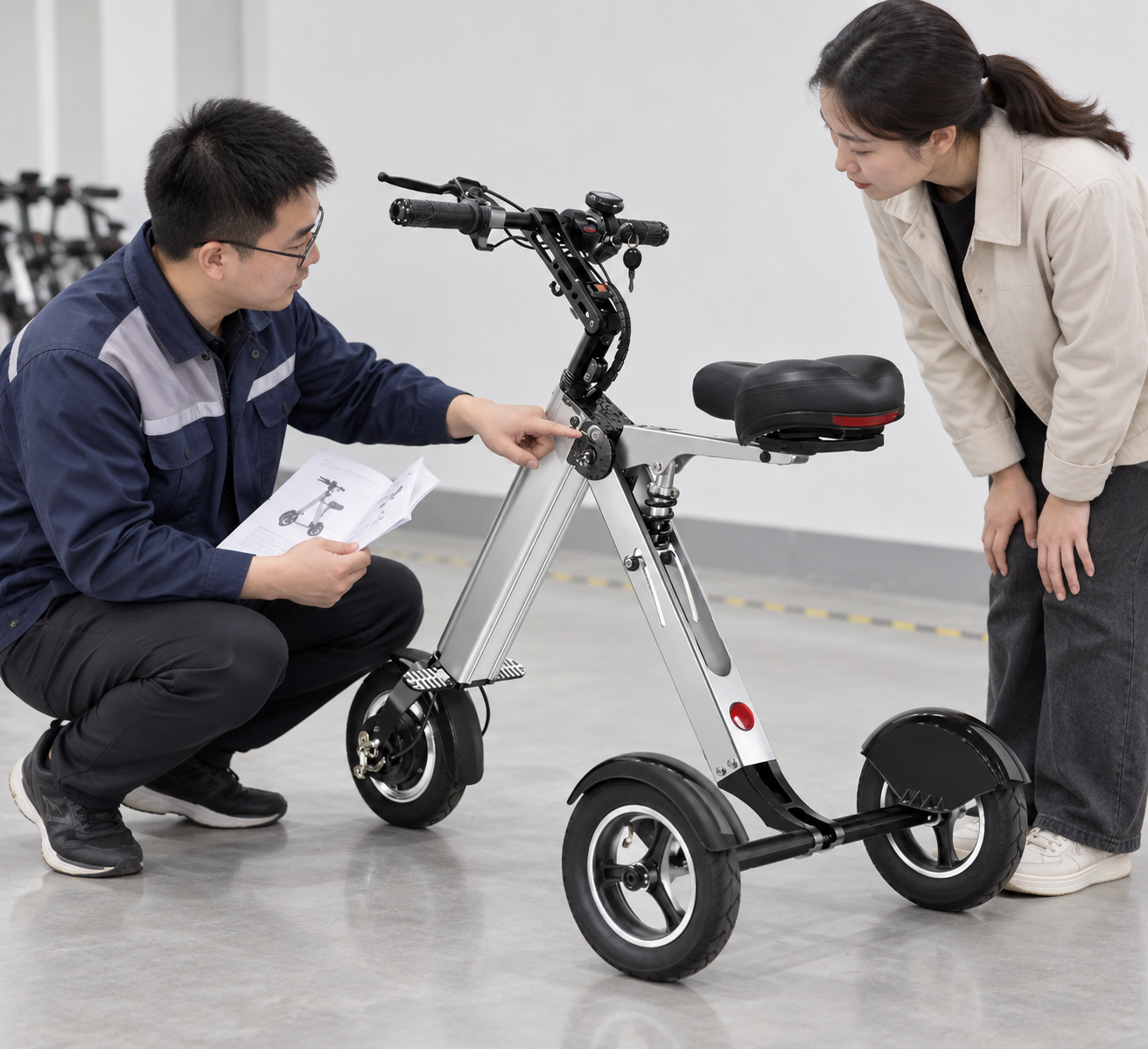
One mobility scooter warranty statement should only be used where its scope clearly covers the listed products and versions. Different models or parts may have different terms. Do not copy terms from an electric wheelchair into a scooter offer without checking their application.
How should a mixed catalogue show the differences?
Tie each statement to its product line. Keep a clear reference to the current terms for each quoted setup. If a general summary is used, review it against the full applicable documents so it does not erase material differences.
- Identify the models covered by each document.
- Record the version or effective date of the terms.
- Check summaries against the full applicable wording.
| Catalogue record | Purpose |
|---|---|
| Model-to-terms reference | Connects the promise to the supplied product |
| Document version | Shows which terms were used in the offer |
Update the product summary when the relevant terms change. Key Takeaway: The customer-facing statement can stay aligned with the actual product offer.
Which costs should a mobility scooter warranty explain?
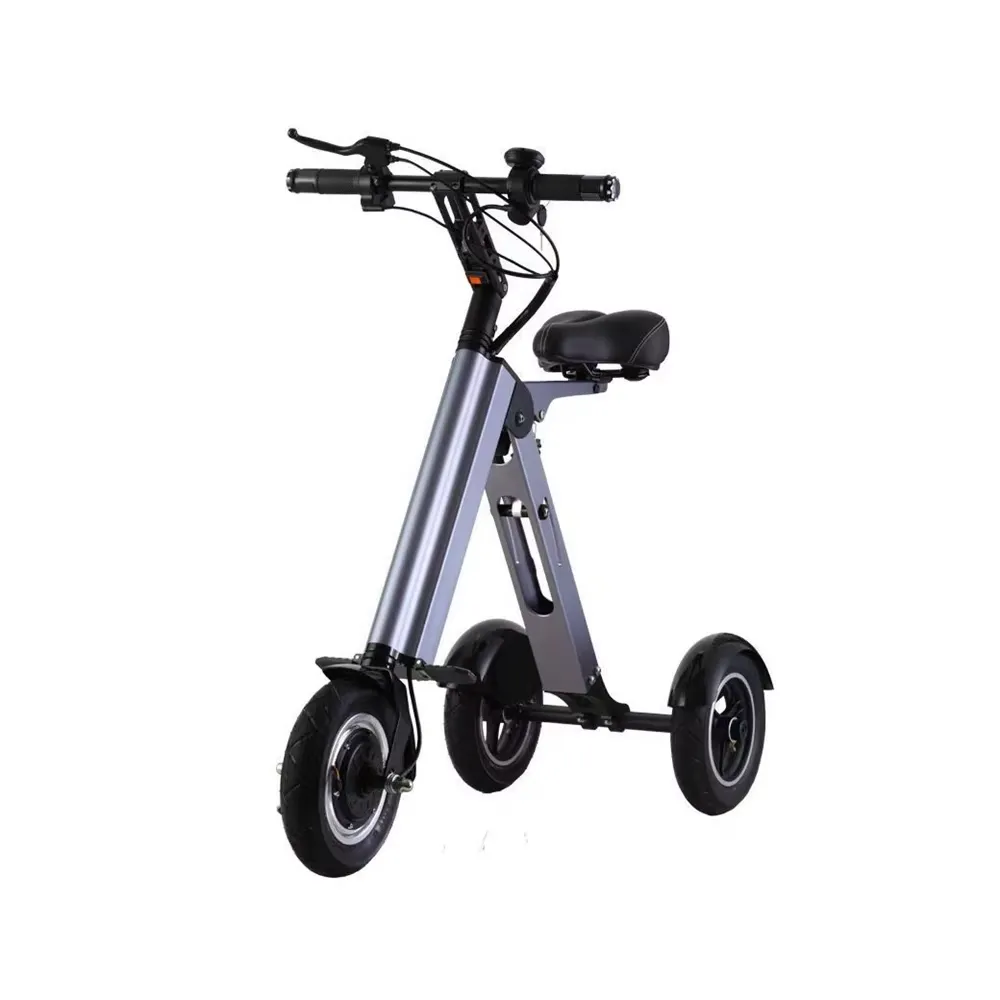
A mobility scooter warranty review should establish how parts, labour, freight and other relevant claim costs are handled. Do not infer a free repair process from the word warranty alone. Confirm the roles and terms before the dealer commits to a customer response.
What might remain for the dealer to arrange?
Follow the claim from diagnosis to return. Ask who performs the review, supplies parts, carries out work and manages any shipment. Keep the agreed commercial process separate from any additional obligations under the applicable law.
- Clarify the handling of parts and labour.
- State who will arrange and pay for returns.
- Record any approval steps before work or shipment.
| Cost or task | Role to establish |
|---|---|
| Parts and repair work | Who approves, supplies and performs it? |
| Transport or return | Who arranges it and on what terms? |
Compare the full support process across offers. Key Takeaway: You can see the operating work behind the coverage promise.
What evidence starts a mobility scooter warranty claim?
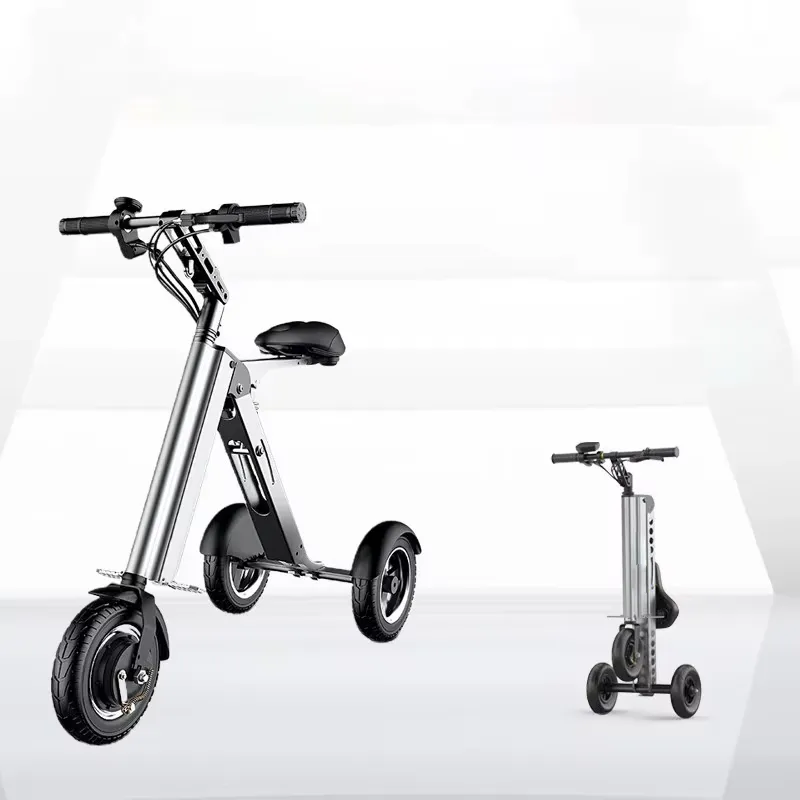
A mobility scooter warranty claim should begin with product identity, the reported issue and the records required by the applicable process. Describe observations before proposing a diagnosis. Ask the supplier service team which model-specific information it needs.
What makes a fault report useful?
Record the sequence of events. State what happened, when the issue appeared and any relevant recent change or service work. Use clear product photographs where helpful, without asking the customer to dismantle parts or carry out unsafe tests.
- Provide model, serial and relevant purchase records.
- Describe the symptom and circumstances clearly.
- Attach the product evidence requested by the service process.
| Claim evidence | Purpose |
|---|---|
| Identity and dates | Connects the report to the supplied unit |
| Symptom and history | Helps the technical team review the issue |
Keep the observed problem separate from the coverage decision. Key Takeaway: The reviewer receives a clear case without a repair being guessed at the counter.
Who decides the response to a mobility scooter warranty claim?
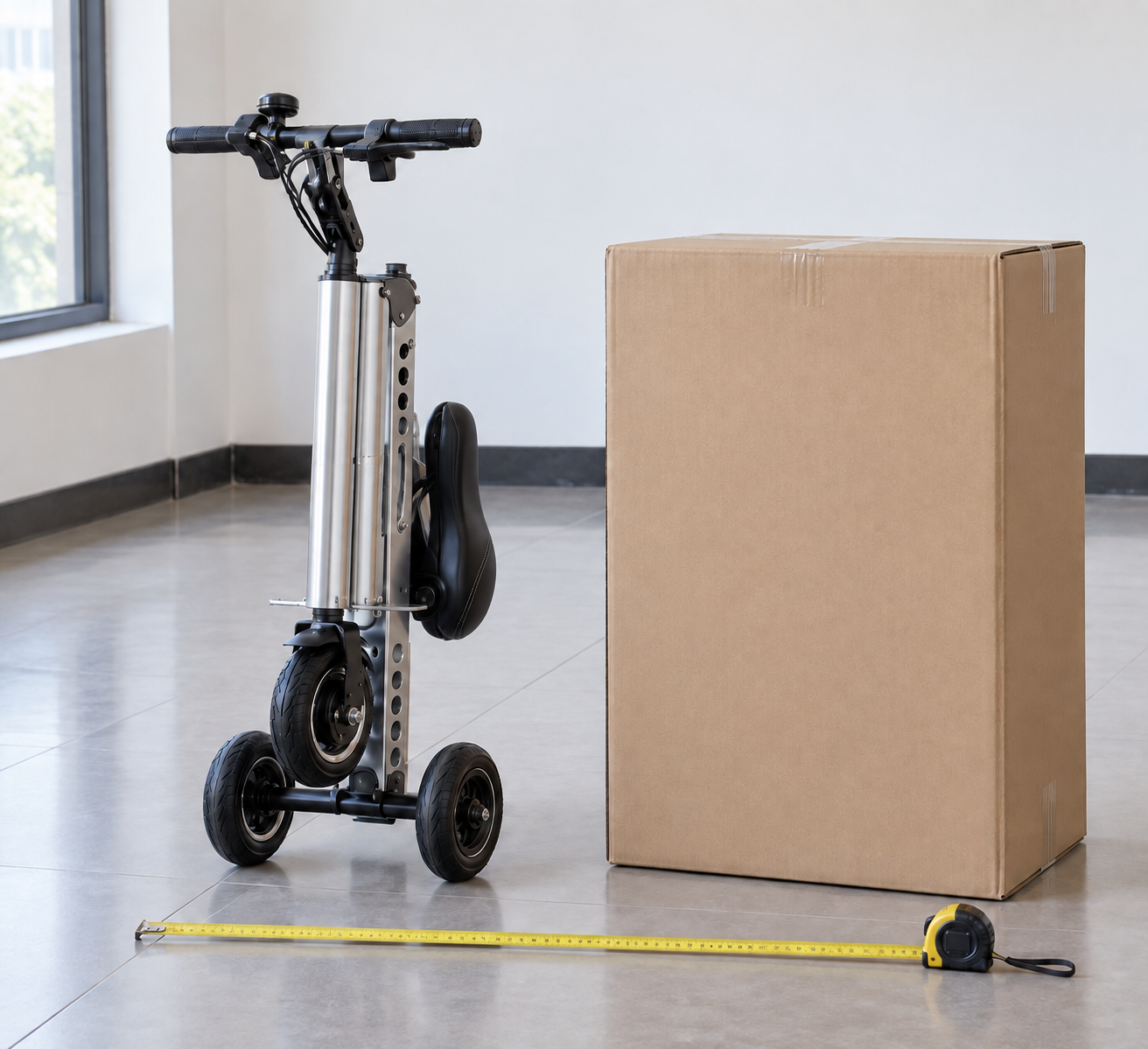
The mobility scooter warranty process should identify who reviews the fault, applies the relevant terms and authorises the next step. Technical diagnosis and coverage review may involve different roles. Give each open case a clear owner so it does not drift between teams.
Which decisions need to be recorded?
Write down the basis for the next action. Record the reviewed evidence, applicable terms and agreed response. Do not give a blanket statement that independent parts or service automatically void consumer coverage; relevant consumer law must be considered.
- Identify the technical and commercial review roles.
- Retain the reason for the proposed response.
- Refer legal or coverage uncertainty to the appropriate adviser.
| Decision | Record |
|---|---|
| Technical finding | Evidence and responsible service review |
| Coverage and response | Applicable basis and authorised action |
A reasoned record supports a clearer explanation to the dealer and customer. Key Takeaway: The claim can move forward with accountable decisions rather than repeated informal messages.
How should safety concerns enter a mobility scooter warranty process?
Safety concerns reported during a mobility scooter warranty case need the appropriate product-safety and service response, even while coverage is being reviewed. Follow the model's stop-use and service guidance where required. A commercial coverage discussion should not delay a necessary safety escalation.
What should frontline staff pass on immediately?
Separate the urgent product concern from the paperwork. Use the established service and applicable reporting process for the actual device and market. Record the observed concern and route it to the responsible team without asking the customer to keep using a suspect unit to prove the fault.
- Recognise concerns that require the prescribed stop-use response.
- Follow the appropriate service and reporting route.
- Keep the safety response traceable alongside the claim record.
| Workstream | Immediate purpose |
|---|---|
| Product-safety response | Address the reported concern through the proper process |
| Warranty review | Assess the commercial coverage separately |
Keep both workstreams visible when they concern the same unit. Key Takeaway: The claims process can support the product response instead of slowing it down.
How do you close a mobility scooter warranty case properly?
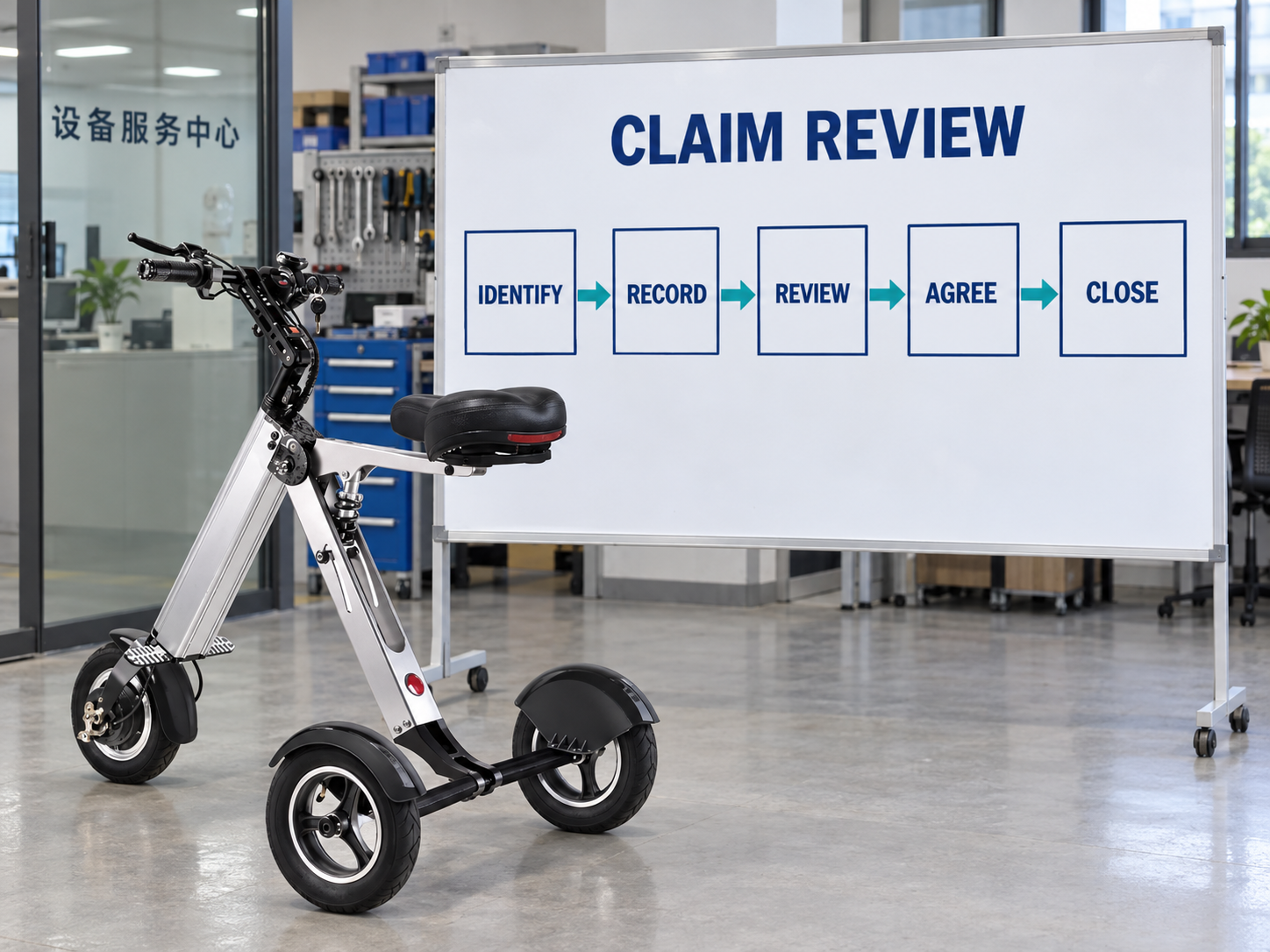
Close a mobility scooter warranty case after the agreed action and required checks are recorded and the relevant parties receive a clear outcome. Retain the product and part references involved. If a question remains unresolved, record the next owner rather than marking the whole case complete.
What belongs in the final case note?
Connect the outcome to the original report. State what was reviewed, what action was authorised and what was completed. Keep any ongoing service or follow-up requirement clear to the dealer and customer.
- Record the authorised action and completed work.
- Identify replacement parts and relevant checks.
- State any remaining follow-up and responsible contact.
| Closure field | Purpose |
|---|---|
| Action and completion | Shows what resolved the reported issue |
| Remaining follow-up | Prevents an open requirement from being lost |
Use case patterns to improve the product and support records where appropriate. Key Takeaway: The next service enquiry can start from a reliable history.
How can you compare a mobility scooter warranty confidently?
Compare a mobility scooter warranty through its written scope, dates, costs and claims process for the actual product and sales relationship. Review the market requirements with the responsible adviser. Keep the agreed terms and support route with the purchase record.
Ready to request clear model-specific support terms?
Send the product and service brief together. Ary Medical can review a support enquiry when you state the model, target market and dealer roles. Ask for the current written terms and the records needed for a claim.
- Identify the product and sales relationship.
- List the parts, cost and process questions that need answers.
- Request current terms and a defined support contact.
| Your brief | Supplier response to request |
|---|---|
| Product and market | Relevant current support terms |
| Claim-handling needs | Evidence, roles and agreed process |
Use the reply to resolve gaps before placing the order. Key Takeaway: For a support proposal tied to your product brief, contact us. Ary Medical supports clear terms and traceable claim handling.
Frequently asked questions
Q1: Can I compare warranties by the number of years alone?
No. Read the covered items, start event, exclusions, cost allocation and claims process for the actual product.
Q2: What's the best evidence to send with a claim?
Start with product identity, relevant dates and a clear symptom report. Add the records and photographs requested by the applicable service process.
Q3: Can I assume batteries and chargers have the same terms as the frame?
No. Confirm the written scope and any different periods or conditions for each supplied component.
Q4: How do I know who should pay for labour or freight?
Read the applicable written terms and market obligations. Resolve unclear cost roles before arranging work or a return.
Q5: Can a safety concern wait until warranty coverage is agreed?
No. Follow the appropriate product-safety and service response without waiting for a coverage decision, and keep the commercial review separate.