
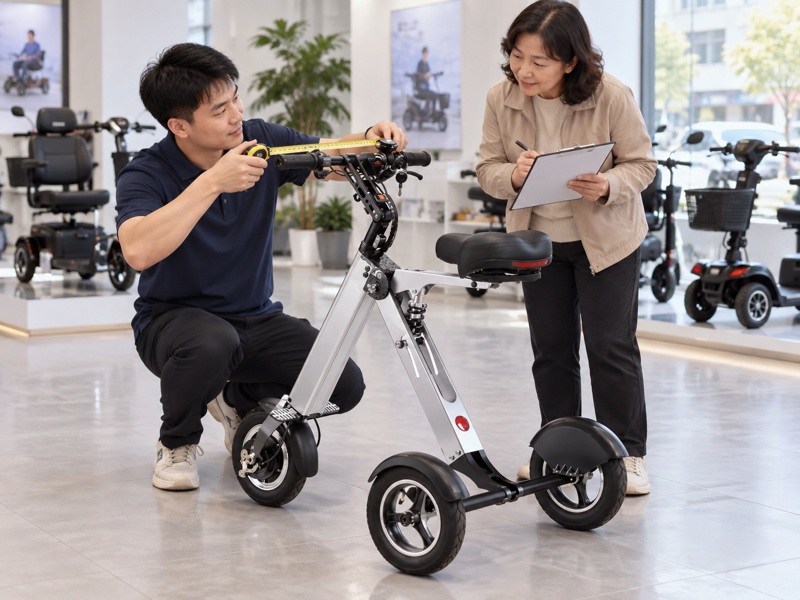
Get a better seat and transfer fit by reviewing the rider's support needs, access route and control reach on the complete scooter. A seat can look roomy in a photograph yet leave too little space for the person's usual way of getting on and off. Changing a cushion or armrest later may alter other parts of the setup. Choose a mobility scooter seat through a planned fit review, with qualified advice where the person's needs call for it.
Who should review a mobility scooter seat fit?
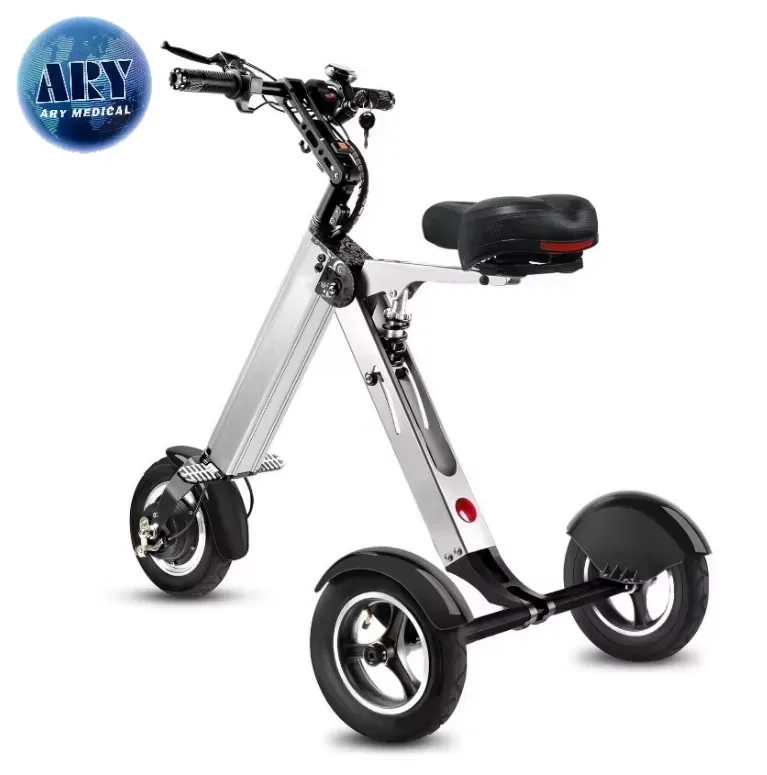
The rider should help review a mobility scooter seat, with a qualified assessor involved when support or transfer needs require specialist advice. A dealer can gather product details and arrange the right trial. The person using the seat should not be absent from the decision.
What does the rider need to explain first?
Start with the ordinary journey. Ask where the scooter will be used, how the person normally gets on and off, and which parts of the current setup cause difficulty. Record these needs without turning the sales conversation into a diagnosis.
- Describe the usual use setting and duration.
- Record support and access needs for the fit review.
- Identify who should assess unresolved concerns.
| Input | Role in the review |
|---|---|
| Rider's experience | Identifies everyday difficulties |
| Qualified assessment where needed | Defines support and transfer requirements |
Keep the agreed needs beside the product shortlist. Key Takeaway: The seat comparison will address the rider's actual use rather than a generic comfort claim.
What mobility scooter seat dimensions should you request?
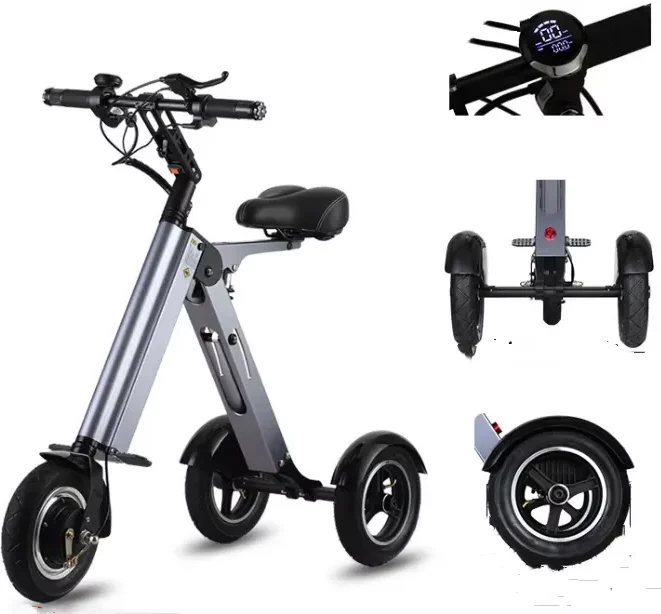
Request the mobility scooter seat dimensions that describe usable space, along with the complete scooter's access layout. Seat width alone leaves out depth, height and the space between surrounding parts. Review the product range using consistent measurement definitions.
Where does usable space begin and end?
Ask how each measurement was taken. A supplier may quote an outside dimension while you need the space available to the rider. Request a clear drawing or photograph showing the measurement points and the relevant seat setting.
- Distinguish outside size from usable seat space.
- Record depth and height as well as width.
- Note the adjustment position used for each figure.
| Dimension | Clarification |
|---|---|
| Usable seat space | Measurement points and surrounding limits |
| Seat height | Reference point and adjustment position |
Only compare figures measured in the same way. Key Takeaway: You avoid choosing between numbers that describe different parts of the seat.
How does a mobility scooter seat affect control reach?
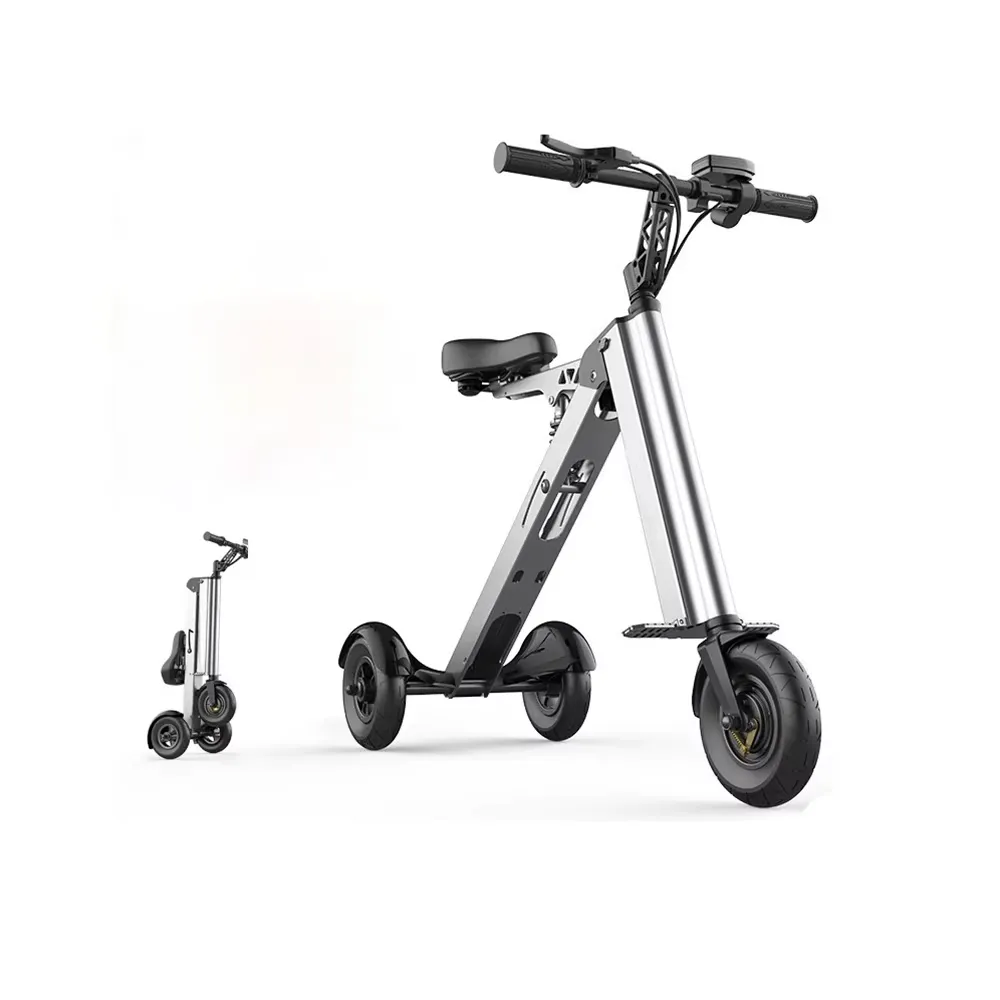
A mobility scooter seat affects the rider's position relative to the steering and controls. Review seat settings and reach together on the exact device. A change made for access can also change how the person sits while using the controls.
Does support remain suitable during normal operation?
Check the working position. RiDC's scooter seating and stability guidance asks buyers to consider back support while using the tiller. Apply the relevant fit review to the actual control layout rather than copying settings from another model.
- Review reach from the agreed seated position.
- Check which seat and control settings are permitted.
- Record the final settings used in the trial.
| Adjustment | Fit question |
|---|---|
| Seat position | Can the rider use the controls as intended? |
| Control position | Does the agreed support remain suitable? |
Repeat the relevant checks after an approved adjustment. Key Takeaway: A better entry position will not silently replace a working control position.
Which mobility scooter seat layout suits the support needs?
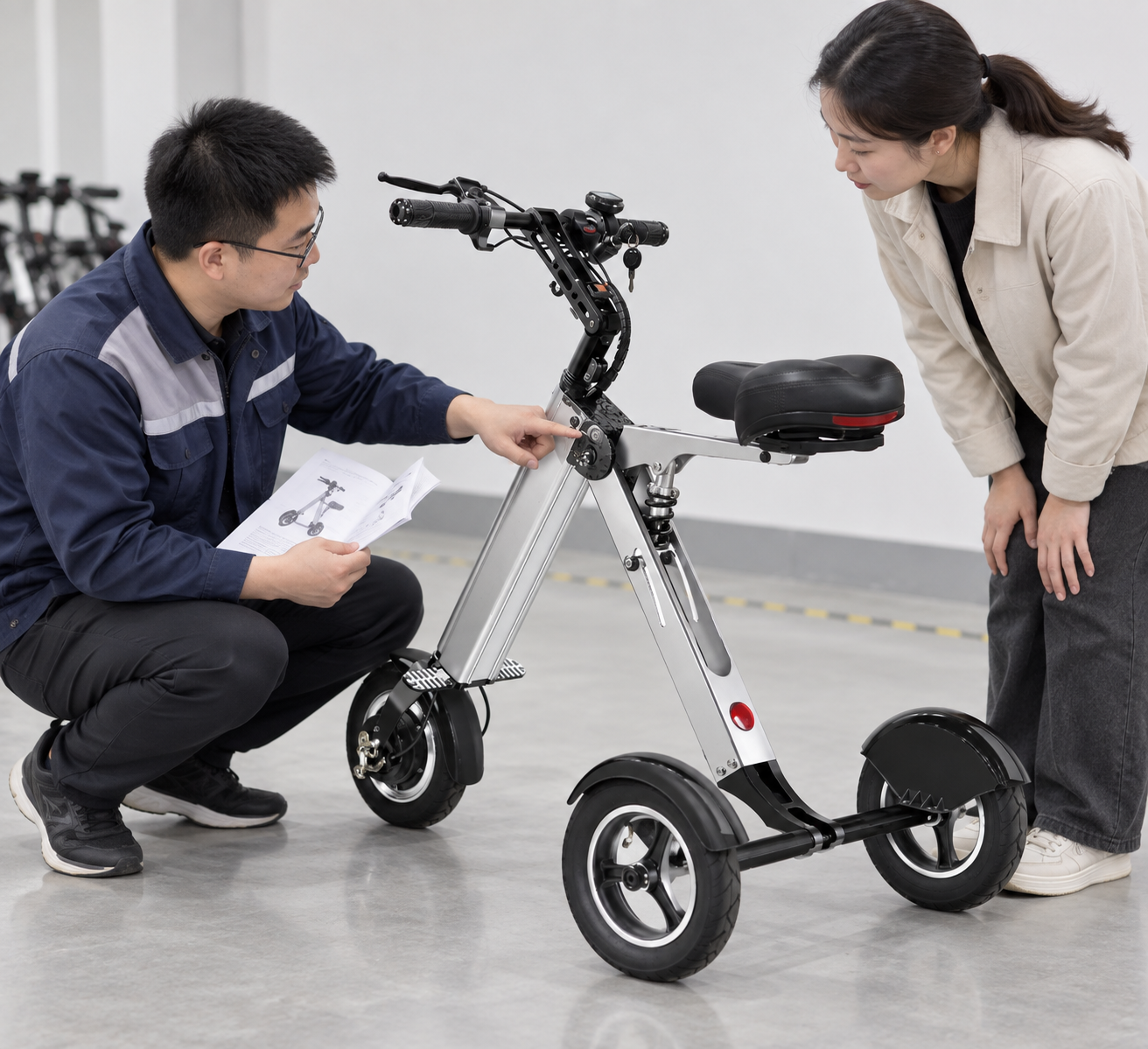
The mobility scooter seat layout must provide the support identified for the rider. A compact saddle, a seat with a backrest and a more supportive chair layout should not be treated as equivalent. Where the needs point elsewhere, review an electric wheelchair as a separate product option.
What should the catalogue show clearly?
Compare the actual contact surfaces. Ask for views of the seat, backrest, arm supports and foot area. A padded appearance does not establish that a layout meets a particular person's needs.
- Identify required support before comparing trim.
- Request clear views of the complete seating layout.
- Refer unresolved fit needs for an appropriate assessment.
| Catalogue detail | Review purpose |
|---|---|
| Seat and back layout | Compare against stated support needs |
| Arm and foot space | Review the whole seated position |
Keep support requirements ahead of cosmetic preferences in the shortlist. Key Takeaway: Your team can explain why two seats with similar dimensions may serve different needs.
Can a mobility scooter seat swivel to help access?
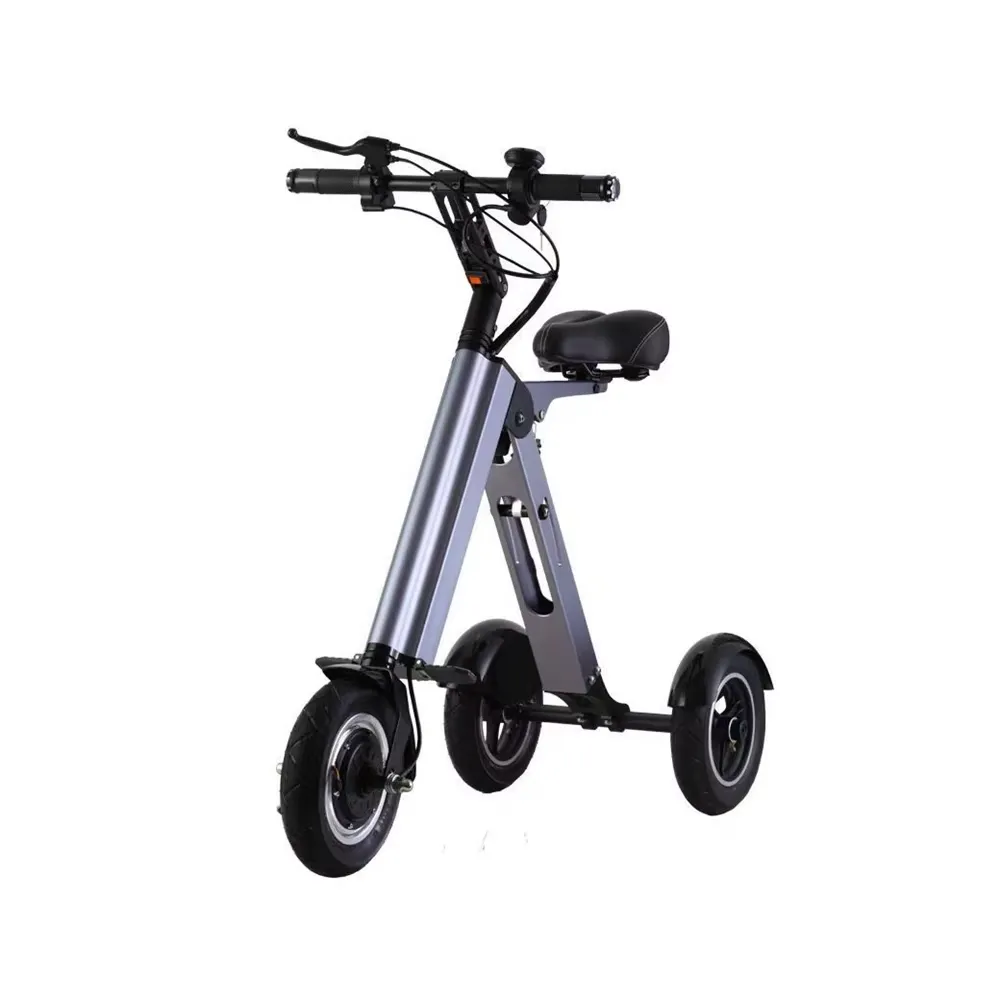
A mobility scooter seat may swivel only if that function is part of its approved design. Confirm how it moves, locks and returns to the required riding position. Do not assume a rotating seat is suitable for the person's transfer method without a fit review.
What needs demonstrating on the empty scooter?
Show the lock before the transfer trial. Have trained staff explain the permitted positions and the signs of full engagement using the model guide. Keep the scooter empty for the initial product demonstration.
- Identify the permitted rotation and lock positions.
- Check the stated signs of full engagement.
- Arrange any rider trial with the appropriate support.
| Function | Evidence to request |
|---|---|
| Seat rotation | Permitted movement in the model guide |
| Locking | Clear check for the required position |
Record the exact checks staff must complete after repositioning. Key Takeaway: Access features will be explained as a defined mechanism, not a general ease-of-transfer promise.
How do mobility scooter seat armrests affect access?
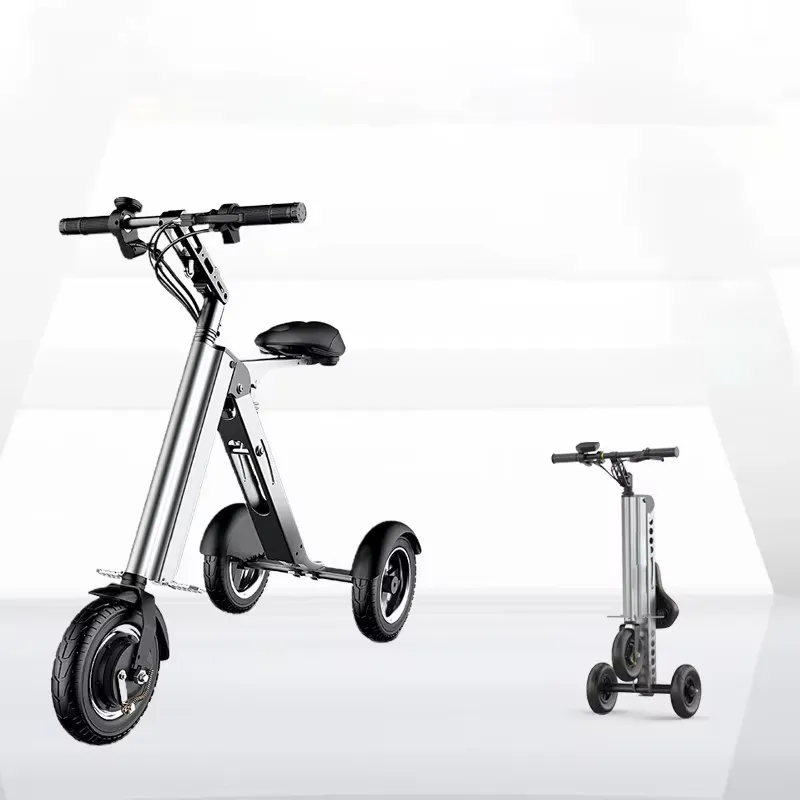
Mobility scooter seat armrests can change the space available around the rider, so review their approved positions and any permitted movement. They may not be designed as lifting handles or transfer supports. Ask the supplier team for the exact intended use before advising a customer.
What should the transfer plan establish?
Separate the access feature from its load role. An armrest that moves out of the way is not automatically suitable for supporting body weight. Ask a qualified assessor to review how the person will transfer, and use the model guide to check the intended role of each part.
- Confirm whether and how each armrest moves.
- Check the stated purpose and limits of the armrest.
- Record the agreed positions for access and riding.
| Armrest question | Source of the answer |
|---|---|
| How may it move? | Model instructions |
| How will the person transfer? | Appropriate individual transfer review |
Resolve both questions before a dealer demonstrates the routine. Key Takeaway: You avoid giving a movable armrest a support role it was not designed to perform.
Can you change a mobility scooter seat cushion?
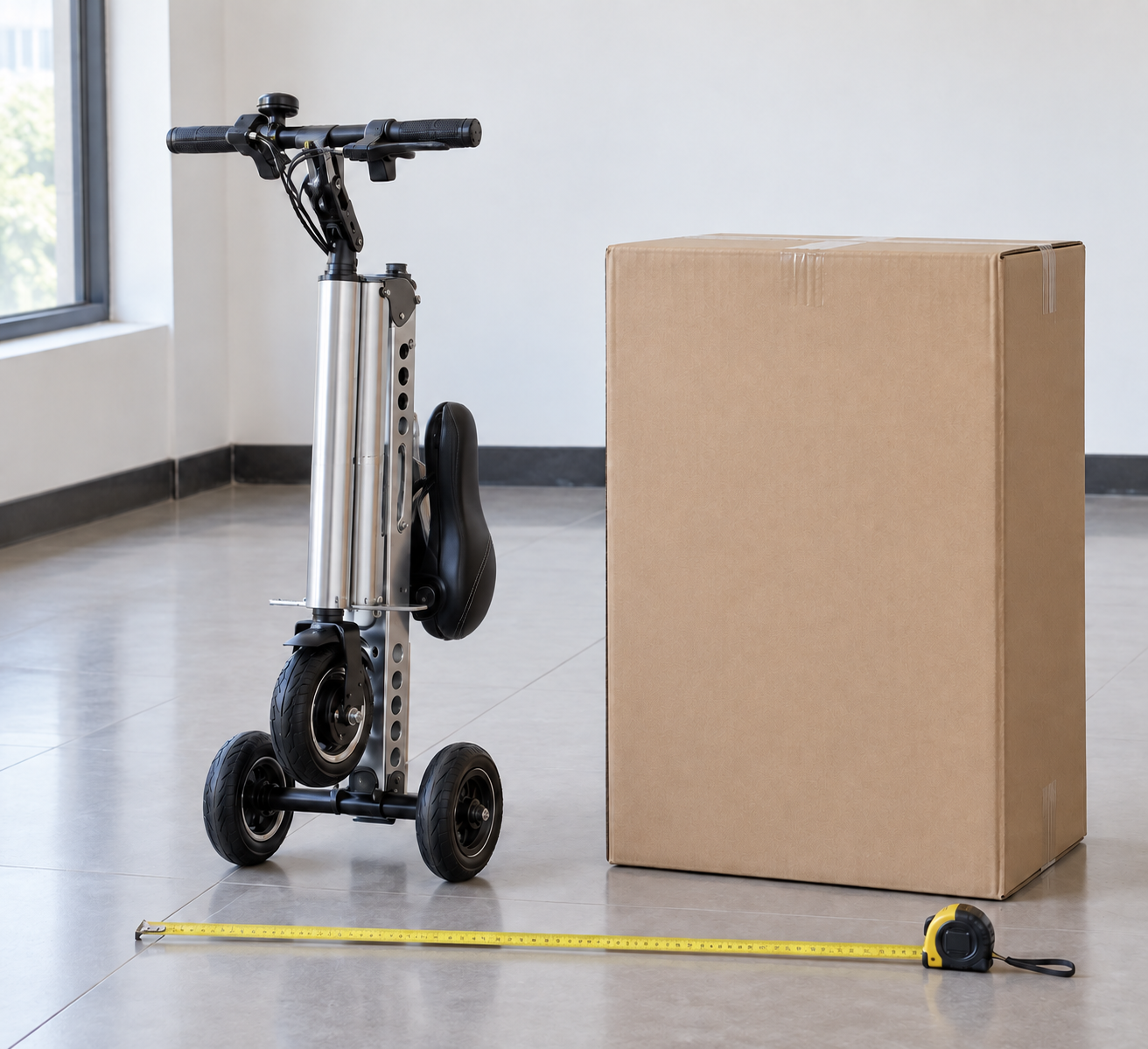
Change a mobility scooter seat cushion only with appropriate approval for the seat and the person's needs. Added height or a different shape can affect reach, support and the way the person gets on and off. Review the whole setup after any approved change.
What information should travel with the cushion request?
Describe why the change is being considered. Share the current seat and cushion references with the responsible assessor or service provider. Do not make pressure-relief or clinical claims from foam thickness, colour or a product photograph.
- Identify the current seat and cushion setup.
- Confirm approval for the proposed part.
- Recheck relevant fit points after the change.
| Change record | Reason |
|---|---|
| Old and new references | Makes the change traceable |
| Reviewed fit points | Records the effect on the complete setup |
A component change deserves a fit review, even if installation looks simple. Key Takeaway: You keep the rider's needs and the model requirements in the same decision.
Will a mobility scooter seat affect folding and storage?
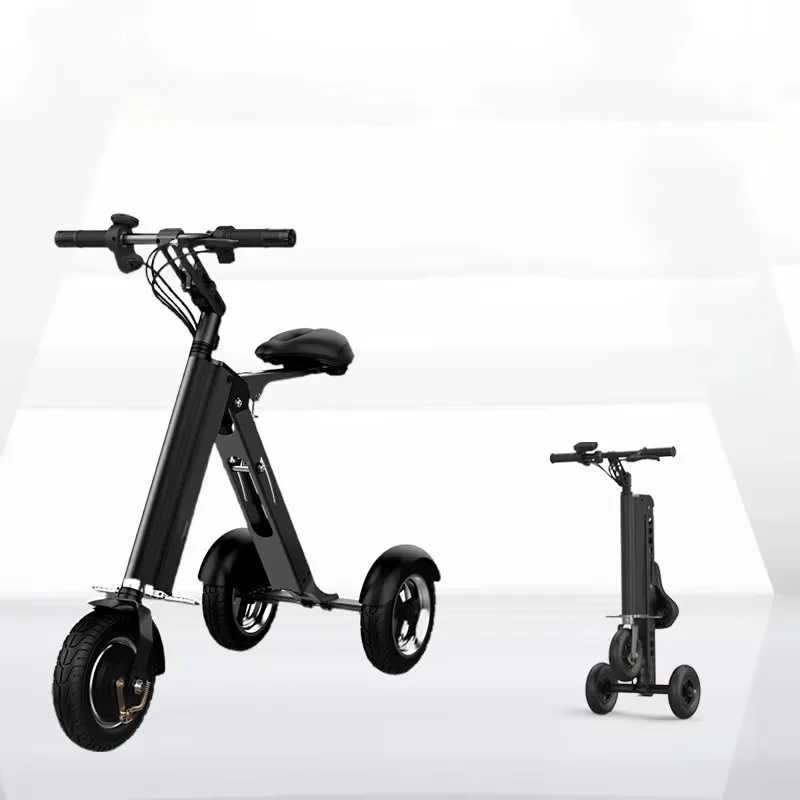
A mobility scooter seat can affect folded size, handling and the steps required for storage. Check the procedure with the actual seat and accessories fitted. A compact catalogue image may show a different setup from the one the rider needs.
Which parts must be moved or removed?
Follow the specified storage sequence. Record only the movements and removals the guide allows. Include the work needed to restore the approved riding setup after the scooter is taken out of storage.
- Check the final seating configuration during the storage trial.
- List permitted adjustments or removable parts.
- Record the required reopening and lock checks.
| Storage task | Record |
|---|---|
| Preparing the scooter | Permitted seat movements or removals |
| Returning to use | Approved settings and checks to restore |
Compare handling with the seat the customer will actually receive. Key Takeaway: A seating choice will not create an unexpected storage problem at handover.
How should a mobility scooter seat trial be recorded?
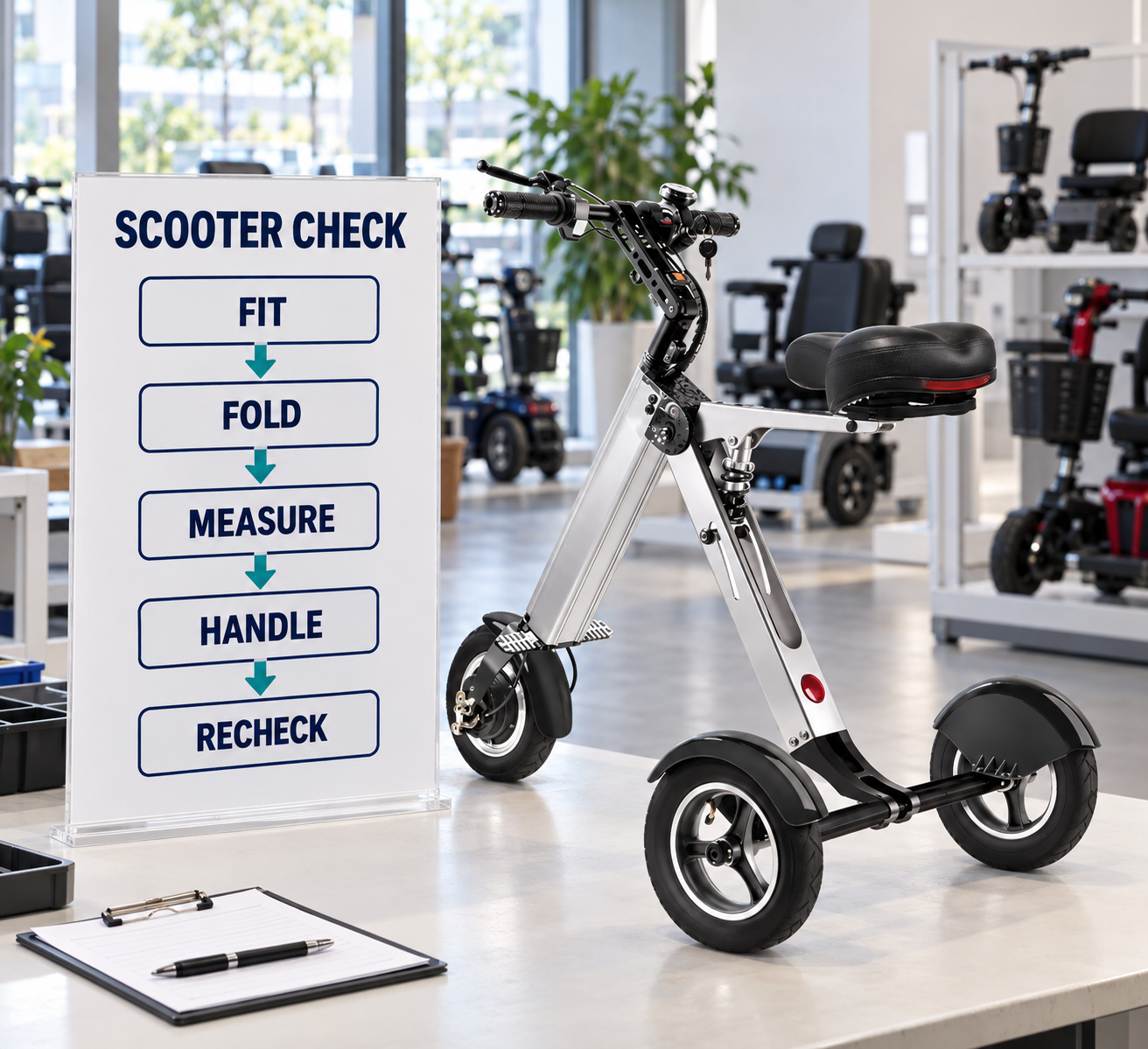
Record a mobility scooter seat trial with the rider's agreed requirements, model configuration and settings used. Separate a brief product demonstration from an individual fit assessment. Note which questions remain open and who should resolve them.
Could a colleague repeat the approved setup?
Write down the settings, not a comfort score alone. Include the seat reference, permitted adjustment positions and relevant trial conditions. Keep any assessor's directions attached to the handover record rather than paraphrasing them from memory.
- Identify the model and fitted seating parts.
- Record the approved settings and review conditions.
- Assign an owner to each unresolved question.
| Record | Use at handover |
|---|---|
| Configuration and settings | Helps staff restore the reviewed setup |
| Open questions | Prevents an incomplete review becoming approval |
Use the record to decide whether the order is ready to proceed. Key Takeaway: The next staff member can see what was reviewed and what still needs an answer.
How can you choose a mobility scooter seat confidently?
Choose a mobility scooter seat once support, access, reach and storage needs have been reviewed together. Keep the approved configuration with the order. Avoid substituting a different seating part without checking the effect on that agreement.
Ready to turn the fit brief into a product enquiry?
Send the agreed needs and settings. Ary Medical can help compare product layouts when the enquiry describes the required support, access method and control needs. Include the relevant fit advice and any limits on storage or handling.
- State the required seat, back and arm support layout.
- Include the agreed dimensions and control needs.
- Request model-specific seat, adjustment and parts details.
| Your brief | Supplier information to request |
|---|---|
| Support and access needs | Relevant seating layouts for review |
| Approved configuration | Exact parts and adjustment guidance |
Use the reply to close the remaining product questions before ordering. Key Takeaway: To review seating options against a clear brief, contact us. Ary Medical supports seat choices that can be traced to the rider's stated needs.
Frequently asked questions
Q1: Can I choose a seat from width alone?
No. Review depth, height, support, control reach and access on the complete scooter.
Q2: What's the best seat for an easier transfer?
It depends on the person's assessed transfer needs and the product's permitted use. Arrange the relevant review rather than choosing by a swivel feature alone.
Q3: Can I use the armrests as lifting handles?
Only if the maker expressly permits that use. A movable or padded armrest is not proof that it can carry a lifting or transfer load.
Q4: How do I know if a new cushion changes the fit?
Recheck the approved setup with the responsible assessor or service provider. Cushion height and shape can affect support, reach and access.
Q5: Can I order a different seat after the trial?
Only after the change is reviewed. Record the new part and any revised fit or handling requirements before handover.