
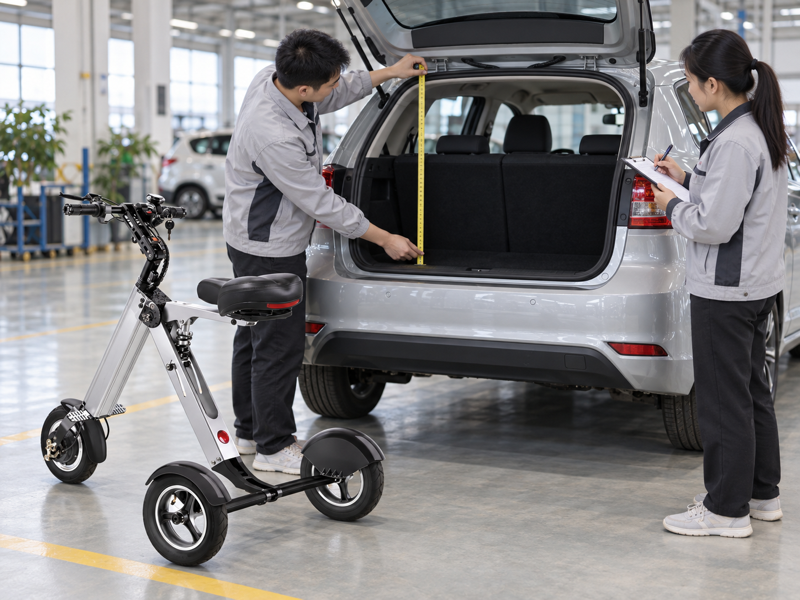
Make car loading easier by matching the scooter's heaviest lift, folded shape and approved handling method to the actual vehicle and handler. Picture a customer outside a supermarket, trying to clear a high boot lip with a scooter that looked manageable on a sales floor. The problem may be the opening, the grip or the loading method rather than the overall weight. A portable mobility scooter needs a complete vehicle trial before a UK dealer can give useful loading advice.
What makes a portable mobility scooter easier to load?
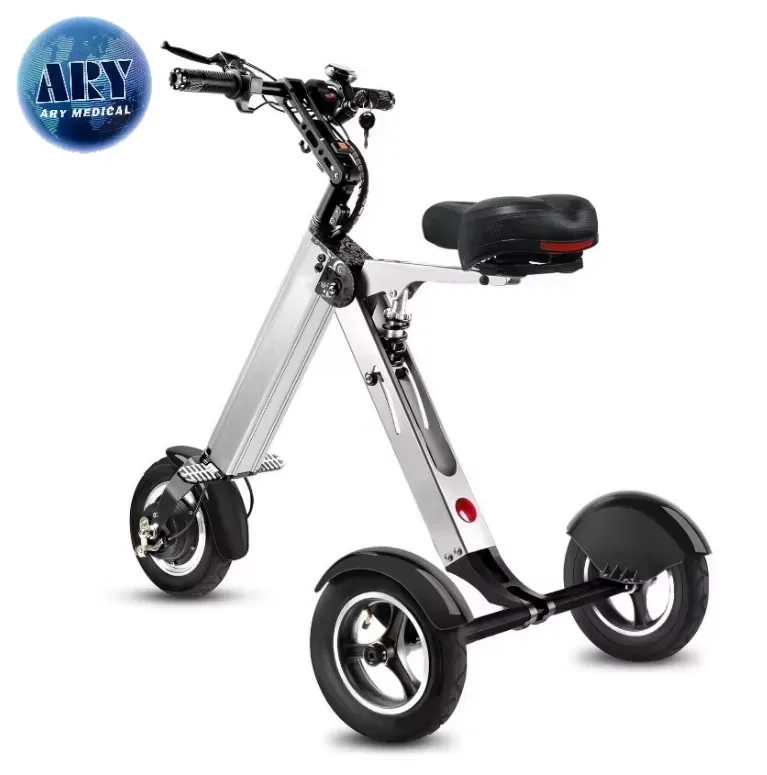
A portable mobility scooter is easier to load when its shape, handling points and required movements suit the person doing the job. Low total weight helps little if the handler must reach too far into the boot. Assess the whole movement before choosing a model.
Who loads it on an ordinary day?
Begin with the usual trip. Record who drives, who transfers into the car and who handles the empty scooter. A demonstration with extra staff may hide a task the customer cannot repeat at home.
- Name the regular handler and any reliable help.
- Identify the vehicle used for most trips.
- Note whether lifting equipment may be needed.
| Situation | Trial requirement |
|---|---|
| One usual handler | Assess the method with that person |
| Variable help | Plan a method that does not depend on unplanned assistance |
Use the normal trip as your test case. Key Takeaway: Your recommendation will address everyday loading rather than an unusually easy demonstration.
Which portable mobility scooter weight should you request?
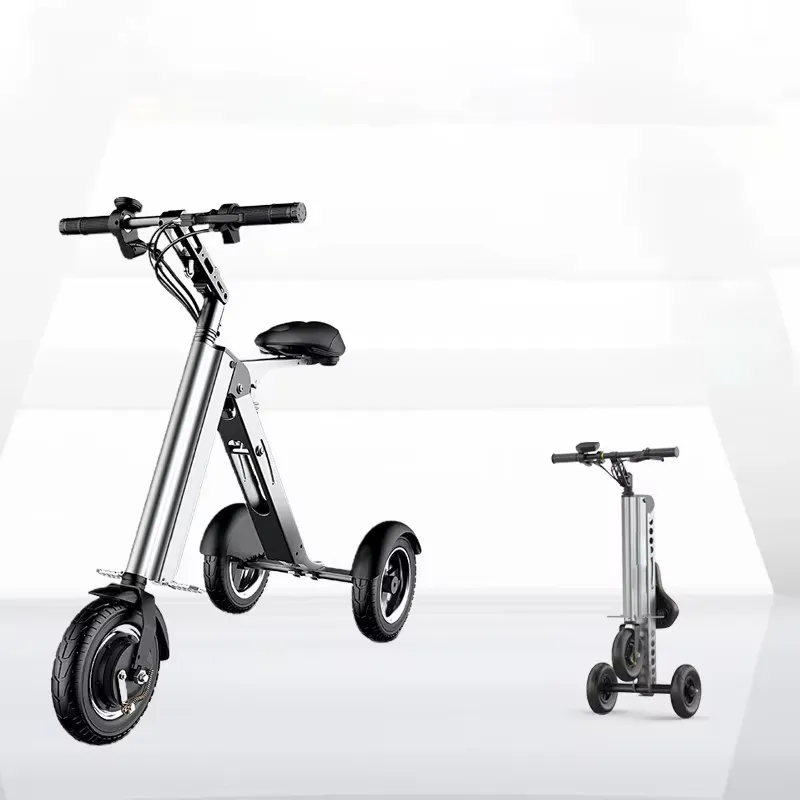
Request the portable mobility scooter's complete weight and the weight of each item handled separately under its approved method. Ask whether the quoted figure includes the battery, seat and accessories. Compare the same configuration when reviewing the available scooter models.
Can you identify the heaviest single lift?
Follow the parts. If the manual permits removal of a battery or seat, include that task in the trial. A smaller final lift may still involve several awkward handling steps.
- List each permitted removable component.
- Record its weight and gripping method.
- Include refitting and checking at the destination.
| Figure | Use in the trial |
|---|---|
| Complete weight | Understand the starting configuration |
| Heaviest separate item | Assess the largest single handling task |
Compare the full sequence as well as the largest item. Key Takeaway: You can explain the handling work behind a headline weight figure.
How do you measure for a portable mobility scooter?
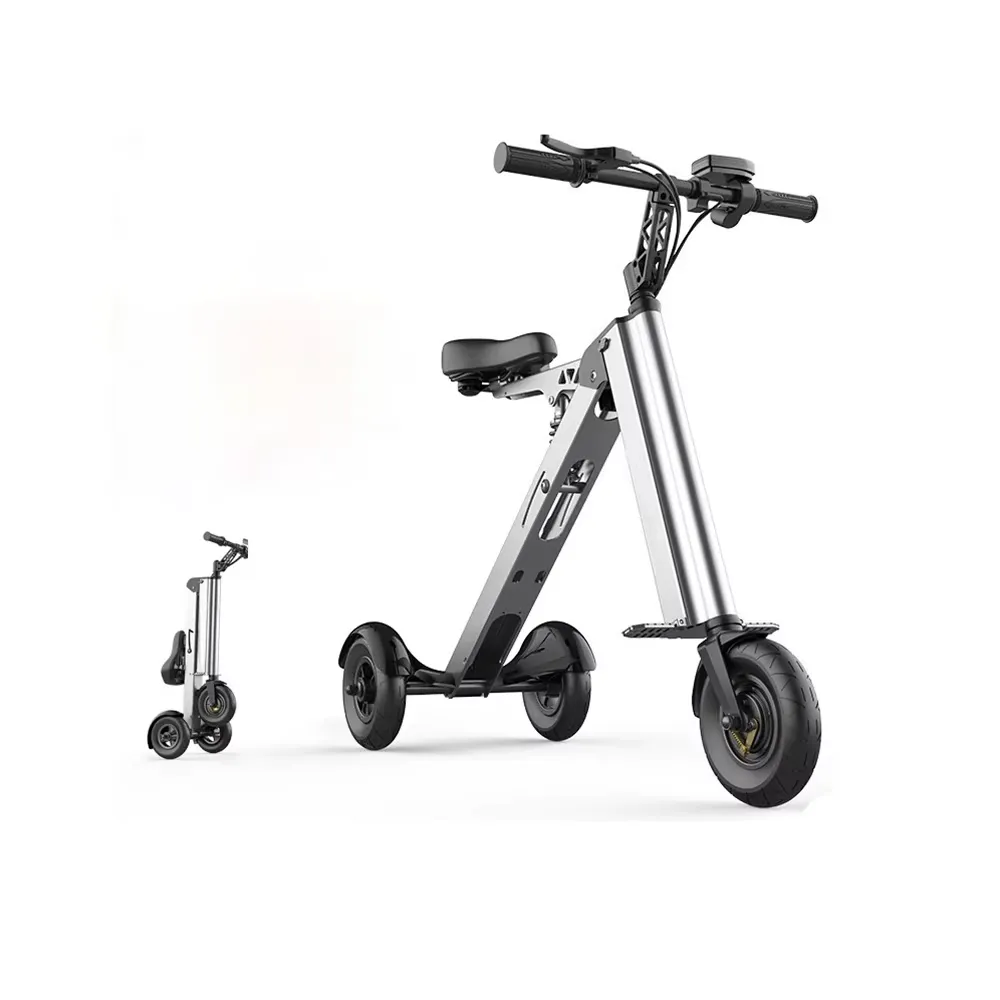
Measure the portable mobility scooter in its permitted transport position, then measure the boot opening and the space inside. Include the loading lip and any narrowing caused by trim. RiDC's guidance on travelling with a mobility scooter points buyers toward boot measurements and suitable loading aids.
Which measurement can stop the loading attempt?
Check the opening before the floor. A unit can fit the boot's floor area and still fail to pass through its entrance. Keep parcel shelves and rear-seat positions in the configuration the customer will use.
- Record clear opening width and height.
- Note the sill and any step down into the boot.
- Allow space for loose parts and ordinary luggage.
| Location | Record |
|---|---|
| Entrance | Narrowest clear width and height |
| Inside | Usable depth, floor area and obstructions |
Use a trial to confirm the route where the shape is awkward. Key Takeaway: A measurement sheet narrows your shortlist before you attempt handling.
Does a portable mobility scooter need to fold completely?
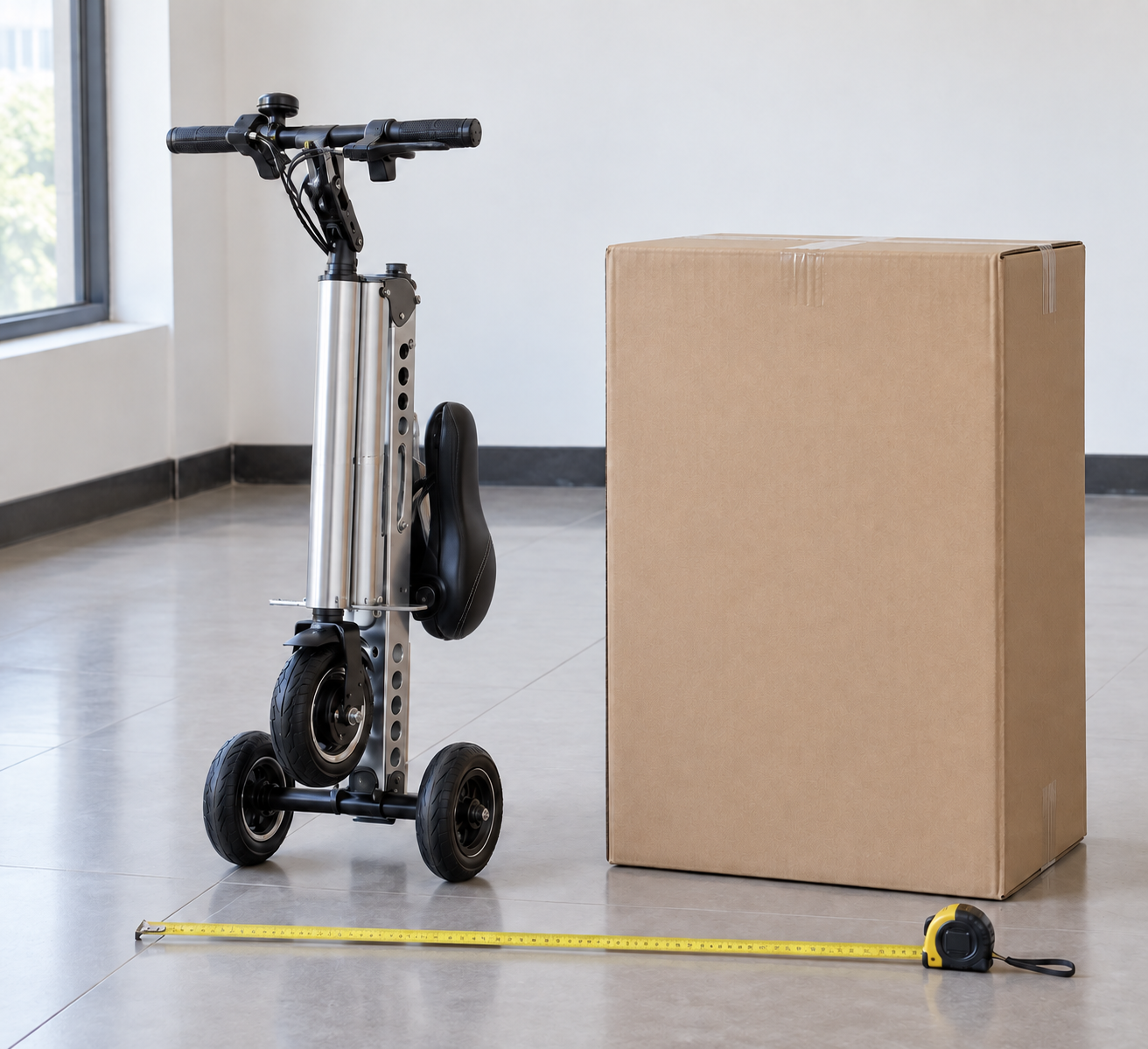
A portable mobility scooter only needs the configuration specified for the chosen loading method, which may involve folding, disassembly or a compatible lifting system. Do not improvise a partly folded position because it appears to fit. Ask for model-specific instructions through the product enquiry page.
What must happen before handling begins?
Prepare the unit first. Follow the prescribed power-off, folding and securing sequence while the scooter is empty. Keep any removable items in a planned place so the handler does not lose track of them.
- Confirm the permitted transport configuration.
- Check the relevant frame and folding locks.
- Protect controls and cables from contact during handling.
| Preparation | Evidence to retain |
|---|---|
| Folding or disassembly | Current model instructions |
| Lifting-system connection | Approved equipment and attachment details |
Write the configuration on the vehicle-fit record. Key Takeaway: Staff will know which version of the product actually passed the trial.
Where can you hold a portable mobility scooter?
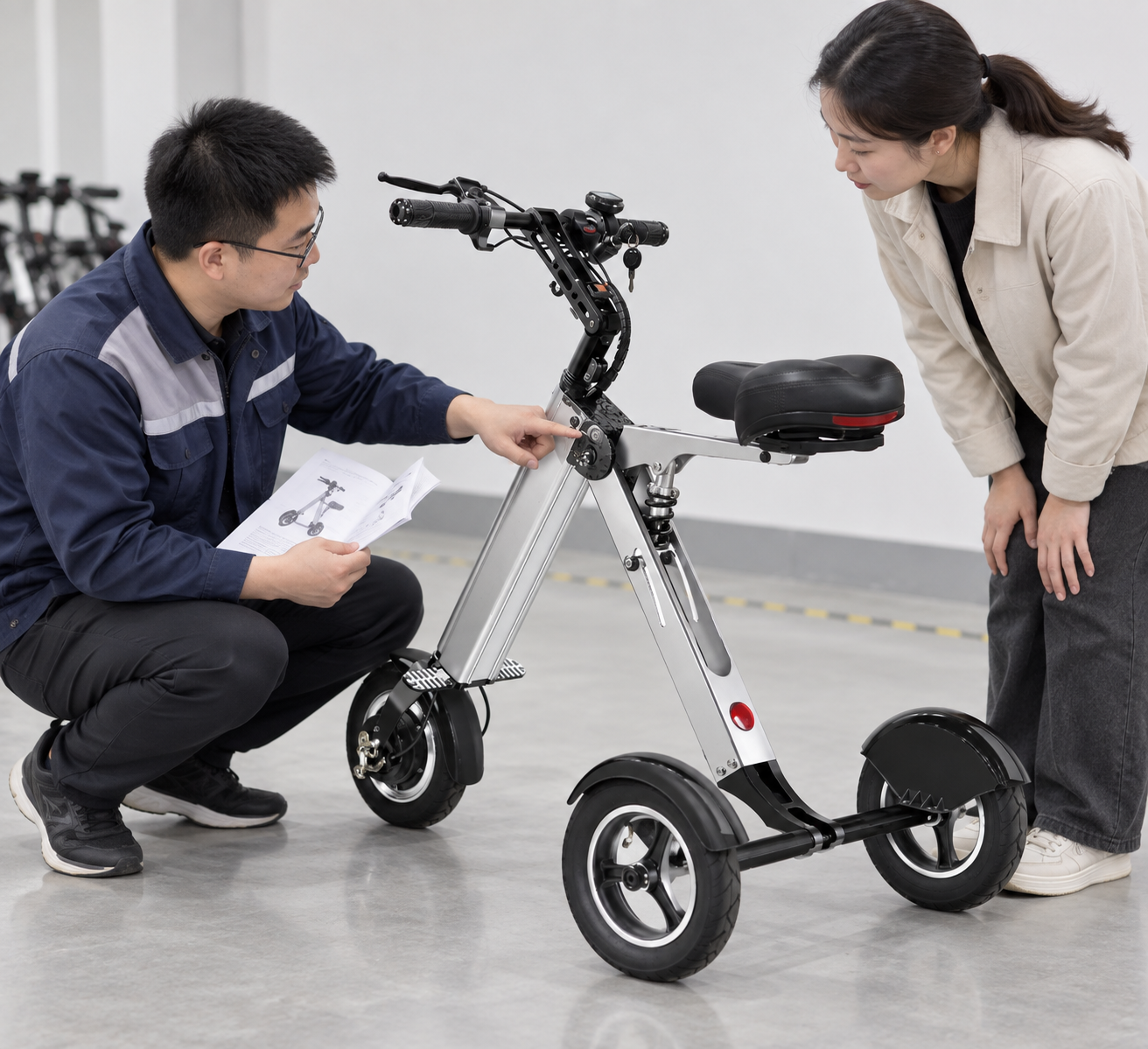
Hold a portable mobility scooter only at points approved for the handling method. A seat edge, handlebar or folding release may look convenient without being a lifting point. Ask the manufacturer to identify suitable points on the exact frame.
Can the handler reach those points throughout the task?
Check the reach as well as the grip. A secure start position can become awkward once the scooter crosses the boot lip. Stop if the movement cannot be carried out comfortably and under control, and review another method.
- Mark approved handling points in the instructions.
- Check space for hands around the boot opening.
- Keep fingers clear of moving joints and vehicle trim.
| Question | What to check |
|---|---|
| Where can it be held? | Manufacturer-approved frame points |
| Can the handler stay in control? | The entire movement, including the final placement |
An accessible grip at floor level is only the first part of the task. Key Takeaway: You can spot handling problems before they become a failed loading attempt.
When does a portable mobility scooter need a loading aid?
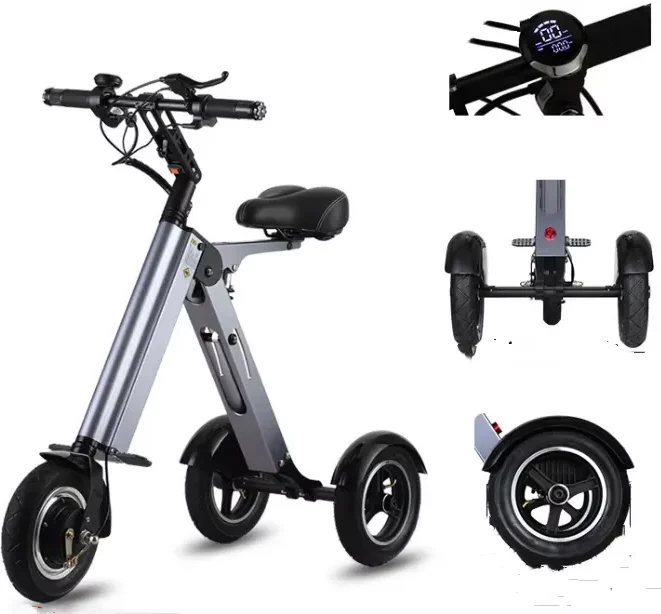
A portable mobility scooter needs a different loading method when manual handling is unsuitable for the person, device or vehicle. A qualified vehicle-adaptation provider can assess options such as a compatible hoist or ramp. Use the exact model details from your mobility equipment shortlist during that discussion.
What must a loading-aid supplier know?
Bring all three inputs. The supplier needs the scooter, the car and the user's handling needs, not just a product weight. Ask for an assessment of the combined setup rather than buying an accessory on dimensions alone.
- Provide the exact vehicle model and boot layout.
- Supply scooter dimensions, mass and permitted attachment points.
- Confirm who will operate and store the loading aid.
| Input | Reason |
|---|---|
| Vehicle layout | Determines space and installation constraints |
| Scooter configuration | Determines compatibility and handling requirements |
Check the full installed arrangement before making a promise to the customer. Key Takeaway: A loading aid should solve a verified problem in a specific setup.
How should a portable mobility scooter travel as cargo?
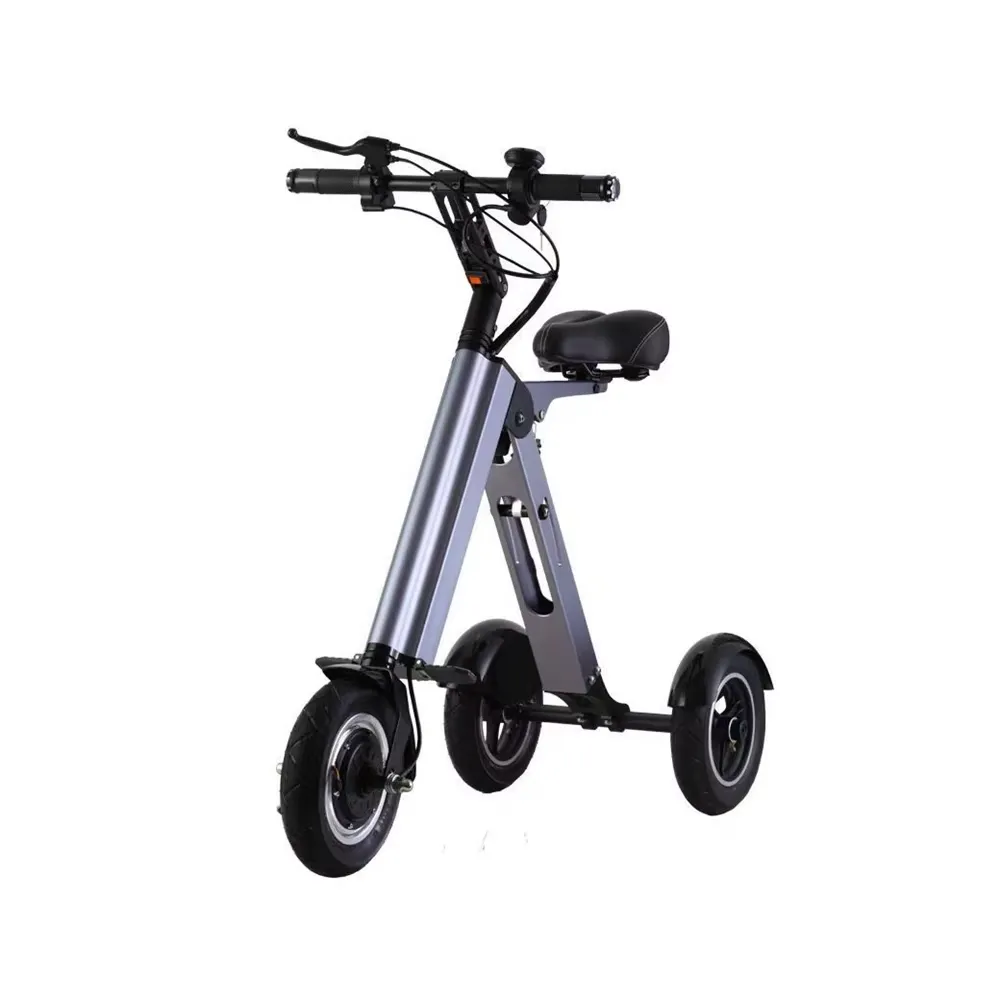
A portable mobility scooter carried in a car boot should be empty and secured using suitable instructions for the device and vehicle. Folded does not mean restrained. Keep loose batteries, chargers and accessories from moving around with the luggage.
What prevents movement after loading?
Plan the final position. Ask the equipment or vehicle specialist how the chosen setup should be restrained. Do not treat a folding latch, shopping hook or carry bag as a transport restraint unless expressly designed for that purpose.
- Confirm an approved resting orientation.
- Protect exposed controls and connectors.
- Secure separate items using an appropriate method.
| Item | Transport question |
|---|---|
| Scooter frame | Which position and restraint method are specified? |
| Loose components | How will each item stay protected and in place? |
Resolve this before calling the loading trial complete. Key Takeaway: Your handover covers the journey, not just getting the unit through the opening.
Can you unload the portable mobility scooter just as easily?
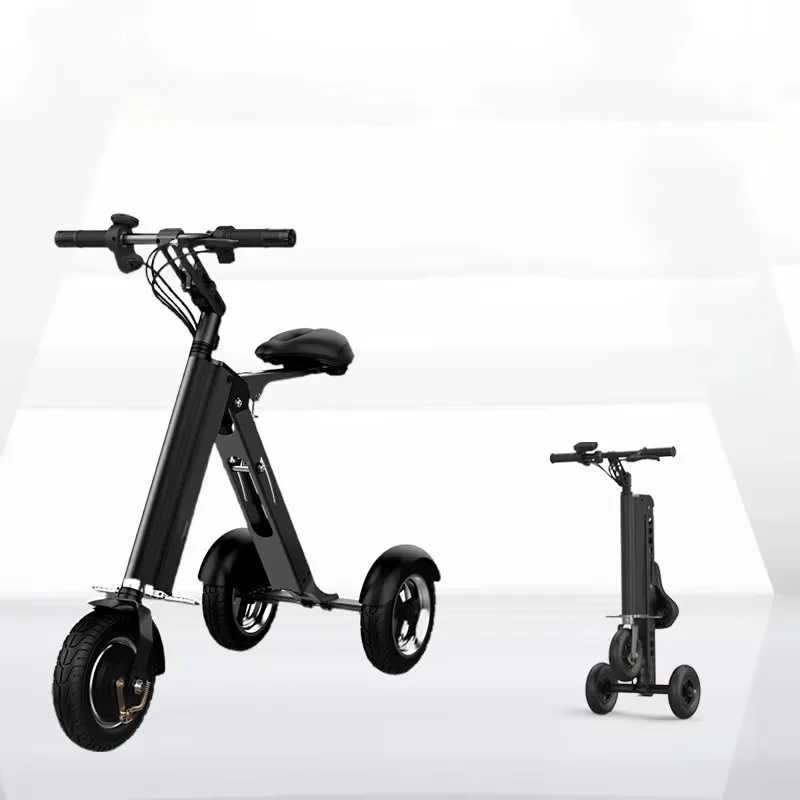
You can only judge a portable mobility scooter loading method after trying the return movement as well. Reaching into a boot to begin unloading may differ from placing the unit inside. Review the destination space and the handler's position before attempting the task.
What changes at the destination?
Reverse the whole sequence. Include removing restraints, handling loose parts and returning the scooter to its riding setup. Use a suitable level area and allow enough working space around the vehicle.
- Check that the approved grip remains reachable.
- Place removed parts where they will not be damaged.
- Complete the specified reassembly and pre-use checks.
| Stage | Trial observation |
|---|---|
| Initial unloading | Reach, clearance and control |
| Reopening | Correct assembly, locks and normal setup |
Record any point where help was needed unexpectedly. Key Takeaway: You can avoid approving a one-way loading solution.
What should a portable mobility scooter trial record contain?
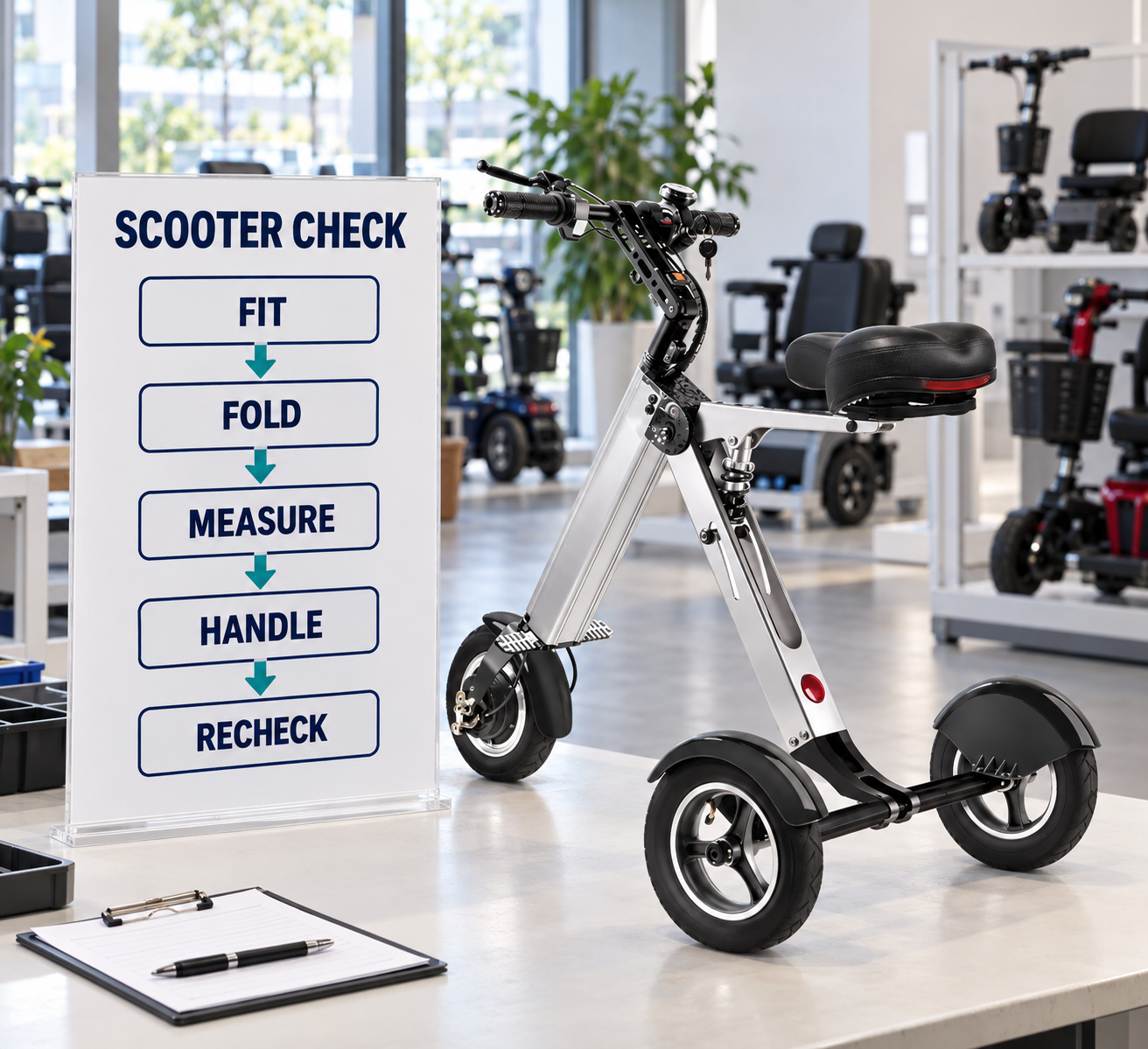
A portable mobility scooter trial record should identify the vehicle, product configuration, handler and loading method. Add photographs of the final position and any approved equipment. Keep limitations beside the result so another dealer does not apply it to a different car.
Could another staff member repeat the setup?
Make the record usable. State what was tried, what worked and what still needs an answer. Avoid a bare tick next to “fits the boot” when several conditions were required.
- Record the car model and rear-seat position.
- Identify the scooter and fitted accessories.
- Note the permitted method and unresolved points.
| Result | Useful wording |
|---|---|
| Fit confirmed | State the exact tested configuration |
| Further assessment needed | Name the handling or compatibility question |
A conditional result is more useful than an overconfident promise. Key Takeaway: Your team can repeat the advice without losing the details that made it work.
How can you order a portable mobility scooter with less doubt?
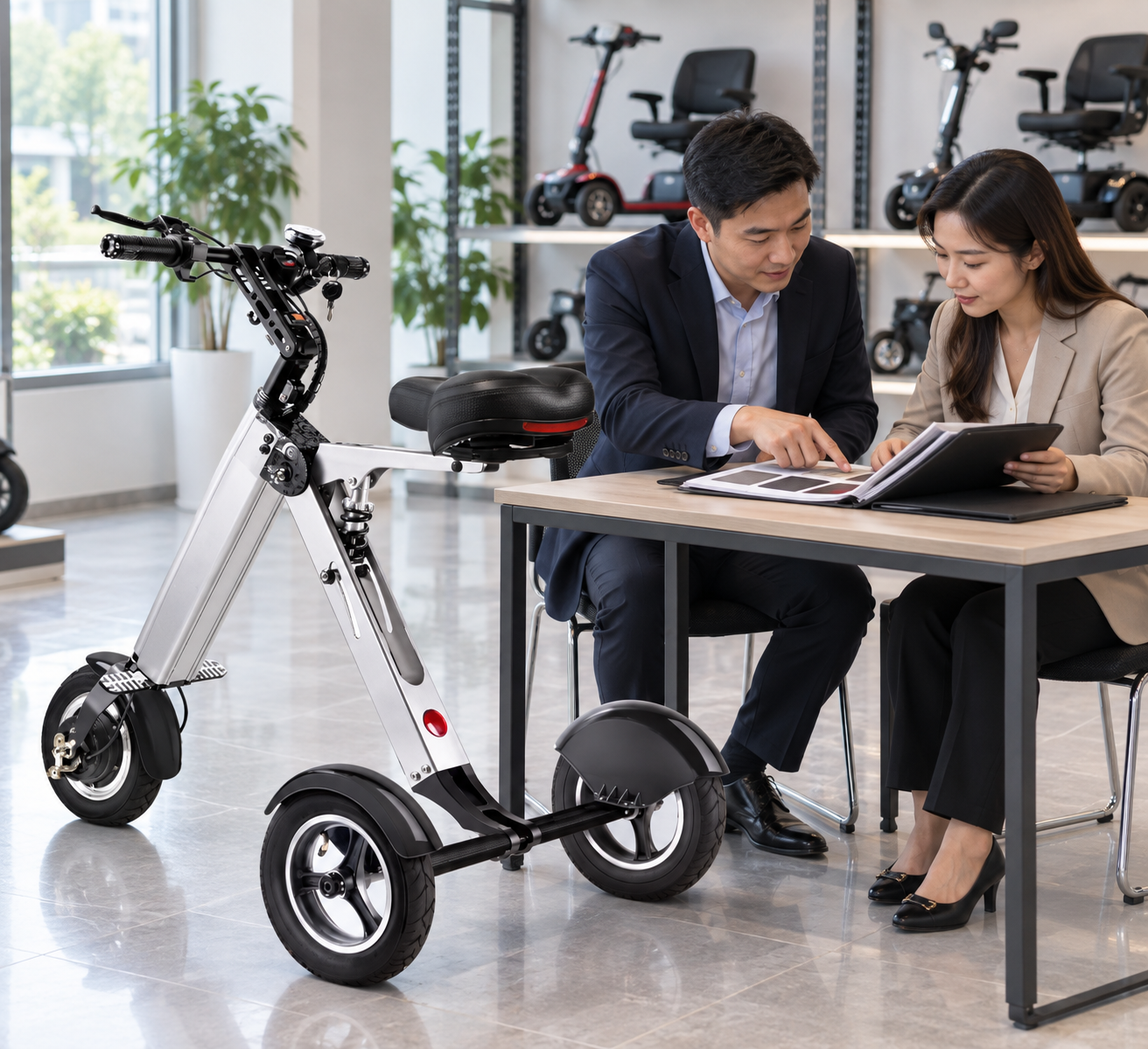
Order a portable mobility scooter after the fit, handling method and transport instructions have been reviewed together. Send the measured vehicle brief with your enquiry. Ask the supplier to tie its reply to the model and configuration you intend to buy.
Ready to build a vehicle-specific shortlist?
Send the awkward details too. A high boot lip, limited reach or need for a hoist changes the enquiry. Ary Medical can help you compare product options when those constraints are clear.
- Include the measured opening and storage space.
- State the normal handler and proposed loading method.
- Request current dimensions, handling instructions and component weights.
| You provide | Ask the supplier to return |
|---|---|
| Vehicle and handling brief | Relevant model information for review |
| Gaps from the trial | Written answers or a further assessment requirement |
Use the response to settle the fit, lifting and return-trip questions before ordering. Key Takeaway: For a shortlist based on your actual loading needs, contact us. We believe portability should describe a journey the customer can repeat.
Frequently asked questions
Q1: Can I choose a scooter using my car's boot capacity in litres?
No. Capacity does not describe the opening, loading lip or usable shape, so collect dimensions and arrange an appropriate trial.
Q2: What's the best scooter weight for lifting into a car?
There is no single figure for every handler. Review the weight, shape, approved grip points and complete movement with suitable assistance or assessment.
Q3: Can I remove the battery to make loading easier?
Only if the model permits it. Follow the removal, protection and refitting instructions, and check the weight of the item that remains.
Q4: How do I know if I need a hoist?
Arrange an assessment if manual loading is unsuitable. A vehicle-adaptation specialist can review the car, scooter and handler together.
Q5: Can I assume a folded scooter is secure in the boot?
No. Folding and cargo restraint serve different purposes, so obtain a suitable transport method for the device and vehicle.