
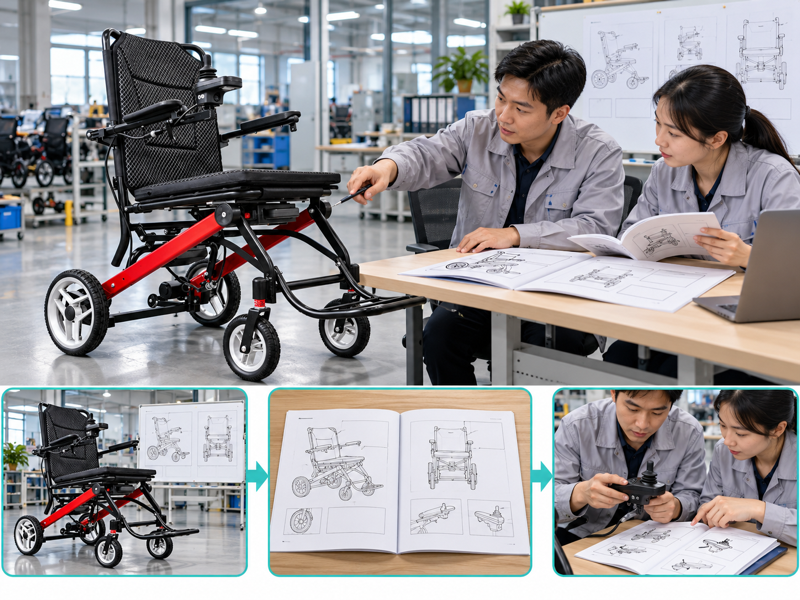
Plan power chair manual translation with an approved source manual, a shared glossary and both language and technical review. A distributor may receive fluent instructions whose control names no longer match the supplied chair. That mismatch creates questions during delivery and service. A versioned review process helps you catch meaning, diagram and layout errors before the manuals reach customers.
How should you plan power chair manual translation?
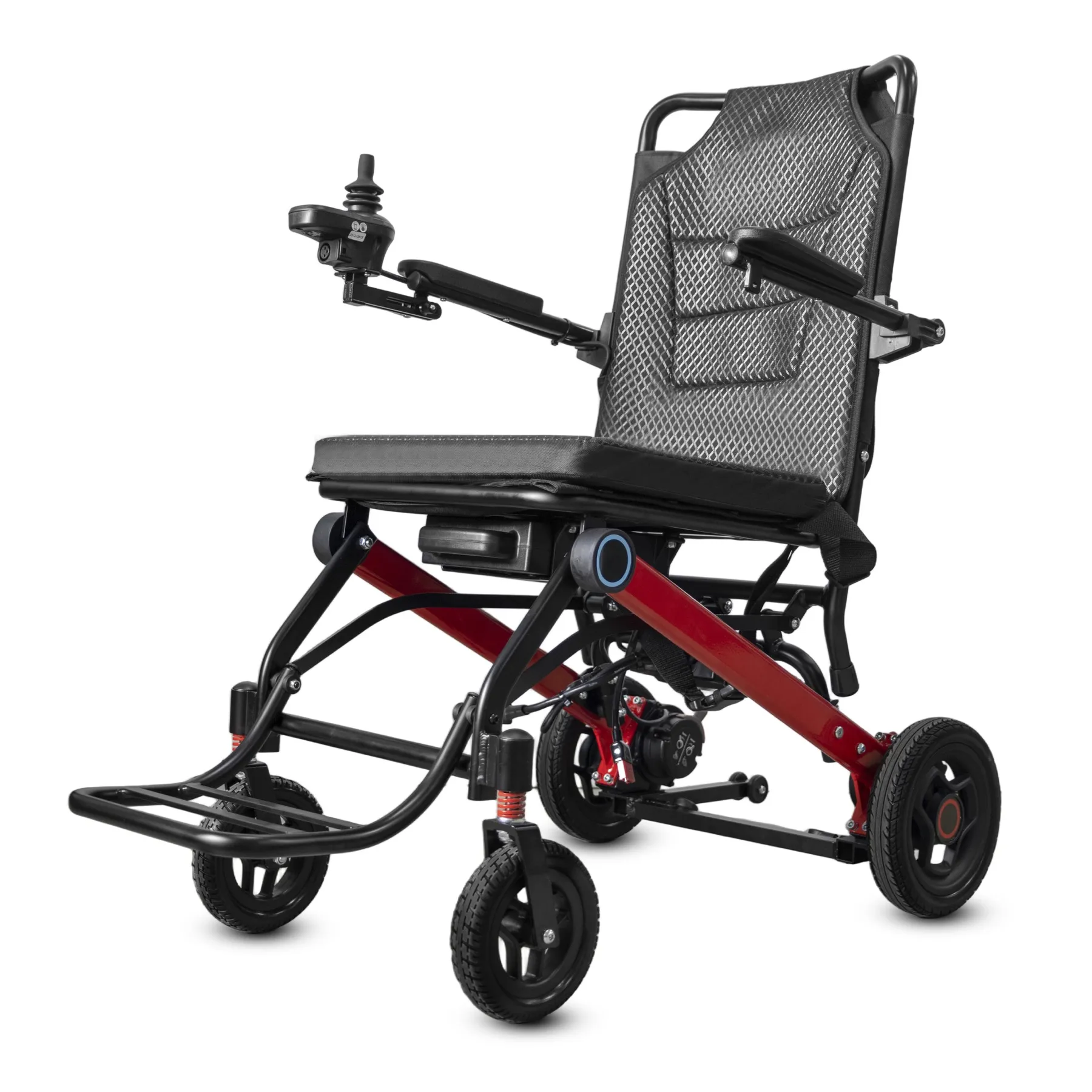
Plan power chair manual translation from the current instructions for the exact model. If the source manual is outdated, fluent translation will preserve the wrong details.
Confirm the source manual
Start with an approved source. Confirm which language version controls technical meaning. Use both language and product reviewers because each checks a different kind of error.
- Name the source version
- Name target languages
- Assign technical review
| Check | What to keep |
|---|---|
| Name the source version | Approved manual file |
| Name target languages | Market brief |
| Assign technical review | Named product reviewer |
Key Takeaway: You can prevent an outdated source from spreading across every translated manual.
What should a translation brief include?
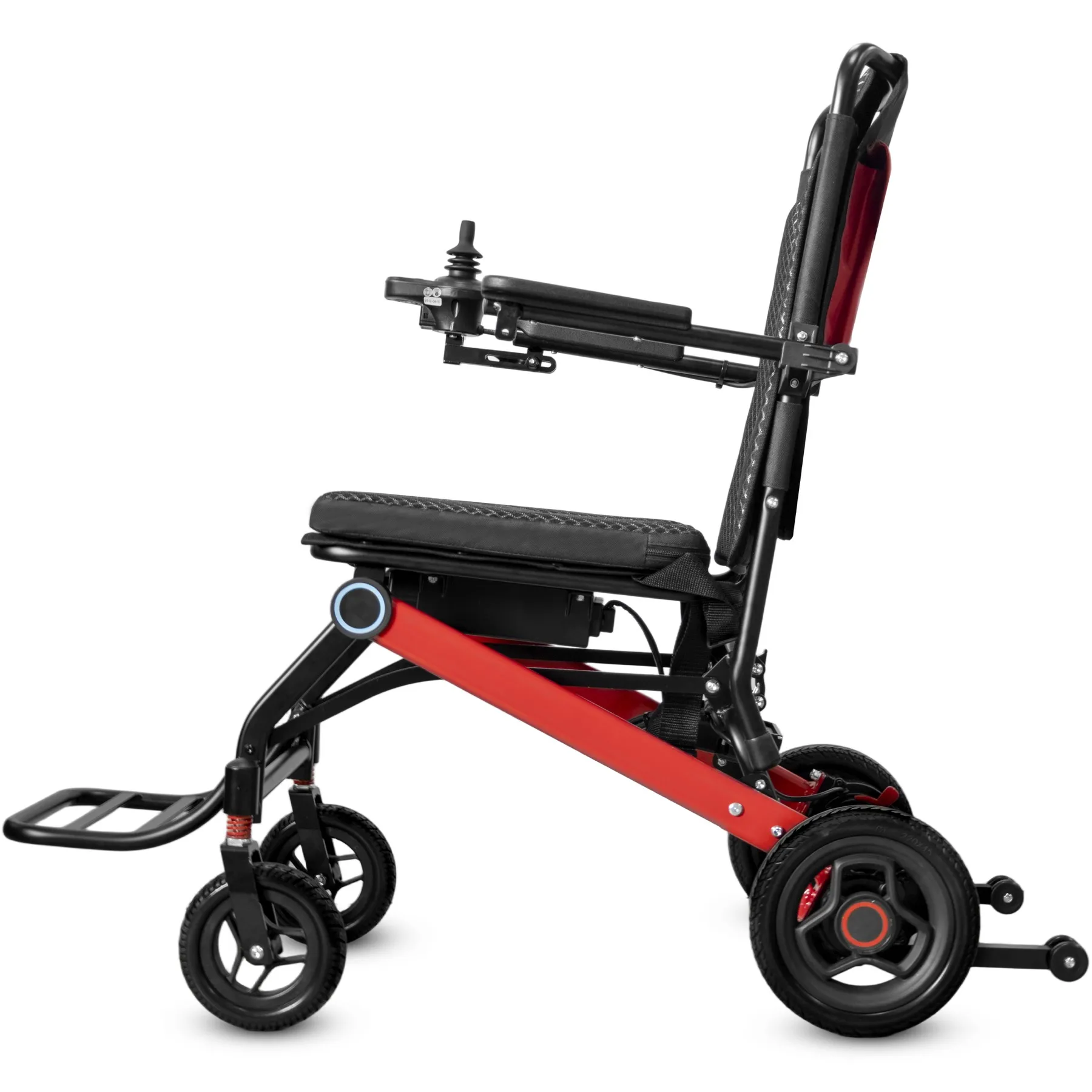
A power chair manual translation brief should include the model, intended readers, source manual and control names. Product photos help explain terms that otherwise look similar.
Give translators product context
Give the translator product context. If the same term describes different parts, agree a glossary. Keep file names clear so reviewers do not mix instructions from nearby models. Keep the approved instruction set as your source text.
- Provide model photos
- Agree control terminology
- Name the reader group
| Check | What to keep |
|---|---|
| Provide model photos | Approved reference set |
| Agree control terminology | Bilingual glossary |
| Name the reader group | Translation brief |
Key Takeaway: A focused brief reduces avoidable ambiguity before anyone starts editing sentences.
How should power chair manual translation preserve warnings?
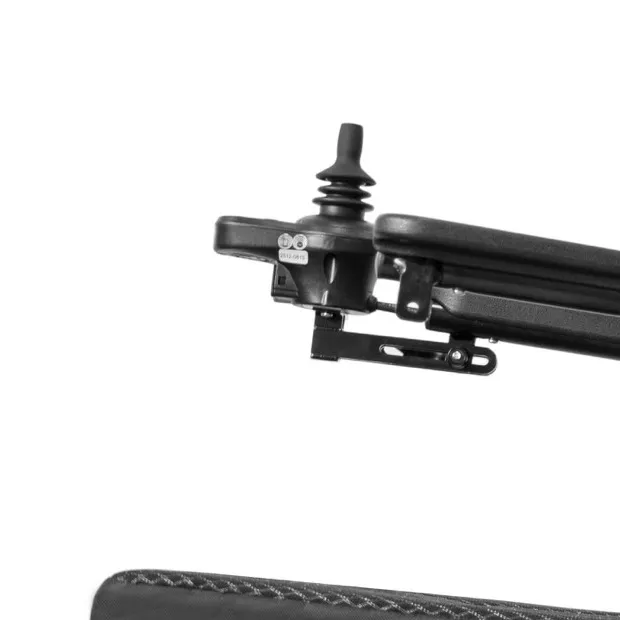
During power chair manual translation, preserve each warning's meaning, conditions and place in the instructions. A shorter phrase may omit who should act or when an action is unsafe.
Keep warning meaning
Preserve their full meaning. Ask the technical reviewer about any unclear source wording. Do not soften warnings merely because a translated line is longer than the original.
- Keep warning conditions
- Resolve unclear wording
- Check warning placement
| Check | What to keep |
|---|---|
| Keep warning conditions | Source-to-target comparison |
| Resolve unclear wording | Technical queries |
| Check warning placement | Layout review |
Key Takeaway: You can improve readability without removing details that changes the instruction's meaning.
Why do diagrams need a separate review?
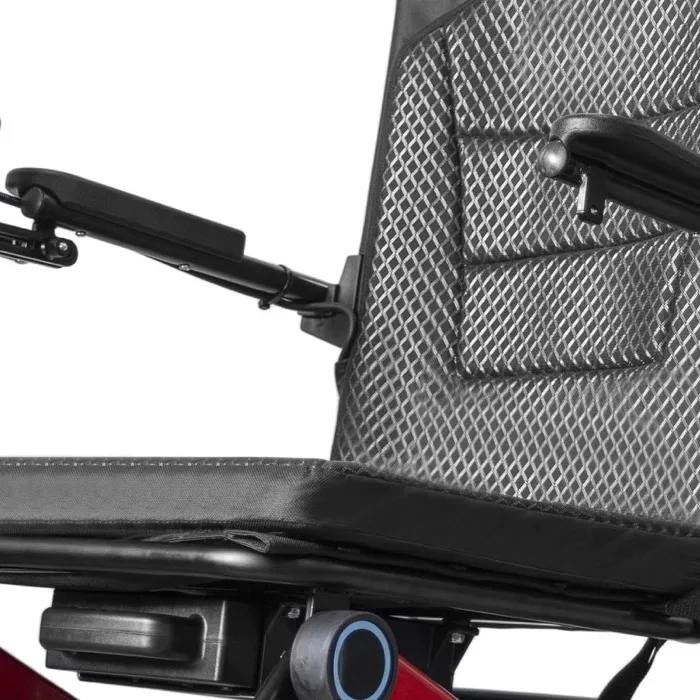
A power chair manual translation review must check diagrams because translated labels can point to the wrong part. A correct sentence does not fix a misplaced arrow or swapped callout.
Check diagram callouts
Read the labels with the picture. Match every label with the pictured version. If an image is revised, review its captions and nearby steps together.
- Match labels and parts
- Confirm image version
- Review nearby instructions
| Check | What to keep |
|---|---|
| Match labels and parts | Diagram checklist |
| Confirm image version | Product illustration reference |
| Review nearby instructions | Page-level comparison |
Key Takeaway: The finished page explains the same physical controls in both words and pictures.
How should power chair manual translation name controls?
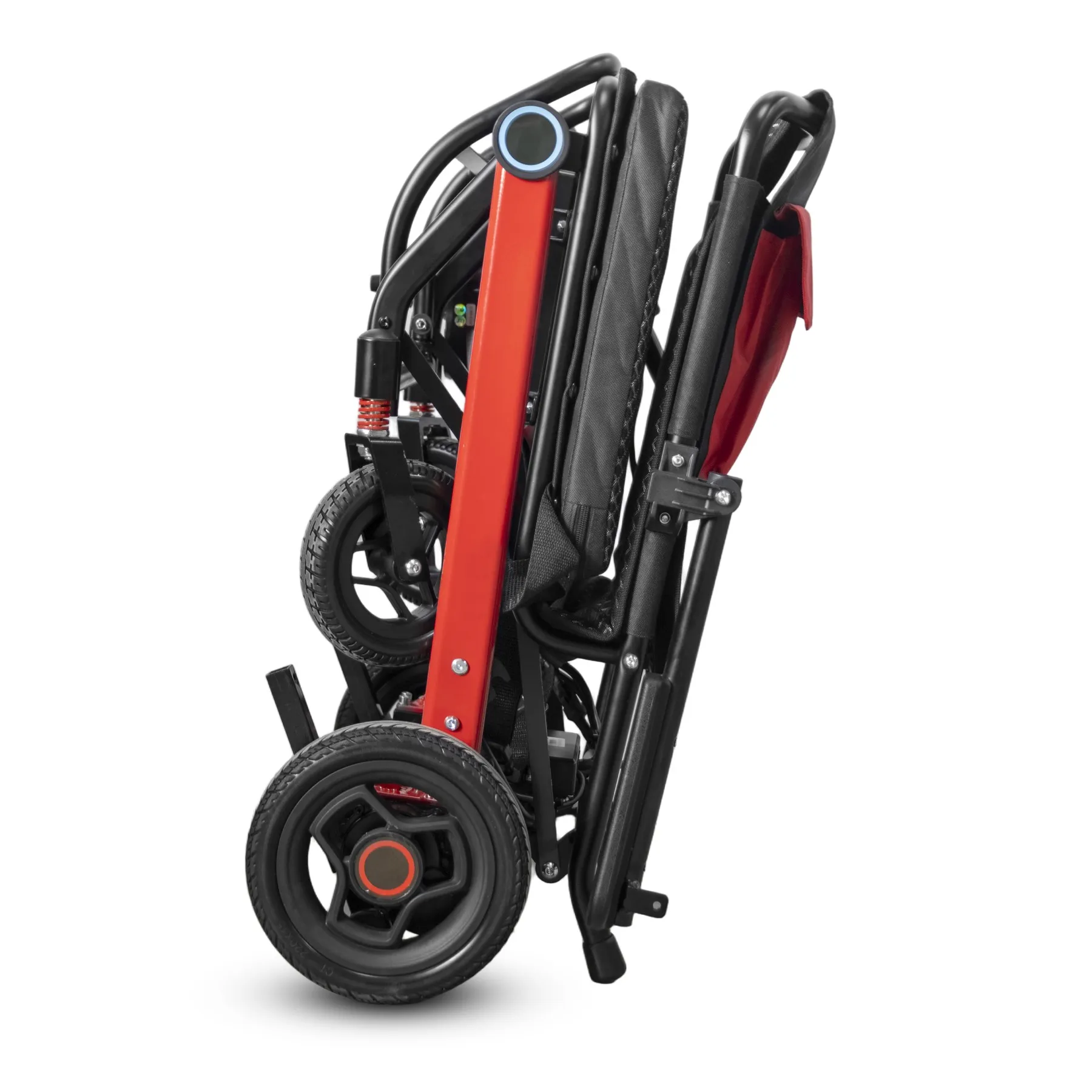
For power chair manual translation, compare translated control names with the supplied chair and its labels. Keep one consistent term when it refers to the same function.
Match control names with the chair
Compare the manual with the chair. Ask trained staff to review likely points of confusion. If a symbol has no text on the chair, keep its image clear in the manual. Check translated terms against the handover checklist.
- Match names to controls
- Review symbols clearly
- Check handover language
| Check | What to keep |
|---|---|
| Match names to controls | Terminology sheet |
| Review symbols clearly | Symbol reference |
| Check handover language | Staff review notes |
Key Takeaway: Users and staff can discuss a control without switching between conflicting names.
Can tools finish power chair manual translation without review?
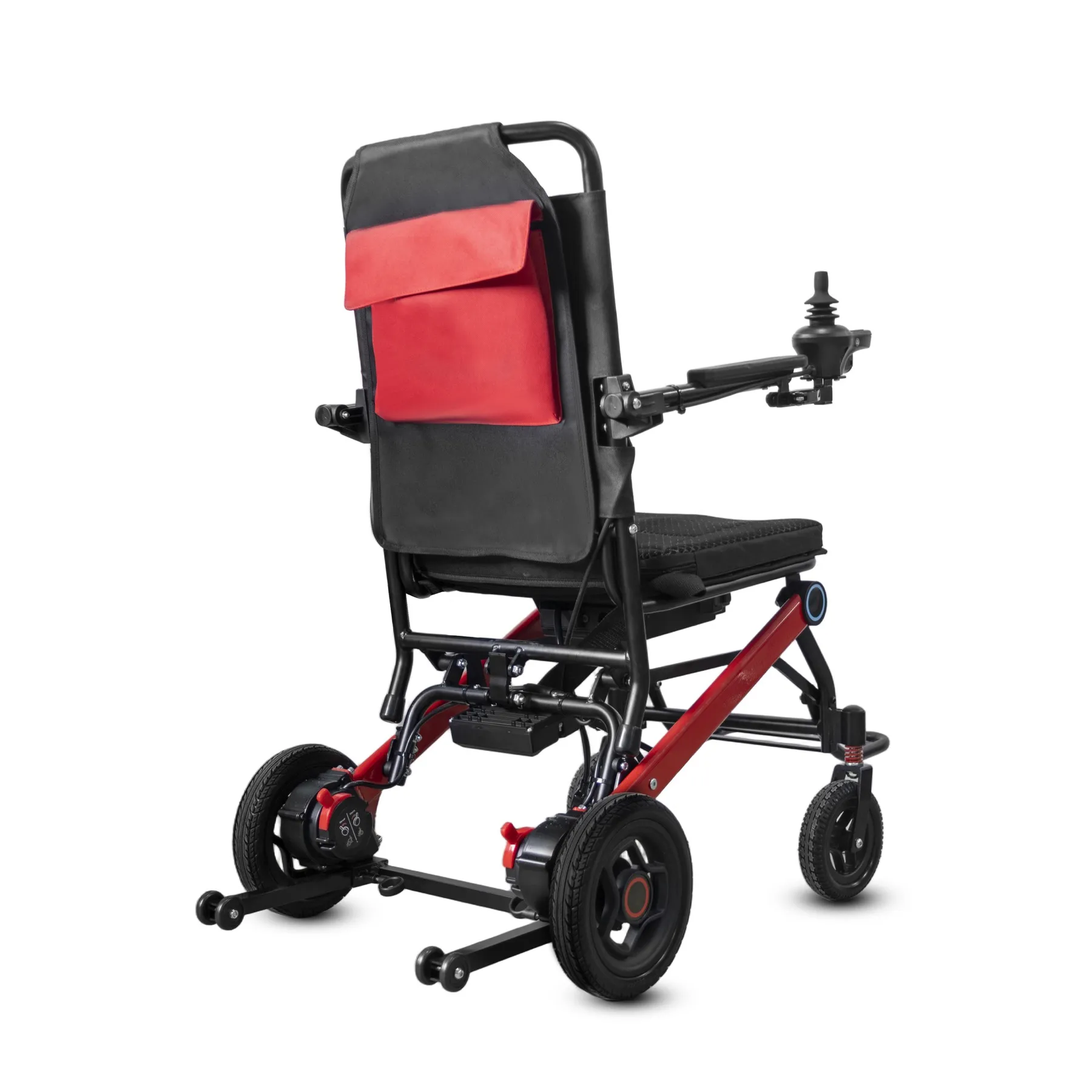
Automatic tools may help with power chair manual translation, but their output needs language and technical review. They can miss context, negation or model-specific terms.
Review automatic drafts carefully
Keep human review in the process. Use them only within your approved document process. If a sentence remains uncertain, send a precise question to the source owner instead of guessing.
- Review technical meaning
- Check fluent plain language
- Resolve uncertain passages
| Check | What to keep |
|---|---|
| Review technical meaning | Product reviewer notes |
| Check fluent plain language | Language reviewer notes |
| Resolve uncertain passages | Source-owner replies |
Key Takeaway: You can use drafting tools without treating their output as a finished instruction set.
What layout problems should you check?
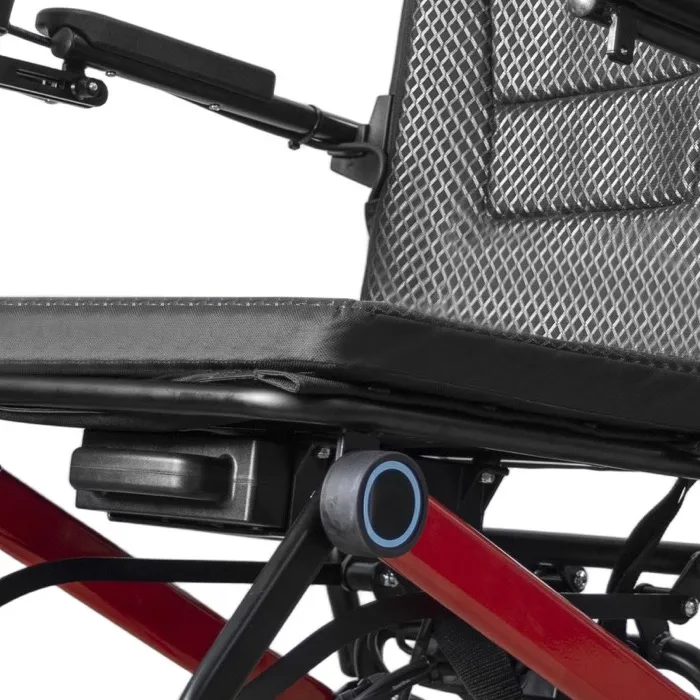
Check power chair manual translation after layout because longer text may push a warning away from its diagram. Cropped labels and broken page references can survive a text-only review.
Inspect the final layout
Inspect the final pages. Review the actual release file on screen and in the intended print format. If page numbers change, check references and contents links again.
- Inspect warning visibility
- Check diagrams and captions
- Verify page references
| Check | What to keep |
|---|---|
| Inspect warning visibility | Rendered-page review |
| Check diagrams and captions | Final layout proof |
| Verify page references | Navigation check |
Key Takeaway: A readable translation still needs a usable final layout before release.
How should power chair manual translation handle local rules?
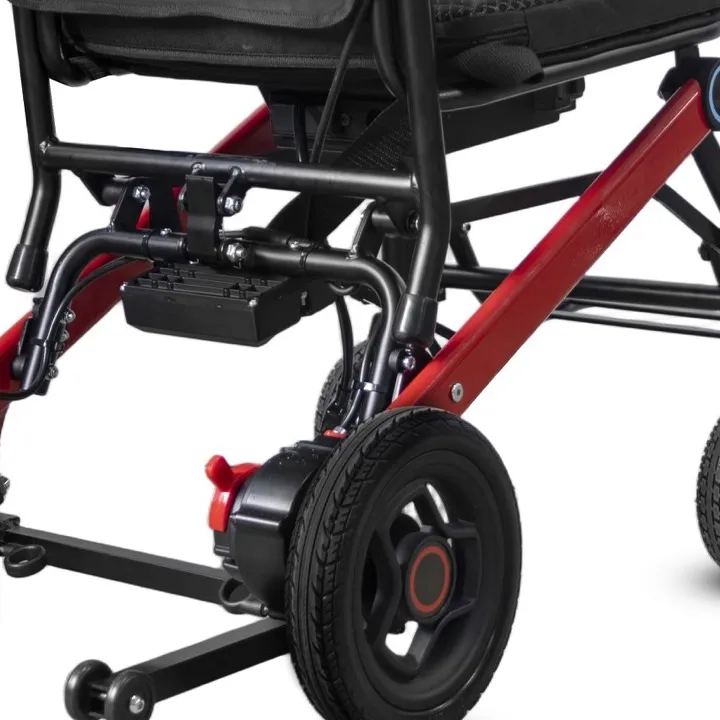
For power chair manual translation, confirm applicable market and language needs through a qualified reviewer. A translated manual alone does not establish permission to sell a device.
Assign market-specific review
Keep legal checks with the right reviewer. State the destination market in the brief. If several markets share a language, do not assume all their labeling needs are identical. Match labels with the identified parts list.
- Name destination markets
- Assign regulatory review
- Keep approval evidence
| Check | What to keep |
|---|---|
| Name destination markets | Sales scope |
| Assign regulatory review | Qualified reviewer |
| Keep approval evidence | Market-specific record |
Key Takeaway: You can separate language quality from the broader needs for placing a product on the market.
How do you control later revisions?
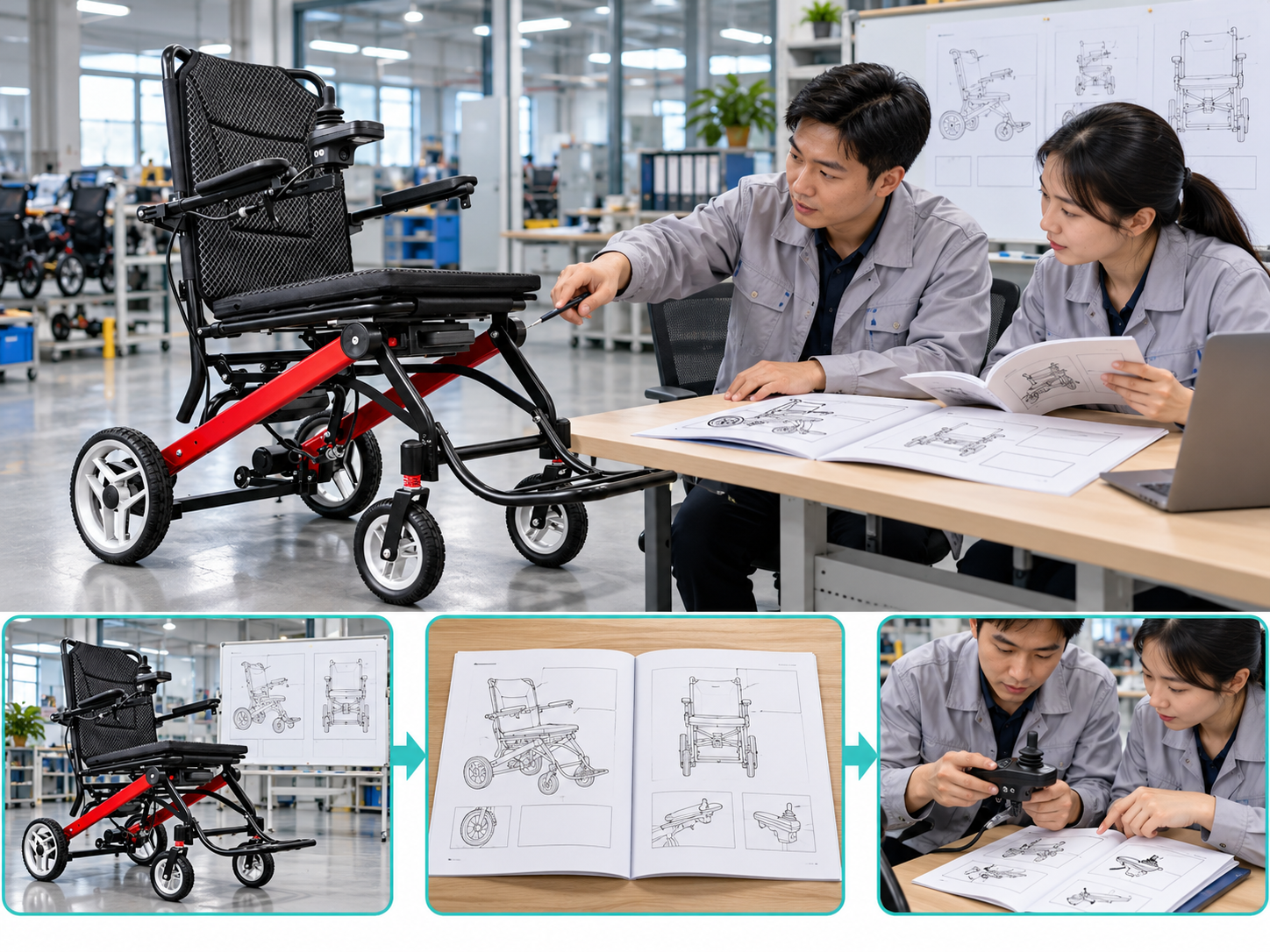
Manage power chair manual translation revisions with a shared source version and a record of affected passages. Otherwise one language can describe a newer control or accessory than another.
Control linked language versions
Update linked versions together. Keep superseded files out of current print folders. When a product changes, review the affected language versions before using remaining stock of manuals. MHRA device-management guidance provides broader purchasing and equipment-management context.
- Record the source revision
- Map affected languages
- Separate old print files
| Check | What to keep |
|---|---|
| Record the source revision | Version register |
| Map affected languages | Update schedule |
| Separate old print files | Controlled archive |
Key Takeaway: Your team can name which instructions belong with a revised product batch.
What belongs in a power chair manual translation brief?
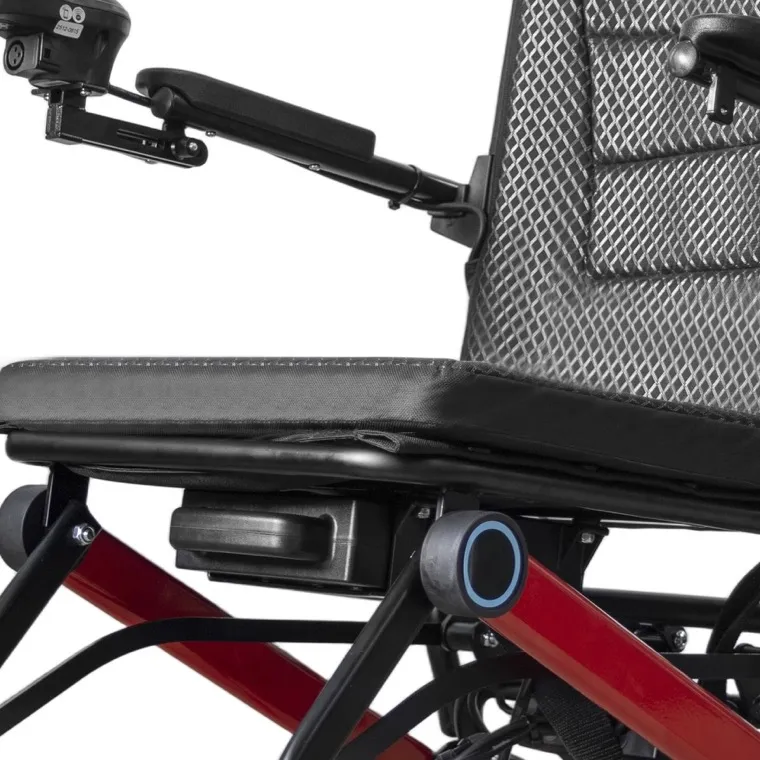
Request power chair manual translation support with the exact model, source version and target markets. List unclear terms or missing diagrams before commissioning final layout.
Prepare the translation brief
Close the source questions early. Agree who will review technical meaning and who will release the files. Keep the approved translation tied to the chair version supplied.
- Confirm the source owner
- List unresolved passages
- Approve final versions
| Check | What to keep |
|---|---|
| Confirm the source owner | Document role |
| List unresolved passages | Query sheet |
| Approve final versions | Release record |
Key Takeaway: You can coordinate source text, technical review and final files without losing model identity. Contact us with your model and order brief so we can discuss the required product information. AryMD supports wheelchair buying decisions built on clear, model-specific facts.
Frequently asked questions
Q1: Can I translate an older manual for a new model?
No. Confirm that the source matches the supplied version before translation begins.
Q2: What's the best way to keep control names consistent?
Use an approved glossary. Compare its terms with the chair, labels and diagrams.
Q3: How do I know if a translation is ready?
Require language, technical and final-layout reviews. A fluent draft alone does not establish readiness.
Q4: Can automatic translation replace product review?
No. Product-specific meaning and warnings still need qualified review.
Q5: Can one language file cover several countries?
That needs market-specific checking. Shared language does not establish identical labeling or regulatory needs.