
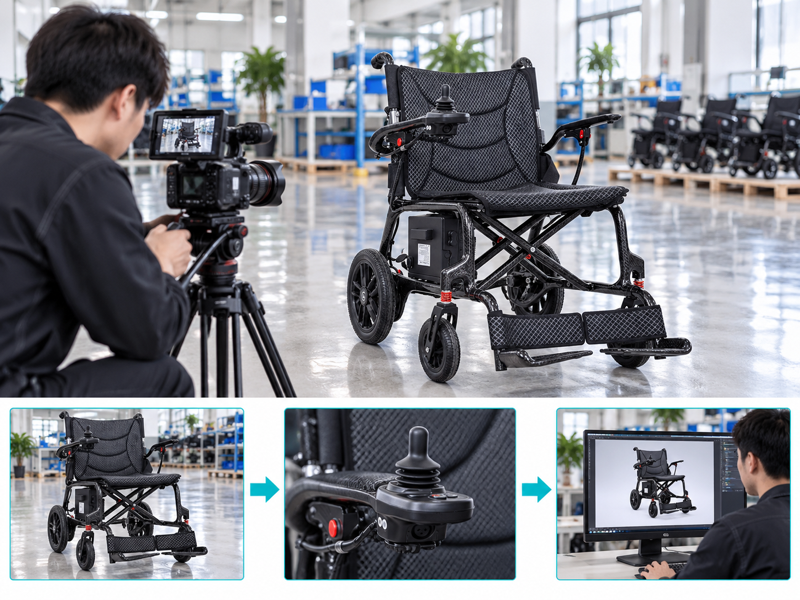
Plan an electric wheelchair video by naming the exact model and the buyer question each clip must answer. A supplier may send an impressive driving film while your team still cannot see how the quoted chair folds. Another round of filming then delays the review. A focused shot list helps you request useful evidence and keep marketing footage separate from formal test results.
How should you plan an electric wheelchair video?
Plan an electric wheelchair video around exact buyer questions because one long sales film often leaves key details unclear. Name the exact chair and the view you need.
Set a purpose for each clip
Set one job for each clip. If the buyer wants to see folding, request a separate clip of that model. Keep sales footage separate from test evidence so neither is mistaken for the other.
- Name the chair version
- List questions to answer
- Separate tests from sales clips
| Check | What to keep |
|---|---|
| Name the chair version | Filming brief |
| List questions to answer | Buyer request sheet |
| Separate tests from sales clips | File labels |
Key Takeaway: You can review each clip against a clear purpose instead of its production value.
Which product details should appear on camera?
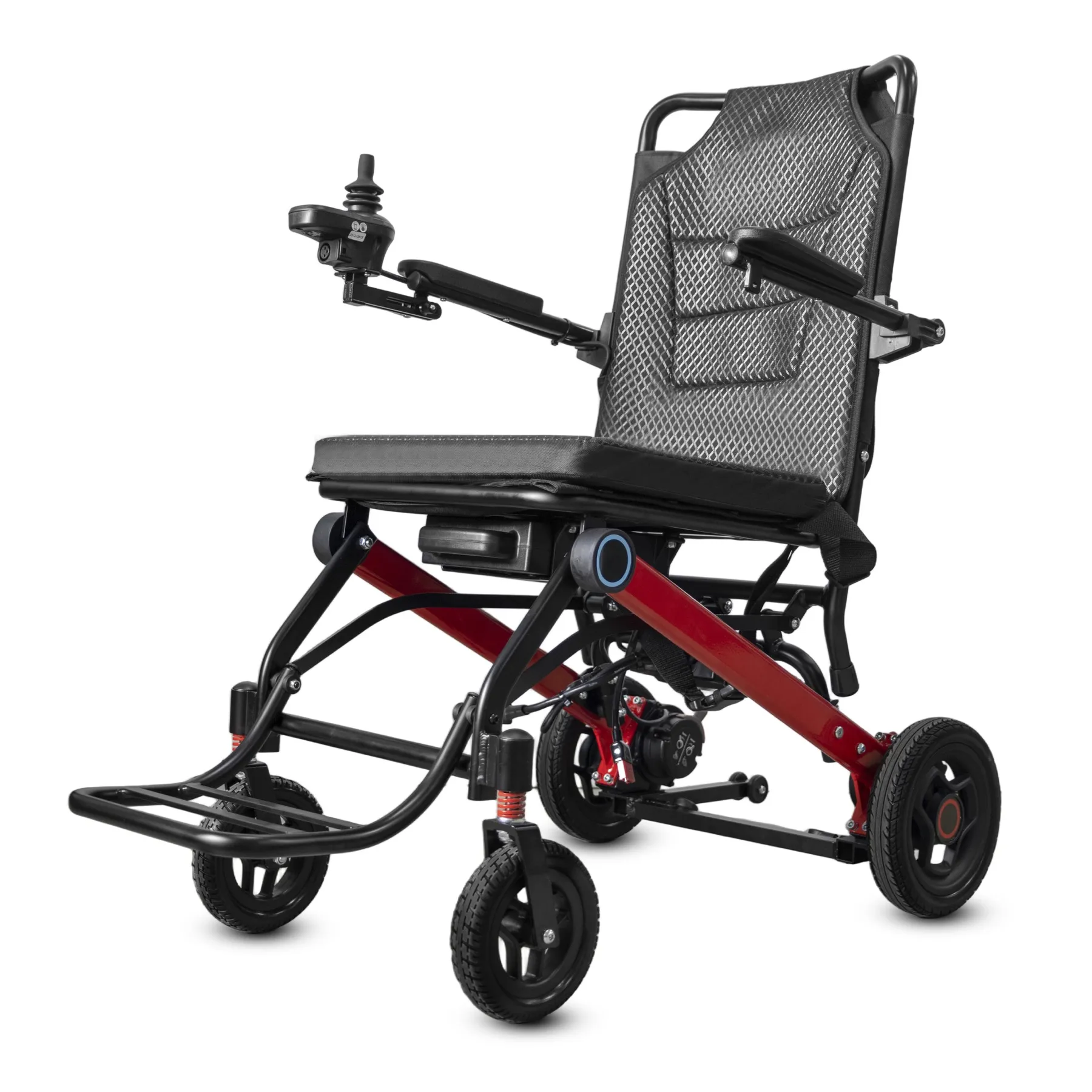
An electric wheelchair video should show enough of the whole chair to name the frame, seat and controls. Close views help only when their location is clear.
Show the complete setup
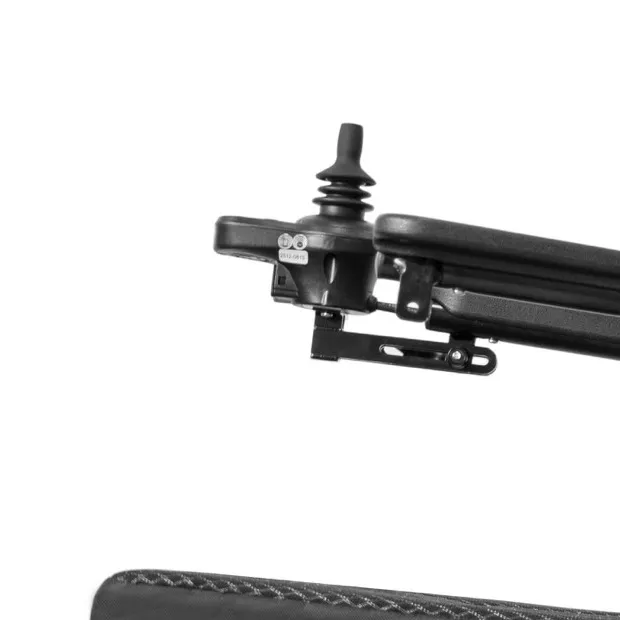
Keep the model clear. Show a wide view before a detail shot so viewers can place the part. If accessories differ from the offer, name them in the accompanying notes. Match the joystick layout with your filming brief.
- Show the complete chair
- Place details in context
- Name fitted accessories
| Check | What to keep |
|---|---|
| Show the complete chair | Opening product view |
| Place details in context | Wide and close view pair |
| Name fitted accessories | Video setup record |
Key Takeaway: You avoid receiving polished detail shots that cannot be linked to the quoted model.
How long should an electric wheelchair video be?
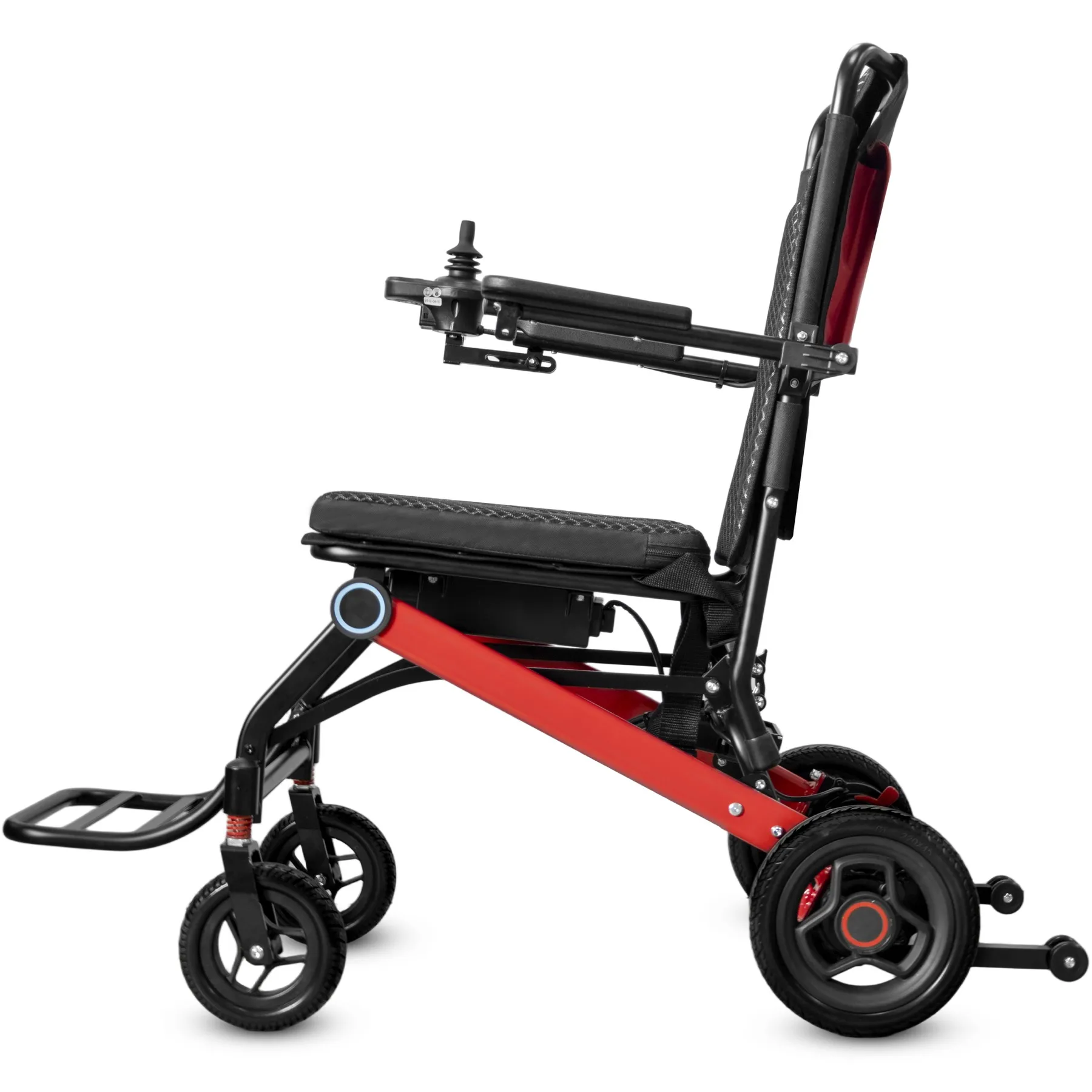
An electric wheelchair video should last long enough to answer its stated question without hiding relevant steps. There is no useful universal duration for every product task.
Keep the required sequence
Match length with the task. If a task needs context, keep it visible. Short clips are easier to review when each addresses a single question and retains the relevant sequence.
- Define one question
- Keep relevant steps visible
- Avoid unnecessary repetition
| Check | What to keep |
|---|---|
| Define one question | Clip request |
| Keep relevant steps visible | Sequence notes |
| Avoid unnecessary repetition | Editing brief |
Key Takeaway: Purpose sets the length more reliably than an arbitrary target for video duration.
Can edited footage prove performance?
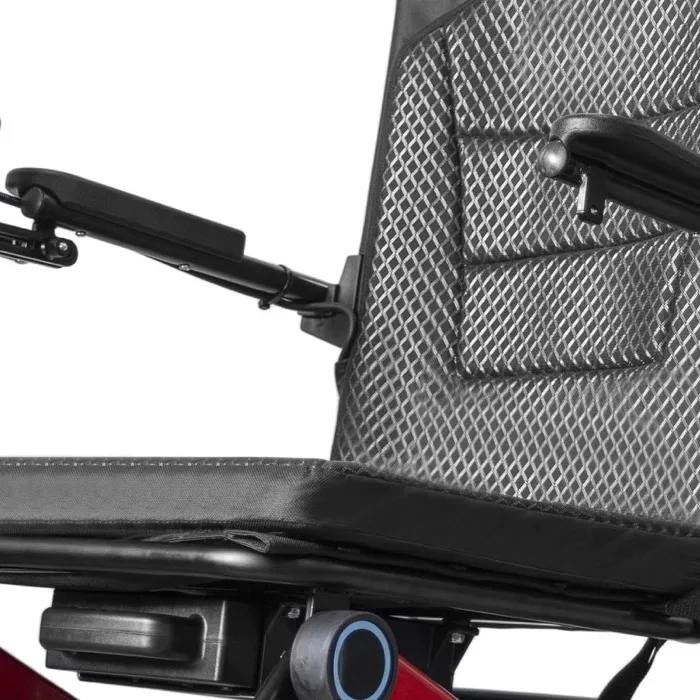
No, an electric wheelchair video does not prove performance simply because it shows a chair moving. Conditions, setup and a written method determine what a test result can support.
Separate footage from test evidence
Keep the evidence types separate. Ask for the underlying report if a claim depends on testing. Edited sales footage may explain a feature but cannot replace missing evidence.
- Name each performance claim
- Request its supporting report
- Record filming conditions
| Check | What to keep |
|---|---|
| Name each performance claim | Claim list |
| Request its supporting report | Evidence reference |
| Record filming conditions | Scene notes |
Key Takeaway: You can use video for explanation while checking stronger claims through the proper evidence.
What should an electric wheelchair video show when folding?
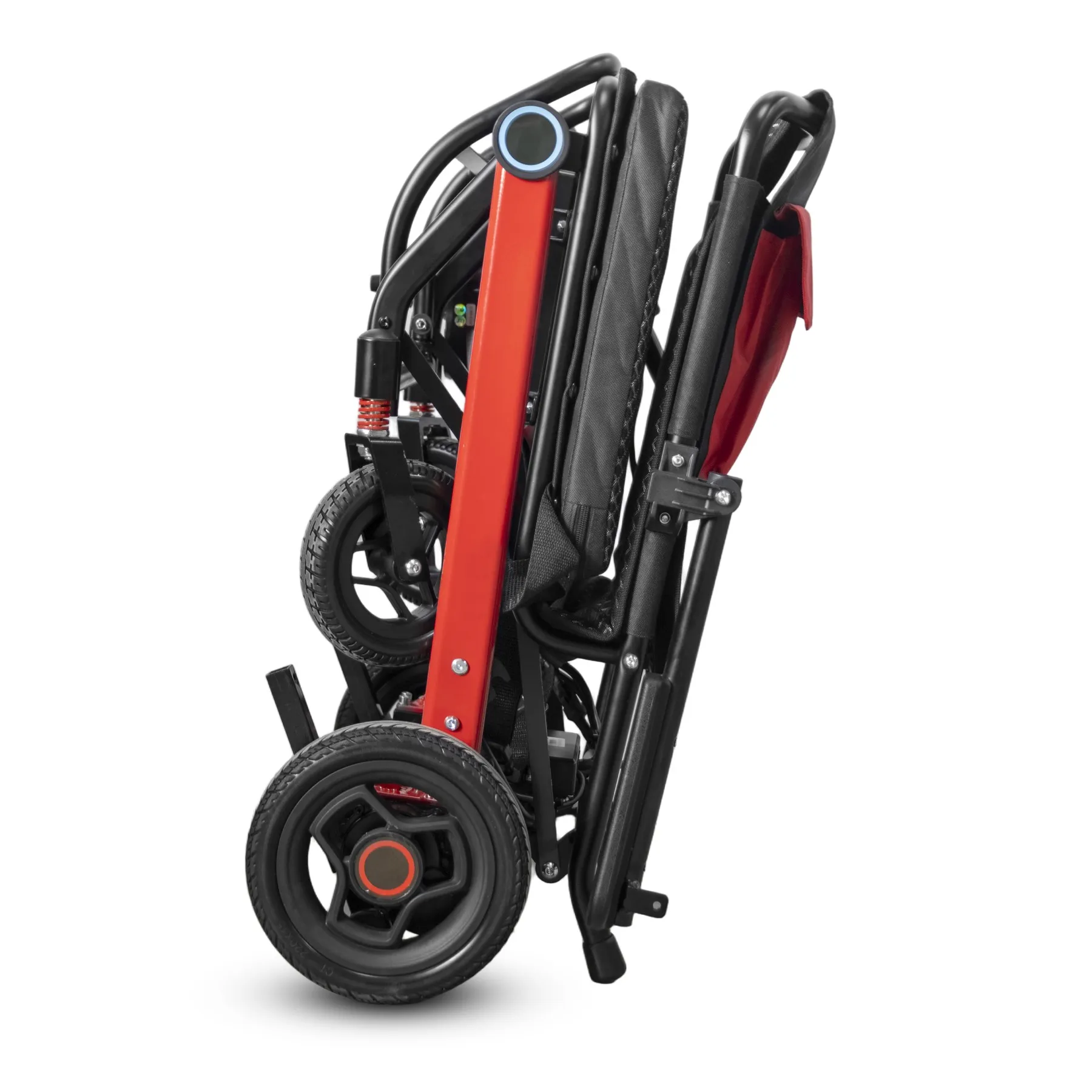
A useful electric wheelchair video folding clip shows the named model and any items removed during the approved process. Skipped preparation can make the chair seem easier to handle than written.
Explain the folded setup
Keep the whole sequence visible. Use the model instructions as the basis for filming. If a step is cut, explain that edit in accompanying notes rather than implying a continuous sequence. Keep formal inspection evidence separate from edited footage.
- Name the folded version
- Name removed parts
- Keep relevant sequence
| Check | What to keep |
|---|---|
| Name the folded version | Model record |
| Name removed parts | Preparation notes |
| Keep relevant sequence | Reviewed clip |
Key Takeaway: You can compare the shown process with the actual instructions and supplied equipment.
Who should operate controls in an electric wheelchair video?
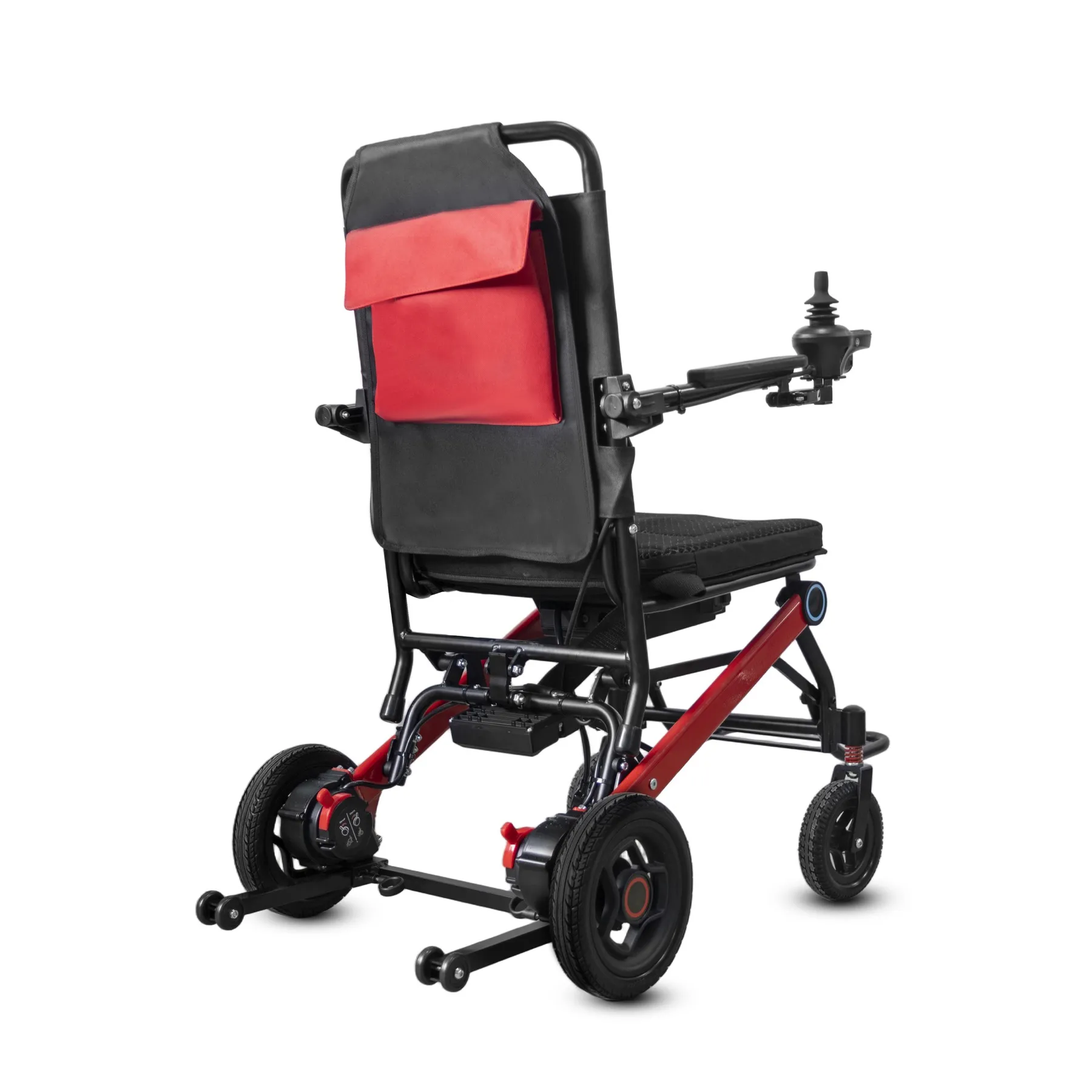
An electric wheelchair video involving operation needs staff trained for the planned activity. A product video should not invite viewers to copy an unsupported adjustment or repair.
Assign trained filming staff
Use trained people for the task. Film within the manufacturer's instructions and agreed scope. If individual user suitability is involved, arrange the suitable assessment outside the marketing shoot.
- Confirm staff competence
- Define permitted actions
- Exclude unsupported adjustments
| Check | What to keep |
|---|---|
| Confirm staff competence | Task-specific training record |
| Define permitted actions | Filming scope |
| Exclude unsupported adjustments | Technical review notes |
Key Takeaway: Your footage can explain written functions without becoming an unsafe informal tutorial.
What makes audio or captions useful?
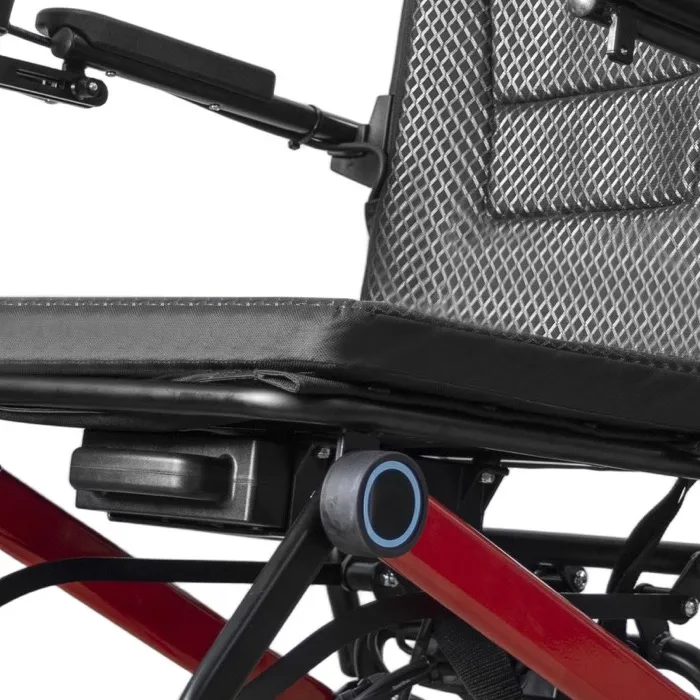
An electric wheelchair video benefits from clear narration or captions when a visible action needs context. Keep words consistent with the actual controls and manual.
Review narration and captions
Explain only what viewers need. If a clip will be translated, keep the approved source script. Avoid claims added during editing because they may not have been reviewed with the product team.
- Keep a source script
- Match control names
- Review translated captions
| Check | What to keep |
|---|---|
| Keep a source script | Approved narration |
| Match control names | Model terminology list |
| Review translated captions | Checked language file |
Key Takeaway: Viewers can follow the explanation without receiving a second, unreviewed set of product claims.
How can you request electric wheelchair video corrections?
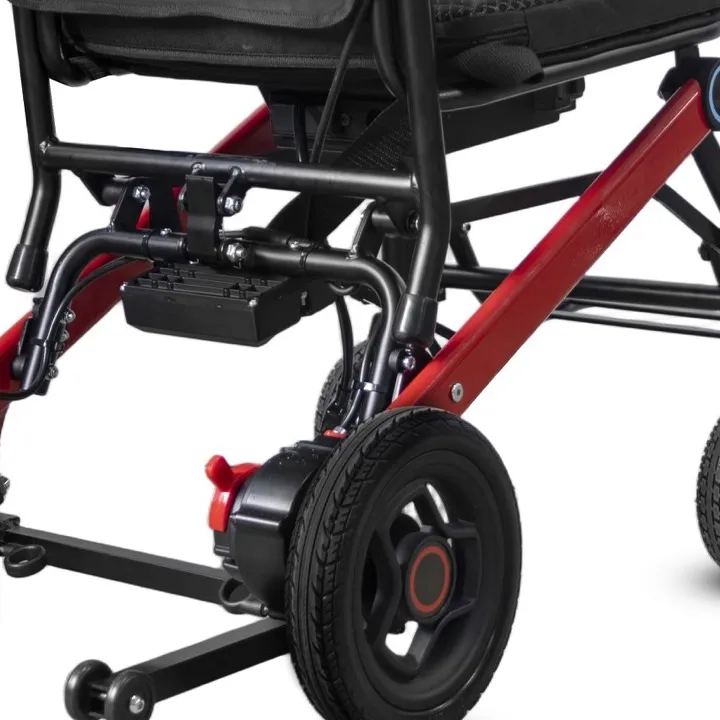
Request electric wheelchair video corrections using the clip name, time position and unresolved question. A vague request for a better video can produce another film with the same omission.
Request a targeted correction
Point to the exact moment. Explain what needs to be visible and why. If the sample is the wrong version, replace the clip instead of trying to edit away that difference. Use the model-specific instructions for any approved demonstration.
- Name the clip
- Mark the relevant moment
- Describe the missing evidence
| Check | What to keep |
|---|---|
| Name the clip | File reference |
| Mark the relevant moment | Time-based review note |
| Describe the missing evidence | Exact correction request |
Key Takeaway: The supplier can address your actual details gap with a targeted reshoot.
Which files should be kept after approval?
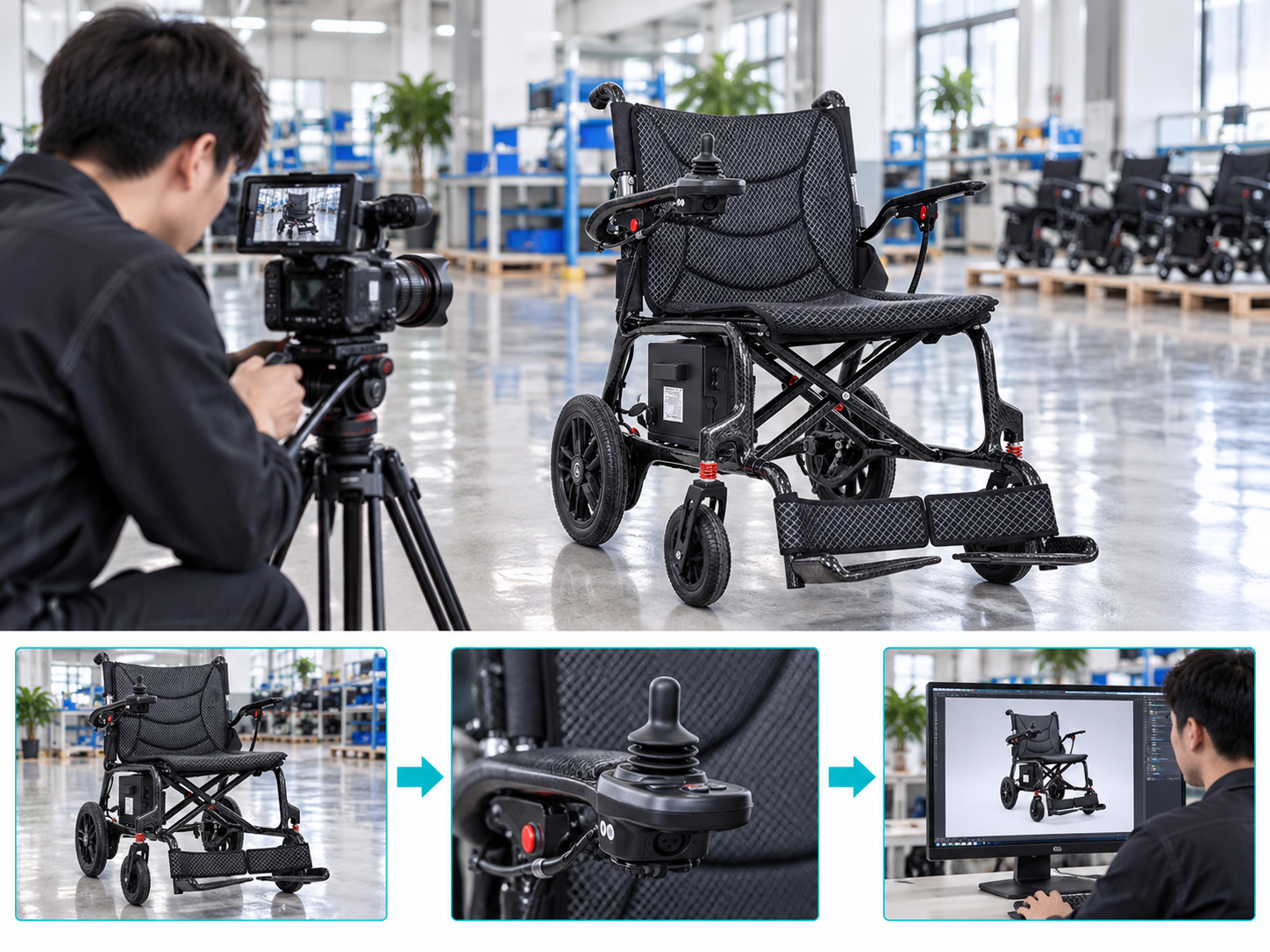
Keep the approved electric wheelchair video, source script and model record together. If you later change the offer, those files show which footage needs review.
Keep the approved version
Keep a traceable final version. Store working clips separately from release copies. Keep approval notes so a later editor knows why a given scene or claim was excluded. MHRA device-use checklists provide context for device identity and record keeping.
- Keep the final clip
- Keep the model reference
- Archive review decisions
| Check | What to keep |
|---|---|
| Keep the final clip | Controlled release file |
| Keep the model reference | Setup record |
| Archive review decisions | Approval notes |
Key Takeaway: You can update videos without losing the reason behind earlier editorial decisions.
What belongs in an electric wheelchair video request?
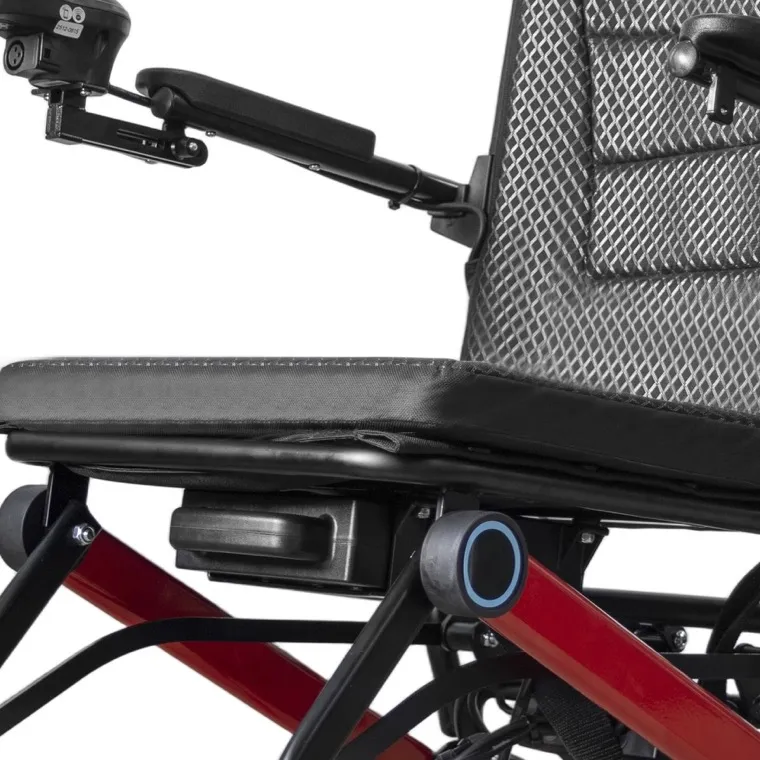
Send an electric wheelchair video brief with the model, buyer questions and intended use. Request separate clips where tasks need different views or staff skills.
Build your video request
Make the request easy to act on. List any claims that require evidence beyond video. Agree the delivery format and review owner before filming begins.
- Name the intended audience
- List required clips
- Name the reviewer
| Check | What to keep |
|---|---|
| Name the intended audience | Channel brief |
| List required clips | Question-based shot list |
| Name the reviewer | Approval role |
Key Takeaway: You can commission useful product footage and keep its claims within the evidence available. Contact us with your model and order brief so we can discuss the required product information. AryMD supports wheelchair buying decisions built on clear, model-specific facts.
Frequently asked questions
Q1: Can I use a sales video as a test report?
No. Video does not replace a written method, conditions and results supporting a performance claim.
Q2: What's the best video length for a supplier request?
Use the length needed to answer the question. Separate clips often make different tasks easier to review.
Q3: How do I know which model appears in a clip?
Ask for a whole-chair view and model record. Confirm fitted controls and accessories against the offer.
Q4: Can a supplier cut out folding preparation?
Edits need explanation. Otherwise viewers may miss removed parts or required steps.
Q5: Can I reuse an old video after a model change?
Only if it still represents the offer accurately. Review visible parts, narration and captions together.