
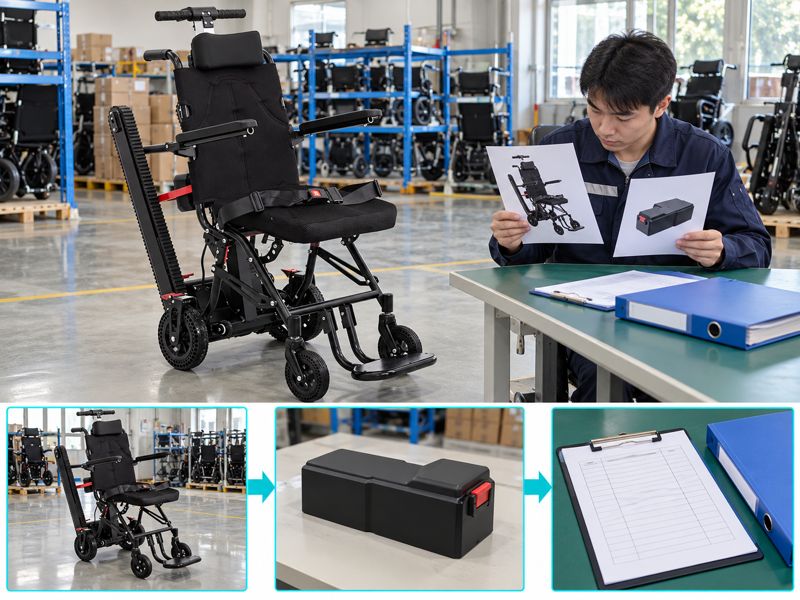
Stair chair battery records should link each power source with its chair, charger and current care guide. For a powered passenger stair chair, a spare that looks right still needs an exact model check. A busy stock room can mix similar items and leave service staff guessing. Keep clear item codes, dated notes and written supplier replies so your team can trace each approved set.
What should stair chair battery records identify?

Stair chair battery records should show which power source belongs with each chair, track unit and charger. Ask your supplier for written proof that these exact items work as an approved set.
Which items belong together?
Start with each item's name. Use clear photos of labels that staff can view without opening any covers. Keep each photo beside its supplier file so parts cannot lose their link with a chair.
- List each approved power source
- Match assigned chair and tracks
- Record visible battery label details
| Check | What to keep |
|---|---|
| List each approved power source | Supplier's model parts list |
| Match assigned chair and tracks | Written chair track pairing |
| Record visible battery label details | Dated outer label photos |
Key Takeaway: Start your file with exact part names and label details before you accept a broad sales description.
Which source should stair chair battery records follow?

Stair chair battery records should follow files your supplier confirms for your exact model. If a quote and manual disagree, ask which one applies and keep that reply in writing.
Settle gaps between supplied files
Settle gaps before you buy. Send both claims with their file names and dates so your contact can check them. Save older copies with a clear note that explains which newer file replaces them. Use the charger-matching record as a separate model-specific check.
- Compare dates on supplied files
- Request a written model answer
- Mark old copies as replaced
| Check | What to keep |
|---|---|
| Compare dates on supplied files | File dates and notes |
| Request a written model answer | Named supplier staff reply |
| Mark old copies as replaced | Old and new versions |
Key Takeaway: Ask your supplier to settle each gap in writing before staff use those details for an order.
How should stair chair battery records cover chargers?
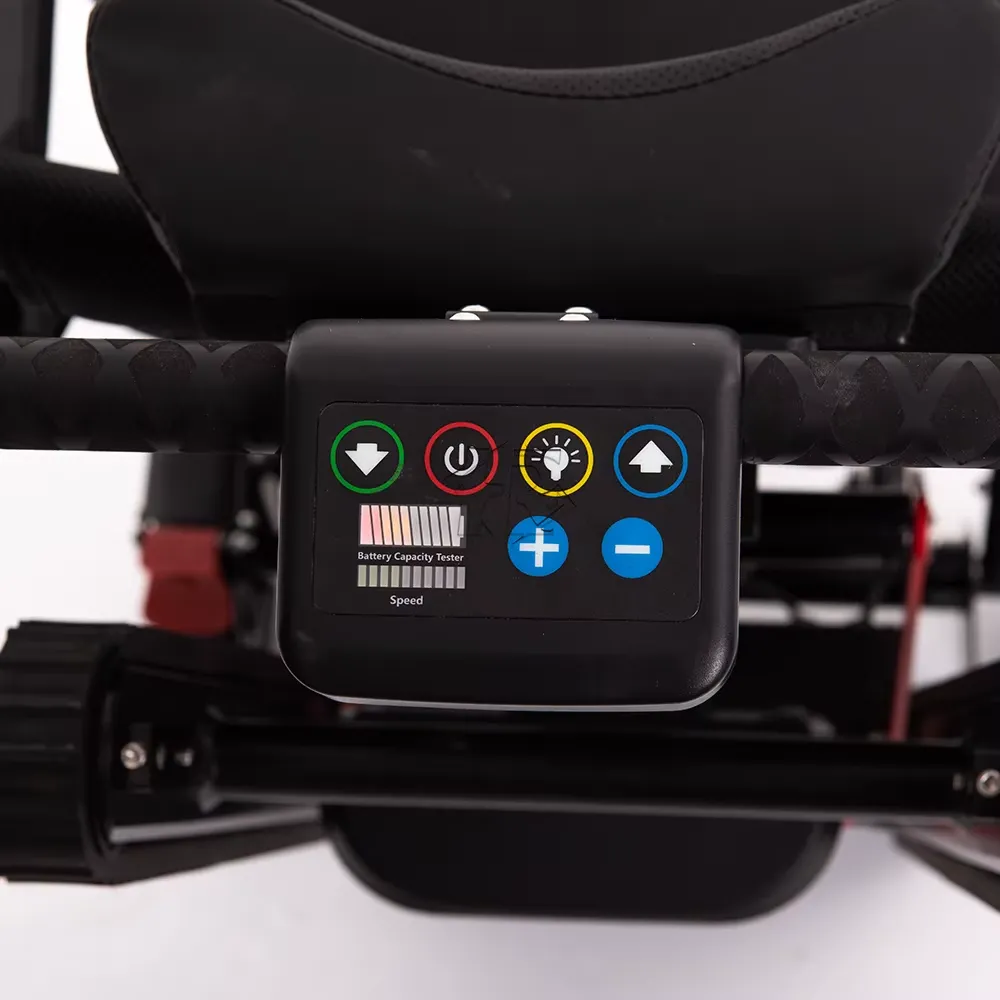
Stair chair battery records should name each charger approved for your exact power source and chair. A plug that looks right does not prove a borrowed or spare charger will suit that set.
What proves the charger pairing?
A plug shape proves little. For a United States order, tell your supplier where staff plan to use it. Have qualified staff review power supply needs and leave any electrical changes with authorized service personnel.
- Name each supplied charger unit
- Ask which charger pairing applies
- State where staff will use it
| Check | What to keep |
|---|---|
| Name each supplied charger unit | Charger label and code |
| Ask which charger pairing applies | Written model pairing proof |
| State where staff will use it | Named market and site |
Key Takeaway: Check each charger against written model guidance before you accept it as part of a working equipment set.
Who should maintain the battery file?

A named staff member should keep stair chair battery records up to date. Give trained service staff the task of deciding equipment status, so a new entry cannot be mistaken for permission to use it.
Give updates and decisions an owner
Name the person who keeps the file. State who adds part codes, receives reports and saves service replies in your shared file. When staff leave, pass on open questions and file access before their role changes hands.
- Name who keeps each file
- State who makes service decisions
- Pass open queries between staff
| Check | What to keep |
|---|---|
| Name who keeps each file | Named staff ownership list |
| State who makes service decisions | Approved service role list |
| Pass open queries between staff | Written staff handover note |
Key Takeaway: Assign file updates and service decisions to named people so every open query has someone responsible for it.
Which events belong in stair chair battery records?
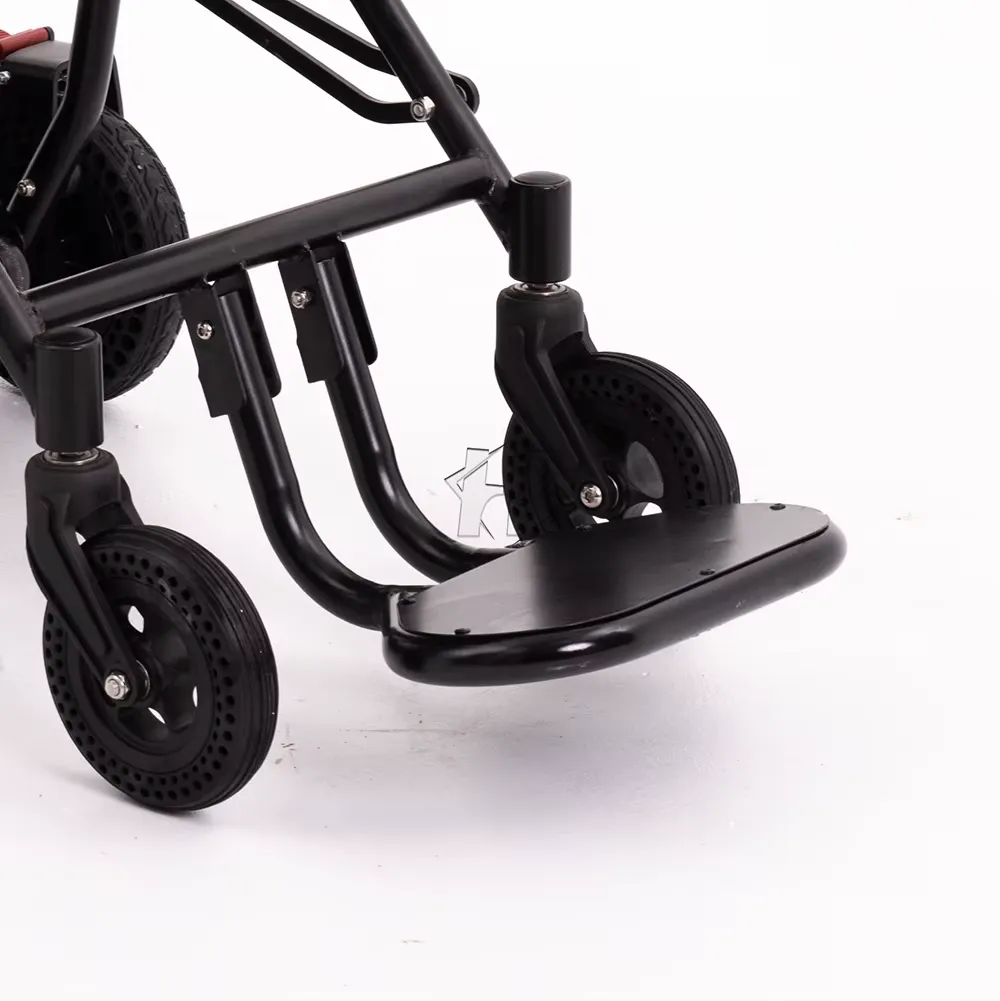
Stair chair battery records should cover receipt, use assignments, reported faults, service review and approved part changes. Add dates and exact item codes so your team can trace each event without guessing.
Which changes need a dated note?
Log changes while details are fresh. Ask staff to write what they saw rather than name an electrical fault. If a label cannot be read, record that fact and send your service contact a clear query. Link component identity with the approved parts list.
- Log each receipt and assignment
- Write down what staff saw
- Link new parts with old
| Check | What to keep |
|---|---|
| Log each receipt and assignment | Dated item history entry |
| Write down what staff saw | Named staff fault report |
| Link new parts with old | Old and new codes |
Key Takeaway: Record each event with a date and item code so your service team can trace what happened later.
How should care instructions be recorded?
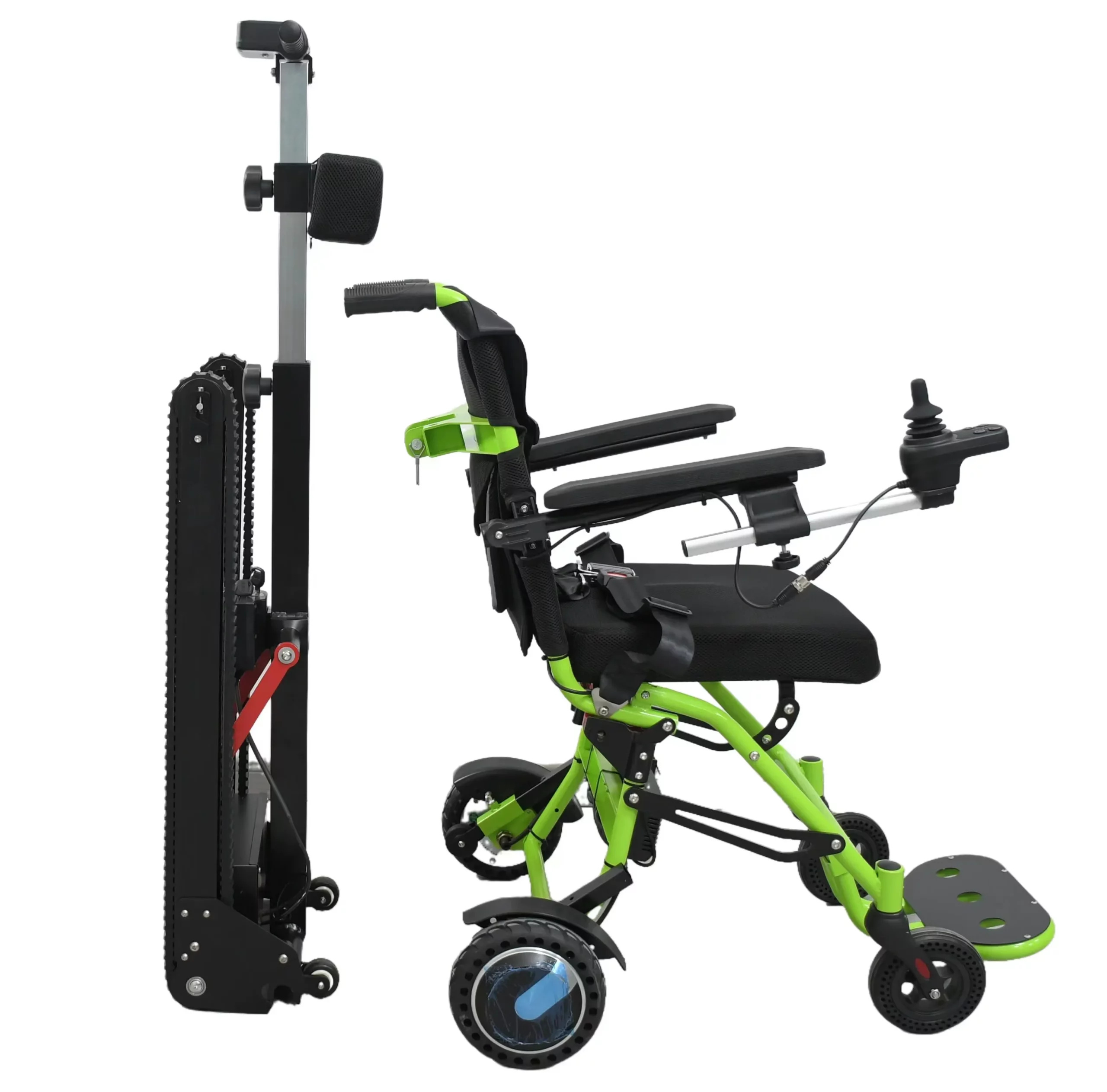
Put the maker's model-specific care guide in stair chair battery records and name who checks for new versions. That guide should govern charging, storage and service timing, with questions passed to trained service staff.
One current care guide for staff
Keep one current guide easy to find. Ask how your supplier will send guide updates after the order has arrived. Keep old files apart from current copies so staff can see which version applies to their chair.
- File the current care guide
- Name who checks new guidance
- Mark old guide copies clearly
| Check | What to keep |
|---|---|
| File the current care guide | Model name and revision |
| Name who checks new guidance | Staff name and date |
| Mark old guide copies clearly | Replaced file history list |
Key Takeaway: Give staff one clear path to current care guidance and have your service lead review any unclear changes.
How can stair chair battery records support a service request?

Stair chair battery records help a service contact trace the exact item and its history. Send clear observations with those details so trained staff can decide what further review your chair needs.
Facts for your service contact
Send facts your reviewer can use. Only add photos that staff can obtain safely without disturbing a reported problem. Save the case number and service decision, since a reply confirming receipt does not release equipment for use.
- Send chair and battery codes
- Describe what staff saw clearly
- Save the supplier case number
| Check | What to keep |
|---|---|
| Send chair and battery codes | Matched equipment label details |
| Describe what staff saw clearly | Written staff report copy |
| Save the supplier case number | Case number and reply |
Key Takeaway: Send a clear report with exact item details, then ask your service lead what review the chair needs.
When does a replacement need review?
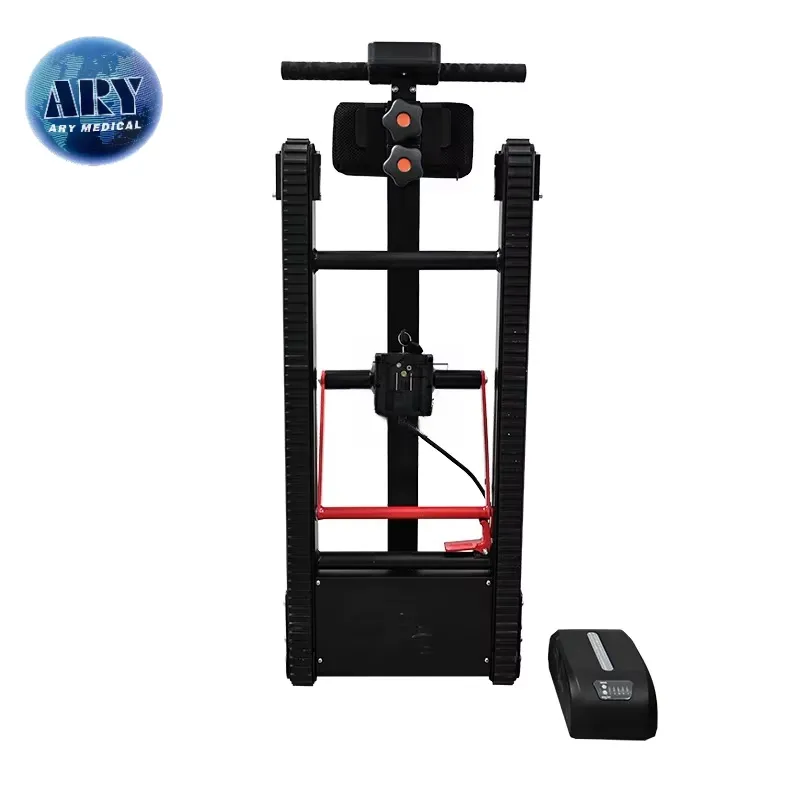
Each replacement needs a model-specific review before acceptance, with the result saved in stair chair battery records. A matching trade name gives your buyer no proof that a proposed part suits this exact chair.
Who accepts a replacement part?
Check the part before acceptance. Ask whether the new part changes any guides, labels or approved charger pairing. Keep each answer tied to that chair, even if another unit from your supplier looks much the same. Keep battery changes in the service history.
- Check the exact replacement part
- Ask about changed care guidance
- Save the completed service decision
| Check | What to keep |
|---|---|
| Check the exact replacement part | Written model fit review |
| Ask about changed care guidance | Supplier's guide change reply |
| Save the completed service decision | Named service release record |
Key Takeaway: Have your trained service reviewer accept the proposed part before stock staff mark it ready for a customer.
What should a handover review confirm?
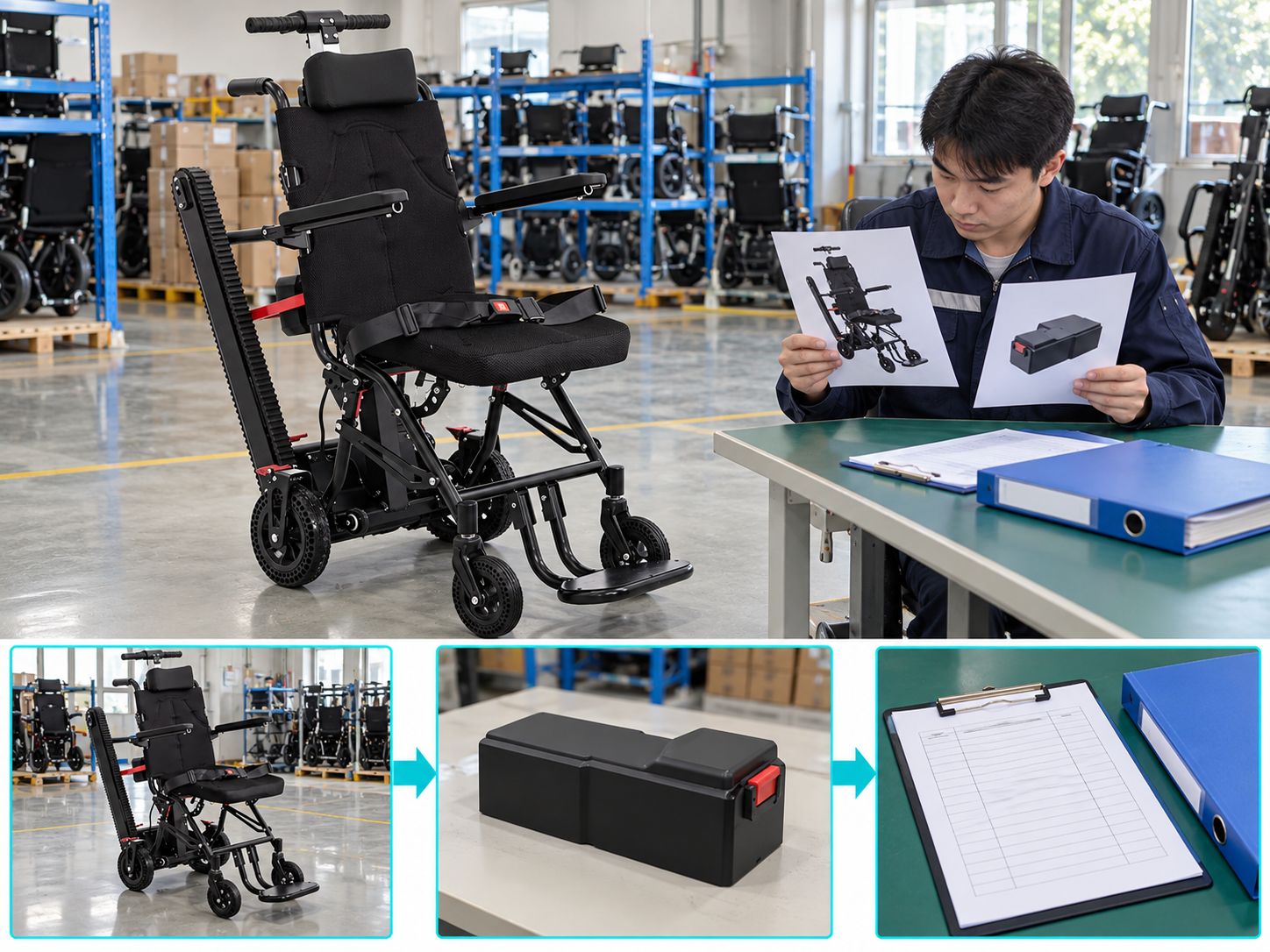
A handover review should confirm that stair chair battery records match delivered items and current guides. Keep any open question visible so a signed delivery note does not stand in for a trained review.
Open questions before handover
Leave no open query hidden. General wheelchair guidance supports plans for care after delivery, but model details need supplier proof. List each gap with an owner and state which handover decision depends on the missing answer. MHRA device-use checklists provide general recordkeeping context.
- Match delivered items with files
- List open battery care questions
- Check staff can find guidance
| Check | What to keep |
|---|---|
| Match delivered items with files | Checked receipt and codes |
| List open battery care questions | Query and owner list |
| Check staff can find guidance | Named file access check |
Key Takeaway: Close handover only when your appointed reviewer has enough evidence for the decisions within their agreed service role.
How should stair chair battery records shape your inquiry?

Stair chair battery records should shape a clear request for model details, care guides and support contacts. Ask which files your supplier can provide for the exact chair and track set before you order.
Ask for useful supplier files
Turn the record needs into a brief. Request a sample record so your team can check how item codes are shown. Confirm that your own delivery will have matching files and ask who handles later replacement queries.
- Request the model file list
- Ask who handles replacement queries
- Set the required handover records
| Check | What to keep |
|---|---|
| Request the model file list | Supplier's file list reply |
| Ask who handles replacement queries | Named service contact details |
| Set the required handover records | Agreed battery file checklist |
Key Takeaway: Send your file checklist with the inquiry and ask for missing answers before you approve the equipment order. Contact us with your model, route and order brief so we can discuss the product files you need. At AryMD, a clear stair-access decision starts with the right product facts.
Frequently asked questions
Q1: Can I share one battery file across several chairs?
Yes, if each chair keeps its own item codes and history. Save supplier replies against exact models so a decision for one chair cannot drift into another chair's record.
Q2: How do I know if a charger belongs with my battery?
Ask for written proof tied to your exact item codes. Matching plugs do not prove a safe pairing, and any open electrical question needs supplier input and qualified review.
Q3: Can I copy charging steps from another wheelchair guide?
No. Use the maker's guide confirmed for your exact chair, battery and charger. Ask for missing advice rather than letting a familiar routine become an unsupported local rule.
Q4: What's the best way to record a label I cannot read?
Note what you saw and which chair was involved, then contact your service lead. Do not open covers or guess missing label details just to complete a file.
Q5: Can I treat a paid service bill as approval for use?
No. Ask for a named equipment status decision under your agreed service process. A bill may show payment without explaining open concerns, findings or whether equipment can return to use.