
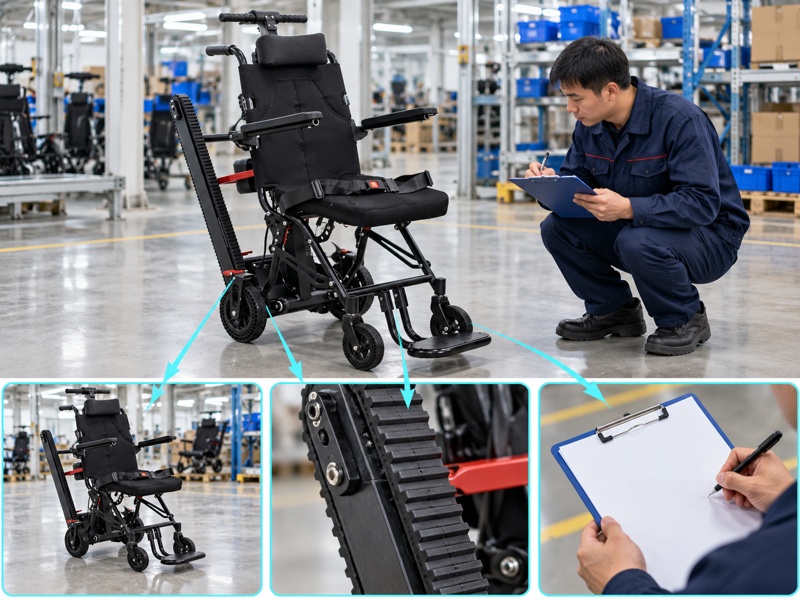
Stair chair track inspection needs a clear scope, trained staff and checks from the exact model's guide. A powered passenger stair chair may have a track unit with its own code and service history. A report naming only a broad product type leaves gaps. Ask which unit was checked, which guide was used and who made the service decision before you accept the report.
What should stair chair track inspection cover?

Stair chair track inspection should cover the exact track unit and its approved link with your chair. Your form needs model details and clear roles, while trained reviewers set checks from the maker's guide.
Which track unit needs checks?
Name the track unit first. Ask which areas staff may check and which tasks need a trained service person. Keep track and chair codes together because a detached unit can have its own version and service history.
- Name the assigned track unit
- Request the model inspection guide
- Link chair and track codes
| Check | What to keep |
|---|---|
| Name the assigned track unit | Track label and code |
| Request the model inspection guide | Current maker's model guide |
| Link chair and track codes | Written model pairing record |
Key Takeaway: Set a clear scope for your exact track unit before you choose a service plan or prepare handover forms.
Who should perform stair chair track inspection?
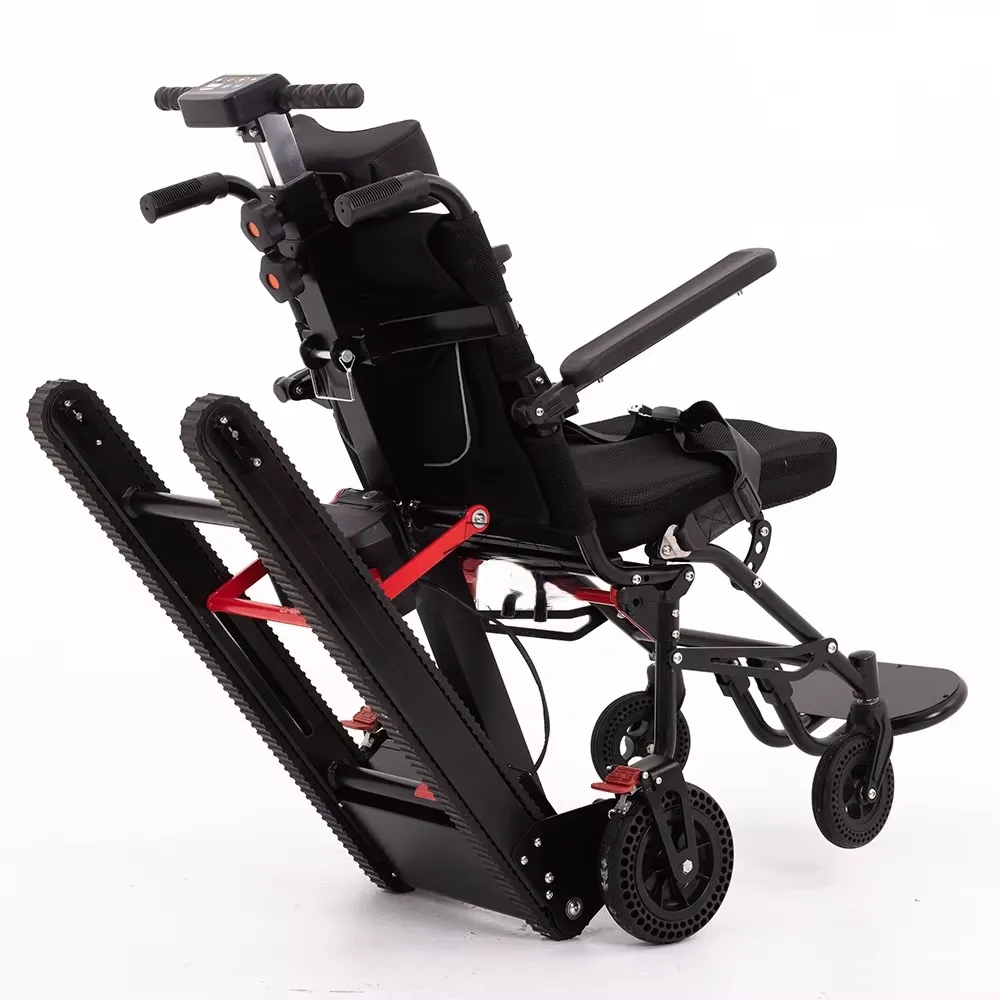
Stair chair track inspection should be done by staff trained for those tasks and that model. Give other staff a clear way to report concerns without asking them for a fault diagnosis or service decision.
Separate reports from service decisions
Match each task with skills. Ask providers which tasks their staff can accept and what training supports that work. Name who may observe, inspect and release equipment so a report signature has a clear meaning. Keep track observations within a defined inspection scope.
- Name who reports visible concerns
- Check relevant staff training records
- Name who decides equipment status
| Check | What to keep |
|---|---|
| Name who reports visible concerns | Written staff reporting roles |
| Check relevant staff training records | Model service training proof |
| Name who decides equipment status | Approved service lead details |
Key Takeaway: Choose your inspector through a skills and scope check, then state which decisions that person may make for equipment.
Which documents guide stair chair track inspection?
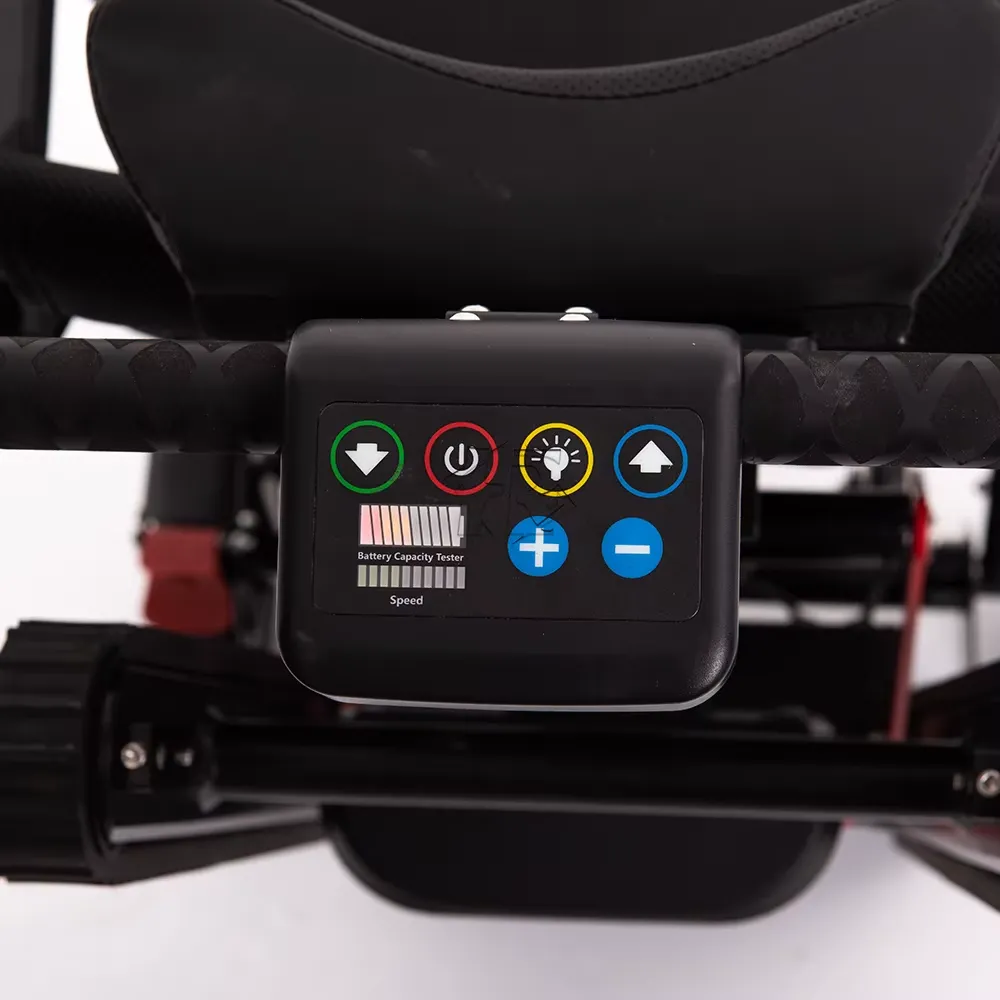
Stair chair track inspection should follow maker's files confirmed for your exact track version. Ask for check criteria and forms, then route any restricted service guide through your appointed trained service contact.
What guide applies to this unit?
Use the right guide version. Write each guide's name and version in your register so staff can cite it. If a guide shows another model, ask for a written answer before copying its checks into your form.
- Match guides with track version
- Record each guide version used
- Send unclear checks for review
| Check | What to keep |
|---|---|
| Match guides with track version | Supplier's written model reply |
| Record each guide version used | Guide name and date |
| Send unclear checks for review | Open model query record |
Key Takeaway: Use checks from confirmed model guides and leave unclear criteria open until your trained service contact has resolved them.
How should a receipt check work?

A receipt check should record what arrived and any visible signs of damage. Link these notes with stair chair track inspection so a reviewer can separate arrival concerns from reports made after delivery.
Arrival notes and acceptance status
Keep arrival evidence with equipment. Only assigned staff should examine equipment within their training and the maker's instructions. If arrival condition raises doubt, use your agreed hold process and ask for review before technical acceptance.
- Record outer condition on arrival
- Match labels with ordered items
- Pass concerns to service staff
| Check | What to keep |
|---|---|
| Record outer condition on arrival | Dated receipt condition photos |
| Match labels with ordered items | Order and label check |
| Pass concerns to service staff | Recorded hold and query |
Key Takeaway: Use arrival notes as evidence for review and keep receipt signing separate from any decision about equipment readiness.
How should stair chair track inspection record concerns?
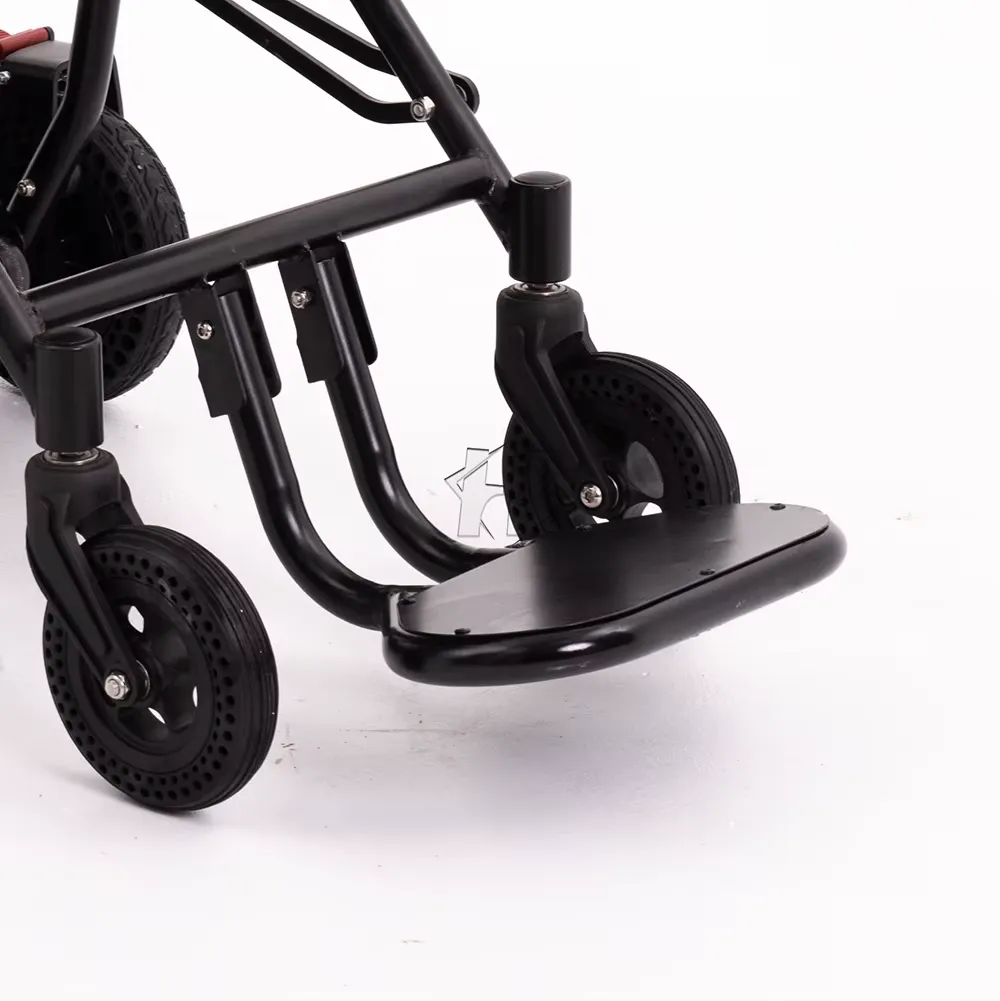
Stair chair track inspection should record what was seen, where it was seen and who reported it. Leave diagnosis and equipment status with your trained reviewer, using the maker's instructions for that exact model.
How should staff report concerns?
Write what staff can observe. A clear photo may help if staff can obtain it safely within approved guidance. Do not move or adjust tracks for a better picture, and ask your reviewer what information is needed. Confirm any replacement through the approved parts mapping.
- Name where staff saw concerns
- Record who raised the concern
- Leave fault decisions with reviewers
| Check | What to keep |
|---|---|
| Name where staff saw concerns | Area and item reference |
| Record who raised the concern | Named dated staff note |
| Leave fault decisions with reviewers | Written service review outcome |
Key Takeaway: Report visible facts with a clear item reference and let your service reviewer decide what further assessment is needed.
Can photos replace a qualified review?
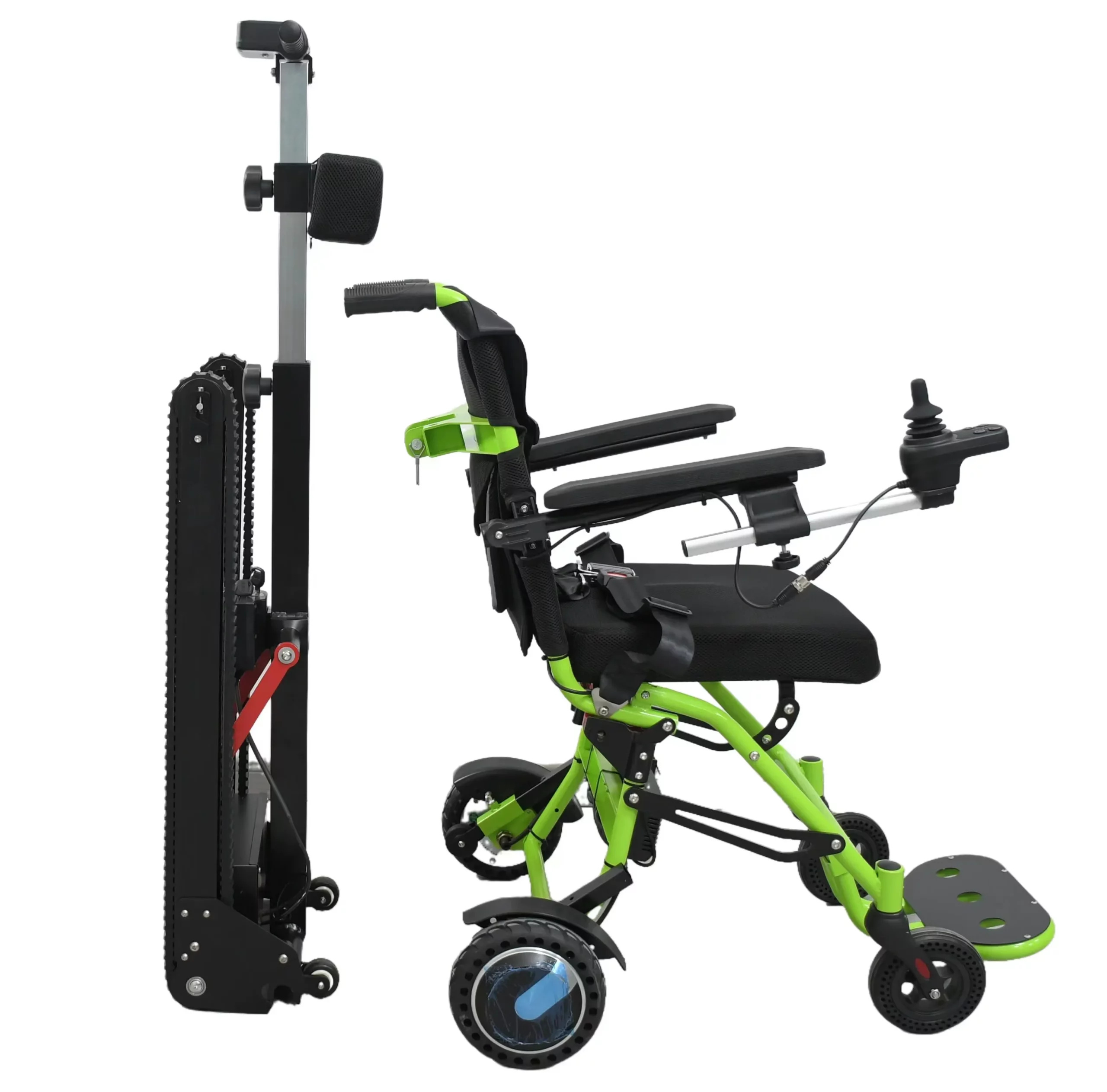
No, photos cannot replace a qualified review when technical checks are needed. Add them to stair chair track inspection as evidence, with the final condition and service decision left to properly trained staff.
What a photo can show
A photo shows only part. Include useful context around an area if approved guidance allows safe photos of it. Keep each original image with reviewer comments so nobody mistakes a picture for a signed service decision.
- Match photos with track codes
- Keep original photo context intact
- Request a named review decision
| Check | What to keep |
|---|---|
| Match photos with track codes | Image and label reference |
| Keep original photo context intact | Saved source image file |
| Request a named review decision | Signed service review record |
Key Takeaway: Use photos to explain your report, then obtain the trained review required by the exact equipment's service guidance.
When should stair chair track inspection be scheduled?
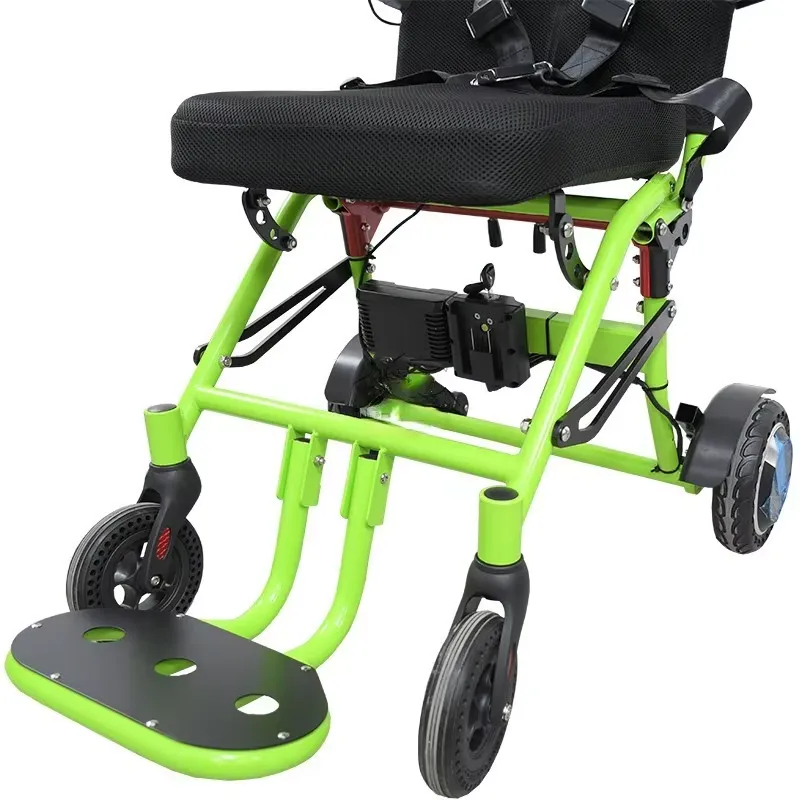
Stair chair track inspection should follow timing from maker's guidance and qualified local review. Ask how use, reported incidents or time in storage affect your plan without setting a fixed rule for every model.
Dates based on the model guide
Ask what sets each date. Give your schedule a named owner and link it with each track unit. If a provider proposes different dates, ask for the basis and have a trained reviewer settle that change.
- Request the relevant check schedule
- Record changes in equipment use
- Approve changes through trained review
| Check | What to keep |
|---|---|
| Request the relevant check schedule | Maker's timing and triggers |
| Record changes in equipment use | Updated equipment use notes |
| Approve changes through trained review | Signed check plan revision |
Key Takeaway: Agree dates and review triggers with your qualified service lead, then give each scheduled check a named owner locally.
What evidence closes a service case?
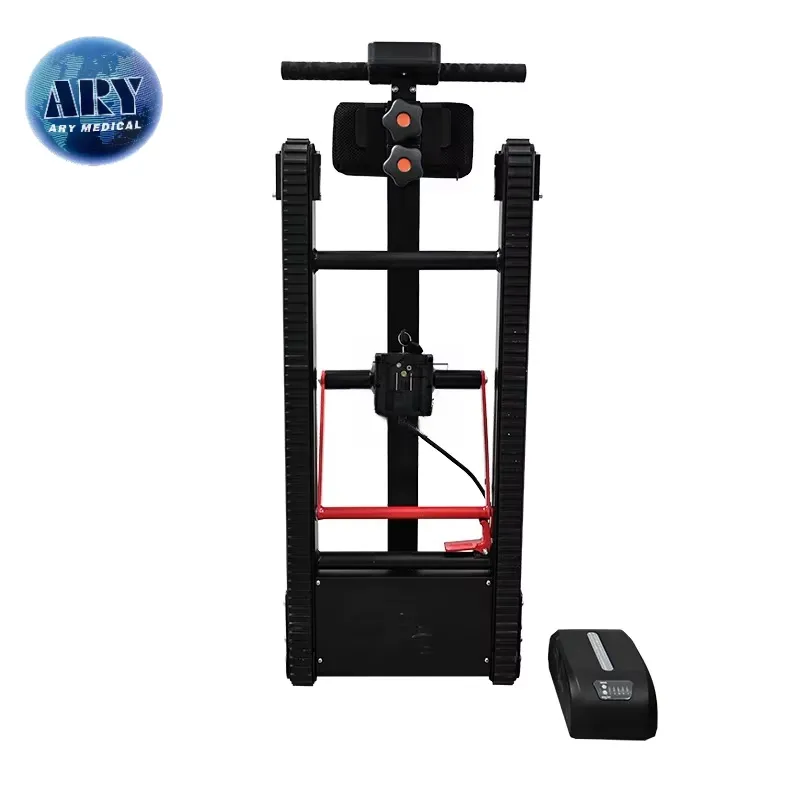
A service case closes when your appointed reviewer records an outcome and any open action. Add that decision to stair chair track inspection with work details, keeping paid invoices separate from approval for use.
Who closes an open service case?
Save a clear status decision. Ask whether any finding needs further review and name who will follow it up. Request enough detail to trace approved service work without adding repair methods to a distributor's buying guide. Retain the outcome in the service record.
- Request a written service outcome
- Link work with reported findings
- Assign each open follow-up action
| Check | What to keep |
|---|---|
| Request a written service outcome | Named case review decision |
| Link work with reported findings | Work order and report |
| Assign each open follow-up action | Named open action list |
Key Takeaway: Get a clear status decision from your appointed reviewer before closing the case or making an affected unit available.
How should records support later checks?
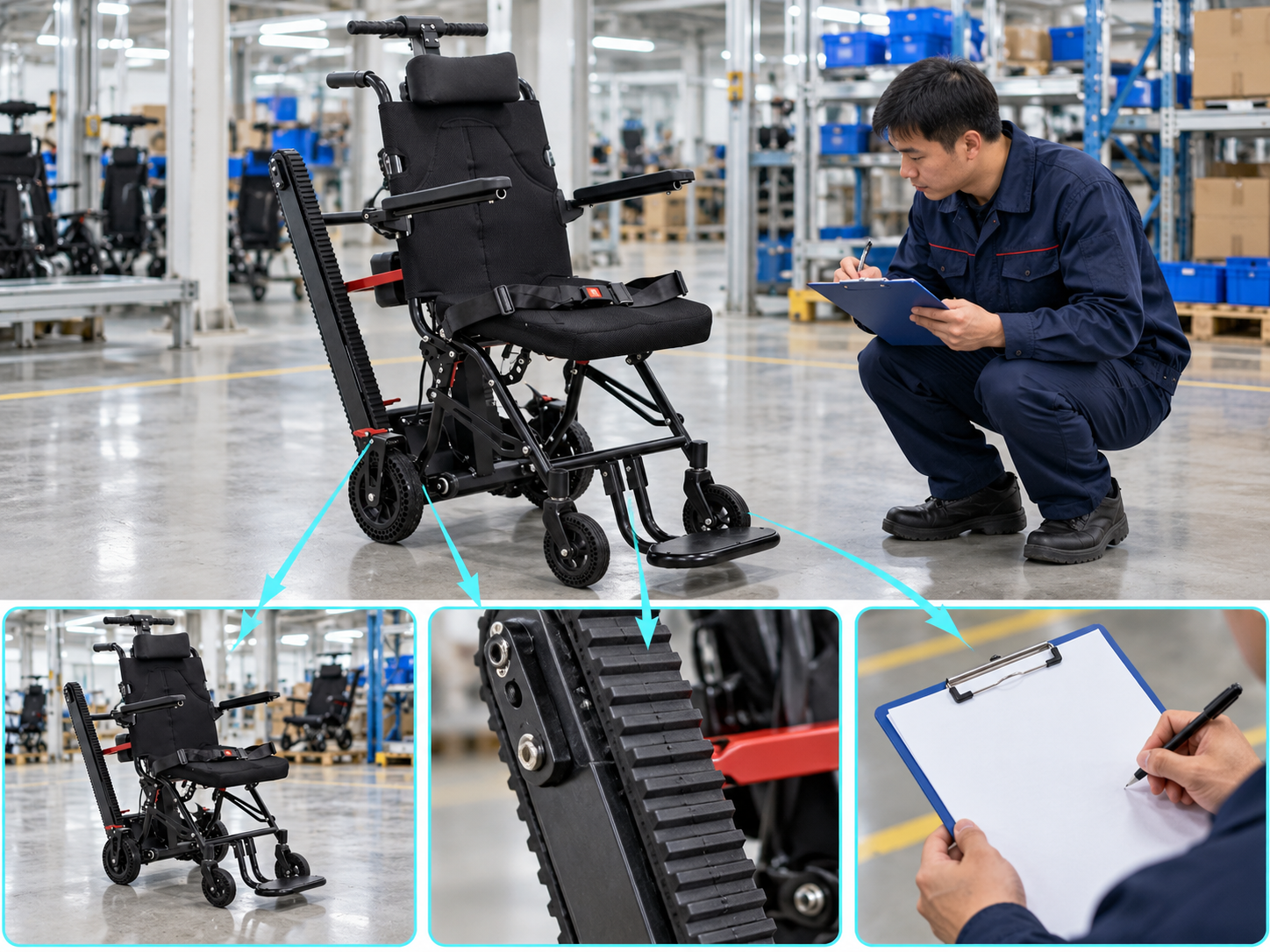
Records should help reviewers spot repeat concerns and plan the next check. Group stair chair track inspection by exact track unit so reports remain linked when a unit changes its assigned chair or storage place.
Keep each track unit's history
Keep each unit's history intact. General wheelchair guidance supports care after delivery, while model-specific files govern technical service checks. Ask your reviewer to consider repeat reports together instead of assuming that an old closed case proves current readiness. MHRA device-use checklists provide general recordkeeping context.
- Keep reports under track codes
- Flag repeat concerns for review
- Check each open service action
| Check | What to keep |
|---|---|
| Keep reports under track codes | Linked track service history |
| Flag repeat concerns for review | Grouped repeat concern notes |
| Check each open service action | Current service action list |
Key Takeaway: Give your trained reviewer linked reports and current model guides so repeated concerns receive a decision based on full history.
How should stair chair track inspection inform purchasing?

Stair chair track inspection should help buyers define tasks, staff roles and the records they expect. Ask which support covers your exact chair and track unit, including who records findings and decides equipment status.
Compare support with a clear scope
Buy a service with clear scope. Compare offers using files and reports that your team can check when work ends. Resolve vague service terms before you buy so later staff know who must answer an open track concern.
- Request a written service scope
- Confirm who handles each task
- Agree the required report fields
| Check | What to keep |
|---|---|
| Request a written service scope | Quoted tasks and limits |
| Confirm who handles each task | Named service role list |
| Agree the required report fields | Approved service report form |
Key Takeaway: Send your model details and proposed record form to providers, then compare their written service scope before accepting support terms. Contact us with your model, route and order brief so we can discuss the product files you need. At AryMD, a clear stair-access decision starts with the right product facts.
Frequently asked questions
Q1: Can I use one inspection form for different track versions?
You can share basic fields, but each model needs confirmed technical checks. Show its exact version and guide details so a common form does not imply the same service rules.
Q2: How do I know if a provider knows my track unit?
Ask which model guides and staff training support its proposed tasks. Get a written scope that names who checks findings and who decides whether equipment can return to use.
Q3: Can I adjust a track after noticing something unusual?
Do not treat this buying guide as permission for adjustments. Report what you saw and leave technical work with qualified staff following the maker's instructions for your exact model.
Q4: What's the best way to record a detached track unit?
Keep a separate service history linked with its assigned chairs. If an approved pairing changes, save earlier records so your reviewer can trace reports without mixing two units' histories.
Q5: Can I keep using equipment while a concern remains unanswered?
Follow your exact model's guidance and agreed status process, with qualified review of the concern. Silence provides no evidence of acceptance, so ask your service lead for a decision.