
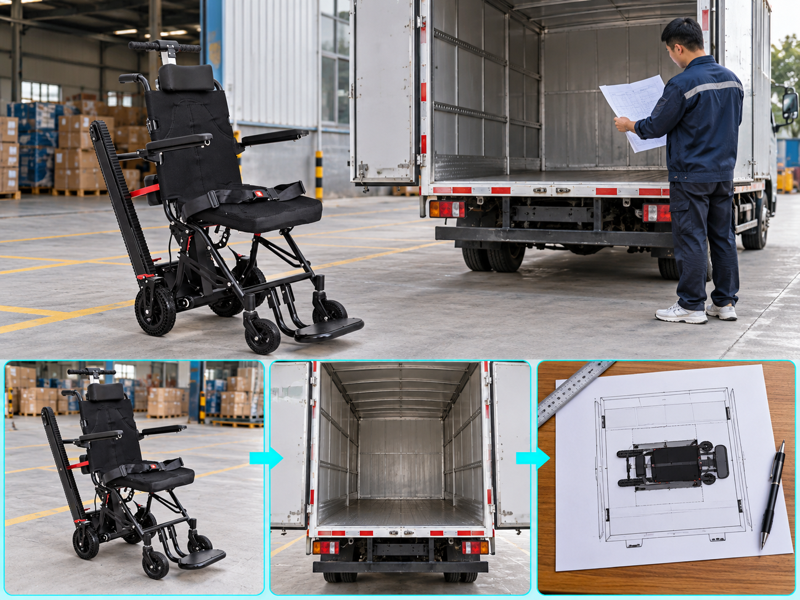
Stair chair vehicle loading needs a reviewed plan for empty equipment, its vehicle and the handling task. A powered passenger stair chair may travel with a separate track unit and loose parts. Checking a folded chair's size alone can leave gaps for the driver at arrival. List the whole load and get qualified reviews before collection, with any plan for seated passengers assessed separately.
What does stair chair vehicle loading cover here?
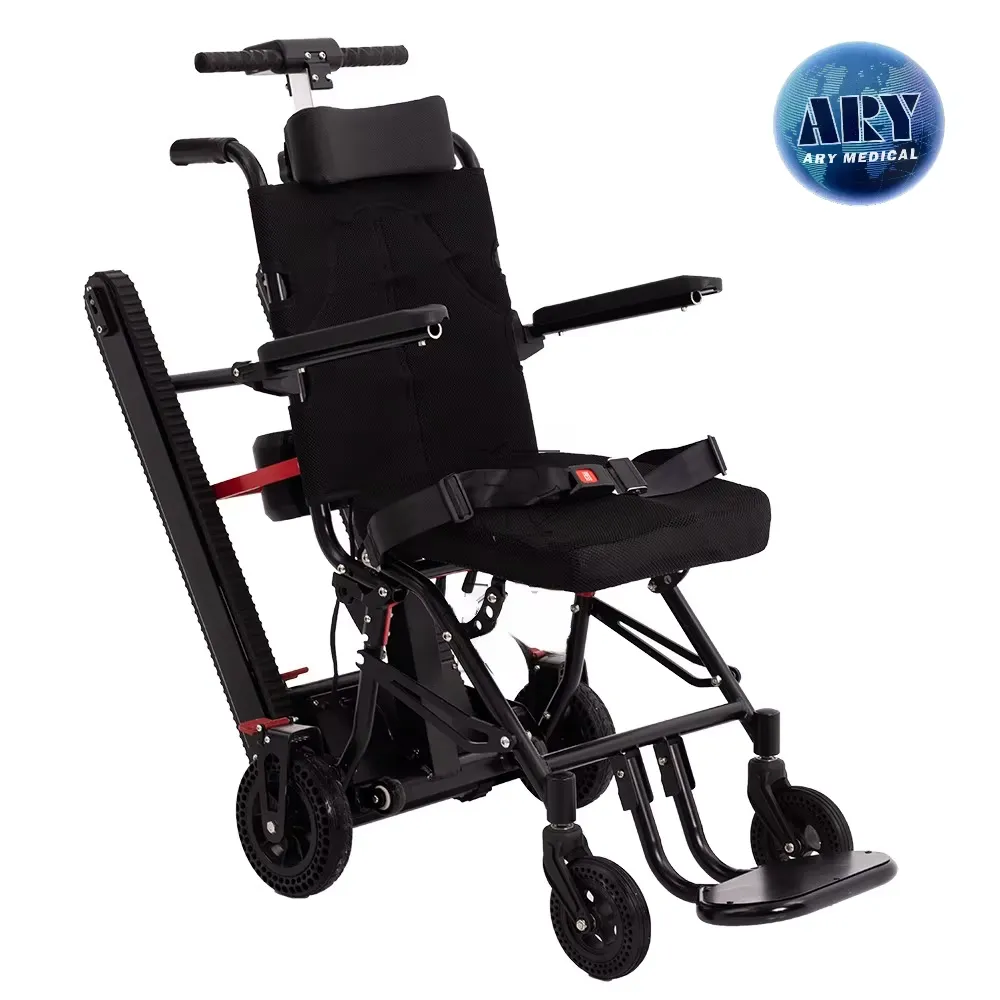
Stair chair vehicle loading here covers empty equipment only, including its track unit and loose parts. Any plan to carry someone seated in it needs a separate qualified review and exact model evidence.
Will the chair stay empty?
State that the chair stays empty. Put this scope in your supplier inquiry and delivery request so staff share it. Ask reviewers to check the actual empty load, since a wheelchair label alone proves no vehicle transport use.
- State the empty equipment scope
- List chair and track items
- Refer any seated transport plan
| Check | What to keep |
|---|---|
| State the empty equipment scope | Written transport task brief |
| List chair and track items | Exact load parts list |
| Refer any seated transport plan | Separate qualified review request |
Key Takeaway: State that your request covers empty equipment and refer any seated passenger plan for its own qualified review.
Which details should stair chair vehicle loading compare?
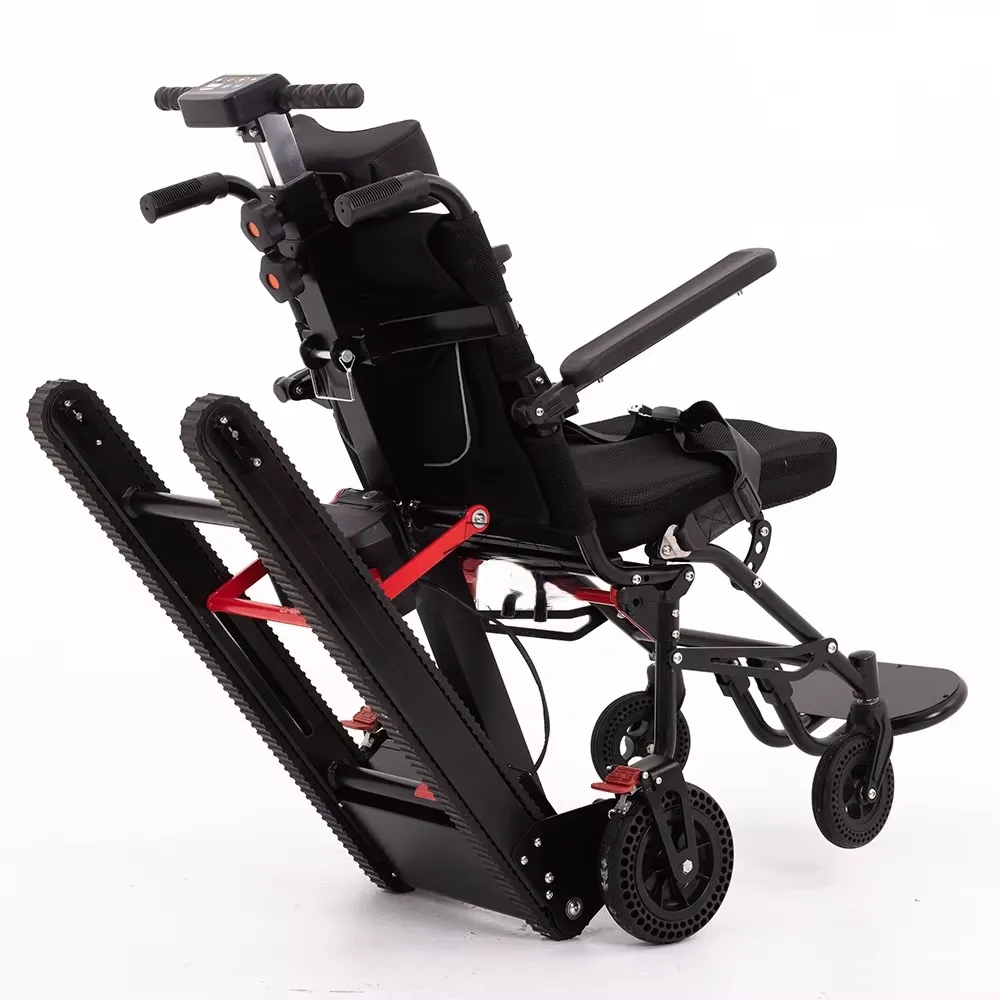
Stair chair vehicle loading should compare exact equipment size and weight with the intended vehicle. Get those facts from approved model files before asking a reviewer to check doors, cargo space and handling needs.
Compare load facts with vehicle space
Check the load and actual vehicle. Ask which measurements your reviewer needs for this vehicle and its planned load. Keep figures tied to their source and state whether they cover a whole chair, loose part or crate. Use the actual equipment dimensions for the proposed transport setup.
- Request exact model load details
- Name the planned transport vehicle
- Gather requested vehicle access measurements
| Check | What to keep |
|---|---|
| Request exact model load details | Supplier's size weight file |
| Name the planned transport vehicle | Vehicle and layout record |
| Gather requested vehicle access measurements | Dated door space survey |
Key Takeaway: Give reviewers sourced equipment details and your actual vehicle layout before deciding whether the empty load will fit.
Who should assess stair chair vehicle loading?
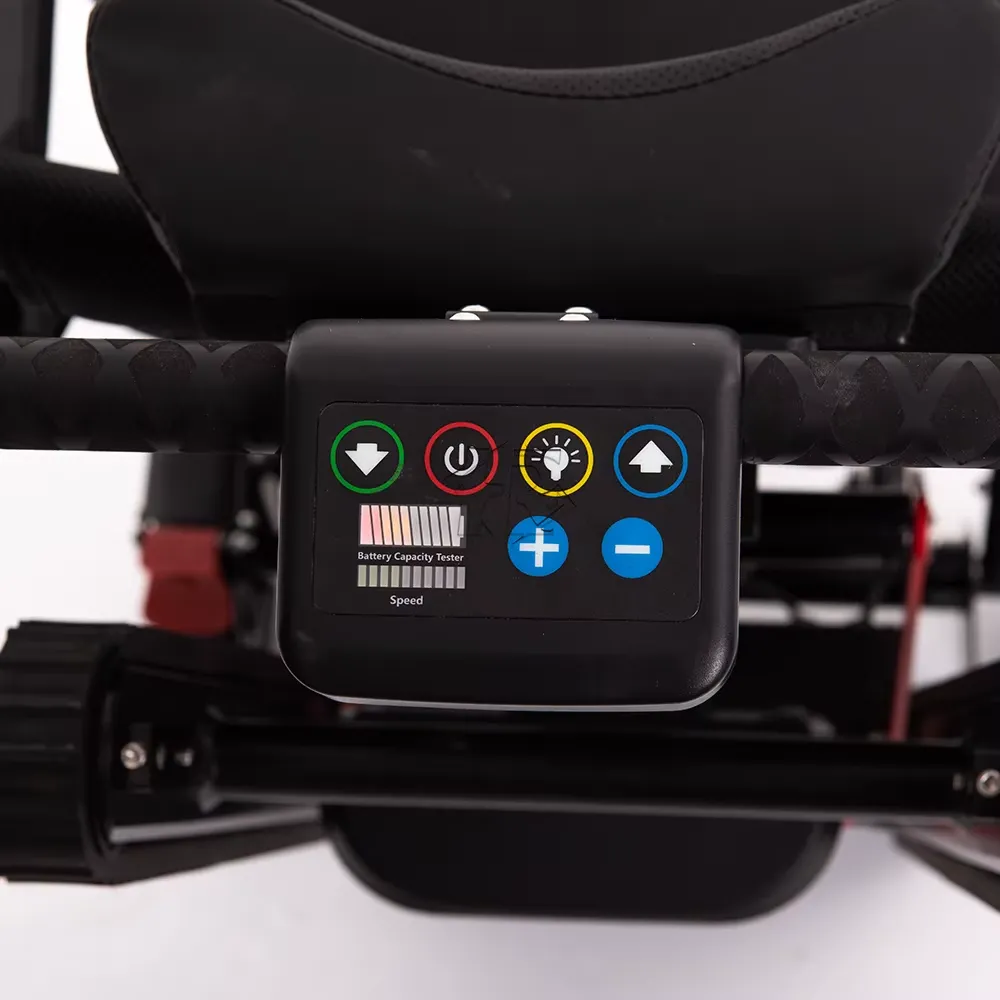
Stair chair vehicle loading needs people qualified for the equipment, handling task and vehicle. Name who checks each area so a driver does not inherit a technical decision merely by accepting a booking.
Who checks each part of the task?
Assign each question before booking transport. Ask your provider what tasks it accepts and which details it needs before arrival. Give open questions one owner so supplier, driver and receiving staff do not work from separate guesses.
- Name equipment and vehicle reviewers
- Confirm the provider's accepted work
- Assign each open transport question
| Check | What to keep |
|---|---|
| Name equipment and vehicle reviewers | Written task role list |
| Confirm the provider's accepted work | Provider's written task scope |
| Assign each open transport question | Named open query list |
Key Takeaway: Agree who checks equipment, vehicle and handling issues before you book a provider for the planned delivery task.
Can lifting advice be shared across models?
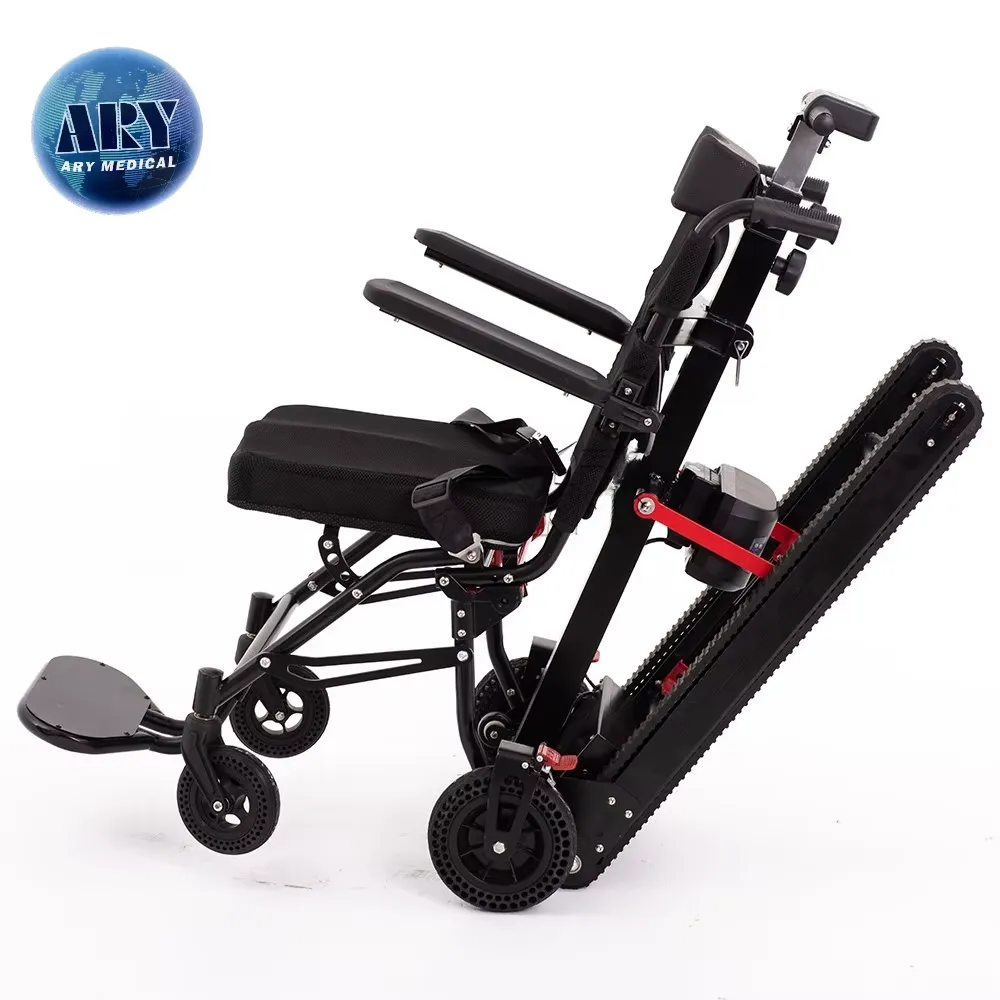
No, a lifting method needs exact model guidance and a qualified task review. Keep stair chair vehicle loading focused on agreed roles and evidence, with physical methods left to those approved instructions.
Use a task-specific handling plan
Use guidance for the actual task. Ask your reviewer which handling arrangements the maker permits for this chair and track unit. Any lift, ramp or other aid also needs review for this task before staff use it.
- Request the model handling guide
- Refer proposed handling aids for review
- Record the required staff preparation
| Check | What to keep |
|---|---|
| Request the model handling guide | Maker's handling guide copy |
| Refer proposed handling aids for review | Qualified aid review outcome |
| Record the required staff preparation | Approved task training plan |
Key Takeaway: Have a qualified reviewer approve your handling plan and staff preparation before a vehicle arrives for equipment collection.
How should stair chair vehicle loading track loose parts?
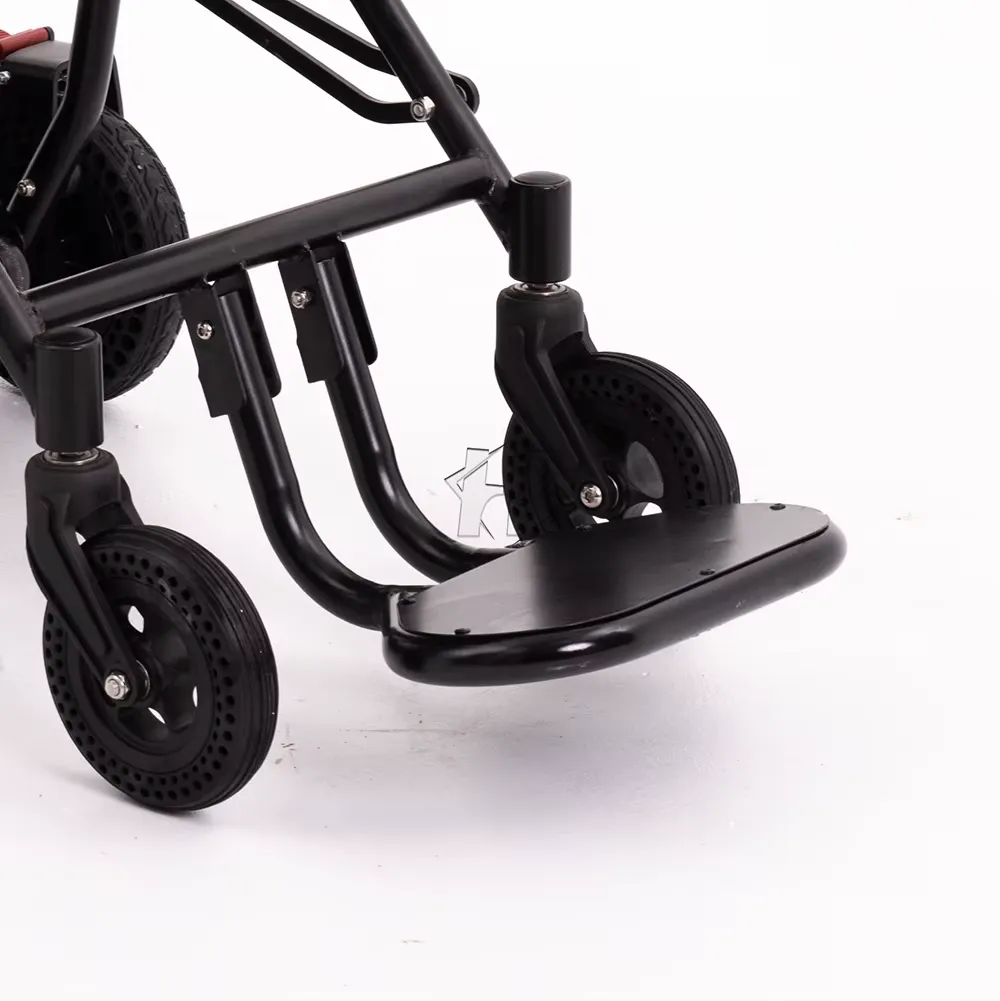
Stair chair vehicle loading should list all parts in the supplier-approved transport setup. Ask who may prepare them under the maker's guide, since a detachable design does not permit untrained disassembly or reassembly.
Which loose items will travel?
Keep the full set on record. Give each loose item its assigned chair code in your agreed load list. Send the same list to receiving staff so they can report missing parts before equipment enters local service. Keep packaging requirements distinct from vehicle access.
- Confirm the approved transport setup
- List all assigned loose items
- Share records with receiving staff
| Check | What to keep |
|---|---|
| Confirm the approved transport setup | Supplier's written model reply |
| List all assigned loose items | Matched load parts list |
| Share records with receiving staff | Confirmed receiving list copy |
Key Takeaway: Use one agreed load list at both ends so staff can trace every loose part to its chair.
What evidence supports equipment restraint decisions?
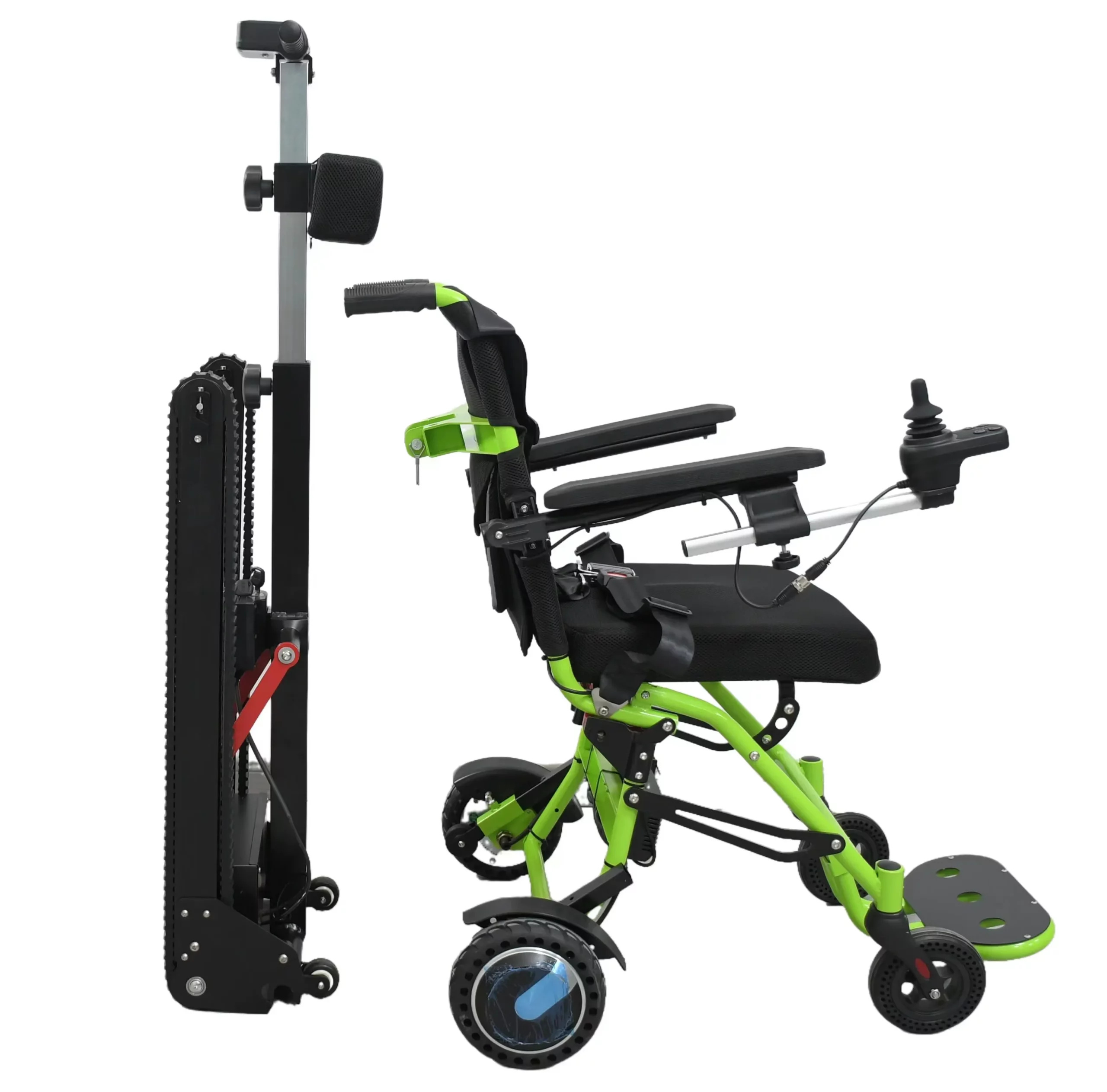
Restraint decisions need qualified review of the exact empty load and vehicle. Add that evidence to stair chair vehicle loading and keep occupied wheelchair transport outside this cargo review unless separately assessed.
Written proof for cargo arrangements
Ask how this empty load travels. Ask your equipment and vehicle reviewers what written rules apply and who accepts each task. Keep restraint methods and attachment choices within approved guidance instead of deriving a method from a sales photo.
- Name the approved empty load
- Request a cargo restraint review
- Record accepted transport provider duties
| Check | What to keep |
|---|---|
| Name the approved empty load | Confirmed load setup record |
| Request a cargo restraint review | Qualified vehicle review decision |
| Record accepted transport provider duties | Written provider duty list |
Key Takeaway: Get a documented review of your empty load's carrying arrangements before you book transport or promise vehicle fit.
How should stair chair vehicle loading address battery questions?
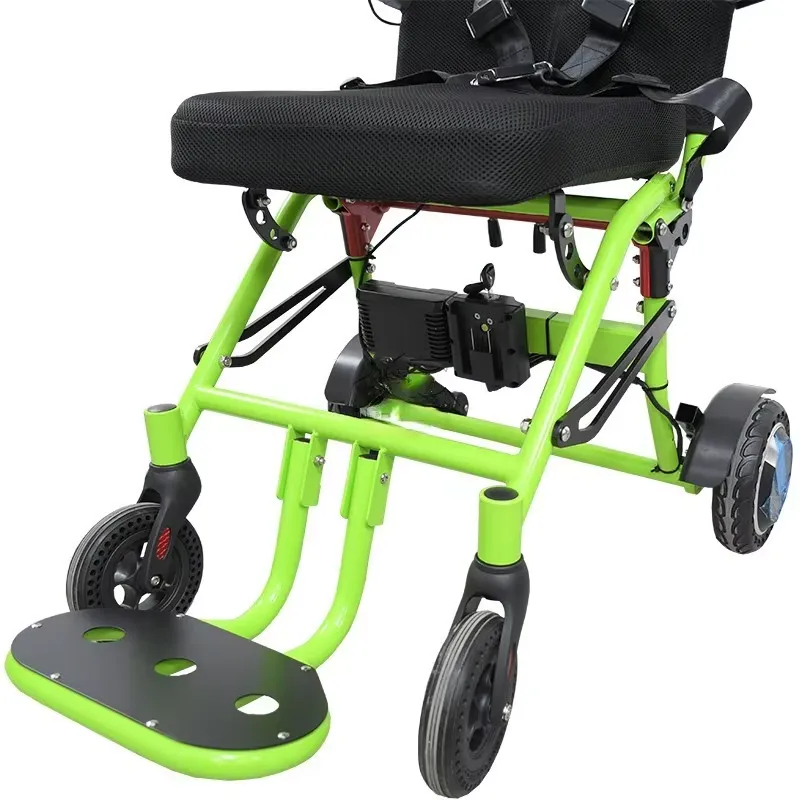
Stair chair vehicle loading should include battery identity and exact model transport guidance. Send those facts to your carrier and equipment reviewer so they can name required files and approved handling arrangements.
Battery facts for your planned route
Give your carrier the right facts. For a United Arab Emirates delivery, state the actual route and mode of travel. Keep replies tied to that trip, with battery preparation left to authorized staff following the maker's instructions.
- Provide the battery's written details
- State the planned route clearly
- Ask which carrier files apply
| Check | What to keep |
|---|---|
| Provide the battery's written details | Supplier's battery facts file |
| State the planned route clearly | Route and travel mode |
| Ask which carrier files apply | Carrier's written document request |
Key Takeaway: Send battery facts and the planned route to your carrier, then resolve its open questions before confirming transport.
What should dispatch and receipt records contain?
Records should name each item, its approved travel setup and any reported damage. Link them with stair chair vehicle loading so staff can trace missing parts without treating delivery signing as service approval.
Compare dispatch and receipt notes
Compare the load at both ends. Ask assigned staff to note what they see within their agreed roles. Pass damage or missing-item reports through your supplier and service team before anyone decides the chair's status for use. Refer to the exact handling instructions supplied with the model.
- Record each item before dispatch
- Note reported damage on receipt
- Pass gaps through agreed contacts
| Check | What to keep |
|---|---|
| Record each item before dispatch | Dated load parts list |
| Note reported damage on receipt | Named receiving staff report |
| Pass gaps through agreed contacts | Recorded delivery query case |
Key Takeaway: Compare both handover records and refer each gap for review before equipment is listed as available for use.
How should the handling plan be reviewed locally?
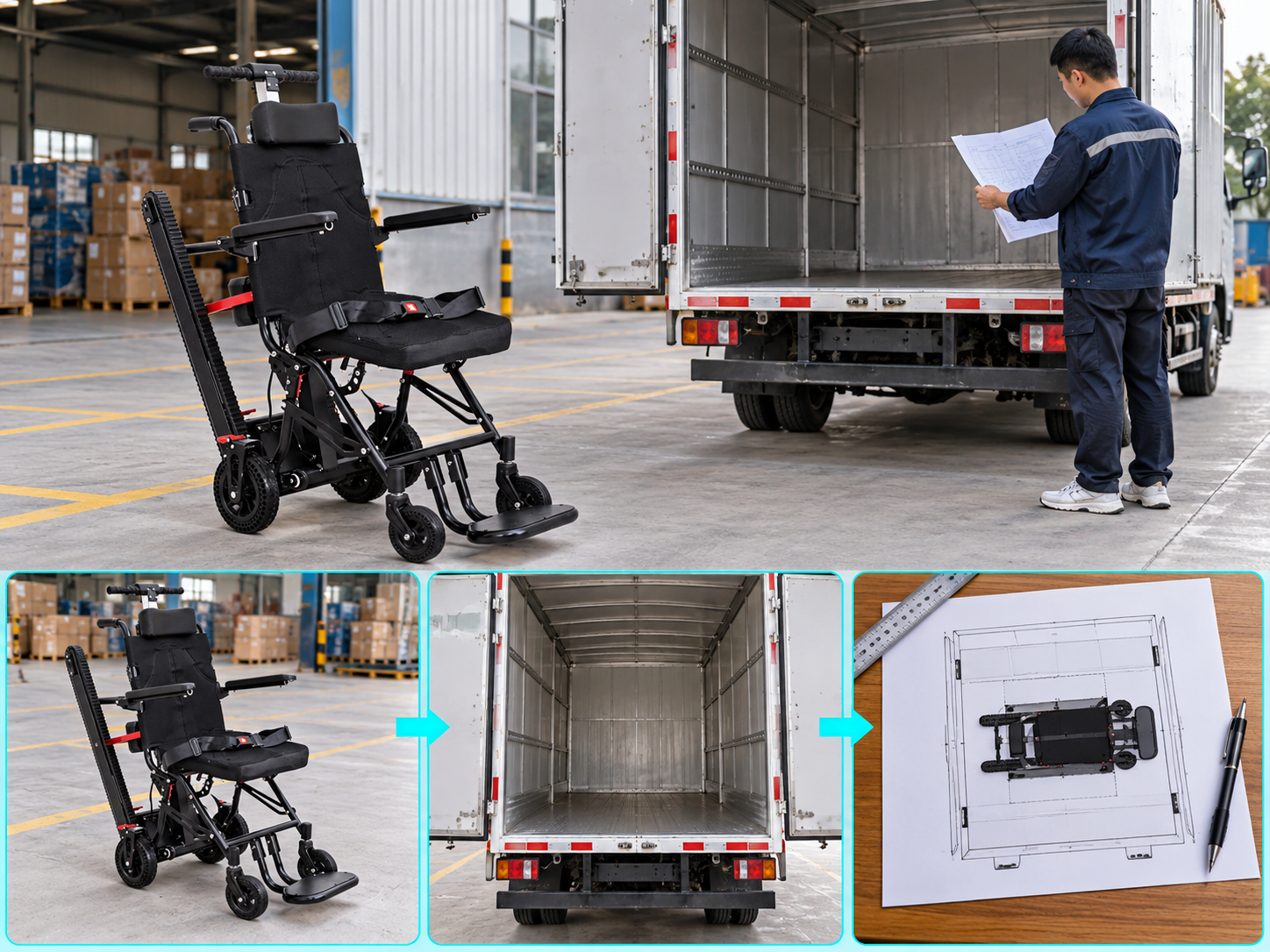
A local review should cover real loading and receiving conditions at both sites. Add those findings to stair chair vehicle loading, since a different door or vehicle can change an earlier plan.
Who reviews changed site conditions?
Review both sites before the trip. General handling guidance supports task review but cannot approve a particular loading method. Ask who handles late changes and who can halt the task while a qualified person reviews those changes. HSE handling guidance provides general risk-review context.
- Describe both planned delivery sites
- Record available approved handling aids
- Name who reviews late changes
| Check | What to keep |
|---|---|
| Describe both planned delivery sites | Written site review notes |
| Record available approved handling aids | Confirmed provider aid list |
| Name who reviews late changes | Named change review contact |
Key Takeaway: Review both sites and assign someone who can resolve changed conditions before staff begin the planned equipment movement.
What should stair chair vehicle loading add to an inquiry?

Stair chair vehicle loading should add an exact load list, vehicle details and clear scope. Ask your supplier for model guidance and your qualified provider for task acceptance before treating a quote as a plan.
Ask for answers before collection
Seek answers before you confirm collection. List each unanswered question with the person who must provide an answer. Keep collection open until those responsible have accepted their tasks and supplied the files needed for review.
- Submit the empty equipment brief
- Request missing model transport files
- Confirm provider acceptance before collection
| Check | What to keep |
|---|---|
| Submit the empty equipment brief | Written load task request |
| Request missing model transport files | Supplier's open file list |
| Confirm provider acceptance before collection | Recorded task acceptance reply |
Key Takeaway: Send a clear empty-equipment brief and confirm collection only when named reviewers have resolved questions affecting their assigned tasks. Contact us with your model, route and order brief so we can discuss the product files you need. At AryMD, a clear stair-access decision starts with the right product facts.
Frequently asked questions
Q1: Can I use this guide for someone seated in the chair?
No. This guide covers empty equipment only. A seated passenger transport plan needs separate model evidence and qualified review, without assuming that a chair's mobility features make it suitable.
Q2: How do I know if my vehicle has enough room?
Give qualified reviewers exact load sizes and vehicle details from trusted files. Ask which door and cargo measurements they need, including every loose part in the approved travel setup.
Q3: Can I ask staff to lift a chair if no lift is available?
Do not choose a method based only on staff or vehicle limits. Get a qualified task review and model guidance, with approved aids and staff roles agreed before collection.
Q4: What's the best response if the provider changes vehicles?
Send the new vehicle details to your reviewers before proceeding. Keep collection open until access, cargo space and handling needs are checked against the exact empty load and task.
Q5: Can I use one battery transport reply for every delivery method?
No. Name your actual route and travel mode when seeking supplier and carrier advice. Save their reply with that trip rather than applying it across road, sea and air.