

A stair chair storage plan should name a reviewed space, clear item records and someone responsible for access. A powered passenger stair chair and its track unit need a plan that fits your actual site. In a shared Singapore room, boxes or furniture may fill a once-clear path. Use premises review and exact model guidance, then record who acts when the space or equipment status changes.
What should a stair chair storage plan decide?

Your stair chair storage plan should name a reviewed space, an owner and rules for access. Include the chair and its track unit so staff know which items belong there.
What should the space decision cover?
Choose a space staff can manage. Send your supplier and site team photos and a simple room plan. At a Singapore site, describe real room use rather than assuming any indoor corner will suit.
- Describe the proposed storage space
- List chair and track codes
- Name who manages the space
| Check | What to keep |
|---|---|
| Describe the proposed storage space | Marked room plan photo |
| List chair and track codes | Matched equipment parts list |
| Name who manages the space | Named storage staff owner |
Key Takeaway: Choose a proposed space and ask your supplier and site team which gaps need review before equipment arrives.
How should a stair chair storage plan address access routes?

A stair chair storage plan should protect access and escape routes through your site's premises review. Include nearby doors, cupboards and delivery space so a clear route stays usable during daily work.
Check routes during normal room use
Keep paths clear during normal use. Show reviewers the room while staff are using it, not just when empty. Save their location decision and name who handles blocked access when boxes or furniture fill nearby space. Keep model-specific storage instructions with each stock line.
- Show nearby doors and paths
- Request a site team review
- Name who handles blocked paths
| Check | What to keep |
|---|---|
| Show nearby doors and paths | Marked room access plan |
| Request a site team review | Written site space decision |
| Name who handles blocked paths | Named site staff contact |
Key Takeaway: Have your site team check access during normal work and record who must act if routes become blocked.
Which records support a stair chair storage plan?

An inventory should support your stair chair storage plan by naming each chair, track unit and approved accessory. Add item codes and locations so a spare part cannot quietly join the wrong set.
Which items belong in this space?
Give each item its own place. Keep location details in your shared file rather than relying on staff memory. If parts will be stored apart, ask your supplier what rules apply and how pairing records should follow them.
- List each assigned equipment item
- Match chair with track unit
- Record approved separate storage plans
| Check | What to keep |
|---|---|
| List each assigned equipment item | Location and item list |
| Match chair with track unit | Written chair track pairing |
| Record approved separate storage plans | Supplier's model storage guide |
Key Takeaway: Keep item codes and locations clear so staff can report a missing part or a mismatch before use.
Which storage conditions need confirmation?

Your supplier should confirm storage conditions for the exact model and its battery. Add those files to your stair chair storage plan and have a trained local reviewer check your proposed room.
Match room conditions with model guidance
Compare your room with written guidance. Describe moisture, heat and cleaning work that may affect stored equipment at your site. Ask trained staff to resolve gaps, and keep charging and battery care under the maker's exact guide.
- Request the relevant storage guide
- Describe actual room conditions clearly
- Pass any mismatch for review
| Check | What to keep |
|---|---|
| Request the relevant storage guide | Current maker's model guide |
| Describe actual room conditions clearly | Written site condition notes |
| Pass any mismatch for review | Named storage review reply |
Key Takeaway: Check actual room conditions against your model's guide and resolve gaps before marking the location ready for delivery.
Who should manage a stair chair storage plan?

Your stair chair storage plan should name who controls access and who decides equipment status. A room key should not be treated as proof that a staff member can use the chair.
Who manages access across shifts?
Make access work across all shifts. State how approved staff gain access during each shift and whom they call for help. Keep those rules with your premises plan so access needs and equipment roles stay clear. Retain the confirmed charger match where batteries require care.
- Name approved equipment access roles
- Plan access across working shifts
- Name who decides equipment status
| Check | What to keep |
|---|---|
| Name approved equipment access roles | Named staff access list |
| Plan access across working shifts | Written shift access plan |
| Name who decides equipment status | Assigned equipment staff lead |
Key Takeaway: Check that approved staff can reach stored equipment across shifts and know who decides if it is available.
How should held equipment be identified?
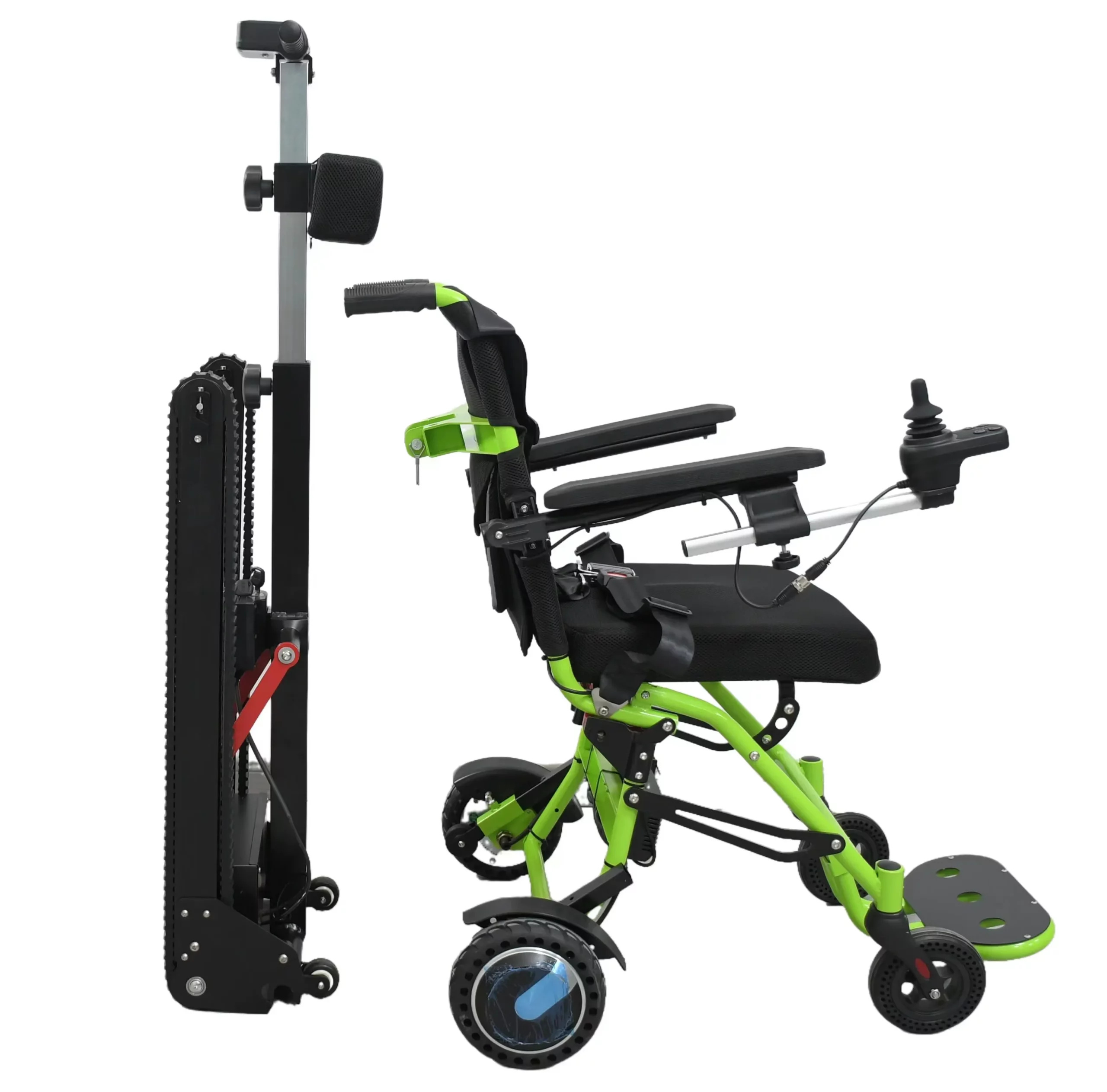
Held equipment needs a clear status record and an approved way to show it. Link this with your stair chair storage plan so a chair in its usual place is not assumed ready.
Show a clear hold status
Make its status clear to staff. Agree how status will be shown without hiding labels or blocking routes. Record who placed the hold, why it was needed and which service contact can provide the next decision.
- Record why equipment was held
- Name the assigned service contact
- Save each later status decision
| Check | What to keep |
|---|---|
| Record why equipment was held | Named dated hold entry |
| Name the assigned service contact | Open service case owner |
| Save each later status decision | Signed service status record |
Key Takeaway: Show held equipment's status clearly and require a named service decision before staff treat the chair as available.
How should a stair chair storage plan cover extended storage?
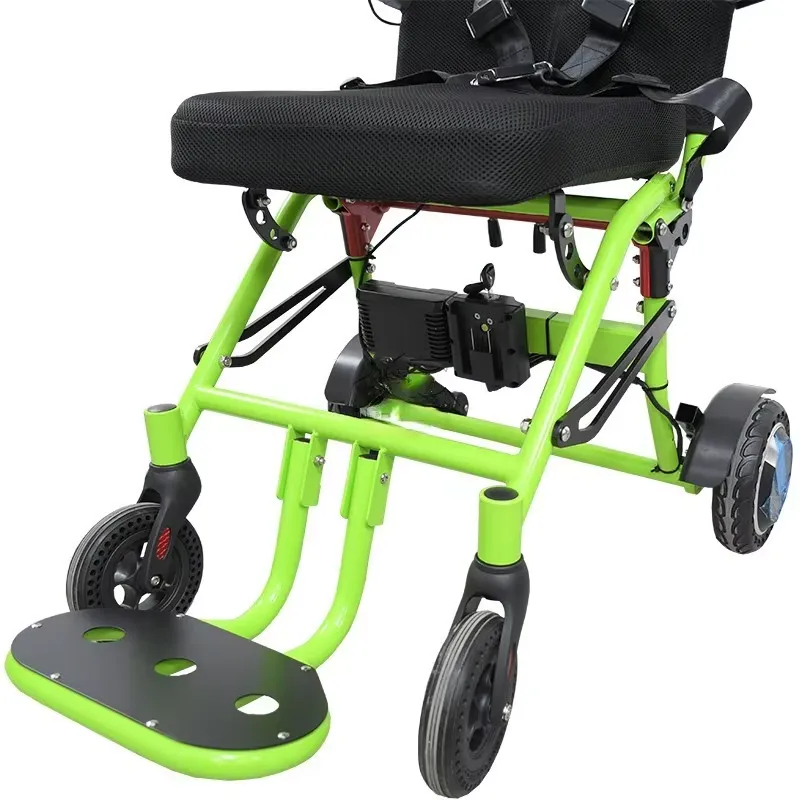
A stair chair storage plan should cover longer pauses through the maker's guide and a return review. Ask which care records and trained checks apply to your exact chair before it returns to use.
Plan care while a site closes
Plan care before use pauses. Name who manages care records when your site closes or staff roles change. Before reopening, request the review required for your model and save its outcome with your equipment history.
- Request the extended storage guide
- Name who manages site closures
- Plan a return status review
| Check | What to keep |
|---|---|
| Request the extended storage guide | Model care guide copy |
| Name who manages site closures | Named closure care owner |
| Plan a return status review | Written return review request |
Key Takeaway: Assign care duties before a closure and plan the trained review needed before stored equipment becomes available again.
What changes should trigger another review?
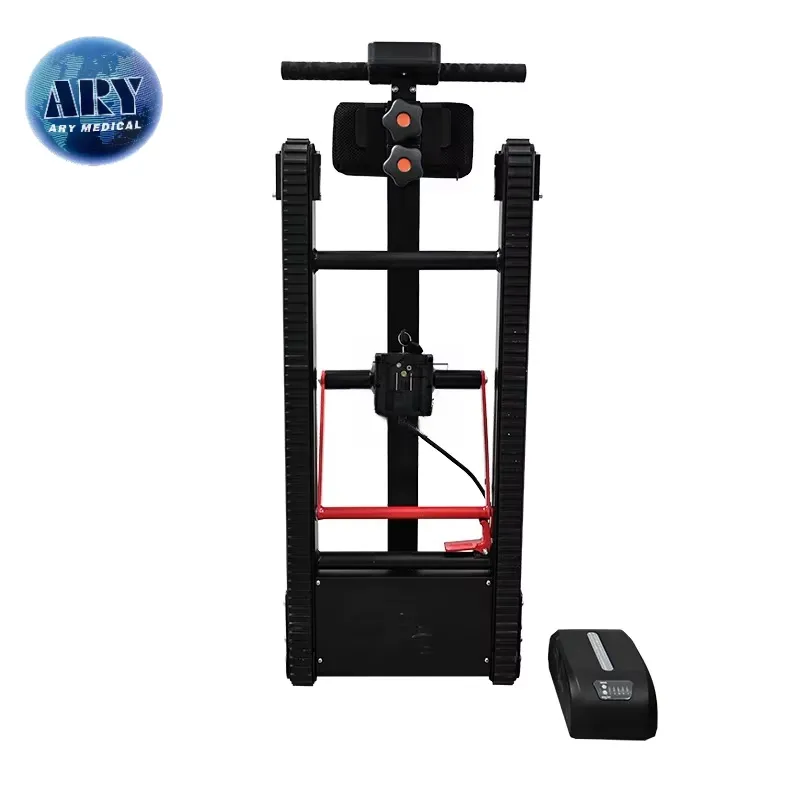
A new location or changed room use should prompt another storage review. Update your stair chair storage plan when furniture moves or another chair arrives, since earlier approval may not cover that change.
What changes need a fresh decision?
A room change may affect access. Write what changed and which part of your plan may be affected. Ask your premises reviewer whether supplier advice is also needed before using the space for its revised purpose. Record the required release inspection before allocation.
- Record changes in storage space
- Name any affected storage conditions
- Request a fresh site decision
| Check | What to keep |
|---|---|
| Record changes in storage space | Before and after photos |
| Name any affected storage conditions | Written change impact notes |
| Request a fresh site decision | Revised site review record |
Key Takeaway: Have changed room use checked before staff treat a new layout as if it shared an earlier approval.
How should staff check storage records?

Staff should check inventory and status records within their agreed roles. Keep your stair chair storage plan beside current model guidance so a routine records check does not become an untrained technical inspection.
Pass open queries between shifts
Give staff a short reporting list. General handling guidance supports review of tasks and surroundings, while model guides govern equipment care. Pass open queries between shifts and keep personal details off notices that other visitors could read. MHRA device-management guidance provides broader equipment-management context.
- Check items against the inventory
- Report unclear equipment status promptly
- Pass open questions between shifts
| Check | What to keep |
|---|---|
| Check items against the inventory | Completed item count record |
| Report unclear equipment status promptly | Named status query note |
| Pass open questions between shifts | Written shift handover list |
Key Takeaway: Give staff a short check list and a named contact so each unclear storage issue receives a reply.
What should your stair chair storage plan request from suppliers?

Your stair chair storage plan should request model care guides, parts pairing rules and a support contact. Show your supplier the proposed space while leaving building access decisions with your responsible site team.
Give your supplier clear site facts
Give the supplier clear site facts. Send a room description and draft item list with your inquiry for review. Ask which gaps must be resolved before delivery and who handles later questions about stored or detached parts.
- Send proposed space and inventory
- Request exact model storage guides
- Assign open questions before delivery
| Check | What to keep |
|---|---|
| Send proposed space and inventory | Site review request file |
| Request exact model storage guides | Supplier's file list reply |
| Assign open questions before delivery | Named pre delivery actions |
Key Takeaway: Send your room plan and equipment list with the inquiry, then resolve assigned questions before agreeing the storage handover. Contact us with your model, route and order brief so we can discuss the product files you need. At AryMD, a clear stair-access decision starts with the right product facts.
Frequently asked questions
Q1: Can I store a chair and its tracks in different rooms?
Use only a setup supported by model guidance and local review. Keep each part's code, approved pairing and location clear so staff do not select tracks from an unrelated chair.
Q2: How do I know if a corridor space is suitable?
Ask your premises team to review access and escape routes with supplier storage guidance. A handy space in a photo still needs review during normal building use before acceptance.
Q3: Can I keep held equipment in its usual storage space?
Use your approved local hold process and a clear status record. A usual place does not prove readiness, so staff need a way to spot equipment awaiting service review.
Q4: What's the best way to plan storage while a site closes?
Get model-specific guidance and name who manages care before closure. Include records and a return review, instead of setting a fixed service interval borrowed from another chair or battery.
Q5: Can I treat a room key as proof of operator skills?
No. Room access and equipment skills serve different needs. Keep approved operator roles and equipment status clear even when several staff members have a valid reason to enter storage.