
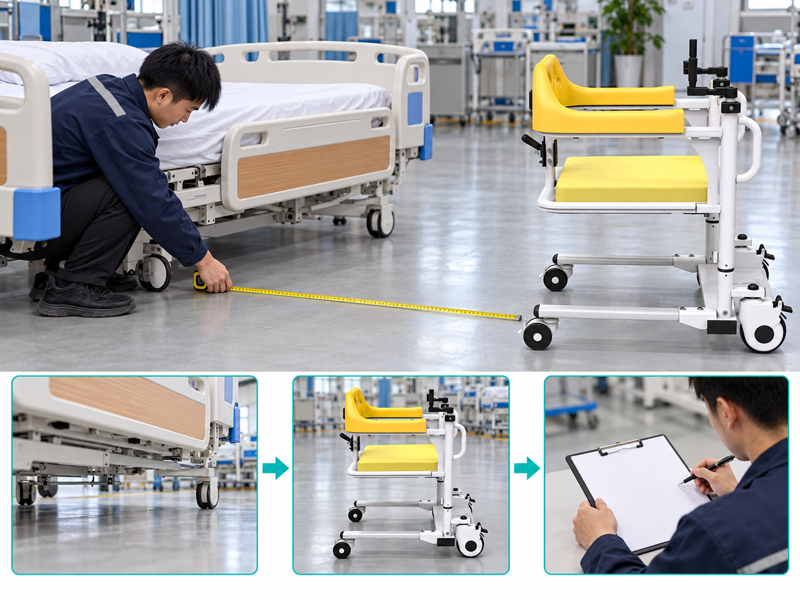
Review transfer chair bed clearance using the chair's approved setup, the actual bed base and the planned approach. A UK buyer may compare seat heights while a low brace prevents the frame reaching the bed. A measured product brief helps the supplier and qualified care team resolve that conflict before selection.
What should transfer chair bed clearance confirm?
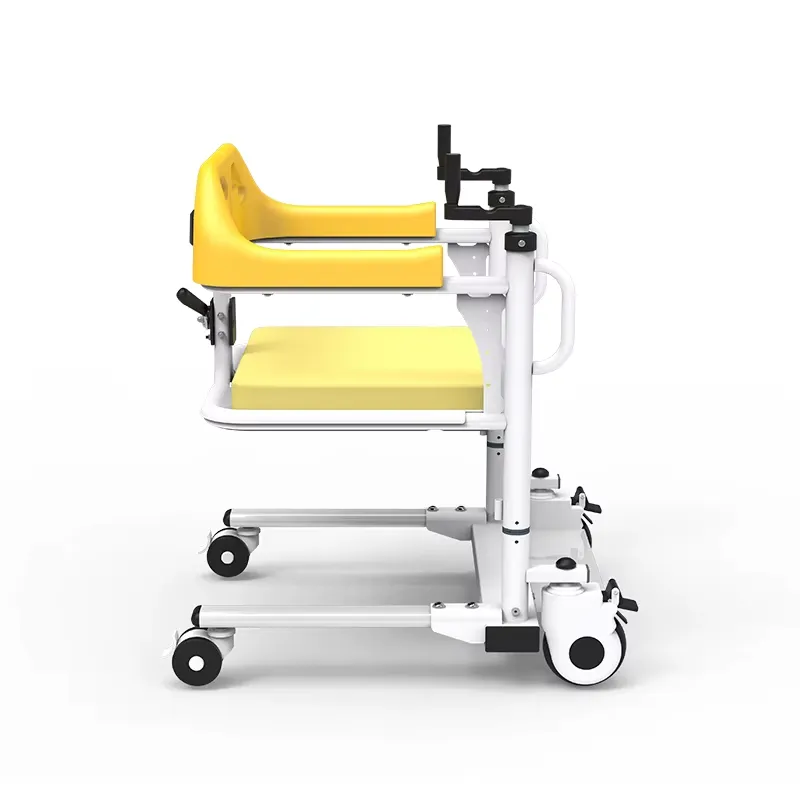
Transfer chair bed clearance should confirm whether the approved chair setup fits the bed base and the planned approach. Seat height alone cannot answer that question.
Define the intended approach
Define the intended approach. Ask the maker which arrangements the exact model supports. Keep the person's transfer method within a qualified care assessment.
- Chair setup
- Bed base
- Transfer method
| Check | Record or reference |
|---|---|
| Chair setup | Model guide |
| Bed base | Measured plan |
| Transfer method | Care assessment |
Key Takeaway: You can separate a product-fit question from a personal care decision.
Which bed details need measuring?
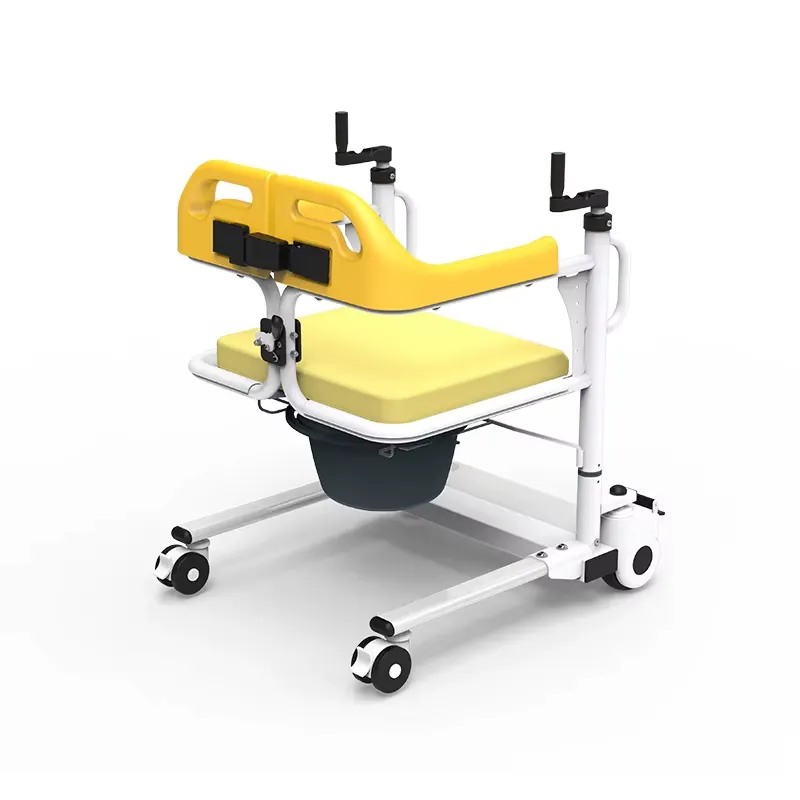
For transfer chair bed clearance, record the bed's lower frame, legs, casters and other fixed obstructions. The space under the mattress is not the same as usable space near the floor.
Map the bed's lower frame
Map the low obstructions. Use the actual bed in the relevant position. Include stored items or fittings that can obstruct the intended route. Record the exact bed configuration when measuring the lower frame.
- Lower frame
- Floor obstructions
- Bed position
| Check | Record or reference |
|---|---|
| Lower frame | Sketch |
| Floor obstructions | Photos |
| Bed position | Record |
Key Takeaway: Your measurements describe the bed the chair will approach.
Which chair dimensions matter?
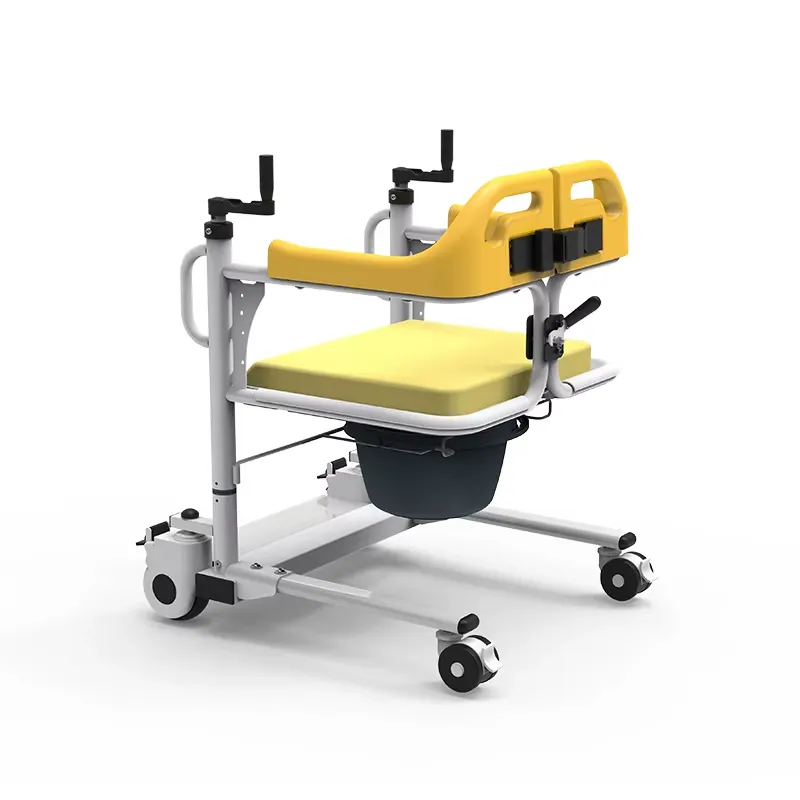
Transfer chair bed clearance needs the chair's full base outline and the dimensions relevant to its permitted approach. A seat-width figure leaves the wheels and supports out.
Request the complete chair outline
Include the complete lower frame. Request the maker's drawing for the exact version. Do not infer hidden clearances from a single product photograph.
- Base outline
- Wheel positions
- Approved version
| Check | Record or reference |
|---|---|
| Base outline | Drawing |
| Wheel positions | Product view |
| Approved version | ID |
Key Takeaway: The comparison uses the parts most likely to meet the bed.
How should bed movement be considered?
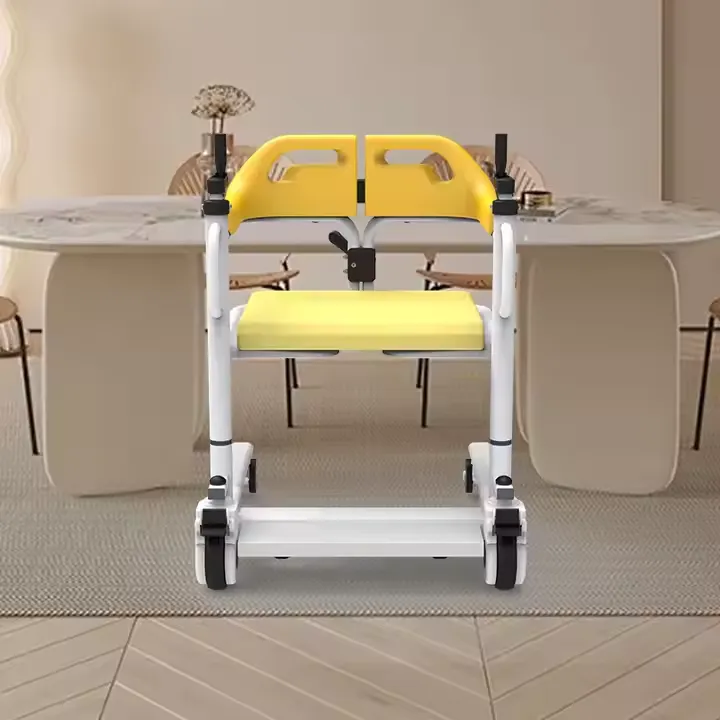
For transfer chair bed clearance, check the positions relevant to the care plan and product guidance. Clearance in one bed position does not establish clearance throughout its movement.
Review required bed positions
Review the required bed positions. Have the responsible team identify which positions need review. Do not move equipment through an uncertain arrangement to see whether it catches.
- Required positions
- Movement envelope
- Open conflict
| Check | Record or reference |
|---|---|
| Required positions | Care brief |
| Movement envelope | Bed guide |
| Open conflict | Review note |
Key Takeaway: The fit decision has a defined operating scope.
What should be checked beside the bed?
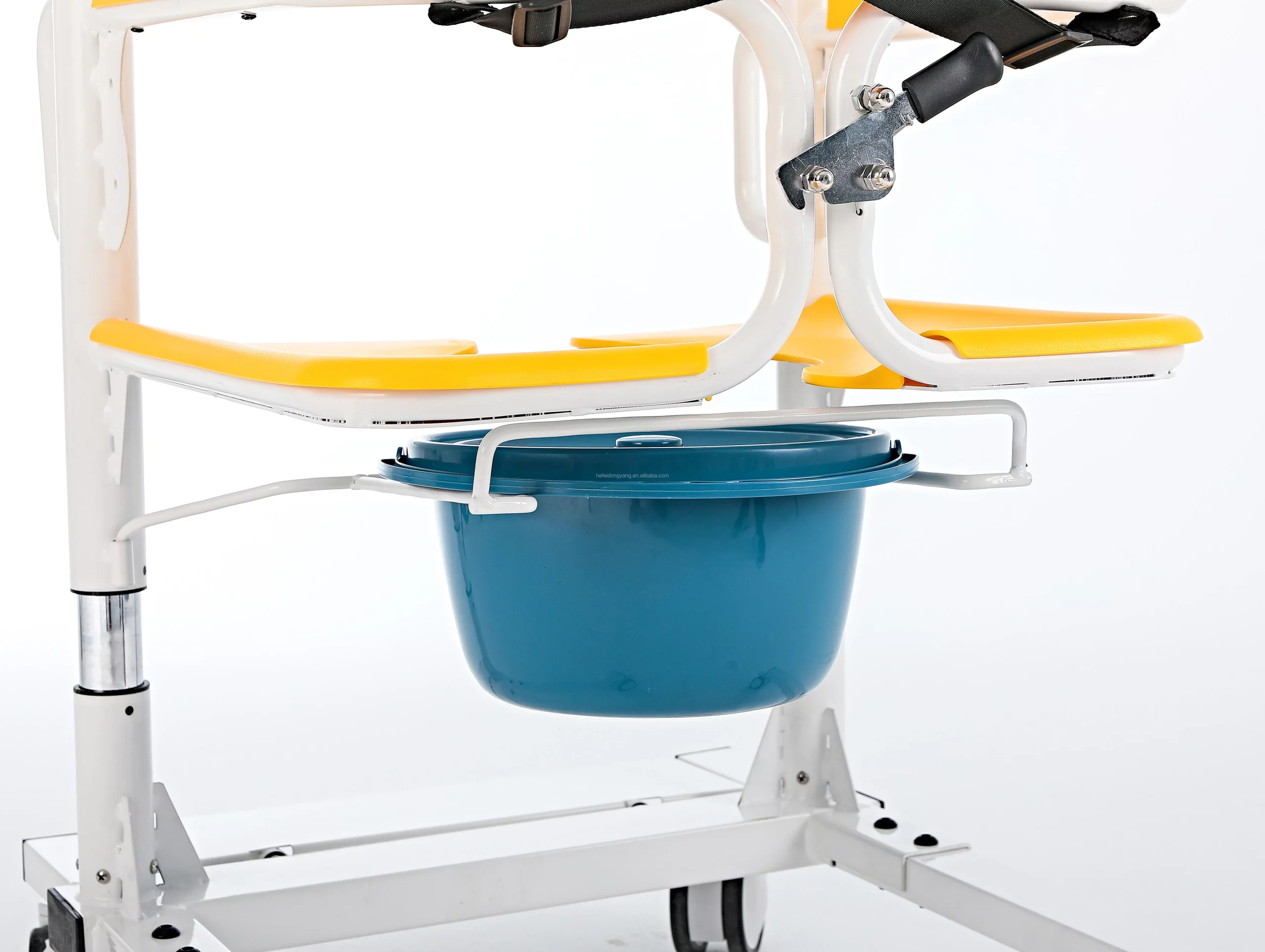
Transfer chair bed clearance includes the approach, helper space and nearby furniture. A chair can fit near the frame while leaving too little room for the planned care activity.
Include the bedside working area
Leave room for the assessed task. Provide a room sketch with fixed obstacles. The qualified assessor should decide whether the arrangement supports the person's needs. Include nearby bedside storage on the room plan.
- Approach route
- Furniture
- Assistance space
| Check | Record or reference |
|---|---|
| Approach route | Room plan |
| Furniture | Measurements |
| Assistance space | Assessment |
Key Takeaway: The review covers the working area around the bed.
Can changing chair height resolve a clash?
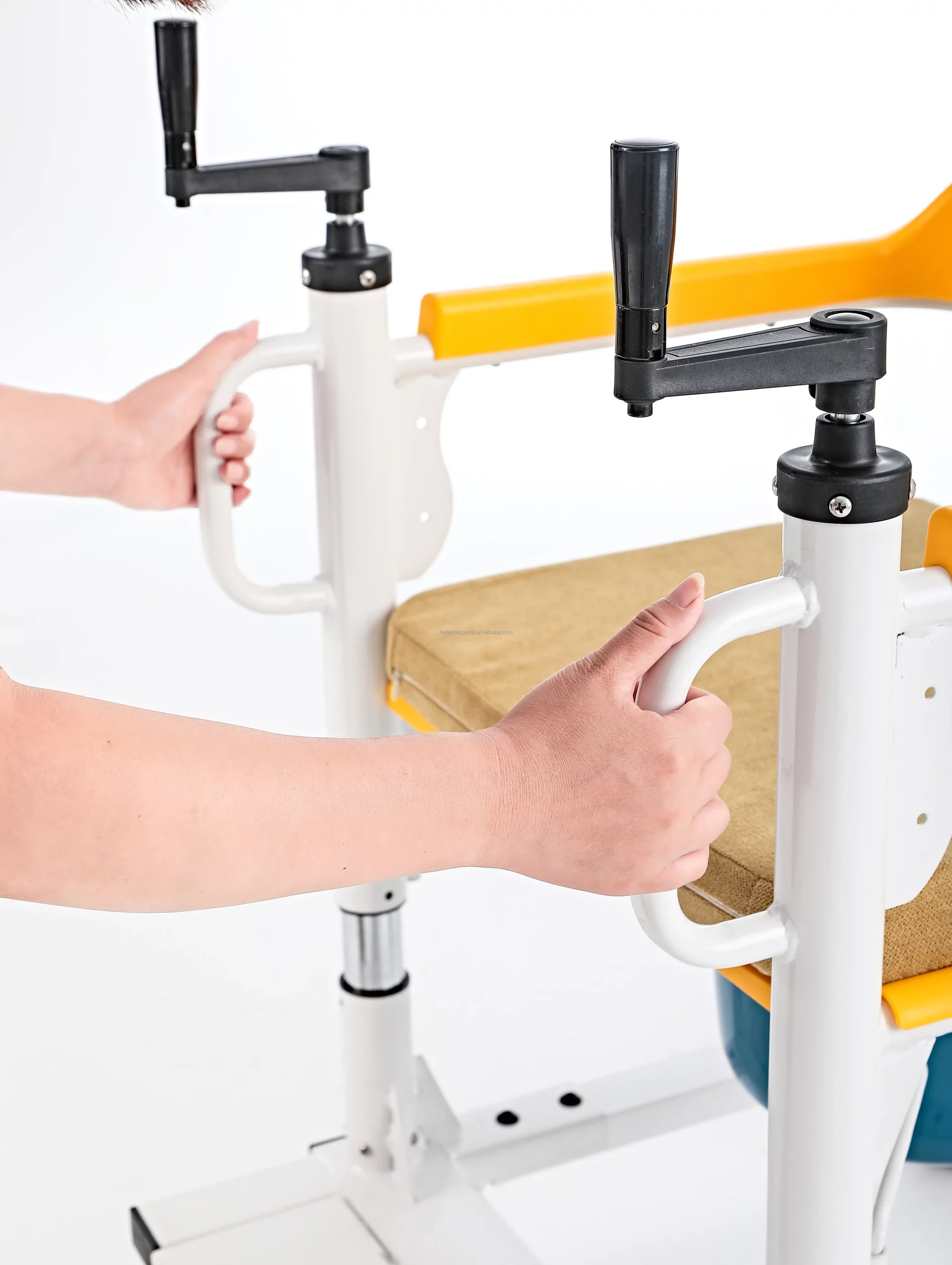
For transfer chair bed clearance, a height change is relevant only within the model's instructions and assessed setup. It cannot be assumed to resolve every frame or support conflict.
Confirm permitted settings
Use only the maker's permitted settings. Request the allowed settings and any related restrictions. Keep improvised changes to legs, wheels or supports out of the proposed solution.
- Allowed setting
- Related limit
- Proposed setup
| Check | Record or reference |
|---|---|
| Allowed setting | Guide |
| Related limit | Maker response |
| Proposed setup | Review record |
Key Takeaway: A clearance solution stays within the chair's design.
What can an empty-chair review establish?
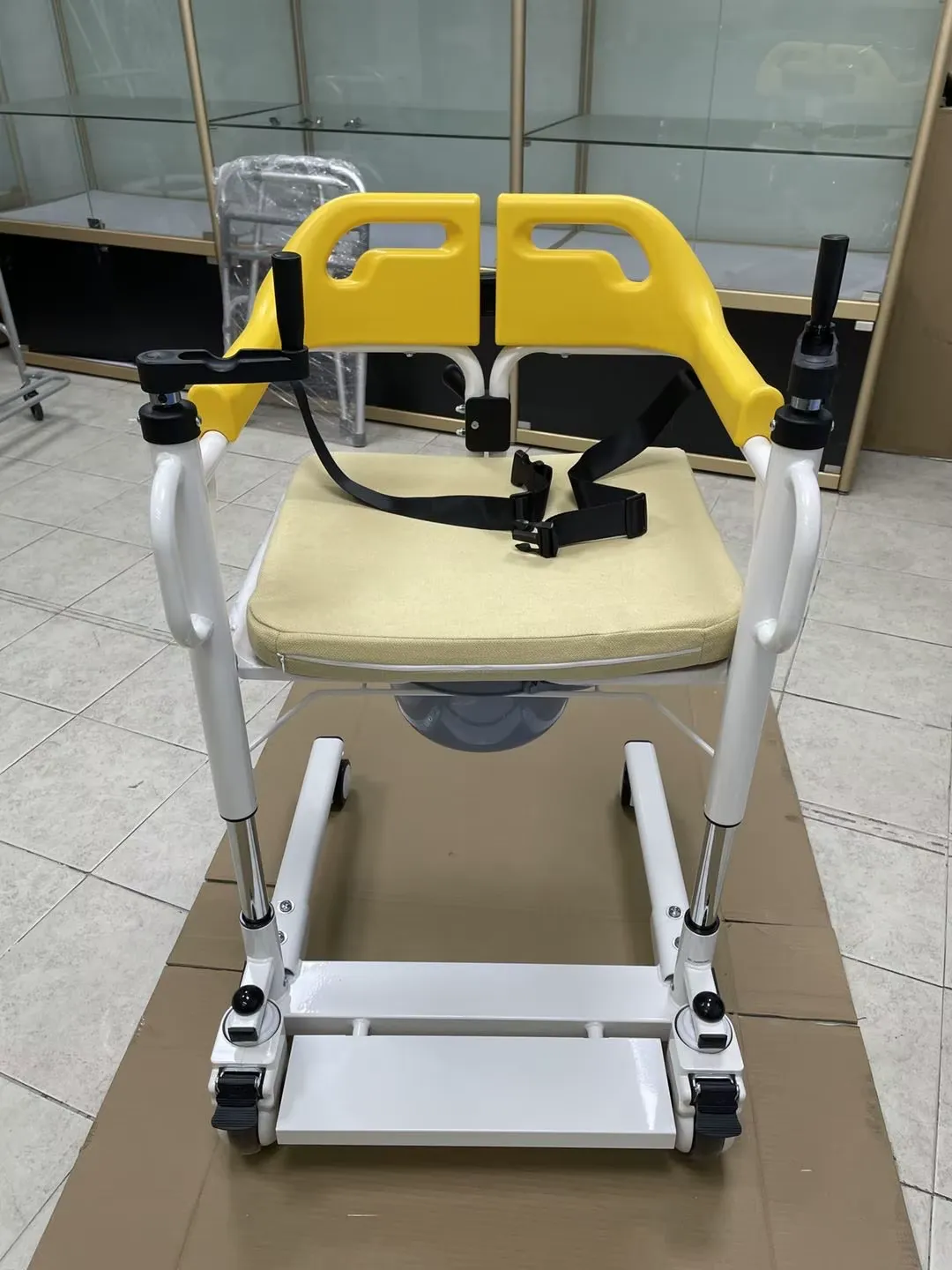
An empty-chair review can help check transfer chair bed clearance within a documented model and bed arrangement. It does not prove that an occupied transfer is suitable.
Set an empty-chair review scope
Set a limited review scope. Use trained staff and the maker's handling guidance. Record any contact or unresolved restriction for the appropriate reviewer.
- Review scope
- Chair and bed IDs
- Observed conflict
| Check | Record or reference |
|---|---|
| Review scope | Plan |
| Chair and bed IDs | Record |
| Observed conflict | Photo |
Key Takeaway: The check provides useful geometry evidence without becoming a care trial.
What if the base cannot approach the bed?
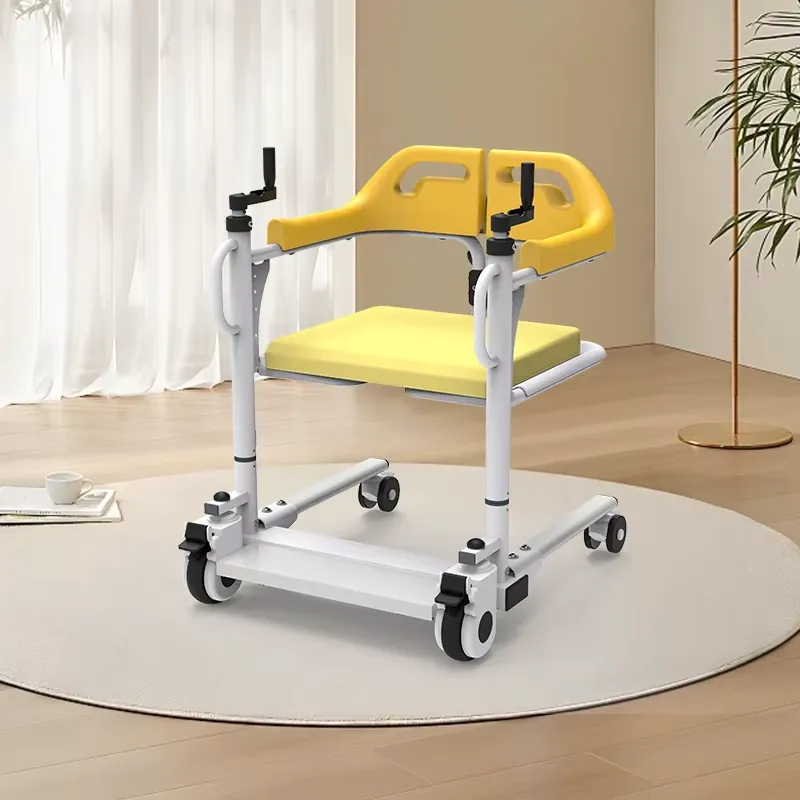
For transfer chair bed clearance, an unresolved clash should lead to a supported alternative or a revised assessed plan. Removing structural parts is not a general remedy.
Resolve a base conflict
Resolve the incompatibility before use. Ask the maker and care team to review the facts. Keep the rejected arrangement in the record so it is not proposed again by another shift. Keep the decision with the broader care-equipment brief.
- Conflict
- Alternative
- Decision owner
| Check | Record or reference |
|---|---|
| Conflict | Issue record |
| Alternative | Review |
| Decision owner | Contact |
Key Takeaway: The next decision can address the actual obstruction.
When should clearance be reviewed again?
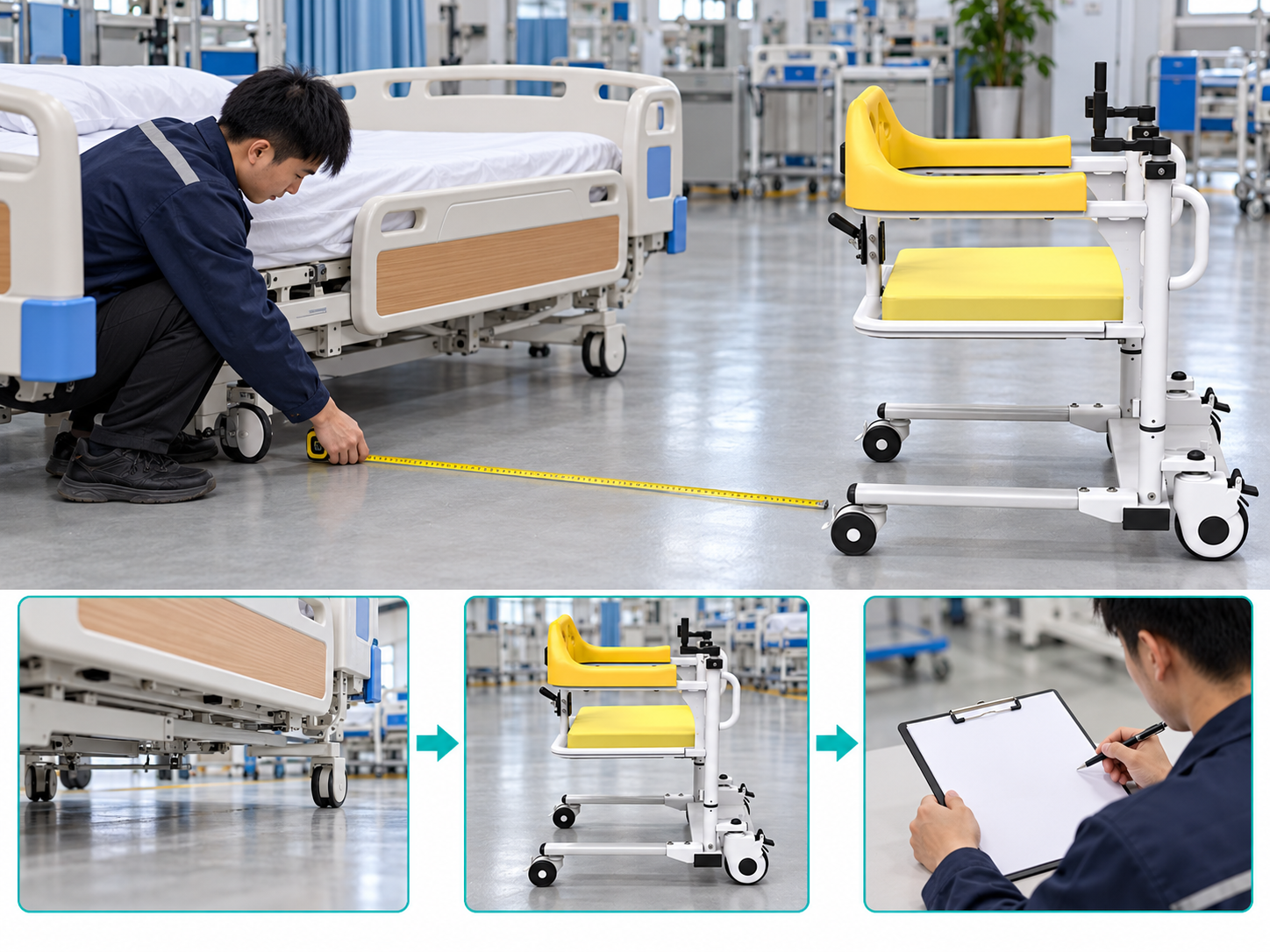
Revisit transfer chair bed clearance after a bed, chair, caster, accessory or room change that affects the arrangement. A past result belongs to the setup that was checked.
Recheck changed equipment
Check changes in either product. Retain the earlier drawings and photographs. Refer new personal-care difficulties through the appropriate assessment route. The MHRA device-use checklists provide a broader equipment-review framework.
- Equipment change
- Room change
- Earlier result
| Check | Record or reference |
|---|---|
| Equipment change | Service record |
| Room change | Updated plan |
| Earlier result | Fit file |
Key Takeaway: The clearance record can remain useful after changes.
What belongs in a clearance enquiry?
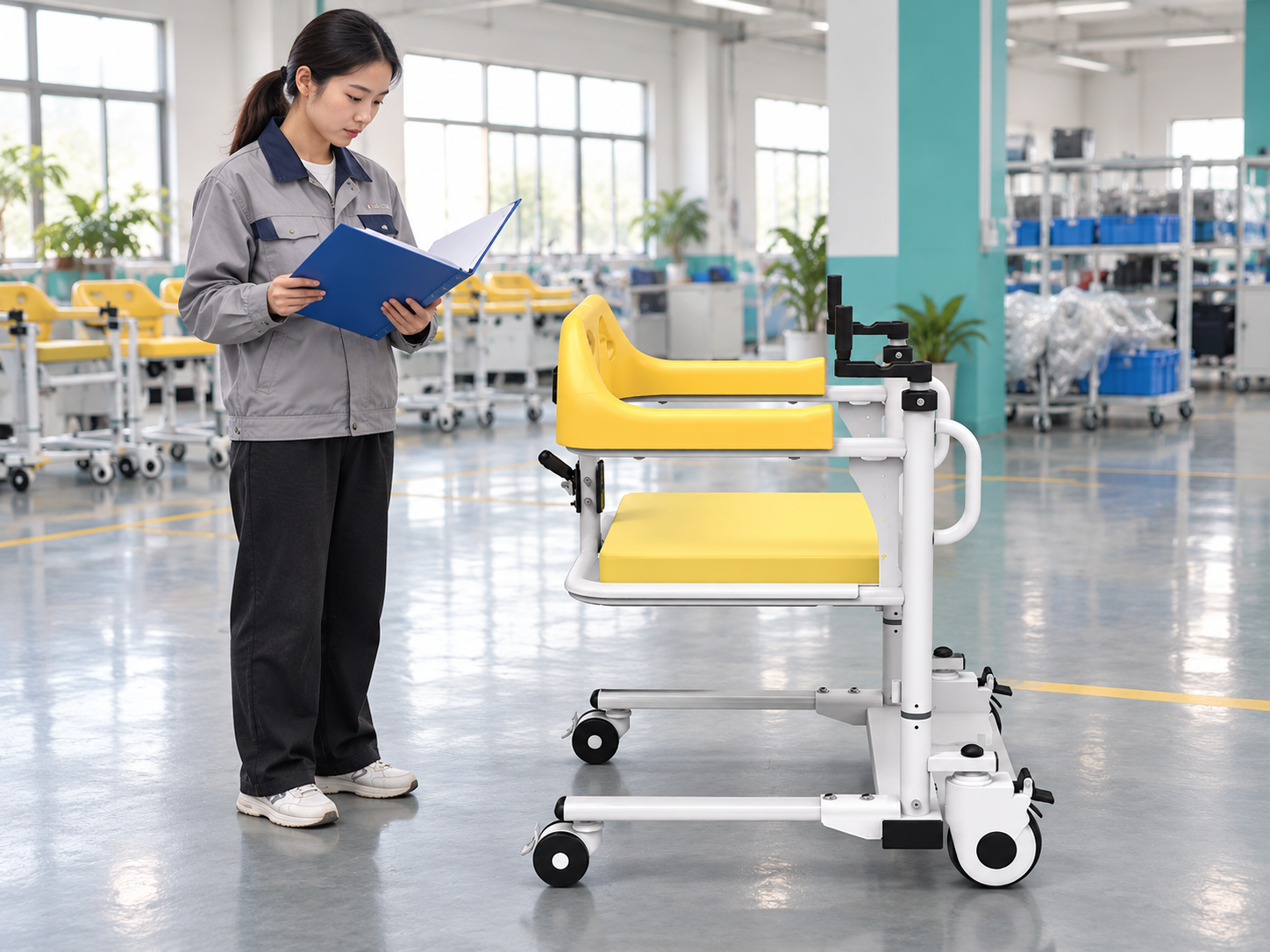
A transfer chair bed clearance enquiry should identify the chair, bed and intended approach with clear measurements. State which product dimensions or permissions remain unknown.
What should you do next?
Send a measured product brief. Ask for current drawings and instructions. Use the supplier's response with the qualified care assessment before selecting the final arrangement.
- Chair and bed
- Measured route
- Open question
| Check | Record or reference |
|---|---|
| Chair and bed | Enquiry |
| Measured route | Sketch |
| Open question | Supplier request |
Key Takeaway: The supplier can answer a precise fit question. To discuss the model and documents for your order, contact us with your requirements. At AryMD, useful product facts should support every care-equipment purchase.
Frequently asked questions
Q1: Can seat height alone confirm bed clearance?
No. Compare the lower frame, wheels, bed base and approved approach as well as the seat position.
Q2: What’s the best clearance allowance for every transfer chair?
There is no universal allowance. Use the exact product guidance and a qualified review of the intended arrangement.
Q3: How do I know which bed position to measure?
Have the responsible team identify the positions relevant to the care plan and the equipment instructions.
Q4: Can I remove a brace to make the chair approach the bed?
Do not improvise a structural change. Ask the maker and qualified care team to review a supported alternative.
Q5: Does an empty-chair fit check approve an occupied transfer?
No. It can provide limited geometry evidence, while personal use requires appropriate qualified assessment.