
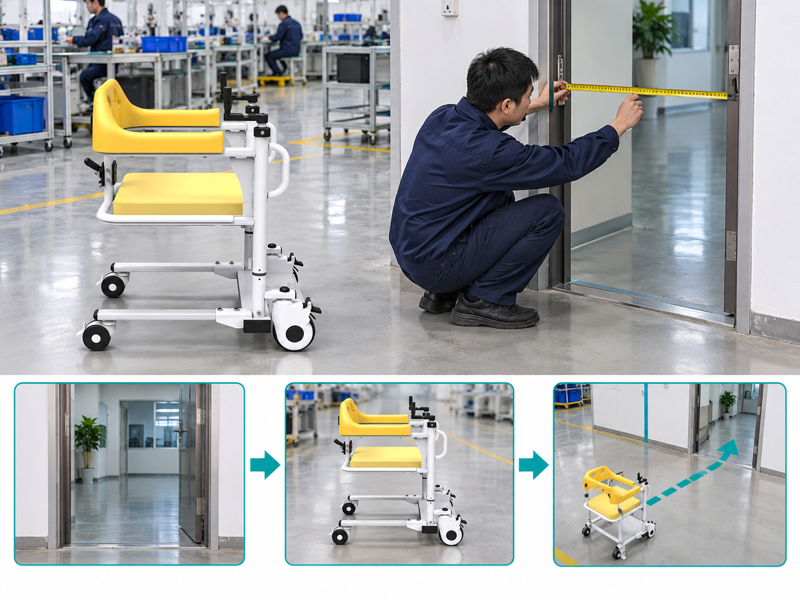
Assess transfer chair doorway access from the complete chair outline and the usable route on both sides of the door. An Italian buyer may measure the seat but overlook projecting controls and a tight turn beside furniture. A measured route plan gives the supplier and assessor a specific access problem to review.
What should transfer chair doorway access measure?
Transfer chair doorway access depends on the chair's full outline, the usable doorway and the planned movement method. Seat width alone cannot establish passage.
Define the access arrangement
Review the complete route. Record the exact model and the approach on both sides. Personal movement and assistance needs belong with a suitable qualified assessment.
- Chair outline
- Usable opening
- Movement needs
| Check | Record or reference |
|---|---|
| Chair outline | Drawing |
| Usable opening | Measurement |
| Movement needs | Assessment |
Key Takeaway: The review starts with the actual access arrangement.
Which product width should be used?
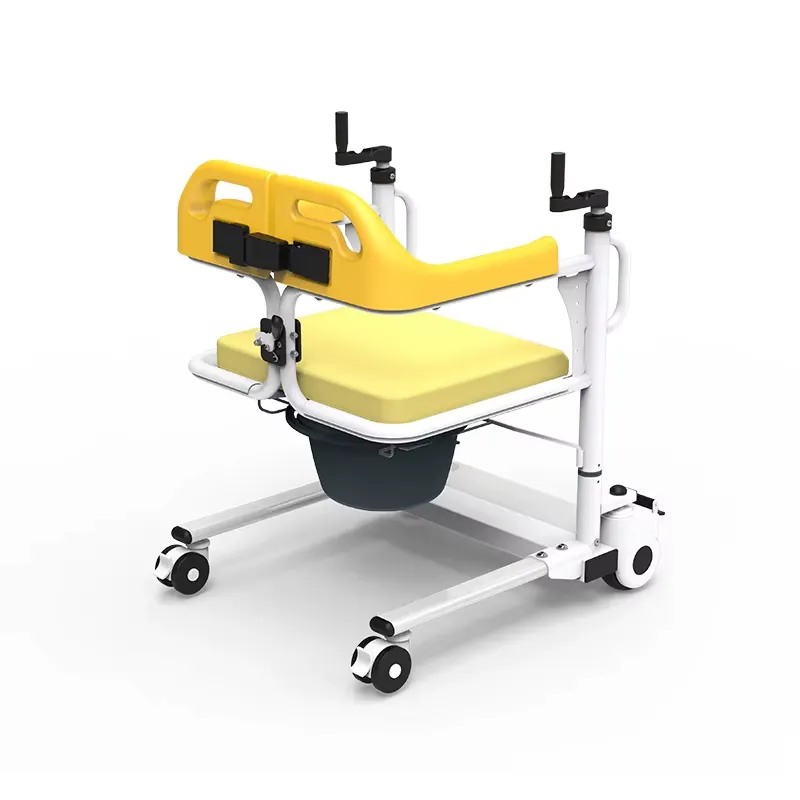
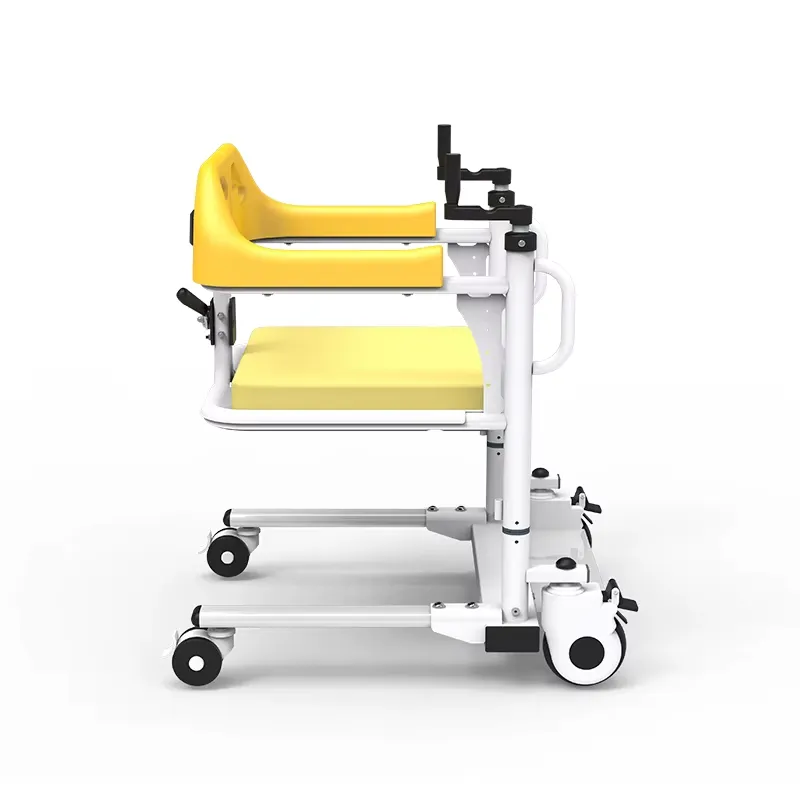
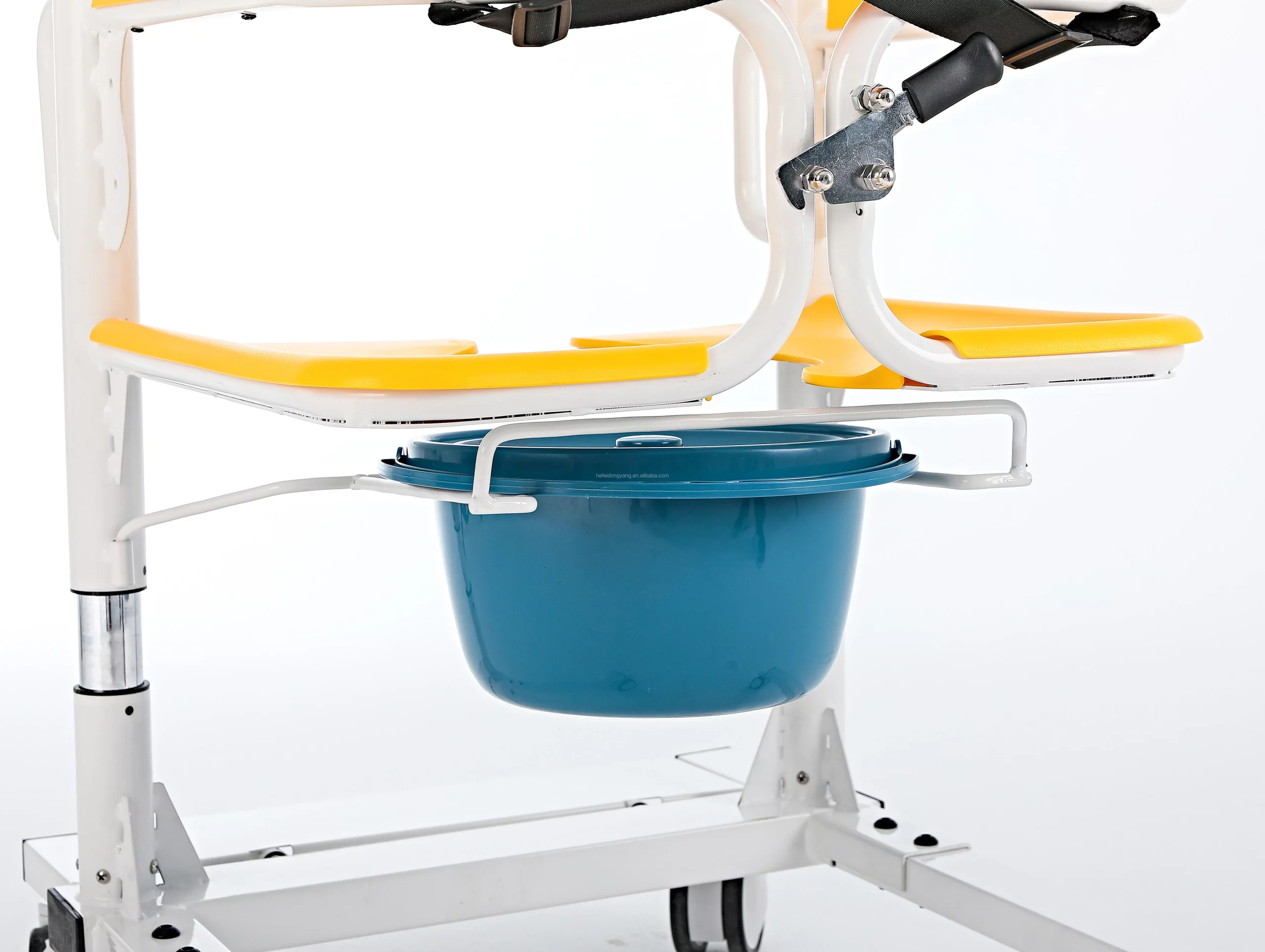
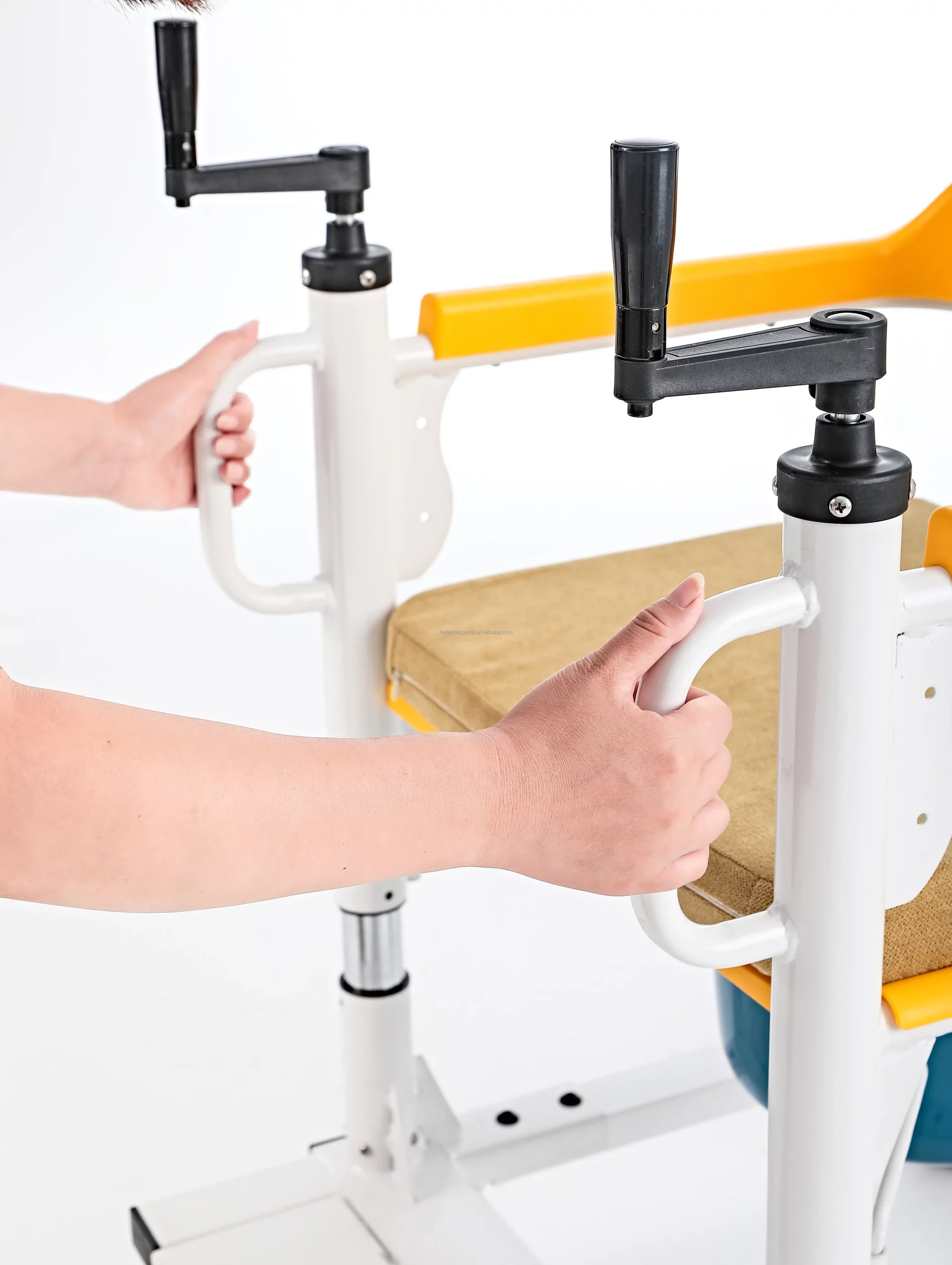
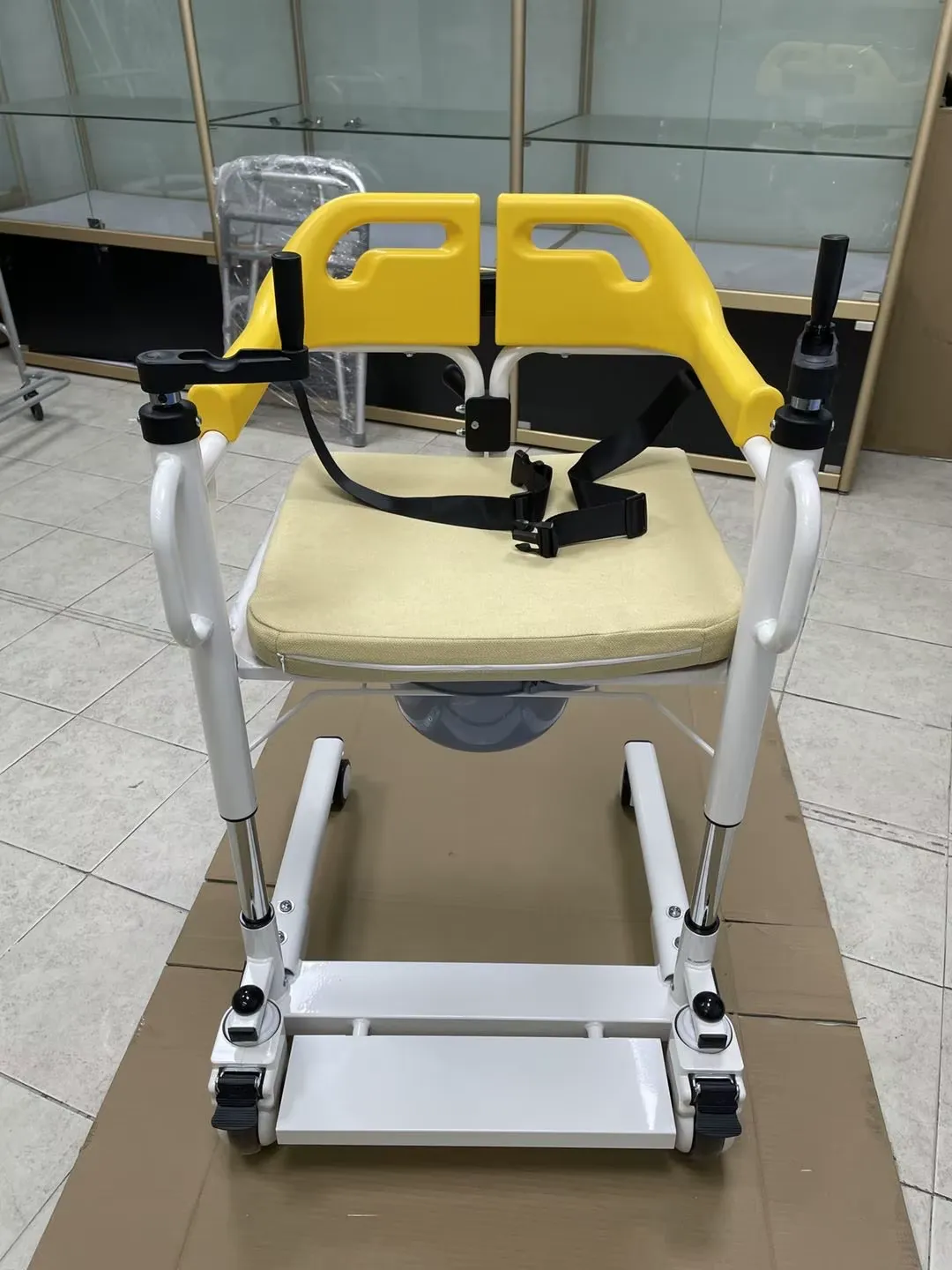
For transfer chair doorway access, use the overall outline with the fitted supports, wheels and controls. A handle or crank may project beyond the seat dimension.
Include all relevant projections
Include every relevant projection. Ask the maker what each published measurement includes. Record the approved configuration used in the comparison. Include the bed model when its position constrains the route.
- Overall width
- Projections
- Configuration
| Check | Record or reference |
|---|---|
| Overall width | Specification |
| Projections | Product views |
| Configuration | Record |
Key Takeaway: The doorway is compared with the correct chair envelope.
How should a hinged door be checked?
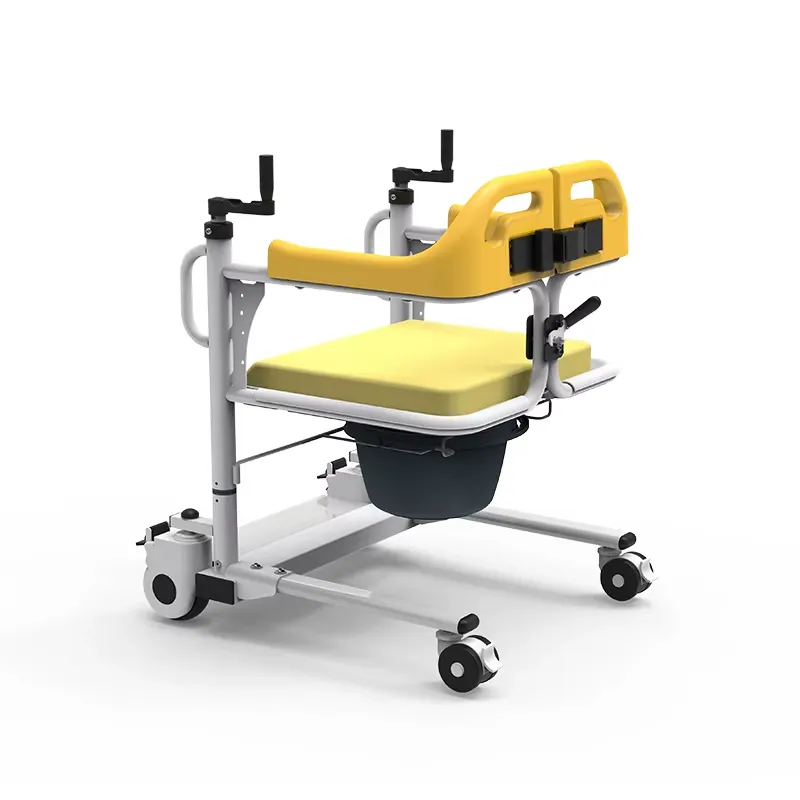
Transfer chair doorway access needs the usable gap with the door leaf, handle and nearby fittings in place. The frame width alone may overstate available space.
Measure the usable doorway
Measure the normal opening position. Photograph the normal open position and any restriction. Refer proposed building changes to the responsible property or access reviewer.
- Door position
- Clear gap
- Opening limit
| Check | Record or reference |
|---|---|
| Door position | Photo |
| Clear gap | Measurement |
| Opening limit | Site note |
Key Takeaway: The recorded doorway reflects how it is actually used.
Why should turning space be included?
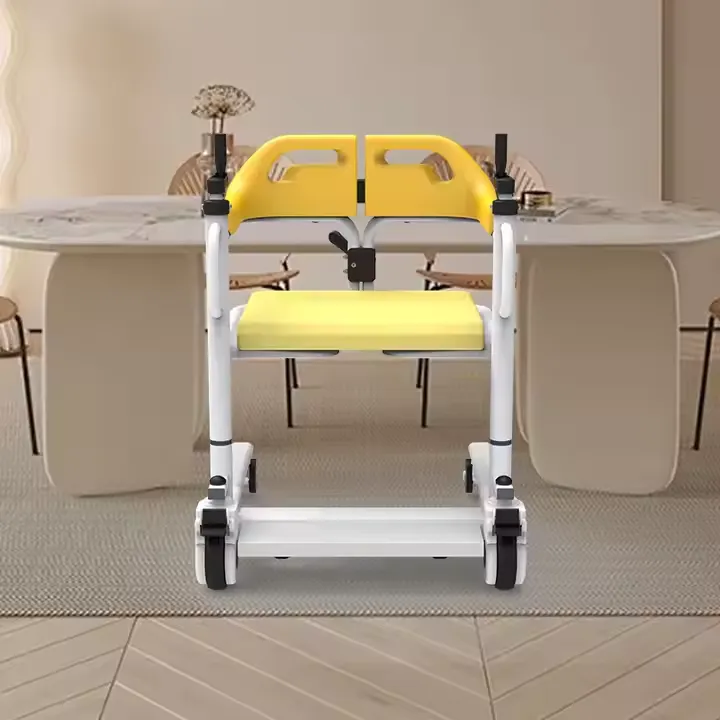
For transfer chair doorway access, the chair needs an appropriate approach and exit, not just a wide enough gap. Nearby furniture may prevent the intended alignment.
Map the approach and exit
Check alignment before passage. Provide a room sketch with fixed obstacles. Ask the assessor to review the movement and assistance task in that space. Keep the cabinet footprint on the approach drawing.
- Approach
- Exit
- Assistance task
| Check | Record or reference |
|---|---|
| Approach | Plan |
| Exit | Plan |
| Assistance task | Assessment |
Key Takeaway: A width match does not conceal a turning problem.
How should thresholds be recorded?
Transfer chair doorway access should record thresholds, gaps and floor changes along the route. Passing between door jambs does not prove that the floor transition is suitable.
Record floor-level obstacles
Treat level changes separately. Use measured photographs and the model's operating limits. Do not propose an improvised ramp or lifting method from a picture alone.
- Threshold shape
- Surface change
- Model limits
| Check | Record or reference |
|---|---|
| Threshold shape | Sketch |
| Surface change | Photo |
| Model limits | Guide |
Key Takeaway: The access review includes obstacles at floor level.
Can a chair be folded or altered for passage?
For transfer chair doorway access, folding or removal of parts must be permitted for the exact task and model. A compact storage state is not evidence of an occupied access method.
Confirm supported configurations
Confirm the supported mode. Ask the maker to define permitted configurations. Keep personal-use decisions with the qualified care reviewer.
- Permitted setup
- Removed parts
- Care decision
| Check | Record or reference |
|---|---|
| Permitted setup | Manual |
| Removed parts | Approved list |
| Care decision | Assessment |
Key Takeaway: The route plan does not depend on an unsupported alteration.
What should a preliminary sample check do?
A preliminary check can help assess transfer chair doorway access within the documented model and doorway setup. It does not authorize a person to repeat the route in the chair.
Limit the preliminary geometry check
Use an empty-chair geometry review. Follow the maker's handling instructions and record conflicts. Refer unresolved product or personal-use issues before any further trial.
- Review method
- Actual model
- Observed conflict
| Check | Record or reference |
|---|---|
| Review method | Plan |
| Actual model | ID |
| Observed conflict | Record |
Key Takeaway: The check gives useful evidence within its scope.
How should access uncertainty be communicated?
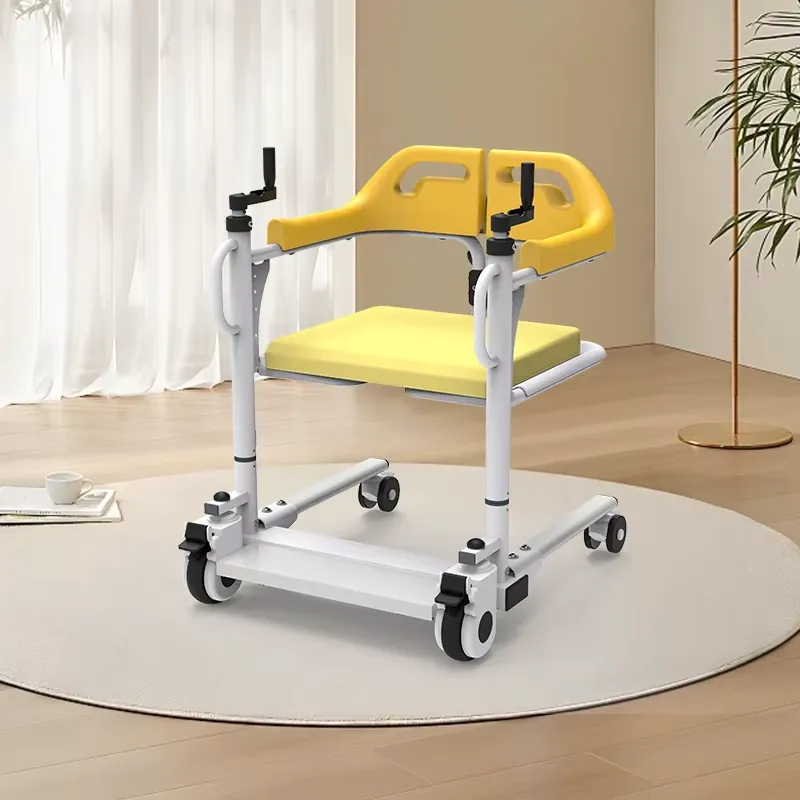
For transfer chair doorway access, record whether the missing fact concerns chair size, door behavior or the care task. A note saying tight fit leaves the next reviewer guessing.
Name the unresolved constraint
Name the unanswered constraint. Assign the product question to the supplier and the site or care question to the right reviewer. Keep the issue open until a supported decision is recorded. Retain the open constraint in the equipment-selection brief.
- Uncertain fact
- Responsible reviewer
- Decision
| Check | Record or reference |
|---|---|
| Uncertain fact | Issue list |
| Responsible reviewer | Contact |
| Decision | Record |
Key Takeaway: The purchase can wait for the question that matters.
When should the route be reassessed?
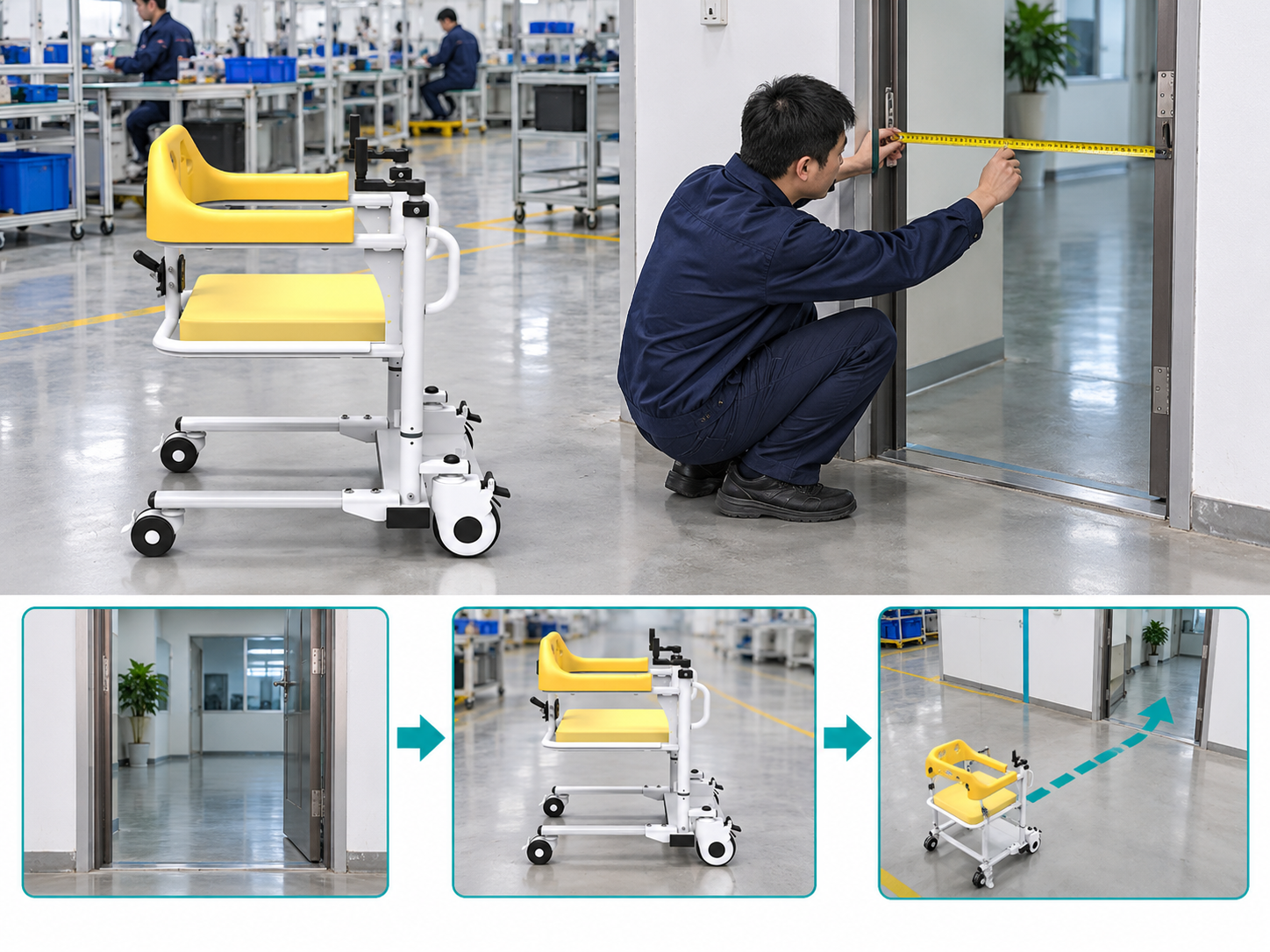
Reassess transfer chair doorway access when the chair version, room, fittings or person's needs change. A previous result should not be copied into a different setup without review.
Review meaningful changes
Review meaningful changes. Keep the earlier measurements available. Record new difficulty and refer it through the appropriate service or care route. The MHRA device-use checklists provide a broader equipment-review framework.
- Equipment change
- Room change
- Care change
| Check | Record or reference |
|---|---|
| Equipment change | Service note |
| Room change | Plan |
| Care change | Assessment |
Key Takeaway: The access record can reflect current conditions.
What should a doorway enquiry include?
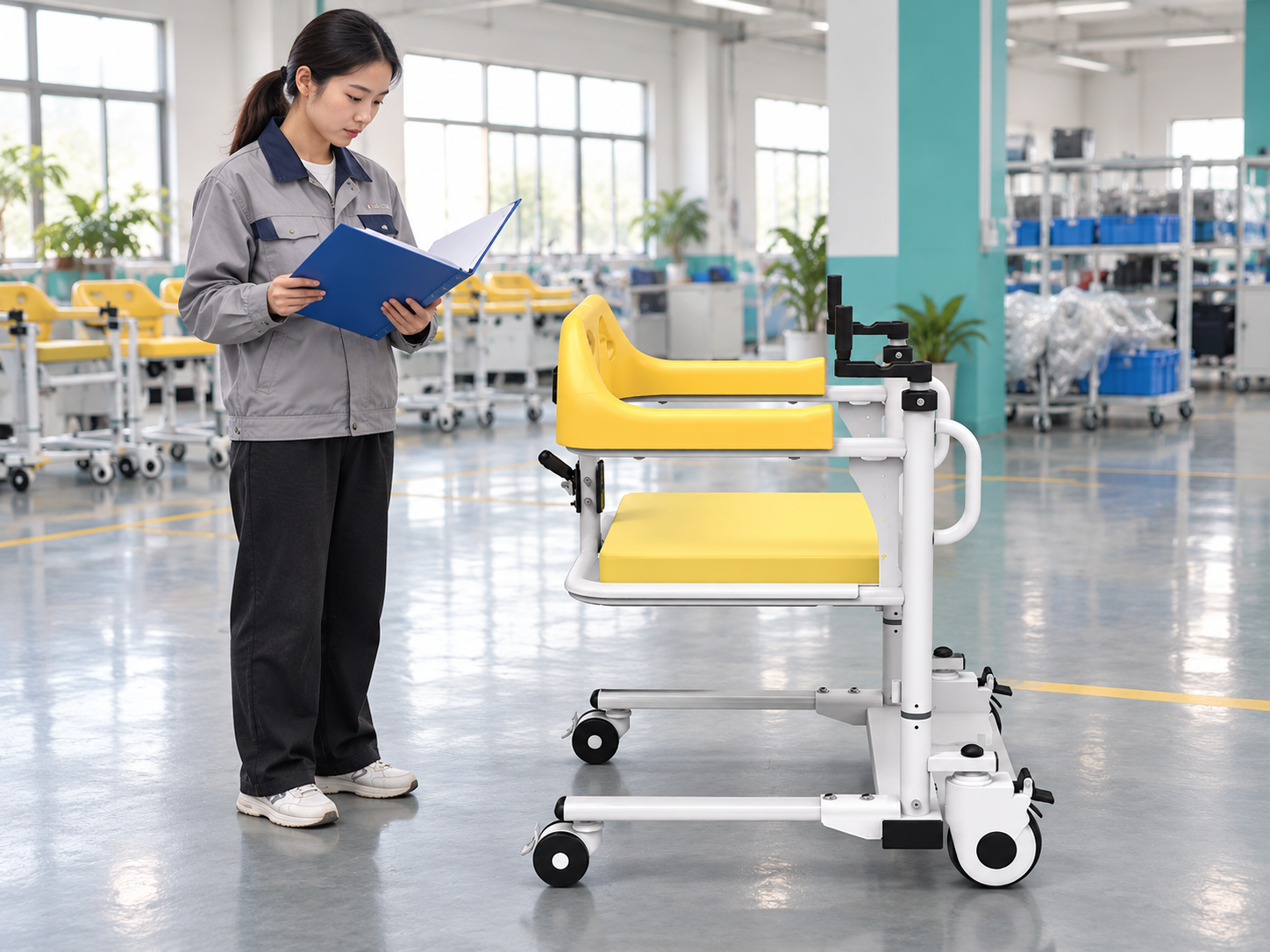
For transfer chair doorway access, provide the usable opening, approach space and chair reference. State whether the request concerns product geometry or personal use.
What should you do next?
Send the measured route and exact model. Ask the supplier for current drawings and permitted configurations. Use those facts with the appropriate access and care review.
- Route dimensions
- Product drawing
- Assessment question
| Check | Record or reference |
|---|---|
| Route dimensions | Enquiry |
| Product drawing | Supplier file |
| Assessment question | Brief |
Key Takeaway: The supplier receives a clear product question to answer. To discuss the model and documents for your order, contact us with your requirements. At AryMD, useful product facts should support every care-equipment purchase.
Frequently asked questions
Q1: Can seat width tell me whether a transfer chair passes a door?
No. Include the relevant frame, wheels, supports and controls in the overall outline.
Q2: What’s the best doorway clearance for all models?
No single value covers every product and care task. Use model-specific dimensions and an appropriate assessment.
Q3: How do I know if a storage configuration can be used for access?
Ask the maker about the exact task. A compact storage state does not establish an occupied movement method.
Q4: Can a wide doorway still be unsuitable?
Yes. Turns, thresholds, nearby fittings and the assessed assistance task may remain unresolved.
Q5: Should new difficulty be treated as a need to force the chair through?
No. Record the conflict and refer the product, site or care question to the appropriate reviewer.