
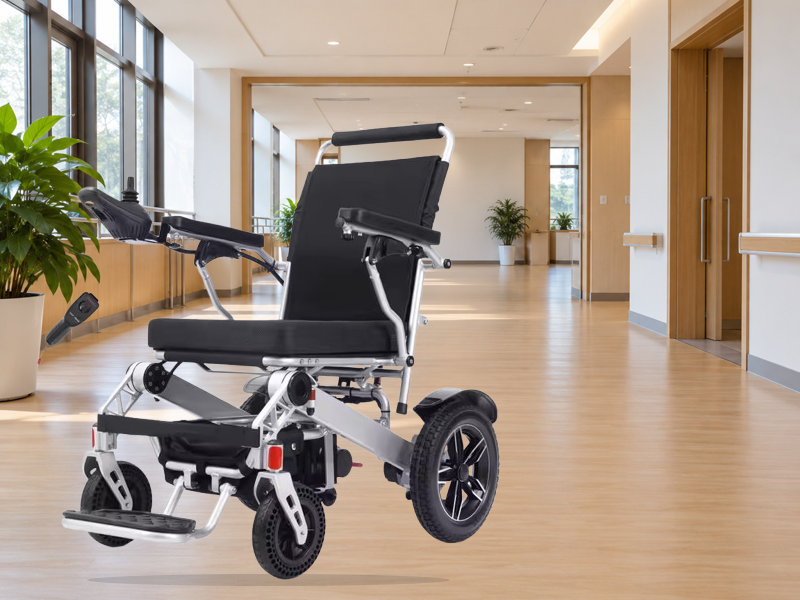
Buyers can compare the best wide seat electric wheelchair by matching verified seating dimensions, route constraints, supervised trial records, service documents, and receiving controls. A wider seat label alone does not show whether a chair suits a specific user profile or operating setting. Purchasing teams often receive attractive photos and scattered specifications, yet those materials may leave gaps around armrest spacing, controller position, foot support, folded handling, doorway clearance, or service ownership.
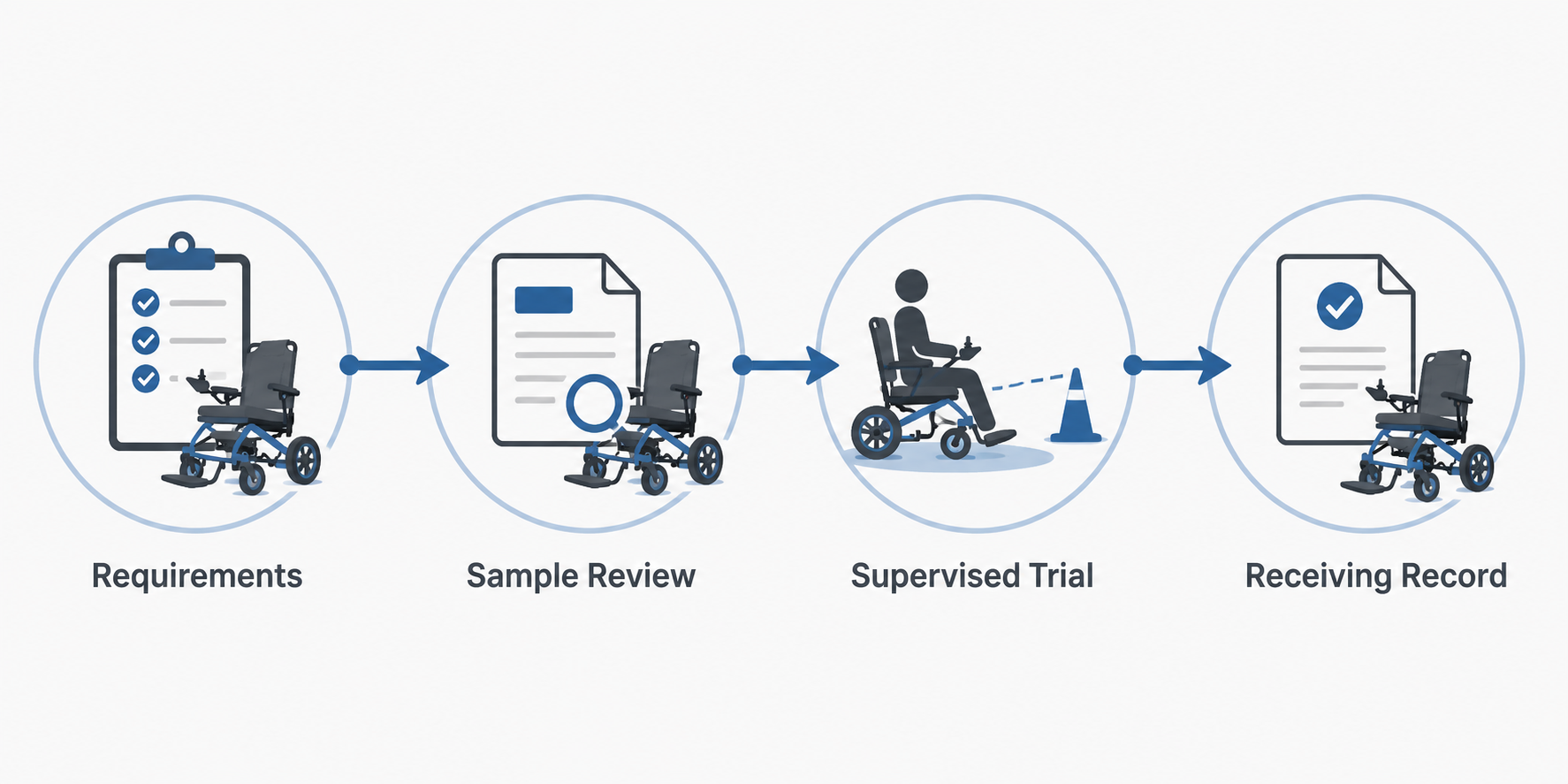
A stronger review starts with a written requirement record and keeps every supplier answer tied to a source. This article gives distributors, rental fleets, care facilities, and purchasing teams a practical method for comparing samples without inventing performance claims. It also shows how seating observations, route checks, configuration photos, and handover records can stay connected from quotation through arrival. The result is a decision file that colleagues can read, repeat, and challenge before an order moves forward.
For U.S. public-access context, ADA.gov’s mobility-device guidance describes public access for wheelchairs; it does not confirm fit for an individual user.
What should a wide seat electric wheelchair brief contain?
A wide seat electric wheelchair brief should state the user profile, seating evidence, route limits, handling needs, control preference, support parts, service setting, and receiving checks that buyers expect a supplier to address.
Start with the operating situation rather than a product nickname. Record where the chair will be used, who will manage charging and storage, how it enters vehicles or lifts, which indoor routes matter, and what staff roles exist during handover. The wheelchair series provides a useful category view, yet each requested field still needs model-specific evidence. Keep commercial targets separate from technical acceptance so a price discussion does not quietly replace an unanswered fit question.
Write every requirement as an observable field. A seat-width request should point to a defined measurement method and source document. A folding request should state what staff need to see during a sample review. A route request should name the real doorway, lift, storage bay, or vehicle context. Mark unknown values as open. Buyers gain more from a visible gap than from a copied figure whose origin cannot be traced.
Build the requirement record before requesting a quote
Here is the practical starting point:
Create one requirement sheet that purchasing, operations, training, and service colleagues can read. Give each field an owner, evidence source, review status, and acceptance method. Use photos or sketches only as context, never as proof of a dimension. Ask suppliers to label model, revision, option, and document date on every reply so later teams can tell whether two answers describe the same configuration.
- user and seating profile recorded without personal data
- route, doorway, lift, storage, and vehicle contexts
- control, armrest, foot support, and accessory expectations
- document, service, training, and receiving responsibilities
Close the brief with a short list of open questions. Do not turn missing information into a pass. If a supplier proposes another configuration, create a new row rather than overwriting the earlier request. That history helps a buyer see what changed and why. It also gives receiving staff a clean baseline when the physical sample or shipment arrives.
How do buyers document seating fit without guessing?
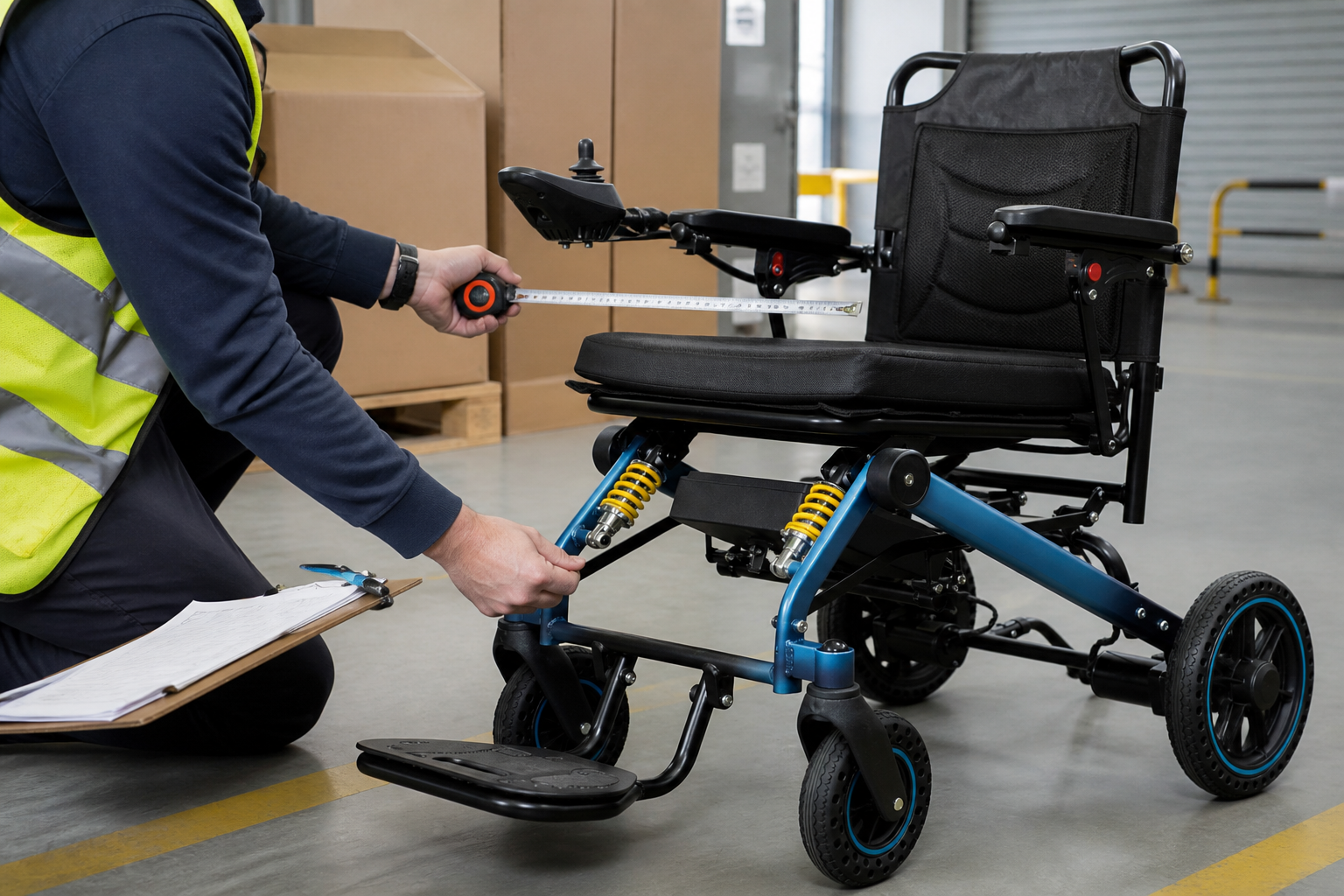
A wide seat electric wheelchair fit review should combine verified measurements, seating-support details, a supervised user trial, and written observations rather than relying on width labels or appearance.
Separate chair geometry from user fit. Record the measurement source for seat width, depth, back support, armrest position, foot support, and controller reach. Then document how the configured sample behaves during an appropriate trial led by qualified staff. The ergonomic electric wheelchair page can frame related questions, but the source file for the exact sample must govern every acceptance note.
Avoid treating a wider surface as an automatic comfort result. Cushion shape, side clearance, arm support, clothing, posture, transfers, and control access may change the experience. Keep observations neutral: describe contact, reach, alignment, clearance, or staff action. Do not write a diagnosis or promise an outcome. If a trial cannot be completed, record that limitation and leave the fit decision open.
Turn supervised fit observations into evidence
What should the record show?
Use a consistent worksheet for every sample. Note chair identity, option set, cushion, armrest configuration, foot support, controller side, trial setting, staff present, and source documents. Photograph the configured chair from useful angles without storing personal images unless consent and local policy permit it. Link each observation to a field rather than writing a vague approval statement.
- seat, back, armrest, foot support, and controller sources
- configured sample identity and option list
- supervised trial observations in neutral language
- open actions, owner, and review date
Fit evidence should remain readable after staff changes. Keep the original request, supplier response, trial record, and decision together. If a cushion or armrest changes, repeat affected checks and label the new configuration. This prevents a later buyer from comparing one chair on paper with a different setup in a photograph.
Which route checks matter before sample approval?
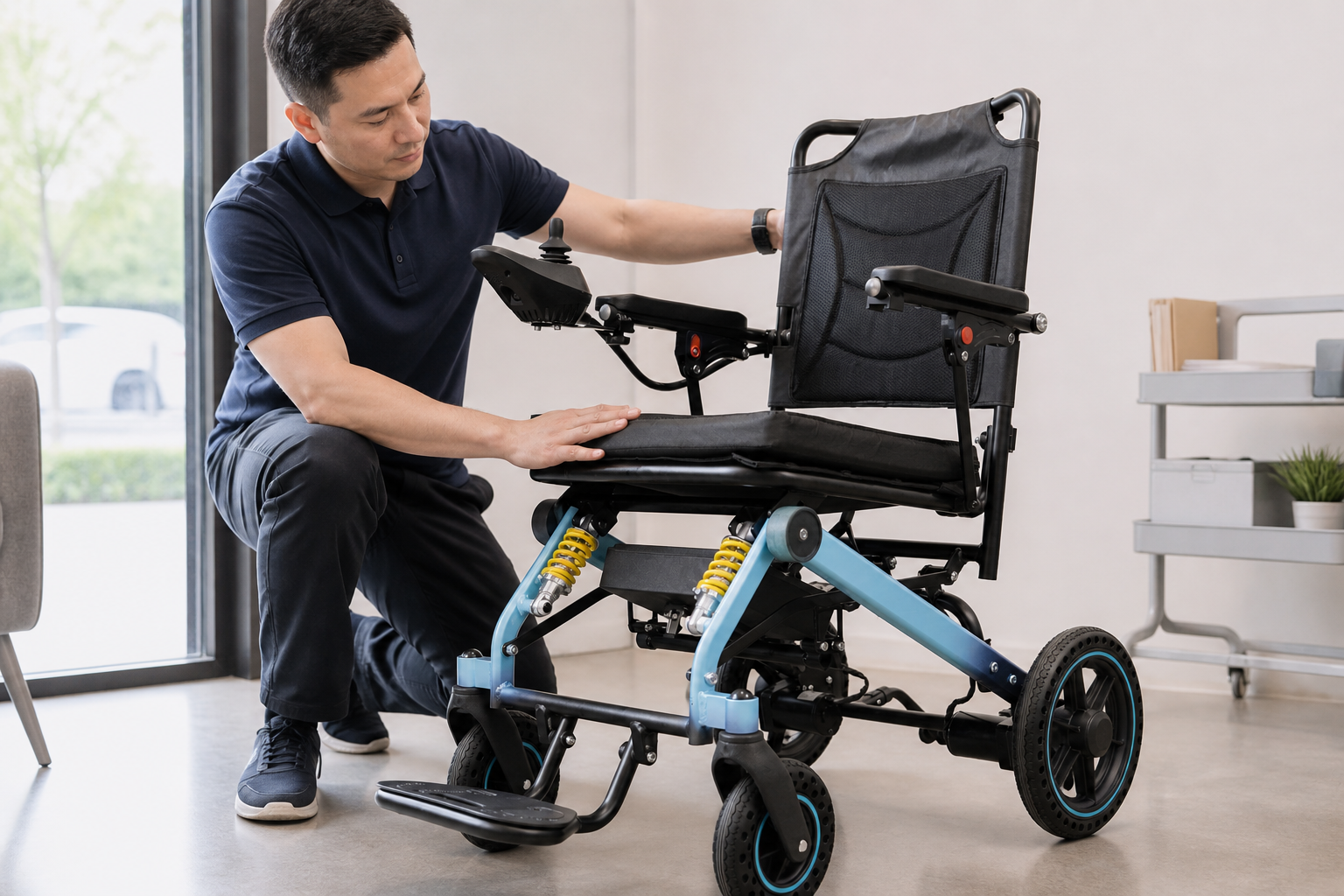
A wide seat electric wheelchair route review should cover the real doorways, turns, lifts, storage areas, vehicle interfaces, floor conditions, and staff handling steps tied to the buyer’s operating plan.
Build a route map from actual locations. Record narrow points, approach angles, turning areas, thresholds, lift entry, storage access, and charging position. A chair can fit one opening yet create a handling problem at the next turn. If folded transport matters, the electric wheelchair weight guide offers related planning context, while the exact weight and handling method must still come from the chosen model’s current source.
Run route checks with a configured sample under supervision and local policy. Use the same accessories, controller side, foot supports, and cushion planned for operation. Note any staff assistance, repositioning, protective step, or storage conflict. Avoid converting one clean demonstration into a universal claim. A route record describes a defined setting, date, configuration, and method.
Test the chair against the real operating setting
This is where route planning becomes concrete:
Create a checkpoint list in travel order. Start at storage, move through charging release, corridor, doorway, lift, destination, and return. If transport is part of the plan, add lifting roles, folded protection, restraint guidance from the proper source, and reassembly checks. Give each checkpoint a pass, open, or not-tested status instead of forcing a binary result.
- doorway and turning points in travel order
- lift, vehicle, storage, and charging interfaces
- configured accessories and controller position
- staff actions, open checks, and source references
Save route photos without embedding unverified measurements in the image. Put measured values in a controlled worksheet with method and owner. If the facility changes, rerun affected checkpoints. Route evidence should help another team repeat the review, not merely show that a chair once appeared in a corridor.
How should teams review controls and support parts?
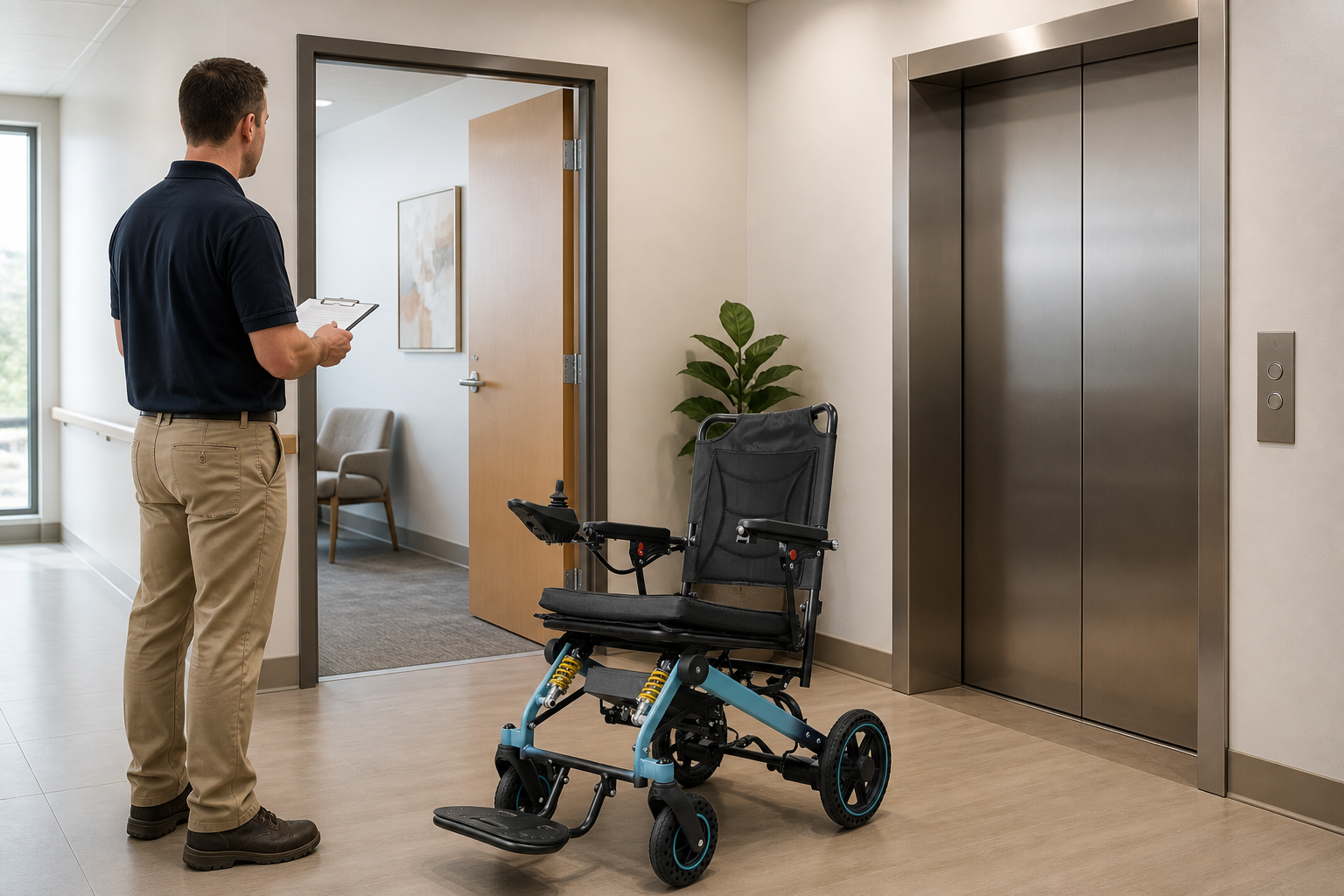
A wide seat electric wheelchair control review should identify the joystick mount, controller side, armrests, cushion, back support, foot supports, cables, batteries, charger, and any approved options on the exact sample.
Configuration details can alter both fit and operations. Photograph each part in its working position and link that image to a named item in the sample record. Confirm which pieces are standard, optional, removable, adjustable, or supplied separately through written evidence. Do not infer interchangeability from a similar appearance. A supplier should state which document and revision covers each part.
Ask service and training colleagues to review the sample before approval. They may spot cable-clearance, storage, charging, cleaning, adjustment, or replacement-document questions that purchasing missed. Keep permitted staff tasks separate from work assigned to trained service personnel. If a control or support part changes after the trial, reopen affected fit and route checks.
Record configuration as part of sample identity
The detail that saves later confusion:
Assign a configuration ID to the sample record and list visible parts, option codes where verified, document sources, and photographs. Show controller side, armrest type, cushion, back support, foot supports, battery housing, charger identity, and supplied tools or covers. Keep marketing images outside this evidence set unless they depict the exact delivered configuration.
- controller side, mount, cable route, and housing
- armrests, cushion, back support, and foot supports
- battery and charger identity from current documents
- approved options, supplied items, and open differences
Use the configuration record during quotation, sample review, purchase approval, receiving, and handover. A single shared identity reduces disputes about what was reviewed. It also lets teams repeat checks only where a verified change affects them, rather than restarting every part of the project.
What belongs in a supplier comparison file?
A wide seat electric wheelchair comparison file should align requirements, supplier evidence, sample observations, open questions, commercial terms, service responsibilities, and decision status without hiding missing fields.
Use the same row structure for every supplier. Compare the source behind each response rather than ranking polished documents. A model page, manual, option list, drawing, sample photograph, and service reply serve different purposes. Label each source type and date. Keep commercial terms in their own section so they remain visible without becoming substitutes for fit or route evidence.
Add an assumptions column and require an owner for every open item. If a quote depends on an option, show that dependency beside the affected requirement. If a supplier cannot confirm a field, record the gap. Procurement teams can then decide whether the gap blocks approval, needs a sample check, or belongs in a later contract action.
Compare evidence quality instead of brochure polish
Here is the decision discipline:
Score only criteria that have a defined method and source. Keep unsupported claims outside the scoring total. Add notes for document revision, model identity, configuration, trial status, and service response. Invite operations and service reviewers to challenge entries before commercial selection closes. Their questions often expose gaps that appear only after arrival.
- requirement and acceptance method
- supplier response with source and revision
- sample result, open item, and accountable owner
- commercial term kept separate from technical evidence
Freeze a dated decision copy after approval. Later revisions should create new entries, not erase the record used for the order. That approach gives receiving staff a reliable baseline and gives management a clear explanation if a supplier proposal changed during negotiation.
How should receiving and handover repeat the decision?
A wide seat electric wheelchair receiving process should repeat the approved identity, configuration, document, fit, route, control, accessory, and service checks before staff accept the unit for handover.
Receiving teams need the approved configuration record, not just a purchase order description. Check model identity, visible structure, supplied parts, controller side, seating setup, foot supports, charger, documents, and packaging condition. Photograph differences and hold the affected acceptance field open. Do not adjust or substitute parts merely to make the delivery resemble the record.
Handover should show staff how to identify the chair, find current instructions, complete permitted pre-use checks, manage charging and storage, report a concern, and locate service contacts. Repeat any fit or route check affected by an arrival difference. Keep signed or acknowledged training records according to local policy, without turning attendance into proof of competence.
Connect the purchase record to arrival inspection
The handoff should close the evidence loop:
Prepare a receiving checklist directly from the approved comparison file. Give each arrival difference an owner and status. Link corrective replies, replacement parts, revised documents, and repeated checks to the same item. Release the chair only through the buyer’s defined authority and operating policy.
- approved model and configuration identity
- supplied parts, charger, documents, and packaging condition
- repeated checks for any verified arrival difference
- training record, service route, and open-item closure
Keep the final receiving pack with procurement, training, operations, and service records. That shared history supports later maintenance, replacement discussions, and supplier review. For a model-specific requirement sheet or sample discussion built around your facility, contact us today.
What do buyers ask about wide seat electric wheelchairs?
Can I choose a wide seat electric wheelchair from seat width alone?
No. Seat width belongs beside depth, back support, armrests, foot supports, controller reach, user profile, route limits, and supervised trial observations.
What's the best way to compare two seating configurations?
Use one worksheet with identical fields, source documents, configured-part photos, supervised trial notes, open items, and accountable reviewers.
How do I know if a chair fits our doorways and lift?
Run a documented route review with the configured sample across real doors, turns, lift entry, storage, and return points under local policy.
Can receiving staff accept a different cushion or controller side?
Only through the buyer's change process. Record the difference, obtain source evidence, and repeat any affected fit, route, or training check.
What should remain in the final procurement file?
Keep the requirement brief, supplier sources, configuration record, trial notes, comparison decision, receiving evidence, training record, service route, and open-item closures.