
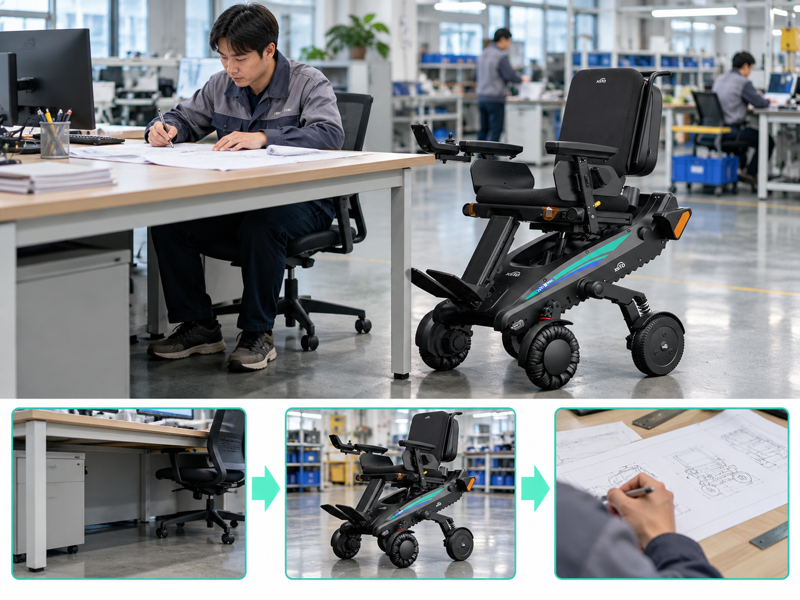
Review XSTO X12 seat height against the person's assessed seating needs and the actual workstation or daily task. A desk may look tall enough while its drawers or base still block a useful approach. Choosing a setting from a product image leaves those details unresolved. Collect the relevant desk and chair information, then ask qualified reviewers how the feature relates to the intended task.
How should you review XSTO X12 seat height?
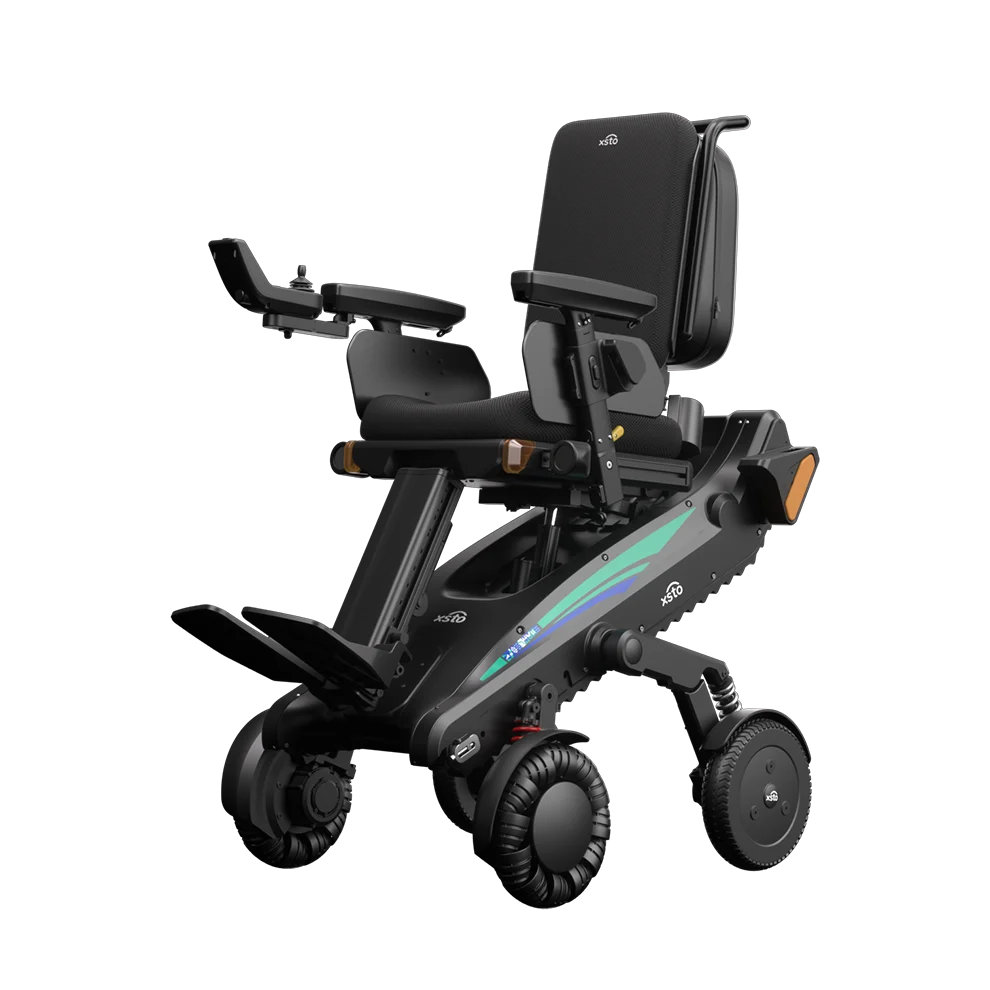
Review XSTO X12 seat height against the person's assessed seating needs and the actual desk, table or access task. A powered height feature does not guarantee that every workstation will suit the chair.
Start with the task and setting
Start with the task and setting. Describe the intended position and reach needs. Keep the supplied model and current instructions available for qualified review. Compare the manufacturer product reference with the exact offered version.
- Name the intended workstation task
- Record the exact chair setup
- Assign individual review questions
| Check | What to keep |
|---|---|
| Name the intended workstation task | User-approved brief |
| Record the exact chair setup | Model and seating reference |
| Assign individual review questions | Qualified service contact |
Key Takeaway: You can ask whether the feature helps the real task instead of choosing a setting from a promotional image.
Which desk details matter to the comparison?
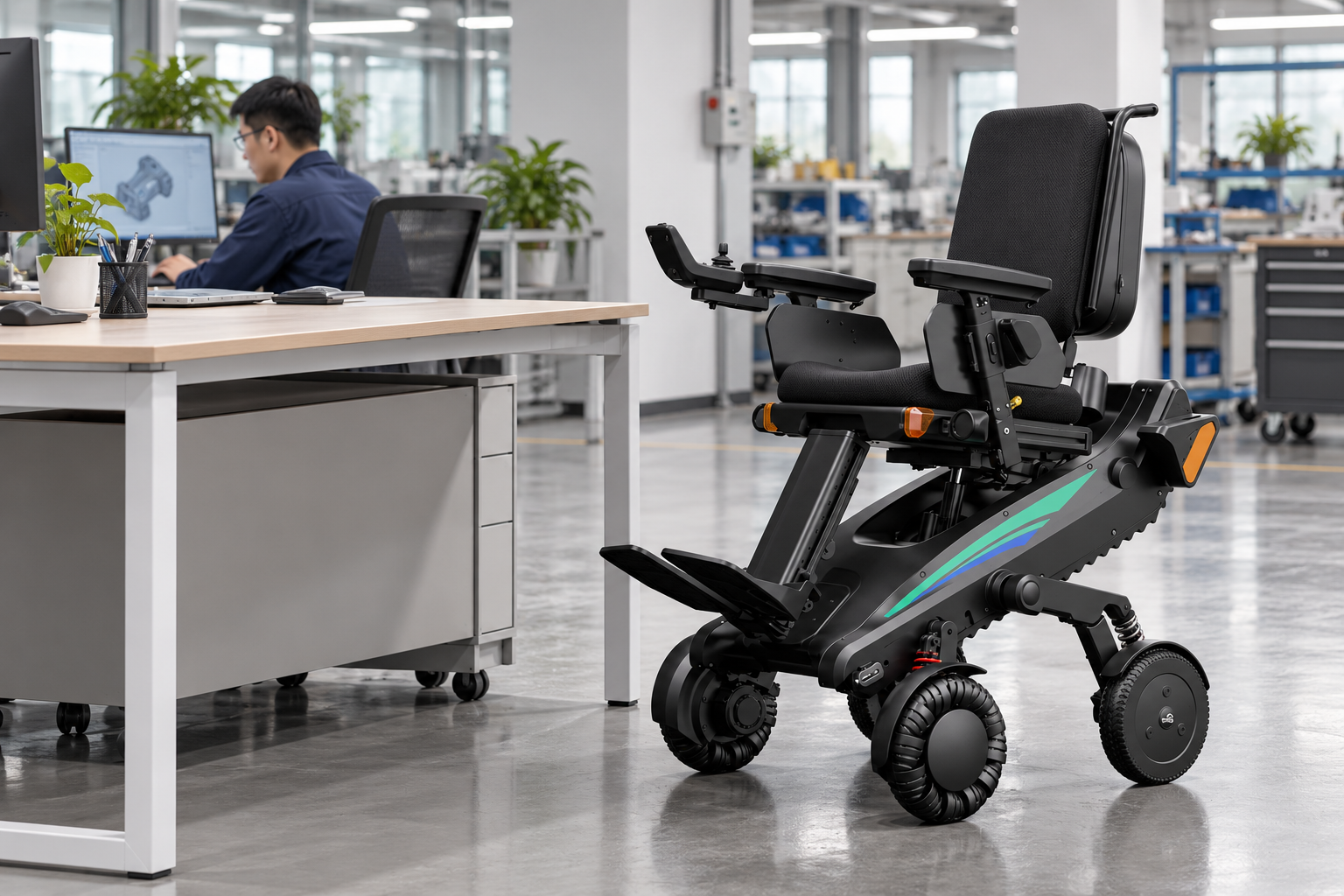
For XSTO X12 seat height, compare the actual desk underside and surrounding features with the reviewed chair setup. Desktop height alone can miss drawers, crossbars or other obstructions.
What space is usable under the desk?
Measure the usable space. Ask the reviewer which measurements are needed. Keep marked measuring points with wider photos showing their location. Keep the selected cushion arrangement identifiable.
- Record clear underside dimensions
- Locate fixed desk obstructions
- State the reviewed chair setup
| Check | What to keep |
|---|---|
| Record clear underside dimensions | Annotated desk sketch |
| Locate fixed desk obstructions | Context photos |
| State the reviewed chair setup | Seating and control record |
Key Takeaway: The review can address usable access rather than a nominal desk-height figure.
Can a published range settle XSTO X12 seat height?
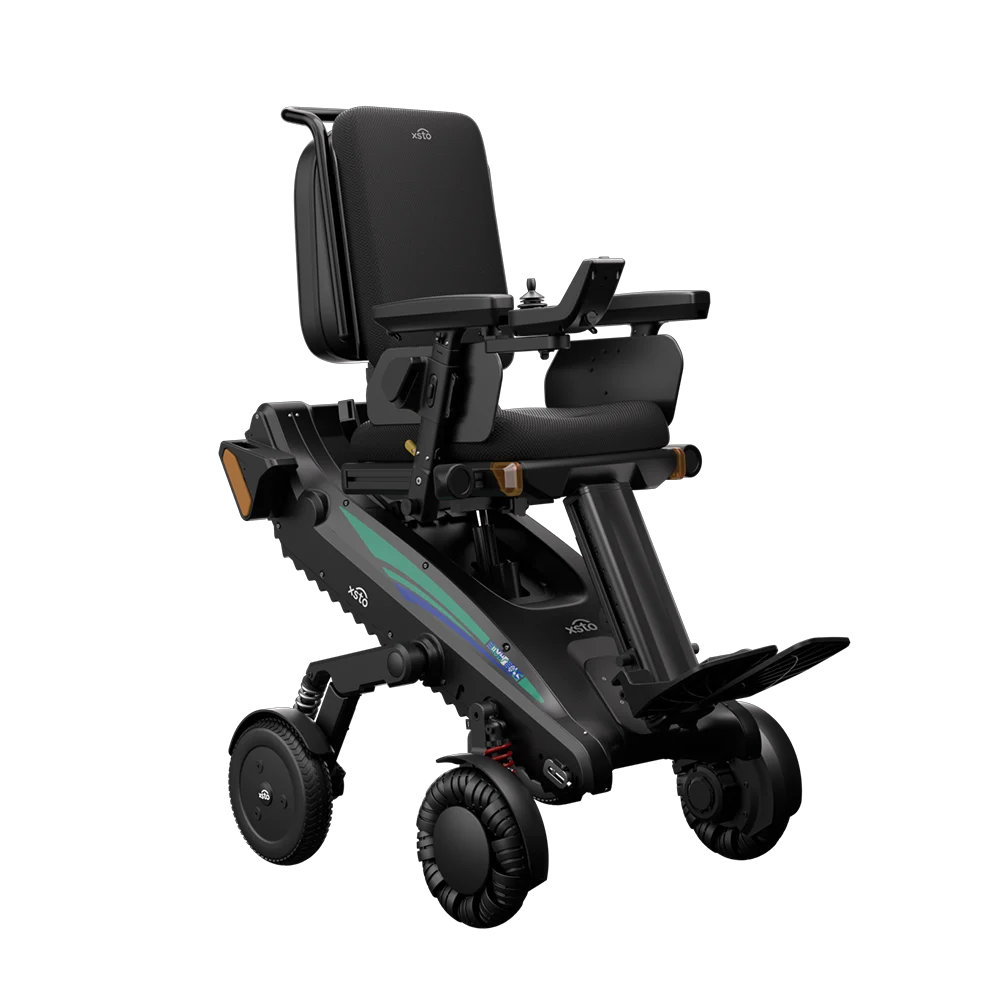
No, a published adjustment range cannot settle XSTO X12 seat height for a particular person or task. The measuring basis, fitted cushion and other setup details still need to match the offered chair.
Keep specifications tied to setup
Keep the setup attached. Request current drawings for the exact version. Ask qualified staff to decide how the feature relates to support and reach needs.
- Confirm the measurement basis
- Identify fitted seat components
- Refer the task-specific decision
| Check | What to keep |
|---|---|
| Confirm the measurement basis | Supplier dimensional drawing |
| Identify fitted seat components | Setup record |
| Refer the task-specific decision | Qualified assessment notes |
Key Takeaway: You can use the specification as evidence without treating it as a ready-made personal setting.
How do controls interact with XSTO X12 seat height?
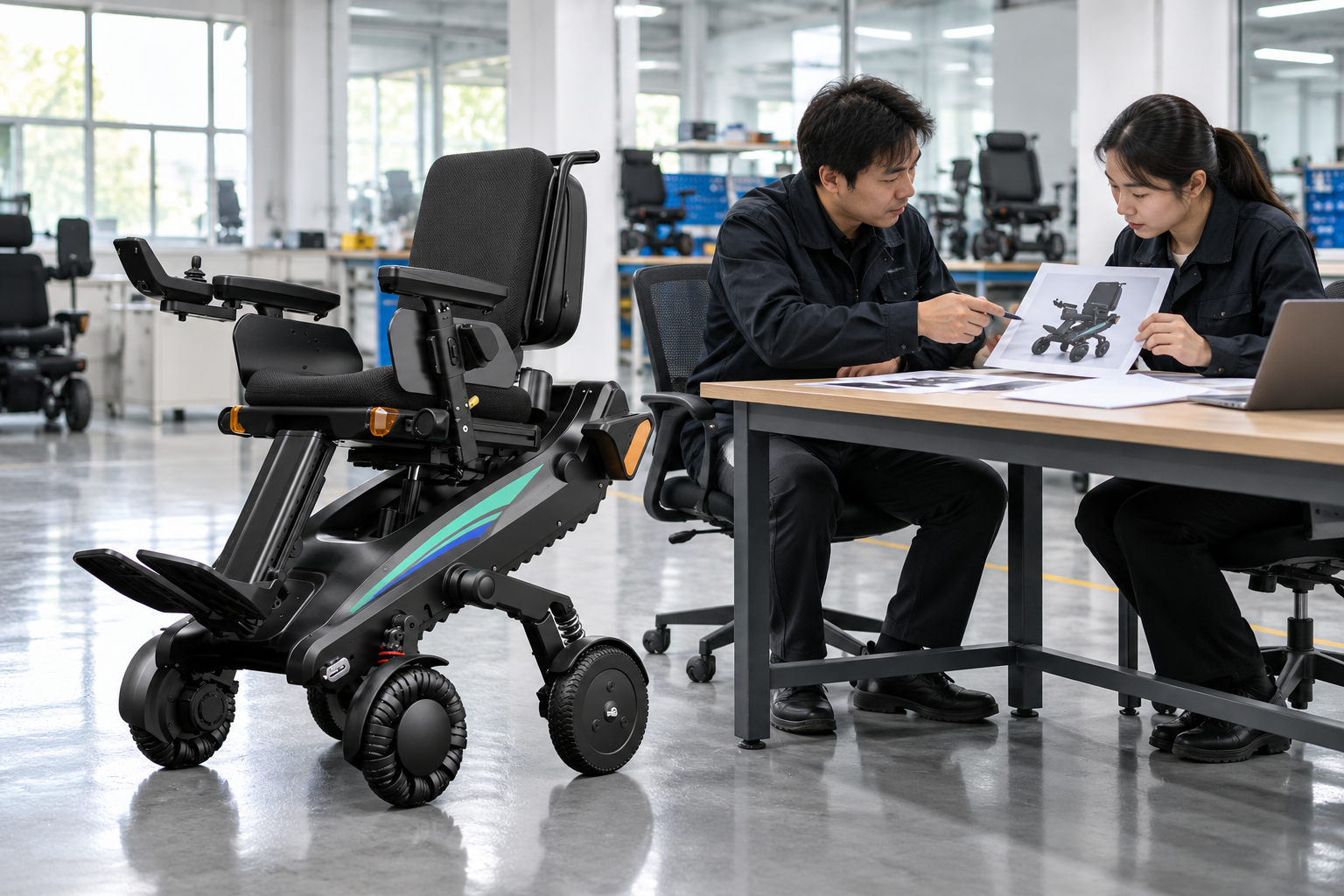
Include control reach when reviewing XSTO X12 seat height, because the usable arrangement involves more than the seat surface. The person's ability to reach and use the interface needs appropriate assessment.
Check control access as well
Check access through the intended setup. Record the controller and armrest arrangement. Do not move supports simply to reproduce a position shown in a photograph.
- Identify the control location
- Retain assessed arm support
- Refer proposed position changes
| Check | What to keep |
|---|---|
| Identify the control location | Model layout photos |
| Retain assessed arm support | Current setup record |
| Refer proposed position changes | Qualified review request |
Key Takeaway: Your team can raise the right access questions while preserving the person's assessed support needs.
What should XSTO X12 seat height planning ask about transfers?
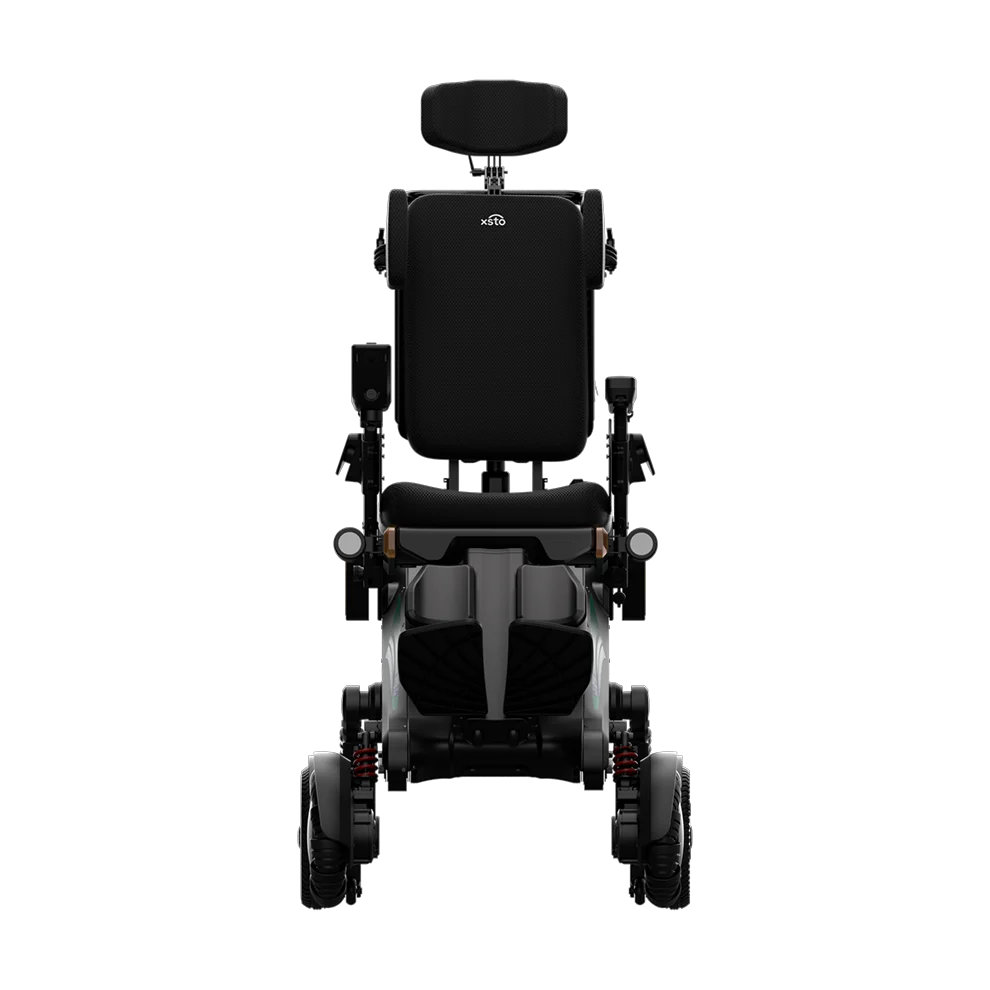
Planning around XSTO X12 seat height should include any transfer-related question in the person's assessment. A height function alone does not establish a safe transfer method or remove assistance needs.
Who should review transfer questions?
Keep transfer decisions with the assessment. Describe the intended transfer setting and existing support. Ask trained reviewers to decide the relevant arrangement rather than prescribing a height in a buying guide. Record transfer-space needs separately from desk reach.
- Describe the transfer setting
- Record existing assistance needs
- Refer the proposed arrangement
| Check | What to keep |
|---|---|
| Describe the transfer setting | User-approved context |
| Record existing assistance needs | Assessment brief |
| Refer the proposed arrangement | Qualified reviewer decision |
Key Takeaway: You can connect product information with the transfer review without giving unsupported handling advice.
Can XSTO X12 seat height replace a suitable workstation?
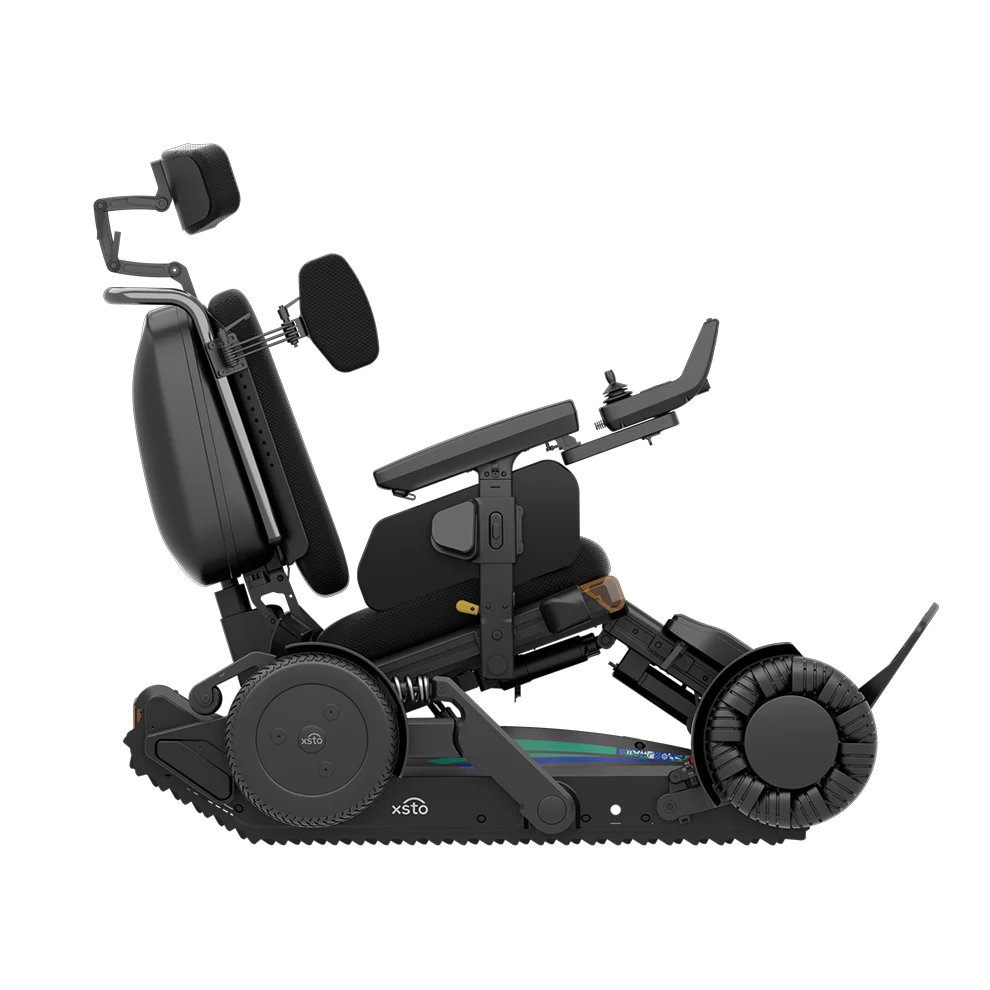
No, XSTO X12 seat height cannot replace a review of the workstation itself. Desk bases, approach space and task layout may still prevent useful access even when a seat can move vertically.
Review the workstation itself
Review both sides of the fit. Keep building and furniture changes under the responsible site's process. Record which adjustment or layout question remains unresolved.
- Review desk and chair together
- Identify approach-space constraints
- Assign unresolved layout questions
| Check | What to keep |
|---|---|
| Review desk and chair together | Workstation comparison |
| Identify approach-space constraints | Site sketch |
| Assign unresolved layout questions | Responsible contact list |
Key Takeaway: Your team can avoid placing the entire access problem on one product feature.
How should a demo be planned?
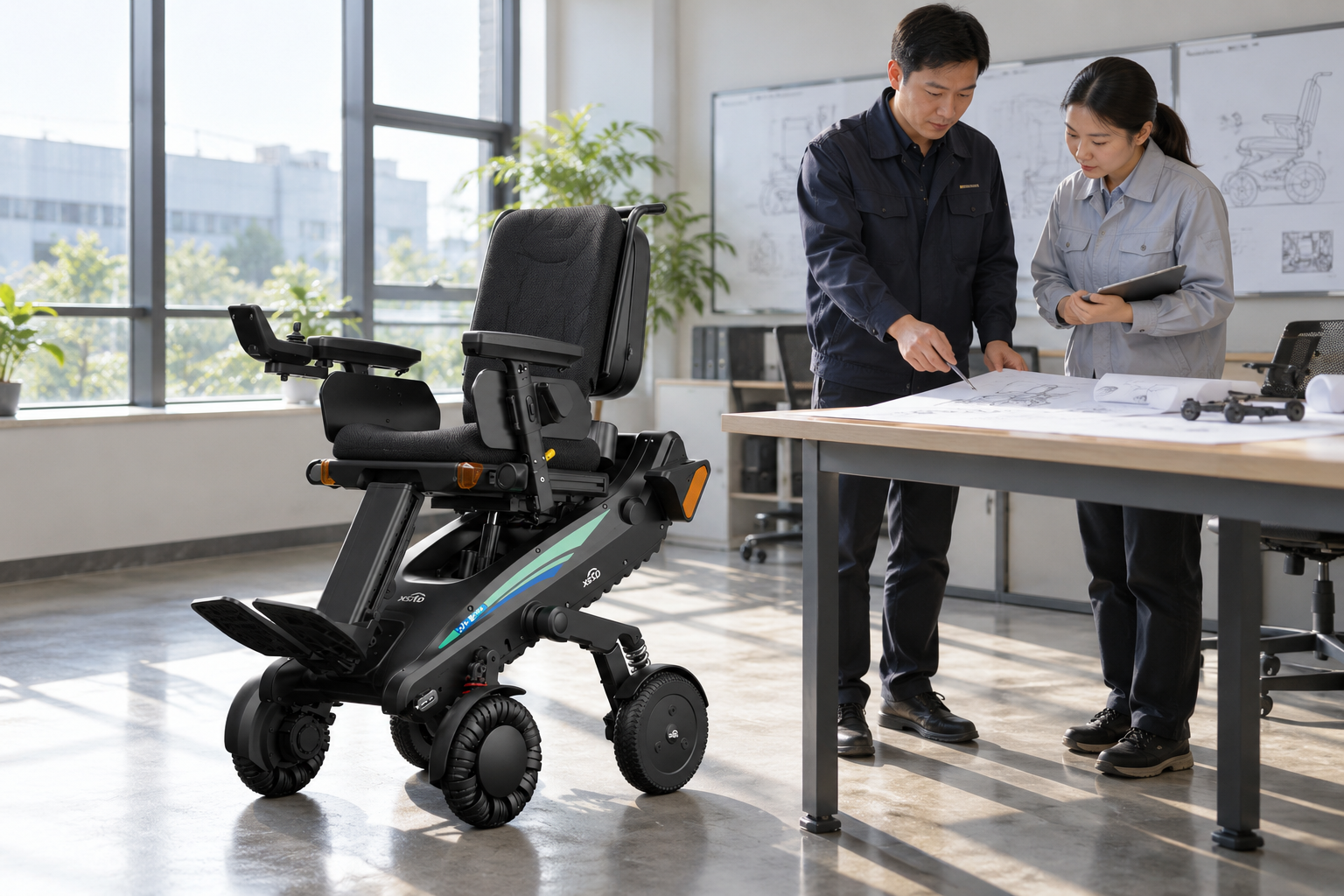
A demo of XSTO X12 seat height should use an agreed setup, trained supervision and a clear task. It should help answer a product question rather than imply that a shown setting suits every person.
Plan a bounded demo
Choose a bounded task to review. Use current manufacturer guidance for the activity. Record any personal-fit questions that still need separate assessment.
- Define the demo purpose
- Confirm equipment and supervision
- List unresolved personal-fit questions
| Check | What to keep |
|---|---|
| Define the demo purpose | Session brief |
| Confirm equipment and supervision | Prepared setup record |
| List unresolved personal-fit questions | Follow-up plan |
Key Takeaway: The session can provide useful context without becoming a universal comfort or access claim.
What changes require another XSTO X12 seat height review?
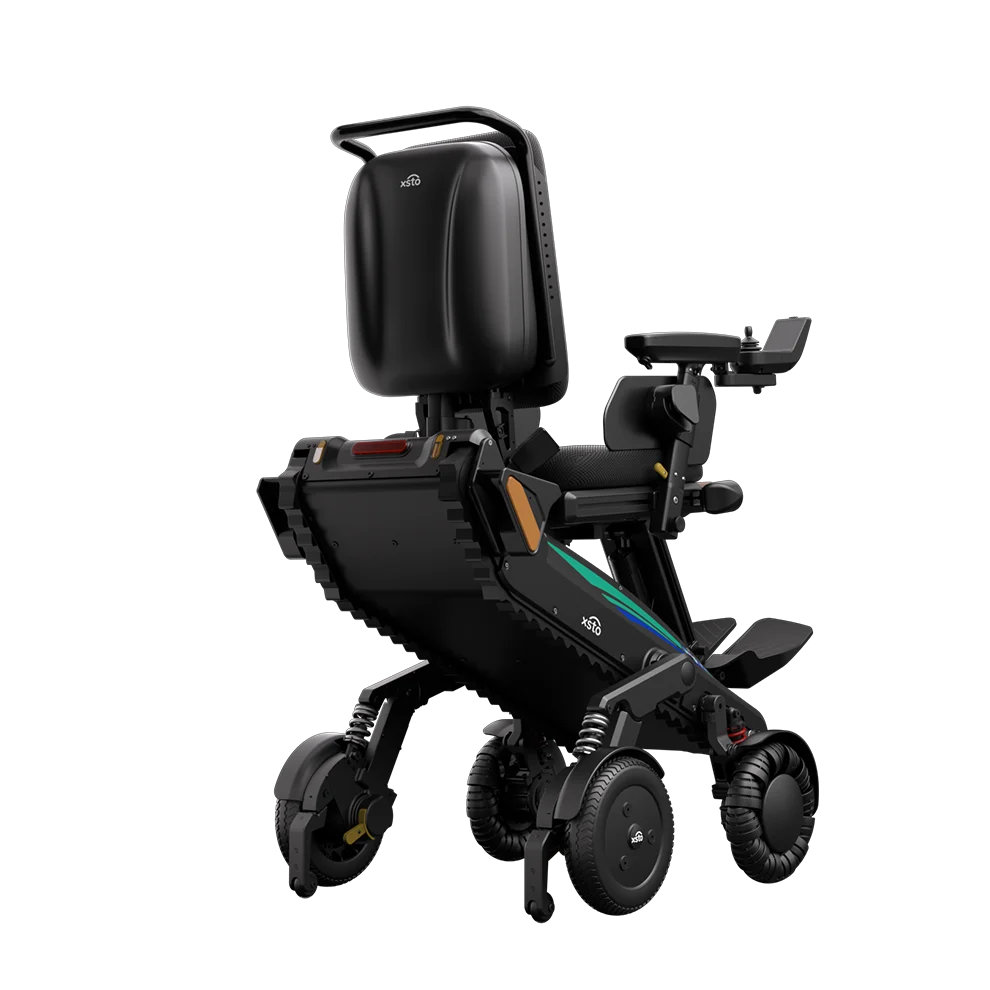
Review XSTO X12 seat height again when seating, controls, furniture or the intended task changes in a relevant way. An earlier workstation decision may not cover a new cushion or another desk.
Which changes require follow-up?
Check changes that affect the task. Keep the accepted arrangement identifiable. Ask the responsible reviewer what further evidence is needed after the change. Keep the shown setup in your sample review.
- Describe the accepted arrangement
- Name the relevant change
- Request review where needed
| Check | What to keep |
|---|---|
| Describe the accepted arrangement | Current fitting record |
| Name the relevant change | Updated setup note |
| Request review where needed | Qualified follow-up decision |
Key Takeaway: You can spot when a familiar-looking setup no longer matches the basis of the earlier review.
How should XSTO X12 seat height decisions be documented?
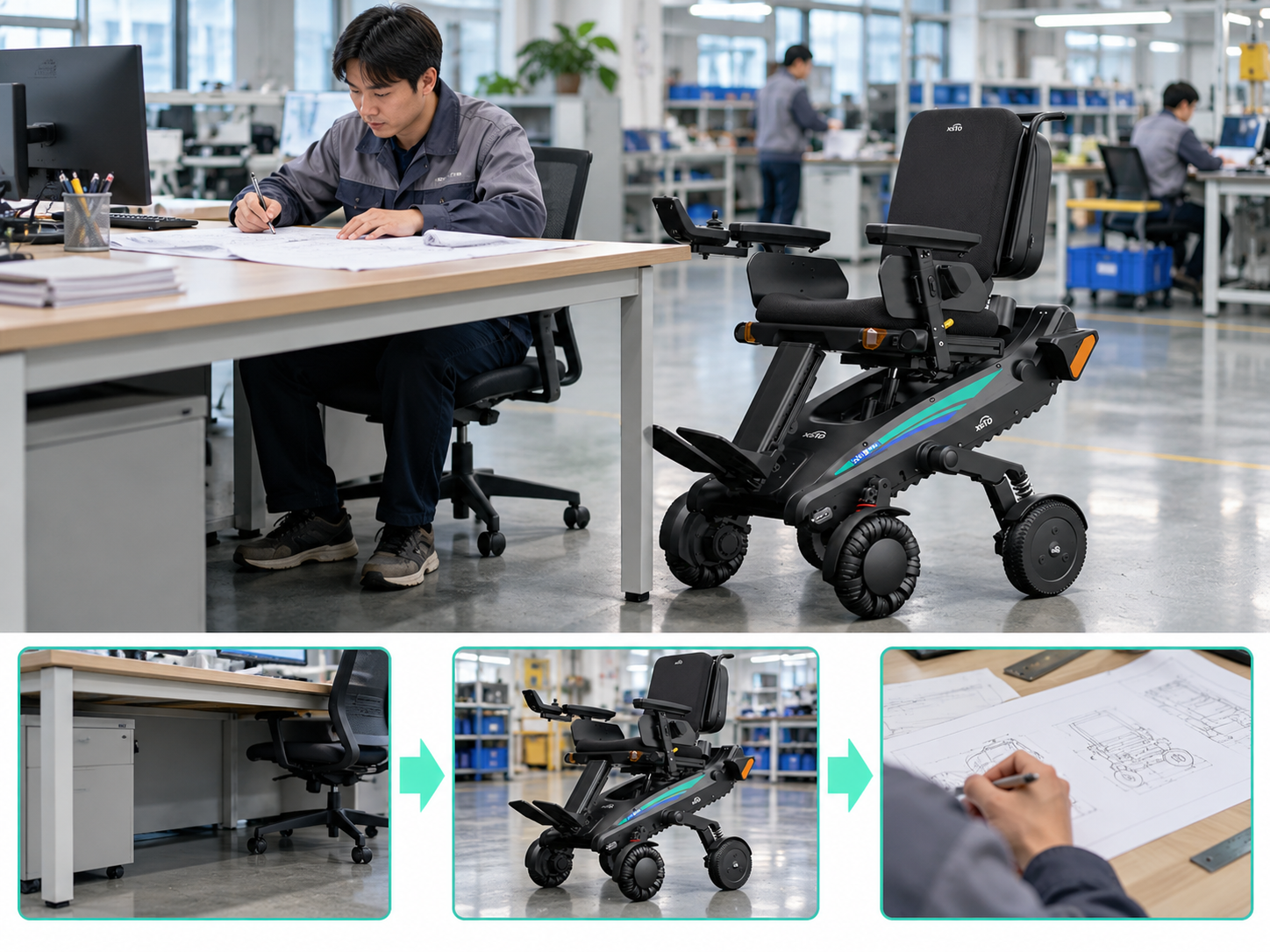
Document XSTO X12 seat height decisions with the model, seat components, workstation and assessment scope. A simple height number leaves future staff without the context needed to understand the decision.
Record the task and conditions
Keep conditions beside the outcome. Store records under the appropriate privacy process. Keep the user's personal details separate from a general supplier quotation. WHO wheelchair guidance provides general assessment and service context.
- Identify the reviewed workstation
- Record relevant setup conditions
- Protect personal service details
| Check | What to keep |
|---|---|
| Identify the reviewed workstation | Site and desk reference |
| Record relevant setup conditions | Qualified assessment outcome |
| Protect personal service details | Controlled file access |
Key Takeaway: Your team can recognize the reviewed arrangement without treating one recorded setting as a general recommendation.
What should you ask about XSTO X12 seat height before buying?

Ask about XSTO X12 seat height with the exact model and the workstation or task your reviewer is considering. Request current dimensional information and included seating details before promising a fit.
Ask for the relevant product facts
Request the missing product facts. State which questions concern product facts and which need individual assessment. Keep the final order aligned with the setup that was reviewed.
- Name the proposed model version
- Attach the task and desk brief
- Confirm the supplied seating scope
| Check | What to keep |
|---|---|
| Name the proposed model version | Product inquiry |
| Attach the task and desk brief | Reviewer questions |
| Confirm the supplied seating scope | Written offer record |
Key Takeaway: You can turn interest in a height feature into a focused assessment and purchasing discussion. Contact us with your X12 model, intended use and purchasing questions so we can discuss the product information you need. AryMD supports buying decisions grounded in clear model facts.
Frequently asked questions
Q1: Can a height range guarantee access under a desk?
No. Desk bases, drawers, approach space and the assessed chair setup also need review.
Q2: What's the best desk measurement to begin with?
Ask the reviewer which usable underside dimensions are needed. Desktop height alone can miss obstructions that affect the actual approach.
Q3: How do I know which seat position suits a person?
Use appropriate individual assessment and current model guidance. A photograph or catalog range is not a personal setting recommendation.
Q4: Can I change seating to make a workstation fit?
Do not bypass assessed support needs. Refer the proposed change and workstation details to the responsible qualified reviewer.
Q5: Can one workstation decision apply after a cushion change?
Not automatically. Keep the accepted setup identifiable and ask whether the change affects the earlier decision or requires follow-up.