
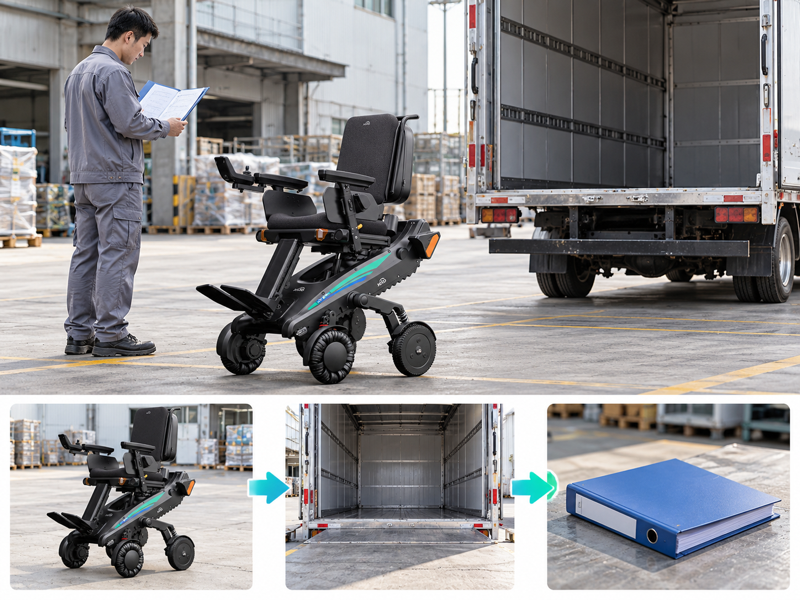
An XSTO X12 vehicle loading review should match the empty device and approved transport setup with the actual vehicle and handling task. A buyer may see a folded photo and assume a familiar van will accept the load. The plan still needs door sizes, weight and details of both sites. Give the qualified provider confirmed product data and a clear cargo scope before agreeing collection.
What should an XSTO X12 vehicle loading review cover?
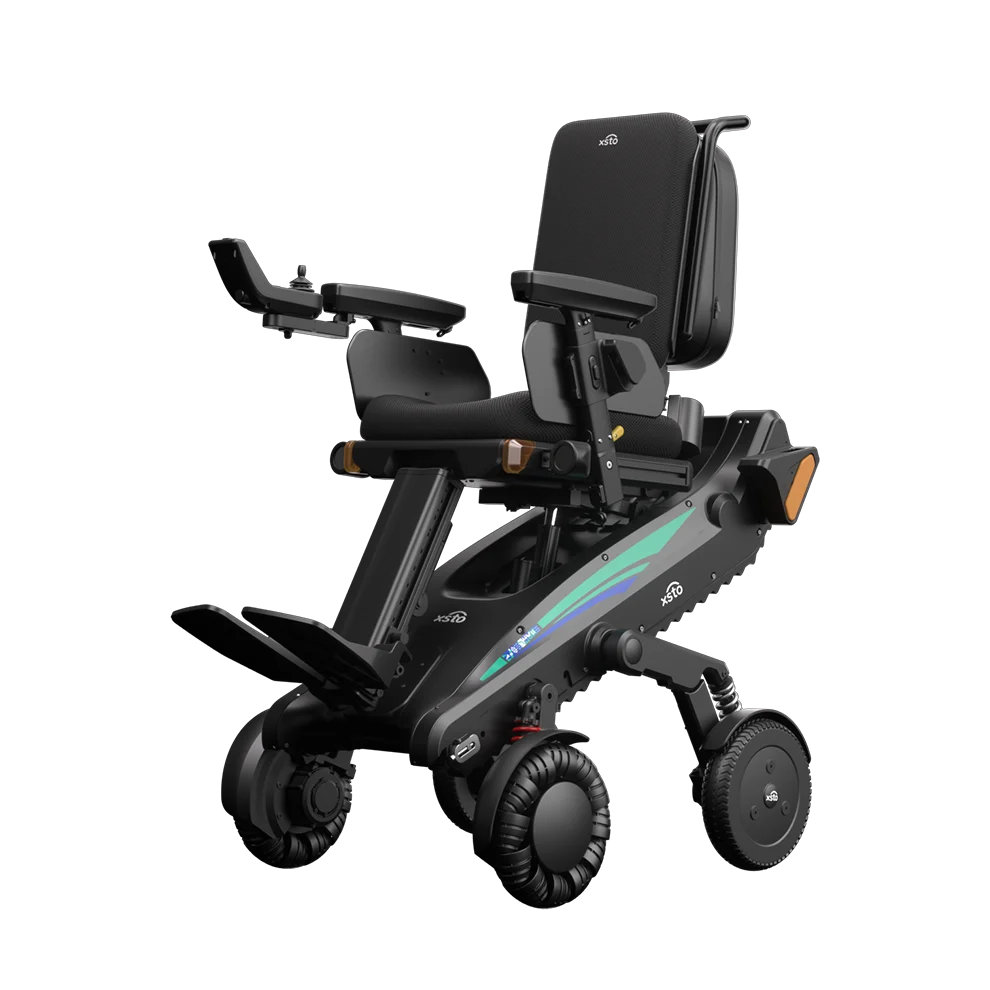
An XSTO X12 vehicle loading review should cover the unoccupied device, supplied parts and the actual vehicle and handling task. It does not establish approval for transporting a person seated in the chair.
Define the empty-equipment scope
Define the load as empty equipment. State the scope in the booking request. Keep any occupied-transport question for separate exact-model evidence and qualified review. Compare the manufacturer product reference with the exact offered version.
- Name the empty equipment setup
- Identify the actual vehicle
- Separate occupied transport questions
| Check | What to keep |
|---|---|
| Name the empty equipment setup | Transport scope |
| Identify the actual vehicle | Provider record |
| Separate occupied transport questions | Distinct assessment request |
Key Takeaway: Your logistics team can work from a clear cargo brief without inheriting an unsupported passenger-transport assumption.
Which dimensions should the provider receive?
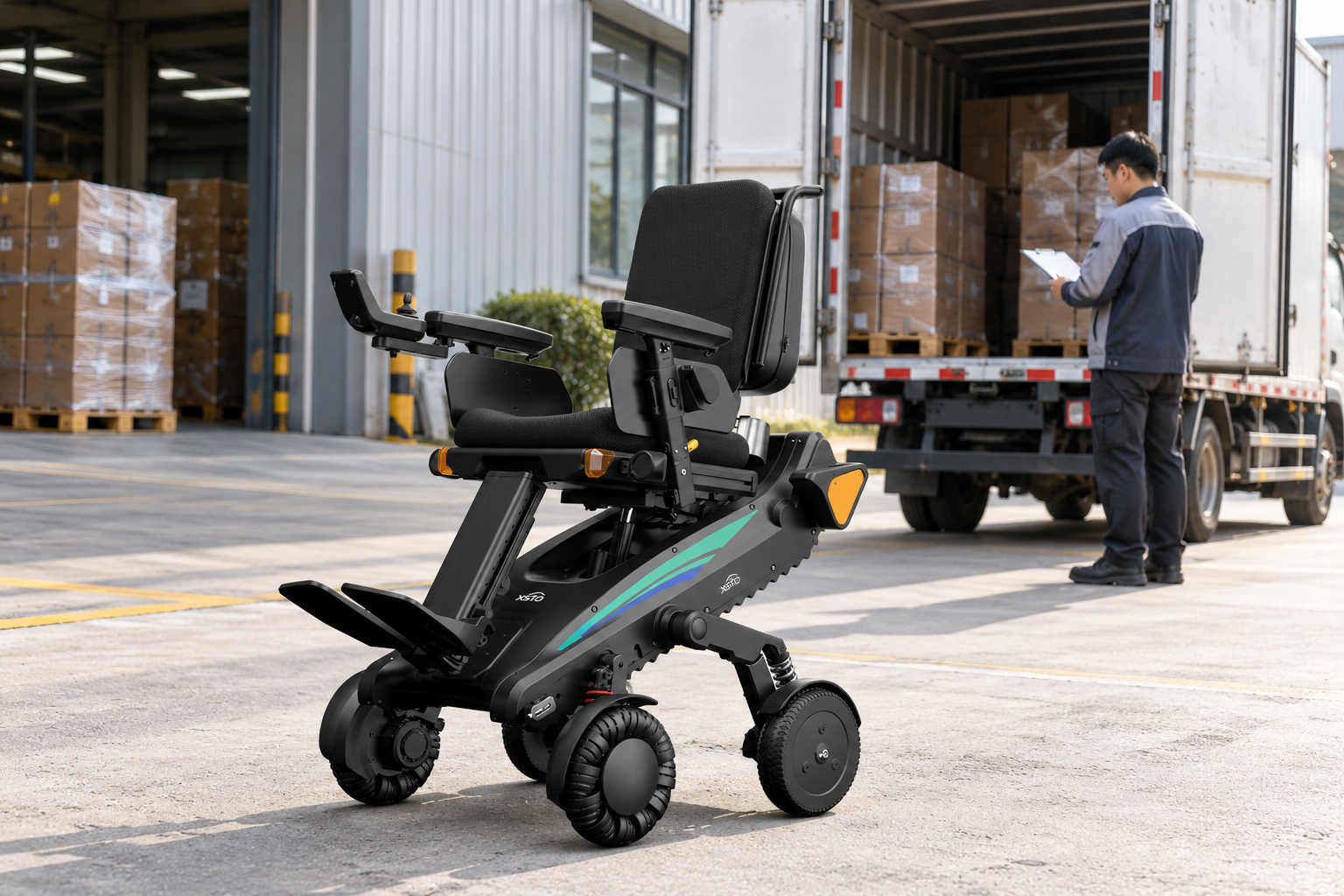
For XSTO X12 vehicle loading, provide dimensions and weight confirmed for the setup that will travel. Folded, unfolded and packed forms can answer different questions, so keep each figure clearly labeled.
Which measurements does the provider need?
Use the current supplied setup. Ask which measurements the provider needs. Resolve source conflicts before using a figure to confirm vehicle access. Separate storage arrangements from vehicle handling.
- Identify the transport condition
- Supply confirmed dimensions and weight
- Label packed and product figures
| Check | What to keep |
|---|---|
| Identify the transport condition | Setup record |
| Supply confirmed dimensions and weight | Current supplier drawing |
| Label packed and product figures | Measurement notes |
Key Takeaway: The provider can review the actual load rather than a number taken from an unrelated product arrangement.
Can XSTO X12 vehicle loading rely on a folding claim?
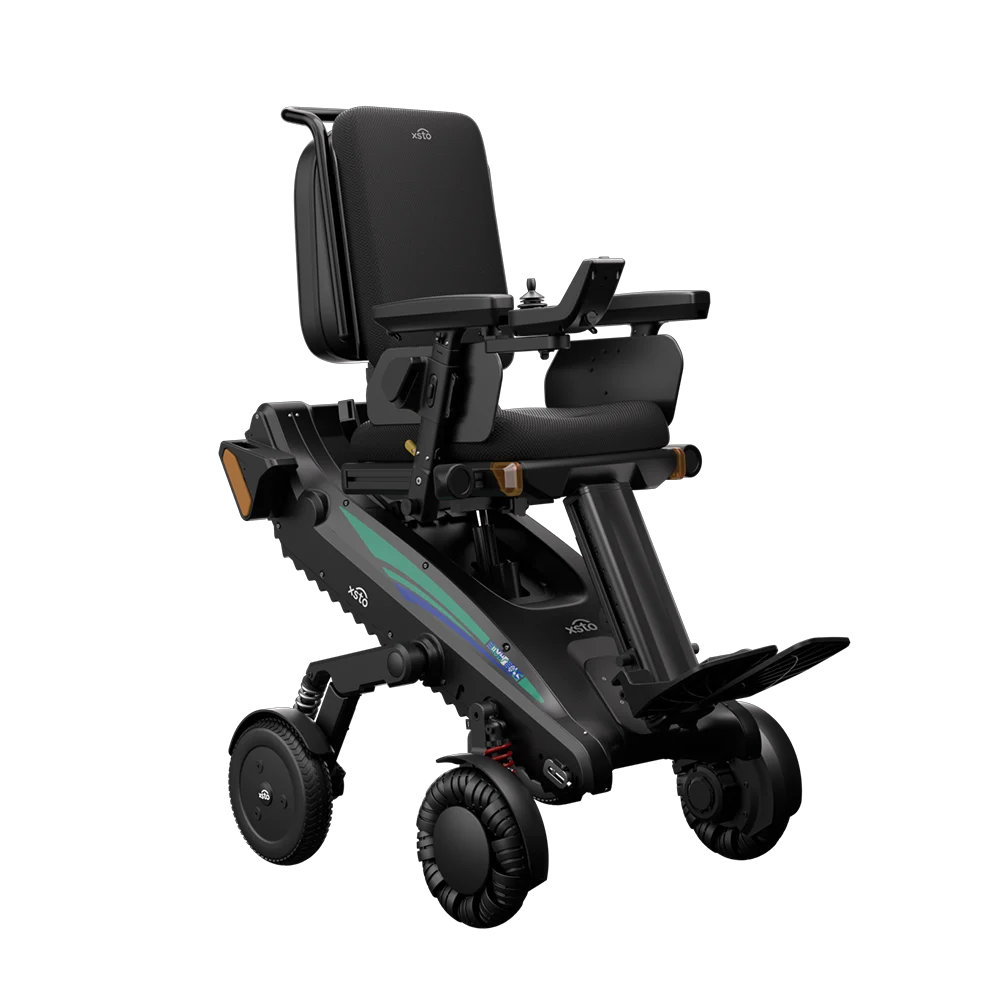
No, XSTO X12 vehicle loading cannot rely on folding alone. A smaller storage envelope does not prove that the device can be manually lifted or loaded using the equipment available at either site.
Separate folding from handling
Review handling as well as space. Describe the collection and receiving conditions. Ask qualified providers to decide the permitted method using exact manufacturer guidance.
- Record both handling locations
- Request approved product handling guidance
- Assign method and equipment review
| Check | What to keep |
|---|---|
| Record both handling locations | Site brief |
| Request approved product handling guidance | Current instructions |
| Assign method and equipment review | Qualified provider |
Key Takeaway: You can identify missing logistics support before the delivery team arrives with an unsuitable plan.
How should vehicle openings be checked?
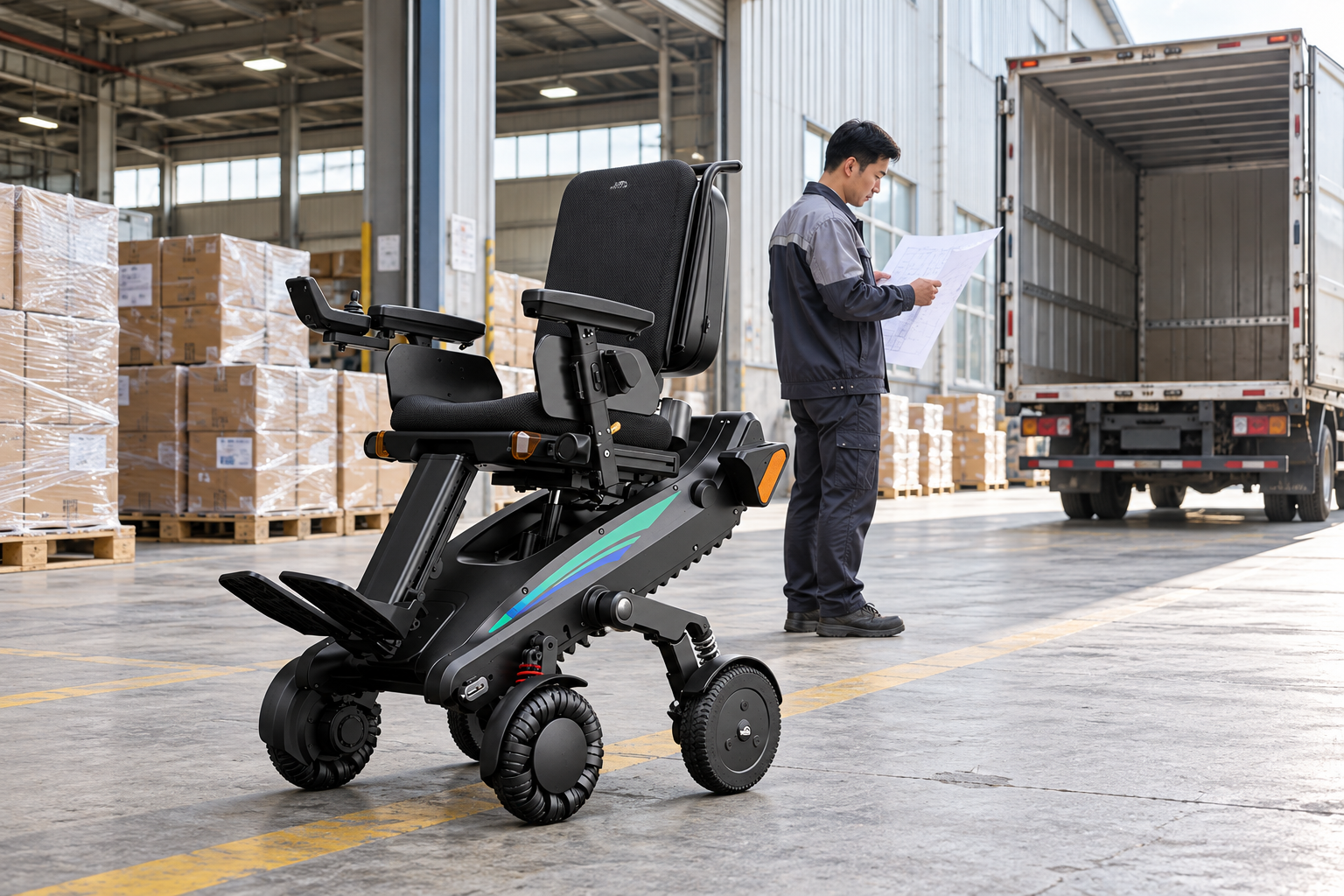
For XSTO X12 vehicle loading, compare the requested load dimensions with the vehicle's usable opening and cargo space. A vehicle name or broad size does not prove the actual load will fit.
Check usable vehicle openings
Measure the usable route into the cargo area. Keep measurements and measuring points clear. Include internal projections or access limits identified by the responsible reviewer.
- Record clear opening dimensions
- Identify cargo-space constraints
- Confirm the reviewed load setup
| Check | What to keep |
|---|---|
| Record clear opening dimensions | Vehicle sketch |
| Identify cargo-space constraints | Context photos |
| Confirm the reviewed load setup | Transport record |
Key Takeaway: The comparison can address practical access instead of assuming that a large vehicle automatically accepts the product.
What should XSTO X12 vehicle loading ask about restraint?
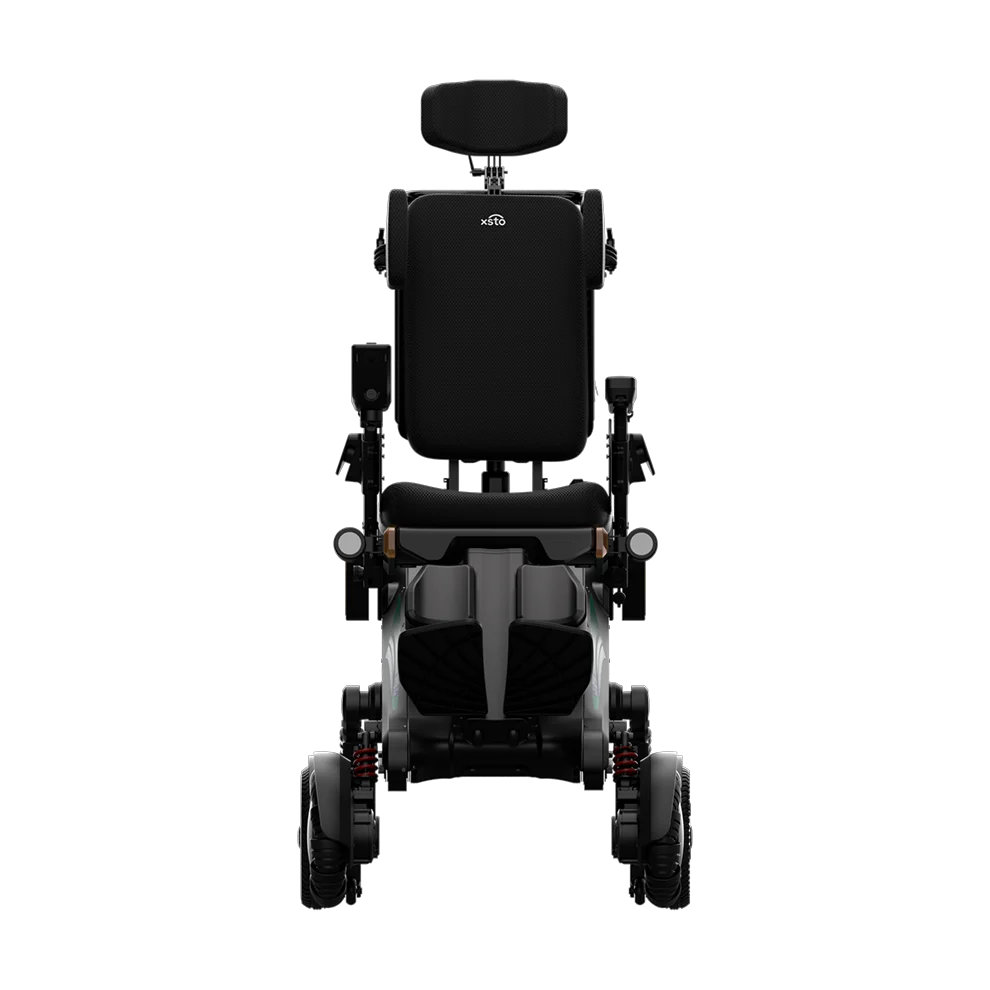
An XSTO X12 vehicle loading inquiry should ask who reviews restraint of the empty load under applicable equipment and vehicle guidance. A product photograph cannot define suitable attachment points or a restraint method.
Who reviews cargo restraint?
Use approved equipment and vehicle guidance. Leave physical methods with qualified providers. Keep acceptance of the cargo plan separate from permission for occupied wheelchair travel. Keep detached items identifiable in the parts record.
- Name the restraint-review owner
- Request applicable written guidance
- Record accepted cargo scope
| Check | What to keep |
|---|---|
| Name the restraint-review owner | Provider responsibility |
| Request applicable written guidance | Equipment and vehicle files |
| Record accepted cargo scope | Transport plan |
Key Takeaway: Your team can request the right evidence without inventing a tiedown arrangement from visible frame parts.
How should battery questions be handled?
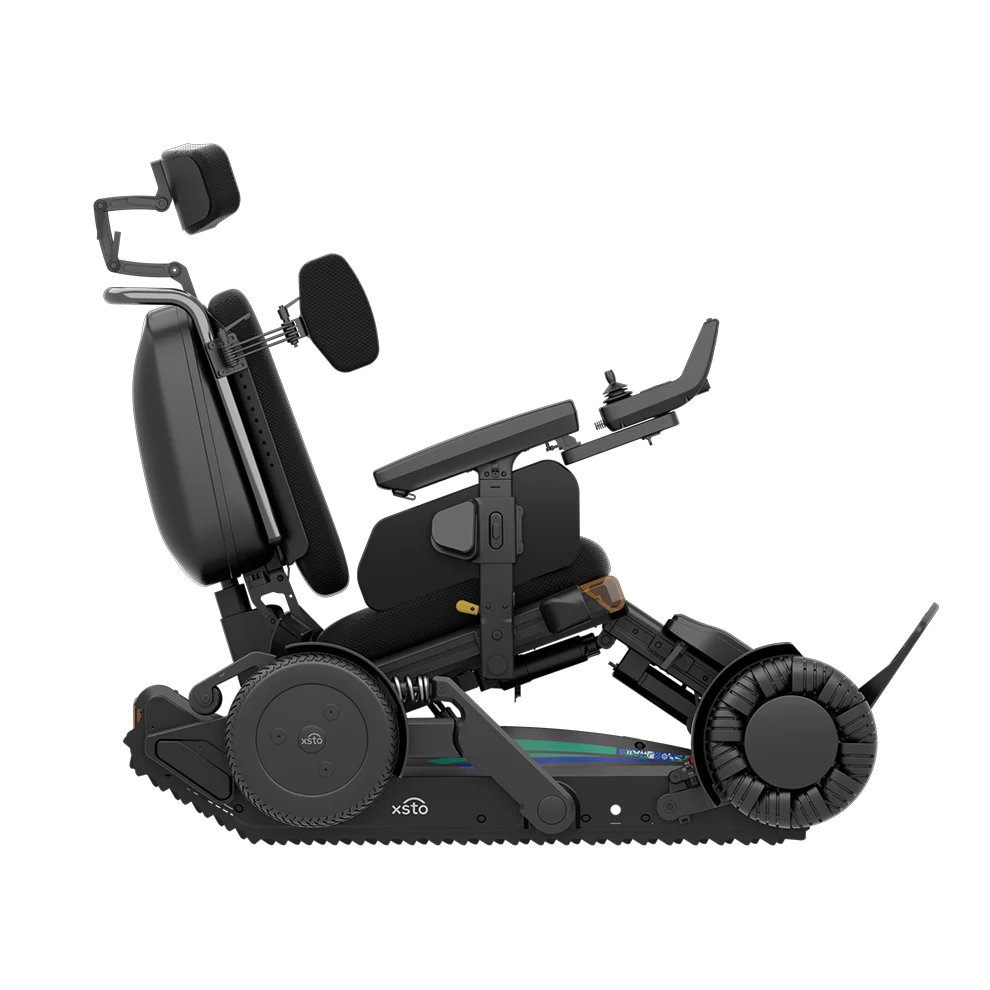
Battery questions in an XSTO X12 vehicle loading plan need the supplied setup, condition and transport route. Do not assume that local road delivery, air travel and returning a damaged unit use the same rules.
State battery and route details
State the exact system and route. Use a competent provider for current requirements. Keep the maker's preparation guide and the carrier's reply in the same file.
- Confirm the battery setup
- Describe route and transport mode
- Obtain suitable provider advice
| Check | What to keep |
|---|---|
| Confirm the battery setup | Product record |
| Describe route and transport mode | Logistics brief |
| Obtain suitable provider advice | Written response |
Key Takeaway: You can seek a route-specific answer without presenting a general transport statement as universal approval.
How should XSTO X12 vehicle loading track loose items?
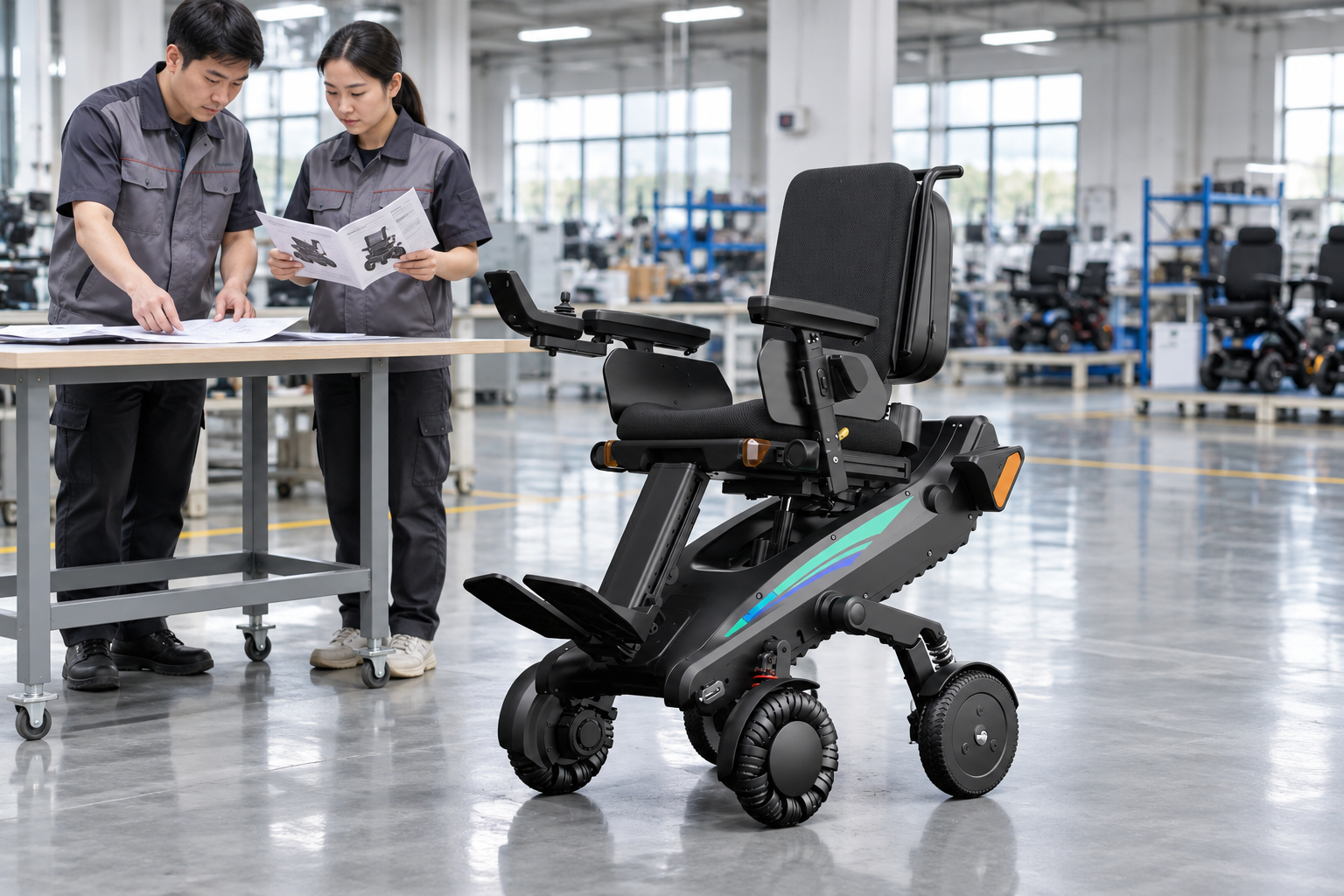
For XSTO X12 vehicle loading, list any items separated under approved preparation guidance and keep them linked to the correct unit. An accessory or charger can lose its identity when several chairs share a shipment.
Keep loose items traceable
Keep each item linked to its chair. Use an order-specific contents record. Ask receiving staff to report missing or mismatched items before the product enters local service.
- List separately carried items
- Link items with unit identity
- Record receipt exceptions
| Check | What to keep |
|---|---|
| List separately carried items | Approved contents sheet |
| Link items with unit identity | Packing reference |
| Record receipt exceptions | Receiving note |
Key Takeaway: The complete system can be traced through transport without relying on carton order or staff memory.
What happens when the vehicle or site changes?
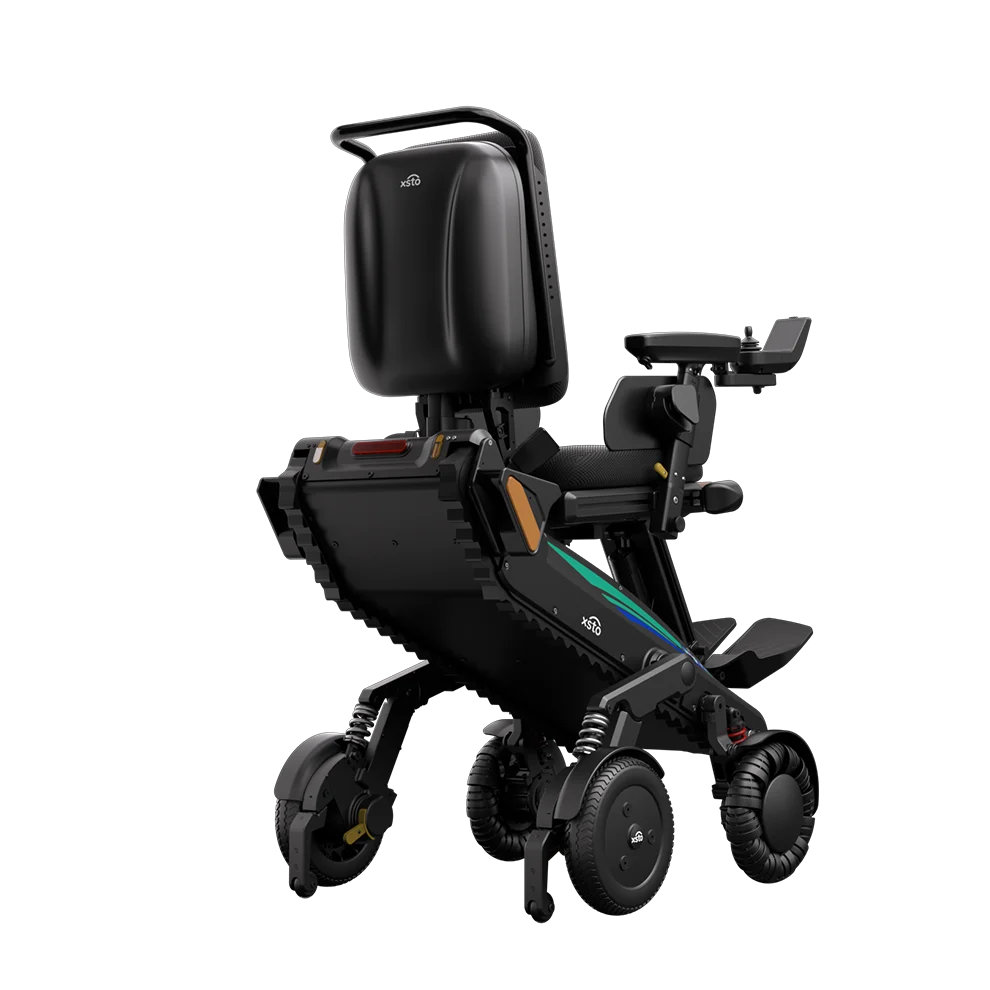
A changed vehicle, doorway or receiving arrangement may require another XSTO X12 vehicle loading review. Do not apply a prior acceptance automatically when the practical handling conditions differ.
Review changes before collection
Review the changed task. Record the change before collection. Ask the responsible provider which part of the plan needs new evidence or approval. Name the transport scope in the quotation.
- Describe the changed condition
- Identify affected handling decisions
- Retain the revised acceptance
| Check | What to keep |
|---|---|
| Describe the changed condition | Update note |
| Identify affected handling decisions | Provider review |
| Retain the revised acceptance | Current transport plan |
Key Takeaway: Your team can avoid discovering a planning mismatch only when the device reaches the vehicle.
How should dispatch and receipt be documented?
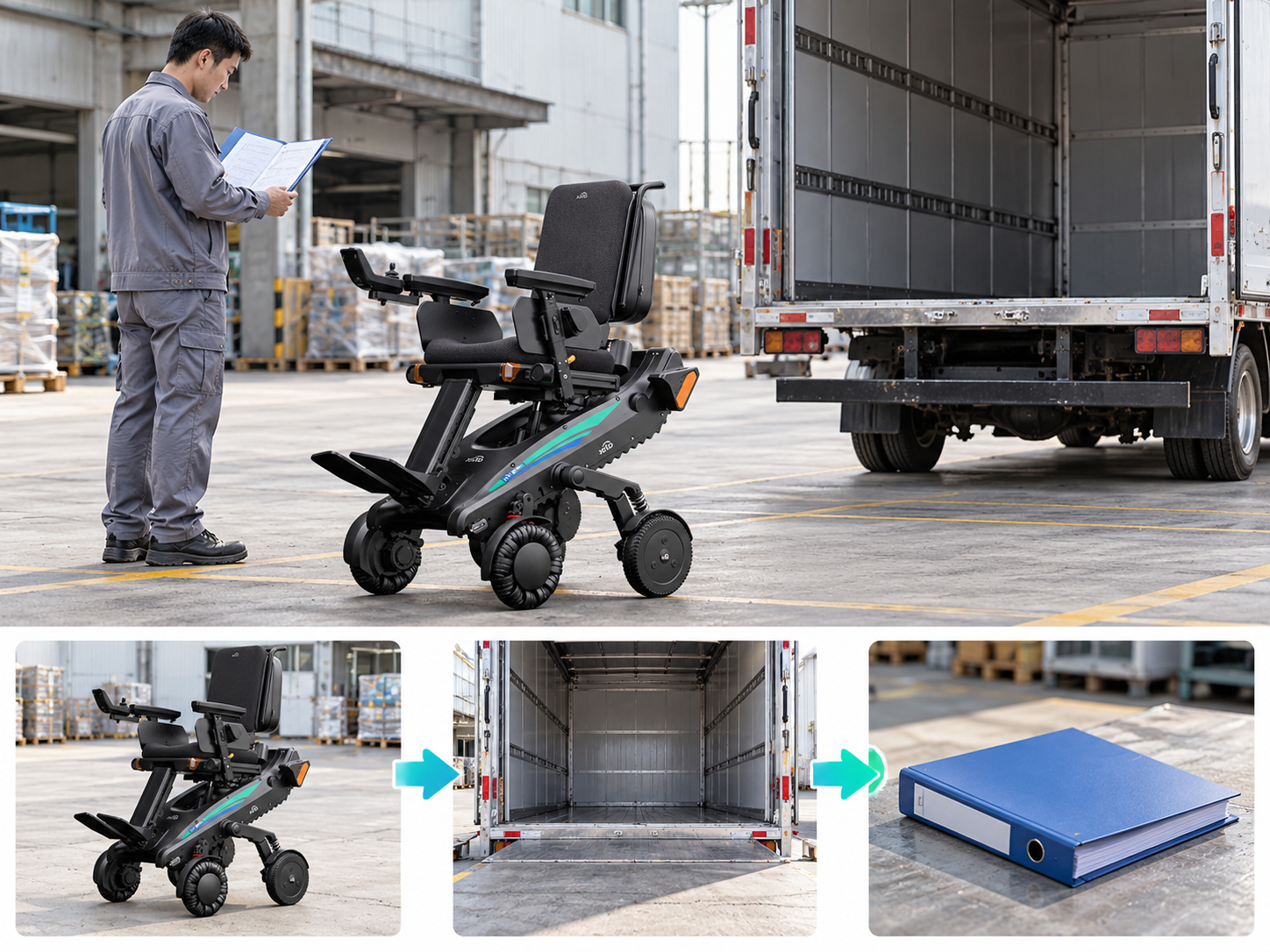
Document XSTO X12 vehicle loading with unit identity, agreed transport setup and observed condition at dispatch and receipt. A delivery signature does not establish technical readiness or personal suitability for use.
Record dispatch and receipt facts
Keep observations separate from release decisions. Keep relevant photos and exception notes. Route damage or missing-item concerns to the appropriate supplier and service contacts.
- Identify the transported unit
- Record visible condition
- Assign unresolved exceptions
| Check | What to keep |
|---|---|
| Identify the transported unit | Serial and model record |
| Record visible condition | Safe context photos |
| Assign unresolved exceptions | Support action list |
Key Takeaway: You can preserve useful evidence while keeping technical release within the right review process.
What belongs in an XSTO X12 vehicle loading request?
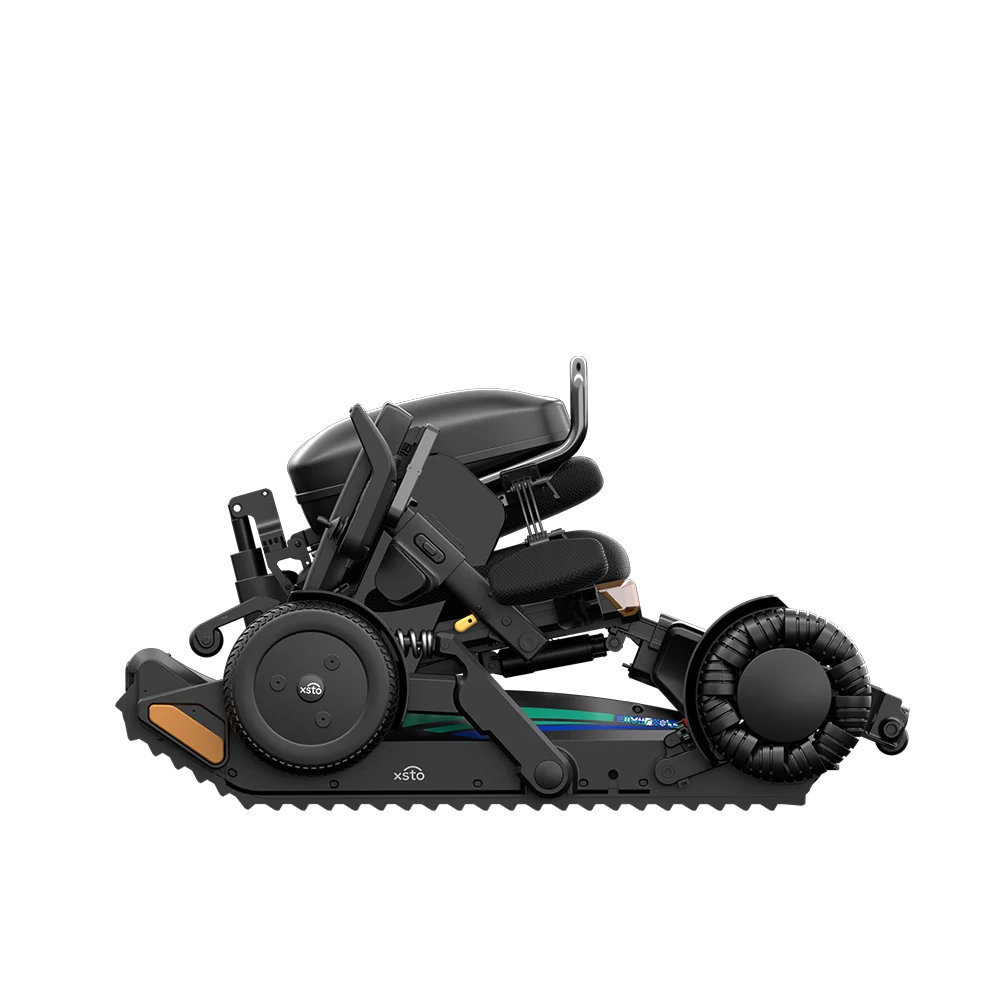
An XSTO X12 vehicle loading request should name the empty load, actual vehicle and collection and receiving conditions. Ask for the product facts and qualified task acceptance needed before confirming logistics.
Prepare the complete transport request
Give the provider a complete brief. Keep unanswered questions visible to everyone involved. Separate estimated dates from the plan's technical acceptance.
- Attach the exact equipment setup
- Describe both handling sites
- Request written task acceptance
| Check | What to keep |
|---|---|
| Attach the exact equipment setup | Load brief |
| Describe both handling sites | Access record |
| Request written task acceptance | Provider response |
Key Takeaway: You can coordinate a realistic delivery plan without assuming folding, size or vehicle type settles every handling question. Contact us with your X12 model, intended use and purchasing questions so we can discuss the product information you need. AryMD supports buying decisions grounded in clear model facts.
Frequently asked questions
Q1: Can this guide approve transporting someone seated in X12?
No. It addresses empty-equipment logistics; occupied transport needs separate exact-model evidence and appropriate qualified review.
Q2: What's the best information to send a transport provider?
Provide the actual setup, confirmed dimensions and weight, vehicle details and access conditions at collection and receipt.
Q3: How do I know whether folding makes loading easy?
Do not infer that from size. The handling method and equipment need review for the exact load and both sites.
Q4: Can I use frame parts visible in a photo as tiedown points?
No. Restraint methods and attachment choices belong within applicable manufacturer and vehicle guidance and qualified provider review.
Q5: Can the same transport plan be reused with another vehicle?
Only after reviewing relevant changes. Openings, cargo space and handling conditions may differ from the earlier accepted plan.