
Also, Beach wheelchair features should answer a defined user, route, staff, transport, care, and service need. A long feature list or old “top five” ranking cannot identify a universal winner. Compare the exact configured sample and record what each feature changes in the real service.
Then, ADA mobility-device guidance provides policy context, while the California Coastal Commission directory shows how local availability and arrangements vary. Product suitability still requires direct review.
Which Beach Wheelchair Features Define the Product Type?
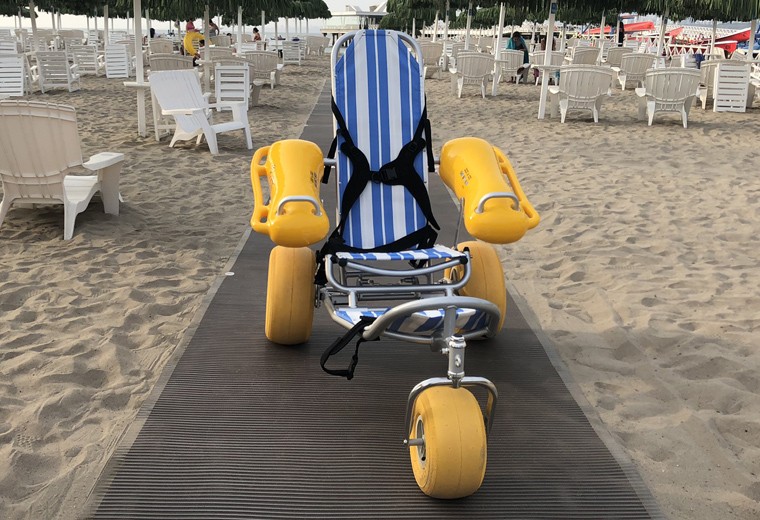
However, Wheel layout, frame, seating, floats, controls, folding, and attendant handles help distinguish all-terrain, floating, lightweight, and powered products.
For example, Classify before comparing. Use the product-type guide.
- Identify intended task.
- Confirm water-use approval.
- Keep walker products separate.
| Feature | Decision |
|---|---|
| Floats | Water-service review |
| Wide wheels | Soft-surface trial |
| Motor | Controls and battery records |
Meanwhile, Key Takeaway: Product type sets the comparison boundary.
How Should Wheel Features Be Reviewed?
Instead, Compare width, diameter, material, bearings, mounting, steering, cleaning, and replacement. Do not infer route performance from one wheel measurement.
As a result, Inspect the complete wheel system. Trial it through the route plan.
- Check wheel mounting.
- Record turning behavior.
- Request approved replacements.
| Wheel area | Evidence |
|---|---|
| Size | Current specification |
| Mount | Inspection |
| Route | Controlled trial |
Also, Key Takeaway: Wheel evidence needs a route context.
Which Seating and Support Features Matter?
Then, Review seat dimensions, back support, arm supports, foot support, cushion, restraints where fitted, transfer access, and cleaning with suitable professionals.
However, Fit comes before features. Keep the approved configuration in the buyer file.
- Record seating needs.
- Plan transfer access.
- Check cleaning and drying.
| Support | Record |
|---|---|
| Seat | Configured dimensions |
| Restraint | Approved use |
| Transfer | Individual plan |
For example, Key Takeaway: A feature matters only when it fits the user.
How Do Frame and Handling Features Affect Operations?
Meanwhile, Frame joints, handles, folding, balance, lifting points, removed parts, packed size, and storage affect staff work and transport.
Instead, Test the full handling task. Use the storage guide.
- Repeat folding.
- Identify grip points.
- Measure storage space.
| Handling area | Check |
|---|---|
| Fold | Repeatable |
| Lift | Suitable plan |
| Store | Protected space |
As a result, Key Takeaway: Handling features need a repeatable process.
What Changes When a Chair Has Floating Features?
Also, Floats and approved water-service design add staff, condition, inspection, stop-rule, return, and care requirements. Do not infer flotation from wide wheels.
Then, Treat water as a separate service. Use the floating checklist.
- Confirm approved product.
- Define staff positions.
- Record local limits.
| Water feature | Evidence |
|---|---|
| Float | Attachment inspection |
| Staff | Training record |
| Condition | Local decision |
However, Key Takeaway: Floating features change the operating model.
How Should Care and Service Features Be Compared?
For example, Compare inspection access, approved rinsing, drainage, drying, storage, parts, repair contacts, warranty terms, and downtime.
Meanwhile, Price the care cycle. Use the care guide and procurement file.
- List care tasks.
- Keep part identifiers.
- Track downtime.
| Care feature | Record |
|---|---|
| Drainage | Approved method |
| Part | Replacement path |
| Service | Named owner |
Instead, Key Takeaway: Service features affect availability.
What Supplier Features Should Be Scored?
As a result, Score current manuals, model data, revision control, sample consistency, packaging, parts, warranty, service contacts, and response ownership.
Also, Test evidence, not copy. Use the supplier questions.
- Request current files.
- Compare sample and order.
- Test one support question.
| Supplier area | Pass condition |
|---|---|
| Documents | Current |
| Sample | Representative |
| Support | Named |
Then, Key Takeaway: Supplier evidence is a product feature.
How Should Features Be Scored in a Sample Trial?
However, Use written must-have criteria for user fit, route, handling, water service, care, parts, and support. Mark pass, concern, fail, and not tested.
For example, Protect critical requirements. Compare suitable models from the beach series.
- Use one test sequence.
- Record conditions.
- Reject unresolved must-have failures.
| Status | Meaning |
|---|---|
| Pass | Meets condition |
| Concern | Needs evidence |
| Fail | Rejects requirement |
Meanwhile, Key Takeaway: A transparent scorecard beats a popularity ranking.
Do more features make a better beach wheelchair?
Instead, No. Features should support the defined user, route, staff, and service.
Do wide wheels prove all-terrain performance?
As a result, No. Test the complete chair on the intended route.
Can wide wheels prove flotation?
Also, No. Only use products approved for water service.
Should supplier support be compared?
Then, Yes. Parts, documents, service, and response matter.
Will the main image change?
However, No. The original featured image remains.