
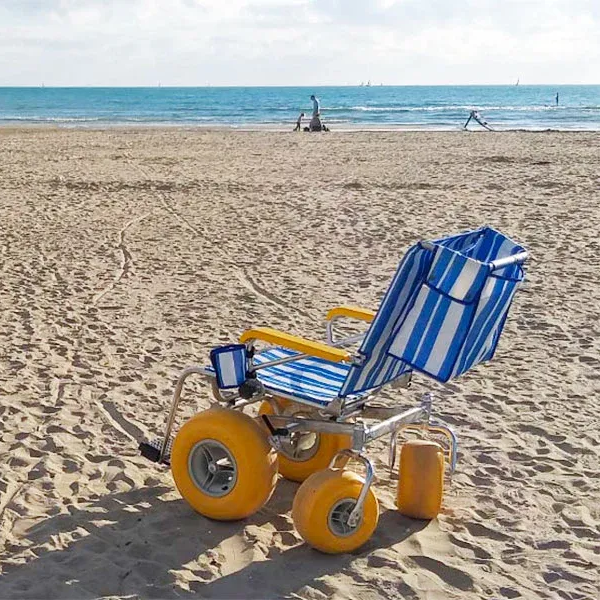
Useful beach wheelchair tips begin before arrival. Confirm the destination, reservation, exact chair, route, parking, transfer point, staff role, weather, return procedure, cleaning, and support contacts. Avoid generic advice that assumes every beach, user, chair, or water-entry service works the same way.
Also, The California Coastal Commission directory shows why visitors should contact beaches directly about arrangements. ADA mobility-device guidance provides policy context, while local information and individual assessment still control the trip.
Which Beach Wheelchair Tip Comes First?
Contact the destination and confirm current equipment, reservation, pickup, service hours, route, staff help, and return process. Online information can become outdated.
Then, Call before travel. Use the beach access guide.
- Confirm availability.
- Ask about the exact route.
- Record contact details.
| Check | Question |
|---|---|
| Chair | Which model is available? |
| Route | What surfaces and transitions? |
| Staff | What help is offered? |
Key Takeaway: Current local information prevents avoidable failure.
How Should the User and Chair Be Matched?
However, Review seating, supports, transfer access, handles, restraints where fitted, controls where fitted, and route needs with suitable professionals and the actual product.
Use the exact configuration. Do not infer individual suitability from a photo.
- Record support needs.
- Check transfer method.
- Confirm approved setup.
| Fit area | Evidence |
|---|---|
| Seating | Approved configuration |
| Transfer | Planned method |
| Controls | Usable access |
For example, Key Takeaway: The right trip starts with suitable fit.

What Route Details Should Be Checked?
Check parking, arrival, boardwalk, mats, sand, slopes, turns, transfer points, rest points, shoreline limits, toilets, and return route.
Meanwhile, Walk the route first. Use the route planning guide.
- Map surface changes.
- Mark narrow or steep points.
- Record conditions.
| Route item | Evidence |
|---|---|
| Arrival | Parking and access |
| Sand | Current condition |
| Return | Clear route |
Key Takeaway: A chair cannot fix an unreviewed route.
How Should Weather and Beach Conditions Be Handled?
Instead, Weather, tides, sand firmness, heat, and closures can change the service. Follow local staff decisions and reschedule when conditions fall outside the approved plan.
Keep plans flexible. Do not promise availability from a forecast alone.
- Check current conditions.
- Know who decides closure.
- Keep cancellation contacts.
| Condition | Action |
|---|---|
| Weather | Confirm before departure |
| Tide | Check local route impact |
| Closure | Use stated policy |
As a result, Key Takeaway: Conditions should be checked on the service day.
What Should Happen During Handoff?
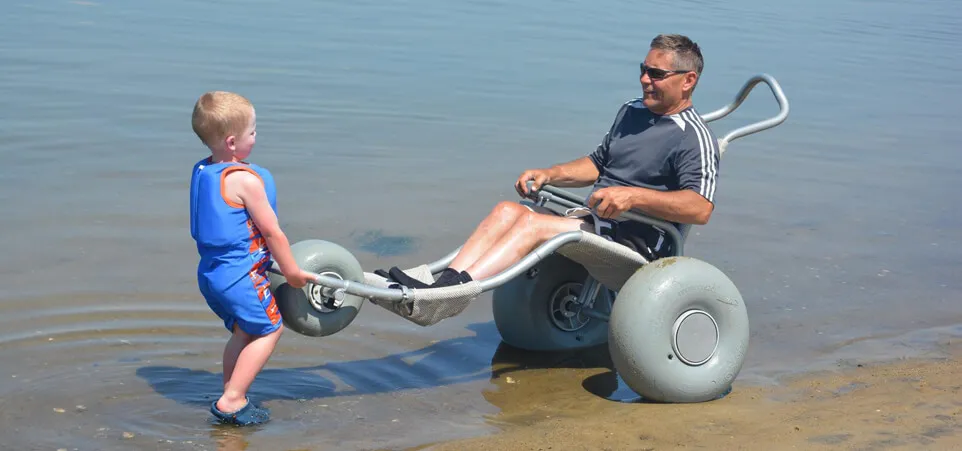
Staff should inspect the chair, explain setup, route limits, braking or parking controls where fitted, transfer boundaries, return, and issue contacts.
Also, Use one handoff checklist. Follow the staff handoff guide.
- Match chair and booking.
- Explain service limits.
- Record condition.
| Handoff item | Pass condition |
|---|---|
| Setup | Correct |
| Route | Understood |
| Return | Agreed |
Key Takeaway: A clear handoff reduces confusion.
How Should Transfers Be Planned?
Then, Transfers require individual assessment, appropriate techniques, suitable equipment, trained support, and a stable location. A general blog should not prescribe one transfer method.
Use qualified guidance. Keep transfer planning separate from beach-chair marketing.
- Choose a suitable transfer point.
- Use approved support.
- Stop when conditions are unsuitable.
| Transfer area | Question |
|---|---|
| Location | Stable and clear? |
| Support | Qualified and available? |
| Equipment | Approved for the task? |
However, Key Takeaway: Transfer plans must be individual and site-specific.
What Tips Apply Near the Water?
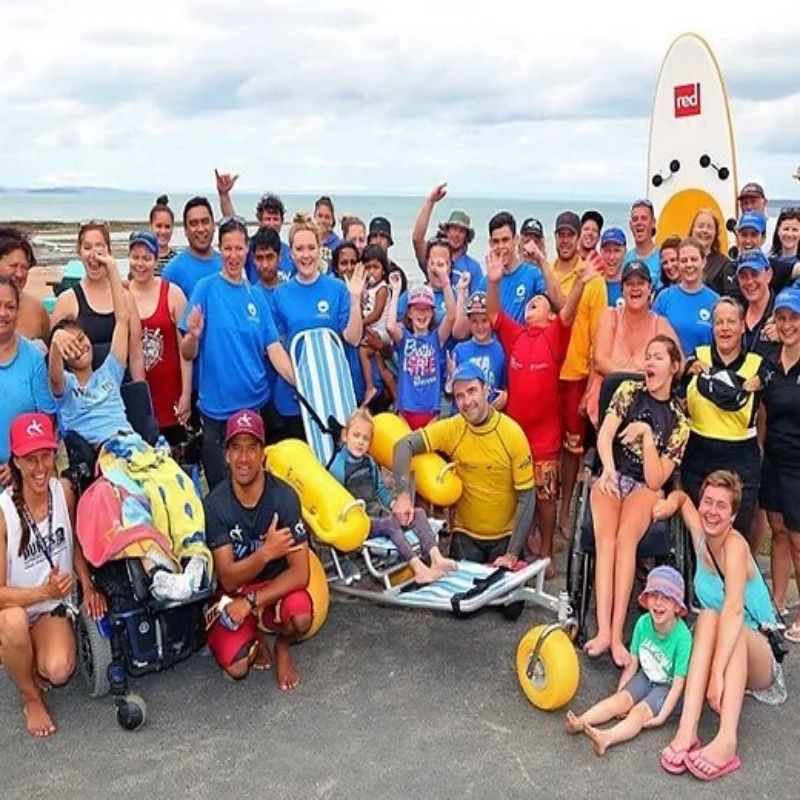
Only use a chair for water entry when the exact model, local service, trained staff, conditions, and instructions permit it. An all-terrain chair is not automatically a floating chair.
For example, Check the product type. Use the floating versus all-terrain comparison.
- Identify the chair type.
- Follow local stop rules.
- Keep required staff positions.
| Chair type | Water statement |
|---|---|
| All-terrain | No assumption |
| Floating | Follow approved service |
| Unknown | Keep out of water |
Key Takeaway: Product type controls the water-use discussion.
How Should Return and Post-Use Care Work?
Meanwhile, Return the chair to the stated location, report issues, complete inspection, and follow approved cleaning, drainage, drying, and storage instructions.
Finish the service cycle. Use the care plan and storage guide.
- Record return condition.
- Report faults.
- Dry before storage.
| Return item | Record |
|---|---|
| Condition | Observed state |
| Cleaning | Approved method |
| Storage | Ready status |
Instead, Key Takeaway: Good trips end with good records.
Which Documents Should Travelers Carry?
Keep reservation details, destination contacts, product and battery information where relevant, handling notes, emergency contacts, and support instructions accessible.
As a result, Keep key information outside checked luggage. For powered devices, use the travel specification guide.
- Carry reservation confirmation.
- Keep handling information.
- Record issue contacts.
| Document | Purpose |
|---|---|
| Booking | Confirms arrangement |
| Product | Supports handling |
| Contact | Resolves issues |
Key Takeaway: A small document pack can prevent large delays.
What Is the Best Beach Wheelchair Tip List?
Also, Confirm destination, fit, route, weather, chair type, staff support, transfer plan, return, care, and contacts. Keep advice conditional and preserve the original featured image.
Use the list as a trip file. Review the beach equipment range without mixing product types.
- Verify before travel.
- Follow local instructions.
- Record changes.
| Stage | Pass condition |
|---|---|
| Before | Confirmed |
| During | Within plan |
| After | Closed and recorded |
Then, Key Takeaway: Verified details beat generic beach advice.
Should a beach wheelchair be reserved?
Contact the destination because reservation and availability rules vary.
Can every beach wheelchair enter water?
However, No. Only use approved floating models under suitable local conditions and instructions.
Can staff always assist transfers?
No. Confirm the service and use appropriate qualified support.
Should weather be checked?
For example, Yes. Conditions can change routes and service availability.
Will a new main image be added?
No. The original featured image remains.