
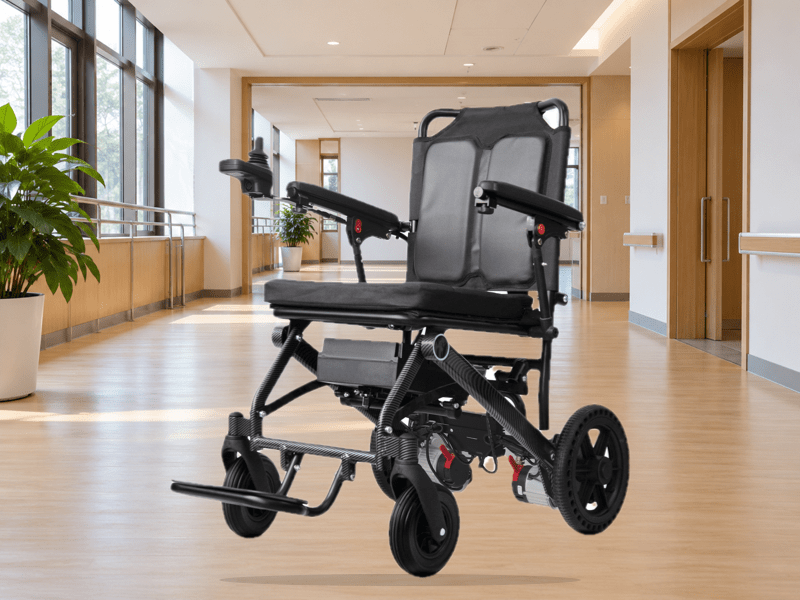
Electric wheelchair qualification is not a product quiz or a promise of coverage. For Medicare, the current official process connects medical necessity, a face-to-face examination, a written order, home-use needs, and an enrolled supplier. Other programs and private plans can apply different rules, so every applicant needs current plan-specific guidance.
Also, This article summarizes public process information from Medicare’s wheelchair and scooter page, the current prior-authorization list, and Medicaid’s DME definition. It does not diagnose a condition, guarantee approval, or replace advice from a treating provider, plan, or qualified supplier.
What Does Electric Wheelchair Qualification Mean?
Qualification can mean clinical suitability, program eligibility, supplier documentation, or authorization for payment. These are related but separate decisions. A chair can fit a user yet fall outside a particular benefit, network, documentation rule, or service area.
Then, Name the decision first. Use a separate record for fit, medical need, plan rules, supplier participation, and final authorization.
- Identify the payer or program.
- Record the decision being requested.
- Keep product fit separate from payment approval.
| Decision | Responsible evidence |
|---|---|
| Clinical suitability | Treating and assessment team records |
| Coverage eligibility | Current plan rules |
| Product selection | Model-specific fit and route evidence |
Key Takeaway: Do not use “qualified” as a single undefined status.
What Does Medicare Currently Require Before Coverage Review?
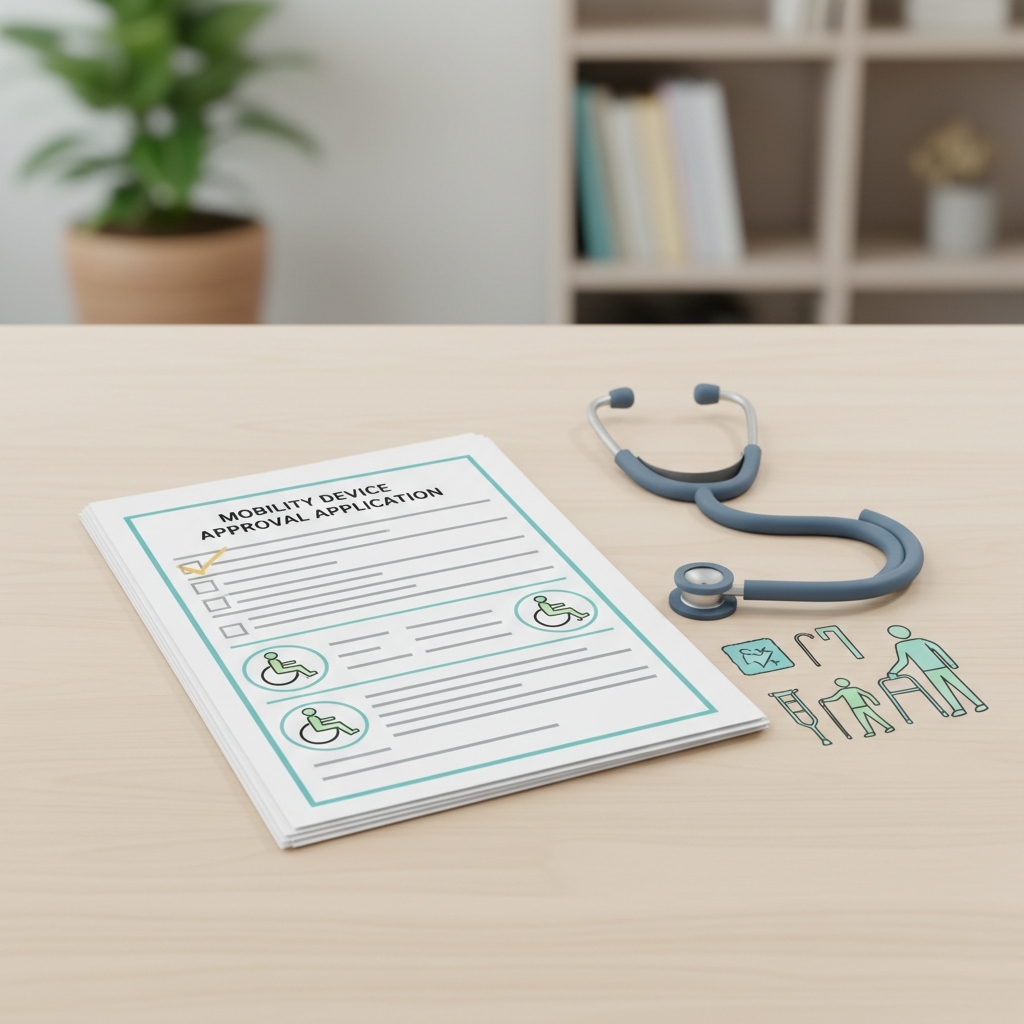
However, Medicare states that a person must have a face-to-face examination and a written prescription from a treating provider before coverage of a power wheelchair or scooter. The official page also ties coverage to medical necessity and eligibility under Part B.
Use current wording. Requirements can change, so retain the date and URL of the guidance used for each file.
- Confirm current Part B status.
- Arrange the required provider examination.
- Keep the written order with supporting records.
| Record | Purpose |
|---|---|
| Face-to-face examination | Documents current need |
| Written order | Starts the equipment process |
| Coverage-page snapshot | Shows guidance reviewed |
For example, Key Takeaway: A product quote does not replace the provider process.

How Should Daily Activity Limits Be Documented?
Documentation should describe specific tasks and the setting where limitations occur. Broad statements such as “has trouble walking” may not show how mobility affects activities in the home or why another aid does not address the documented need.
Meanwhile, Be concrete without exaggeration. The treating team should record observations in its own professional language. A supplier should not invent clinical findings.
- Describe affected activities and locations.
- Record aids already used when relevant.
- Avoid copied boilerplate that does not match the person.
| Weak note | Stronger record |
|---|---|
| Limited mobility | Specific activity and observed barrier |
| Needs power chair | Reason tied to assessed function |
| Home problem | Measured doorway or route condition |
Key Takeaway: Specific functional records support a clearer review.
Why Does the Home Setting Matter?
Instead, Medicare’s public guidance focuses on wheelchair or scooter use in the home. A practical file should document whether the proposed device can move through relevant entrances, rooms, surfaces, storage areas, and charging locations.
Measure the actual route. Use the compact wheelchair route plan and an adult fit review as product-check templates, not coverage guarantees.
- Measure clear openings.
- Review turning and approach space.
- Identify a suitable storage and charging area.
| Home check | Question |
|---|---|
| Doorway | Can the configured chair pass? |
| Turn | Can the route be completed? |
| Storage | Can the device be parked safely? |
As a result, Key Takeaway: A model must fit the documented home route.

What Role Does the DME Supplier Play?
Medicare tells users to confirm that doctors and DME suppliers are enrolled and to ask whether suppliers participate or accept assignment. The supplier handles equipment records and may submit prior-authorization material for models that require it.
Also, Check status before ordering. Supplier participation, assignment, network status, and product fit answer different questions and should be recorded separately.
- Verify supplier enrollment and participation.
- Ask who submits authorization records.
- Keep the exact model and configuration on the order.
| Supplier check | Evidence |
|---|---|
| Enrollment | Current program status |
| Assignment | Written payment arrangement |
| Model identity | Quote and order details |
Key Takeaway: Confirm supplier status before relying on a quote.
When Can Prior Authorization Apply?
Then, Medicare maintains a current list of power wheelchair and scooter codes that require prior authorization. That list should be checked against the exact item being considered rather than assumed from a marketing name.
Use the current list. A family name such as “power chair” does not identify the billing code or authorization path.
- Match the item to current coding information.
- Confirm who prepares the submission.
- Do not promise approval before a decision.
| Step | Control |
|---|---|
| Identify item | Exact model and code |
| Check list | Current Medicare page |
| Submit record | Responsible supplier or provider |
However, Key Takeaway: Authorization depends on the exact item and current rules.

How Is Medicaid Different?
Medicaid programs operate through state plans and can differ in covered services, authorization, suppliers, and documentation. Medicaid’s public DME definition provides a general framework, but it does not create one nationwide wheelchair approval checklist.
For example, Treat location as part of the file. Contact the relevant state Medicaid agency or managed-care plan for current instructions.
- Identify the state program.
- Confirm managed-care involvement.
- Use current state forms and supplier rules.
| Question | Where to verify |
|---|---|
| Is DME covered? | State plan or member materials |
| Is authorization needed? | State or managed-care instructions |
| Which supplier can be used? | Current network directory |
Key Takeaway: State-specific guidance controls Medicaid applications.
What About Private Insurance?
Meanwhile, Private policies can differ by benefit design, network, medical policy, documentation, rental rules, and authorization. A general article cannot determine an individual policy outcome.
Read the actual plan. Ask for current written requirements and record the representative, date, reference number, and documents requested.
- Check the benefit and medical policy.
- Confirm network and authorization rules.
- Keep written responses with the application.
| Plan check | Record |
|---|---|
| Coverage category | Benefit document |
| Network | Approved supplier list |
| Authorization | Reference and decision notice |
Instead, Key Takeaway: Plan-specific written guidance beats a generic promise.
How Should Product Fit Be Reviewed During Qualification?
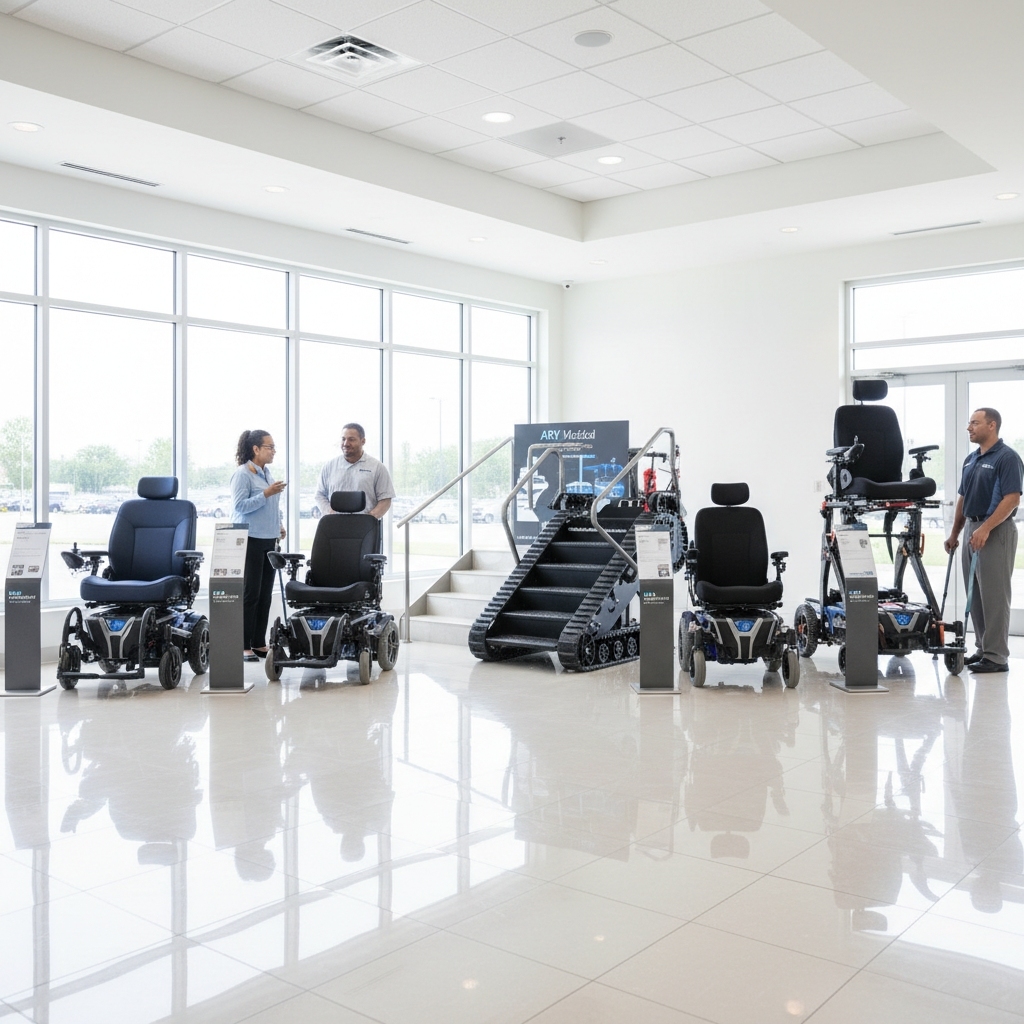
Coverage review does not replace product fit. Seat dimensions, control reach, support needs, route space, folding, transport, and service access still require model-specific evaluation.
As a result, Keep both files connected. Use a wheelchair series comparison, joystick handover, and route and suspension review to organize supplier evidence.
- Assess the configured sample.
- Record user and route requirements.
- Do not substitute coverage status for fit approval.
| File | Question |
|---|---|
| Coverage file | Can the program pay under current rules? |
| Fit file | Does the configured product meet assessed needs? |
| Supplier file | Can the exact setup be delivered and supported? |
Key Takeaway: Coverage and fit must both pass their own reviews.
What Is the Best Qualification Checklist?
Also, A defensible checklist identifies the program, current rules, provider examination, written order, functional records, home route, supplier status, exact product, authorization path, and final written decision. Missing information should be corrected rather than guessed.
Finish with a clean record. For travel or handling after approval, keep a separate travel wheelchair specification, delivery inspection, and supplier review.
- Date every source and decision.
- Keep the exact model consistent.
- Retain notices and follow-up requests.
| Final item | Pass condition |
|---|---|
| Eligibility record | Current and plan-specific |
| Product record | Exact configuration |
| Decision | Written outcome and next steps |
Then, Key Takeaway: Build a file that another reviewer can follow.
Does a diagnosis automatically qualify someone for an electric wheelchair?
No. Eligibility and coverage depend on current program rules, documented function, provider records, the setting, and the exact item.
Does Medicare require a face-to-face examination?
However, Medicare’s current public guidance states that a face-to-face examination and written prescription are required before coverage of a power wheelchair or scooter.
Does Medicaid use one national checklist?
No. State plans and managed-care arrangements can apply different procedures, so applicants must check their current state or plan guidance.
Can a supplier guarantee approval?
For example, No. A supplier can help prepare equipment records, but the responsible program or insurer makes the coverage decision.
Does coverage approval prove the chair fits?
No. Product fit, control access, route clearance, support needs, and service planning still require separate review.
