
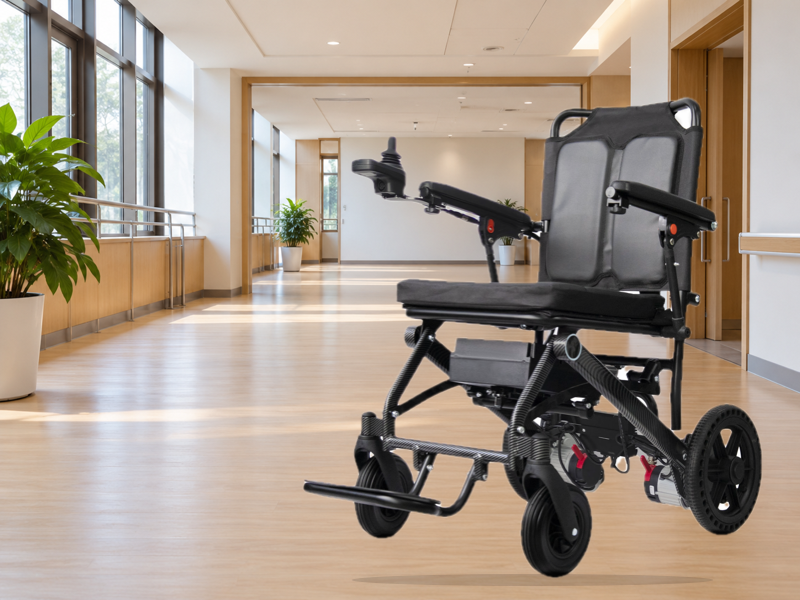
Electric wheelchair coverage depends on the payer, current rules, documented medical need, provider records, supplier status, the exact equipment, and any required authorization. A general article cannot promise approval or a fixed out-of-pocket amount. Build a dated evidence file and verify every step with the responsible program or insurer.
Also, The process below uses Medicare’s current wheelchair guidance, its power-wheelchair prior-authorization list, and Medicaid’s public DME definition. It separates official process facts from plan-specific questions that still require direct confirmation.
What Does Electric Wheelchair Coverage Actually Decide?
Coverage decides whether a payer will contribute under its current benefit, medical policy, network, and authorization rules. It does not decide whether every product feature suits the user or whether a supplier can deliver the configured model.
Then, Separate the decisions. Use different records for eligibility, clinical need, product fit, supplier status, and payment.
- Name the payer and plan.
- Identify the exact coverage decision.
- Keep product selection evidence separate.
| Decision | Evidence owner |
|---|---|
| Medical need | Treating provider and assessment team |
| Benefit eligibility | Payer or program |
| Product fit | User, professionals, and supplier |
Key Takeaway: Coverage is one part of a larger decision.
What Does Medicare Say About Power Wheelchair Coverage?
However, Medicare’s public page says Part B can cover wheelchairs and power-operated vehicles when eligibility and medical-necessity requirements are met. It also describes a face-to-face examination, a written prescription, enrolled providers, and supplier participation.
Use the live page. Do not copy old percentages, dollar values, or model lists without checking the current guidance at the time of application.
- Record the date guidance was checked.
- Confirm provider and supplier status.
- Keep the written order with the file.
| Medicare item | Current check |
|---|---|
| Eligibility | Part B and program requirements |
| Medical need | Provider examination and records |
| Supplier | Enrollment, participation, and assignment |
For example, Key Takeaway: Current Medicare guidance should control the file.
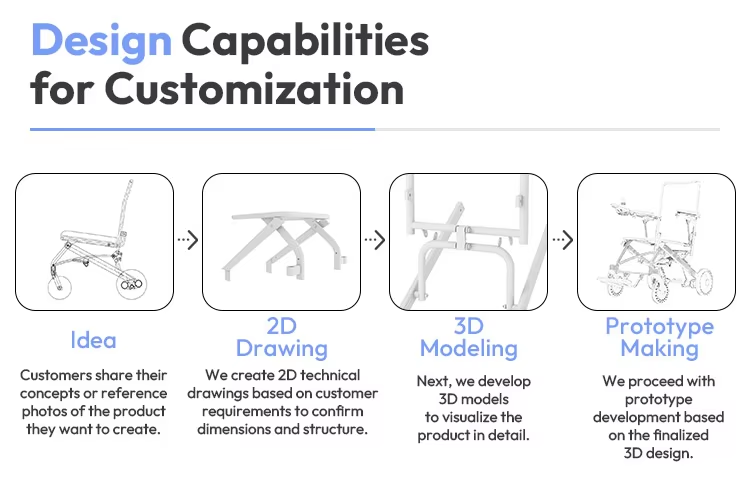
How Can Prior Authorization Change the Process?
Some power wheelchair and scooter items appear on Medicare’s current prior-authorization list. The exact code matters. A marketing category does not show whether a model requires authorization.
Meanwhile, Match the exact item. Confirm the current code, responsible submitter, required documents, and decision status before promising delivery.
- Identify the exact item and code.
- Check the current official list.
- Track requests for more information.
| Authorization stage | Record |
|---|---|
| Item match | Model and code |
| Submission | Date and responsible party |
| Decision | Written notice |
Key Takeaway: Authorization must follow the exact item.
Which Provider Records Belong in the Coverage File?
Instead, Provider records should describe the person’s current condition, functional limits, mobility-related activities, and why the proposed equipment is being considered. The provider controls clinical documentation; a supplier should not write findings that were not observed.
Keep roles clean. A wheelchair fit review can organize product questions but cannot replace clinical records.
- Use current provider documentation.
- Describe specific functional barriers.
- Avoid copied language that does not match the person.
| Record | Boundary |
|---|---|
| Clinical note | Provider-owned findings |
| Product brief | Model and configuration needs |
| Coverage form | Payer-required fields |
As a result, Key Takeaway: Accurate roles reduce contradictory records.
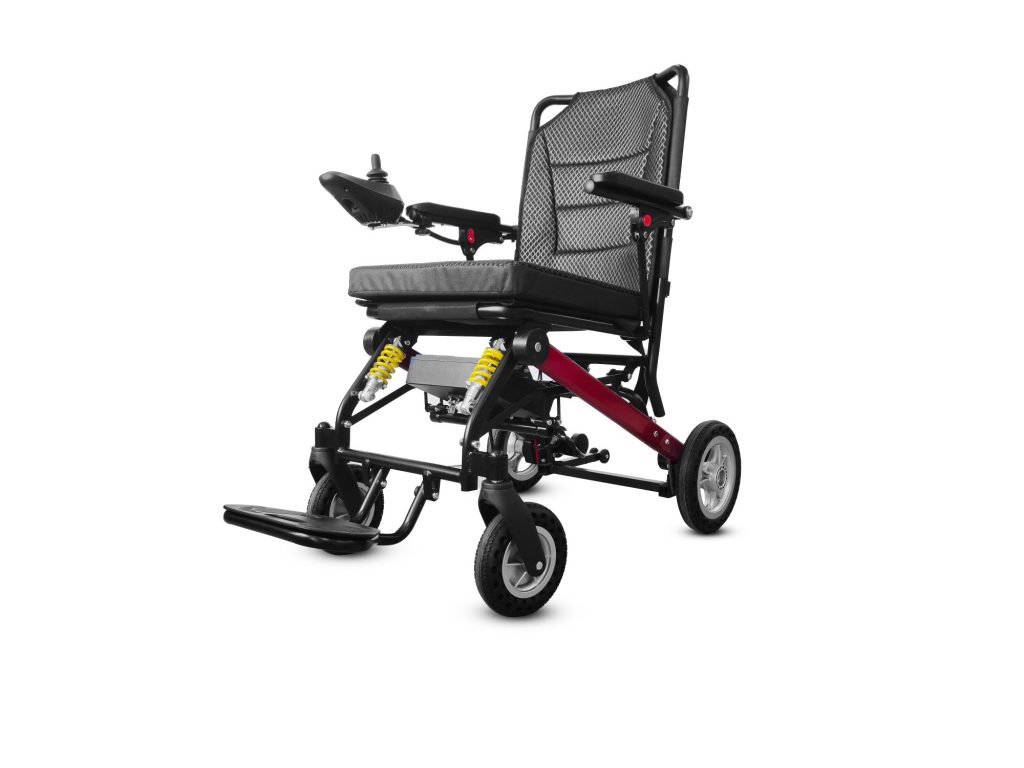
How Do Supplier Participation and Assignment Affect Costs?
Medicare’s public guidance tells users to verify supplier enrollment, participation, and assignment. Current patient costs depend on the approved amount, deductible status, assignment, plan type, and other factors. Check the live page and supplier arrangement instead of relying on a generic number.
Also, Ask before signing. Keep the quote, supplier status, assignment answer, and coverage decision in the same dated file.
- Confirm enrollment and participation.
- Ask whether assignment is accepted.
- Separate quoted price from covered amount.
| Cost record | What it shows |
|---|---|
| Supplier quote | Commercial price and inclusions |
| Coverage decision | Approved benefit |
| Assignment record | Payment arrangement |
Key Takeaway: A quote and a benefit are not the same figure.
How Does Medicaid Coverage Differ?
Then, Medicaid is administered through state programs and managed-care arrangements. Medicaid’s DME definition offers a general framework, while covered items, suppliers, authorization, service limits, and forms can vary by state and plan.
Start with location. Use the relevant state Medicaid agency or managed-care member materials for current instructions.
- Identify the state program.
- Check managed-care requirements.
- Confirm current suppliers and forms.
| Question | Verification source |
|---|---|
| Is the item covered? | State benefit materials |
| Is authorization required? | State or plan procedure |
| Who can supply it? | Current network directory |
However, Key Takeaway: There is no single national Medicaid approval script.
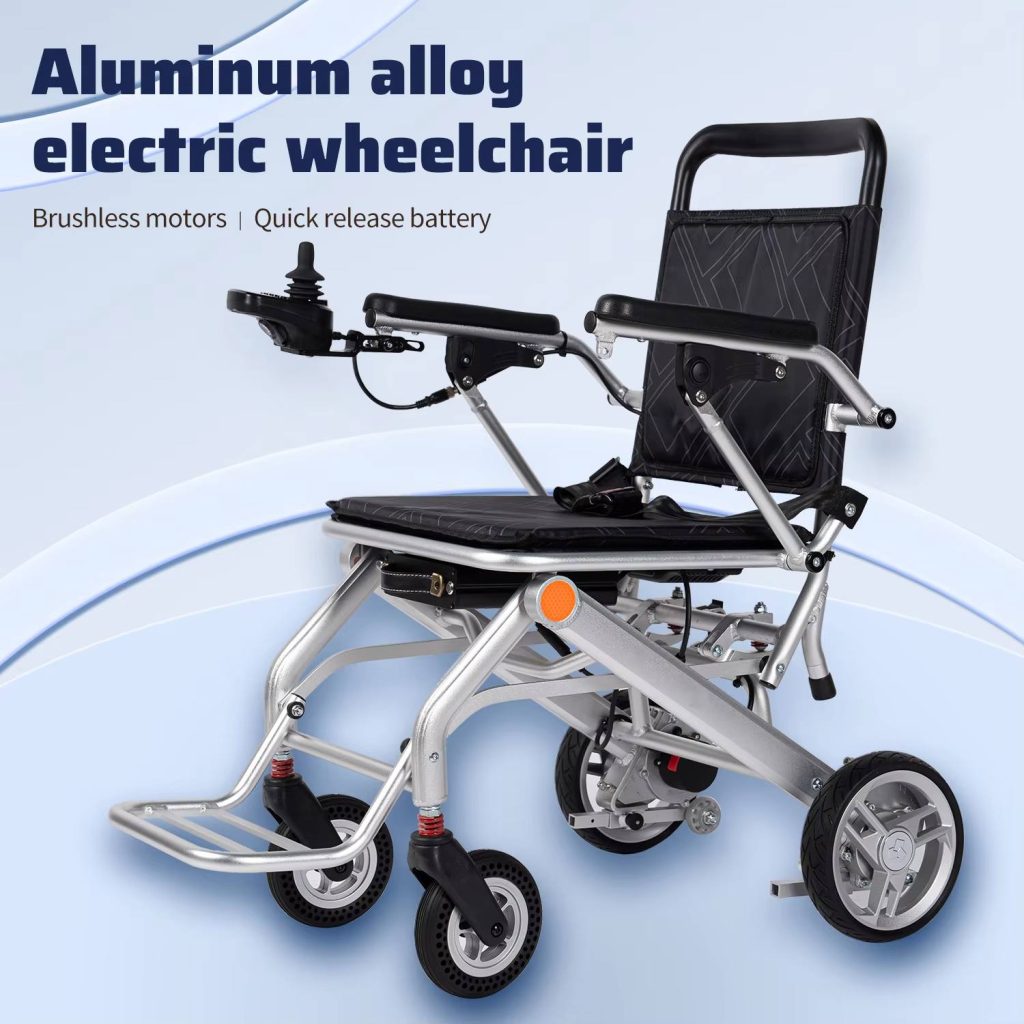
What Should Private Insurance Applicants Verify?
Private insurance can vary by contract, network, medical policy, documentation, authorization, rental terms, and appeal procedures. Applicants should request current written requirements for the exact plan.
For example, Keep a contact trail. Record the date, representative, reference number, documents requested, and any written decision.
- Read the benefit and medical policy.
- Confirm network suppliers.
- Track authorization and appeal deadlines.
| Plan item | Evidence |
|---|---|
| Benefit | Member document |
| Network | Approved supplier list |
| Decision | Written notice |
Key Takeaway: Plan-specific writing is more reliable than a verbal promise.
How Should Product Fit Stay Connected to Coverage?
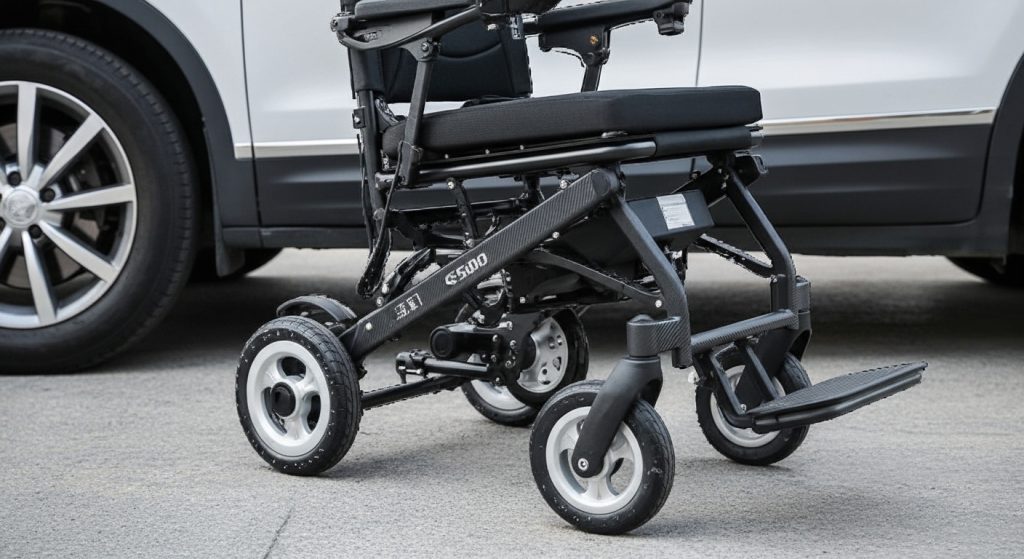
Meanwhile, Coverage paperwork should name the same configuration assessed for seat fit, control access, route space, storage, charging, transport, and service. Model substitutions or accessory changes can alter both product suitability and documentation.
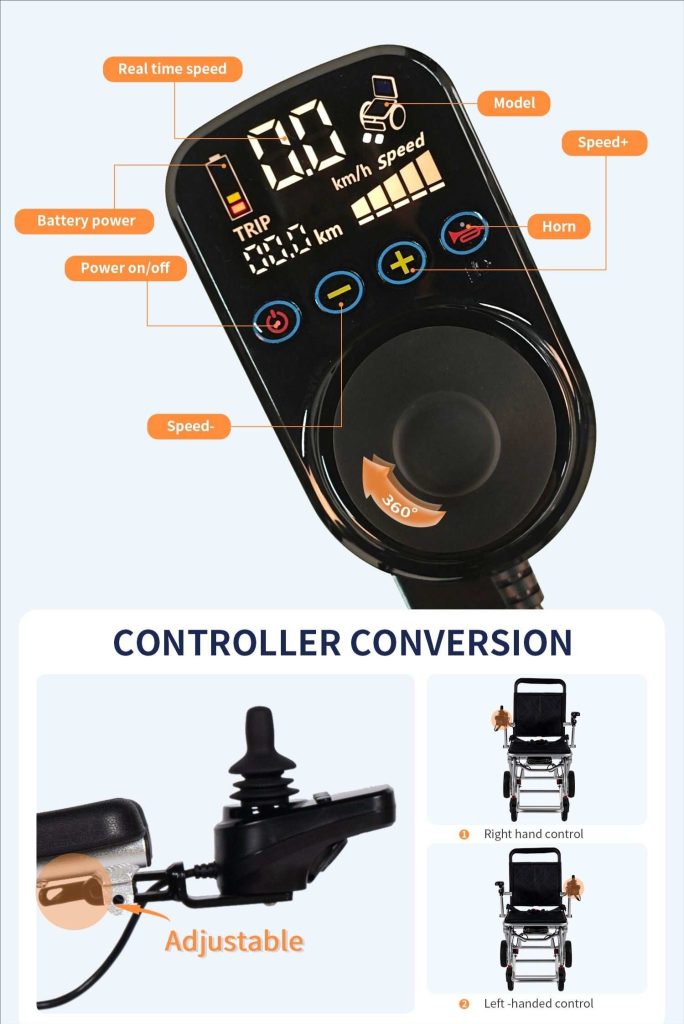
Control the configuration. Use the joystick handover, compact route plan, and route review as supplier-record templates.
- Use one model and revision identifier.
- Record approved accessories.
- Recheck changes before delivery.
| Configuration item | Coverage-file role |
|---|---|
| Base model | Identifies requested equipment |
| Accessories | Explains documented need |
| Revision | Prevents mismatched delivery |
Instead, Key Takeaway: Coverage and fit should reference the same product.
What Should Happen After a Denial or Information Request?
Read the written notice and identify the exact missing item, rule, deadline, and appeal or resubmission path. Do not guess why a claim failed. The provider, supplier, applicant, and plan should correct only records within their roles.
As a result, Use the notice as the checklist. Keep every version and submission date. For receiving after approval, use a wheelchair delivery inspection.
- Retain the decision notice.
- Match each requested item to an owner.
- Submit through the stated channel and deadline.
| Notice item | Next action |
|---|---|
| Missing documentation | Obtain from responsible source |
| Item mismatch | Correct model or coding record |
| Appeal option | Follow current plan procedure |
Key Takeaway: Respond to the written reason, not a guess.
What Is the Best Electric Wheelchair Coverage File?
Also, The file should contain current plan guidance, provider records, written order, home-use information where relevant, supplier status, exact model and configuration, authorization records, quotes, decisions, and follow-up. Every source should carry a date.
Finish with traceability. Keep a separate wheelchair series comparison, travel specification, fleet record, and supplier review when those decisions apply.
- Date sources and contacts.
- Keep one exact configuration.
- Retain every written decision.
| Final file area | Pass condition |
|---|---|
| Rules | Current and plan-specific |
| Equipment | Exact and consistent |
| Decision trail | Complete and dated |
Then, Key Takeaway: A traceable file cannot guarantee approval, but it supports a cleaner review.
Does Medicare cover every electric wheelchair?
No. Coverage depends on current eligibility, medical-necessity, documentation, supplier, item, and authorization requirements.
Do all power wheelchairs require prior authorization?
However, No. Medicare publishes a current list for specific items, so applicants should check the exact code.
Does Medicaid follow Medicare rules?
Not exactly. Medicaid operates through state programs and may use different benefits, suppliers, forms, and authorization procedures.
Can private insurance coverage be predicted from another plan?
For example, No. Contracts, networks, medical policies, and authorization rules can differ.
Should the supplier quote match the coverage amount?
Not necessarily. Commercial price, approved amount, assignment, deductible, coinsurance, and plan terms are separate records.