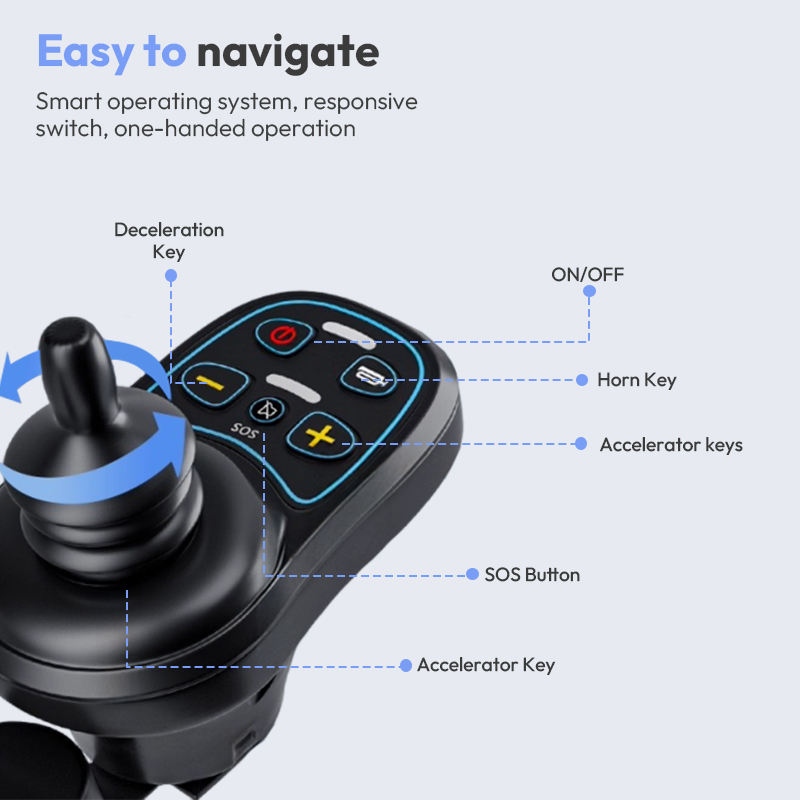
To use your folding electric wheelchair, you must first familiarize yourself with the joystick controls, the folding mechanism, and the battery management system to ensure safe and independent travel. Many people find their world shrinking when limited mobility makes traditional transport an exhausting and stressful hurdle. This loss of spontaneity can lead to deep frustration and a persistent sense of being trapped within your own home. Fortunately, an aotedor electric wheelchair offers a transformative solution that fits seamlessly into your lifestyle and vehicle with zero mechanical stress.
What Is a Folding Electric Wheelchair?

A folding electric wheelchair is a compact, motorized mobility device that collapses into a portable size for easy storage and transportation. The aotedor electric wheelchair effectively bridges the gap between manual portability and powered independence. These devices are specifically designed for users who need a ultra-light 13.5kg electric wheelchair that can be managed by a single person.
Why Portability Matters for You
Portability ensures that your mobility aid doesn’t become a burden when you are not actively using it. You can take your chair on day trips, family outings, and distant vacations without needing a specialized transport vehicle. Think about it: the true freedom to go anywhere is only possible if your equipment can travel with you.
- Fits easily in standard car trunks.
- Maneuvered effortlessly in tight cafes.
- Reduced weight for simpler manual lifting.
Key Takeaway: A folding design eliminates the logistical nightmare of transporting heavy equipment, making everyday outings completely effortless for you and your caregivers.
| Dimension | Typical Value | User Benefit |
|---|---|---|
| Frame Weight | < 50 lbs | Easy to lift and load |
| Folded Size | Compact Profile | Fits in any trunk |
By prioritizing a portable structure, you ensure that your mobility aid enhances your life rather than complicating your daily travel plans.
What Are the Key Features of This Device?
Key features include a 360-degree joystick, high-torque brushless motors, and an intelligent electromagnetic braking system for total user control. The aotedor electric wheelchair is engineered with durable aviation-grade materials to withstand daily wear while remaining exceptionally responsive. These technical advancements allow you to navigate various terrains with minimal physical effort.
How Technology Enhances Your Control
The joystick provides intuitive steering, allowing you to turn on a dime in narrow hallways or crowded elevators. Most models also feature multiple speed settings that you can adjust to match your immediate environment and comfort level. But wait, there is more: the advanced braking system is designed to stop the chair safely the moment you release your hand.
- Brushless motors for quiet, efficient travel.
- Adjustable speed modes for various settings.
- Rear anti-tip wheels for superior stability.
Key Takeaway: High-end electronic components work together to provide a seamless and safe driving experience across any indoor or outdoor setting.
| Component | Function | Safety Impact |
|---|---|---|
| 360 Joystick | Precision steering | High maneuverability |
| Auto-Brakes | Magnetic locking | No rolling on hills |
Relying on advanced hardware ensures that you stay in command of your movements regardless of the terrain or slope.
How Do You Master the Wheelchair Controls?

You master the controls by practicing gradual movements with the joystick and learning how to interpret the battery and speed indicators. An aotedor electric wheelchair usually features an ergonomic control panel on the armrest for immediate and easy access. Starting in a quiet, open space will help you build the necessary muscle memory for smooth turning and stopping.
Tips for Precise Maneuvering
Begin by setting the speed to the lowest possible level to get a feel for the sensitivity of the joystick. You should use gentle, consistent pressure rather than sudden jerks to maintain a smooth and predictable path. Here is the kicker: mastering the reverse function is just as important as moving forward when navigating tight indoor corners.
- Check battery levels before every major trip.
- Use the horn to alert pedestrians in busy areas.
- Adjust the speed dial as the terrain changes.
Key Takeaway: Developing confidence with the controls is the essential first step toward reclaiming your independence in public spaces.
| Control Type | User Action | Expected Result |
|---|---|---|
| Forward Push | Move stick forward | Steady acceleration |
| Quick Release | Let go of stick | Immediate safe stop |
Practicing these basic maneuvers will significantly reduce the learning curve and improve your overall safety during travel.
How Do You Safely Fold and Unfold It?

To safely fold the chair, you must engage the release latch and collapse the frame, ensuring all components are locked before lifting. The aotedor electric wheelchair is designed for one-step folding, making it a highly convenient lightweight electric wheelchair for busy users. You should always ensure the power is turned off before attempting to fold or expand the device.
Steps for a Secure Unfold
When unfolding, pull the frame apart until you hear a distinct click, which signifies that the safety lock is engaged. You should double-check the seat and backrest to make sure they are fully extended and stable before attempting to sit. You see: taking an extra few seconds to verify the locks can prevent the frame from shifting while you are seated.
- Locate the primary locking pins on the frame.
- Test the seat stability with light manual pressure.
- Ensure the footrest is in the correct position.
Key Takeaway: Following a standardized folding routine prevents mechanical wear and ensures the chair is always ready for immediate transport.
| Stage | Manual Action | Verification |
|---|---|---|
| Folding | Release rear latch | Frame collapses fully |
| Unfolding | Expand frame apart | Audible click lock sound |
Consistency in handling the mechanical components will extend the life of your device and keep you safe throughout its use.
How Can You Monitor and Maintain Battery Life?
You monitor battery life by checking the LED power gauge on the joystick controller and charging the unit overnight or after every long trip. The aotedor electric wheelchair utilizes high-capacity lithium batteries that offer significant range on a single charge. Keeping the batteries charged ensures you never find yourself stranded during an outdoor outing.
Maximizing Your Range and Lifespan
To keep the batteries healthy, avoid letting the power drop to zero percent whenever possible. You should also use the provided charger and plug it into a standard wall outlet in a cool, well-ventilated area. Best of all: modern lithium batteries do not have a “memory effect,” so you can top them off at any time.
- Charge after every major usage during the day.
- Store batteries in a cool, dry environment.
- Disconnect if not using for several weeks.
Key Takeaway: Proper battery management is essential for ensuring your chair is always ready for spontaneous and long-distance travel.
| Battery State | Indicator Light | Action Needed |
|---|---|---|
| Solid Green | Full Charge | Ready for a full day |
| Blinking Red | Low Battery | Charge immediately |
A well-maintained battery system provides the peace of mind needed for worry-free daily adventures in your community.
How Should You Plan Your Travel Routes?

You plan your travel routes by identifying accessible paths with ramps, avoiding steep inclines, and checking for smooth pavement. While most models handle outdoor paths well, a specialized stair climbing wheelchair might be necessary if your daily commute involves frequent vertical obstacles. The aotedor electric wheelchair performs best on flat, solid surfaces like sidewalks and shopping mall floors.
Evaluating Terrain and Obstacles
Before heading out, consider the weather and the type of ground you will encounter during your journey. Gravel, soft sand, and thick grass can drain your battery more quickly and make steering less precise. Believe it or not: mapping out your trip beforehand can save you significant time and valuable battery energy.
- Look for curb cuts at every intersection.
- Avoid routes with heavy construction or debris.
- Identify nearby charging spots for emergencies.
Key Takeaway: Strategic route planning minimizes physical strain on the motors and ensures a predictable and enjoyable travel time.
| Terrain Type | Performance Level | Battery Impact |
|---|---|---|
| Smooth Pavement | High Efficiency | Minimal drain |
| Grass/Gravel | Moderate | High power drain |
Choosing the right path not only protects your chair but also makes your journey more comfortable and enjoyable for the long term.
What Are the Essential Safety Guidelines?
Essential safety guidelines include always wearing your seatbelt, never exceeding the weight capacity, and slowing down before making sharp turns. The aotedor electric wheelchair is built with safety in mind, but user caution is the most important factor in preventing accidents. You should always remain aware of your surroundings, especially in high-traffic pedestrian zones or parking lots.
Navigating Slopes and Crowds
When traveling on a slope, keep your speed low and avoid making sudden steering changes that could shift your center of gravity. In crowded areas, keep the horn accessible and maintain a safe distance from other pedestrians. That’s not all: the rear anti-tip wheels provide an extra layer of protection when navigating small bumps or inclines.
- Fasten the seatbelt before moving.
- Check for traffic before crossing any street.
- Stay in the center of the sidewalk paths.
Key Takeaway: Adhering to safety protocols ensures that you can enjoy the benefits of motorized mobility without unnecessary risks.
| Safety Rule | Reason | Expected Outcome |
|---|---|---|
| Seatbelt Use | Prevents accidental falls | User security |
| Slow Turning | Maintains balance | Tip-over prevention |
Safety is a shared responsibility between the high-quality engineering of the device and your careful, deliberate operation.
How Do You Perform Routine Maintenance?
You perform routine maintenance by wiping down the frame with a damp cloth, checking the tire pressure, and ensuring all electrical connections are tight. Choosing an ergonomic electric wheelchair often makes these tasks easier due to accessible components. The aotedor electric wheelchair requires minimal upkeep, but a weekly inspection can prevent small issues from becoming major repairs.
Keeping Your Equipment in Peak Condition
Focus on keeping the joystick and battery ports free of dust and debris, as these are the most sensitive parts of the system. You should also check the wheels for any hair or threads that might have become tangled in the axles during travel. Look: a clean chair not only looks better but also operates more efficiently and quietly in public spaces.
- Inspect the frame for any loose bolts.
- Clean the seat cushion with mild soap.
- Lubricate moving parts as recommended by the guide.
Key Takeaway: Consistent maintenance extends the operational life of your chair and preserves its structural integrity for years.
| Maintenance Task | Frequency | Focus Area |
|---|---|---|
| Surface Cleaning | Weekly | Frame and seat |
| Hardware Check | Monthly | Bolts and locks |
Taking care of your mobility equipment ensures that it will take care of you throughout your daily travels.
Can You Take Your Wheelchair on an Airplane?

Yes, you can take it on an airplane, provided the lithium batteries are within the allowed capacity and you notify the airline in advance. The aotedor electric wheelchair is often favored by frequent flyers because of its travel-ready dimensions. Most airlines require you to remove the battery and carry it into the cabin while checking the frame at the gate.
Preparing for Your Flight
Contact your airline at least 48 hours before your flight to provide them with the specifications of your chair and battery type. You should also bring a copy of the battery’s safety documentation to the airport to avoid any delays at security. Make no mistake: being prepared with the right paperwork is the key to a stress-free travel experience.
- Bring a printed MSDS battery sheet.
- Label your chair with contact info.
- Pack the joystick in your carry-on bag.
Key Takeaway: Aviation-approved designs make it possible to maintain your mobility and independence anywhere in the world.
| Travel Step | Action | Benefit |
|---|---|---|
| Notify Airline | Pre-approval | Smoother boarding |
| Gate Check | Frame storage | Protection from damage |
International travel becomes much more accessible when you have a mobility aid designed specifically for global transit.
How Do You Store It When Not in Use?
You store the chair in a dry, indoor location where it is protected from extreme temperatures and moisture. The aotedor electric wheelchair should be kept in its folded state if space is limited, such as in a hallway closet or under a bed. You must ensure the battery is not left completely discharged for long periods of storage.
Creating an Ideal Storage Environment
Extreme heat or cold can damage the battery cells and the sensitive electronics in the control panel. If you plan to store the chair for several months, charge the battery to about fifty percent and disconnect it from the unit. To top it off: keeping a dust cover over your chair will help maintain its appearance and mechanical cleanliness.
- Avoid damp basements or outside garages.
- Keep away from direct, harsh sunlight.
- Store on a flat and stable surface.
Key Takeaway: Proper storage prevents environmental damage and ensures your chair is ready for use at a moment’s notice.
| Environment | Storage Impact | Recommendation |
|---|---|---|
| Climate Control | High Protection | Indoor closet |
| Garage/Shed | Moisture Risk | Avoid long-term |
Protecting your investment during downtime is just as important as how you treat it during your daily travels.
Conclusion
Mastering your folding electric wheelchair is the key to unlocking a world of independence and effortless travel. By following this guide, you can transition from the limitations of restricted mobility to a life filled with spontaneous activity and social engagement. Our vision is to provide high-quality, certified rehabilitation solutions that empower every individual to move with dignity and freedom across any terrain. We are dedicated to ensuring that quality and innovation remain accessible to those who need them most. If you have any questions about choosing the right model or maintaining your current equipment, please contact us today for expert guidance and factory-direct support.
FAQ
Can I use my chair in heavy rain?No, you should strictly avoid heavy rain because moisture can penetrate the electrical housing and cause a permanent system failure.
What’s the best surface for these tires?Hard, level surfaces like asphalt, concrete, or tile are best because they provide the lowest rolling resistance and maximize your travel range.
How do I know if the battery needs replacing?You will know when the travel range per charge significantly decreases or if the unit takes much longer than usual to reach a full charge.
Can I manually push the wheelchair?Yes, most designs include a lever that disengages the electronic motors, making it possible for a companion to push the chair manually.
What’s the best way to load it into a car?The best way is to fold the frame, remove the battery to reduce weight, and lift the unit using the designated handles on the side of the chassis.