

Also, Electric wheelchair cost should be compared through the exact configuration and total ownership record, not a generic price tier. Buyers need the base chair, seating, controls, battery, charger, accessories, freight, taxes, setup, training, parts, maintenance, downtime, warranty, service, and disposal or replacement assumptions in one dated file.
Then, This article removes unsupported price ranges and shipping estimates. Medicare’s current wheelchair coverage page explains that program costs depend on eligibility, approved amounts, deductibles, assignment, and plan conditions. FDA charging guidance supports careful review of supplied charging equipment.
What Is Included in the Electric Wheelchair Cost?
However, Define the exact base chair, seating, supports, controls, battery, charger, accessories, manuals, packaging, setup, and training. Two quotes cannot be compared until their configurations match.
For example, Start with the bill of materials. Use the wheelchair series to identify product families.
- Record model and revision.
- List every included item.
- Mark optional and excluded equipment.
| Quote item | Evidence |
|---|---|
| Base chair | Exact model |
| Configuration | Approved accessories |
| Documents | Current manuals |
Meanwhile, Key Takeaway: A price without configuration is not comparable.
How Do Seating and Control Options Affect the Quote?
Instead, Seat dimensions, cushions, supports, control mounting, attendant controls, and other approved options can change both fit and price. Keep clinical or professional decisions separate from sales suggestions.
As a result, Price the approved setup. Use the adult fit review and joystick guide.
- Record support requirements.
- Confirm control mounting.
- Keep options tied to the user brief.
| Option area | Record |
|---|---|
| Seating | Dimensions and support |
| Controls | Mount and interface |
| Accessories | Approved need |
Also, Key Takeaway: The fitted configuration controls the real quote.
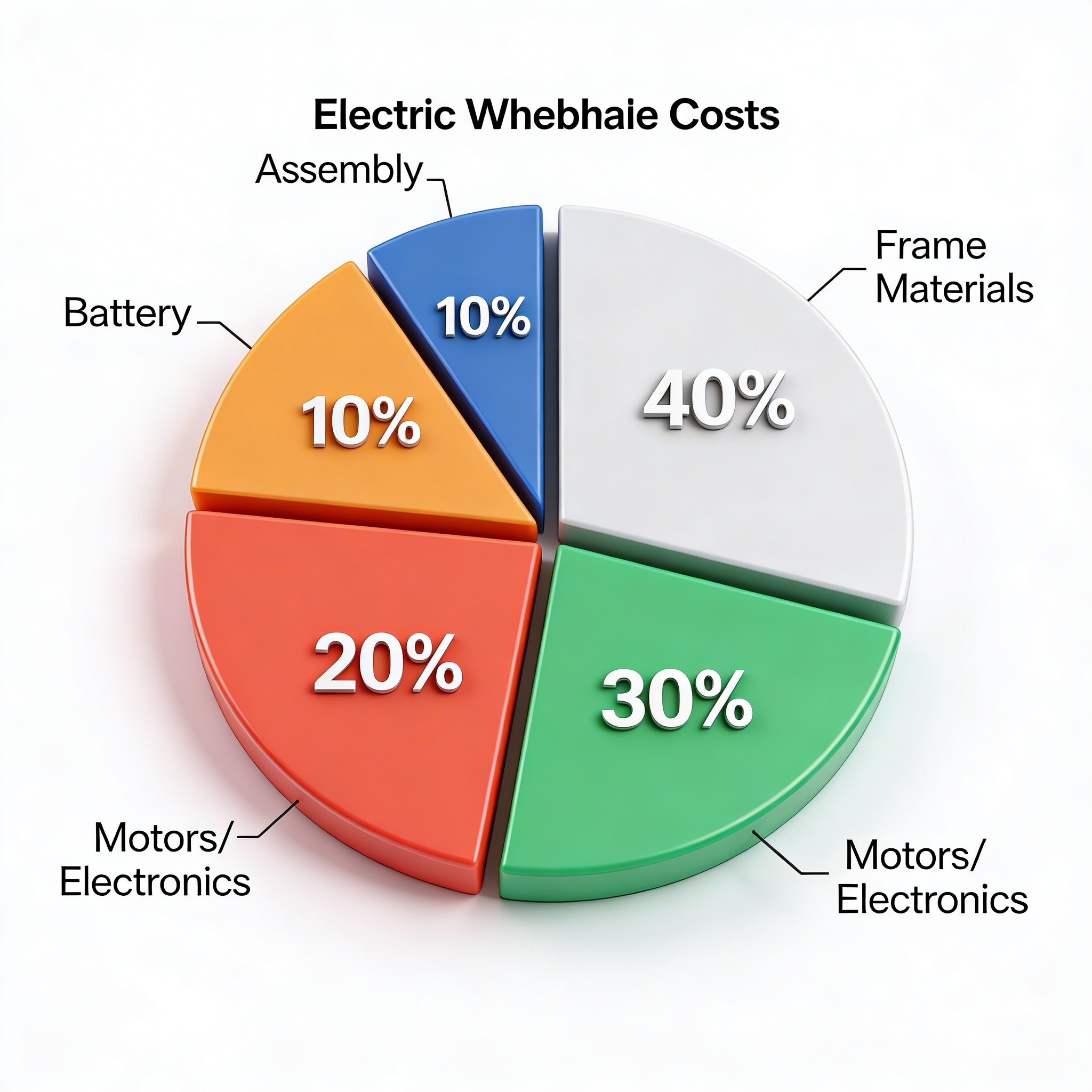
How Should Battery and Charger Costs Be Compared?
Then, Compare the supplied battery and charger as a matched model-specific system. Record replacement identifiers, warranty terms, service access, shipping constraints, and current instructions.
However, Avoid generic battery assumptions. Use the battery record guide after checking current manufacturer documents.
- Match battery and charger.
- Record replacement route.
- Inspect charging accessories.
| Battery item | Question |
|---|---|
| Battery | Exact approved model? |
| Charger | Included and matched? |
| Replacement | Available and documented? |
For example, Key Takeaway: Battery cost includes support and replacement evidence.
Which Delivery and Setup Costs Belong in the File?
Meanwhile, Record freight terms, packaging, taxes, customs where applicable, delivery location, access, assembly, setup, training, and disposal of packing. Use current quotes rather than generic shipping ranges.
Instead, Price the complete delivery. Use the delivery receiving check.
- Confirm shipping terms.
- Describe destination access.
- List setup and training.
| Delivery area | Evidence |
|---|---|
| Freight | Current route and terms |
| Receiving | Inspection responsibility |
| Setup | Included tasks |
As a result, Key Takeaway: Delivered cost is broader than product price.

How Should Service and Maintenance Enter Total Cost?
Also, Build the service plan from model-specific inspections, approved parts, labor, response ownership, downtime, and actual fault history. Do not apply a universal maintenance percentage.
Then, Use operating records. Track the chair through the fleet management guide.
- List routine checks.
- Keep approved part identifiers.
- Track downtime and response.
| Service item | Record |
|---|---|
| Inspection | Schedule from current instructions |
| Parts | Approved identifiers |
| Downtime | Actual unavailable period |
However, Key Takeaway: Service cost should follow real ownership evidence.
What Spare Parts Should Buyers Budget For?
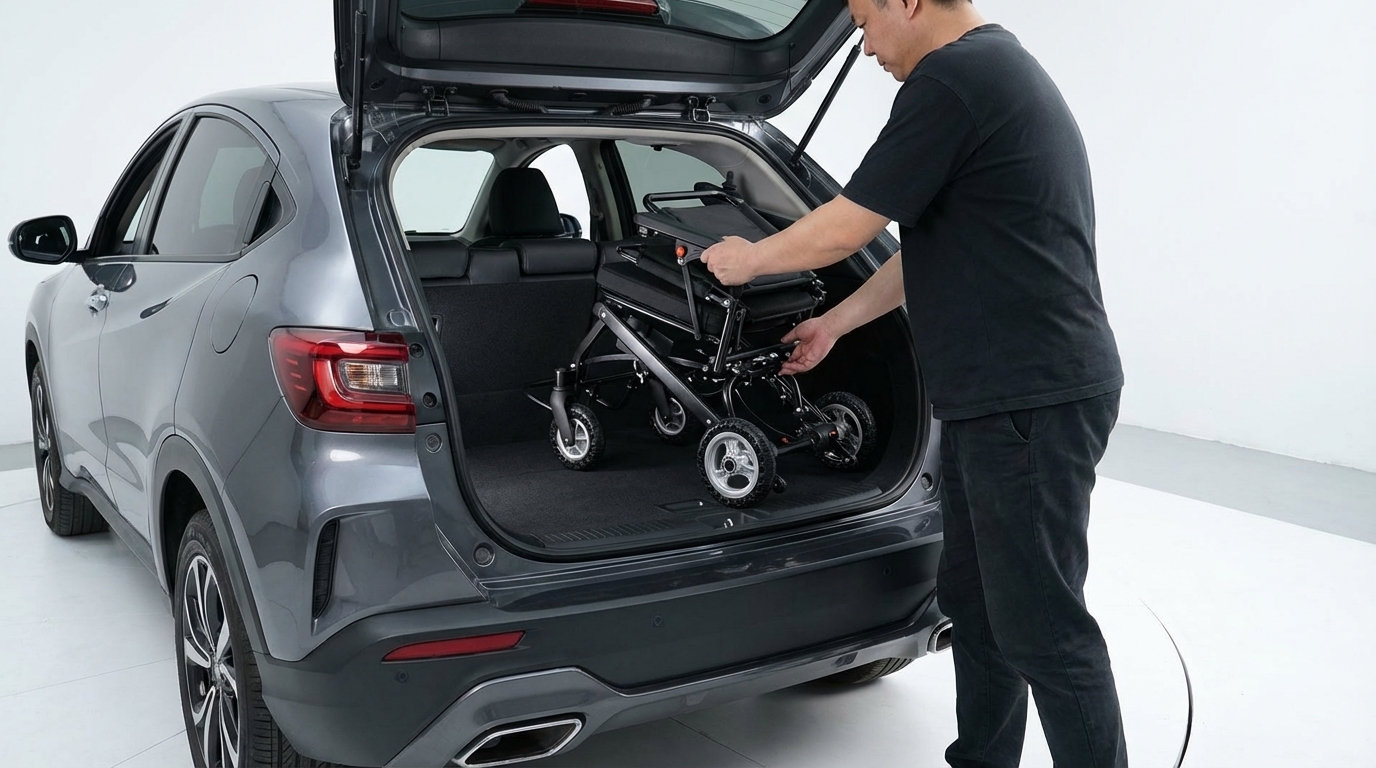
For example, Request a model-specific starter list and current prices for tires, casters, controls, chargers, batteries, upholstery, fasteners, and other approved items relevant to the fleet. Do not stock incompatible generic parts.
Meanwhile, Match every part. Use the suspension review to organize wear checks.
- Keep model and revision.
- Separate consumable and repair parts.
- Review stock against fault history.
| Parts group | Decision |
|---|---|
| Wear item | Expected inspection and stock |
| Electrical item | Approved model match |
| Upholstery | Cleaning and replacement path |
Instead, Key Takeaway: Parts planning reduces unpriced downtime.
How Should Warranty Terms Be Compared?
As a result, Compare covered product, components, period, start date, exclusions, claim process, labor, freight, replacement, and required maintenance. A long headline period does not show the full cost position.
Also, Read scope with exclusions. Keep the current written warranty tied to the exact model and sales relationship.
- Identify covered components.
- Assign claim costs.
- Record evidence required.
| Warranty item | Question |
|---|---|
| Scope | Which parts and problems? |
| Cost | Who pays labor and freight? |
| Process | What evidence is required? |
Then, Key Takeaway: Warranty detail affects ownership cost.
How Do Insurance and Public Benefits Affect Cost?
However, Coverage varies by program, plan, medical need, supplier, authorization, and current rules. A commercial quote is not the covered amount or final out-of-pocket cost.
For example, Keep payer and supplier records separate. Use Medicare’s live page and the qualification file.
- Identify the payer and plan.
- Verify current supplier rules.
- Retain written decisions.
| Record | Meaning |
|---|---|
| Supplier quote | Commercial terms |
| Coverage decision | Approved benefit |
| Patient cost | Plan-specific result |
Meanwhile, Key Takeaway: Coverage can change cost but does not replace product fit.
How Should Total Cost of Ownership Be Compared?
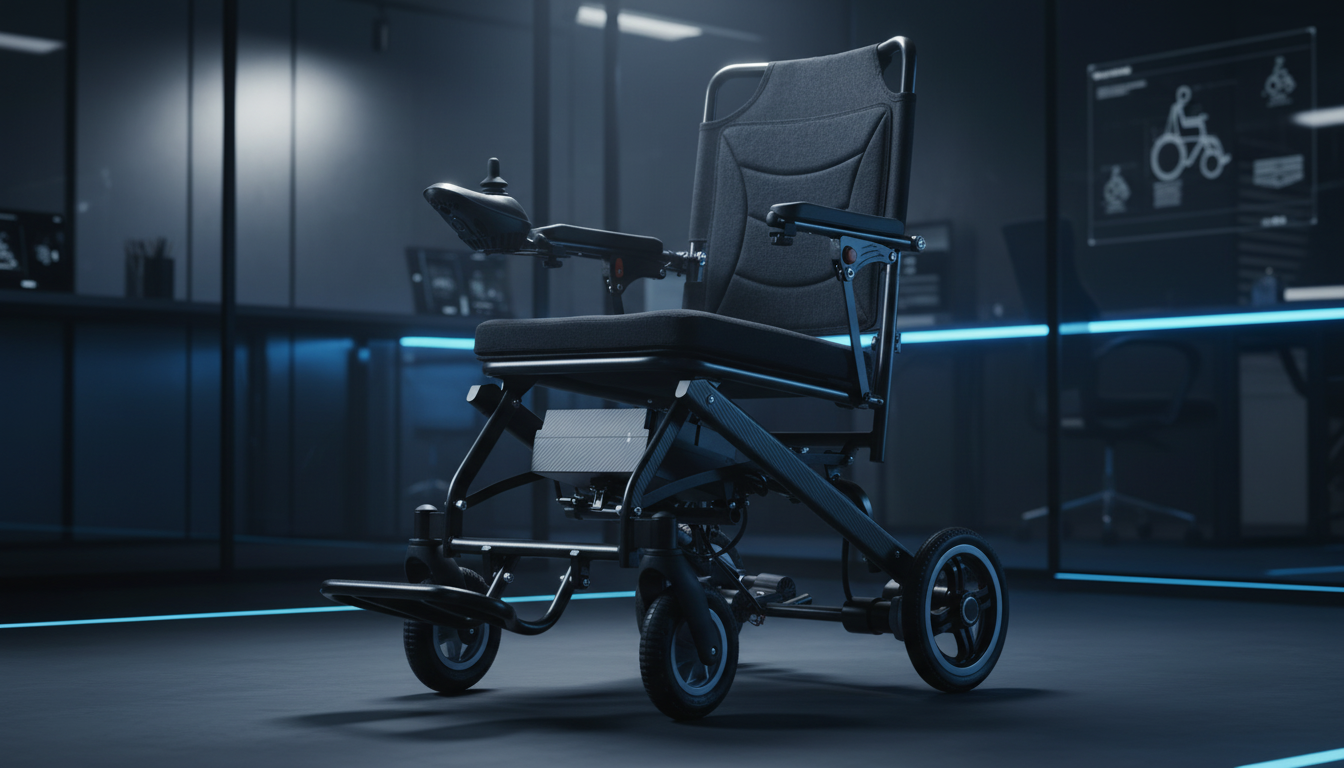
Instead, Use a defined review period and list acquisition, delivery, setup, training, batteries, parts, maintenance, downtime, service, warranty recoveries, and end-of-use assumptions. Show unknowns rather than inventing figures.
As a result, Use scenarios. Compare candidates with the same time horizon and service conditions.
- Use identical cost categories.
- Document every assumption.
- Update with actual records.
| Cost area | Source |
|---|---|
| Acquisition | Current quote |
| Operation | Actual service records |
| Risk | Scenario and unknowns |
Also, Key Takeaway: A transparent model is more useful than a generic price tier.
What Is the Best Electric Wheelchair Cost File?
Then, Keep the approved configuration, current quotes, delivery, setup, battery, charger, service, parts, warranty, coverage, decisions, and actual ownership records. Preserve the original featured image.
However, Finish with traceability. Use the supplier comparison and travel specification when those decisions apply.
- Date each quote.
- Use one exact configuration.
- Retain actual cost records.
| File area | Pass condition |
|---|---|
| Product | Exact configuration |
| Terms | Current and complete |
| Ownership | Actual and traceable |
For example, Key Takeaway: Compare the complete ownership file, not an unsupported range.

What is the average electric wheelchair cost?
Meanwhile, A universal figure is not reliable. Model, configuration, market, service, delivery, coverage, and support differ.
Should battery cost be separate?
Instead, List the supplied battery and charger, replacement route, and support terms clearly.
Does a warranty remove repair costs?
As a result, Not necessarily. Scope, exclusions, labor, freight, and claim terms matter.
Is the supplier quote the same as the covered amount?
Also, No. Commercial price and payer decisions are separate records.
Will SEO work replace the main image?
Then, No. The original featured image remains unchanged.