

Choose manual wheelchair footrests by matching the exact chair and assessing foot support, access and handling for the person who will use it. A pair of plates can look tidy in a product photo yet be wrong for a transfer route or leg-support plan. Start with the model's permitted options, then confirm the fit with trained personnel and record the setup for handover.
What do manual wheelchair footrests support?
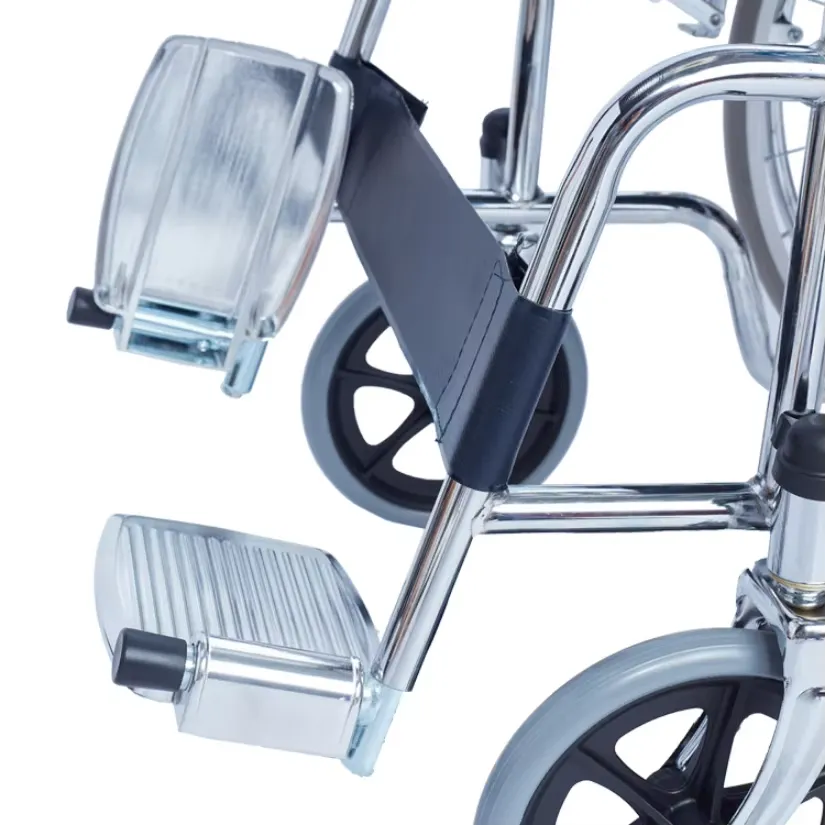
Manual wheelchair footrests support the user's feet in an assessed sitting setup. The pictured 809 model has two separate silver footplates beneath the seat, with a fabric leg band above them. Their appearance does not establish a setting for every person.
Which components belong in the review?
Begin with what the photograph actually shows. Identify each plate, its hanger or frame connection and any strap or heel support. Ask which features and positions the exact model permits before discussing a user's fit.
- Name the left and right foot-support parts.
- Check what the maker includes in the assembly.
- Keep the individual seating review beside the product record.
| Component | Question |
|---|---|
| Plate and connection | Which positions are permitted? |
| Leg or heel support | What is supplied for this exact chair? |
A component list prevents a quote for plates alone when a full assembly is needed. Key Takeaway: You can explain the photographed product without inventing a clinical fit.
Which manual wheelchair footrests match the chair model?
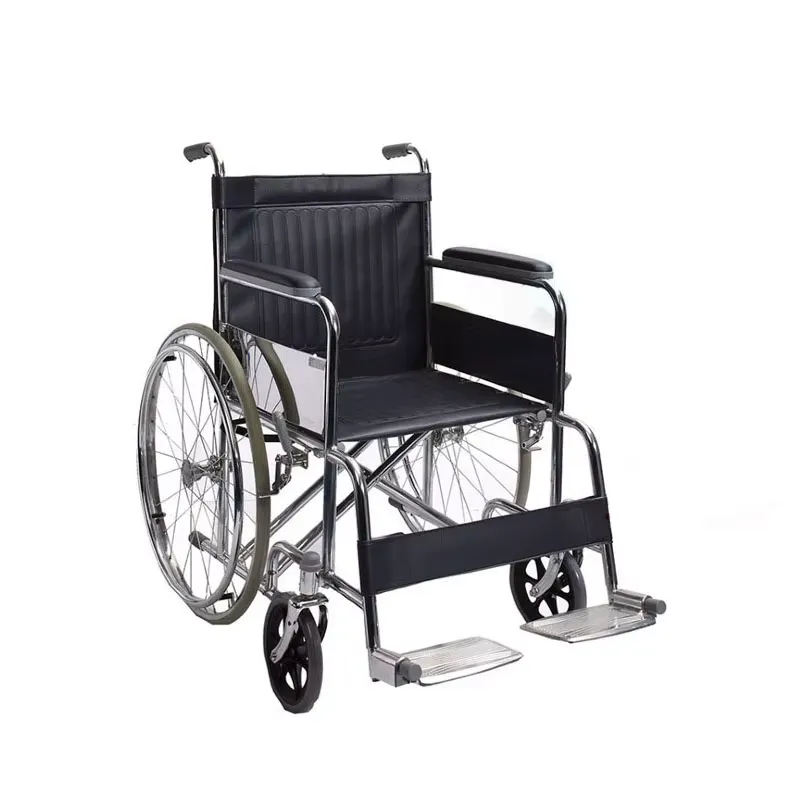
Manual wheelchair footrests match only when the specified assembly fits the chair's exact model and side. A familiar-looking hinge may not share the required mounting or locking parts. Check the product range and ask for the approved parts record.
What should a supplier quote identify?
Keep the hanger and plate together. Record the chair identifier, left or right side, part revision and whether the quote includes a hanger, plate and fittings. Clarify which adjustments or movement the model instructions actually allow.
- Specify the model and relevant revision.
- Identify both sides and included parts.
- Request the approved fitting and service route.
| Quote field | Check |
|---|---|
| Assembly scope | Plate alone or hanger and fittings? |
| Side and model | Approved application recorded? |
The full assembly scope is easier to compare than a generic footplate name. Key Takeaway: Purchasing can order parts that belong on the named chair.
Who should set manual wheelchair footrests height?
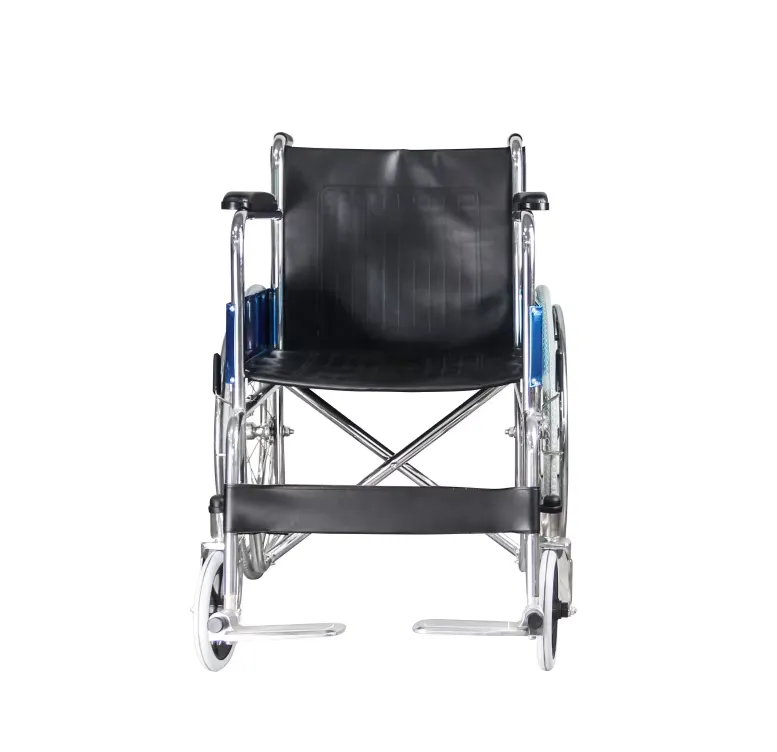
Manual wheelchair footrests should be set through an individual fitting process by appropriately trained personnel. The right height depends on the person's assessed position and the chair setup. A catalogue image cannot tell you where any user's feet should rest.
What should the fit record connect?
Keep the person in the decision. WHO's wheelchair provision guidance treats selection, fitting, training and follow-up as linked steps. Keep the chosen foot-support setting with cushion, seating and transfer information.
- Identify the user and assessed seating needs.
- Use only the product's permitted adjustments.
- Record the agreed settings and review owner.
| Record | Purpose |
|---|---|
| Personal fit | Explains the support need |
| Approved setting | Shows what was reviewed on this chair |
A footplate position is useful only inside the complete fit record. Key Takeaway: Later staff can follow the reviewed setup instead of guessing.
How do manual wheelchair footrests affect transfers?
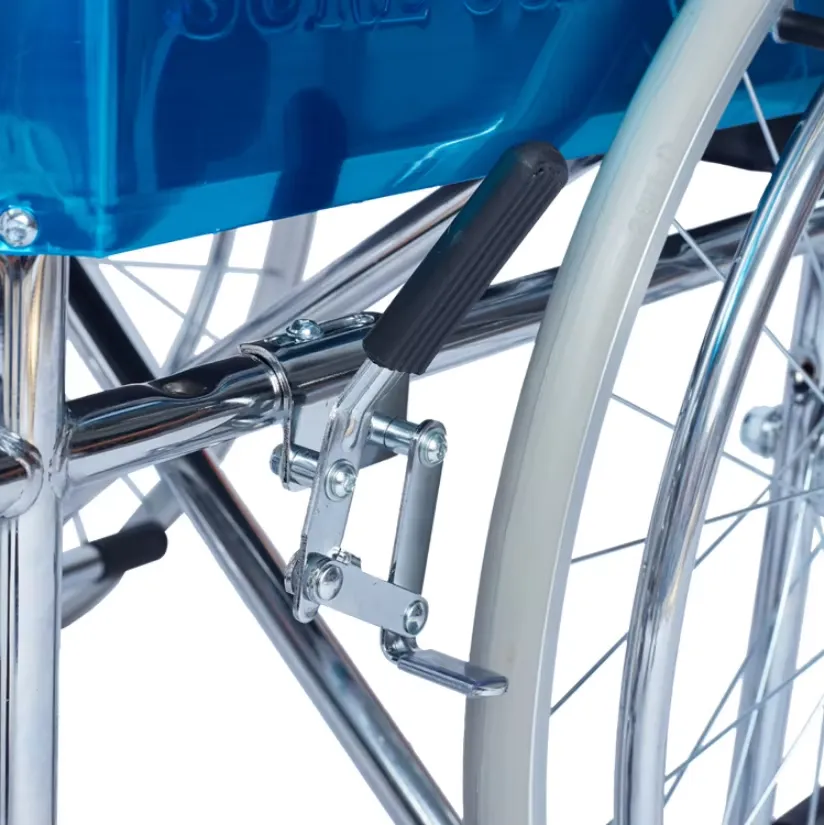
Manual wheelchair footrests affect transfers through the space they occupy in front of the seat. If the exact model permits a plate or assembly to move, that movement belongs in an assessed transfer plan. The chair must be used according to its instructions and the person's trained method.
What should a dealer demonstrate?
Clear the access path only as the model allows. Leeds Teaching Hospitals' wheelchair guidance describes moving footrests for access on its supplied chairs and directs users to wheelchair services for fit advice. Do not transfer that procedure blindly to a different model.
- Check permitted plate or hanger movement.
- Keep the personal transfer sequence with its assessor.
- Confirm the required return and lock checks.
| Question | Basis |
|---|---|
| May this part move? | Exact chair instructions |
| How does a person transfer? | Individual assessed plan |
Product movement and personal transfer technique require separate approval. Key Takeaway: Your handover can show access options without prescribing a transfer.
What ground clearance do manual wheelchair footrests need?
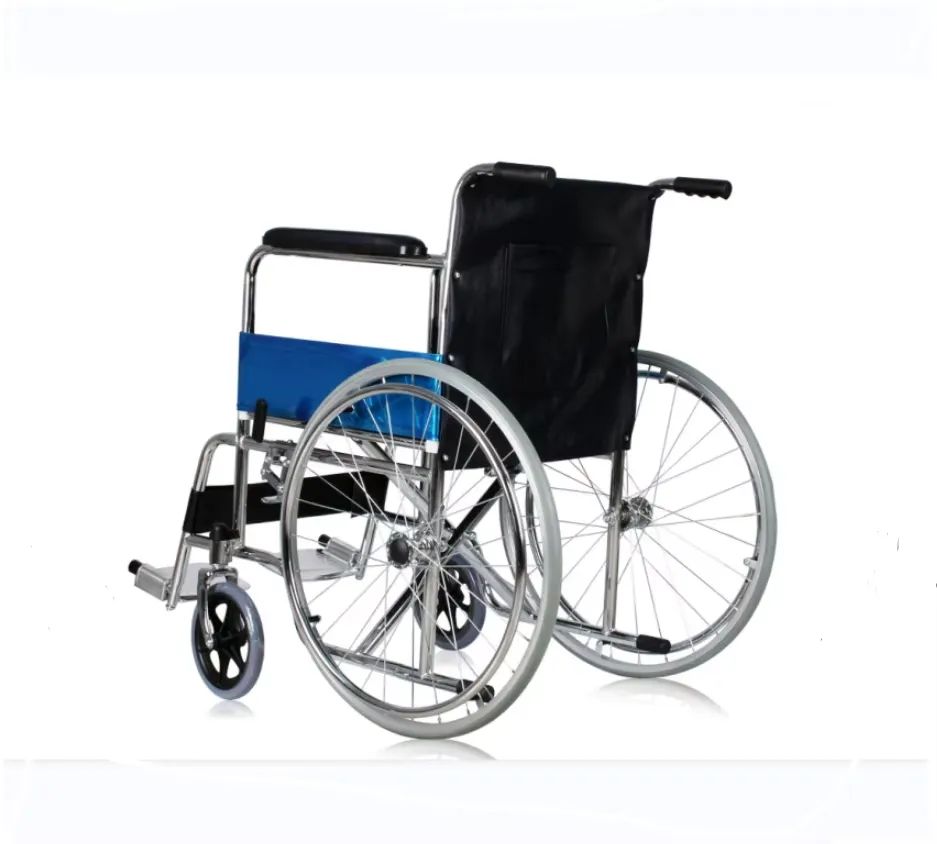
Manual wheelchair footrests need the clearance specified for the actual chair and its intended route. A low-hanging plate can catch an obstacle while an unsuitable height may compromise the assessed sitting position. Review both the user and the setting before changing anything.
Which route details should you collect?
Walk through the surfaces the chair will meet. Ask about indoor thresholds, ramps, floor transitions and turning space. Compare those conditions with the exact chair's approved setup rather than promising a universal clearance figure.
- Identify common thresholds and tight turns.
- Record the approved foot-support arrangement.
- Refer conflicts between fit and clearance for review.
| Route detail | Review point |
|---|---|
| Threshold | Does the approved setup clear it? |
| Turning space | Does the assembly project into the path? |
A route photograph is more useful than a guess at one clearance number. Key Takeaway: You can flag a real environment issue before delivery.
Can manual wheelchair footrests bear standing weight?
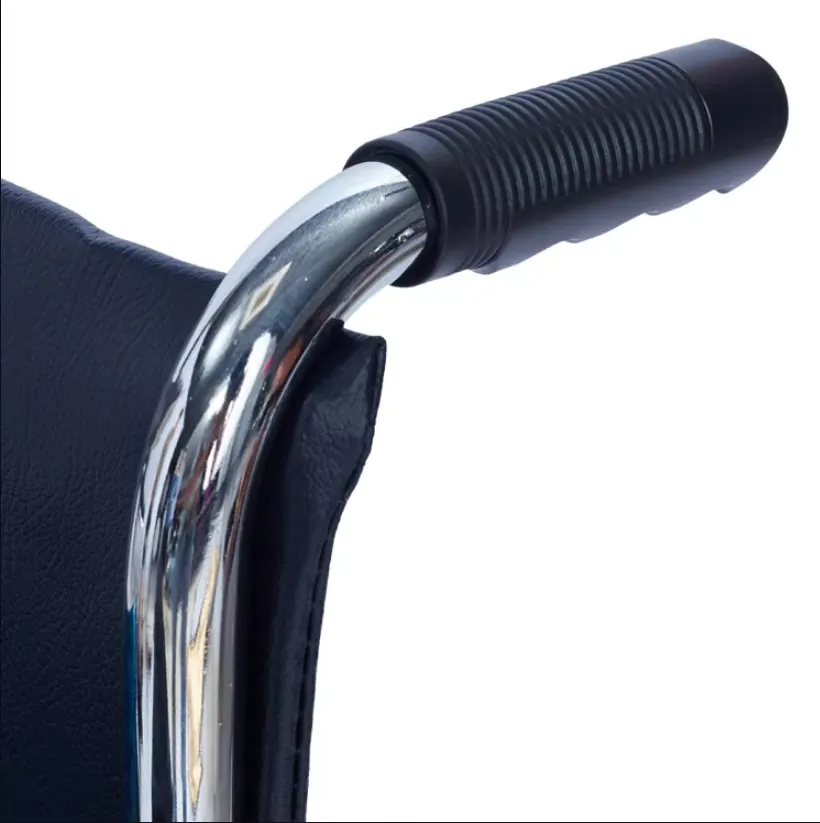
Manual wheelchair footrests should not be treated as steps or standing platforms. Loading a footplate in that way can tip a chair or damage an assembly. Use the person's assessed transfer method and the maker's limits.
How do you state this during training?
Give the rule before anyone tests the plate. Mersey Care's wheelchair safety advice warns that standing on footplates risks tipping. Demonstrate the permitted use of the product without inviting an unsafe trial.
- State the foot-support role clearly.
- Keep standing and transfers in the assessed plan.
- Refer uncertain load or handling questions to trained staff.
| Use | Decision |
|---|---|
| Seated foot support | Review with the fitted chair |
| Standing on plate | Do not treat as an approved step |
A plain sentence at handover can prevent a dangerous assumption. Key Takeaway: The buyer can explain the limit without quoting an invented load rating.
How do manual wheelchair footrests affect storage?

Manual wheelchair footrests affect storage when their approved position changes the folded chair's footprint. The source gallery includes a folded view, but it does not prove that every part detaches. Follow the exact folding and handling instructions.
What should staff record before packing?
Track loose parts as well as the frame. Clarify whether the model allows a plate, hanger or both to move or detach. If your operation uses transfer devices, keep their handling procedures separate from wheelchair folding.
- Document the permitted folding sequence.
- List any approved removable foot-support parts.
- Check restoration before the chair returns to use.
| Stage | Record |
|---|---|
| Putting away | Part position and protection |
| Reopening | Required reattachment and check |
A compact chair can still have parts that need separate protection. Key Takeaway: Your storage plan covers more than the frame measurement.
When do manual wheelchair footrests need service review?
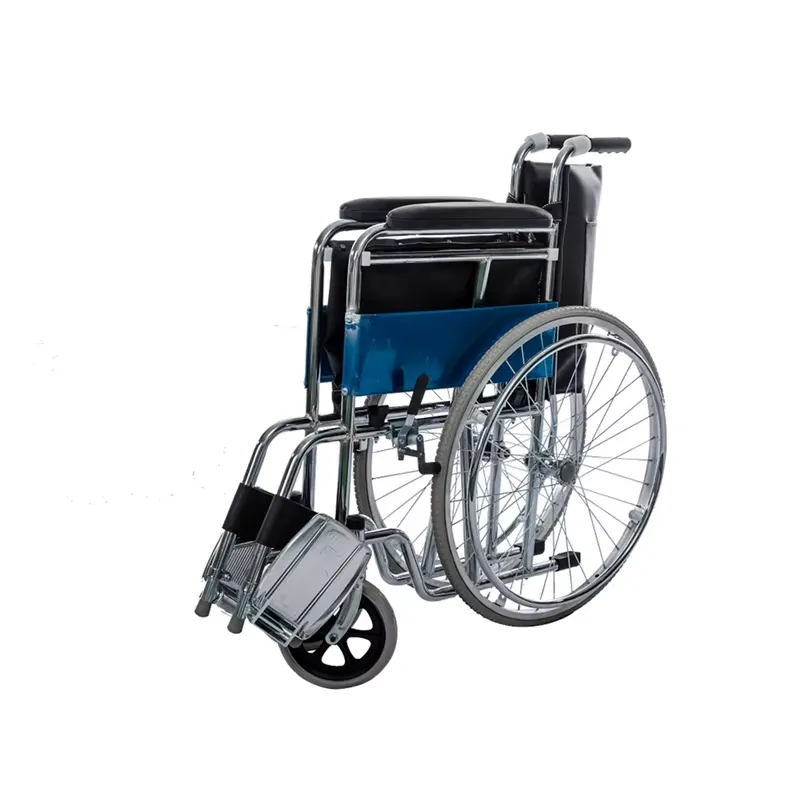
Manual wheelchair footrests need service review when a plate, hanger, connection or support appears loose, bent or damaged. Stop relying on a suspect assembly until the responsible team decides the next step. A photograph can report the concern but cannot establish a safe repair.
Which facts make a useful service note?
Describe the fault before naming a cause. Give the model, side, part reference and observed change. Ask the supplier team for the model-specific service path and approved replacement scope.
- Identify the affected side and assembly.
- Record visible condition and recent handling.
- Request approved repair and return-to-use checks.
| Report item | Use |
|---|---|
| Part identity | Locates the correct component |
| Observation | Guides trained inspection |
A factual note avoids an improvised bracket or hinge fix. Key Takeaway: Service staff can start with a clear, model-specific report.
What belongs in a manual wheelchair footrests handover?
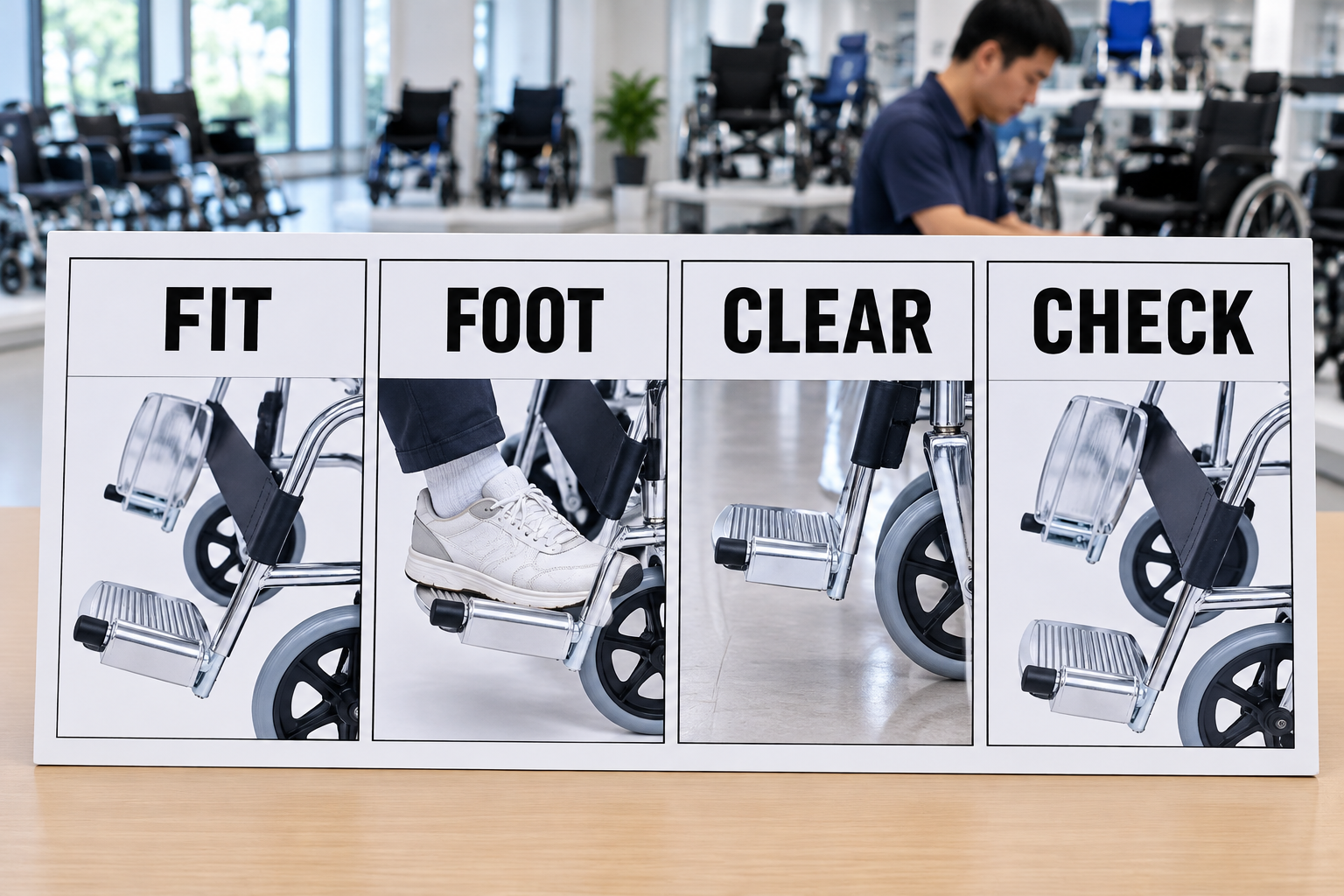
A manual wheelchair footrests handover should state the approved fit, permitted movement, transfer role and service route. Include the actual person and chair configuration in the record. The chart above is a review aid, not a fit certificate.
Could a colleague restore the setup?
Write down what they would need. Keep the approved plate positions, any hanger instructions and who confirmed the individual fit. Schedule follow-up when the person's needs or chair configuration changes.
- Record the current approved positions.
- Provide model instructions and user training.
- Keep repair contacts and review triggers available.
| Handover item | Why it matters |
|---|---|
| Fit and movement | Supports consistent daily use |
| Service route | Shows whom to contact about changes |
Good records turn a one-time demonstration into a repeatable setup. Key Takeaway: The next staff member need not rebuild the plan from memory.
How do you choose manual wheelchair footrests for a buyer?

Choose manual wheelchair footrests by matching the named chair, reviewing the person's fit and planning access, storage and support. Treat the product photo as a parts view rather than proof of suitability for every user. Ask for the approved option list and current instructions.
What should go into the enquiry?
Send the fit and product questions together. Include the chair model, intended setting, user-assessment contact and any clearance or service concern. Request a clear reply about parts and fit responsibilities.
- Name the chair and foot-support assembly.
- Describe the intended route and access needs.
- Ask for permitted options and review contacts.
| Your brief | Response to seek |
|---|---|
| Chair and parts | Approved assembly options |
| Fit and access | Next trained review step |
This gives both dealer and assessor a common starting point. Key Takeaway: For model-specific options, contact us. Ary Medical supports equipment choices that start with a real person and a documented fit.
Frequently asked questions
Q1: Can I stand on a wheelchair footplate?
No. A footplate is for seated support. Standing on it may tip the chair.
Q2: How do I know if a footrest height is right?
Use an individual fitting review with trained personnel. A catalogue photo cannot establish the setting.
Q3: Can I remove the footrests for a transfer?
Only if the exact model permits it and the person's assessed transfer plan calls for that movement. Check how the parts return to position.
Q4: What's the best footrest for a narrow doorway?
Choose after reviewing the user's fit and the actual route. Ask which approved assembly clears the space without losing needed support.
Q5: Can a similar-looking plate replace a damaged one?
Only with an approved match for the chair and side. Check the complete hanger and fitting scope.