
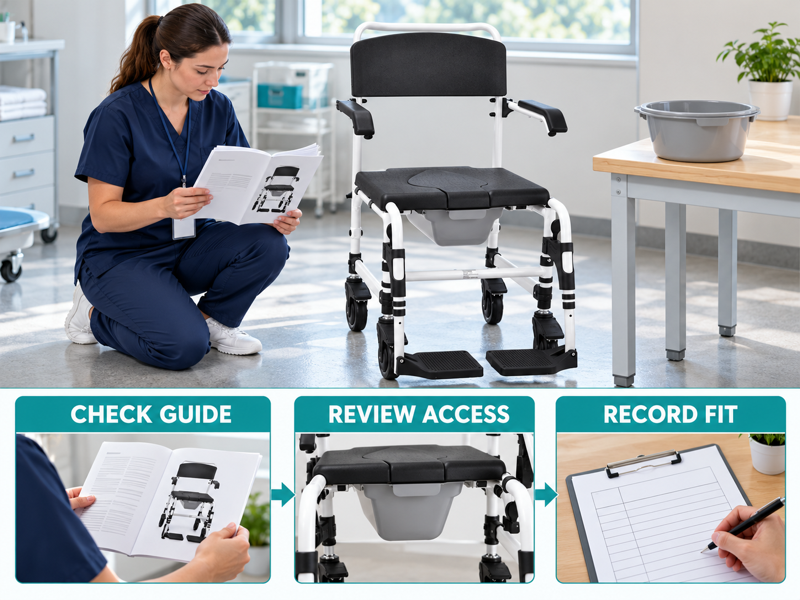
Plan commode chair bucket removal from the exact manual, fitted collection set and space needed for the approved access route. A French care supplier may choose a compact chair, then find a wall blocks access to its bucket. Reviewing the model and room together helps you ask the right question before supply.
What should commode chair bucket removal planning cover?
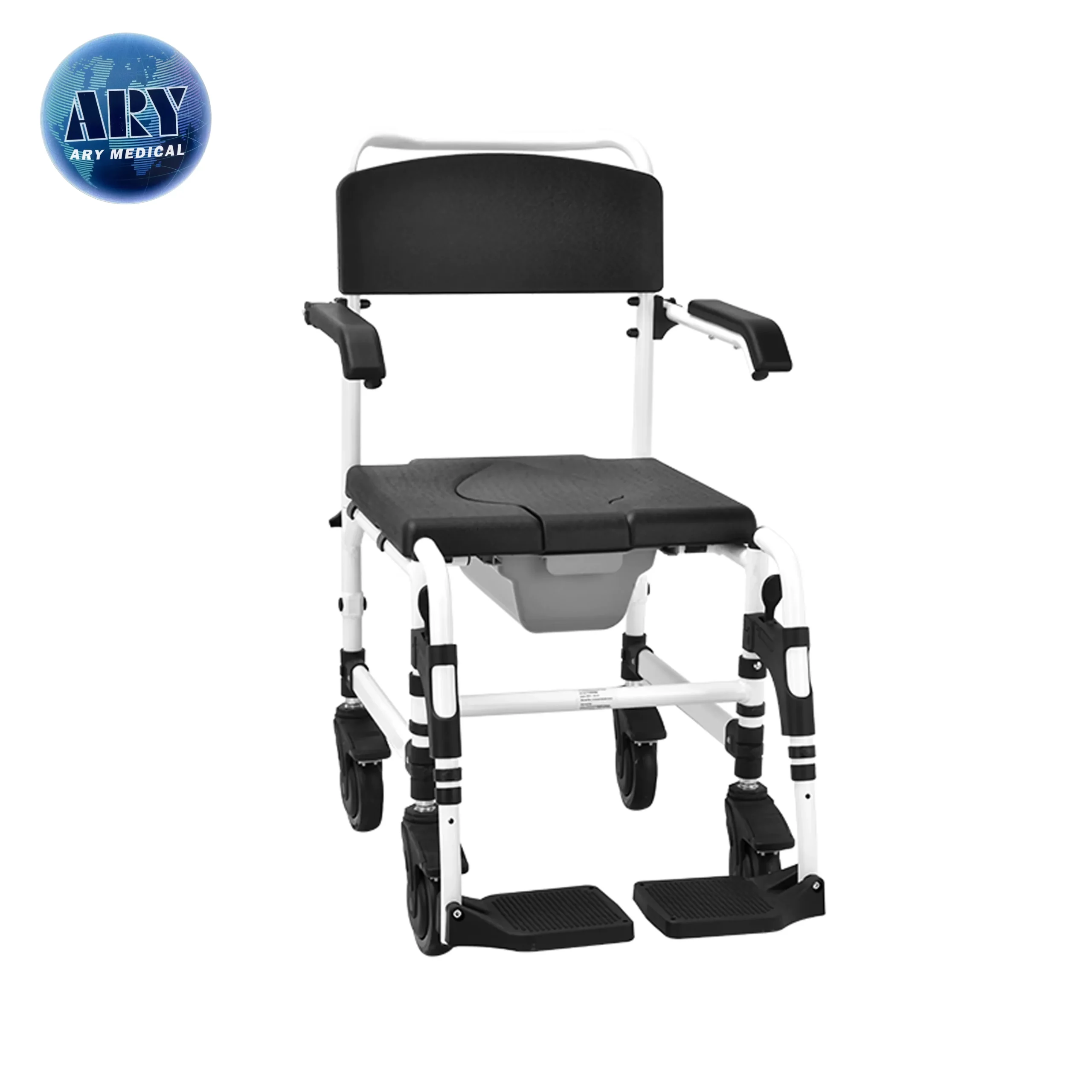
Commode chair bucket removal planning should cover the approved bucket route, handle and space around the chair. Similar bucket shapes do not prove that two models use the same removal method.
Identify the approved access method
Treat access as a model-specific task. Obtain the exact chair instructions and identify the fitted bucket code. This review concerns product selection and staff preparation, not a substitute set of operating steps.
- Chair model
- Bucket code
- Approved route
| Check | Record or reference |
|---|---|
| Chair model | Label |
| Bucket code | Parts record |
| Approved route | Manual |
Key Takeaway: You can assess access without guessing how the mechanism works.
Which bucket details should be confirmed?
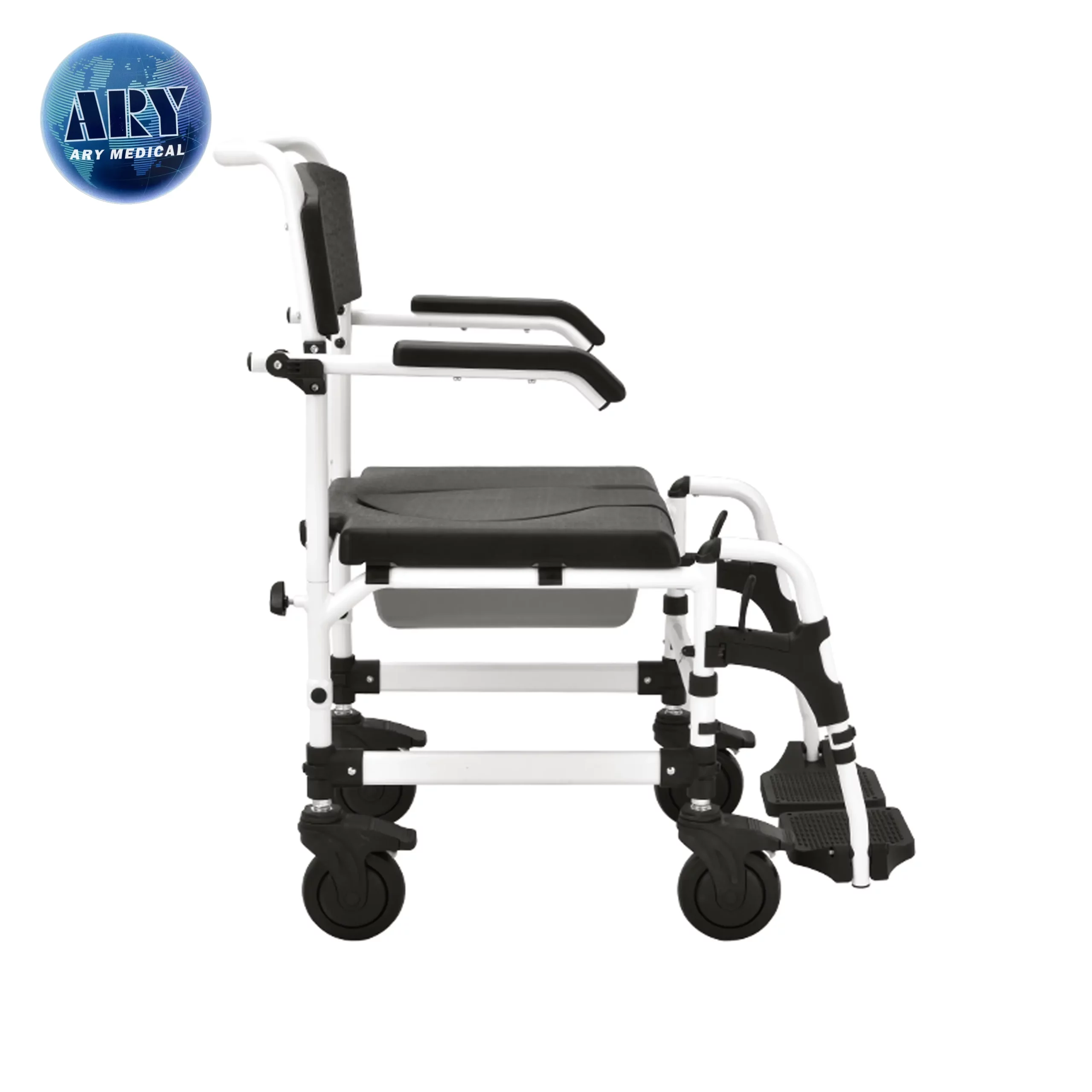
For commode chair bucket removal, confirm the bucket, lid, handle and guides specified for the chair. A replacement container may fit under the seat while failing to engage as intended.
Match the complete bucket set
Match the whole collection set. Ask for the approved parts list and a clear picture of the complete set. Keep mixed or unidentified parts out of normal stock until their match is resolved. Keep the matching bucket lid identifiable with the set.
- Bucket body
- Lid and handle
- Guides
| Check | Record or reference |
|---|---|
| Bucket body | Part code |
| Lid and handle | Set list |
| Guides | Model drawing |
Key Takeaway: Your review covers the complete set rather than just the bowl.
How should the access direction be recorded?
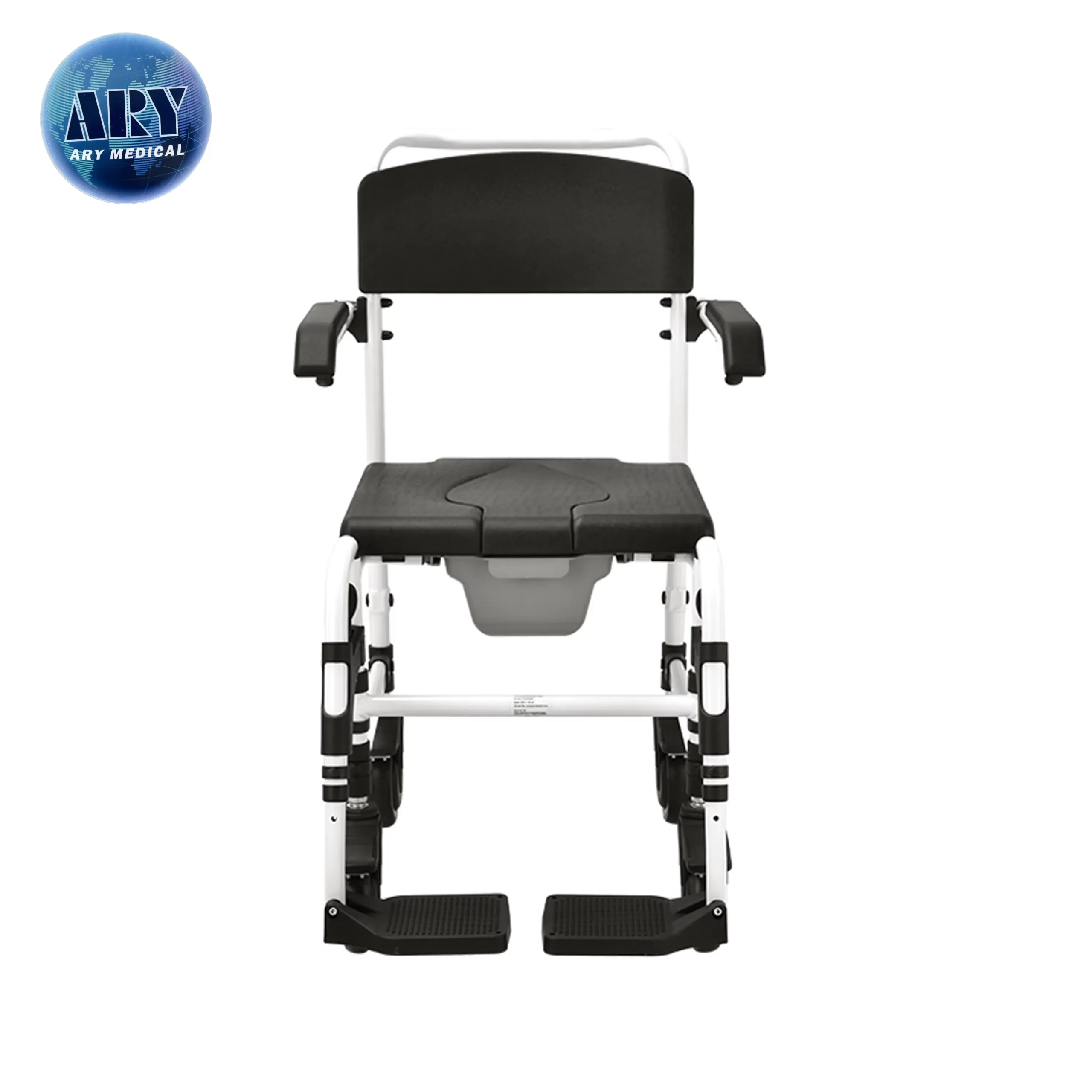
Commode chair bucket removal needs a recorded access direction because furniture or a wall may block the maker's intended route. Do not infer front or rear access from one product image.
Record the access direction
Read the guide before placing the chair. Ask the supplier for the relevant manual view. Compare it with the proposed room layout while keeping individual care tasks within the assessed plan.
- Access direction
- Nearby obstacle
- Care task
| Check | Record or reference |
|---|---|
| Access direction | Manual view |
| Nearby obstacle | Room plan |
| Care task | Assessment |
Key Takeaway: The chair position can preserve the intended access route.
What matters about the handle?

For commode chair bucket removal, check the handle design and movement described by the maker. A handle that looks intact may still be the wrong part for the bucket or its guides.
Check the specified handle
Review the specified grip and movement. Use a clean empty sample for any permitted product check. Record damage, uncertain fit or missing parts and refer them to qualified service staff.
- Handle code
- Permitted movement
- Condition
| Check | Record or reference |
|---|---|
| Handle code | Parts list |
| Permitted movement | Guide |
| Condition | Inspection note |
Key Takeaway: Staff can distinguish a product match from a visual resemblance.
How should hygiene requirements be addressed?
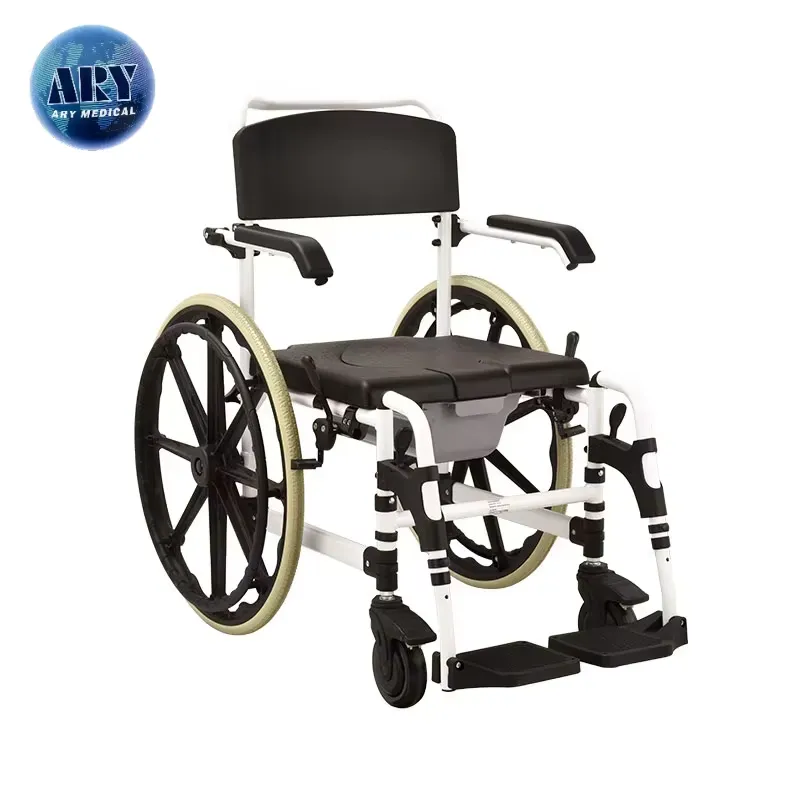
Commode chair bucket removal should follow the facility's hygiene process and the maker's material care guidance. A procurement article cannot set a universal waste-handling or disinfection method.
Align with the care process
Use the care process already approved. Have the responsible care team define handling, cleaning and release duties. Keep the approved instructions available with the product and staff training records. Use the relevant commode care guidance as part of the product review.
- Facility process
- Material limits
- Staff role
| Check | Record or reference |
|---|---|
| Facility process | Care procedure |
| Material limits | Maker guide |
| Staff role | Training record |
Key Takeaway: Product access and hygiene planning can be reviewed together.
What should an empty sample check demonstrate?
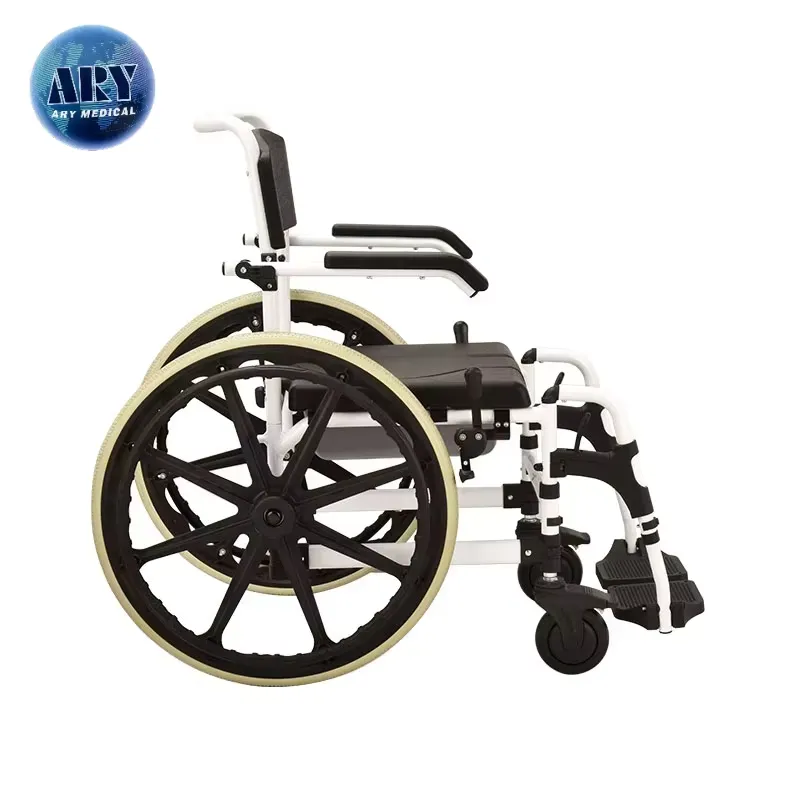
An empty sample check for commode chair bucket removal should show whether the specified components and room space match the intended task. It should follow the maker's instructions and avoid a simulated patient-use test.
Review a clean empty sample
Check access within a stated scope. Record the model, parts and conditions of the review. Ask for clarification if the guide does not explain the observed arrangement.
- Sample setup
- Part match
- Unclear step
| Check | Record or reference |
|---|---|
| Sample setup | Review record |
| Part match | Codes |
| Unclear step | Supplier query |
Key Takeaway: The sample can answer a defined access question.
Can an alternative bucket be used?
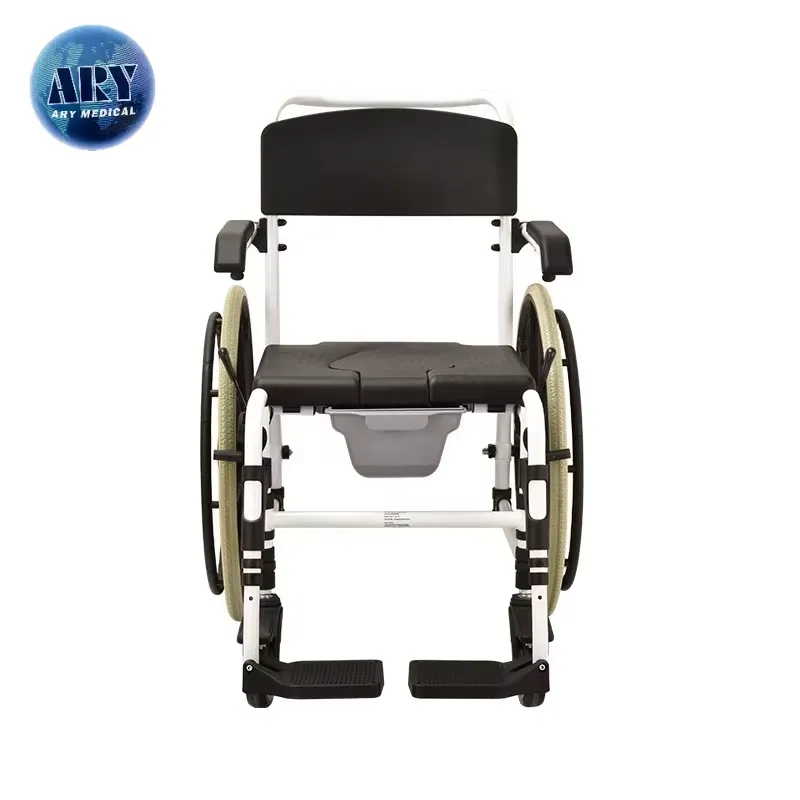
For commode chair bucket removal, use an alternative bucket only when the maker confirms the exact match and method. Capacity or outer shape alone cannot establish compatibility.
Confirm replacement compatibility
Require a confirmed replacement match. Request the approved replacement code and any related lid or guide changes. Store that decision with the chair's service file.
- Replacement code
- Related parts
- Service record
| Check | Record or reference |
|---|---|
| Replacement code | Maker response |
| Related parts | Set list |
| Service record | Approval note |
Key Takeaway: You avoid solving a stock shortage with an unverified container.
How should a jam or poor fit be reported?
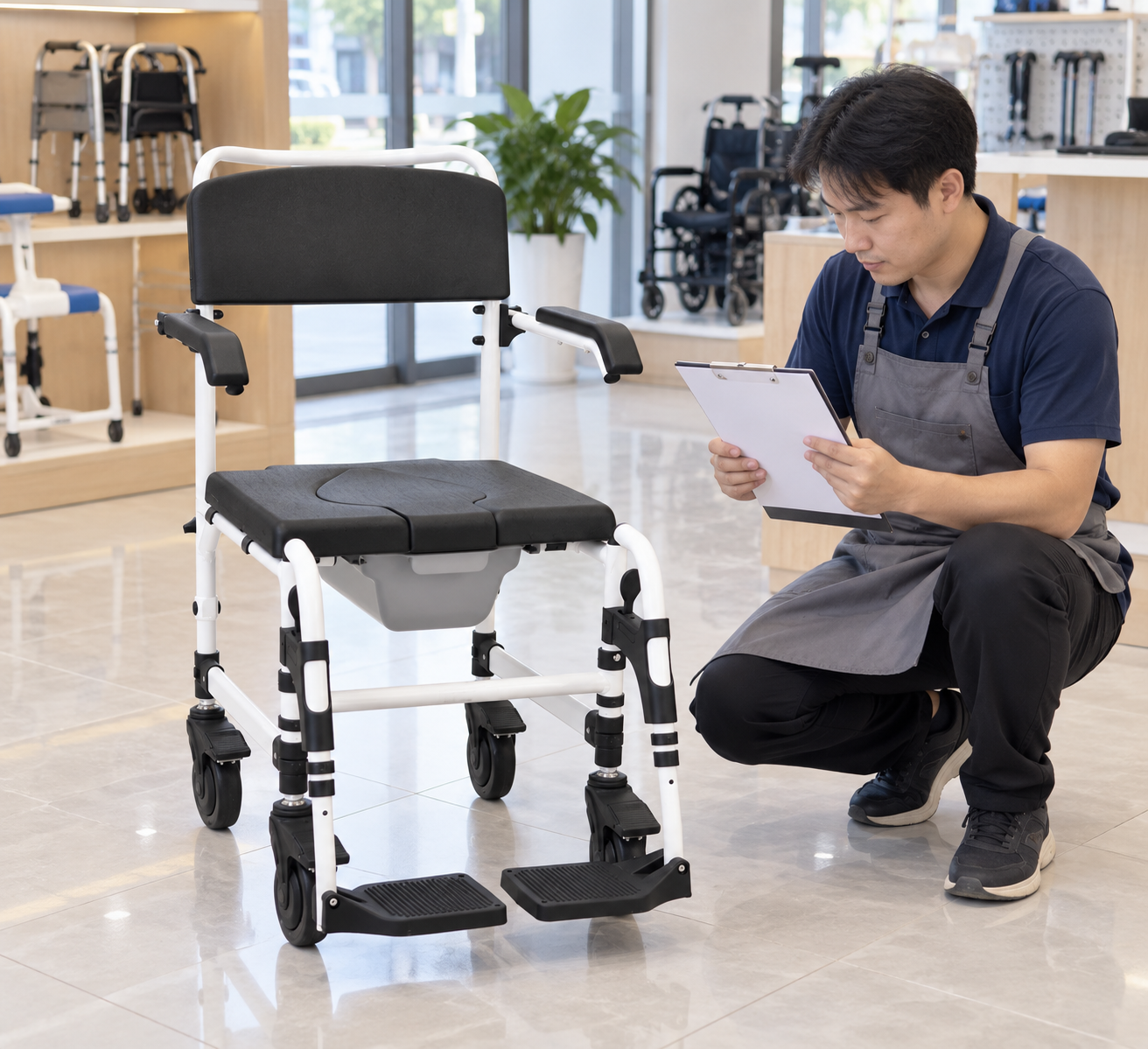
For commode chair bucket removal, report a jam or uncertain fit with the model, parts and clear empty-chair photos. Do not force the bucket, bend guides or modify the frame to make it work.
Report a fit concern
Describe the issue without forcing it. Follow the service process and keep the affected unit from normal release when required. Let qualified staff decide the next step using the maker's guidance. Agree a service contact route during supplier purchasing discussions.
- Affected unit
- Observed issue
- Next step
| Check | Record or reference |
|---|---|
| Affected unit | ID |
| Observed issue | Photos |
| Next step | Service decision |
Key Takeaway: The report preserves evidence for a supported repair decision.
Which details should staff hand over?
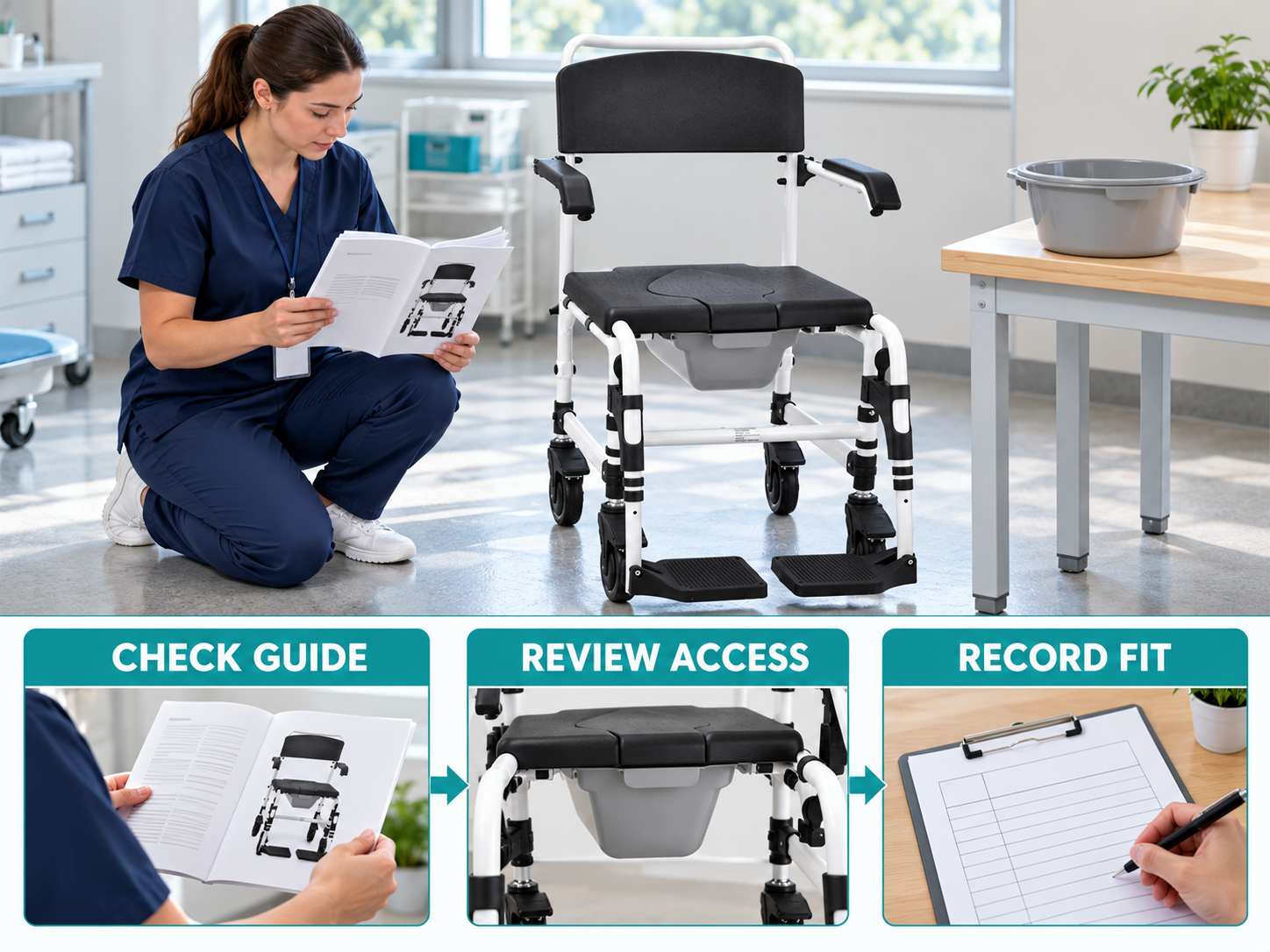
A handover about commode chair bucket removal should state the unit, fitted parts and open concern. The next shift should not infer that a bucket was approved because it was left beneath the seat.
Hand over the case clearly
Pass on the unresolved parts question. Use a visible status linked to the case record. Keep replacement parts labeled until the responsible reviewer confirms the match. See the WHO assistive product specifications for procurement context.
- Unit ID
- Fitted parts
- Open concern
| Check | Record or reference |
|---|---|
| Unit ID | Status tag |
| Fitted parts | Case record |
| Open concern | Review note |
Key Takeaway: The next team can continue the case without guessing.
What should an access-focused order brief include?

An order brief for commode chair bucket removal should describe the intended room access, care process and required product documents. The supplier can then answer which model and parts support that use.
What should you do next?
Make the access requirement explicit. Request a current manual and an approved complete bucket set for review. Resolve access and replacement questions before treating the sample as accepted.
- Access need
- Document request
- Approved set
| Check | Record or reference |
|---|---|
| Access need | Room brief |
| Document request | Order note |
| Approved set | Parts record |
Key Takeaway: Your purchase includes the information needed for a workable care process. To discuss the model and documents for your order, contact us with your requirements. At AryMD, useful product facts should support every care-equipment purchase.
Frequently asked questions
Q1: Can I use another bucket with the same capacity?
Only if the maker confirms the exact match. Capacity does not establish correct engagement with the seat, rails or guides.
Q2: What’s the best way to check the removal direction?
Read the current model instructions and request a clear manual view. Do not infer the method from a generic photograph.
Q3: How do I know if there is enough space behind the chair?
Compare the documented access route with a measured room plan. The required route and personal care task are model- and setting-specific.
Q4: Can I bend a guide if the bucket sticks?
No. Report the concern and seek an approved service decision instead of forcing or modifying the parts.
Q5: Should purchasing define the waste-handling procedure?
No. The responsible care team should define hygiene tasks within its approved process and the maker's material guidance.