
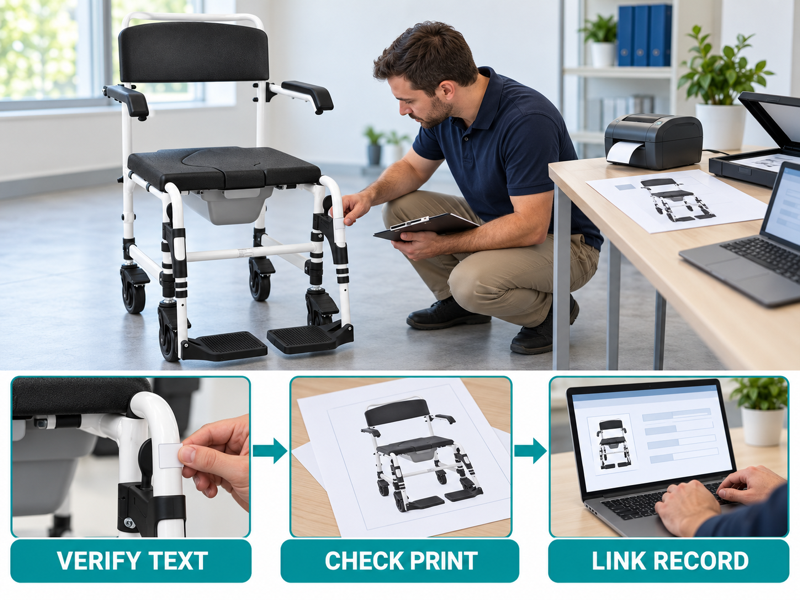
Make commode chair product labels link a readable model identity with the records needed for receiving and service. A French dealer may retain an invoice but lose the link to an unpacked chair after its carton is discarded. Approved label fields, placement and code mapping preserve that link through later enquiries.
What should commode chair product labels achieve?
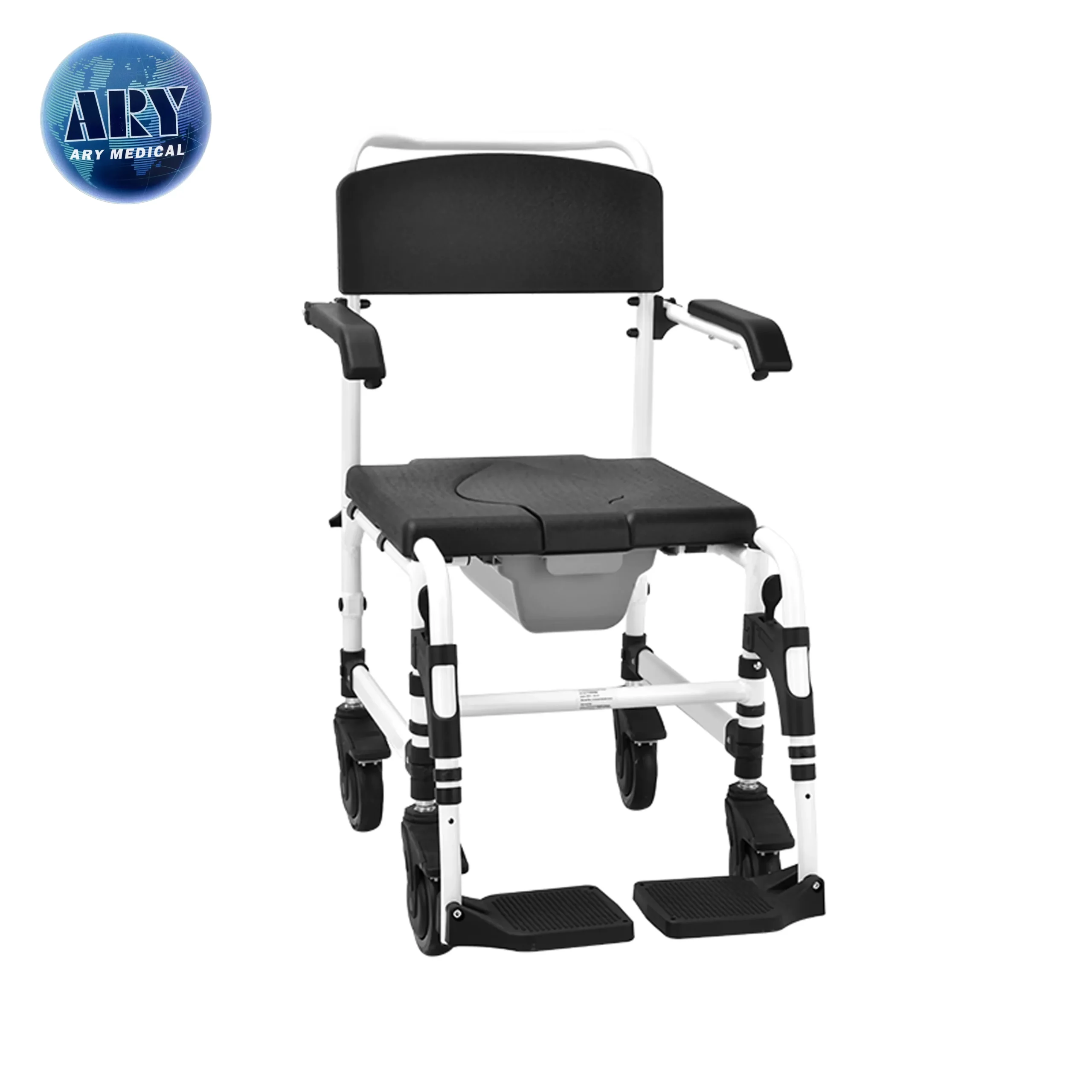
Commode chair product labels should make the actual model and required traceability details readable on the product. A carton label alone may be lost long before a service enquiry arrives.
Define the label's traceability role
Keep the chair linked to its records. Agree the label fields with the maker and responsible market reviewer. Keep the chair's identity distinct from a dealer's internal asset number where both are used.
- Model identity
- Traceability
- Asset number
| Check | Record or reference |
|---|---|
| Model identity | Label proof |
| Traceability | Record link |
| Asset number | Fleet register |
Key Takeaway: The chair can remain identifiable after unpacking.
Where should a product label be placed?
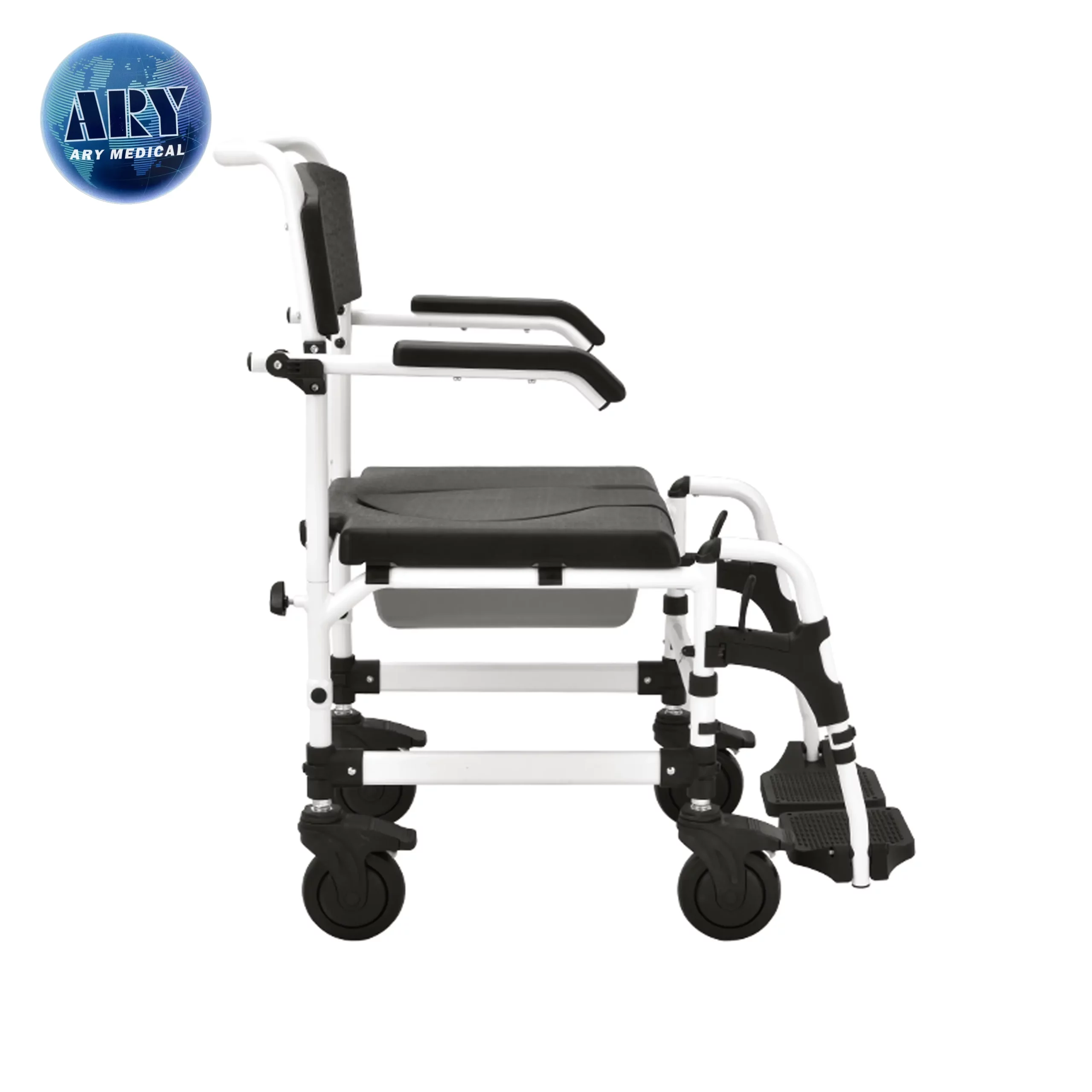
For commode chair product labels, choose a maker-approved position that can be read without blocking controls, joints or care access. A hidden surface may make the code hard to find during service.
Review placement on the complete chair
Check access on the complete chair. Review the position on the actual model with all standard parts fitted. Avoid a location that requires unsafe handling or unapproved disassembly to read. Check access with the specified bucket set fitted where the guide requires it.
- Approved position
- Control clearance
- Reading access
| Check | Record or reference |
|---|---|
| Approved position | Photo |
| Control clearance | Review |
| Reading access | Sample check |
Key Takeaway: Staff can locate the information during a routine enquiry.
Which fields need technical approval?
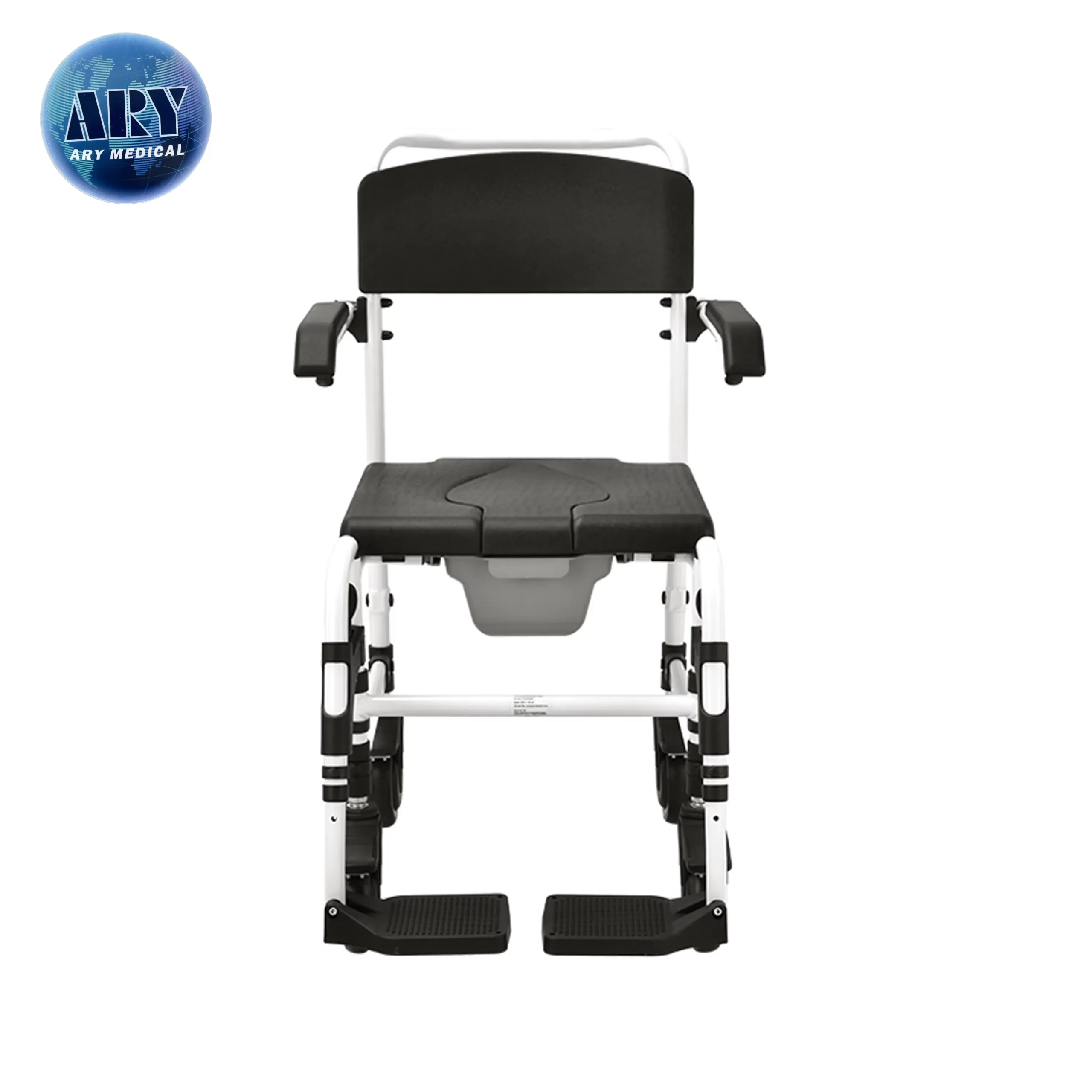
Commode chair product labels need approved source data for model text, load statements and any conformity information included. A label designer should not invent a value or add a mark to complete the layout.
Approve the technical source fields
Separate identity from product claims. Have the responsible product and market reviewers confirm the applicable fields. Retain the source and scope for each technical statement.
- Model text
- Technical value
- Required mark
| Check | Record or reference |
|---|---|
| Model text | Product file |
| Technical value | Evidence |
| Required mark | Market review |
Key Takeaway: The label contains supported information for the intended product.
How should small text be reviewed?

For commode chair product labels, inspect a physical proof at the intended size and viewing conditions. A large screen preview can hide weak contrast or tiny characters.
Inspect an actual-size print
Print the actual size. Check similar-looking letters and digits in model and batch codes. Retain the approved print so receiving and service staff know what to expect. Use verified product measurements if any dimensions appear on the artwork.
- Print size
- Code clarity
- Approved sample
| Check | Record or reference |
|---|---|
| Print size | Physical proof |
| Code clarity | Reading check |
| Approved sample | Label file |
Key Takeaway: A readable design can be checked before production printing.
What should a barcode review include?
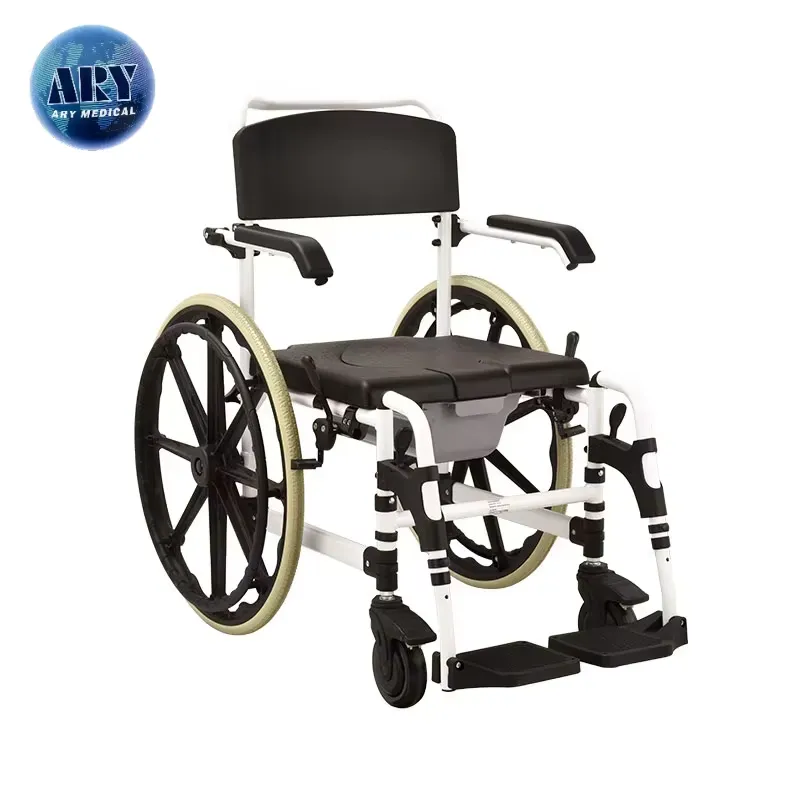
For commode chair product labels, a barcode review should confirm both scan quality and the data it returns. A successful scan can still lead to the wrong chair record.
Check the scanned record
Verify the record behind the scan. Use the intended device and stock or service system. Keep the human-readable identity available where the process requires it.
- Scan result
- Linked record
- Visible text
| Check | Record or reference |
|---|---|
| Scan result | Device check |
| Linked record | System lookup |
| Visible text | Print proof |
Key Takeaway: The code provides usable identity rather than just a scanner response.
How should label durability be assessed?
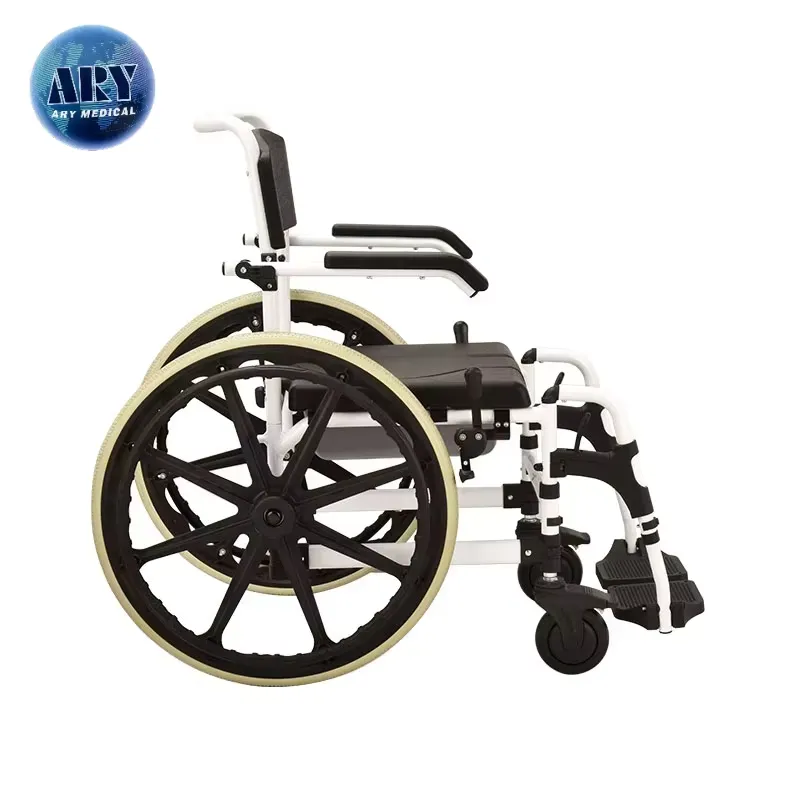
For commode chair product labels, assess durability against the product's stated care and use conditions. An improvised soak does not prove resistance to every cleaner or repeated wet use.
Define the durability review
Use the declared care conditions. Ask the maker for its label specification and relevant evidence. Define any buyer sample check and its limits before treating the result as acceptance evidence.
- Label material
- Care conditions
- Review method
| Check | Record or reference |
|---|---|
| Label material | Specification |
| Care conditions | Guide |
| Review method | Agreed plan |
Key Takeaway: You can identify the conditions the label evidence covers.
How should dealer branding be handled?
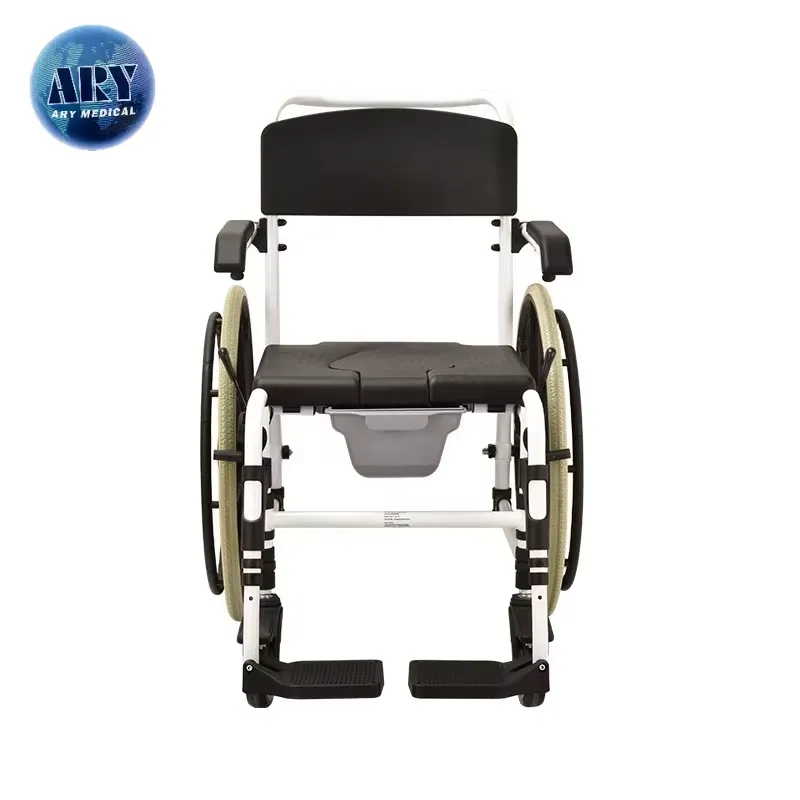
Commode chair product labels may include agreed dealer branding only where it does not replace or obscure required information. The supplier and responsible reviewer should approve the final layout.
Keep dealer and maker codes distinct
Preserve the required product identity. Keep your asset code separate from the maker's model or lot reference. Record how the two codes map in your system.
- Dealer mark
- Maker identity
- Code mapping
| Check | Record or reference |
|---|---|
| Dealer mark | Artwork |
| Maker identity | Product field |
| Code mapping | Register |
Key Takeaway: Branding and internal tracking do not erase product traceability.
What happens when a label is unreadable?
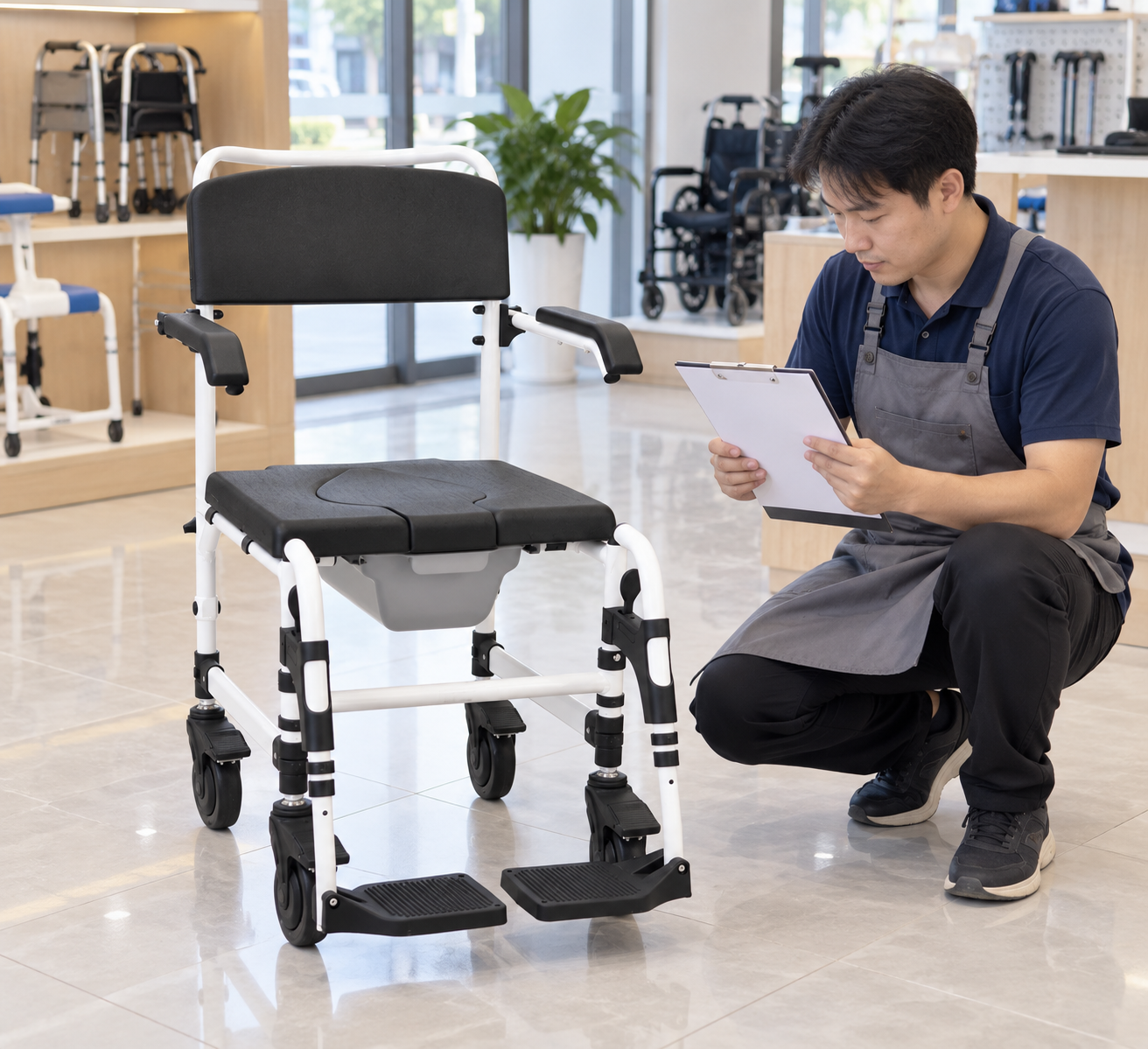
For commode chair product labels, an unreadable label should trigger a supported identification and correction process. Guessing from seat color can link the wrong parts or instructions to a chair.
Resolve an unreadable identity
Use a controlled identity check. Use available order, model and service evidence to ask the maker for help. Keep the original evidence and authorization for any replacement label. Record the actual wheel configuration as one identification clue, without treating it as proof.
- Available evidence
- Maker confirmation
- Replacement approval
| Check | Record or reference |
|---|---|
| Available evidence | Case file |
| Maker confirmation | Response |
| Replacement approval | Record |
Key Takeaway: The corrected identity has a traceable basis.
When should artwork be updated?
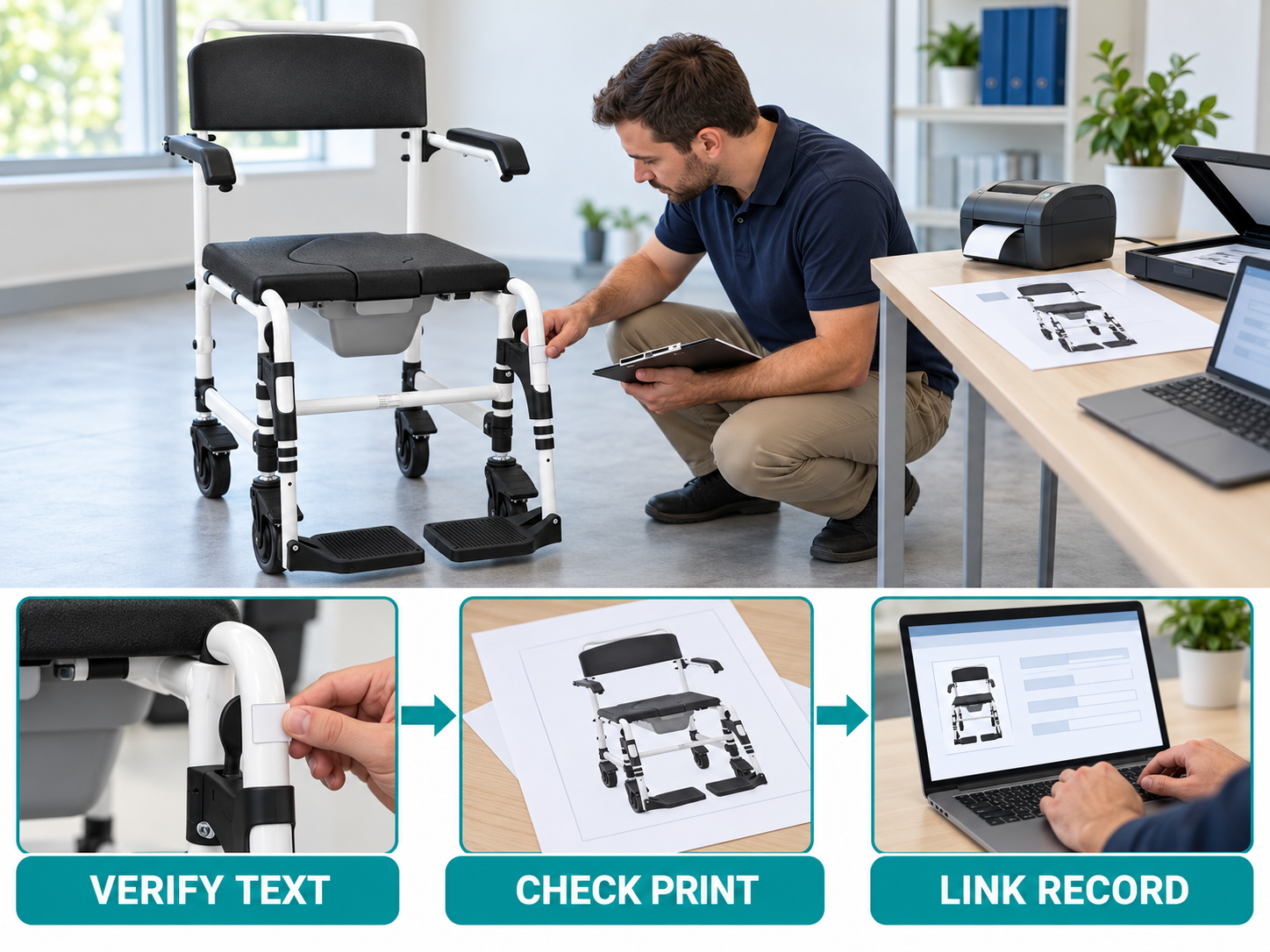
Update commode chair product labels when approved identity fields, claims or required information change. A new print date alone does not resolve a changed model or technical value.
Control artwork changes
Tie label changes to product changes. Keep version control and approval records for the artwork. Check which stock and future shipments need the revised file before issuing it. See the WHO assistive product specifications for procurement context.
- Change reason
- Artwork version
- Affected stock
| Check | Record or reference |
|---|---|
| Change reason | Notice |
| Artwork version | Register |
| Affected stock | Review |
Key Takeaway: The label update reaches the product versions it is meant to cover.
What should final label approval include?

Approve commode chair product labels with a checked print, approved placement and source records for technical fields. Keep open market or product questions separate from print authorization.
What should you do next?
Approve the printed result and its source. Send the exact model and required tracking fields with your enquiry. Ask for a physical proof and current documentation before approving the production label.
- Printed proof
- Placement
- Source records
| Check | Record or reference |
|---|---|
| Printed proof | Sign-off |
| Placement | Photo |
| Source records | Approval file |
Key Takeaway: Your product label can support receiving, service and future traceability. To discuss the model and documents for your order, contact us with your requirements. At AryMD, useful product facts should support every care-equipment purchase.
Frequently asked questions
Q1: Can I use a dealer asset sticker instead of the product label?
Do not assume so. Keep required product information intact and map the asset code to the maker's identity.
Q2: What’s the best place for the label?
Use a maker-approved position that remains readable without blocking controls, joints or care access.
Q3: How do I know if a printed load value is correct?
Check the approved model evidence and responsible technical review. Do not copy a value from a similar product.
Q4: Can a barcode replace all readable text?
That depends on applicable requirements and your process. Preserve the human-readable identity needed for receiving and service.
Q5: Should an unreadable label be replaced from memory?
No. Use a controlled identification process with maker confirmation and keep evidence for the replacement.