
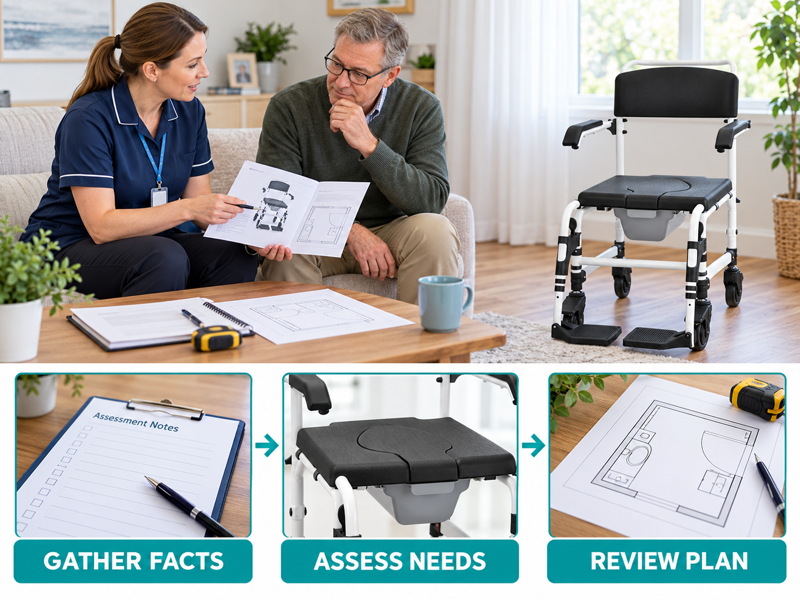
Prepare a commode chair transfer assessment by gathering exact product facts and room details for the qualified assessor leading the review. A US buyer may know the seat width but still lack the arm-support instructions the assessor needs. A clear facts pack helps buying support the care decision without prescribing a transfer method.
What is a commode chair transfer assessment for?
A commode chair transfer assessment is for deciding how the person's needs, equipment and room fit together under assessor review. A buyer's size check cannot prescribe a transfer method for an personal.
Keep assessor responsibility clear
Keep the decision with a qualified assessor. An occupational therapist or other suitably qualified assessor should lead the relevant assessment. This guide lists the facts a buyer can prepare for that review.
- Assessment lead
- Product facts
- Room
| Check | Record or reference |
|---|---|
| Assessment lead | Named assessor |
| Product facts | Model file |
| Room | Room brief |
Key Takeaway: You can support the assessment without turning buying advice into a care instruction.
What product facts should be ready?
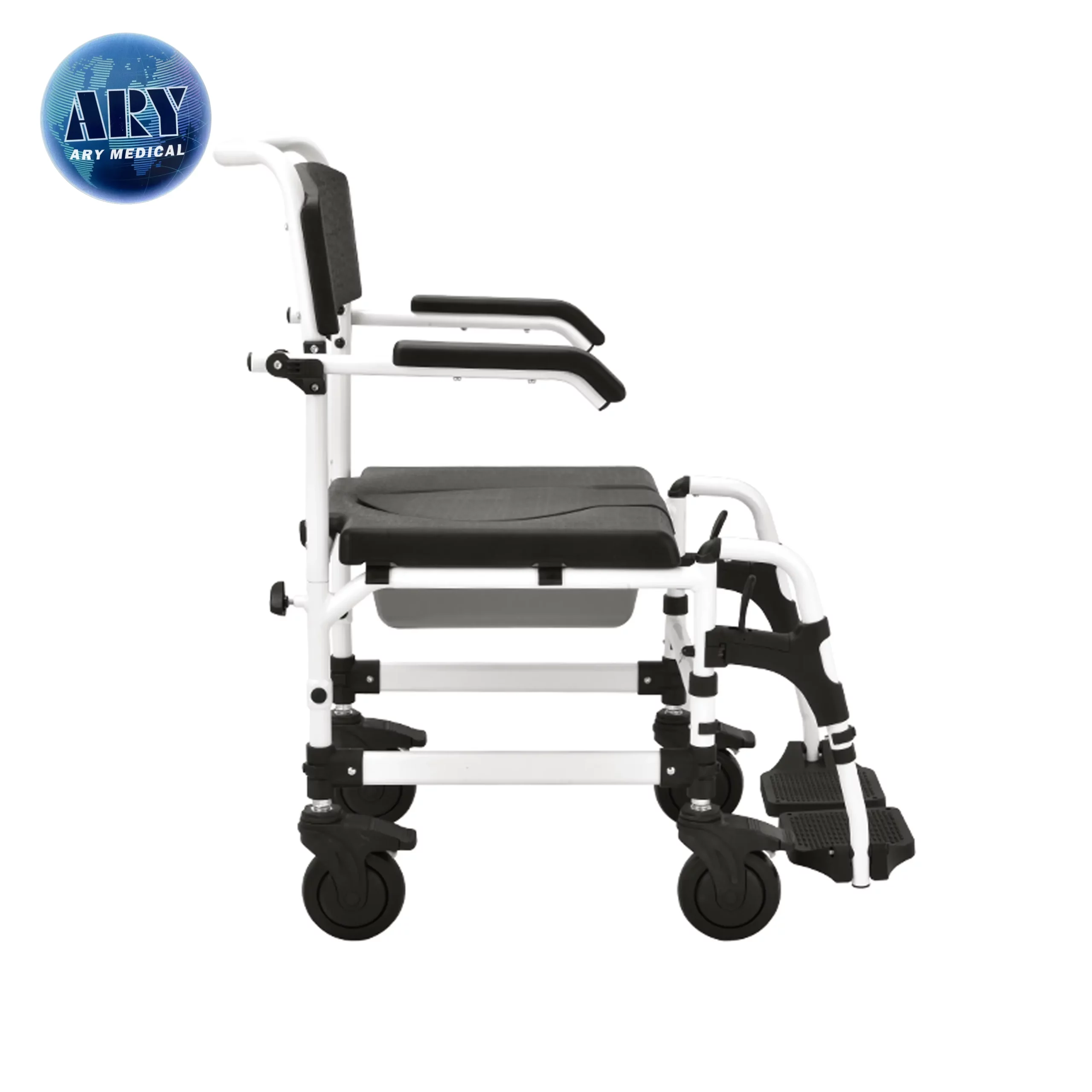
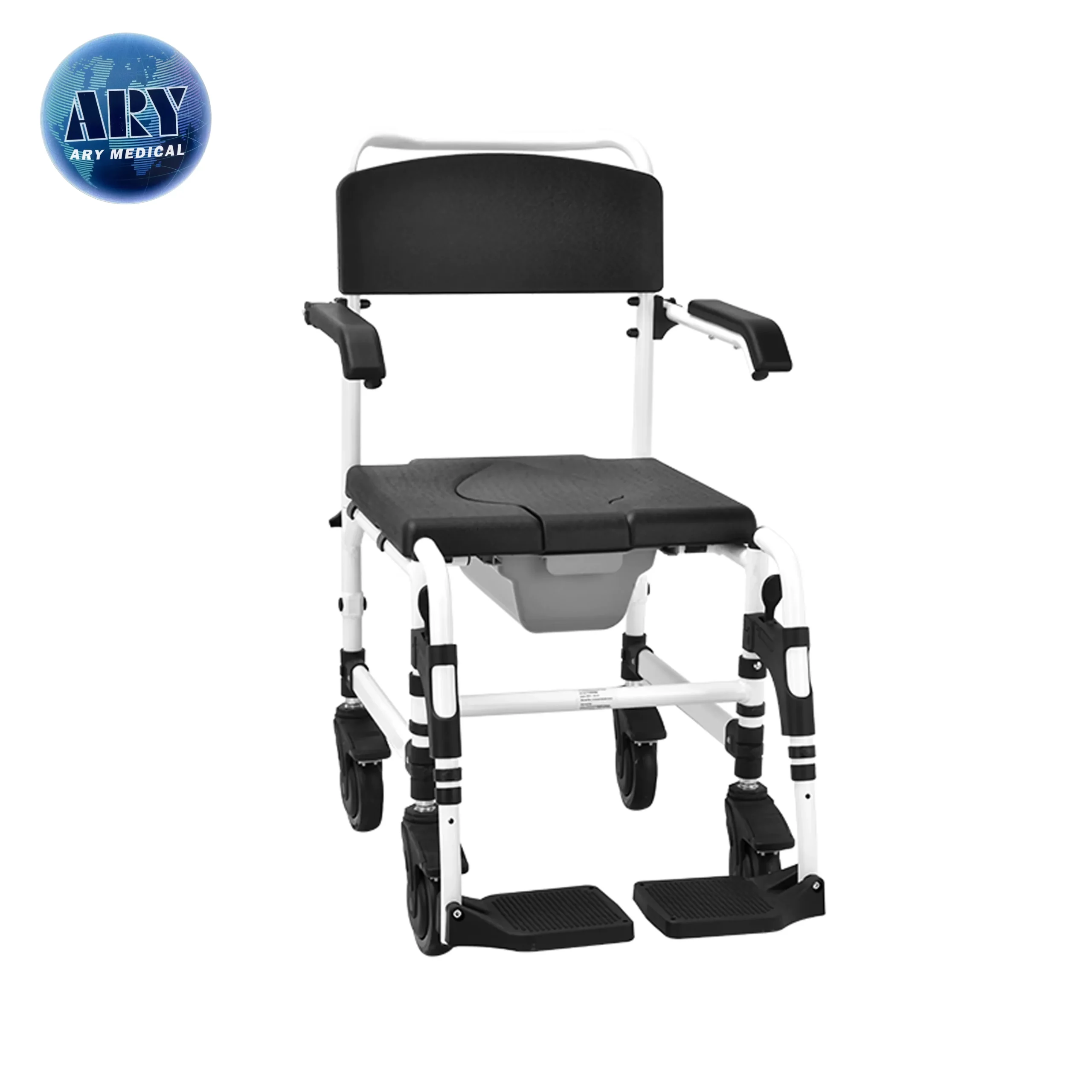
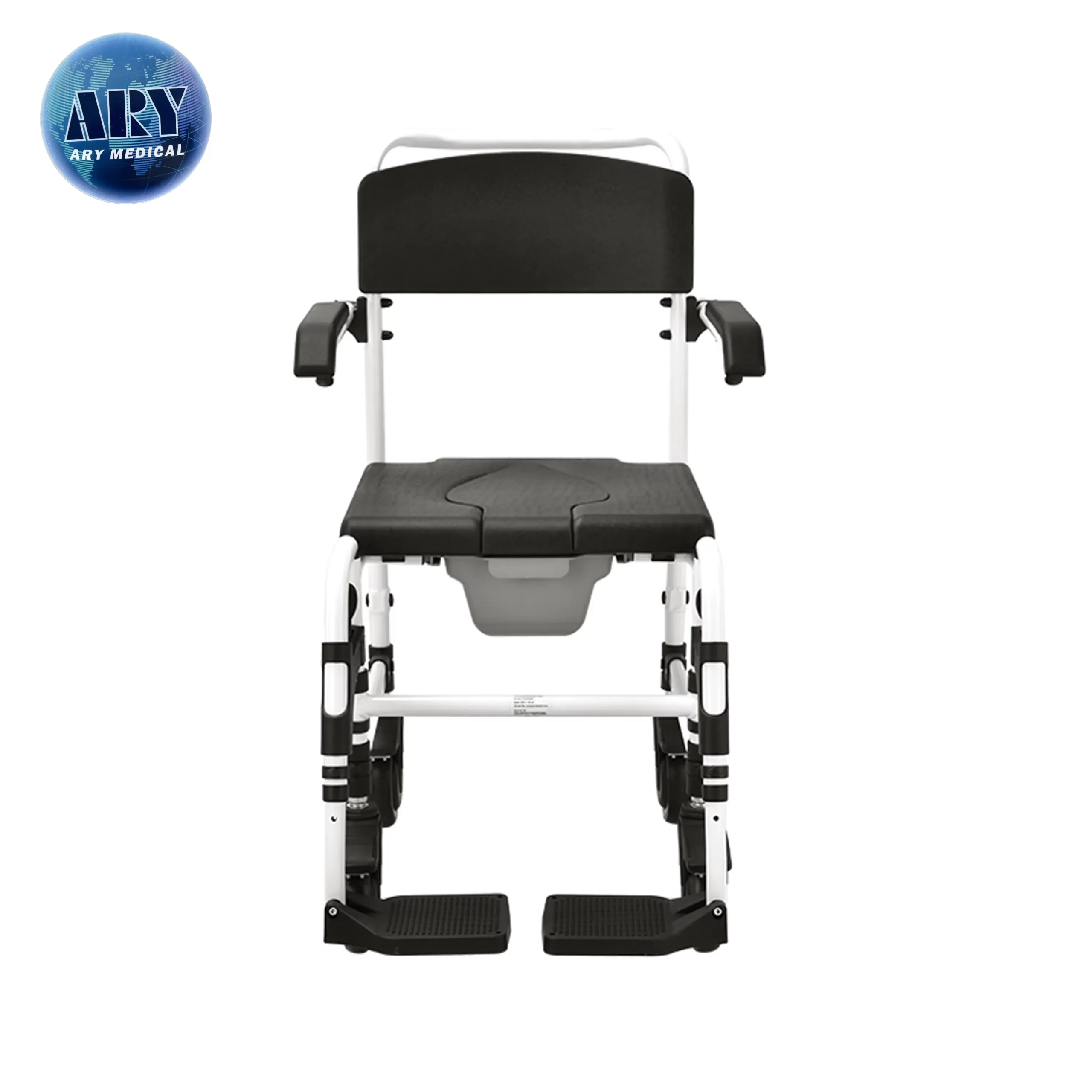
For a commode chair transfer assessment, supply the current manual, dimensions, limits and fitted accessories for the actual model. A generic commode photograph leaves the assessor unsure which supports or controls are present.
Provide the actual model documents
Provide the exact chair version. Ask the supplier to resolve missing product facts. Keep maker instructions available throughout any assessment or trial arranged by the responsible assessor. Include the documented seat-height range among the product facts.
- Model version
- Instructions
- Accessories
| Check | Record or reference |
|---|---|
| Model version | ID |
| Instructions | Current guide |
| Accessories | Contents record |
Key Takeaway: The assessor can review the equipment that is actually proposed.
Which personal facts belongs in the process?
A commode chair transfer assessment should gather personal facts through the responsible care process, with appropriate consent and privacy controls. Sales staff should not infer mobility or support needs from age alone.
Share only relevant personal facts
Use the assessor's facts needs. Ask the assessor what product questions need answering and share only relevant details with the supplier. Keep health records in the authorized care system.
- Relevant needs
- Consent
- Supplier questions
| Check | Record or reference |
|---|---|
| Relevant needs | Care assessment |
| Consent | Local process |
| Supplier questions | Product brief |
Key Takeaway: Personal needs inform selection without unnecessary disclosure.
How should the room be documented?
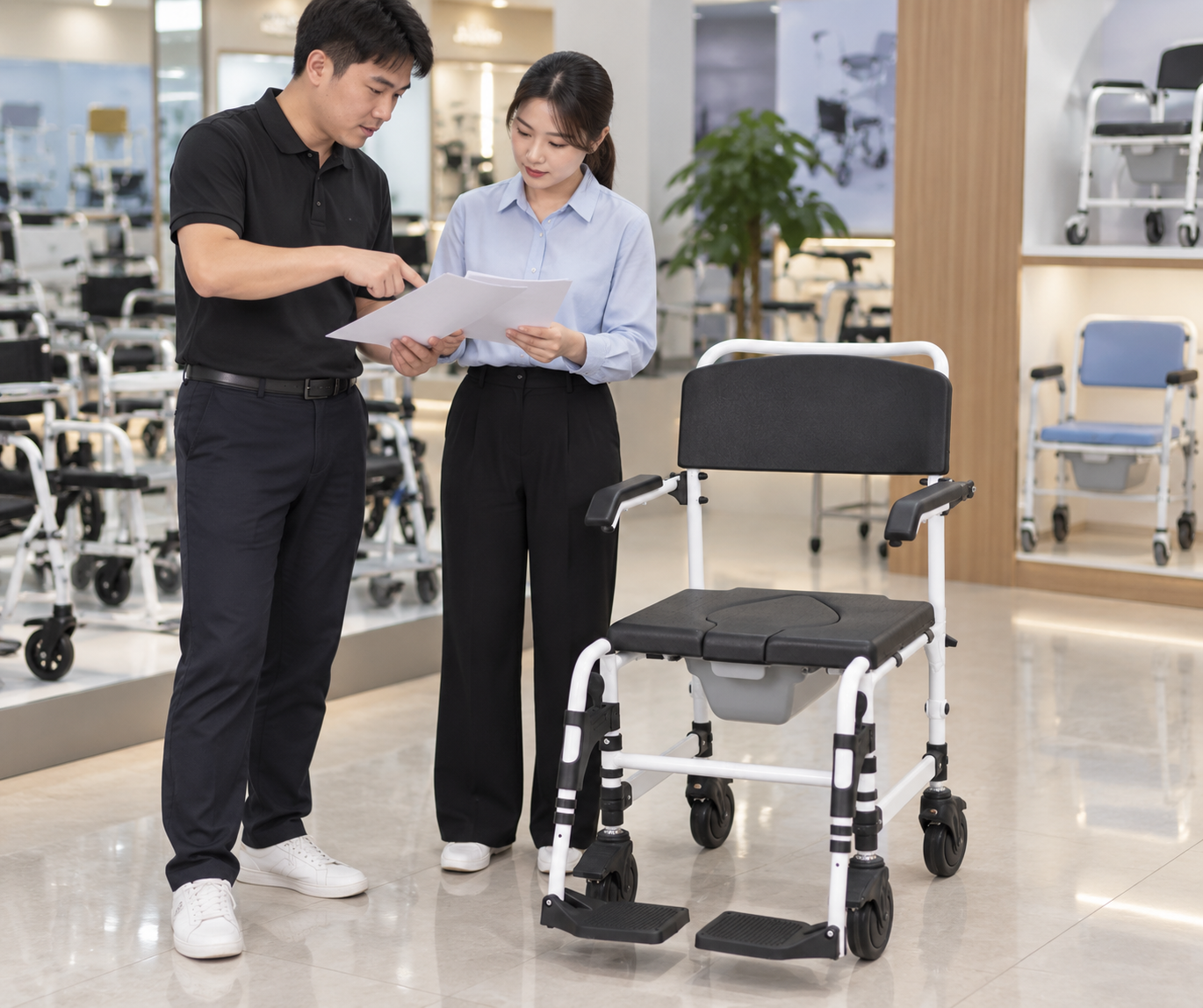
For a commode chair transfer assessment, provide a measured layout of the bed, chair position, doors and other fixed features. The assessor needs the real room, not just total room dimensions.
Document the working room
Show the intended working space. Include space constraints for helpers or other equipment. The assessor should decide how those constraints affect the assessed method.
- Room plan
- Fixed features
- Assistance space
| Check | Record or reference |
|---|---|
| Room plan | Measurements |
| Fixed features | Photos |
| Assistance space | Assessment |
Key Takeaway: The room evidence can support a practical personal review.
What should be known about arm supports?
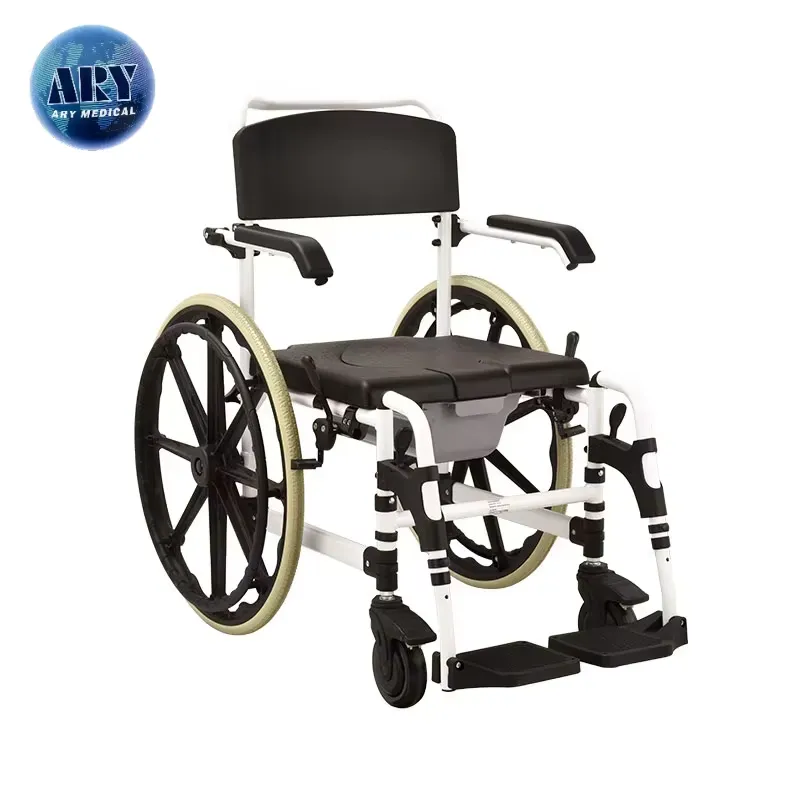
A commode chair transfer assessment needs accurate facts about fixed, removable or movable arm supports on the proposed model. A buyer should not assume that removing an arm creates a suitable transfer arrangement.
Describe the arm-support design
Describe the allowed configurations. Provide the maker's permitted configurations and operating guidance. The assessor can then consider those features within the person's needs and care plan.
- Arm type
- Permitted movement
- Use decision
| Check | Record or reference |
|---|---|
| Arm type | Specification |
| Permitted movement | Manual |
| Use decision | Assessment |
Key Takeaway: The feature is reviewed within its actual design limits.
How should foot supports and brakes be considered?
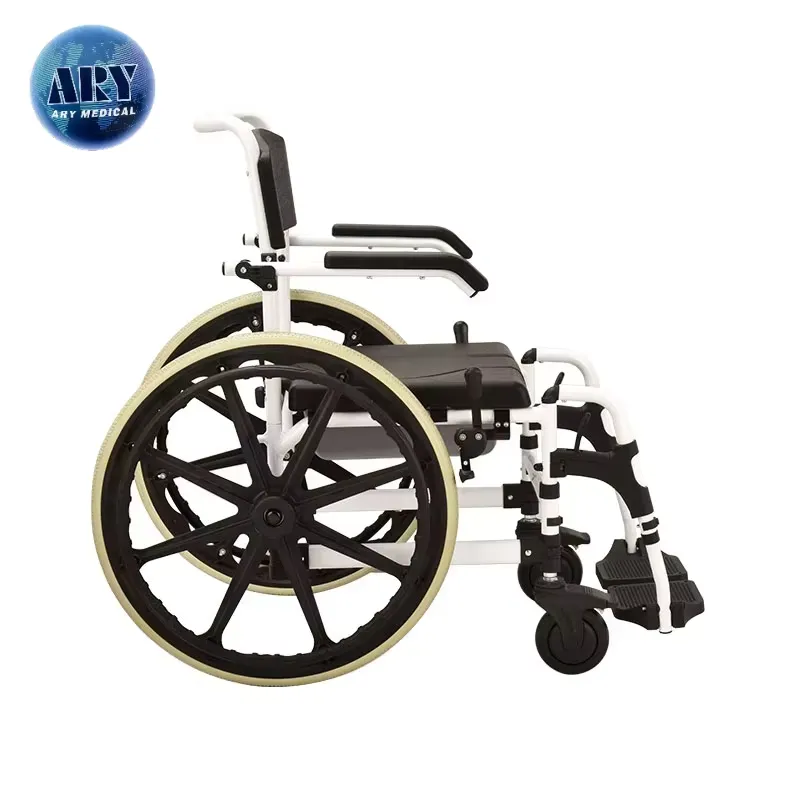
For a commode chair transfer assessment, give the assessor the maker's facts about foot supports, wheels and brakes. The correct care method cannot be reduced to a generic sequence for every chair and person.
Provide foot-support and brake facts
Provide facts without prescribing a sequence. Identify the fitted parts and any limits in the manual. Do not use an untrained demonstration to settle an uncertain setup. Identify the precise wheeled chair version where one is proposed.
- Fitted supports
- Brake guidance
- Open concern
| Check | Record or reference |
|---|---|
| Fitted supports | Parts record |
| Brake guidance | Manual |
| Open concern | Assessor review |
Key Takeaway: The care decision uses the right product facts.
Who should decide whether a trial is suitable?
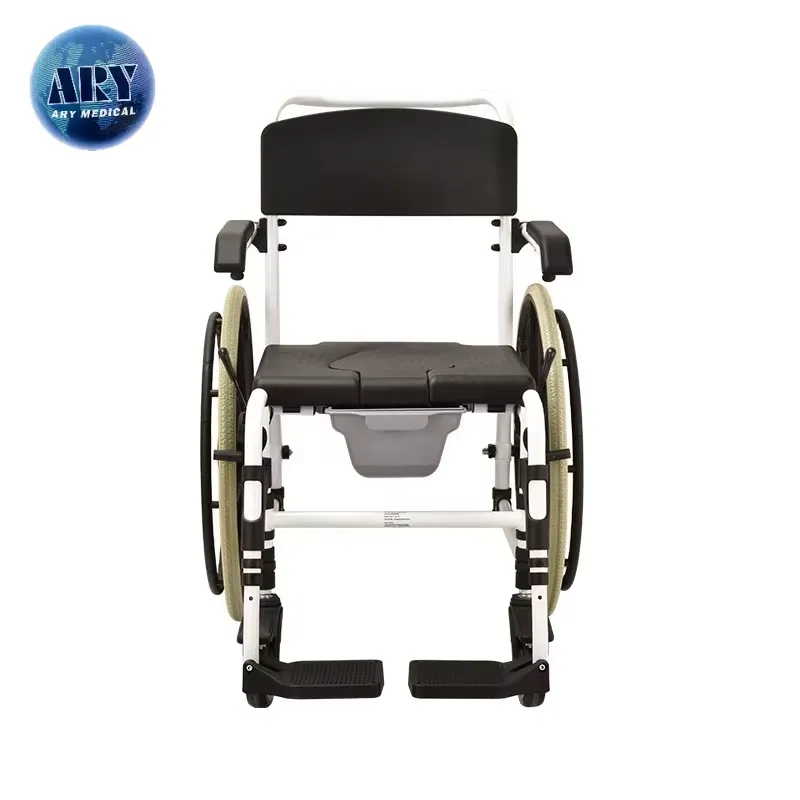
A commode chair transfer assessment trial should take place only when the responsible assessor decides it is appropriate and defines the conditions. Product delivery alone is not authorization for an improvised transfer test.
Let the assessor define a trial
Let the responsible assessor set the scope. Provide a correctly identified chair with the required product checks complete. The assessment team should control staffing, method and any criteria for stopping.
- Trial decision
- Product status
- Trial conditions
| Check | Record or reference |
|---|---|
| Trial decision | Assessment plan |
| Product status | Release record |
| Trial conditions | Assessor instructions |
Key Takeaway: A trial has a defined owner and purpose.
What should an assessment record identify?
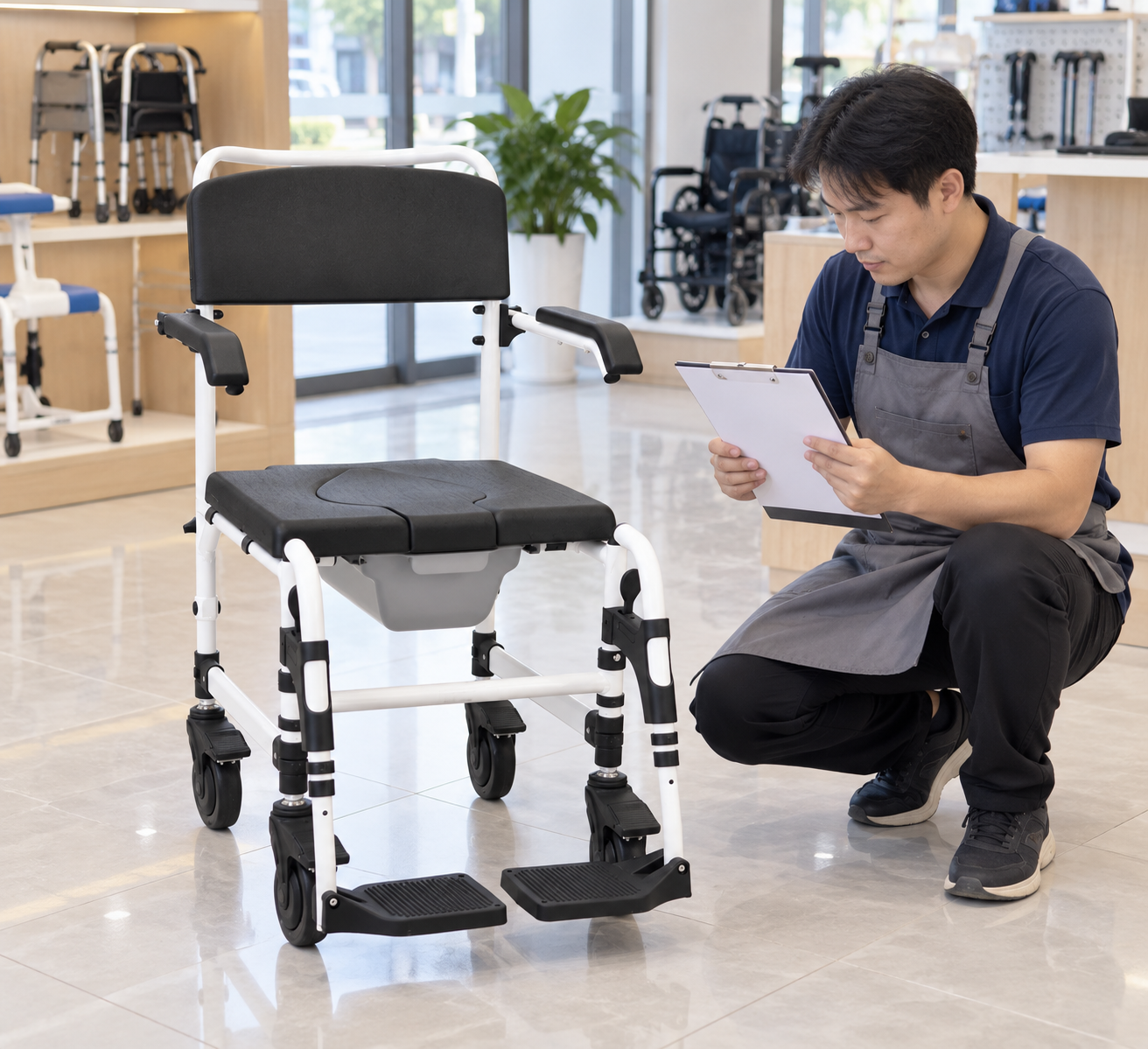
A commode chair transfer assessment record should identify the chair version and the conditions relevant to the assessor decision. A note saying commode suitable can become unclear when the model or room later changes.
Identify the assessed equipment
Record the specific equipment and conditions. The responsible assessor should document care instructions within the appropriate system. Buyers should retain the product references needed to supply the agreed equipment. Keep the current care instructions linked to that equipment record.
- Chair version
- Room conditions
- Agreed equipment
| Check | Record or reference |
|---|---|
| Chair version | Product ID |
| Room conditions | Assessment record |
| Agreed equipment | Order reference |
Key Takeaway: The supplied chair can be matched to the assessed arrangement.
When should the assessment be reviewed?
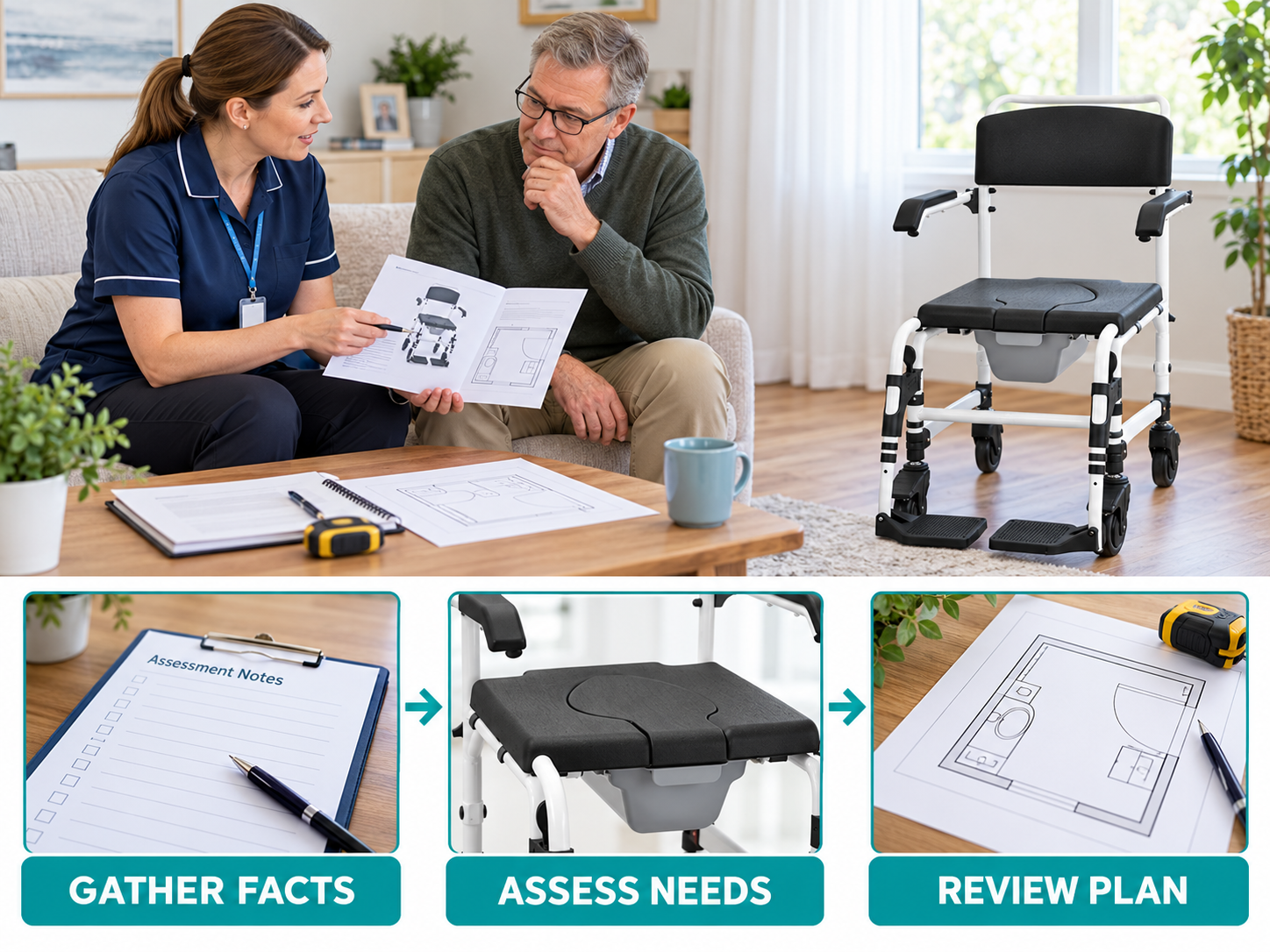
Review a commode chair transfer assessment when the person's needs, care support, room or chair changes in a way that may affect the arrangement. New difficulty should be raised with the responsible care team.
Review changed needs and equipment
Respond to meaningful changes. Keep the product and service records current so the assessor can identify equipment changes. Do not assume an old decision automatically covers a replacement model. The NHS home-adaptation guidance describes routes to assessment.
- Changed need
- Changed equipment
- Review owner
| Check | Record or reference |
|---|---|
| Changed need | Care referral |
| Changed equipment | Service record |
| Review owner | Care team |
Key Takeaway: The arrangement can be reconsidered against current circumstances.
What can buyers do next?
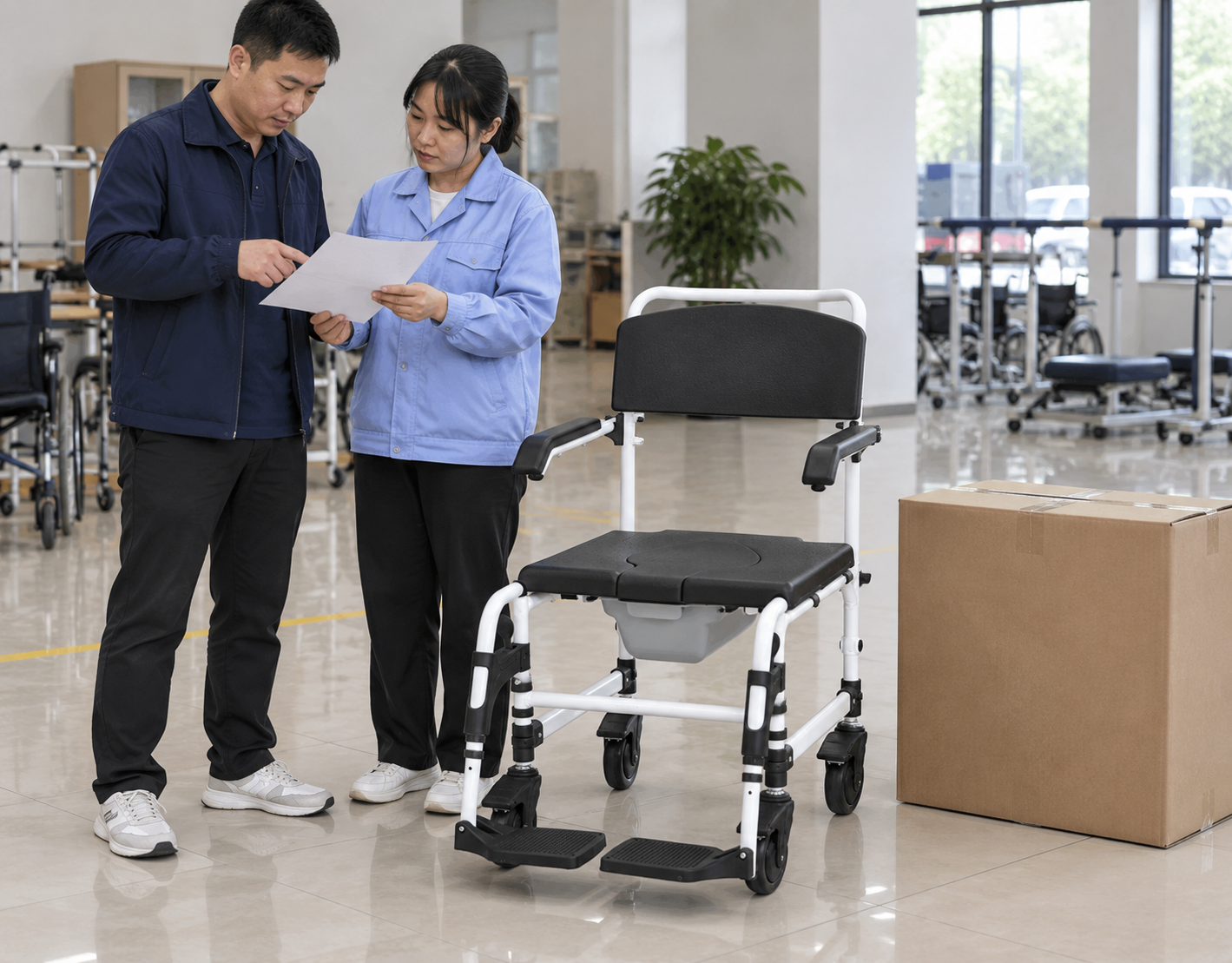
For a commode chair transfer assessment, buyers can gather current product documents, room measurements and a clear list of unanswered equipment questions. The qualified assessor remains responsible for the personal care decision.
What should you do next?
Prepare facts for the assessor review. Ask the supplier for the exact model facts requested by the assessor. Keep buying, product service and personal assessment roles clear.
- Product documents
- Room facts
- Assessment questions
| Check | Record or reference |
|---|---|
| Product documents | Supplier file |
| Room facts | Measured brief |
| Assessment questions | Assessor request |
Key Takeaway: You can make the equipment discussion more precise without prescribing care. To discuss the model and documents for your order, contact us with your requirements. At AryMD, useful product facts should support every care-equipment purchase.
Frequently asked questions
Q1: Can I choose a transfer method from an online buyer guide?
No. Personal transfer decisions need an suitably qualified assessment using the person's needs, equipment and room.
Q2: What’s the best facts to send to the assessor?
Provide the exact model guide, dimensions, fitted accessories and measured room layout, plus the product questions they request.
Q3: How do I know if removable arms make a chair suitable?
Removable arms alone do not establish suitability. The assessor must consider the permitted configuration and the person's needs.
Q4: Can delivery staff conduct an informal transfer trial?
Do not improvise one. The responsible qualified assessor should decide whether a trial is appropriate and define its conditions.
Q5: Should the assessment be reviewed after replacing the chair?
Review relevant changes. A new version, accessory or room arrangement may fall outside the earlier decision.