
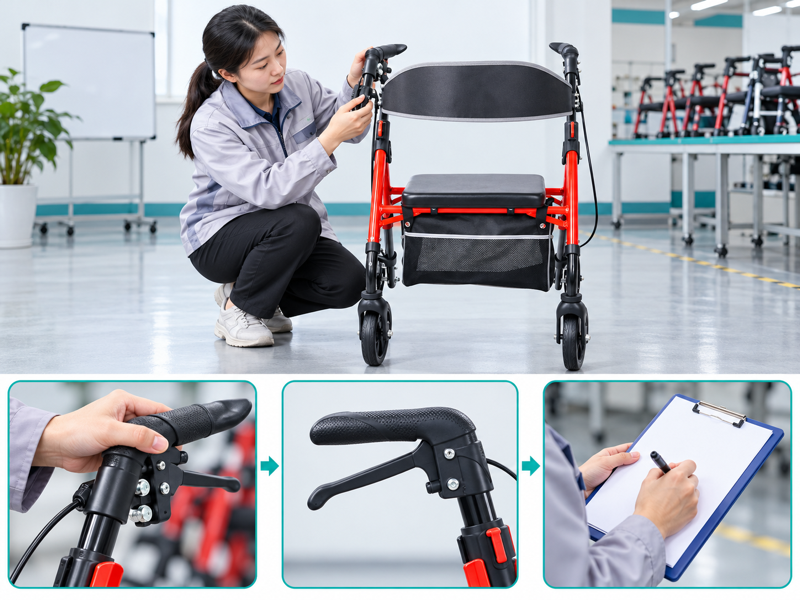
Review rollator brake reach through the actual hand-control task and an suitable personal fit assessment. A French dealer may hear that the lever feels too far away even though the rollator's height was already set. Clear control details help distinguish a fit question from a product fault.
What should rollator brake reach assess?
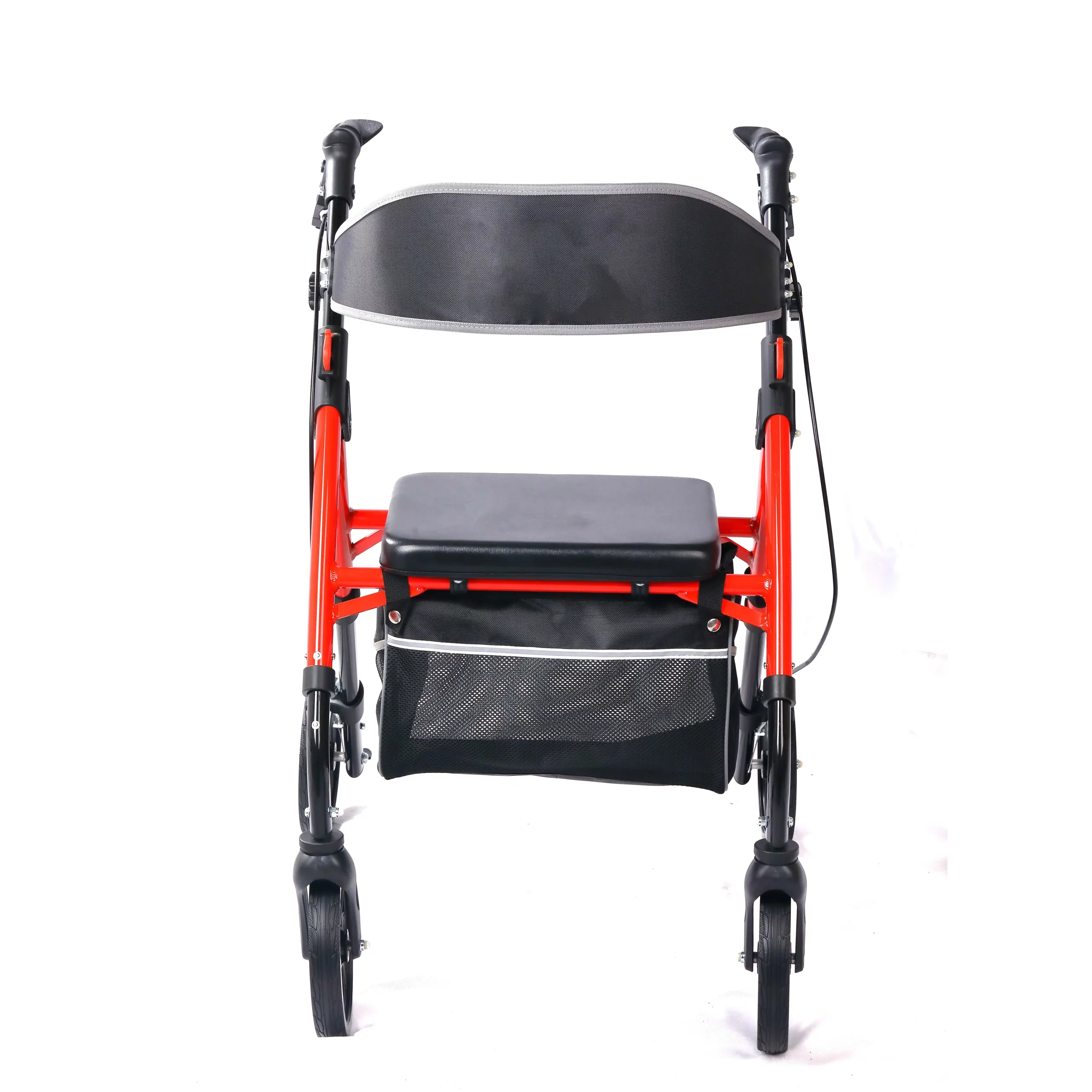
Rollator brake reach should assess whether the person can access and use the specified controls within an suitable fit review. A lever close to the grip does not prove suitable control for every hand.
Define the control task
Start with the actual hand task. Provide the exact model and instructions to the assessor. Record which control task needs clarification instead of assuming a universal reach distance.
- Model
- Control task
- Personal need
| Check | Record or reference |
|---|---|
| Model | Product ID |
| Control task | Guide |
| Personal need | Assessment |
Key Takeaway: The review connects the hand, handle and intended task.
Which handle details should be recorded?
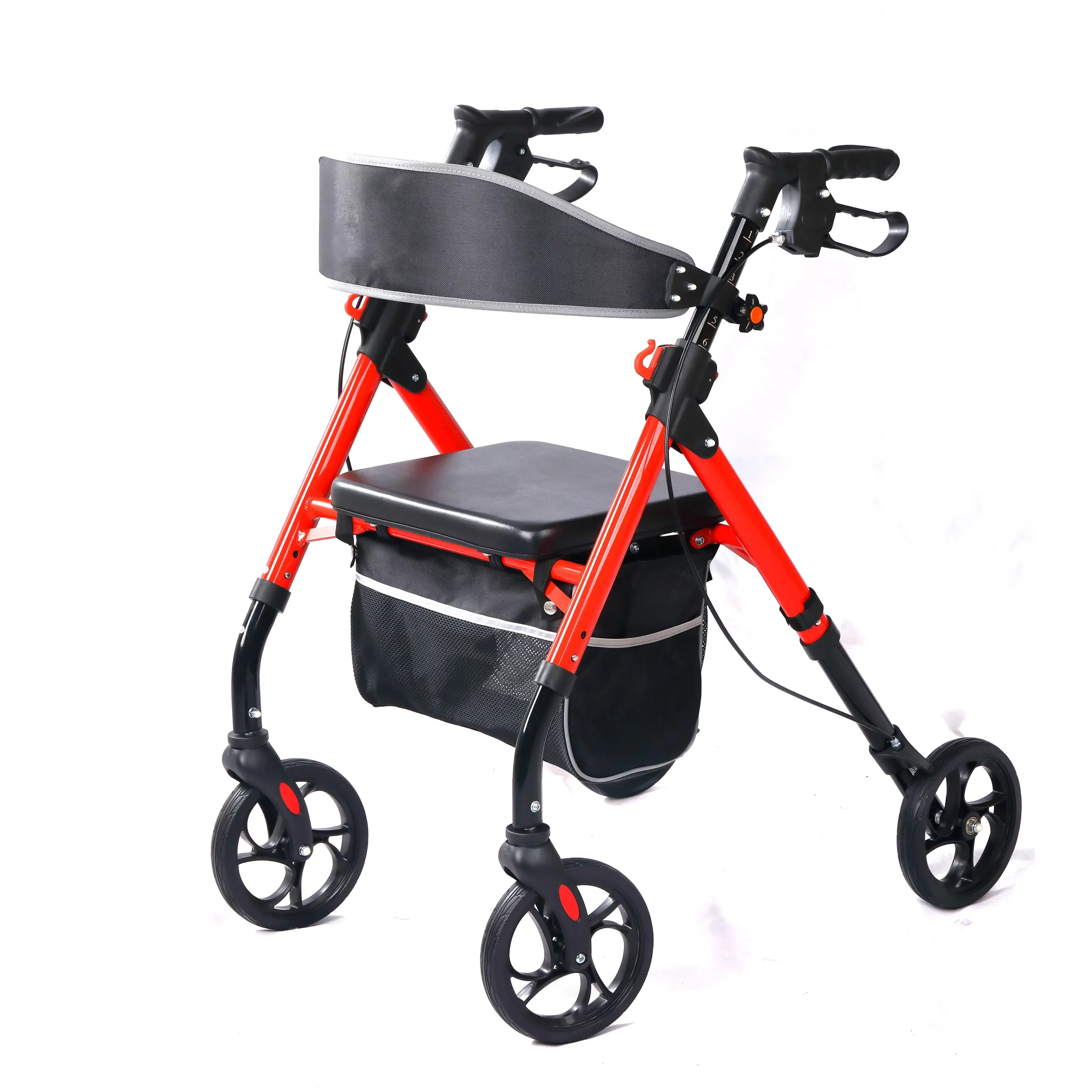
For rollator brake reach, record the grip shape, lever position and any maker-approved adjustment. A photograph alone may hide the spacing or control movement.
Record grip and lever geometry
Describe the grip as supplied. Ask for relevant dimensions and a sample where needed. Keep approved adjustments distinct from changes a technician would have to authorize. The brake-cable guide helps identify the component being discussed.
- Grip shape
- Lever spacing
- Approved adjustment
| Check | Record or reference |
|---|---|
| Grip shape | Photo |
| Lever spacing | Drawing |
| Approved adjustment | Guide |
Key Takeaway: You can describe the control geometry clearly.
How can handle height affect the review?
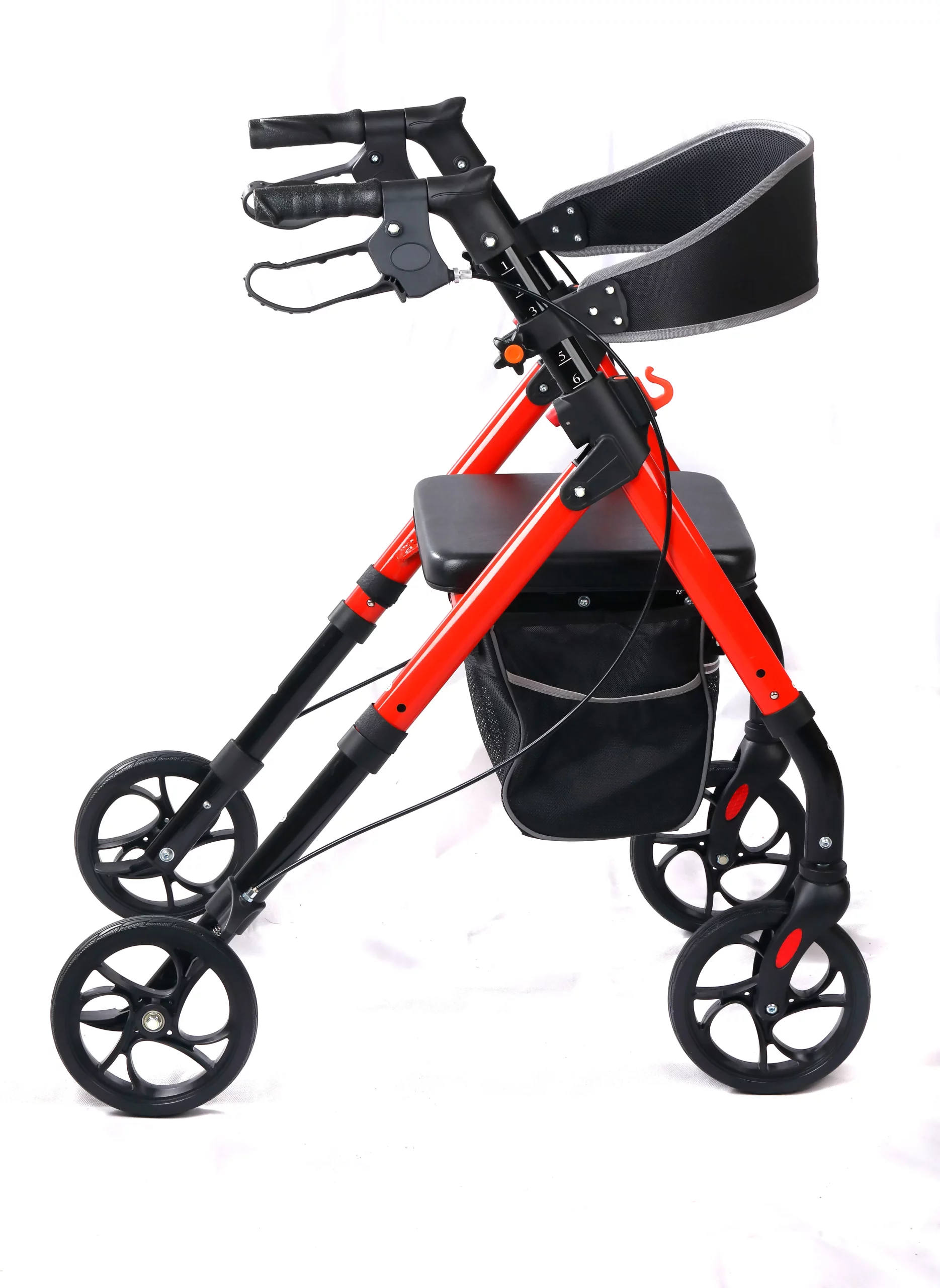
Rollator brake reach should be reviewed with the handle height selected through the proper fitting process. Moving the handles to shorten a reach can affect posture and other aspects of use.
Review the fitted handle position
Check the whole fitted position. Ask the assessor to consider the person and device together. Record the final permitted setting so a later handover can reproduce it.
- Height setting
- Posture needs
- Adjustment limits
| Check | Record or reference |
|---|---|
| Height setting | Fit record |
| Posture needs | Assessment |
| Adjustment limits | Manual |
Key Takeaway: A local reach problem does not prompt an unsupported setup change.
What is the difference between service and fit questions?
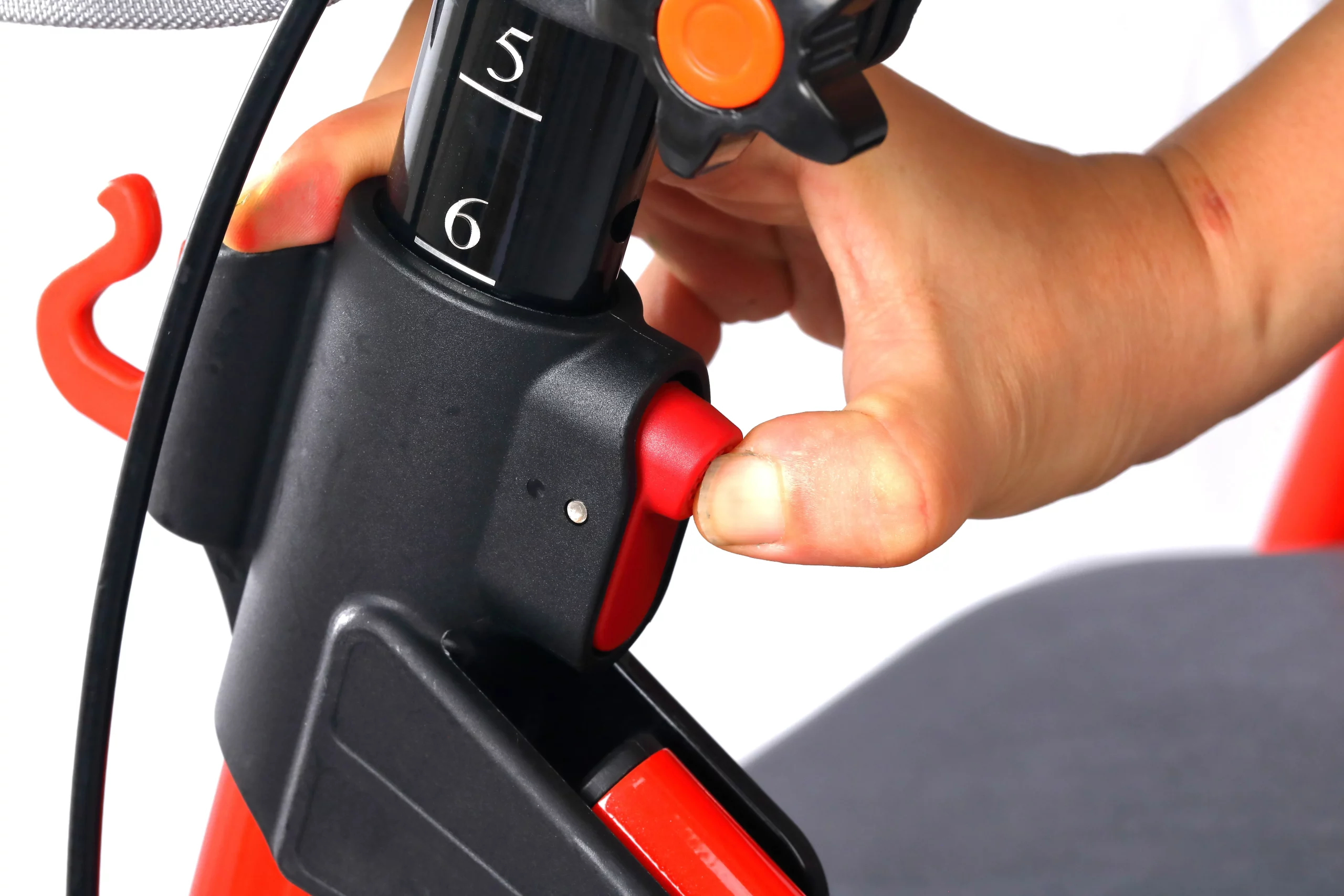
For rollator brake reach, a control that feels defective needs service review, while a control that does not suit the person needs fit assessment. Both issues can occur on the same device.
Separate service and fit questions
Route each question to the right person. Describe the observed behavior without diagnosing it. Give the service team the model and give the assessor the functional concern.
- Observed behavior
- Service question
- Fit question
| Check | Record or reference |
|---|---|
| Observed behavior | Report |
| Service question | Technician review |
| Fit question | Assessment |
Key Takeaway: Your team can avoid treating every concern as a cable adjustment.
Should both controls be reviewed?
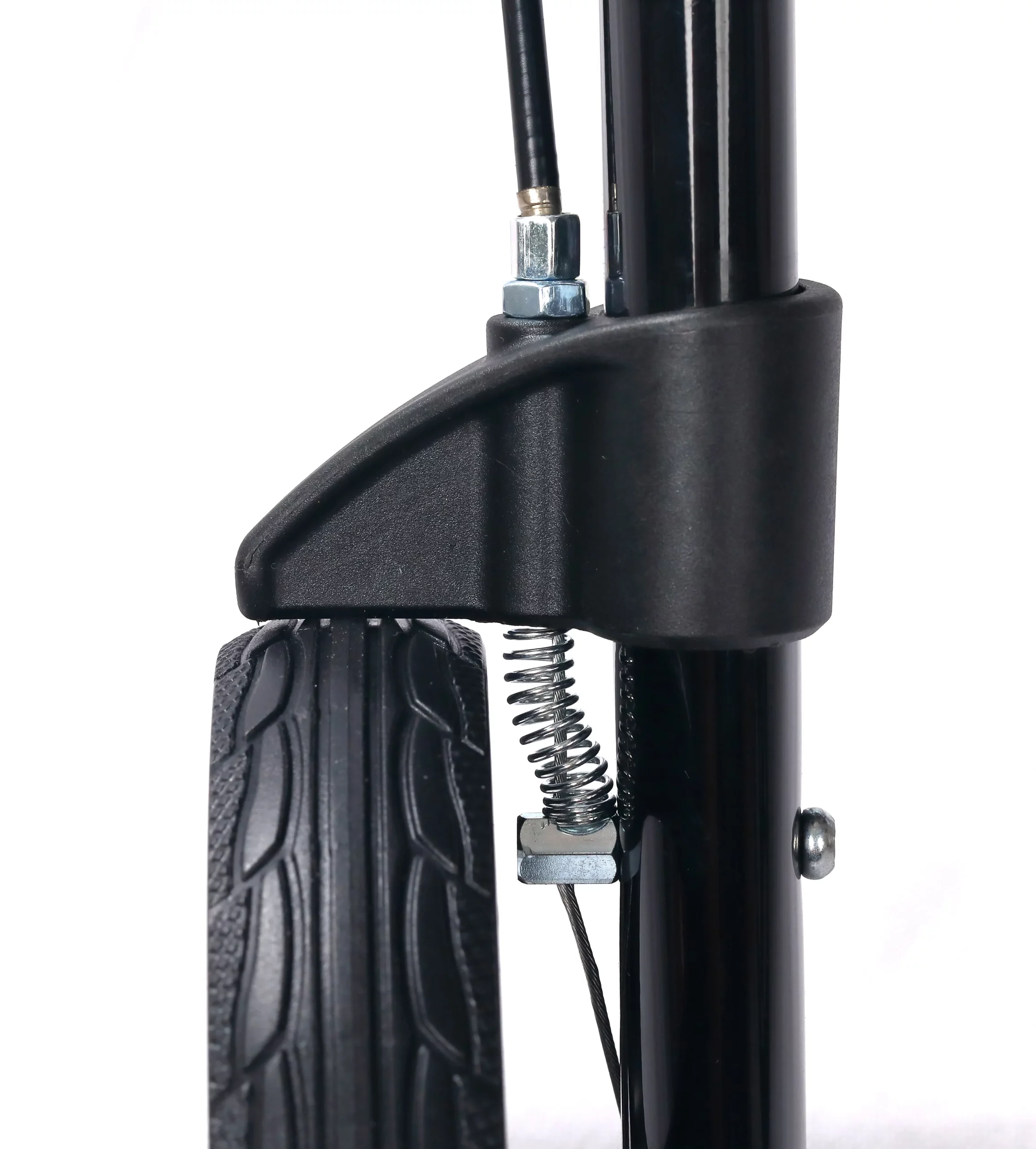
Rollator brake reach should cover all hand-control tasks required by the instructions. A successful check on one side does not establish use of both controls or parking functions.
Cover the required controls
Check the tasks the model requires. Use an suitable supervised assessment where personal operation is involved. Keep left and right observations clear in the record.
- Required functions
- Left control
- Right control
| Check | Record or reference |
|---|---|
| Required functions | Manual |
| Left control | Review note |
| Right control | Review note |
Key Takeaway: The record covers the complete control task.
Can a lever be modified to improve reach?
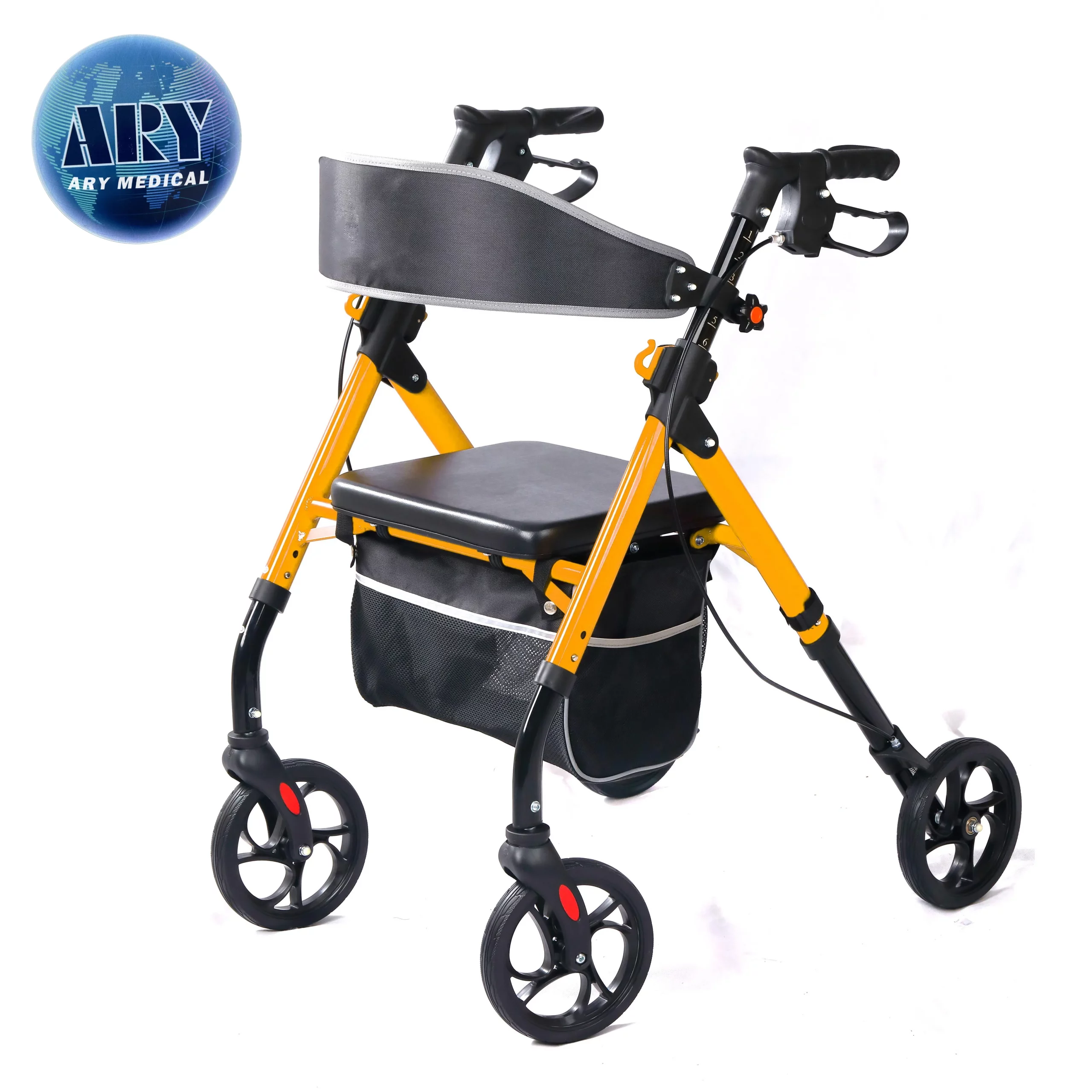
For rollator brake reach, modifications need the maker's approval and suitable technical review. Bending a lever or changing parts can affect function beyond the hand position.
Request supported adjustments
Require an approved solution. Ask about supported options for the exact model. Keep the response with the fit and service records before changing the device. Request supported options during the supplier selection review.
- Proposed change
- Maker approval
- Service method
| Check | Record or reference |
|---|---|
| Proposed change | Request |
| Maker approval | Response |
| Service method | Guide |
Key Takeaway: A reach concern leads to a supported option rather than an improvised fix.
What should a demonstration avoid?
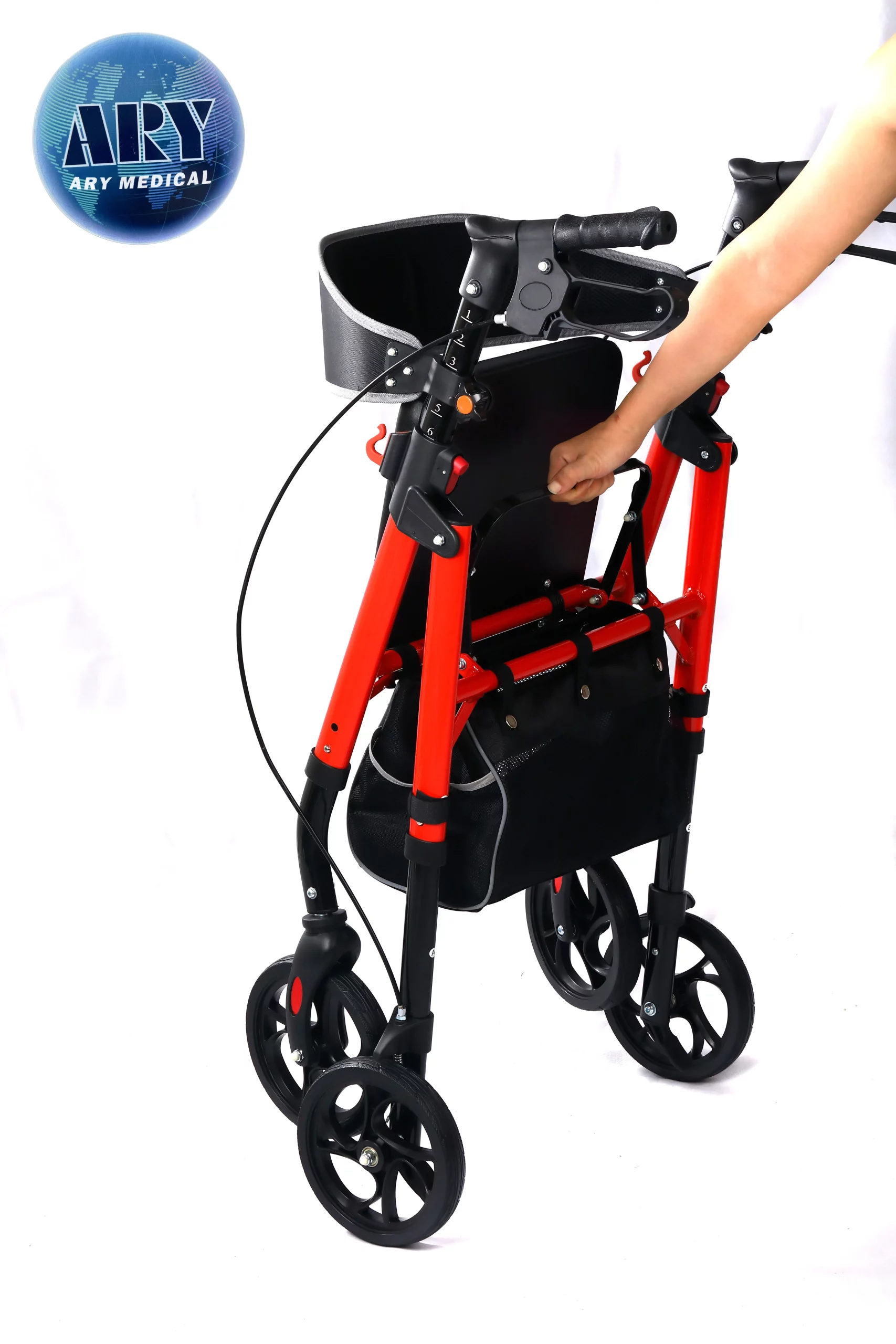
A rollator brake reach demonstration should not pressure a person to grip harder or walk farther to prove control. The assessor should decide the scope and conditions of any personal trial.
Set suitable demonstration limits
Do not turn uncertainty into a challenge. Begin with model ID and a review of the control instructions. Stop unresolved product faults from entering a personal-use trial.
- Trial scope
- Product condition
- Stop concern
| Check | Record or reference |
|---|---|
| Trial scope | Assessment plan |
| Product condition | Check record |
| Stop concern | Review note |
Key Takeaway: The demonstration remains a controlled assessment task.
How should results be passed to a dealer?

A rollator brake reach handover should identify the model, approved settings and any requested product option. Share only the personal details needed for the supply task.
Pass on the product decision
Give the dealer the product decision. Keep clinical reasoning in the suitable care record. Ask the dealer to confirm the delivered version matches the agreed product brief. Keep the relevant seat-height setup with the complete fit record.
- Selected version
- Approved setting
- Required option
| Check | Record or reference |
|---|---|
| Selected version | Order |
| Approved setting | Fit record |
| Required option | Product brief |
Key Takeaway: The supplied aid can match the assessment outcome.
When is another reach review needed?
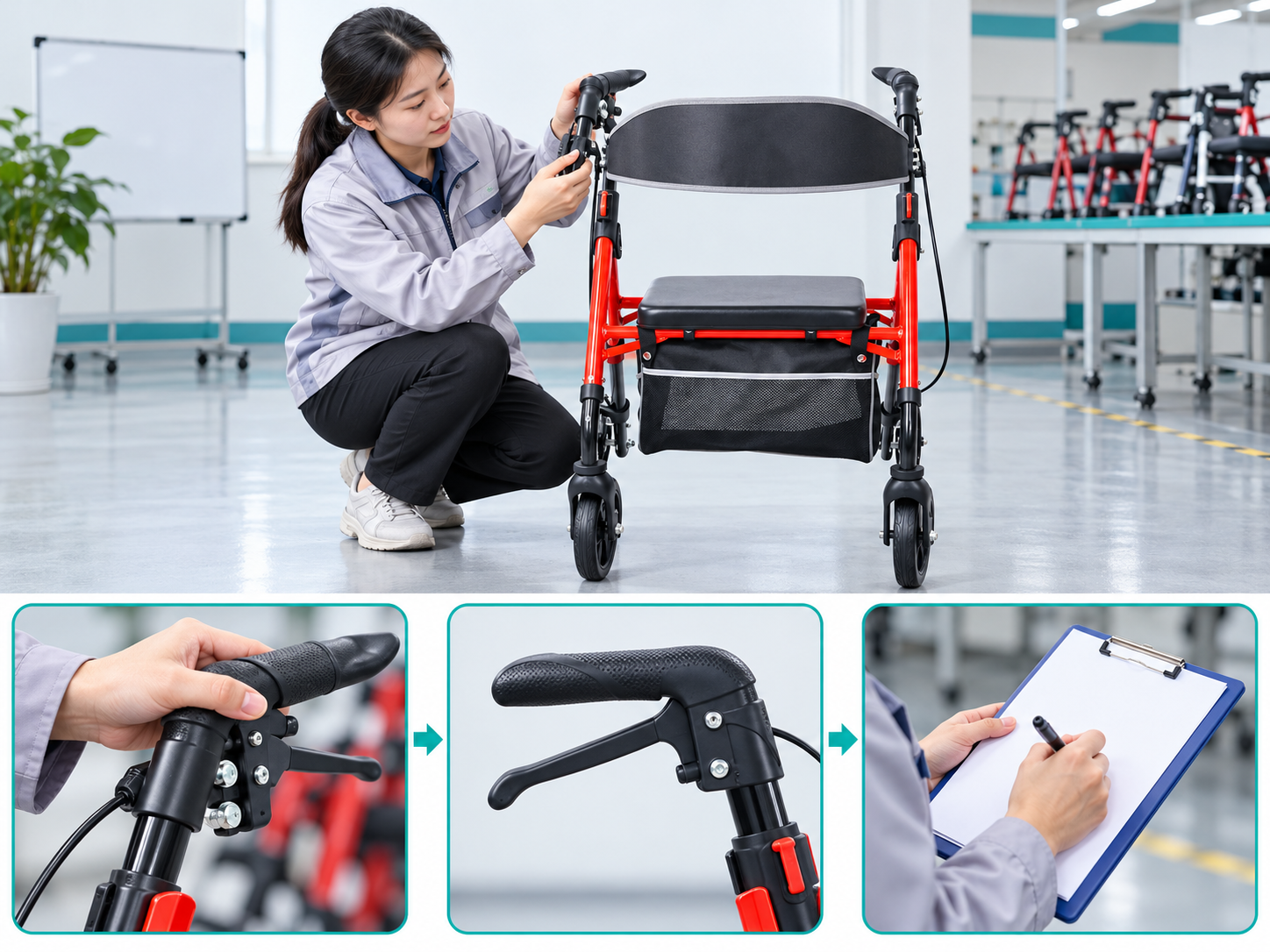
Review rollator brake reach again when the person's abilities, handle setting or control components change. New difficulty should be referred through the suitable care or service route.
Review changed needs or parts
Watch for meaningful changes. Keep records of repairs and replaced grips or levers. That history can help the reviewer see what changed. The NHS walking-aid and wheelchair guidance provides general selection context.
- Personal change
- Part change
- Setting change
| Check | Record or reference |
|---|---|
| Personal change | Care review |
| Part change | Service log |
| Setting change | Fit record |
Key Takeaway: A previous result does not hide a new control problem.
What should buyers ask before choosing a model?
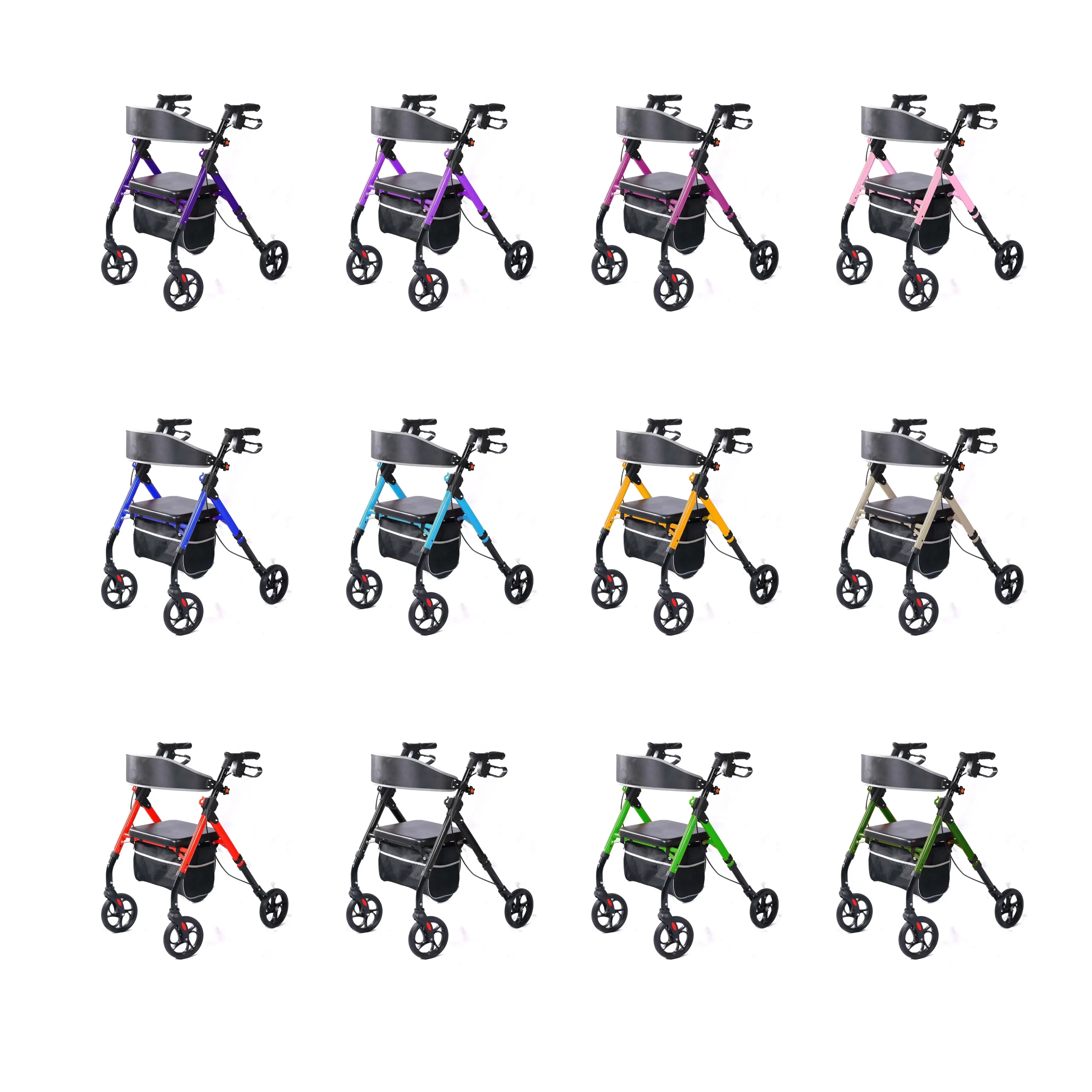
For rollator brake reach, buyers should request current control drawings, instructions and supported adjustment options. Those facts help the assessor compare the proposed model with the person's needs.
What should you do next?
Request evidence about the control design. Send the exact product questions from the review. Ask for a sample if dimensions or photographs leave the control task unclear.
- Control details
- Adjustment options
- Open question
| Check | Record or reference |
|---|---|
| Control details | Supplier file |
| Adjustment options | Guide |
| Open question | Sample brief |
Key Takeaway: You can obtain useful product evidence for the fit decision. To discuss the model and documents for your order, contact us with your requirements. At AryMD, useful product facts should support every care-equipment purchase.
Frequently asked questions
Q1: Can I bend a brake lever to improve reach?
No improvised change is suitable. Ask the maker about supported options and use qualified technical review.
Q2: What’s the best lever distance for every user?
There is no universal distance. Personal ability and the complete fitted position need suitable assessment.
Q3: How do I know if the problem is fit or a fault?
Record the observed behavior and refer it to the relevant assessor or service team. Both issues may need review.
Q4: Can one successful brake check cover both hands?
Not automatically. Review the tasks and controls required by the model's instructions.
Q5: Should reach be reviewed after a grip replacement?
Review relevant changes. The fitted part and its effect on control use should remain clear in the record.