
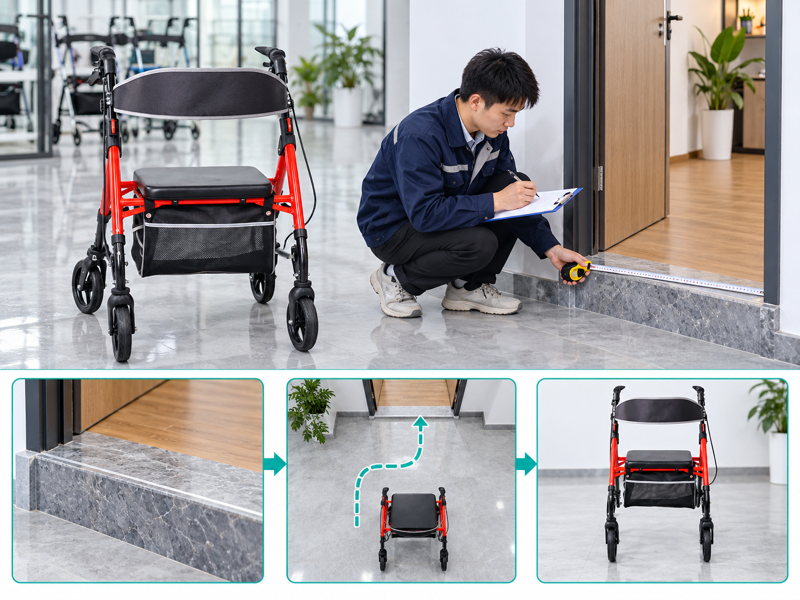
Plan rollator doorstep access from the measured entrance and the model's limits, with suitable assessment of personal use. An Italian buyer may focus on wheel size while a door swing or loose mat makes the route harder to use. Reviewing the whole entrance brings those constraints into the selection decision.
What should rollator doorstep access review first?
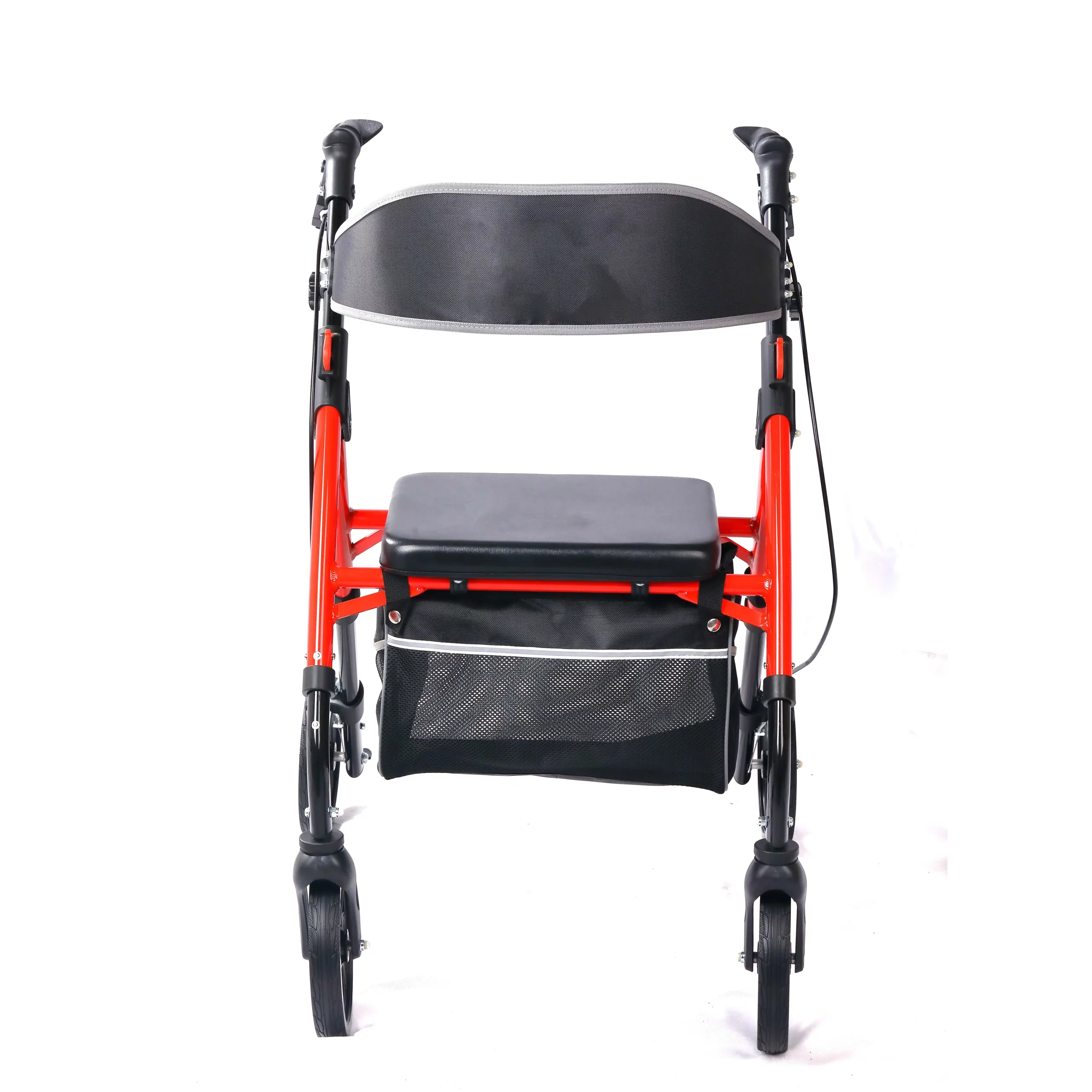
Rollator doorstep access should begin with the threshold, approach surface and door movement at the intended entrance. A wheel-size description cannot establish that a particular doorway is suitable.
Map the actual entrance
Map the actual entrance. Record the route without asking the person to attempt an uncertain crossing. Bring the measurements and model instructions to an suitable assessor.
- Threshold
- Approach
- Model limits
| Check | Record or reference |
|---|---|
| Threshold | Measured view |
| Approach | Route photo |
| Model limits | Guide |
Key Takeaway: The access question starts with the actual obstacle.
Which threshold details matter?
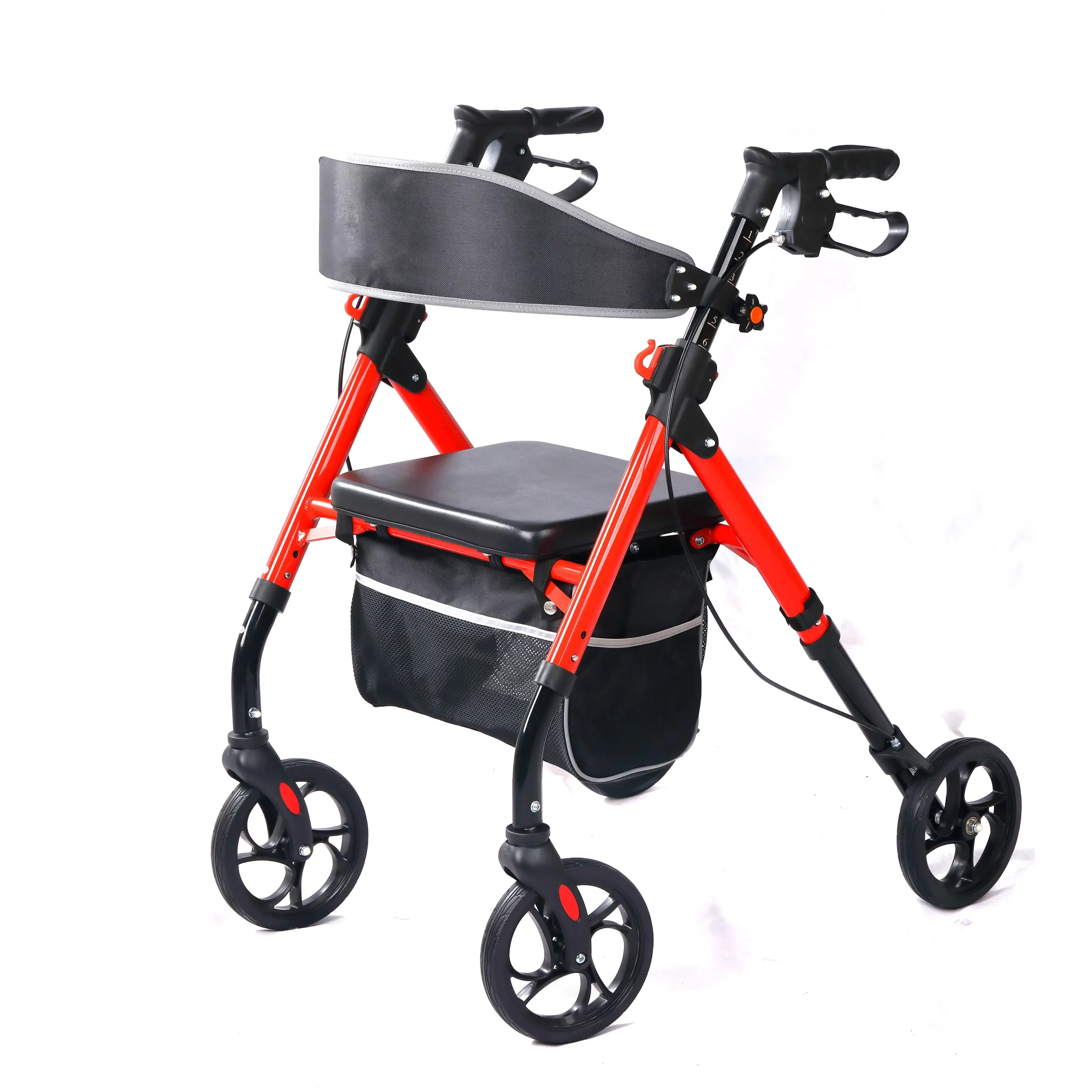
For rollator doorstep access, record the threshold's height, depth, edges and surface condition. A rounded raised strip and a broken step can pose different questions even at similar heights.
Record threshold shape
Describe height and shape together. Take clear empty-route photos and a measured sketch. Avoid calling a threshold minor without relating it to the device and assessed use.
- Height and depth
- Edge shape
- Surface condition
| Check | Record or reference |
|---|---|
| Height and depth | Sketch |
| Edge shape | Photo |
| Surface condition | Site note |
Key Takeaway: A useful route record describes more than one dimension.
How should the door movement be included?
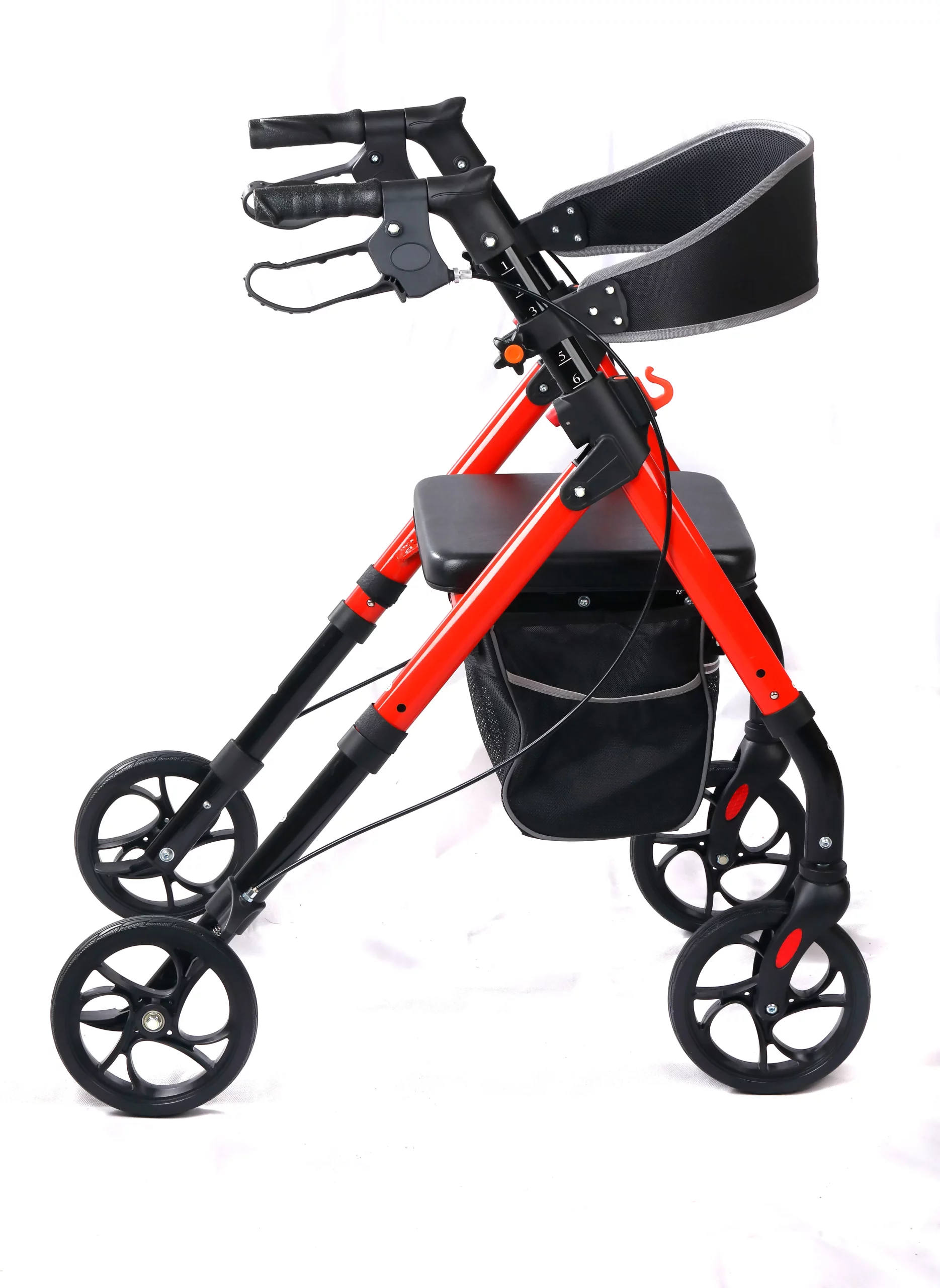
Rollator doorstep access needs the usable gap and space affected by the door leaf or screen. A clear opening with the door removed from the plan can overstate access.
Include the moving door
Review the opening while it is used. Record the normal open position and any closer or handle that changes the task. The assessor should review how the person enters and exits. Include the fitted shopping bag when recording the device outline.
- Door position
- Usable gap
- Control task
| Check | Record or reference |
|---|---|
| Door position | Plan |
| Usable gap | Measurement |
| Control task | Assessment |
Key Takeaway: The route review includes the doorway's movement.
Can wheel diameter settle the choice?
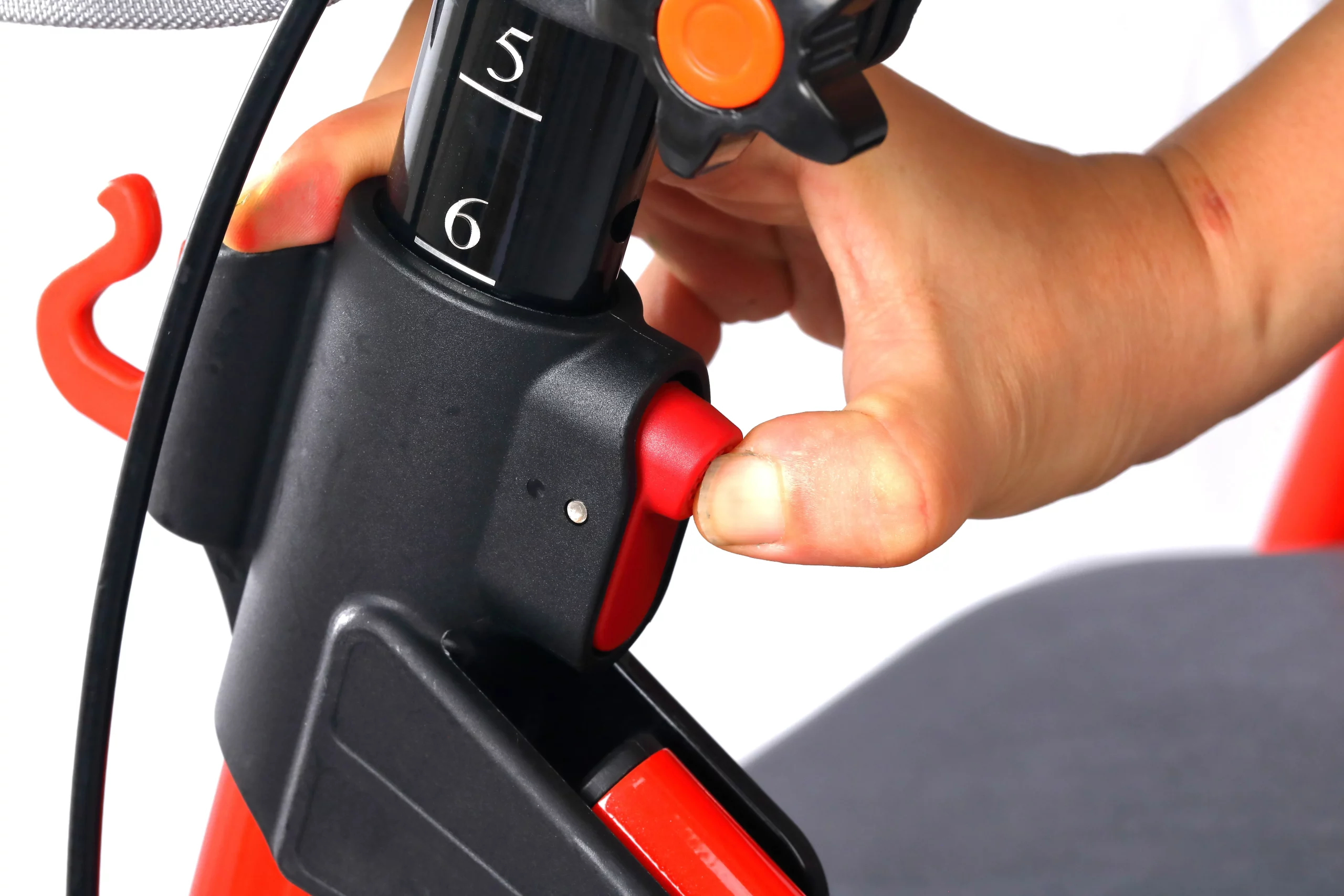
For rollator doorstep access, wheel diameter alone cannot prove the ability to cross a threshold. Frame geometry, surface, instructions and the person's assessed needs also matter.
Interpret wheel size carefully
Use wheel size as one product fact. Ask the maker for relevant operating limits rather than converting a wheel dimension into a step claim. Keep unanswered access questions visible.
- Wheel specification
- Operating limits
- Unresolved fit
| Check | Record or reference |
|---|---|
| Wheel specification | Model file |
| Operating limits | Guide |
| Unresolved fit | Review note |
Key Takeaway: The comparison avoids an unsupported obstacle-height promise.
What about a loose mat at the entrance?
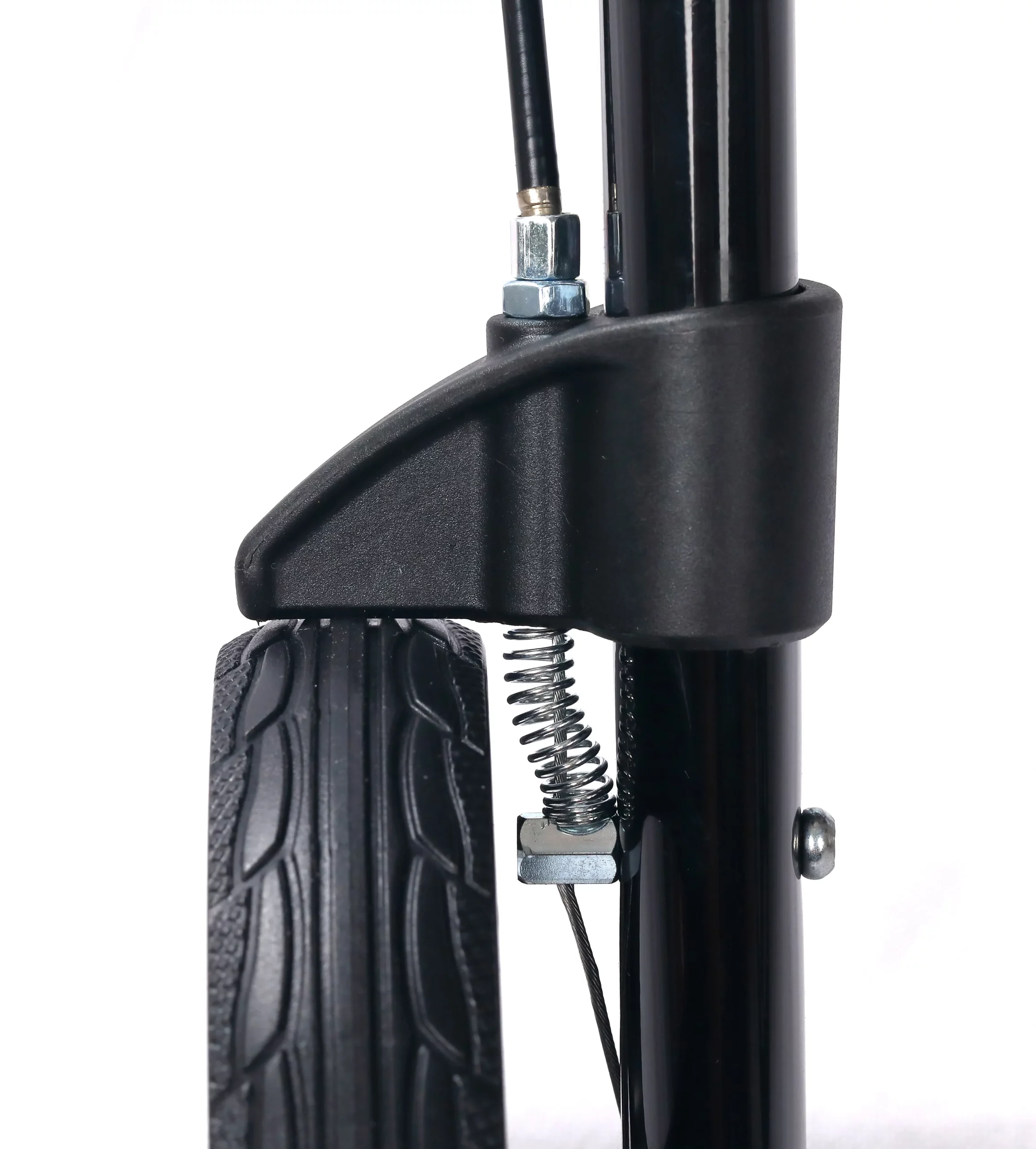
Rollator doorstep access should record mats, worn flooring and other changes near the threshold. An obstacle beside the step can affect the route as much as the step itself.
Review nearby surfaces
Include every surface the aid meets. Ask the responsible site or care reviewer to assess the arrangement. Do not prescribe a replacement mat or ramp from a photograph alone.
- Mat condition
- Floor change
- Site decision
| Check | Record or reference |
|---|---|
| Mat condition | Photo |
| Floor change | Site note |
| Site decision | Assessment |
Key Takeaway: The entrance is reviewed as a connected route.
Who should evaluate a proposed ramp?
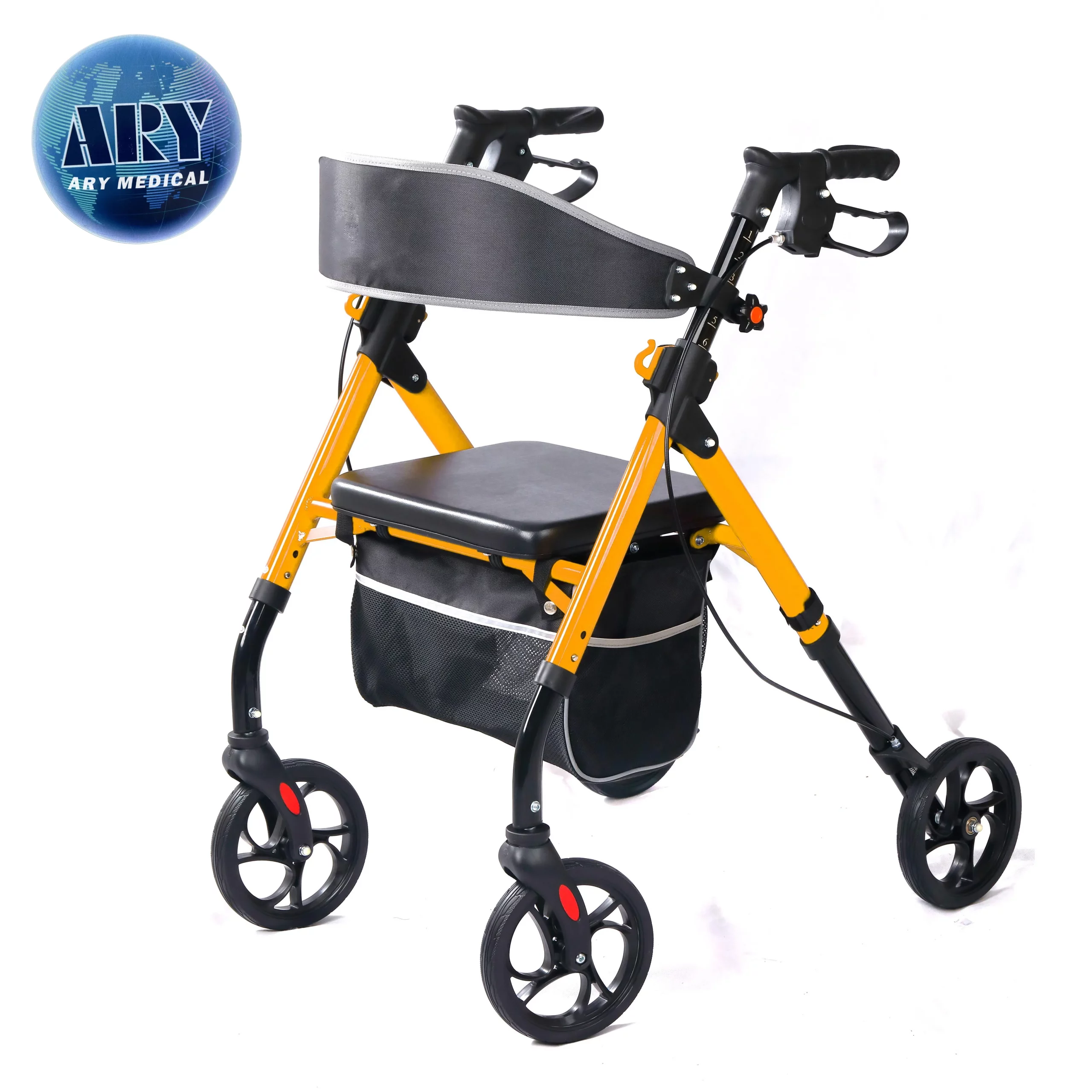
For rollator doorstep access, a ramp or other access change needs suitable design and site review. A board placed over a threshold is not an approved solution simply because the aid can roll across it empty.
Refer access-design questions
Use qualified access advice. Provide the measured route and relevant product details. Keep building, property and personal-use decisions with the suitable responsible parties. Provide the model's brake guidance with the access-review documents.
- Site measurements
- Product limits
- Access design
| Check | Record or reference |
|---|---|
| Site measurements | Brief |
| Product limits | Guide |
| Access design | Qualified review |
Key Takeaway: A product enquiry does not substitute for access design.
How should an empty-device review be used?
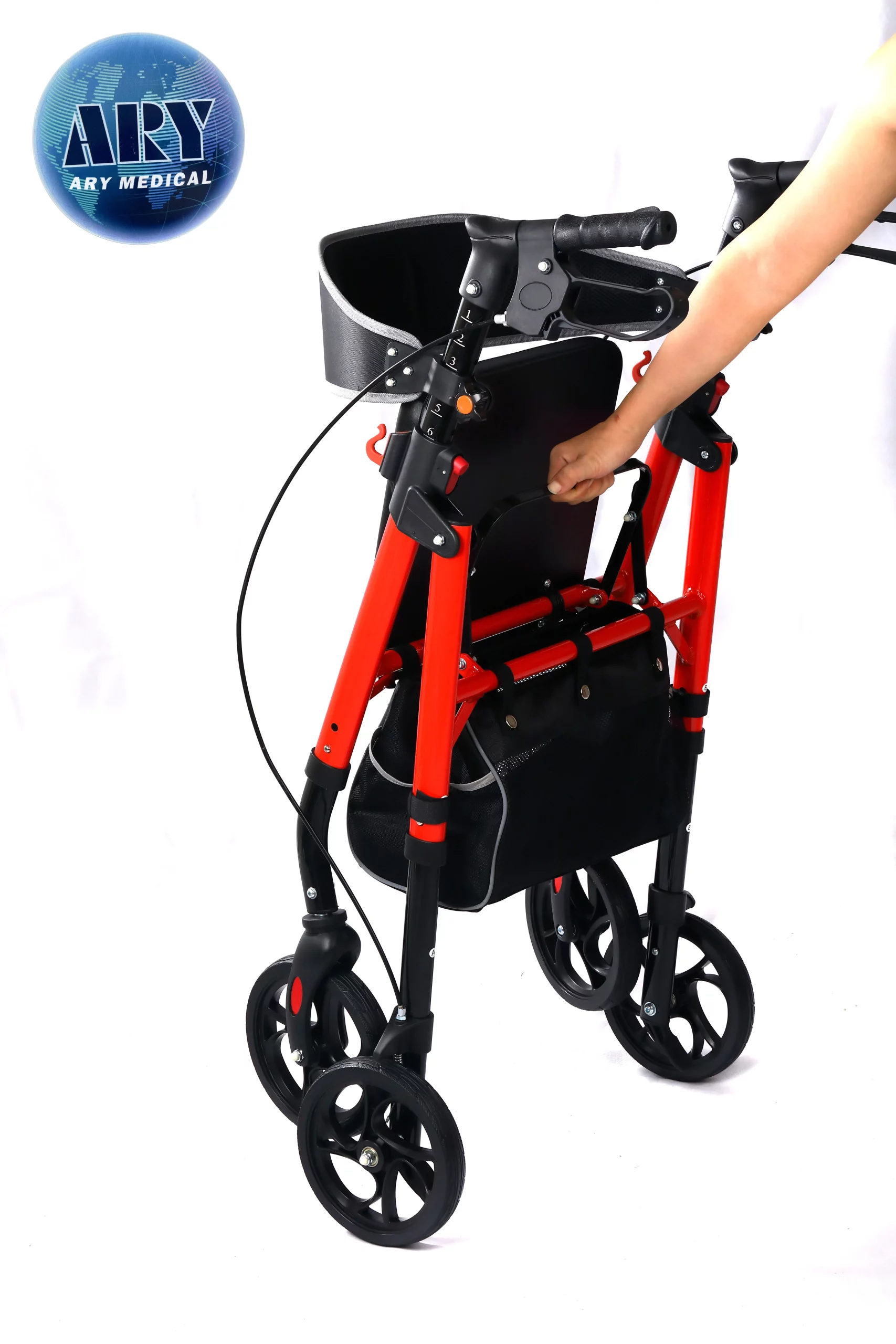
An empty-device review of rollator doorstep access can help identify geometric conflicts under an agreed method. It does not prove that a person can safely negotiate the entrance.
Define an empty-device review
Keep the scope clear. Follow the maker's handling guidance and record the conditions. Personal use should follow a suitable assessment after unresolved concerns are addressed.
- Review method
- Observed conflict
- Personal-use decision
| Check | Record or reference |
|---|---|
| Review method | Plan |
| Observed conflict | Photo |
| Personal-use decision | Assessment |
Key Takeaway: A simple check provides evidence within a defined boundary.
What if the entrance remains unsuitable?
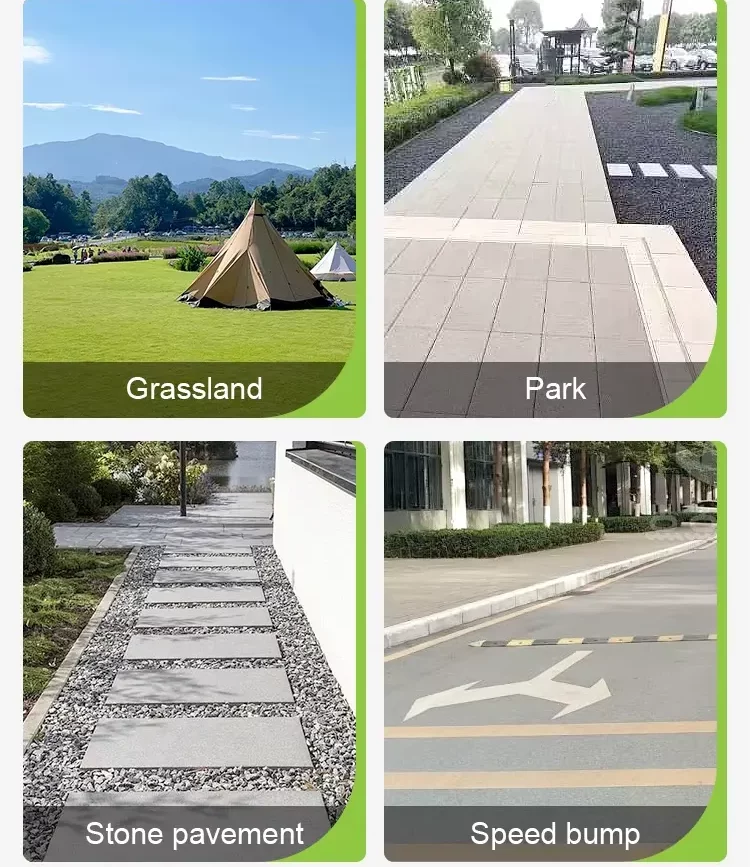
For rollator doorstep access, an unresolved entrance problem should lead to a reviewed alternative. It should not lead to instructions to lift, tilt or force the device through the obstacle.
Consider supported alternatives
Consider another supported route or option. Ask the assessor and site team to compare alternatives. Include storage and the rest of the route in that discussion. Keep the approved handle-height setting clear when comparing alternatives.
- Unresolved obstacle
- Alternative route
- Product option
| Check | Record or reference |
|---|---|
| Unresolved obstacle | Record |
| Alternative route | Site review |
| Product option | Assessment |
Key Takeaway: The decision can address the access problem as a whole.
When should access be checked again?
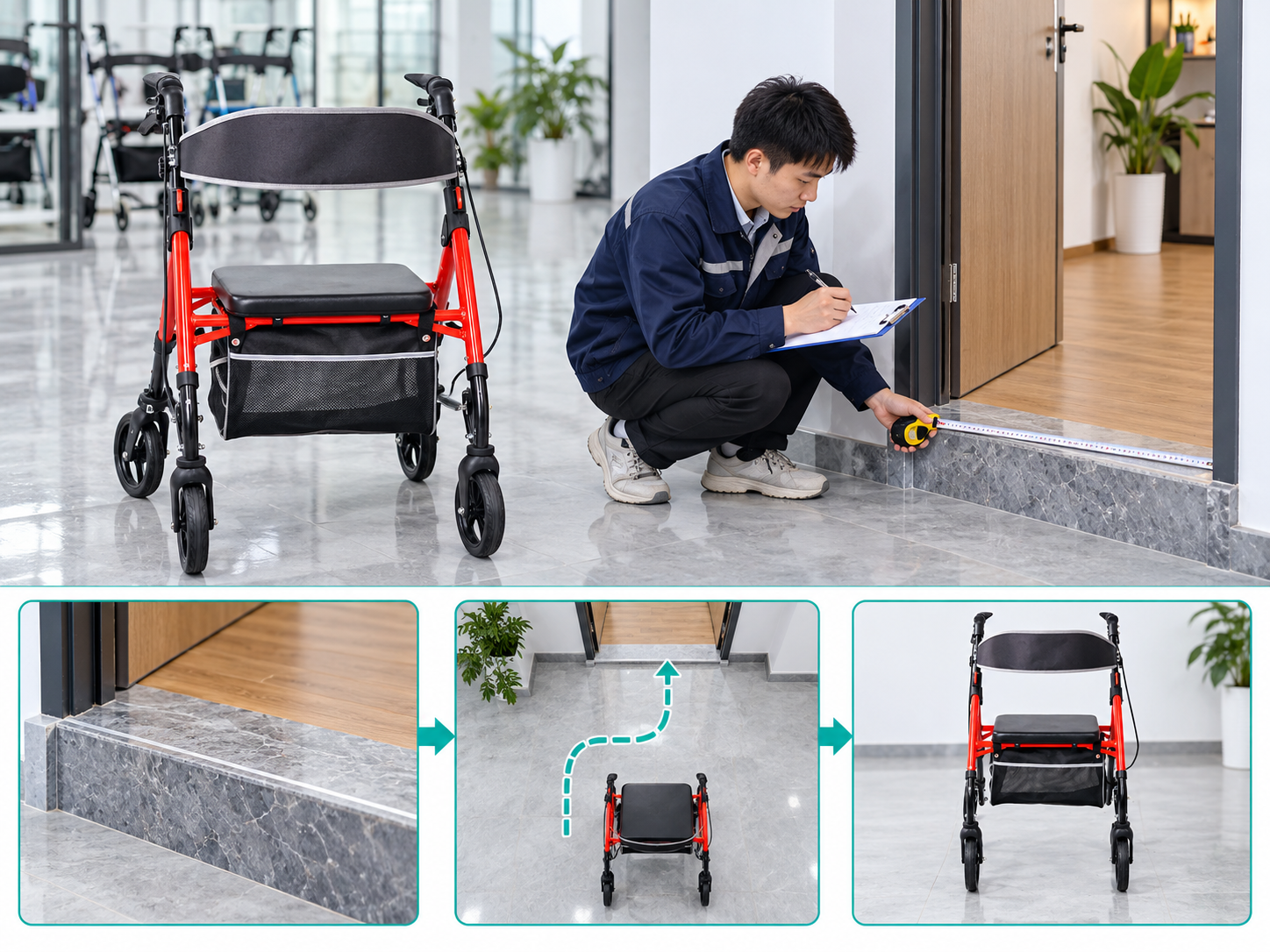
Recheck rollator doorstep access when the doorway, surface, product or person's needs change. Repairs, new mats or a different rollator can affect a previous conclusion.
Recheck changed entrances
Review changes at the entrance. Keep the earlier route record for comparison. Ask the responsible reviewer to assess any new difficulty rather than assuming the old arrangement still applies. The NHS walking-aid and wheelchair guidance provides general selection context.
- Site change
- Product change
- New difficulty
| Check | Record or reference |
|---|---|
| Site change | Updated photos |
| Product change | Model file |
| New difficulty | Referral |
Key Takeaway: Your access record can remain useful over time.
What should an access enquiry contain?
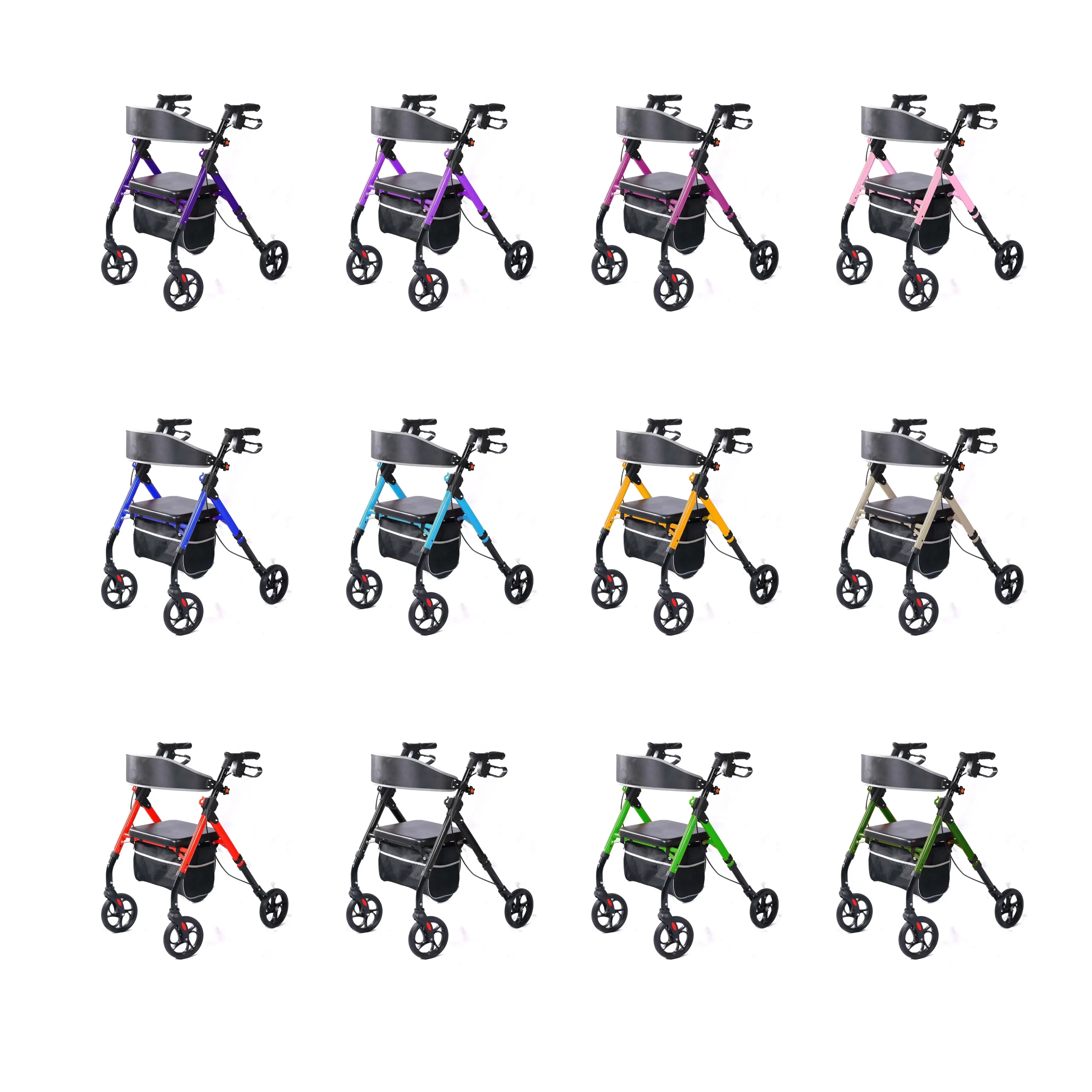
An enquiry about rollator doorstep access should include measured entrance details, the exact model and the intended task. State which product limits still need confirmation.
What should you do next?
Send the route and the product together. Ask the supplier for current dimensions and instructions. Use the response with the suitable access and personal assessment.
- Entrance brief
- Model details
- Open limits
| Check | Record or reference |
|---|---|
| Entrance brief | Measured plan |
| Model details | Enquiry |
| Open limits | Supplier question |
Key Takeaway: The supplier can provide facts relevant to the real entrance. To discuss the model and documents for your order, contact us with your requirements. At AryMD, useful product facts should support every care-equipment purchase.
Frequently asked questions
Q1: Can larger wheels guarantee doorstep access?
No. Review the exact model guidance, threshold shape, surface and person's assessed needs.
Q2: What’s the best threshold height for a rollator?
There is no universal figure for every model and user. Ask for relevant maker limits and an suitable route assessment.
Q3: How do I know if a ramp is suitable?
Use qualified access advice based on the measured site and intended use. A product photo cannot establish a ramp design.
Q4: Can an empty rollator crossing a step prove safe use?
No. It can inform a limited geometry review, while personal use needs the suitable assessment.
Q5: Should a new entrance mat trigger another check?
Review its effect on the route. New surfaces can change an earlier access arrangement.