
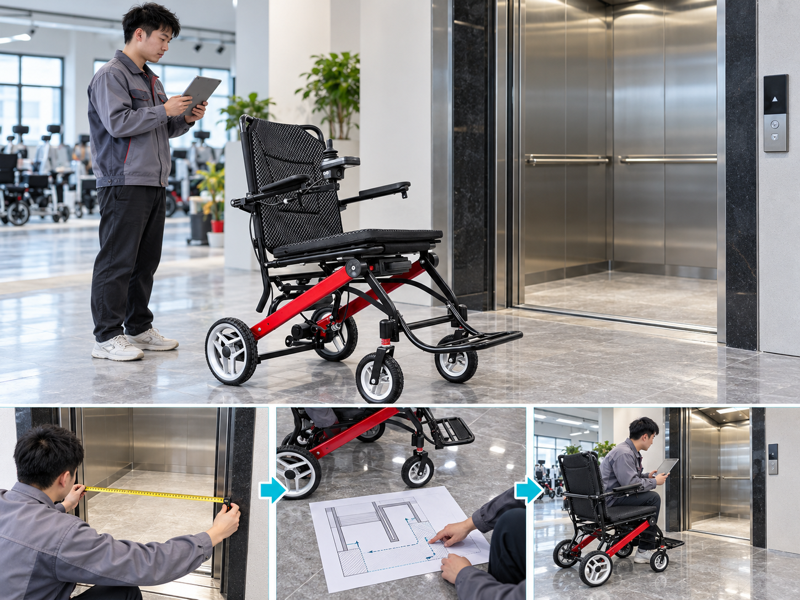
Plan electric wheelchair lift fit by checking the chair in its agreed setup against the complete entrance, cabin and exit route. Your customer may have a wide doorway but little room to turn on the landing. Finding that mismatch after delivery leaves your team handling a problem that measurements could have exposed. Use a written site brief and qualified review before promising access.
How should you check electric wheelchair lift fit?
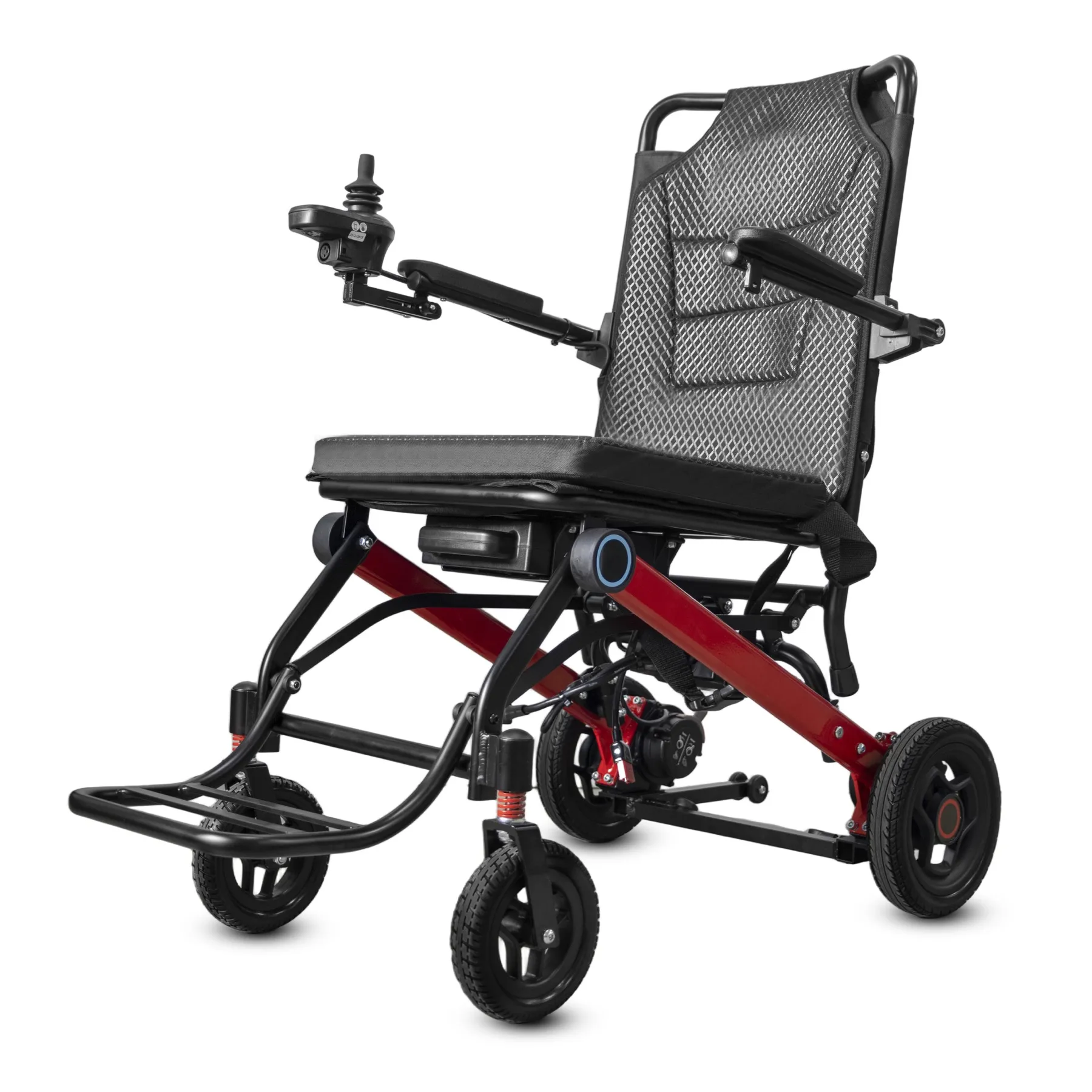
Check electric wheelchair lift fit against the complete chair setup, entrance approach and usable cabin space. A brochure width alone cannot settle the decision.
Can you define the route?
Start with the actual route. Ask your customer for photos and a simple measured sketch. Include any fitted bag, foot support and control mount in the chair outline.
- Name the chair in its agreed setup
- Measure the clear opening
- Record the required approach
| Check | What to keep |
|---|---|
| Name the chair in its agreed setup | Model and accessory list |
| Measure the clear opening | Site sketch with measuring points |
| Record the required approach | Photos of the landing |
Key Takeaway: You can reject a poor match before arranging a site visit or delivery.
Which chair measurements belong in your survey?
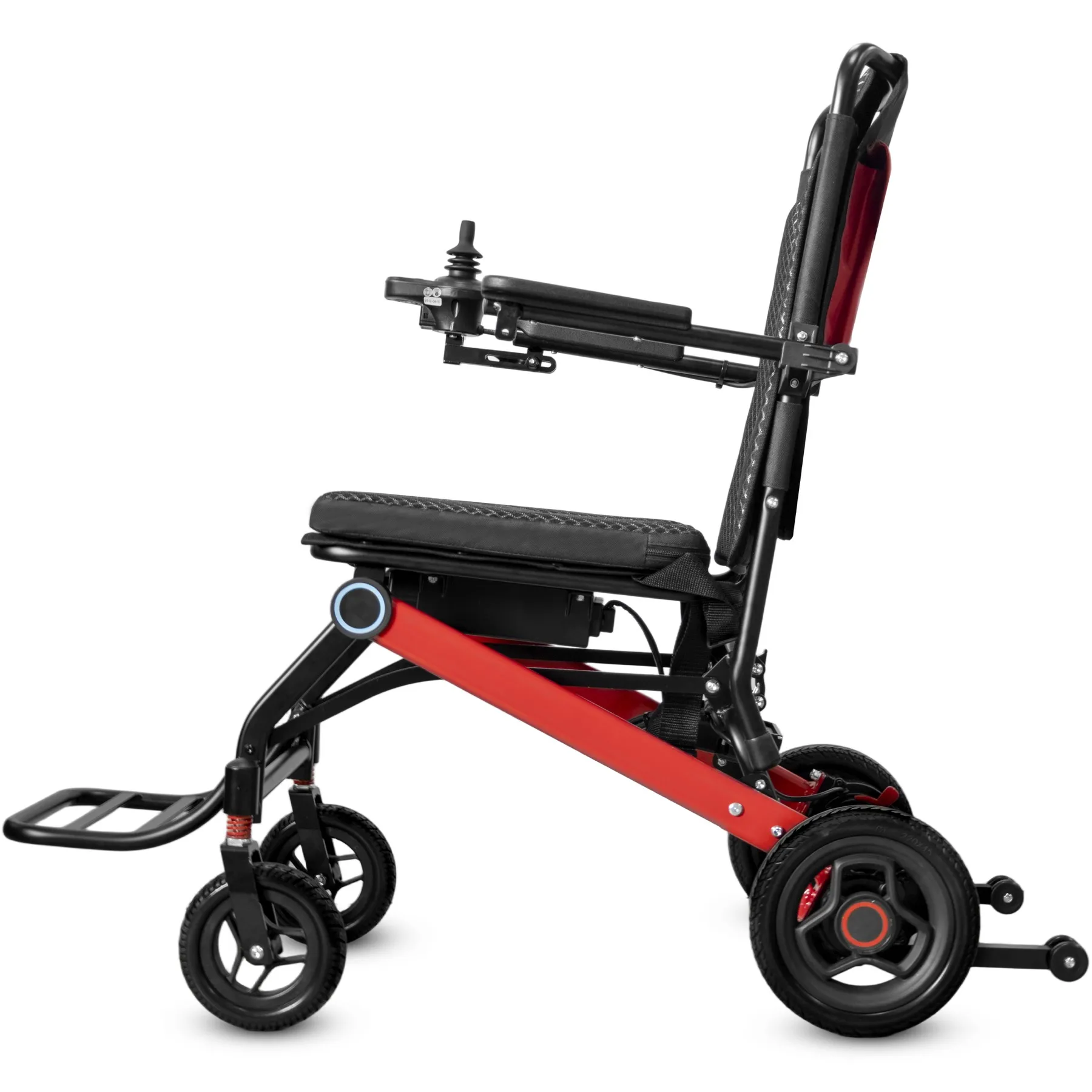
Use the occupied-use setup for electric wheelchair lift fit planning rather than folded transport dimensions. Include projections that remain fitted during normal travel.
Keep a single measurement setup
Keep the setup consistent. Record length, width and relevant height with their measuring points. Changing foot support or seating position creates a different setup that needs review. Include the configured chair dimensions in your site survey.
- Record overall usable length
- Include control projections
- Separate folded measurements
| Check | What to keep |
|---|---|
| Record overall usable length | Set up-chair drawing |
| Include control projections | Photo of the widest point |
| Separate folded measurements | Transport dimensions in a separate field |
Key Takeaway: A defined setup prevents staff from comparing measurements taken in different setups.
How does landing space affect electric wheelchair lift fit?
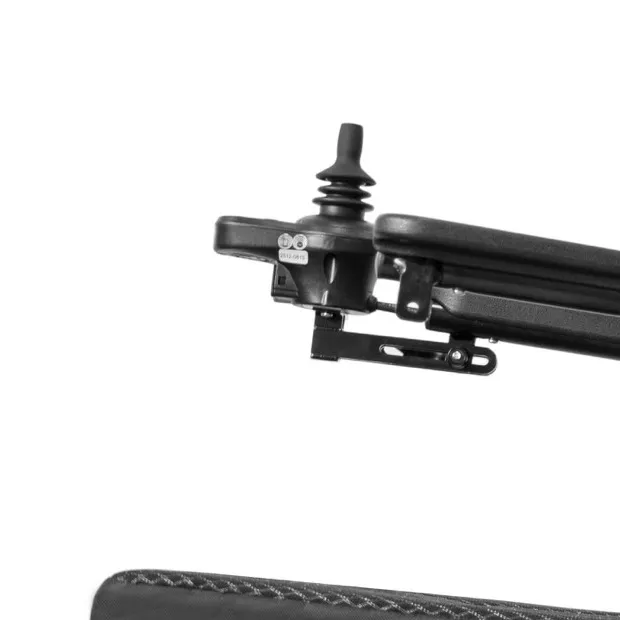
The landing affects electric wheelchair lift fit because a chair may need space to approach, turn and leave. A wide opening does not prove that maneuvering room exists.
Mark the landing constraints
Look beyond the doorway. Show walls, door swings and furniture on your sketch. Note whether the user would need a different route when nearby doors open.
- Mark fixed obstacles
- Record door movement
- Describe the exit route
| Check | What to keep |
|---|---|
| Mark fixed obstacles | Landing layout |
| Record door movement | Open-door photos |
| Describe the exit route | Sketch of the destination floor |
Key Takeaway: You can name an approach problem before focusing on cabin dimensions alone.
What cabin details should buyers record?
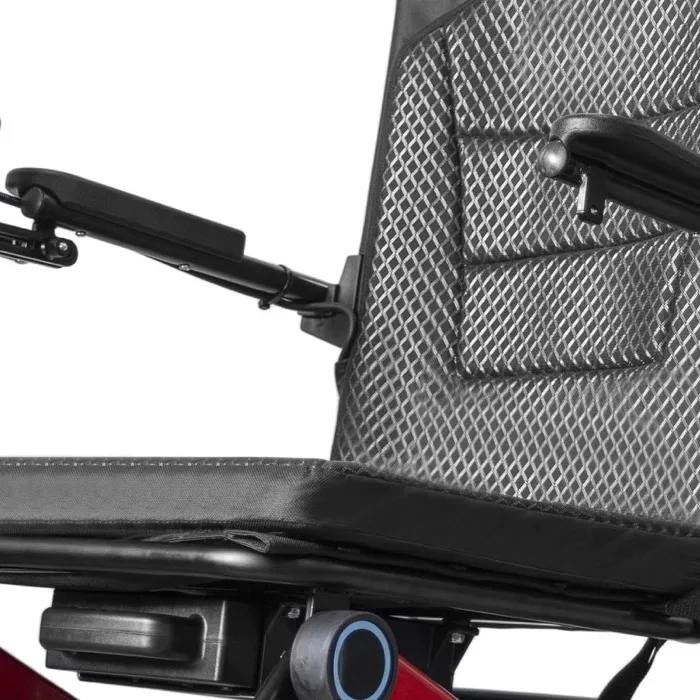
For electric wheelchair lift fit, record usable cabin dimensions and any projections that reduce space. Handrails, control panels and door setups can affect the proposed position.
Record usable cabin space
Measure inside the usable boundary. Ask the building operator to confirm how measurements were taken. Record whether entry and exit use the same doorway or different openings.
- Record cabin clear width
- Locate wall projections
- Confirm entry and exit
| Check | What to keep |
|---|---|
| Record cabin clear width | Measured internal plan |
| Locate wall projections | Annotated interior photos |
| Confirm entry and exit | Door setup sketch |
Key Takeaway: Your review describes space available to the chair in its agreed setup rather than nominal building dimensions.
Can a turning figure settle electric wheelchair lift fit?
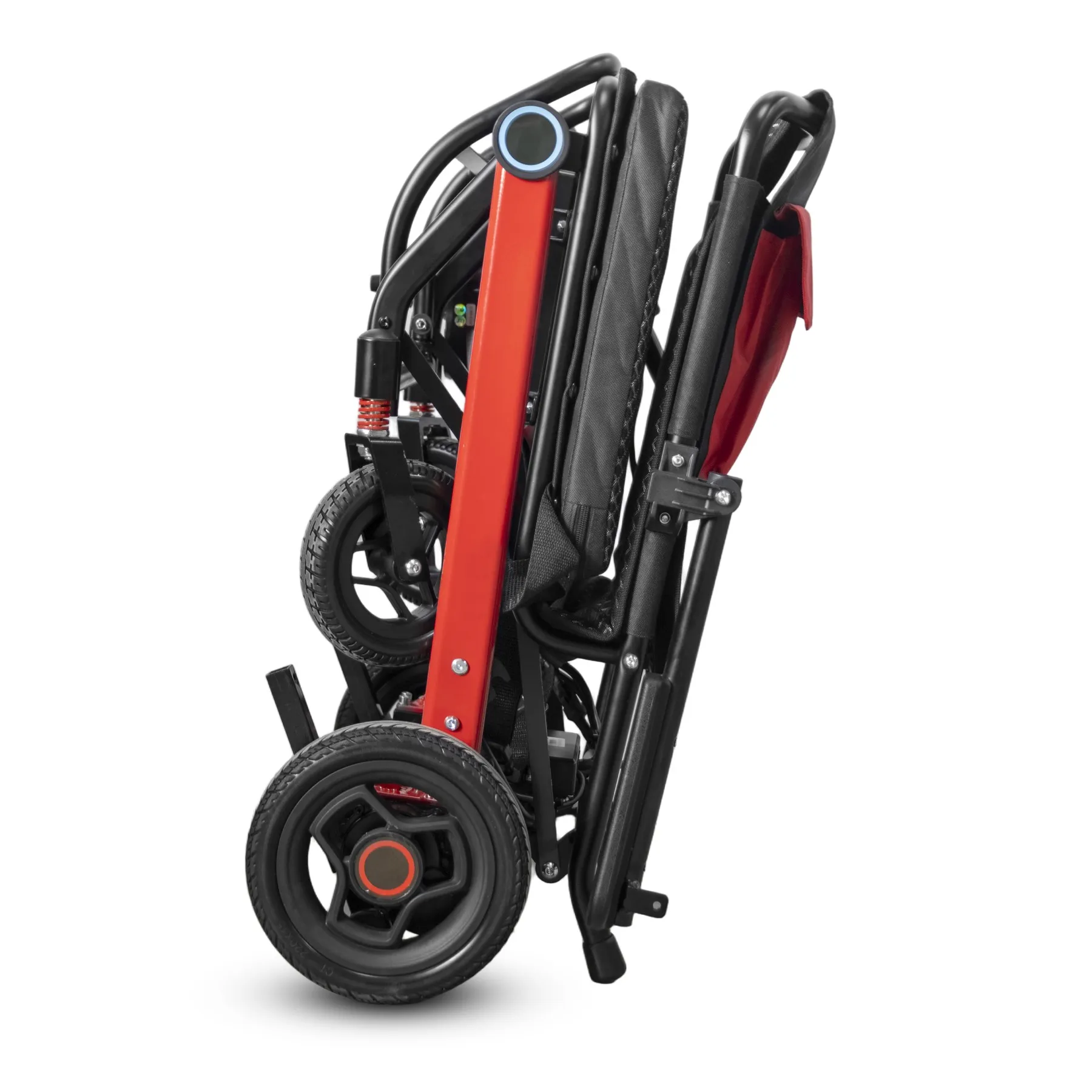
No, electric wheelchair lift fit needs a review of the actual approach and exit maneuver. A published turning figure may use conditions unlike your customer's landing.
Compare the actual maneuver
Check the real maneuver. Keep its measurement method with the supplier's figure. Ask a qualified mobility professional to review the user's route when practical suitability remains uncertain. Keep the turning-space review beside your lift notes.
- Keep the turning method
- Map approach and exit
- Record unresolved constraints
| Check | What to keep |
|---|---|
| Keep the turning method | Supplier explanation |
| Map approach and exit | Route drawing |
| Record unresolved constraints | List for qualified review |
Key Takeaway: You avoid treating a single catalog number as proof that a real route works.
Which load limits affect electric wheelchair lift fit?
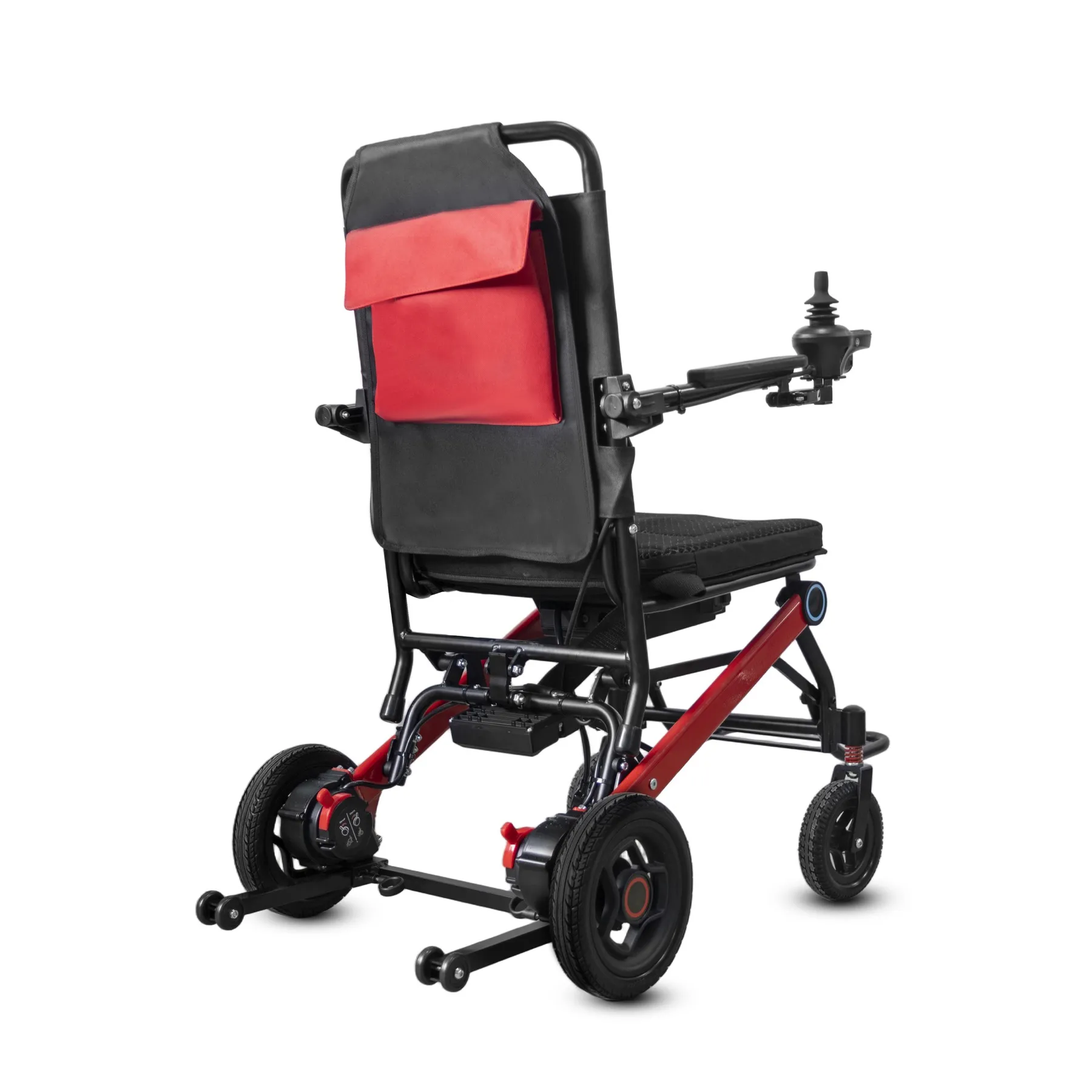
Review electric wheelchair lift fit with separate chair and lift load limits. Neither rating replaces the other or proves that a given setup suits a user.
Separate chair and lift limits
Keep both limits visible. Ask the lift operator about its permitted loading conditions. Include the person, chair in its agreed setup and accompanying items when preparing questions for the responsible reviewer.
- Name the lift rating
- Confirm chair capacity
- Describe expected loading
| Check | What to keep |
|---|---|
| Name the lift rating | Operator documents |
| Confirm chair capacity | Current model instructions |
| Describe expected loading | Proposed occupancy and equipment list |
Key Takeaway: Separate limits help the reviewer check both systems for the proposed site.
What photos make the review easier?
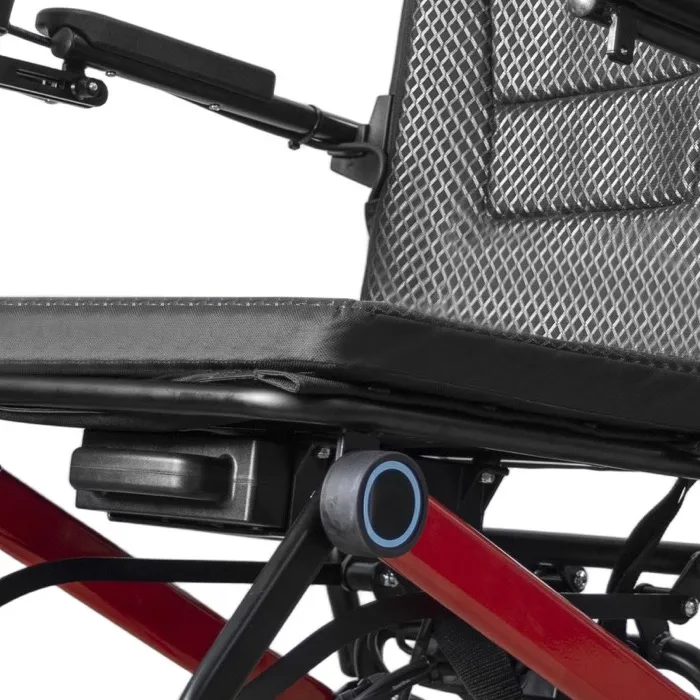
Useful electric wheelchair lift fit photos show the approach, clear doorway, cabin and exit without hiding obstacles. Close-up measurements need wider views that reveal their location.
Request a purposeful photo set
Give each picture a purpose. Request images with permission and keep personal details out. A straight-on doorway photo complements a view from the landing corner.
- Capture the whole approach
- Show measuring locations
- Protect personal details
| Check | What to keep |
|---|---|
| Capture the whole approach | Wide landing image |
| Show measuring locations | Detail and context pair |
| Protect personal details | Redacted review folder |
Key Takeaway: A small, purposeful photo set reduces repeated requests for missing spatial details.
When does electric wheelchair lift fit need a site check?
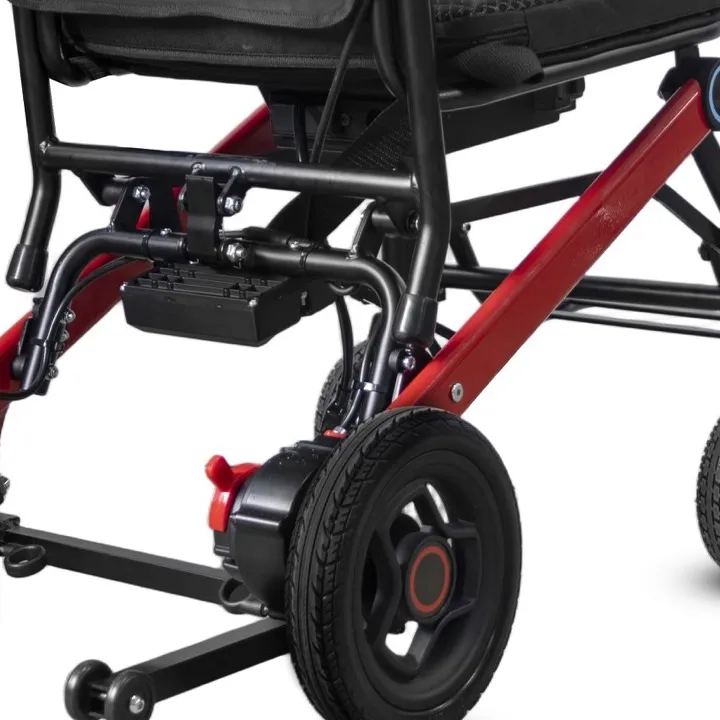
Arrange a site check when electric wheelchair lift fit remains uncertain after reviewing measurements and instructions. A qualified person should plan any practical assessment with the user.
Arrange a focused site review
Resolve uncertainty before delivery. Do not ask customers to improvise tight maneuvers for a sales video. Record who will review the route and which questions remain open. Read the chair load-limit discussion separately from lift capacity.
- List unresolved questions
- Name the responsible person
- Define the assessment scope
| Check | What to keep |
|---|---|
| List unresolved questions | Assessment brief |
| Name the responsible person | Review contact |
| Define the assessment scope | Agreed site-check plan |
Key Takeaway: You can arrange a focused visit without presenting a risky trial as a routine buying step.
How can buyers document an access decision?
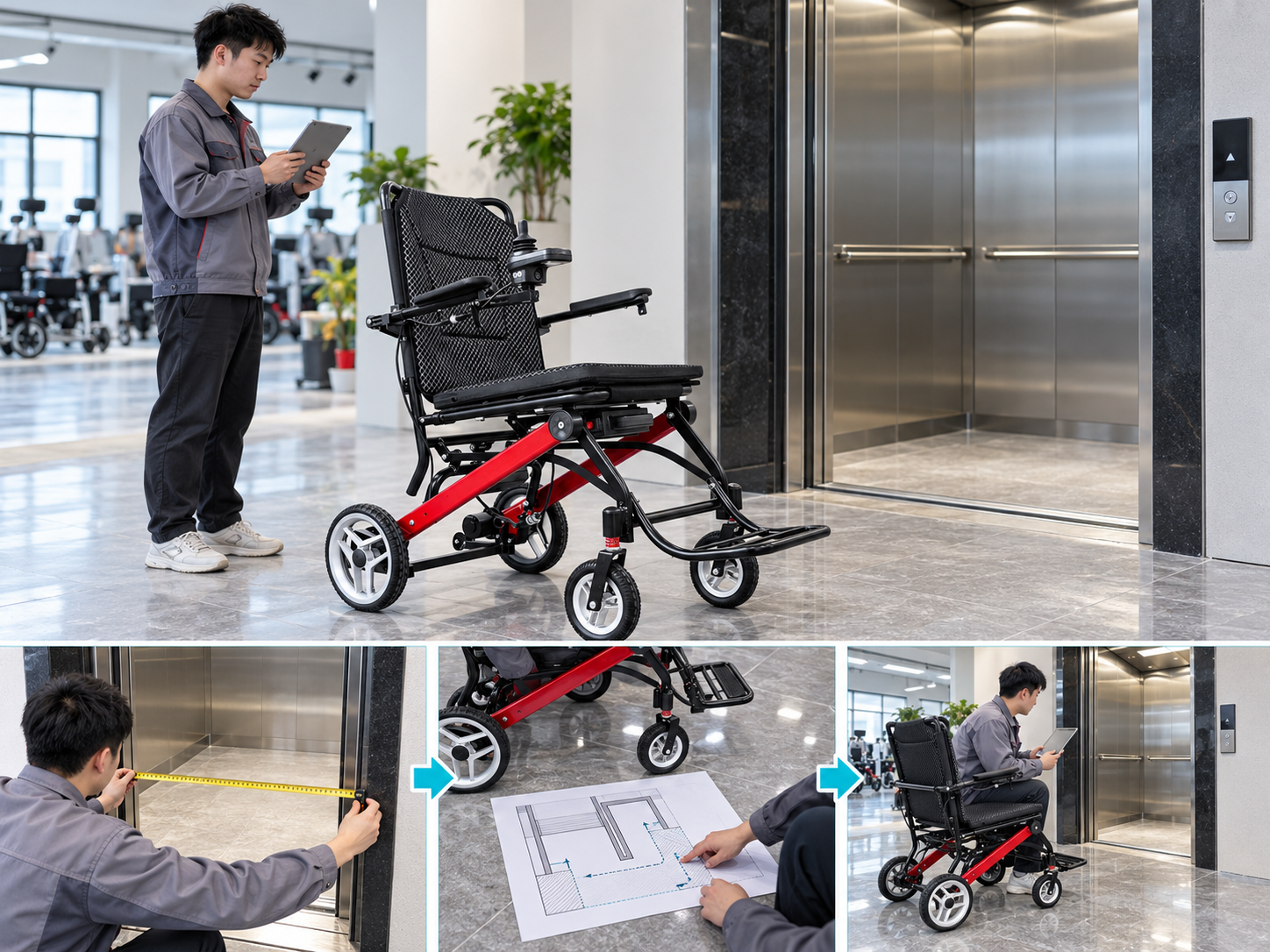
Document electric wheelchair lift fit with the chair version, site details, reviewer and any conditions attached to acceptance. A bare yes in an email leaves too much unexplained.
Keep the accepted conditions
Put the evidence in one file. Keep the route sketch beside the final setup. Record any furniture or accessory change that would require another review. WHO wheelchair guidance supports individual assessment and trained service provision.
- Keep the accepted setup
- Name the reviewer
- Record review triggers
| Check | What to keep |
|---|---|
| Keep the accepted setup | Versioned setup |
| Name the reviewer | Dated assessment record |
| Record review triggers | List of relevant changes |
Key Takeaway: A dated decision gives future staff a clear basis for checking whether conditions still match.
What should your electric wheelchair lift fit brief include?
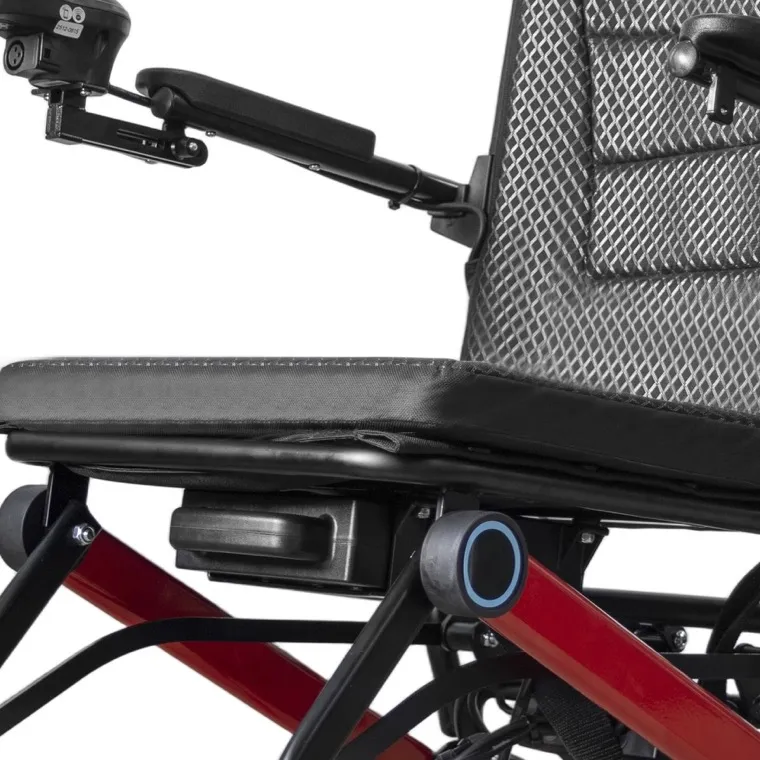
Send your electric wheelchair lift fit inquiry with the proposed model, route sketch and unresolved constraints. Ask for missing product dimensions rather than a blanket promise of access.
Prepare your access inquiry
Turn the survey into a brief. State whether your concern involves the landing, doorway or cabin. Keep delivery timing separate until the responsible reviewer has enough details.
- Name the intended model
- Attach the route evidence
- Ask exact questions
| Check | What to keep |
|---|---|
| Name the intended model | Product reference |
| Attach the route evidence | Measured sketch and photos |
| Ask exact questions | List of missing product facts |
Key Takeaway: You have a practical way to compare dimensions, name access limits and prepare a focused supplier discussion. Contact us with your model and order brief so we can discuss the required product information. AryMD supports wheelchair buying decisions built on clear, model-specific facts.
Frequently asked questions
Q1: Can I judge lift fit from chair width alone?
No. Width does not describe approach space, cabin projections or the exit maneuver.
Q2: What's the best way to request lift measurements?
Use a marked sketch. Ask the building operator to confirm measuring points and usable clear space.
Q3: How do I know if folded dimensions apply?
Check the intended task. Folded transport dimensions do not describe a chair used in its normal travel setup.
Q4: Can I promise access after seeing a photo?
No. Photos support a review but cannot replace missing measurements or a suitable site-specific assessment.
Q5: Can I use one decision for several buildings?
Only when each route has been reviewed. Different landings and cabins can change the result.