
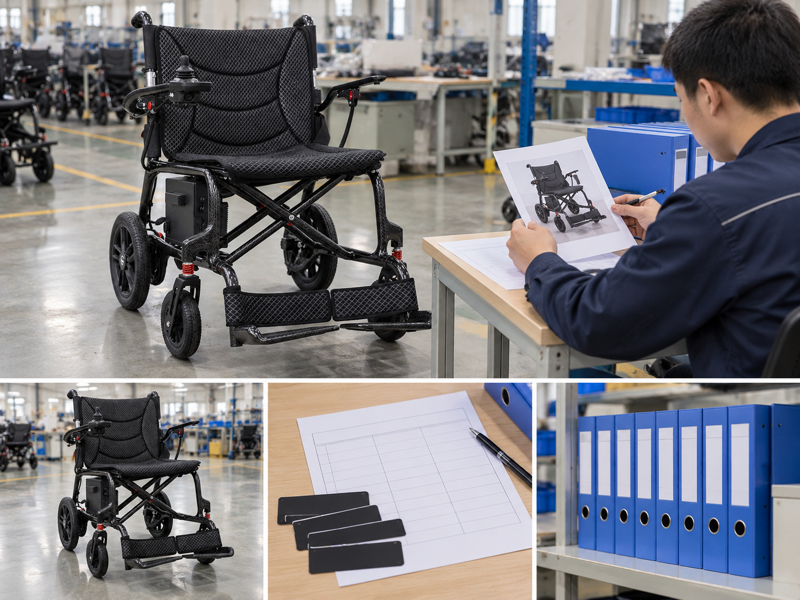
Manage an electric wheelchair serial ID by connecting the single chair with its order, supplied parts and service history. A returned unit can look identical to current stock while carrying a different battery or controller version. If staff cannot name it, even a simple parts request becomes uncertain. A checked unit record provides a practical starting point for traceability.
How should you manage an electric wheelchair serial ID?
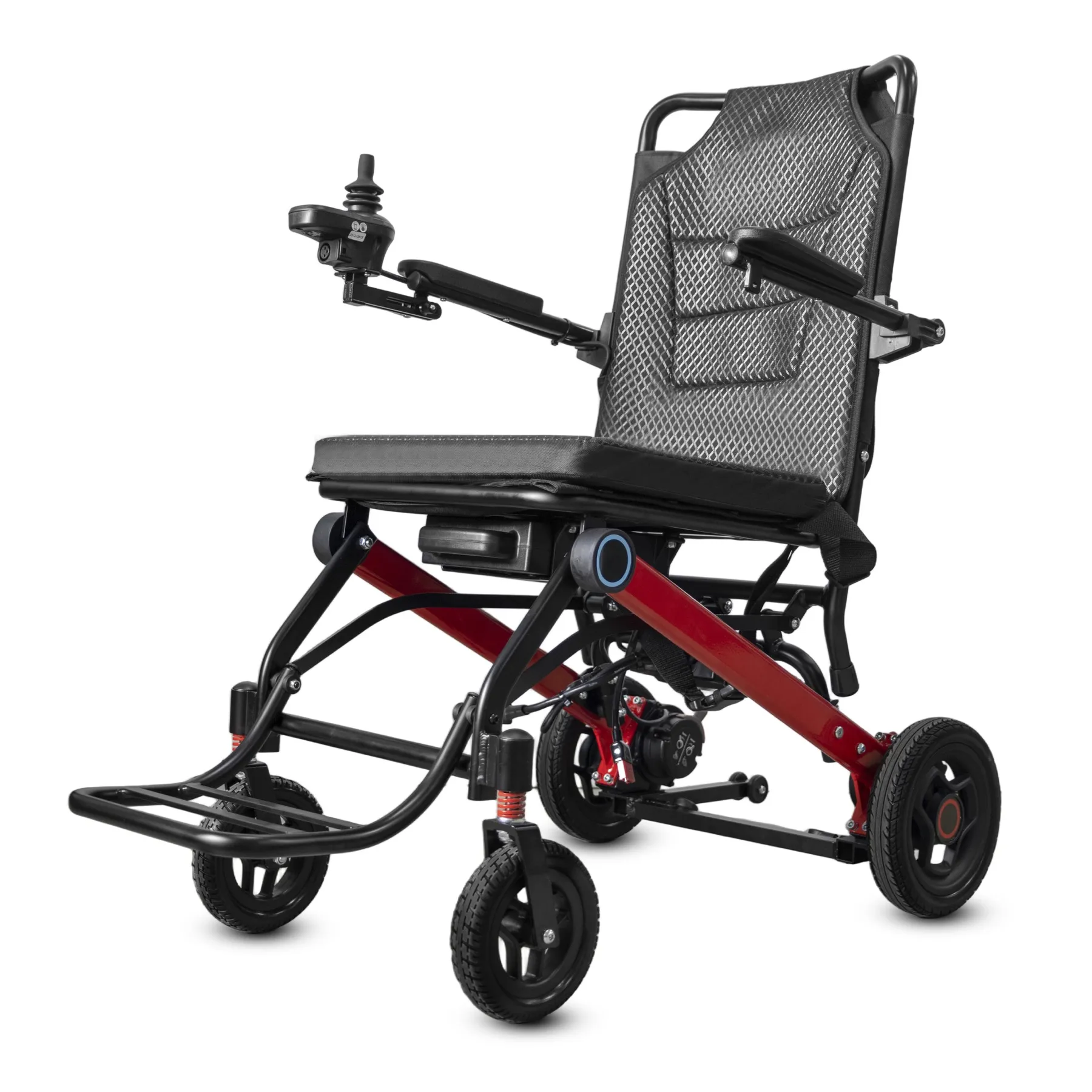
Manage an electric wheelchair serial ID as the link between one chair and its order, setup and service history. A model name names a product type but may not name one unit.
Name the single chair
Start with the single chair. Use the manufacturer's ID exactly as supplied. If it is unreadable or missing, ask for a written resolution rather than inventing a replacement number.
- Capture the unit ID
- Keep the model separate
- Resolve unclear labels
| Check | What to keep |
|---|---|
| Capture the unit ID | Readable label record |
| Keep the model separate | Model field |
| Resolve unclear labels | Supplier confirmation |
Key Takeaway: You can trace an single chair without confusing its serial number with a general product name.
What records should share the ID?
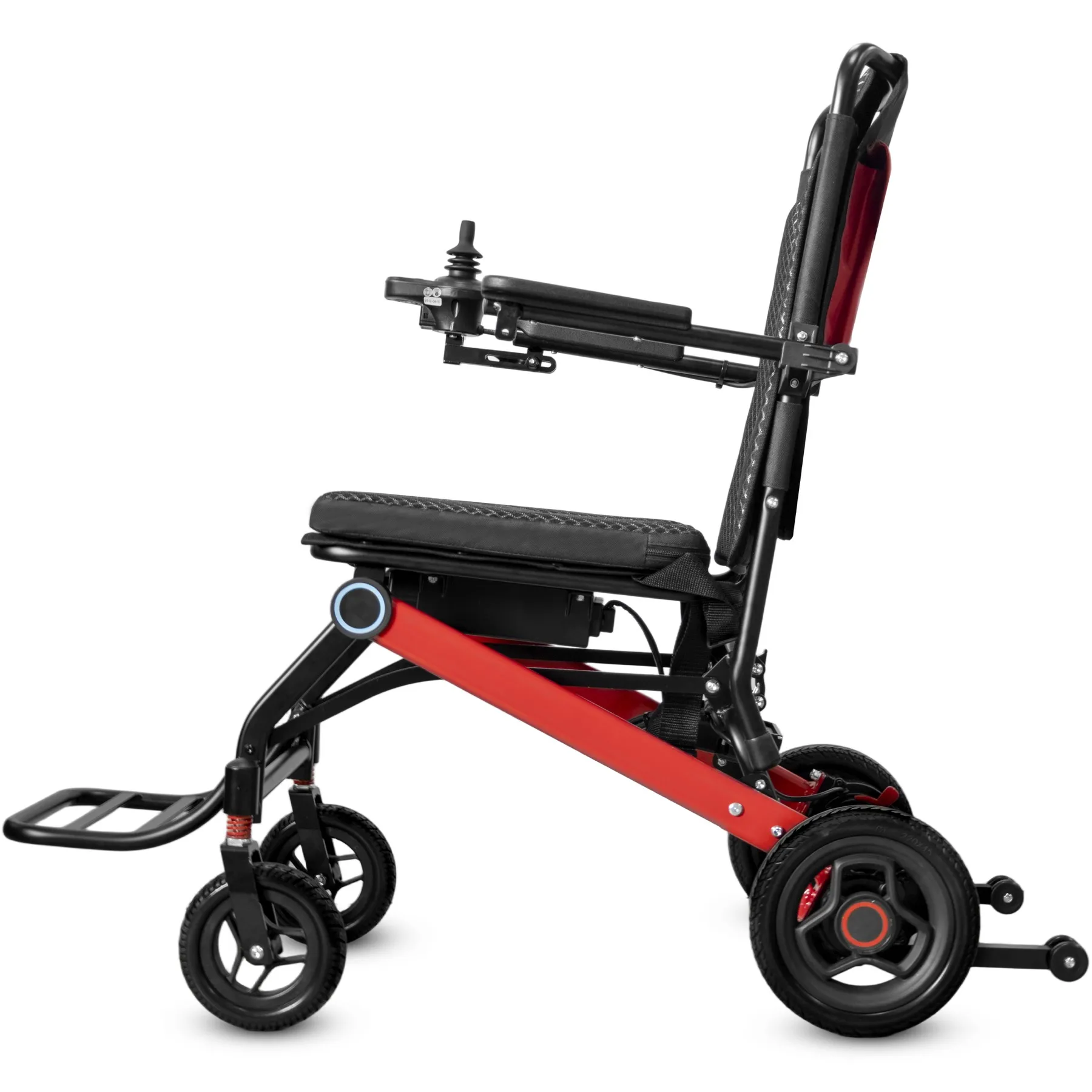
Use an electric wheelchair serial ID across receipt, delivery and service records so staff can follow the same unit. Keep part IDs in separate fields when they differ.
Link separate record types
Link records without merging their meaning. A battery or controller may have its own reference. Record the relationship because using one number for every part can hide which item changed. Connect the serial record with an approved parts list.
- Link chair and order
- Record part identity
- Keep the relationship visible
| Check | What to keep |
|---|---|
| Link chair and order | Order reference |
| Record part identity | Separate part fields |
| Keep the relationship visible | Setup history |
Key Takeaway: Your records can show both the chair involved and the exact part supplied with it.
How should staff capture an electric wheelchair serial ID?
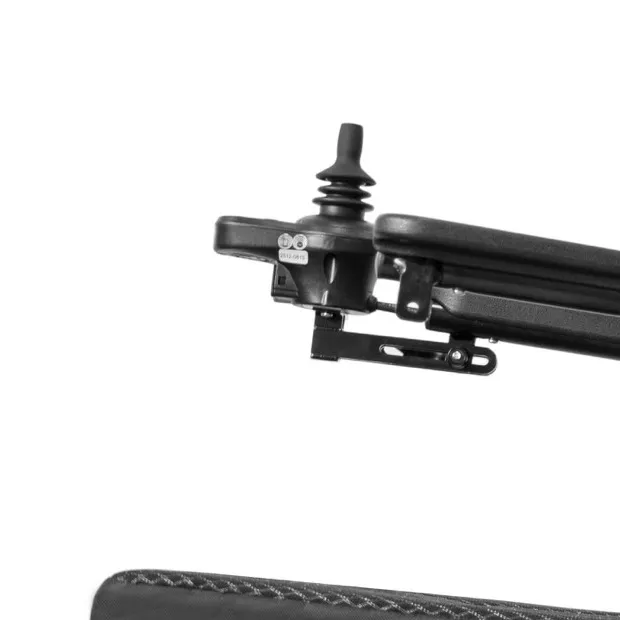
Capture an electric wheelchair serial ID with a clear photo and a checked text entry. If the label includes similar letters or digits, compare the entry before accepting it.
Capture a readable label
Make the original readable. Use consistent fields across receipt checks. Avoid public photos that reveal customer details alongside the product label.
- Keep a clear label image
- Verify the text entry
- Limit personal details
| Check | What to keep |
|---|---|
| Keep a clear label image | Original evidence |
| Verify the text entry | Checked ID field |
| Limit personal details | Restricted record access |
Key Takeaway: A checked entry prevents a simple typing mistake from breaking later traceability.
Can one purchase order contain many IDs?
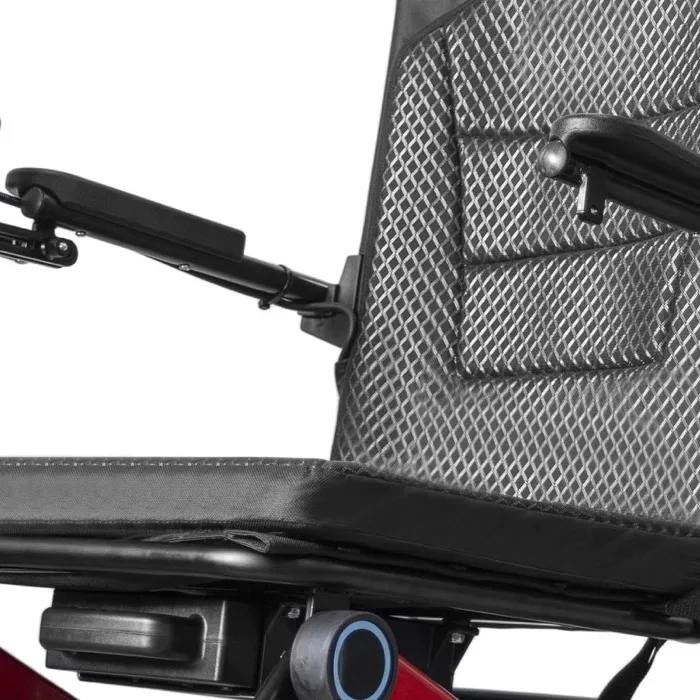
Yes, an electric wheelchair serial ID record should distinguish each chair within a multi-unit order. A carton count alone does not show which unit reached a given destination.
Map units within an order
Keep one row for each chair. Map units to cartons and delivery records where needed. If cartons are repacked, update the mapping rather than relying on the original packing position.
- Create a unit-level record
- Map cartons to units
- Update repacked units
| Check | What to keep |
|---|---|
| Create a unit-level record | Chair register |
| Map cartons to units | Packing list relationship |
| Update repacked units | Revised dispatch record |
Key Takeaway: You can trace individual deliveries within a larger purchase without guessing from carton order.
How does an electric wheelchair serial ID link with repairs?
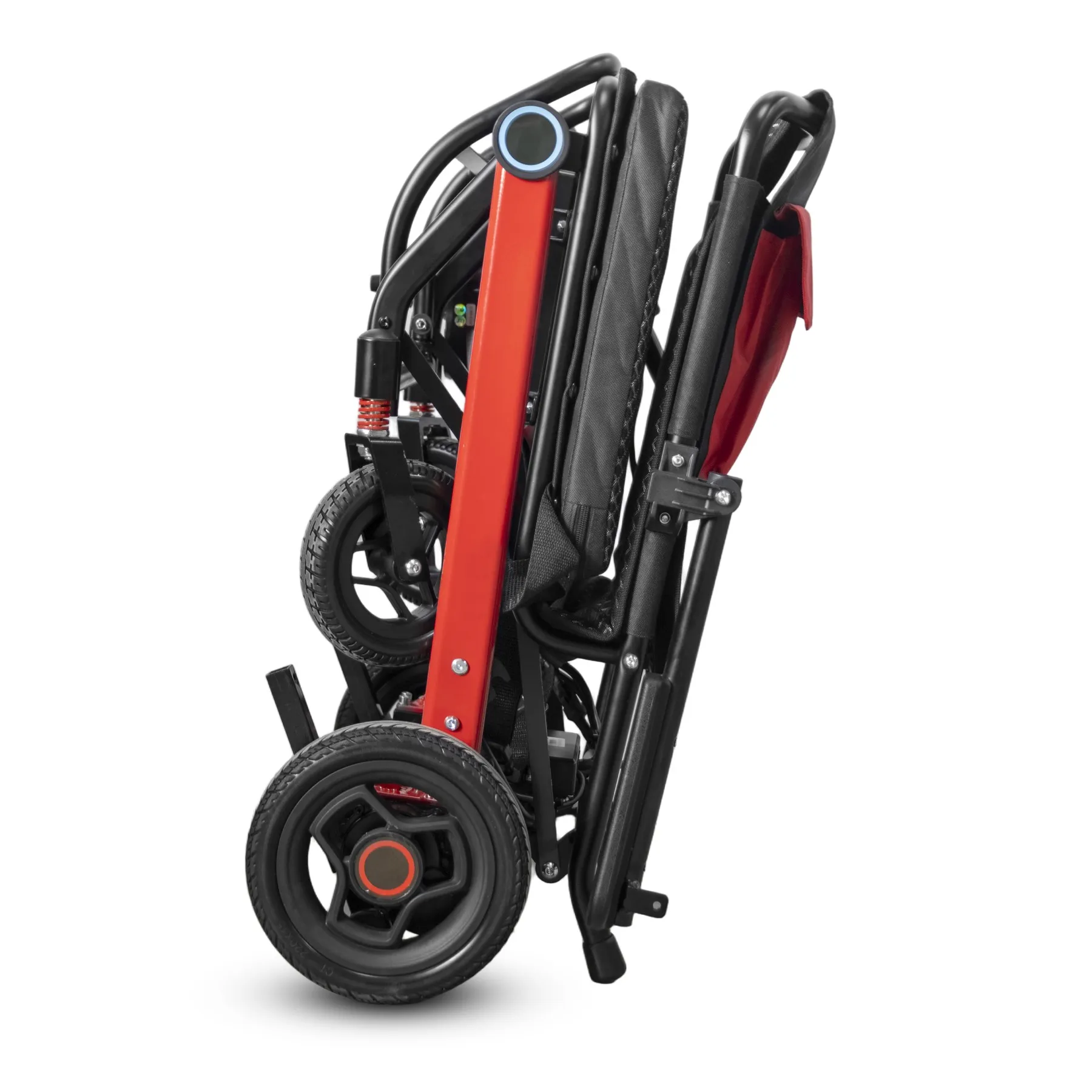
Keep the electric wheelchair serial ID linked to the replacement record while preserving the earlier part reference. Overwriting the old value can erase details needed for a later service review.
Keep part-change history
Preserve the history of the change. Record the approved replacement and who performed the work. If compatibility remains uncertain, resolve it before treating the chair as ready for release. Retain serial identity in the service log.
- Keep the removed part reference
- Record the new part
- Confirm release status
| Check | What to keep |
|---|---|
| Keep the removed part reference | Service history |
| Record the new part | Approved replacement record |
| Confirm release status | Qualified service decision |
Key Takeaway: You can reconstruct what changed without pretending the chair always had its current parts.
How can an electric wheelchair serial ID help a service case?
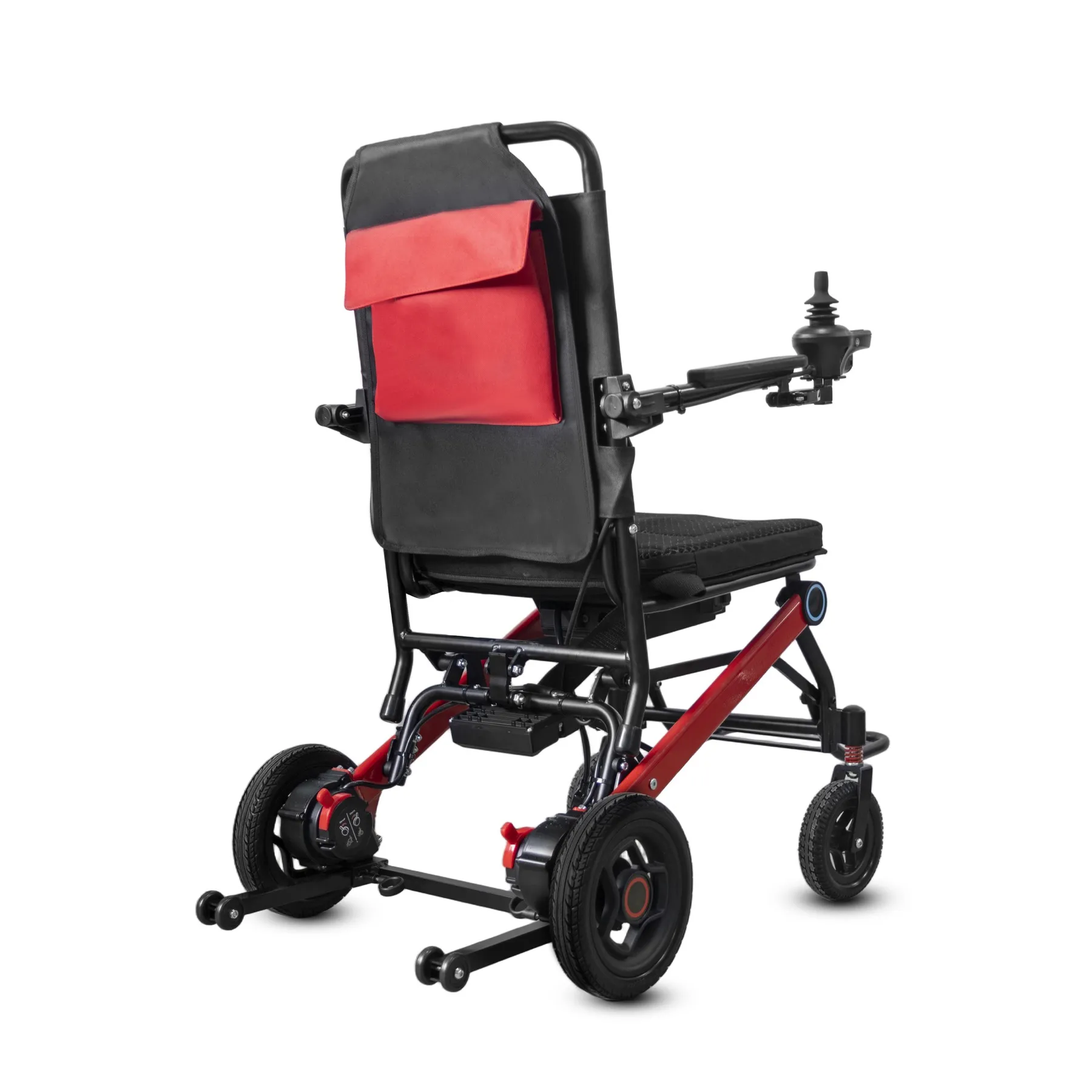
An electric wheelchair serial ID helps the supplier connect a complaint with the correct model version and supplied parts. It does not, by itself, name the cause of a fault.
Prepare a useful service case
Send the right unit evidence. Include the symptom, date and relevant photos with permission. If the serial entry conflicts with the label, resolve that mismatch before ordering parts.
- Name the affected chair
- Describe the actual symptom
- Resolve record conflicts
| Check | What to keep |
|---|---|
| Name the affected chair | Verified serial record |
| Describe the actual symptom | Case report |
| Resolve record conflicts | Checked label comparison |
Key Takeaway: The supplier receives a clearer starting point for review without a premature diagnosis.
How should shared access be controlled?
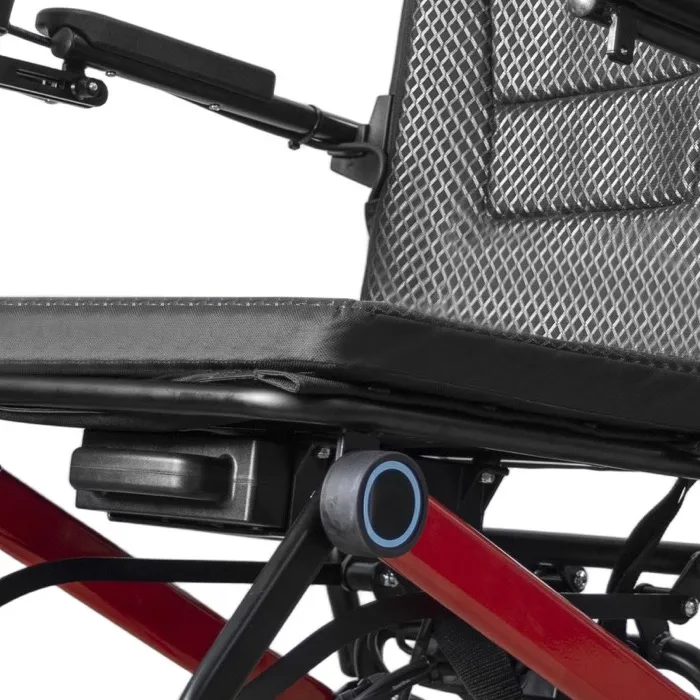
Store an electric wheelchair serial ID where authorized staff can retrieve service details without exposing unrelated personal data. A product ID and a customer's health details serve different purposes.
Control access to records
Give staff only the access they need. Use your organization's approved privacy process. If a shared spreadsheet is used, define who may edit records and how changes are tracked.
- Assign editing rights
- Separate personal details
- Keep change history
| Check | What to keep |
|---|---|
| Assign editing rights | Access record |
| Separate personal details | Controlled customer file |
| Keep change history | Record revision log |
Key Takeaway: You can support product traceability without turning a product register into an uncontrolled personal-data store.
What if an electric wheelchair serial ID label is missing?
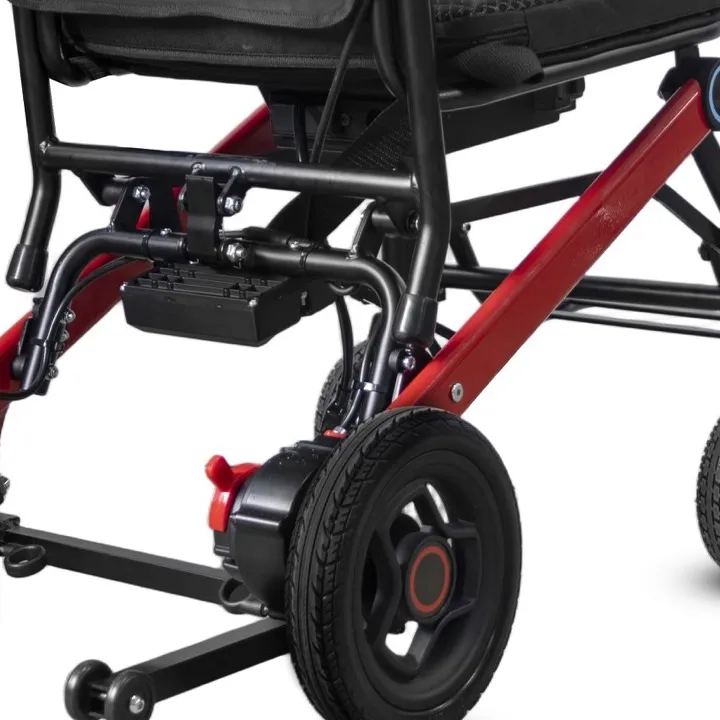
If an electric wheelchair serial ID cannot be read, ask the supplier how to confirm identity through approved records. Do not replace labels or infer a serial number from a similar chair.
Resolve damaged labels
Ask for a traceable resolution. Keep the available photos and purchase evidence. Keep the unit's unresolved identity visible so staff do not order parts against a guess. Use the same identifier during receipt inspection.
- Record the label condition
- Gather purchase references
- Request an approved resolution
| Check | What to keep |
|---|---|
| Record the label condition | Photo evidence |
| Gather purchase references | Order and delivery documents |
| Request an approved resolution | Supplier response |
Key Takeaway: You can recover identity through evidence while keeping uncertainty visible.
How often should records be checked?
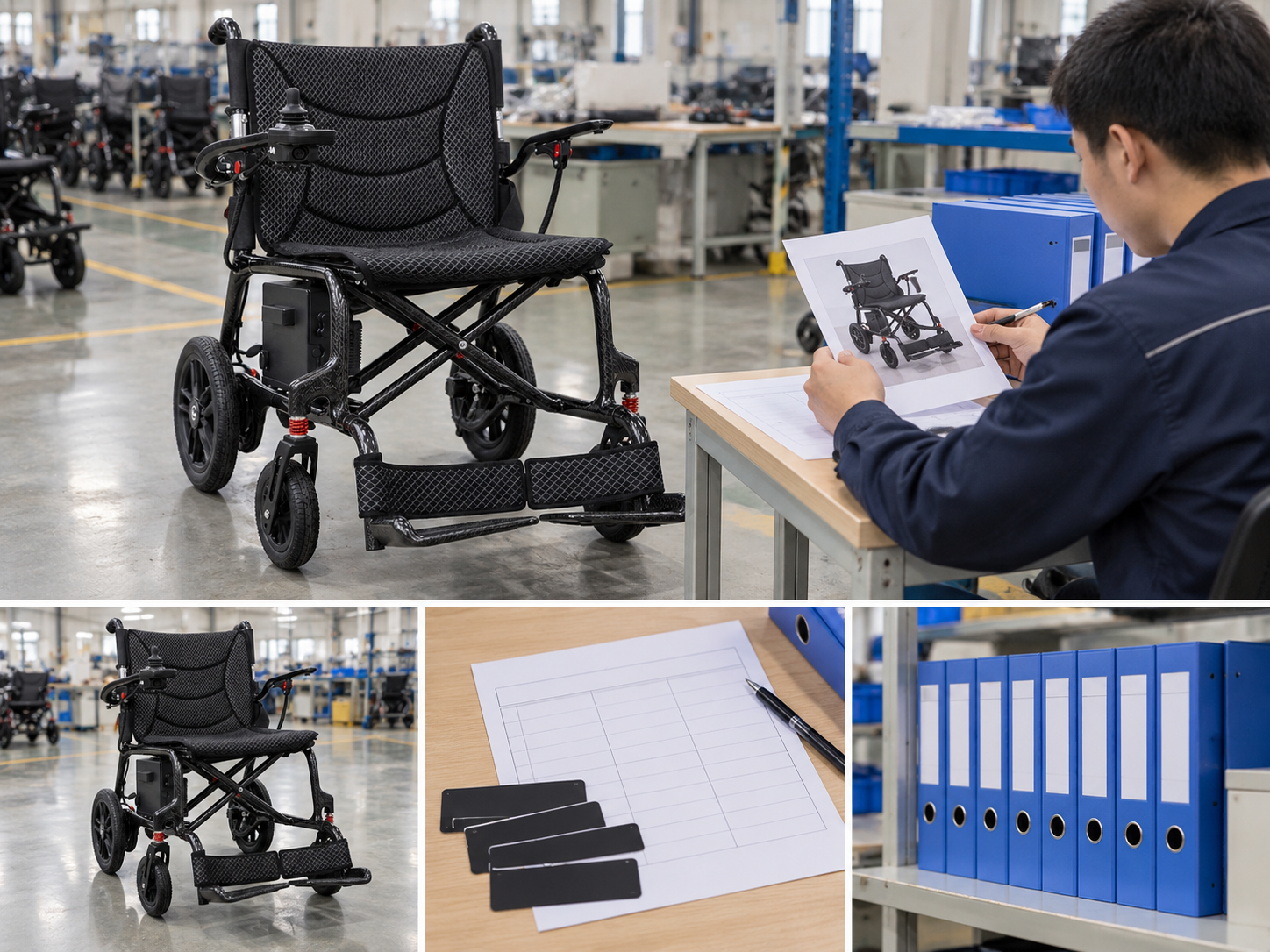
Check the electric wheelchair serial ID when a chair is received, delivered, returned or serviced. These handoffs can reveal a mismatch between the physical unit and its record.
Check identity at handoffs
Review at meaningful handoffs. Compare the label with the relevant document. If a mismatch appears, resolve it before moving the chair into another record or stock status. MHRA device-use checklists provide context for device identity and record keeping.
- Check receipt identity
- Check return identity
- Resolve mismatches
| Check | What to keep |
|---|---|
| Check receipt identity | Inbound record |
| Check return identity | Returned-unit record |
| Resolve mismatches | Corrective record note |
Key Takeaway: Routine handoff checks help catch errors while the chair and its documents are together.
What belongs in an electric wheelchair serial ID process?
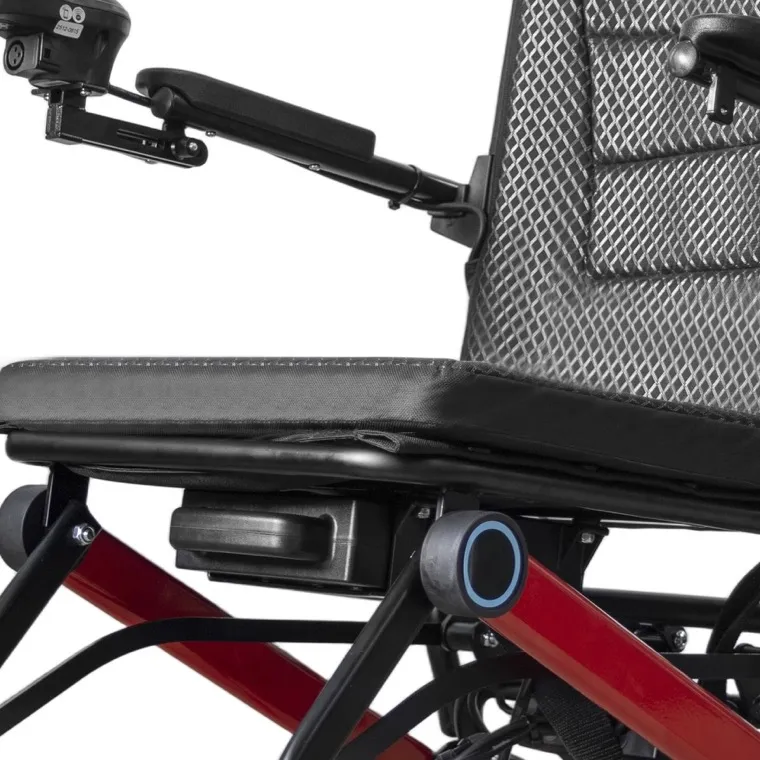
An electric wheelchair serial ID brief should define the ID field, linked records and people responsible for updates. Keep the process simple enough for warehouse and service staff to use.
Define your traceability process
Make the link easy to follow. Ask the supplier which product and part references are available. Agree how missing or conflicting IDs will be resolved.
- Define required fields
- Assign update duties
- Set an exception process
| Check | What to keep |
|---|---|
| Define required fields | Record template |
| Assign update duties | Role list |
| Set an exception process | Identity query procedure |
Key Takeaway: You can connect orders, individual chairs and service changes in a usable traceability record. Contact us with your model and order brief so we can discuss the required product information. AryMD supports wheelchair buying decisions built on clear, model-specific facts.
Frequently asked questions
Q1: Can I use the model name instead of a serial ID?
No. A model name may describe many units and does not name one chair.
Q2: What's the best way to capture an ID?
Keep a clear label photo and a checked text entry. Compare similar letters and digits before saving.
Q3: How do I know if a part has a separate number?
Check its documents and supplier record. Keep part identity separate from the chair ID.
Q4: Can I replace a missing label myself?
Seek the supplier's approved process. Do not invent an ID or copy one from another chair.
Q5: Can one spreadsheet track a whole order?
Yes, with a distinct record for each unit. Control editing and avoid unnecessary personal details.