
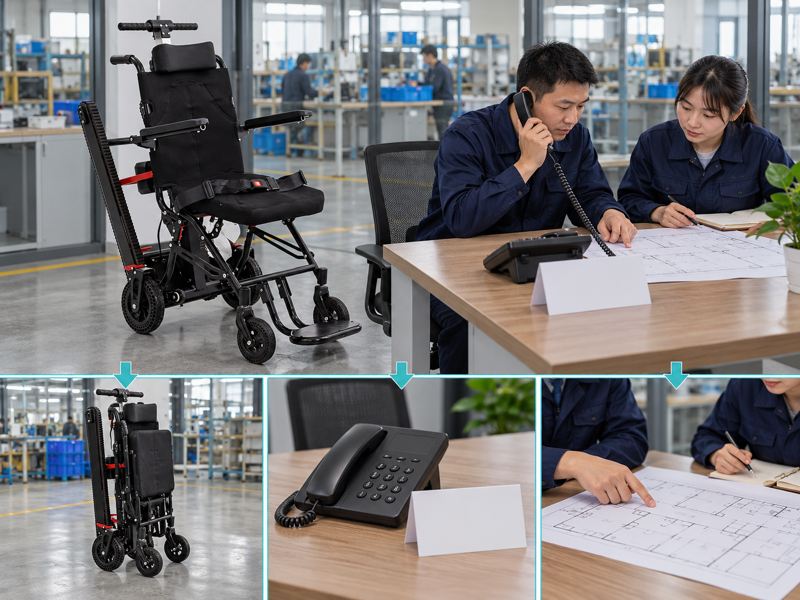
Stair chair backup planning should set clear roles, contacts and reviewed choices before service is disrupted. A customer using a powered passenger stair chair may need to change a booking when equipment or support is unavailable. Agree who makes that decision and who tells the passenger. Review the plan at a desk, while qualified local planners own emergency arrangements and exact manufacturer instructions govern technical response procedures.
What should stair chair backup planning decide in advance?
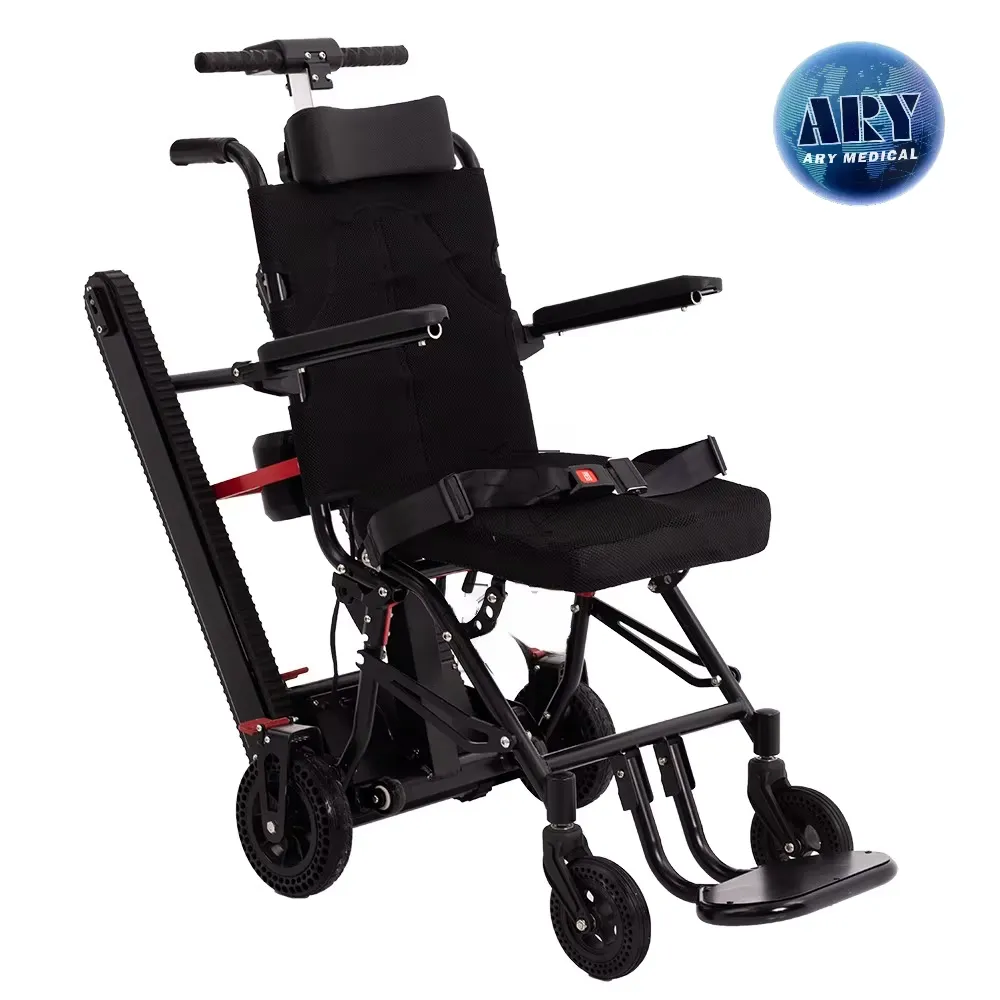
Stair chair backup planning should name who decides about bookings, receives fault reports and reviews other options. Agree these roles before disruption leaves staff unsure whom they should contact.
Who decides when planned service changes?
Plan before a service becomes unavailable. A UK dealer and customer may share support work but lack clear decision owners. Keep routine staff cover in its own plan.
- List events that could disrupt service
- Assign decisions for each likely event
- Separate routine cover from backup contacts
| Check | What to keep |
|---|---|
| List events that could disrupt service | Agreed service disruption scenario list |
| Assign decisions for each likely event | Named contacts and decision roles |
| Separate routine cover from backup contacts | Staff cover and backup plan references |
Key Takeaway: Agree a written contact and decision plan before offering service so staff can deal with changed bookings without guessing who is responsible.
Which contacts belong in stair chair backup planning?

Stair chair backup planning should name local decision owners, supplier support and contacts for reviewed alternatives. Confirm each role and contact's hours because a familiar number does not promise available help.
Contacts with clear roles and hours
Give each contact a stated role. Ask which requests each contact can handle and how they pass on unresolved issues. Keep emergency arrangements in the site's own approved plan. Refer to the exact instructions when defining escalation boundaries.
- Record each contact's role in writing
- Confirm contact methods and available hours
- Reference the site's separate emergency plan
| Check | What to keep |
|---|---|
| Record each contact's role in writing | Named role and contact details |
| Confirm contact methods and available hours | Written hours and contact channels |
| Reference the site's separate emergency plan | Current plan and named owner |
Key Takeaway: Keep each contact's role and hours beside their details so staff know whom to ask about bookings, faults and local plans.
How should stair chair backup planning define alternatives?
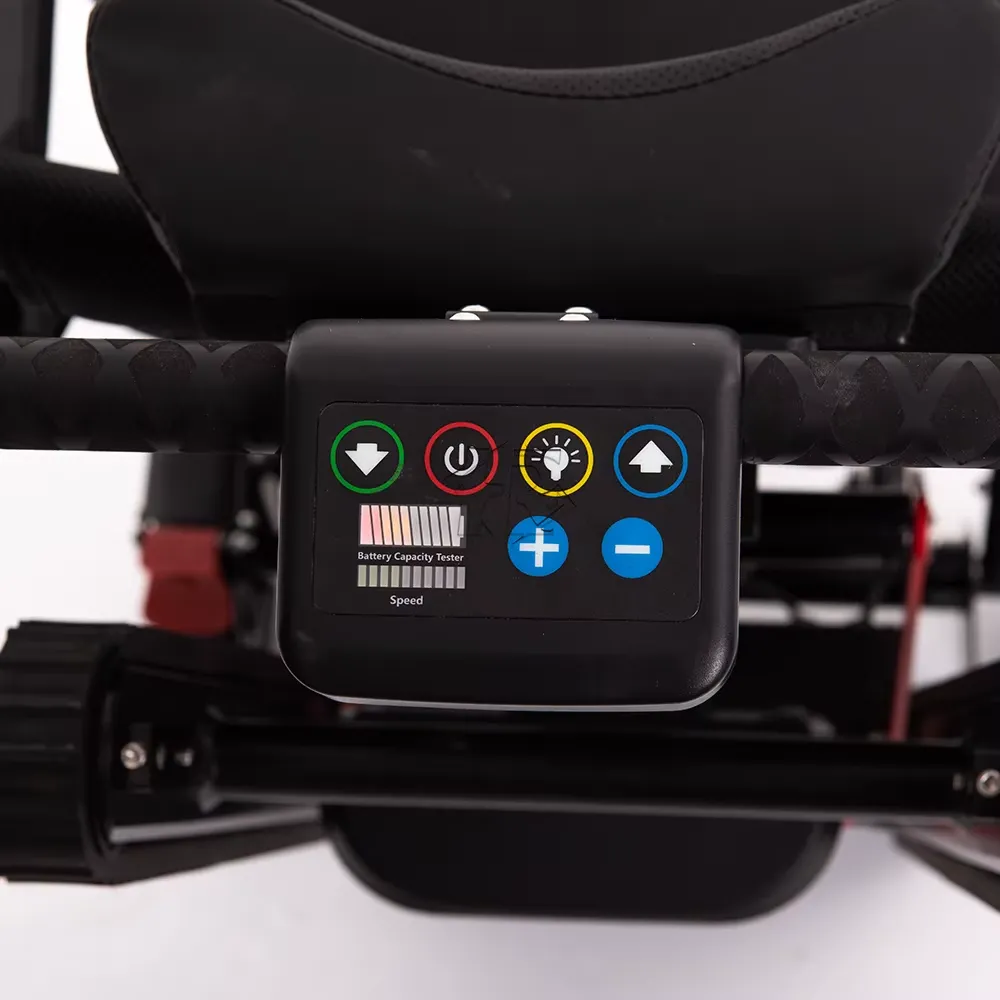
Stair chair backup planning should list options reviewed for the passenger and planned service. A different appointment site or time may help, but staff need approval before offering either choice.
Which other options are ready to offer?
Check options before you offer them. Name who checks access, staff cover and passenger agreement for each option. Another chair, fixed stairlift or evacuation device cannot be assumed an interchangeable substitute.
- List proposed options and review status
- Name who can approve each option
- State checks needed before offering choices
| Check | What to keep |
|---|---|
| List proposed options and review status | Confirmed or pending option list |
| Name who can approve each option | Named owner of each option |
| State checks needed before offering choices | Access staff and agreement checks |
Key Takeaway: Prepare a list of reviewed choices with clear limits so booking staff do not promise an option that still needs approval.
How does stair chair backup planning handle service faults?

Stair chair backup planning should name who receives fault reports and controls the chair's service status. It should also name who can approve a return to service after qualified review.
Fault reports and return to service
Make reporting roles easy to find. Ask what model details and fault records your supplier needs. Leave diagnosis, repair and recovery steps with qualified staff and exact manufacturer instructions.
- Name who controls equipment service status
- Agree facts needed for fault reports
- Name who approves return to service
| Check | What to keep |
|---|---|
| Name who controls equipment service status | Local equipment status decision owner |
| Agree facts needed for fault reports | Supplier's required fault report details |
| Name who approves return to service | Qualified review and release role |
Key Takeaway: Agree fault-reporting and release roles before service begins so a closed support message does not become assumed permission for passenger work.
What should stair chair backup planning say about support hours?

Stair chair backup planning should state confirmed support methods and hours without assuming round-the-clock cover. Ask how requests outside those hours are handled before you plan bookings that depend on help.
Support hours and the gaps they leave
Record when help can be reached. A reply may only confirm that someone received your message. Keep response, repair and release promises tied to their exact written terms. Keep open faults visible in the service record.
- Confirm available support hours in writing
- Separate message receipt from service promises
- Review bookings against known support gaps
| Check | What to keep |
|---|---|
| Confirm available support hours in writing | Supplier's stated hours and channels |
| Separate message receipt from service promises | Written scope of support reply |
| Review bookings against known support gaps | Manager's booking decision and limits |
Key Takeaway: Review support hours with your customer and resolve gaps before promising service that depends on help outside those agreed hours.
How does stair chair backup planning inform passengers?
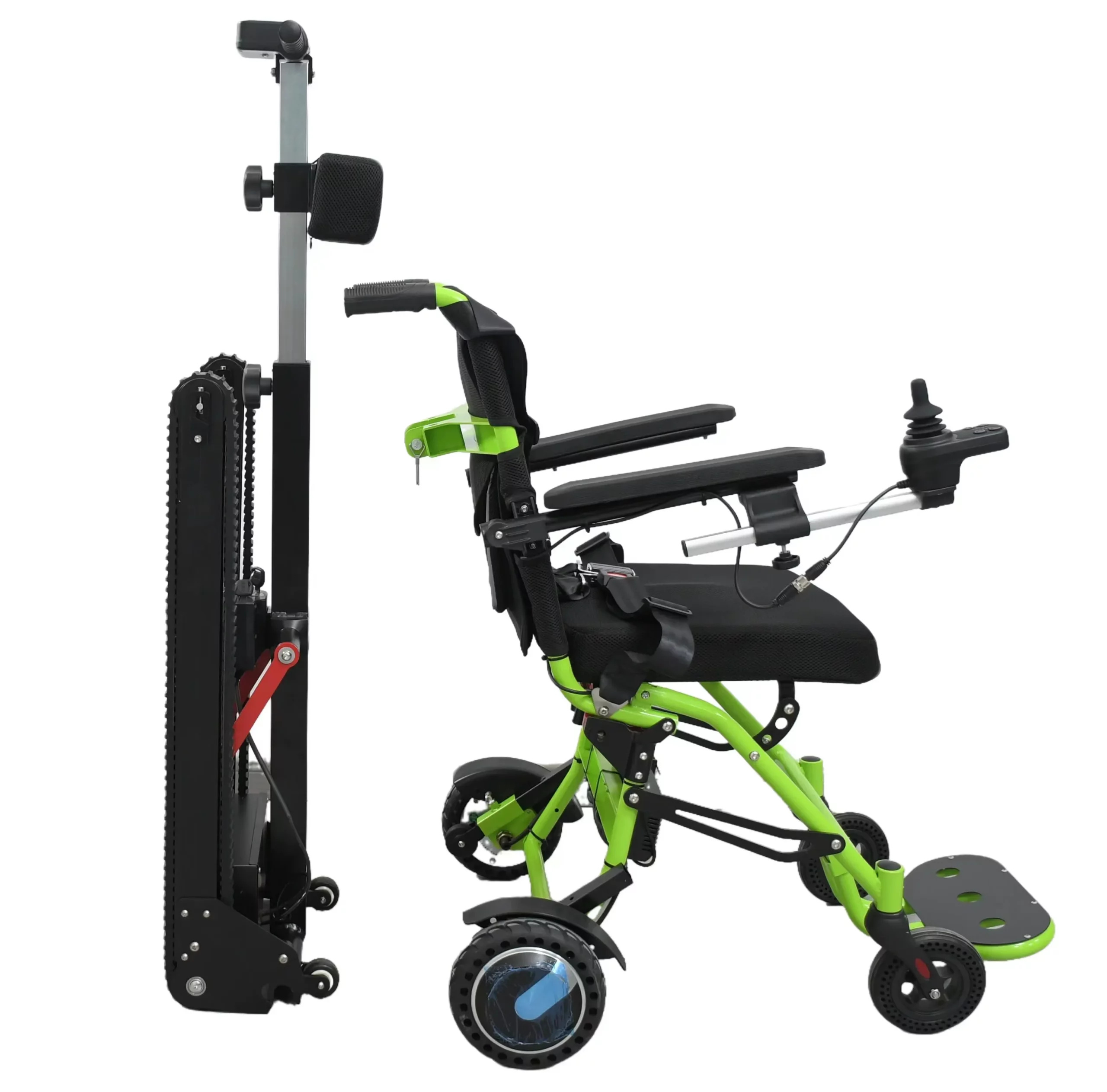
Stair chair backup planning should name who tells passengers or their agreed contact about changed service. Messages should state confirmed booking decisions and reviewed choices without guessing at faults or repair times.
Who tells passengers about booking changes?
Decide who explains changes to bookings. Ask your service lead how contact and language needs will be met. Review a sample message without putting private passenger details in supplier files.
- Name who sends passenger service updates
- Record agreed contact and language needs
- Use confirmed facts in service messages
| Check | What to keep |
|---|---|
| Name who sends passenger service updates | Responsible person for service messages |
| Record agreed contact and language needs | Controlled passenger contact preferences |
| Use confirmed facts in service messages | Approved status and booking update |
Key Takeaway: Agree a clear booking-update message in advance so staff can explain confirmed choices and who will provide the next service decision.
Can a spare chair solve every interruption?
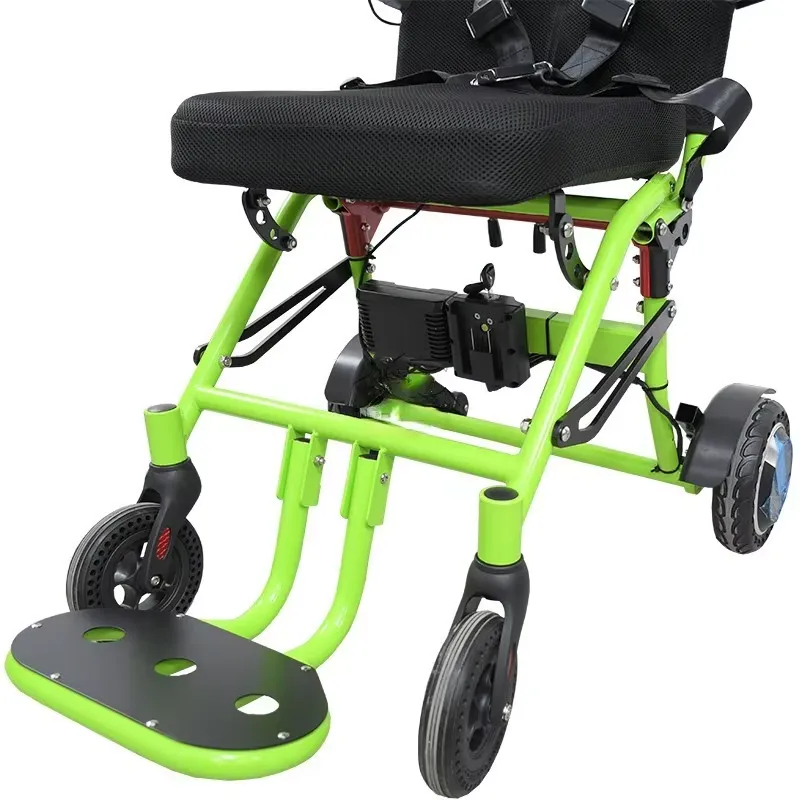
A spare chair cannot be assumed suitable for every passenger or route. stair chair backup planning needs qualified review of its model, condition, files and planned use before staff offer it.
A spare chair needs its own review
Check the spare as separate equipment. A similar-looking chair may have different tracks or instructions. Keep the spare's readiness status separate from records showing only that you own it.
- Record proposed spare equipment model details
- Request review of planned spare use
- Track readiness separately from spare ownership
| Check | What to keep |
|---|---|
| Record proposed spare equipment model details | Spare chair and track identity |
| Request review of planned spare use | Qualified review and written limits |
| Track readiness separately from spare ownership | Current spare service status record |
Key Takeaway: Treat a spare as a reviewed choice with its own proof so ownership of another chair does not create a false service promise.
How do you review a plan without stair trials?
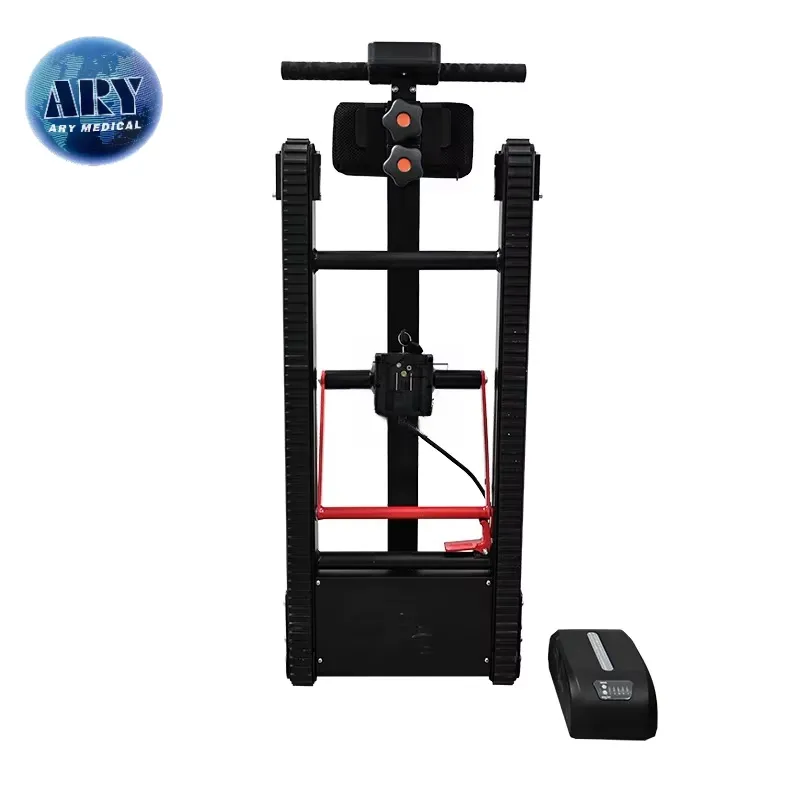
Use a desk-based scenario about unavailable service before a planned visit. stair chair backup planning should test whether staff can find contacts, identify decision owners and see which alternatives remain pending.
Review service problems at a desk
Use a desk review of disruption. Trace a missed support call through the planned booking decisions. Record unclear roles and missing contacts without inventing a passenger rescue exercise or technical procedures. Require the relevant inspection and release checks before returning held equipment to service.
- Choose a pre-service problem for review
- Trace contacts and who makes decisions
- Assign fixes after reviewing the plan
| Check | What to keep |
|---|---|
| Choose a pre-service problem for review | Agreed desk review scenario brief |
| Trace contacts and who makes decisions | Missing contacts and unclear roles |
| Assign fixes after reviewing the plan | Named owners and revised plan |
Key Takeaway: Run a desk review with your customer and close gaps in contacts, decision roles and alternative plans before accepting service bookings.
Which guidance supports backup planning?
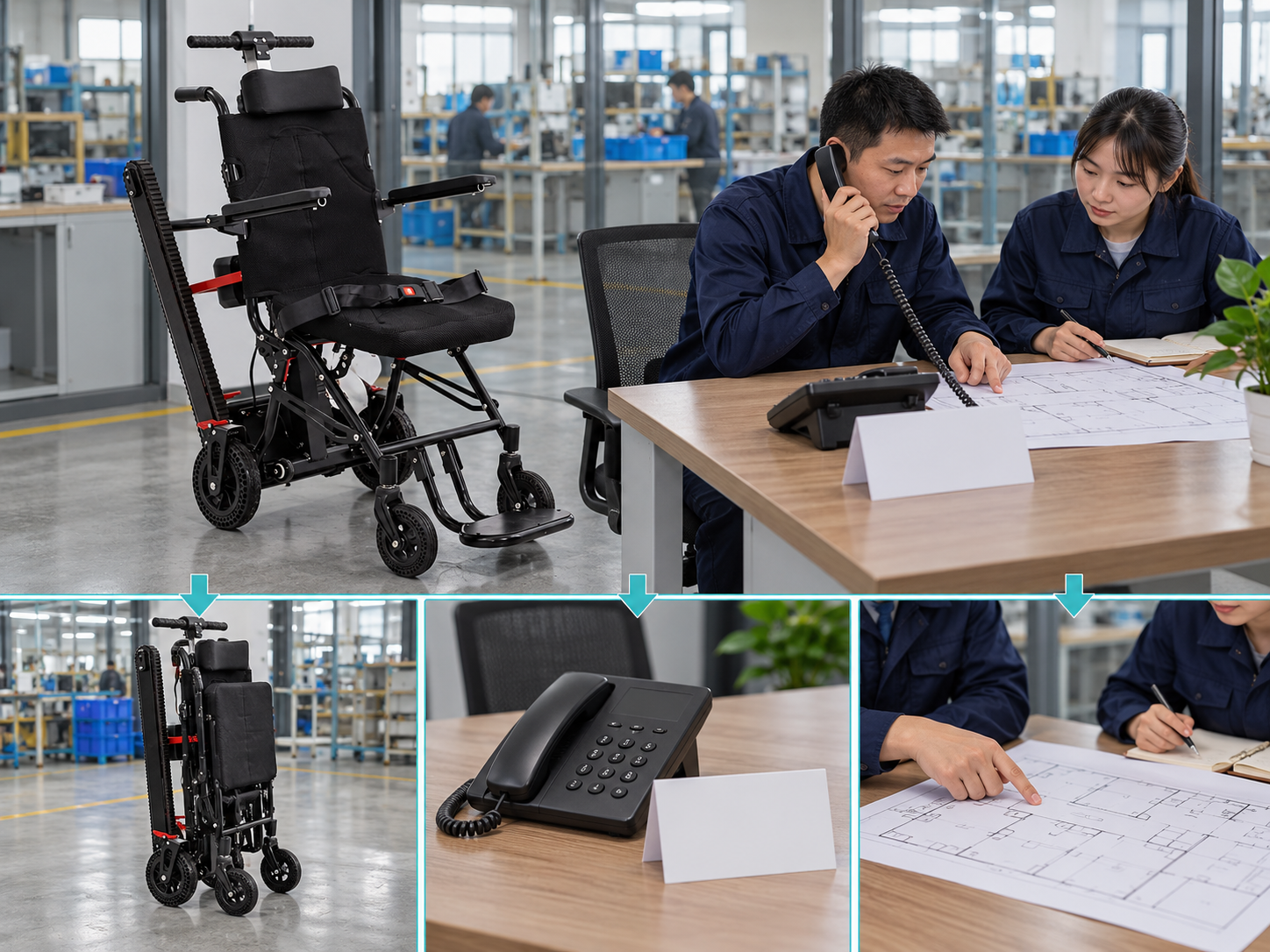
General handling guidance can help frame questions about roles and changed service needs. stair chair backup planning should refer to approved local emergency arrangements while keeping this chair within its documented intended use.
Link with the site's emergency plan
Keep emergency plans with qualified people. Ask the site planner how routine service fits wider plans. Supplier support advice alone cannot settle emergency access or passenger assistance needs for that building. HSE handling guidance provides general risk-review context.
- Name who owns local emergency planning
- Record limits of intended equipment use
- Keep plan references current and accessible
| Check | What to keep |
|---|---|
| Name who owns local emergency planning | Qualified site planner and contact |
| Record limits of intended equipment use | Manufacturer's use scope and exclusions |
| Keep plan references current and accessible | Current plans and staff access |
Key Takeaway: Have your site planner review links between routine service and emergency arrangements before staff rely on the backup contact sheet during disruption.
When is a backup plan ready to use?

Your plan is ready within its agreed scope when named people accept their roles. stair chair backup planning should keep each alternative's review status clear and assign someone to update contact details.
Confirm roles before service starts
Check who accepts each named role. Send the draft plan to those named and ask for confirmation of their entries. Keep unanswered service questions visible for the local manager's decision.
- Confirm named people accept their roles
- Resolve or label pending alternative options
- Name who will update the plan
| Check | What to keep |
|---|---|
| Confirm named people accept their roles | Written agreement on assigned roles |
| Resolve or label pending alternative options | Reviewed options and remaining limits |
| Name who will update the plan | Plan owner and review triggers |
Key Takeaway: Send your customer the contact and alternatives plan and ask for a clear decision on open items before offering planned service. Contact us with your model, route and order brief so we can discuss the product files you need. At AryMD, a clear stair-access decision starts with the right product facts.
Frequently asked questions
Q1: Can I list a spare chair as our backup?
List it only as an option with stated review limits. Name its model and have qualified staff check planned use, files and readiness before you offer it for a passenger task.
Q2: What's the best way to check our contact plan?
Use a desk review of a service problem before a visit. Check who can be reached, who decides and which options are ready, then name people to close any gaps you find.
Q3: Can I use a supplier helpline instead of local emergency planning?
No, supplier help has a stated scope and limited availability. Qualified local planners must address the site's emergency needs and explain how routine passenger equipment fits within that plan and its intended use.
Q4: How do I know if another option is ready to offer?
Check who has reviewed its access, staff needs and fit for the passenger. Keep required agreement and pending checks visible so booking staff do not promise a choice that remains unconfirmed.
Q5: Can I promise customers a repair completion time?
Only if a suitable written supplier promise supports that exact timing and its terms. Otherwise share confirmed booking facts and reviewed choices while your named contact seeks a clear service decision.