
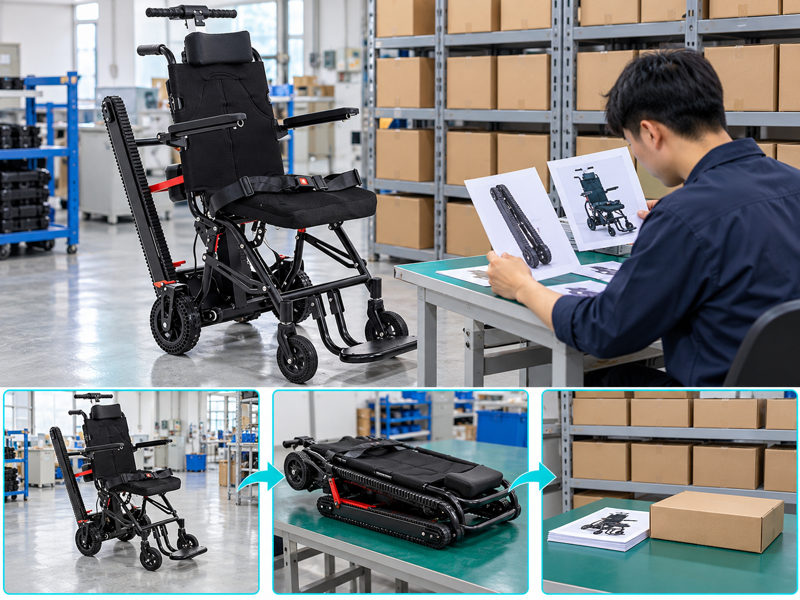
Stair chair spare parts need exact model codes, written fit checks and a clear service route. A powered passenger stair chair may have a track unit with parts that differ across versions. Two items can look alike while their fit remains unclear. Build each order from confirmed chair and track details, then link supplier replies with receipt notes and the completed service record.
What identifies the correct stair chair spare parts?
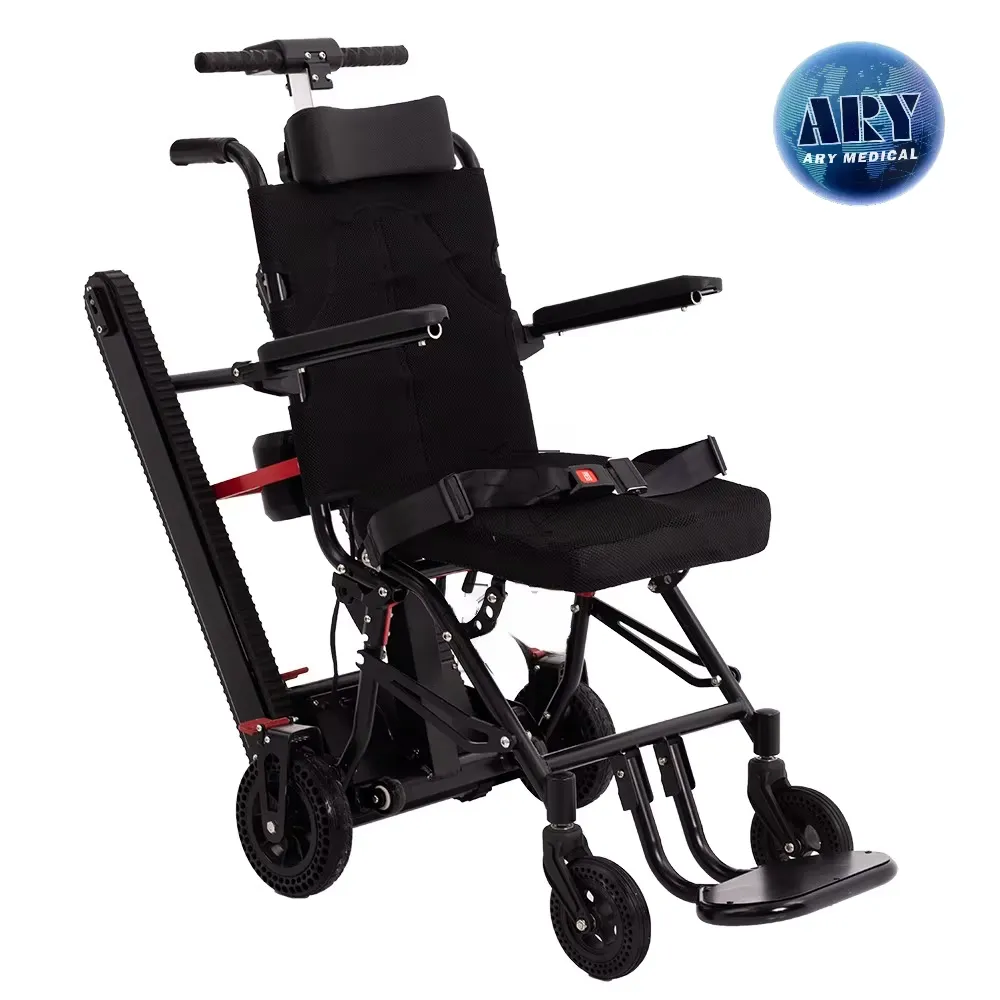
Correct stair chair spare parts are identified by supplier-confirmed codes for your exact chair and track unit. A shared product name or similar shape gives no proof that two models use the same part.
Which model codes belong together?
Start with exact chair and track codes. Collect model codes from approved files and labels that staff can view safely. Ask how those codes match your supplier's parts list before you request a quote or accept a replacement.
- Collect chair and track codes
- Request the supplier's parts mapping
- Record each model version clearly
| Check | What to keep |
|---|---|
| Collect chair and track codes | Matched equipment code list |
| Request the supplier's parts mapping | Written model parts reply |
| Record each model version clearly | Supplier's confirmed version note |
Key Takeaway: Send exact chair and track codes with every request so your supplier can check parts before you order.
Which files support stair chair spare parts orders?
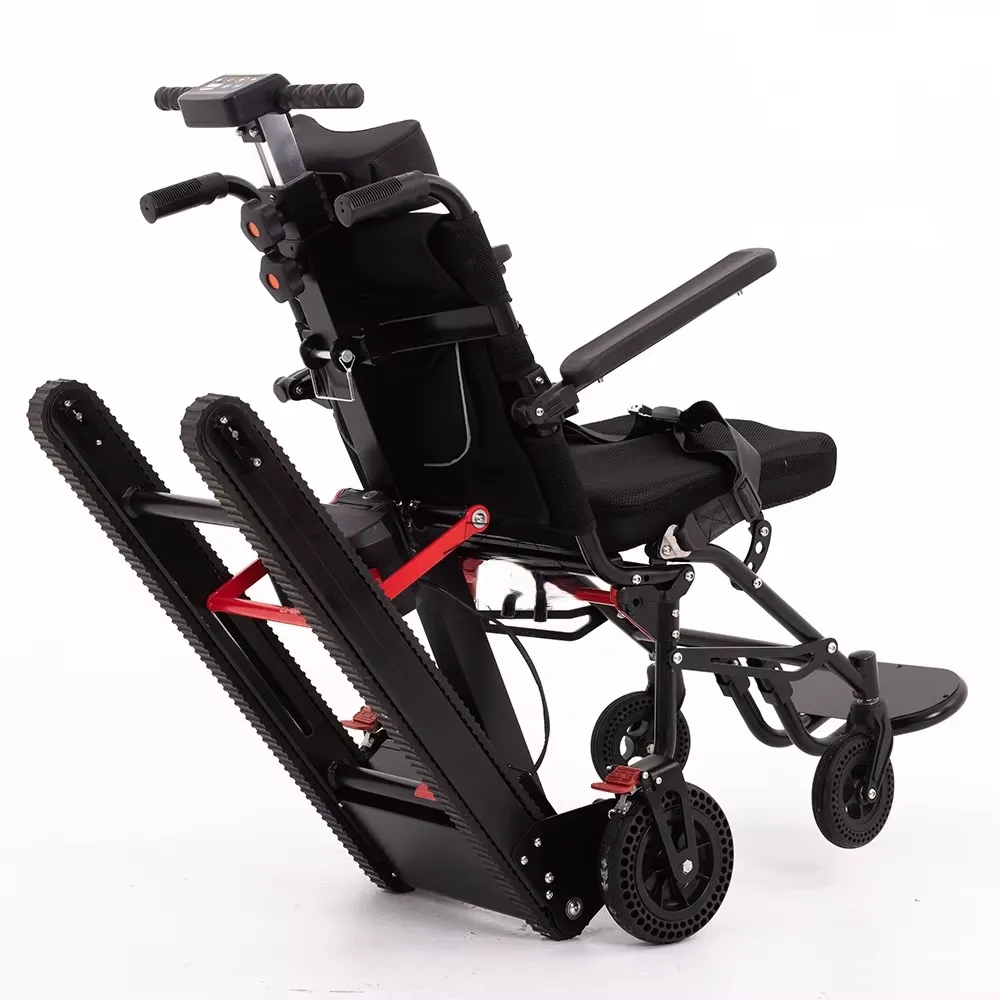
Stair chair spare parts orders need a confirmed part code linked with an approved service request. Ask for the exact model's parts list, since a photo cannot prove that similar-looking items share technical features.
Link a part code with service need
Give each part a clear reference. If access to service files is limited, ask your approved provider for the buying reference. Keep that code, quote and service request together so buyers do not have to interpret unclear diagrams. Start from a controlled parts list for the exact version.
- Request the exact parts list
- Link items with service needs
- Check quoted codes before ordering
| Check | What to keep |
|---|---|
| Request the exact parts list | Current model parts file |
| Link items with service needs | Approved service request record |
| Check quoted codes before ordering | Checked part quote copy |
Key Takeaway: Base each order on confirmed part codes and a service request rather than relying on a broad accessory name.
How should stair chair spare parts handle different versions?

Stair chair spare parts need a written fit check for each exact chair and track version. Ask your supplier to confirm the proposed pairing, even when another unit in stock looks much the same.
Can similar versions share parts?
Similar chairs still need separate checks. Color or trim cannot prove that two units share their technical design. Keep separate model files so buyers can ask clear questions without merging parts lists from different products or old orders.
- Keep each model's files separate
- Request written part fit confirmation
- Check chair and track pairing
| Check | What to keep |
|---|---|
| Keep each model's files separate | Individual model record folders |
| Request written part fit confirmation | Supplier's exact model reply |
| Check chair and track pairing | Matched model setup record |
Key Takeaway: Keep model files apart and obtain a written parts answer for each proposed pairing before you approve an order.
What happens when a part code changes?

A new code needs a supplier explanation of which models it covers. Update your stair chair spare parts file after a trained reviewer checks that answer and any changed service or care requirements.
Check what a new code covers
Ask what the new code covers. Ask whether the new part replaces old items for all listed models or only some. Keep old codes with their status so staff can read past invoices without placing an outdated order.
- Request the changed code explanation
- Check affected chair model versions
- Keep old codes with status
| Check | What to keep |
|---|---|
| Request the changed code explanation | Supplier's written change note |
| Check affected chair model versions | Written model fit review |
| Keep old codes with status | Archived part code list |
Key Takeaway: Ask what changed and get a trained review before you accept a new code as a direct replacement.
Who should fit stair chair spare parts?
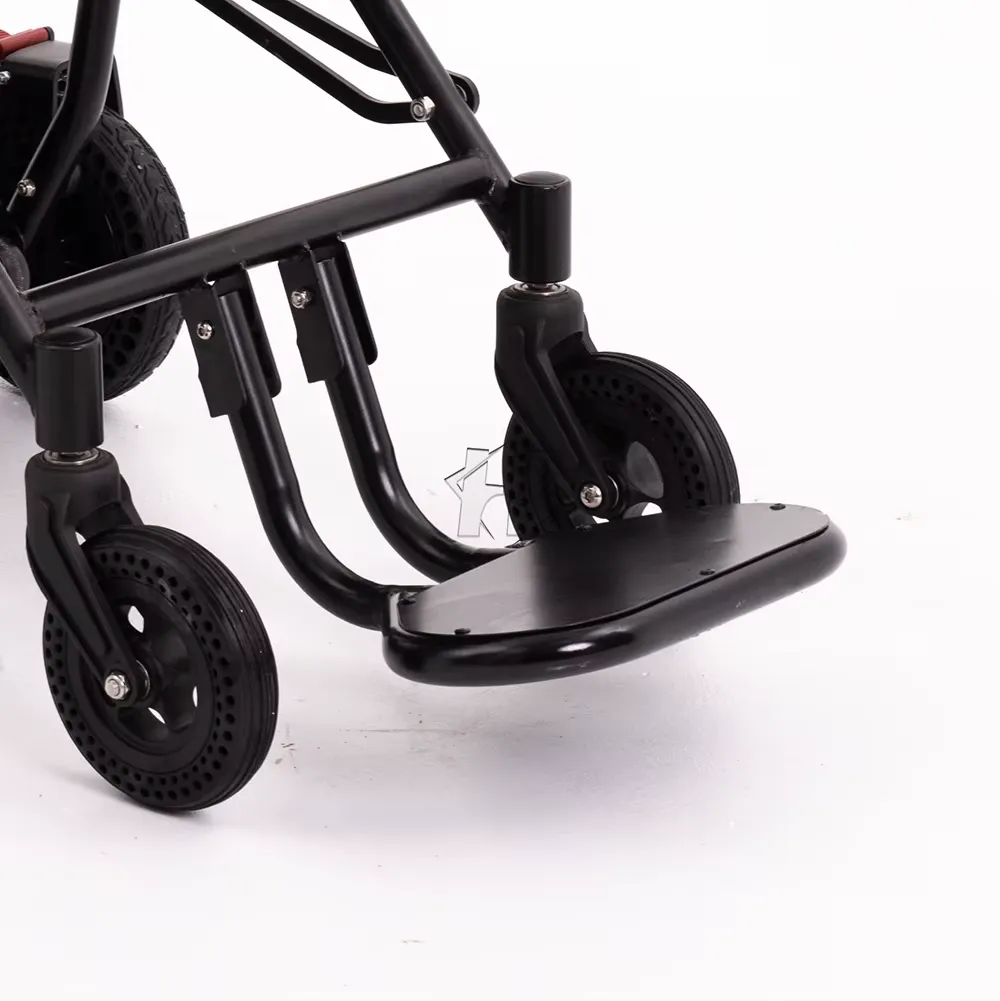
Stair chair spare parts should be fitted by staff qualified for that task under exact maker's guidance. Record who does the work and who decides equipment status, since owning a part gives no installation authority.
Who accepts the fitting task?
Set service roles before the order. Ask your service provider which tasks it accepts and what training supports them. Keep repair methods out of a buying guide while requesting a record of fitted parts and the service decision. Use actual service records when planning replacement stock.
- Confirm the accepted service scope
- Check relevant staff skills evidence
- Name who decides equipment status
| Check | What to keep |
|---|---|
| Confirm the accepted service scope | Provider's written work scope |
| Check relevant staff skills evidence | Model service training proof |
| Name who decides equipment status | Named service lead record |
Key Takeaway: Agree who performs approved work and who records the chair's status before you order parts for a service task.
Which parts should a distributor stock?
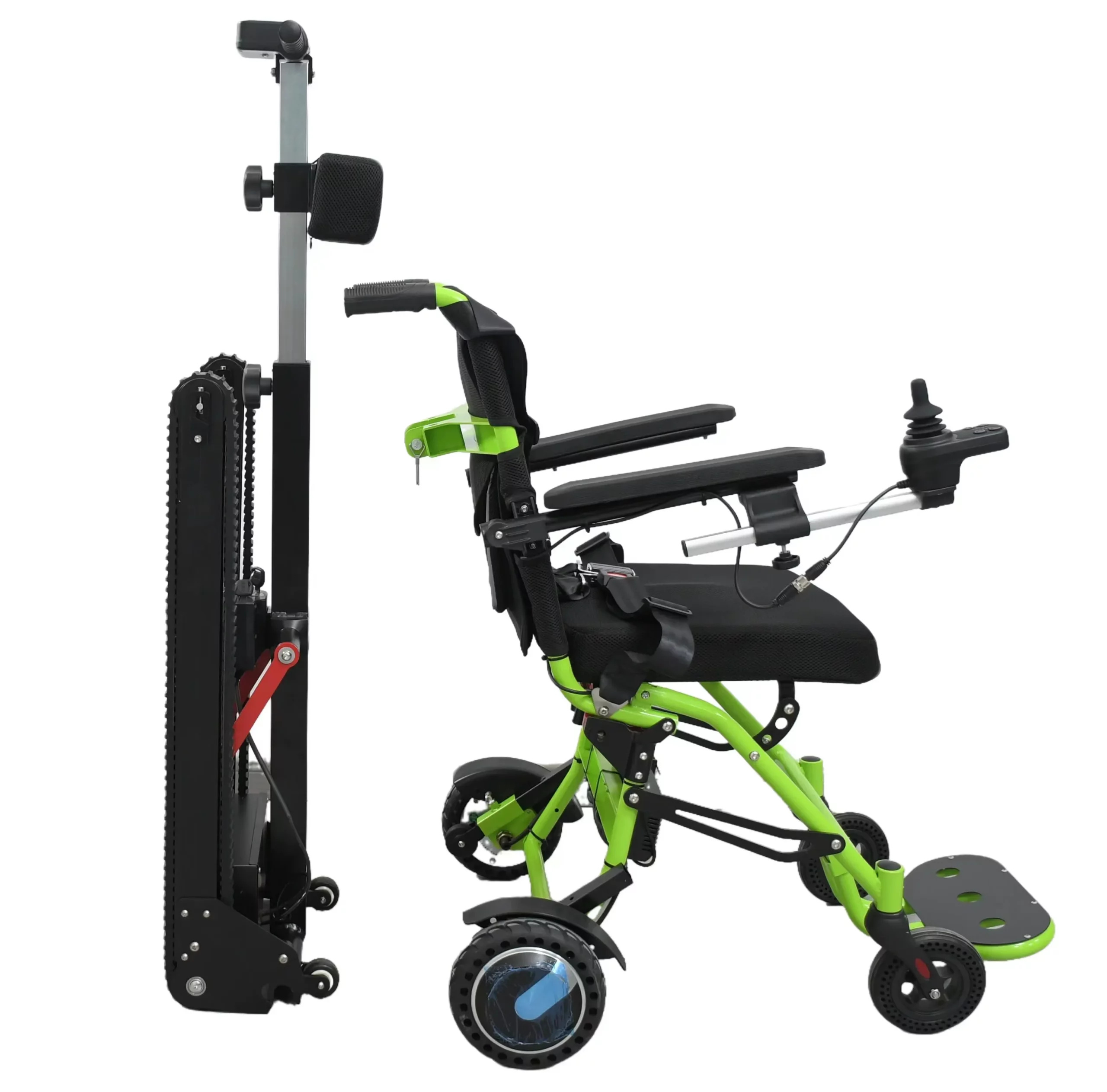
Stock should match supplier guidance, supported models and your own service demand records. Review stair chair spare parts against those needs so scarce shelf space does not fill with parts nobody can confirm for use.
Stock parts for supported chairs
Buy stock that serves known models. Ask which items your supplier supports and what storage rules apply before buying. Check current order terms when a customer needs a part, rather than treating an old quote as live stock proof.
- Review past local service requests
- Confirm currently supported part codes
- Match stock with service scope
| Check | What to keep |
|---|---|
| Review past local service requests | Recorded parts demand list |
| Confirm currently supported part codes | Supplier's model parts list |
| Match stock with service scope | Approved local work scope |
Key Takeaway: Choose stock for supported models and agreed service tasks, then check current supply before making a customer commitment.
How should stair chair spare parts be checked on receipt?
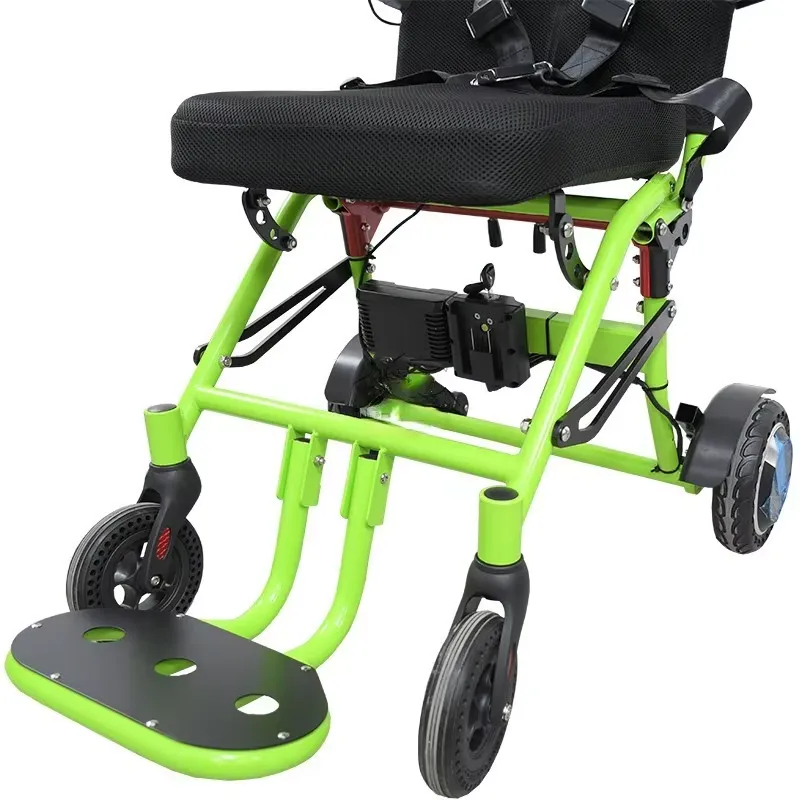
Stair chair spare parts should be checked against order codes, supplied files and reported condition. Let warehouse staff report gaps, while your trained reviewer decides whether an unfamiliar part can enter accepted service stock.
Separate receipt from parts acceptance
Check codes before accepting stock. Save package labels and safe outer observations with the matching order record. Keep disputed items on hold through your agreed process until supplier and service staff resolve each code or condition concern.
- Match supplied parts with orders
- Record labels and visible condition
- Refer disputed items for review
| Check | What to keep |
|---|---|
| Match supplied parts with orders | Order and code check |
| Record labels and visible condition | Dated outer condition report |
| Refer disputed items for review | Supplier's open query case |
Key Takeaway: Separate receipt from a trained acceptance decision and settle each code or condition concern before issuing parts for service.
How should issued parts remain traceable?
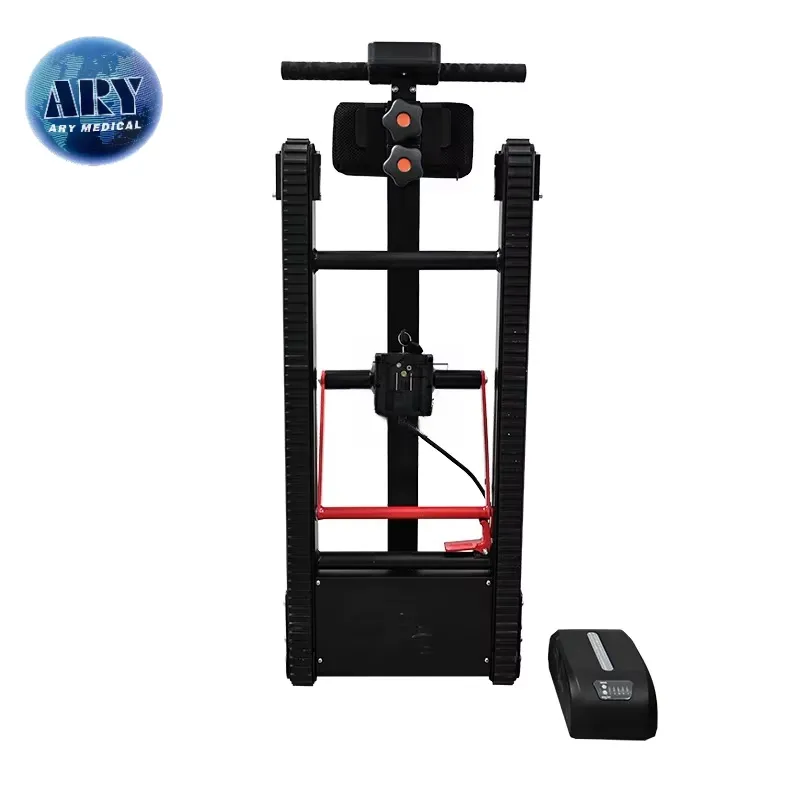
Issued parts need an order record, stock entry and assigned service case. Link these in your stair chair spare parts file so staff can see which chair received an approved item without relying on memory.
How can staff trace issued parts?
Keep the stock and service link. Ask which codes your provider will show on its completed service report. Mark unused, returned and held items clearly so an opened box does not lose its status when shelves are rearranged. Keep the agreed supply scope in a dated quotation.
- Link parts with service cases
- Record fitted part codes clearly
- Mark returned and held items
| Check | What to keep |
|---|---|
| Link parts with service cases | Part issue case record |
| Record fitted part codes clearly | Named completed service report |
| Mark returned and held items | Current stock status list |
Key Takeaway: Require part codes on completed service records and update stock status whenever an item is issued, returned or held.
How should support gaps affect purchasing?
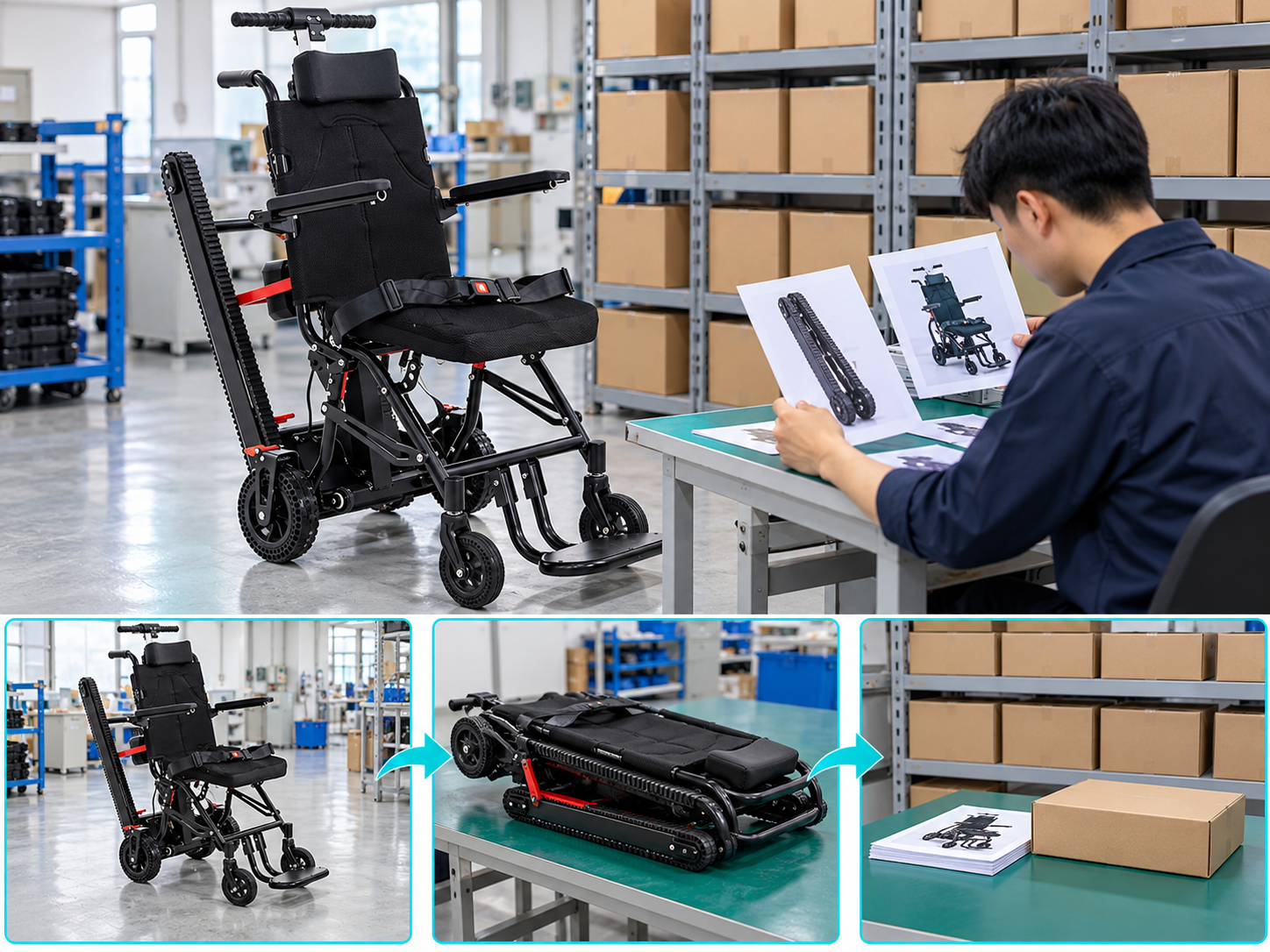
A gap should affect buying when a part cannot be identified, supplied or serviced. Review your stair chair spare parts questions before adding a model so customers do not inherit an unclear support plan.
Settle support gaps before buying
Resolve support gaps before buying models. General wheelchair guidance supports care after delivery, while model files govern technical parts decisions. Ask how your supplier handles stopped part lines and unresolved fit questions instead of accepting vague promises of ongoing stock. MHRA device-use checklists provide general recordkeeping context.
- List open model support questions
- Ask about stopped part lines
- Check local service task coverage
| Check | What to keep |
|---|---|
| List open model support questions | Written supplier query list |
| Ask about stopped part lines | Supplier's parts support reply |
| Check local service task coverage | Provider's written scope check |
Key Takeaway: List support gaps before buying a new model and ask who will answer each unresolved parts or service question.
What should your stair chair spare parts inquiry contain?

Your stair chair spare parts inquiry should give exact equipment codes, part references and service needs. Ask for written model fit, current order terms and required files, leaving unconfirmed items outside your accepted buying list.
Make each order line clear
Make each order line traceable. Give each order line a clear open question and a named answer owner. Wait for exact part confirmation and accepted service scope before passing quoted supply details on as a customer commitment.
- Send exact model and part codes
- Request written fit before ordering
- Confirm agreed service for parts
| Check | What to keep |
|---|---|
| Send exact model and part codes | Traceable item inquiry list |
| Request written fit before ordering | Supplier's confirmed model reply |
| Confirm agreed service for parts | Accepted service request copy |
Key Takeaway: Send each part request with exact codes and open questions, then approve only items confirmed through your agreed review. Contact us with your model, route and order brief so we can discuss the product files you need. At AryMD, a clear stair-access decision starts with the right product facts.
Frequently asked questions
Q1: Can I order a replacement from a product photo alone?
A photo helps with a query but cannot replace supplier proof. Send exact chair and track codes, then get a written fit decision before ordering the proposed replacement part.
Q2: How do I know if a new part code replaces an old one?
Ask your supplier which models the new code covers and whether guides or service tasks change. Save that reply with both codes so staff can check older orders later.
Q3: Can I share parts between chairs that look the same?
Only accept a pairing confirmed for those exact models through your agreed review. Matching looks, names or trim cannot prove that two chair and track versions use interchangeable parts.
Q4: What's the best way to choose spare stock for my business?
Use confirmed model coverage, supplier guidance and your own service demand records. Check local service skills and storage rules before buying parts that may have no supported use for customers.
Q5: Can I send a customer a part without arranging service?
Check exact maker's guidance and qualified service roles before agreeing supply. A spare in stock does not prove a customer may fit it or release the chair for further use.