
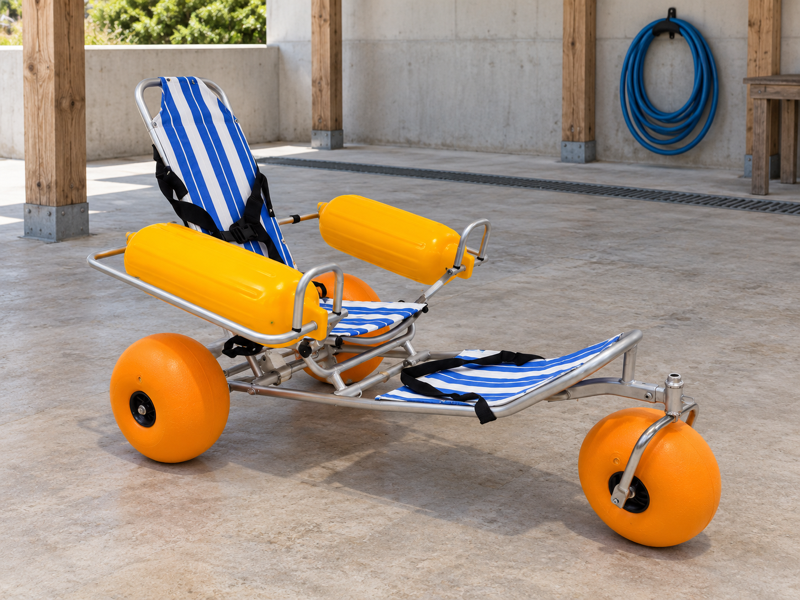
Plan a beach wheelchair rinse station from the product's approved care process and the site's facilities. A sink near a storage room may seem sufficient until access, drainage or status tracking raises questions. The chair's own care limits still apply. Build the area brief from current instructions before choosing a layout.
What should a beach wheelchair rinse station plan provide?

A beach wheelchair rinse station plan should provide the space and facilities needed for the exact maker-approved care process. A hose or sink alone does not define a complete care arrangement.
Start with the product guidance
Ask what the care process actually needs. Request the current instructions before selecting the work area. Keep the proposed chair and staff tasks in the planning brief. WHO guidance covers wheelchair fit and follow-up services.
- Identify product
- Request care guidance
- List facility needs
| Check | Record to retain |
|---|---|
| Identify product | Exact model |
| Request care guidance | Current instructions |
| List facility needs | Approved process |
You can plan facilities around the required care instead of inventing a washing method.
Who should define the care method?
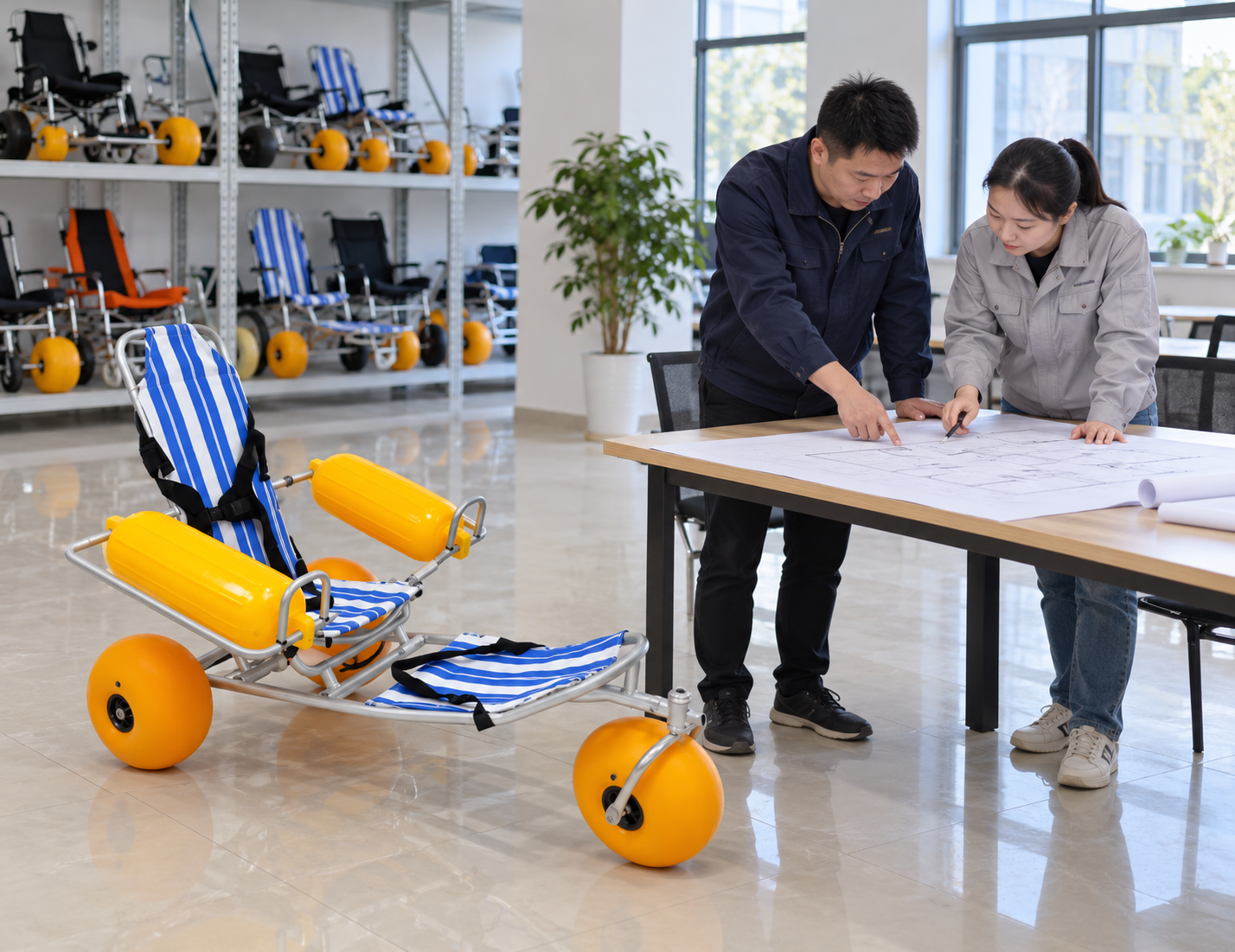
The care method used at a beach wheelchair rinse station should follow the exact product guidance and the facility's relevant review. This article does not specify water pressure, chemicals or cleaning steps.
Keep methods with the right source
A generic coastal-care tip may not fit the product. Ask the maker to resolve unclear instructions. Use qualified local advice for facility or hygiene questions where needed. Request care documents through a defined supplier inquiry.
- Name instruction source
- Assign local review
- Track unclear points
| Check | Record to retain |
|---|---|
| Name instruction source | Product guide |
| Assign local review | Responsible provider |
| Track unclear points | Supplier questions |
Your station can support a defined process without relying on improvised care advice.
What space should a beach wheelchair rinse station review include?

A beach wheelchair rinse station review should include the complete chair, staff task and route into and out of the area. Empty floor dimensions may miss access or handling constraints.
Plan the whole work area
Include the approach and exit. Use the actual equipment state permitted by the instructions. Ask the site reviewer which measurements are needed.
- Record chair setup
- Map access route
- Review staff space
| Check | Record to retain |
|---|---|
| Record chair setup | Approved state |
| Map access route | Current layout |
| Review staff space | Task requirements |
You can discuss a workable area rather than only the space beside a sink.
How should water and drainage questions be handled?
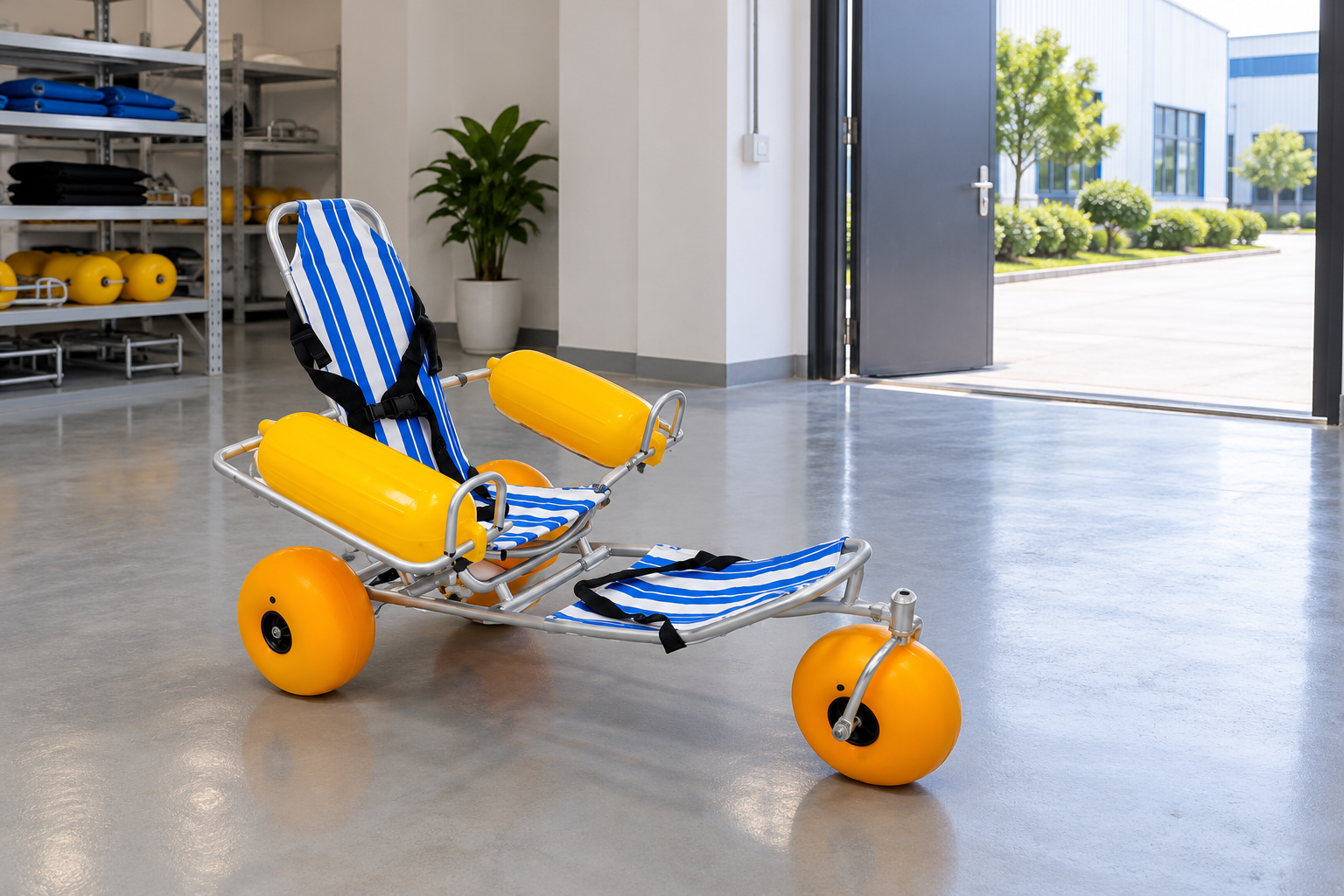
Water and drainage questions for a beach wheelchair rinse station belong with the relevant product instructions and qualified site review. Do not infer that every chair may be sprayed or that any floor drain is suitable.
Ask both product and site questions
The chair and building need separate answers. Describe the proposed facilities to the responsible teams. Keep unconfirmed design or care assumptions out of the operating plan.
- Request product limits
- Describe site facilities
- Assign drainage review
| Check | Record to retain |
|---|---|
| Request product limits | Maker guidance |
| Describe site facilities | Current plan |
| Assign drainage review | Qualified site team |
Your project can resolve facility details without making unsupported product claims.
How should a beach wheelchair rinse station separate equipment states?
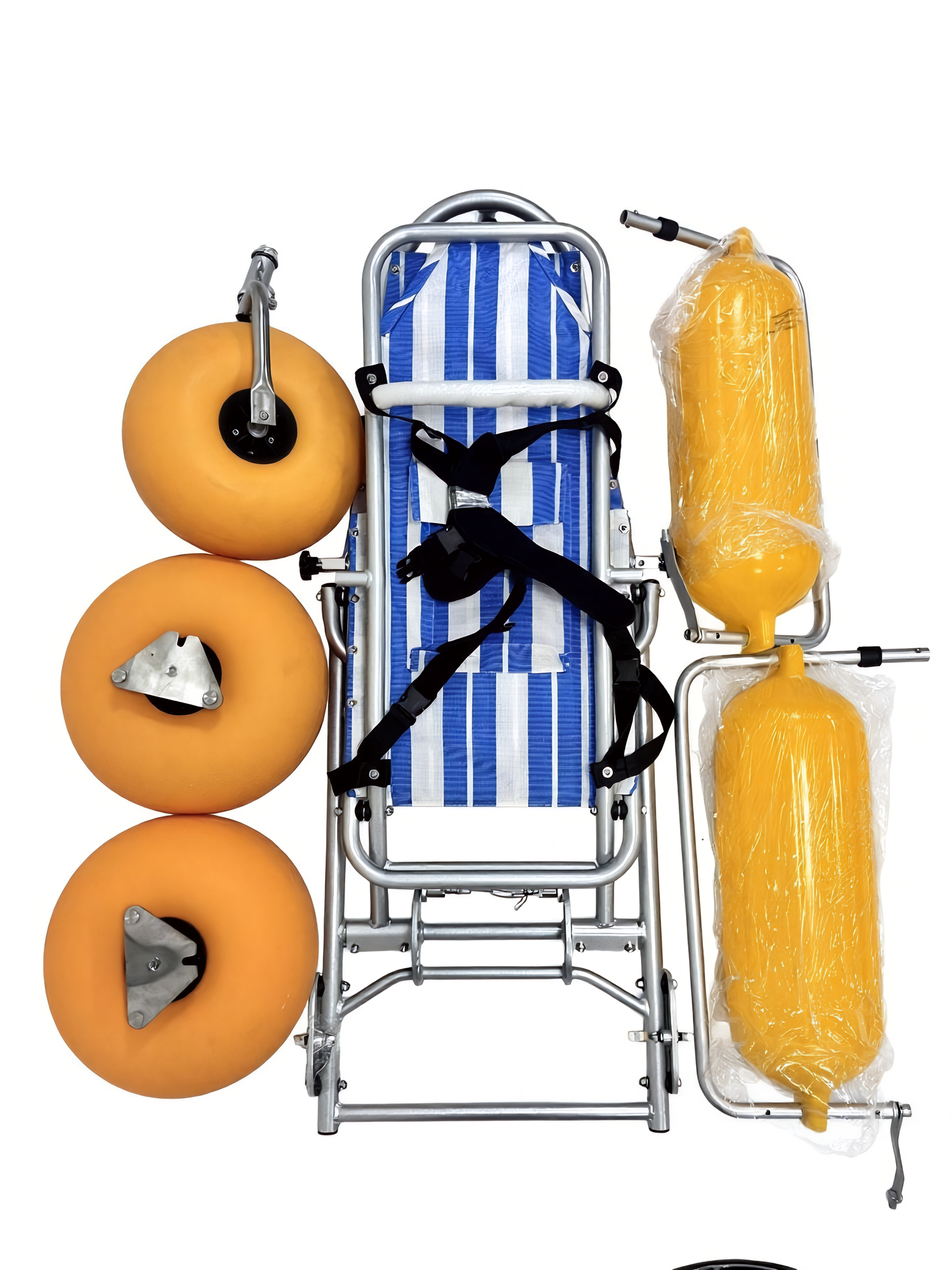
A beach wheelchair rinse station should use the site's clear status process to distinguish equipment awaiting care, under review and ready for the next approved stage. Physical proximity does not mean the same status.
Make status visible to staff
A clean-looking chair may still await a check. Use records or markers approved by the operation. Avoid blocking access or adding unapproved items to the product.
- Define status terms
- Assign record owner
- Link status to unit
| Check | Record to retain |
|---|---|
| Define status terms | Local process |
| Assign record owner | Named staff |
| Link status to unit | Asset reference |
Your team can see where each chair is in the care workflow.
What supplies should be listed?
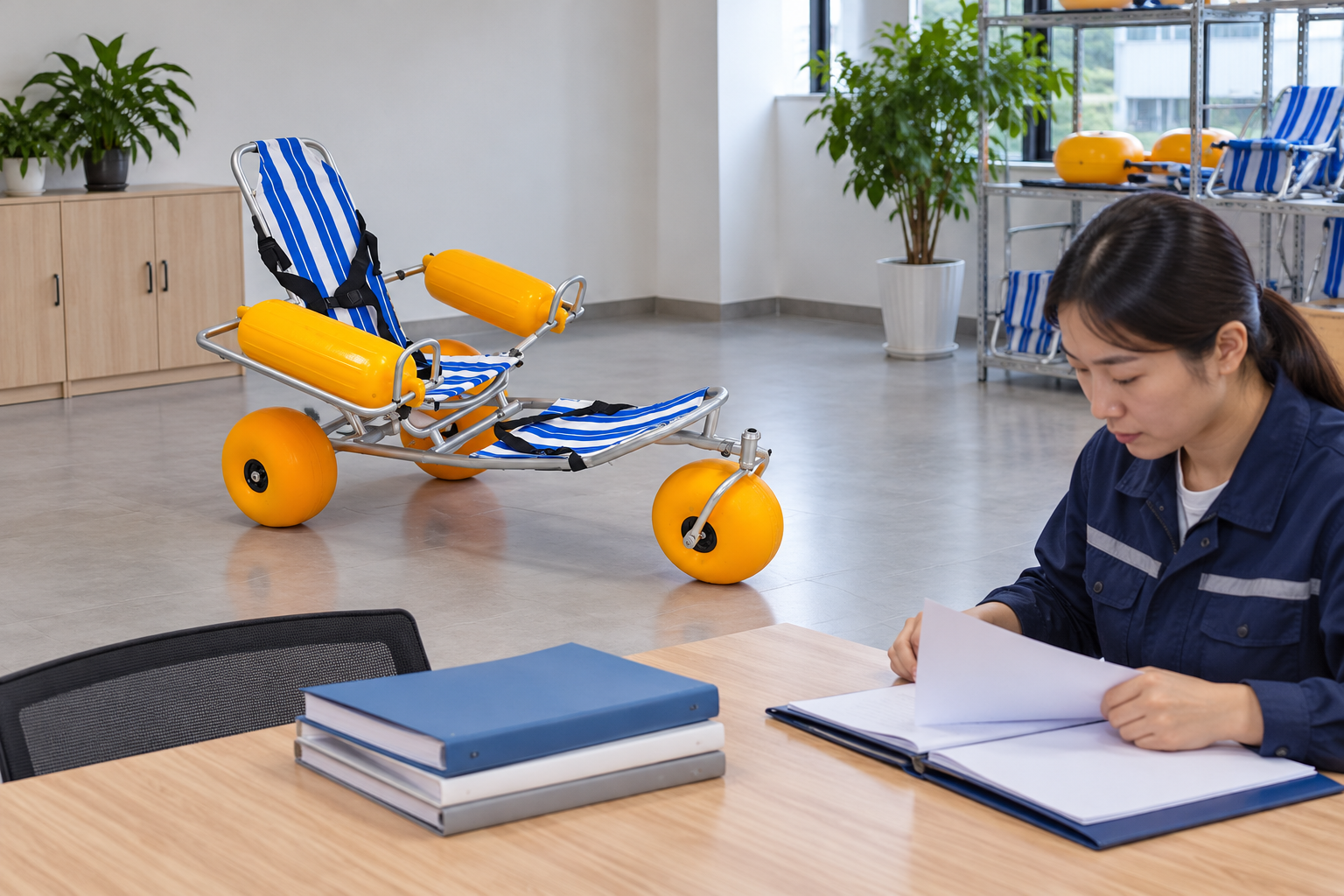
Supplies for a beach wheelchair rinse station should be those confirmed for the exact product and approved facility process. A general cleaning stock list may contain unsuitable materials.
Use the approved list
Keep containers and instructions identifiable. Ask the responsible team to confirm any substitute. Record the supplied product guide that supports the list. Link equipment-status records with the maintenance plan.
- Name permitted supplies
- Record source guidance
- Control substitutes
| Check | Record to retain |
|---|---|
| Name permitted supplies | Approved process |
| Record source guidance | Current instructions |
| Control substitutes | Written review |
Your station can avoid unreviewed changes to the care materials.
Can chair count determine rinse-station capacity?

No, beach wheelchair rinse station capacity should be planned from the actual care process, available space and your service demand. Chair count alone does not establish how the station will work.
Use real operating inputs
A large fleet may return in a short window. Record your own expected or observed workflow. Label estimates and review them after actual use rather than promising a fixed throughput.
- List fleet in scope
- Describe demand pattern
- Label assumptions
| Check | Record to retain |
|---|---|
| List fleet in scope | Model count |
| Describe demand pattern | Local records |
| Label assumptions | Planning basis |
Your facility plan can reflect the operation without invented productivity figures.
How should a fault found during care be recorded?
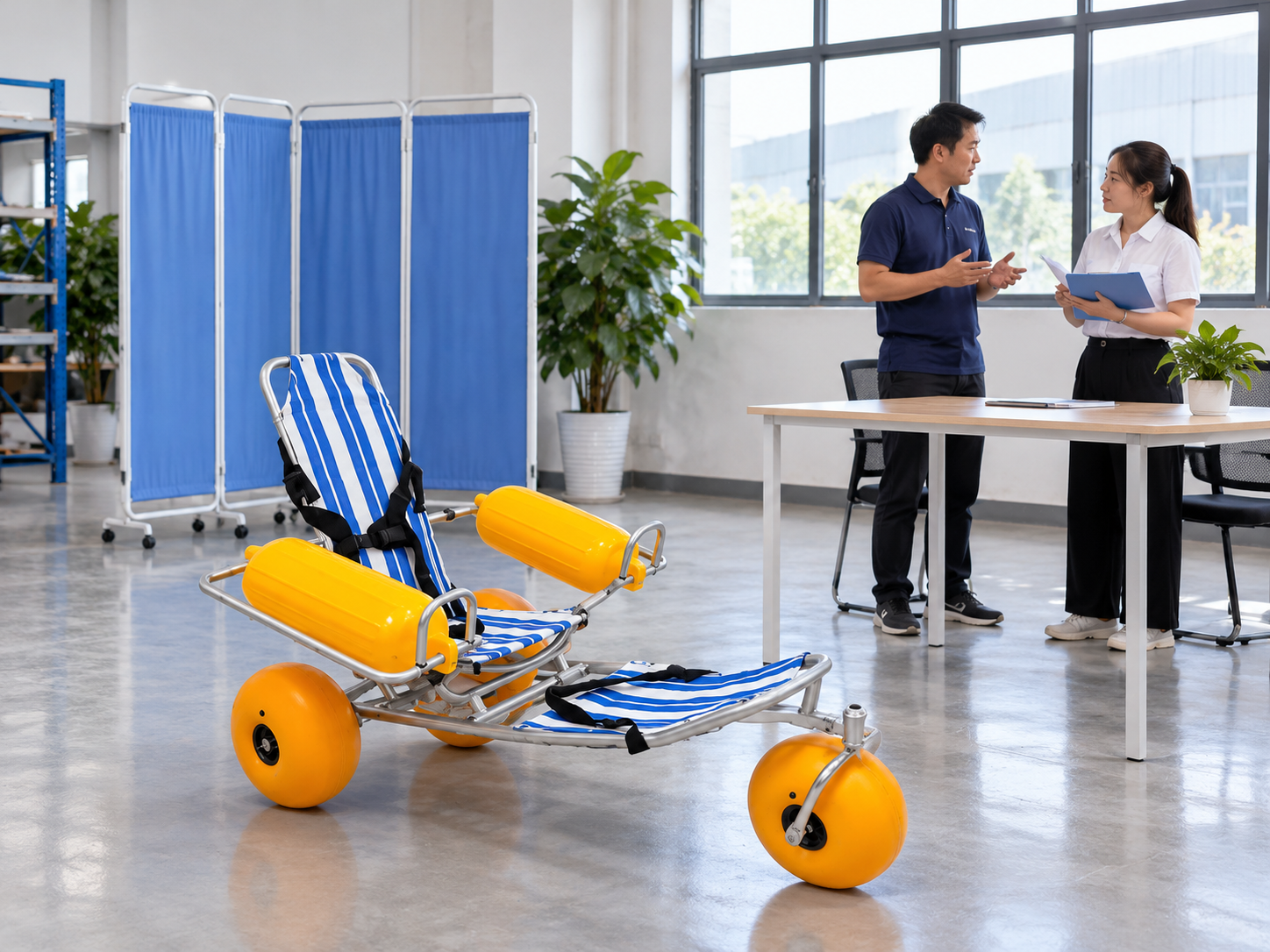
A fault concern found at a beach wheelchair rinse station should enter the equipment's service process with the unit identity and observation. Completing care does not automatically settle a technical concern.
Keep the service issue open
Cleaning and repair are different tasks. Follow the required equipment-status procedure. Ask qualified support for the next decision rather than diagnosing the fault from appearance. Include care responsibilities in the order handoff.
- Identify unit
- Describe concern
- Request service response
| Check | Record to retain |
|---|---|
| Identify unit | Asset record |
| Describe concern | Factual note |
| Request service response | Qualified provider |
Your care team can hand over a clear equipment issue.
What should a beach wheelchair rinse station handoff record contain?
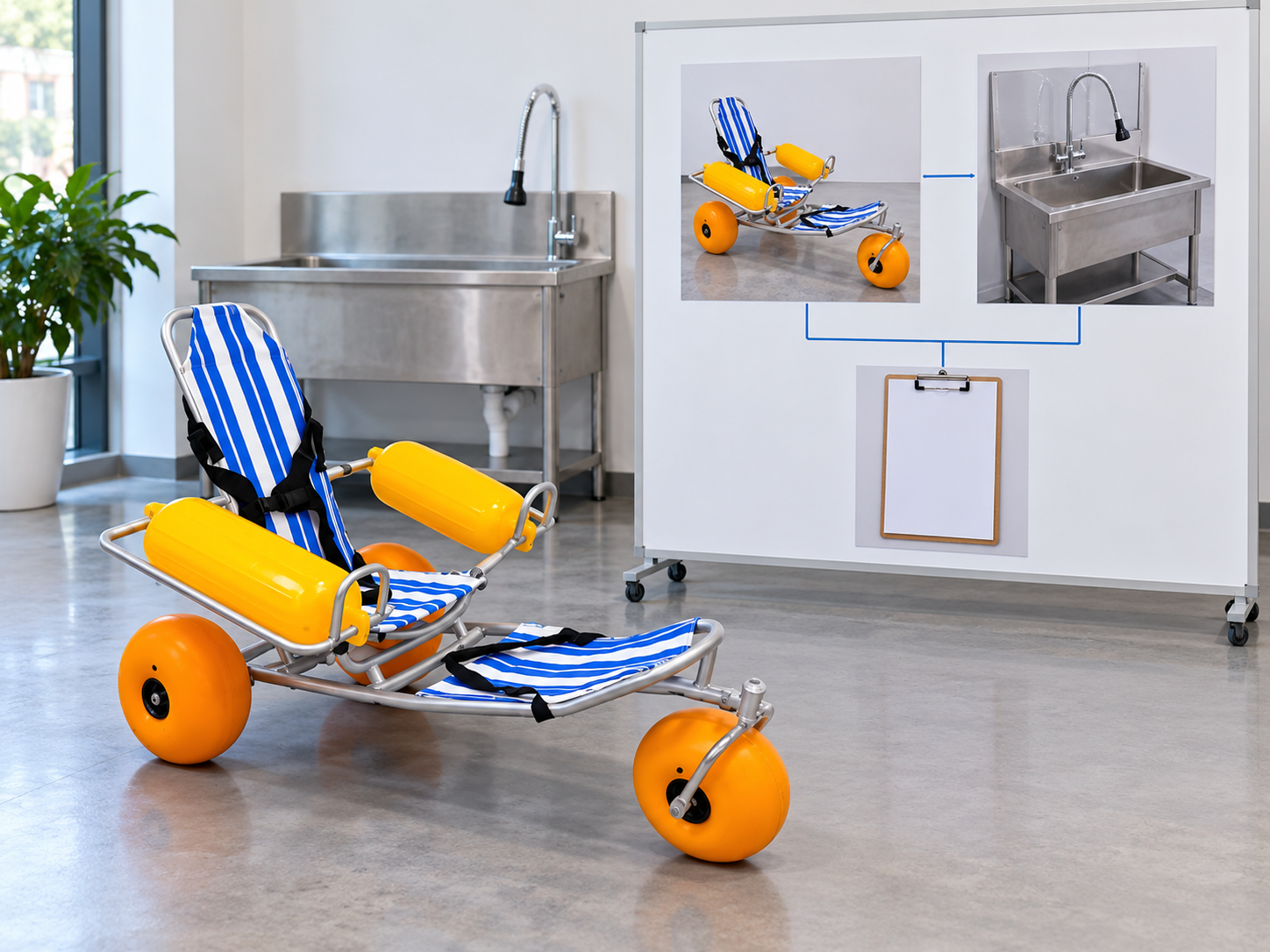
A beach wheelchair rinse station handoff record should show the unit, work stage and any unresolved concerns needed by the next team. Keep the approved care and service responsibilities clear.
Record the next step
A signature needs a defined meaning. Use the facility's existing record method where suitable. State who can change the equipment status under that process.
- Name the unit
- Record completed stage
- Assign next decision
| Check | Record to retain |
|---|---|
| Name the unit | Asset identity |
| Record completed stage | Care record |
| Assign next decision | Responsible team |
Your handoff can explain what has been done and what still needs attention.
How should you request beach wheelchair rinse station information?

Request beach wheelchair rinse station information by naming the model and asking for its current care and handling guidance. Use those facts with the site's qualified planning review.
Build the facility brief from the guide
Resolve product questions before choosing the layout. Describe the intended fleet and service pattern. Keep facility design and equipment care decisions with their relevant owners.
- List models
- Request care files
- Describe site needs
| Check | Record to retain |
|---|---|
| List models | Equipment scope |
| Request care files | Current guidance |
| Describe site needs | Planning questions |
You can plan a care station with a clearer product and facility brief. Contact us with your model and project questions so we can discuss the product information and written terms you need.
Frequently asked questions
Q1: Can I wash every model the same way?
No, use the exact model's approved guidance. A common service area does not imply identical care methods.
Q2: How do I choose water pressure or chemicals?
Use the relevant product and facility guidance. This planning article does not specify those settings or materials.
Q3: Can a completed rinse close a fault report?
No, care and technical service are separate tasks. Keep the concern on the required service process.
Q4: What's the best way to plan station capacity?
Use the actual process and your own fleet workflow. Label estimates rather than promising a universal throughput.
Q5: Can a storage move mean the chair is ready?
Only use the equipment-status decision defined by the approved process. Location alone should not replace that record.