
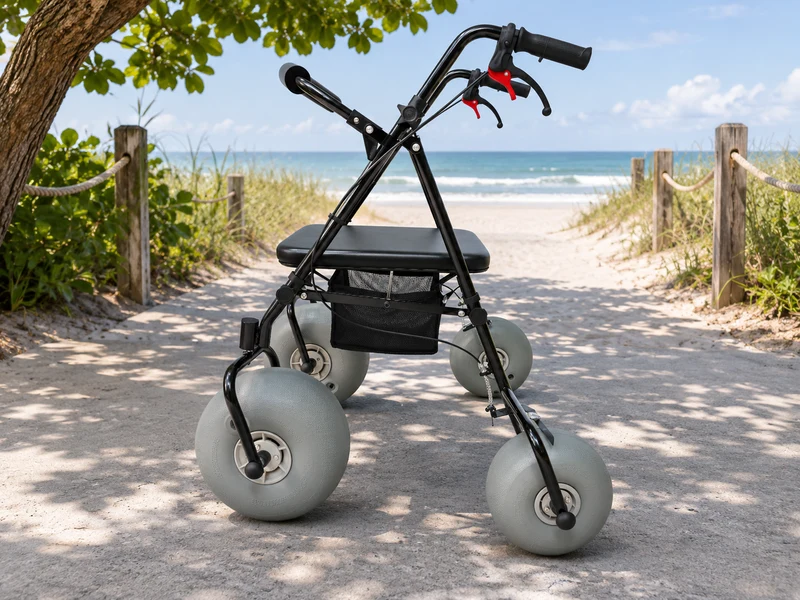
Use a beach rollator seat for a stationary rest only when the instructions for that walker permit it. A guest who tires halfway back from the beach may ask a companion for a push. Arrange a suitable passenger chair and assistance before that situation becomes urgent.
Can someone ride on a beach rollator seat?
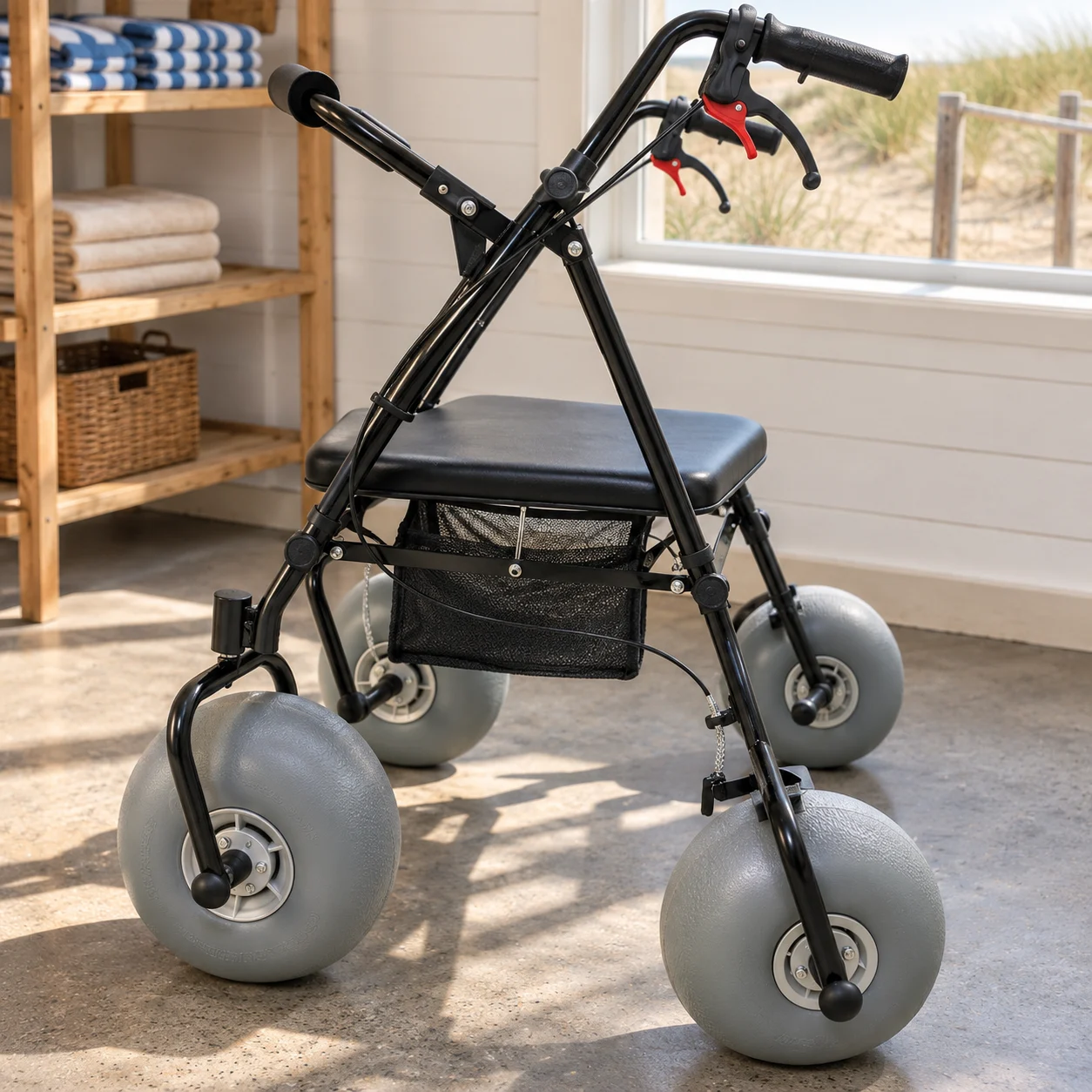
A beach rollator seat alone provides no basis for pushing a seated passenger.
What does the seat actually tell you?
Start with the intended use. A resting surface on a walking aid does not establish how the device behaves while rolling with someone seated.
- Find the model's instructions.
- Locate the sentence describing seat use.
| Check | What to look for |
|---|---|
| Walking aid | Designed to support walking |
| Passenger transport | Requires explicit approval for that mode |
Key Takeaway: Describe the service using the purpose the manufacturer confirms.
How can you identify the exact walker?
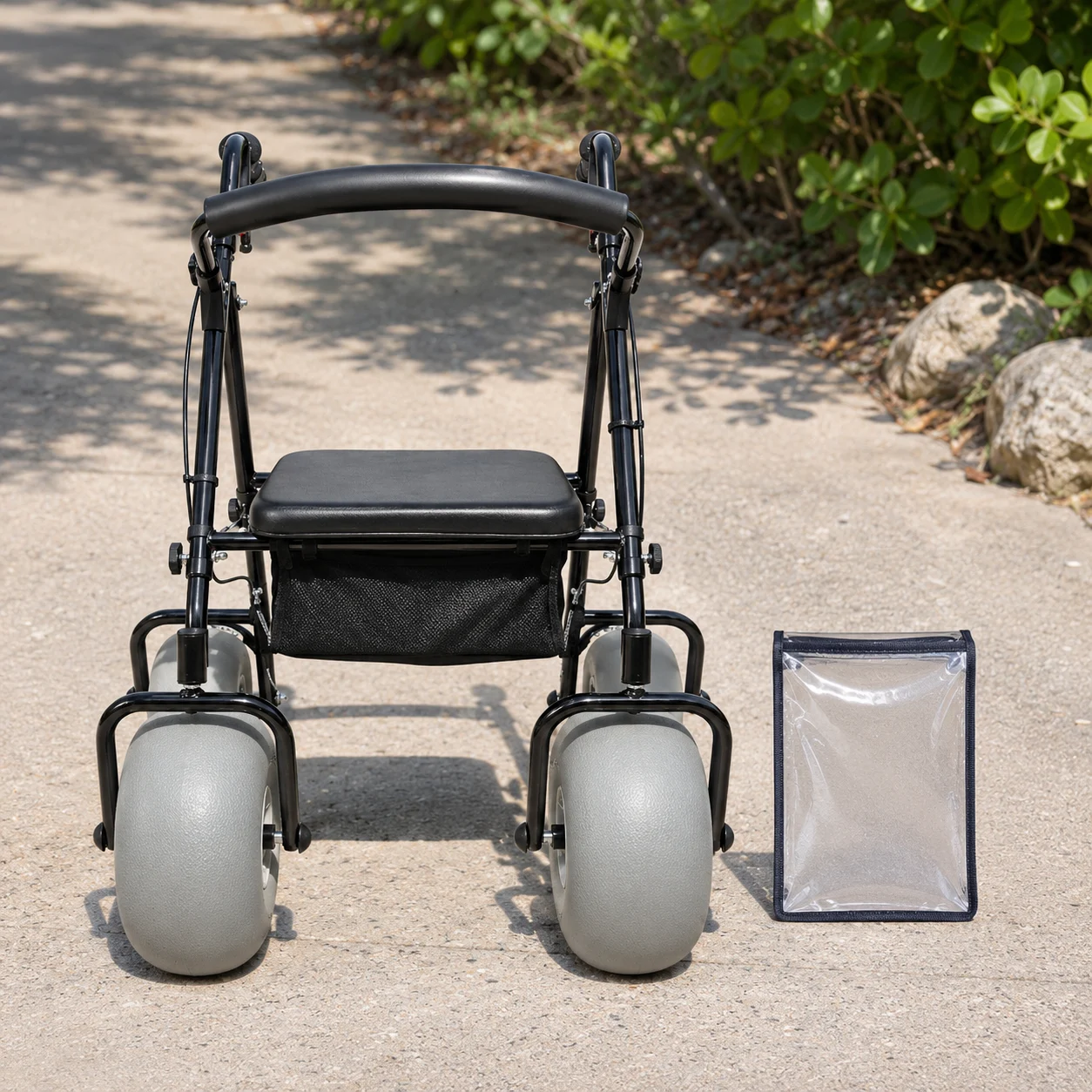
Identify the unit carrying the beach rollator seat from its label and frame configuration.
Where can two similar walkers differ?
Look beyond the silhouette. Wheels, seat fittings and handle assemblies can differ between revisions sold under similar names. Use the beach equipment range to identify the walker in booking material.
- Photograph the entire unit.
- Record the reference exactly as printed.
| Check | What to look for |
|---|---|
| Unit photo | Complete configuration |
| Label photo | Unit or model reference |
Key Takeaway: A label gives the supplier a way to answer for your particular walker.
What wording should you look for in the manual?
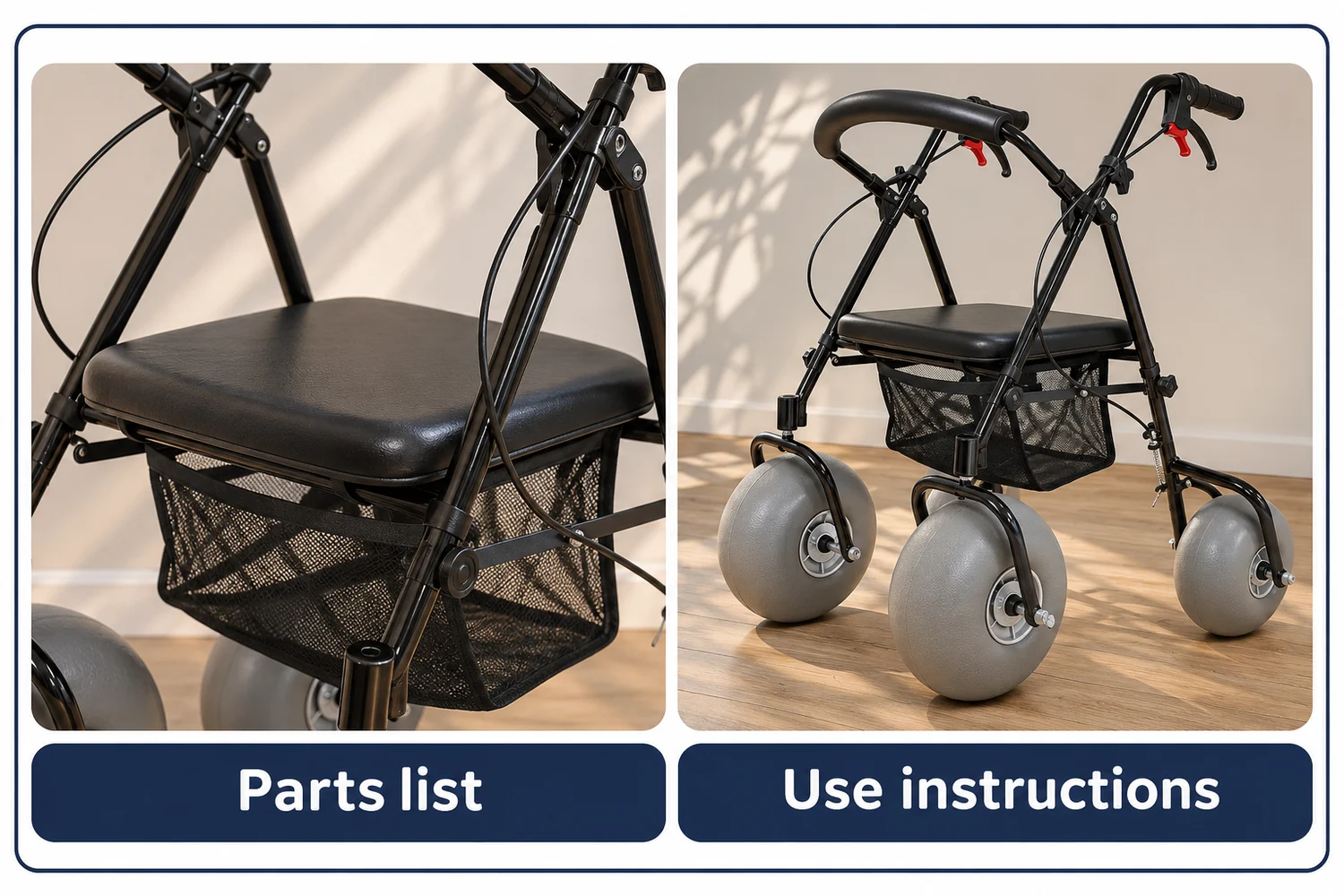
Look for a statement that defines when and how the beach rollator seat may be used.
Which passage belongs in your file?
Read past the parts list. A parts diagram can name a seat without giving instructions for sitting or for moving a person.
- Find the intended-use passage.
- Keep the matching revision date.
| Check | What to look for |
|---|---|
| Parts list | Names the component |
| Use instructions | Define the activity |
Key Takeaway: Use the instructions when you brief staff on what the service offers.
Where can a guest stop for a rest?
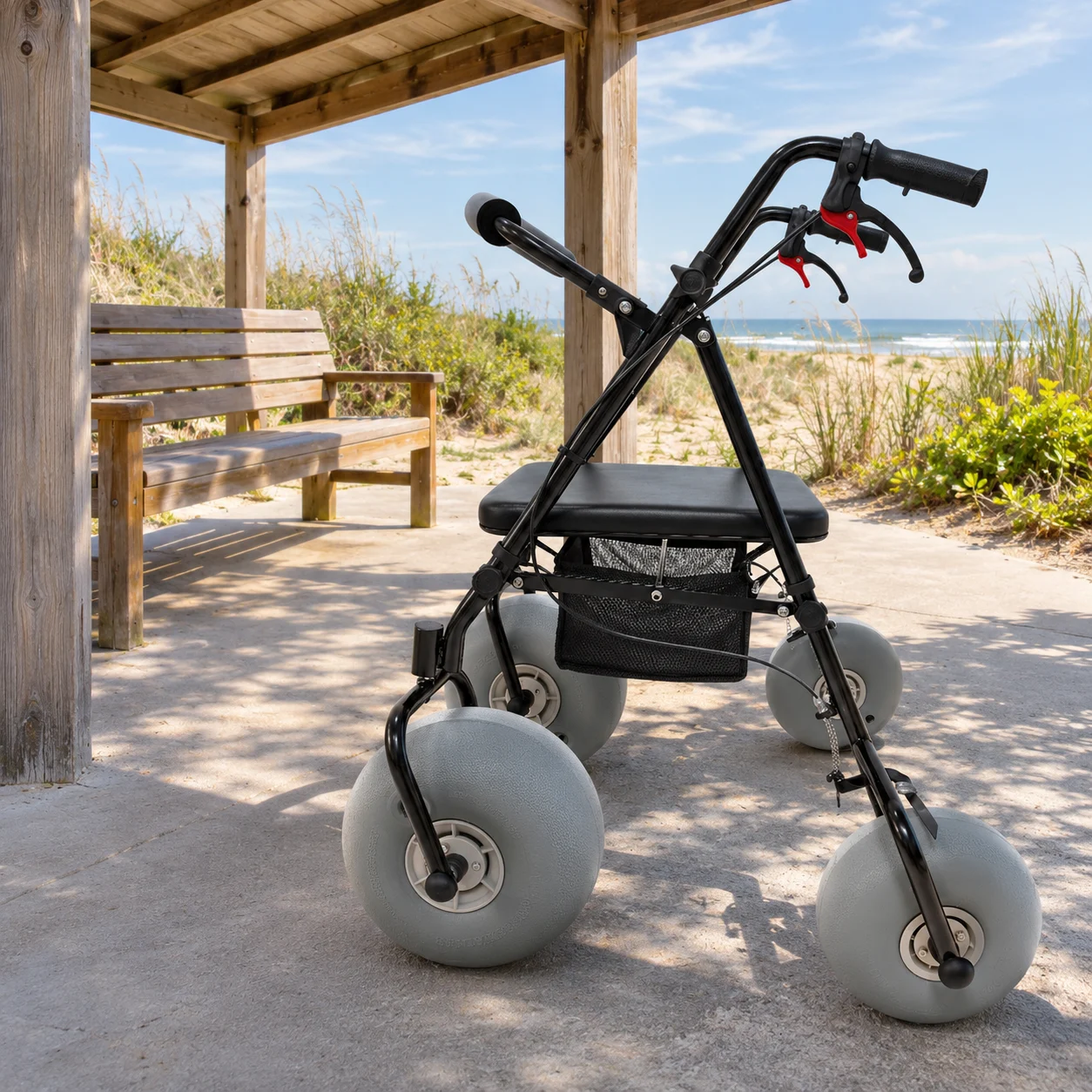
Select a stopping place that meets the beach rollator seat instructions and the guest's needs.
Will the place still work on arrival?
Walk the route first. Sand or objects can cover a previously usable stopping place, and a narrow landing can trap the next person behind the walker.
- Check the intended resting location.
- Keep the approach clear for other visitors.
| Check | What to look for |
|---|---|
| Spot | Usable at the time of the visit |
| Approach | Room to reach and leave |
Key Takeaway: A named rest stop helps both the guest and the attendant plan the return.
What should staff do when the device moves unexpectedly?
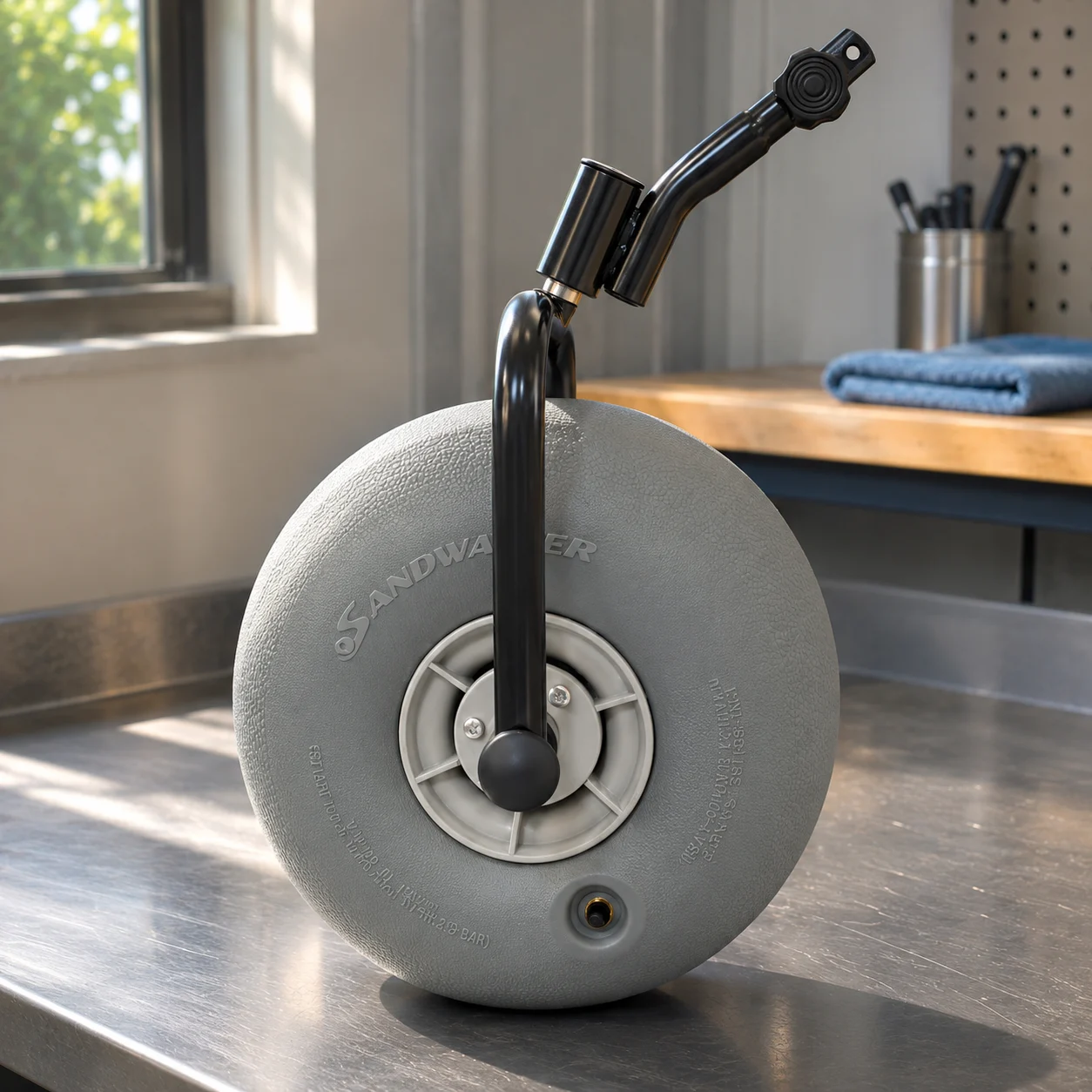
Stop offering the beach rollator seat until the responsible person resolves an unexpected movement report.
What should the service ticket say?
Record what happened. “Unit moved while stationary” tells the technician more than “seat broken” and avoids diagnosing a cause over the counter.
- Note the location and unit identity.
- Tell the next shift the walker is unavailable.
| Check | What to look for |
|---|---|
| Symptom | What staff or the guest observed |
| Decision | Person responsible for release |
Key Takeaway: A clear hold record prevents the next guest inheriting an unresolved fault.
Which questions should staff ask at booking?
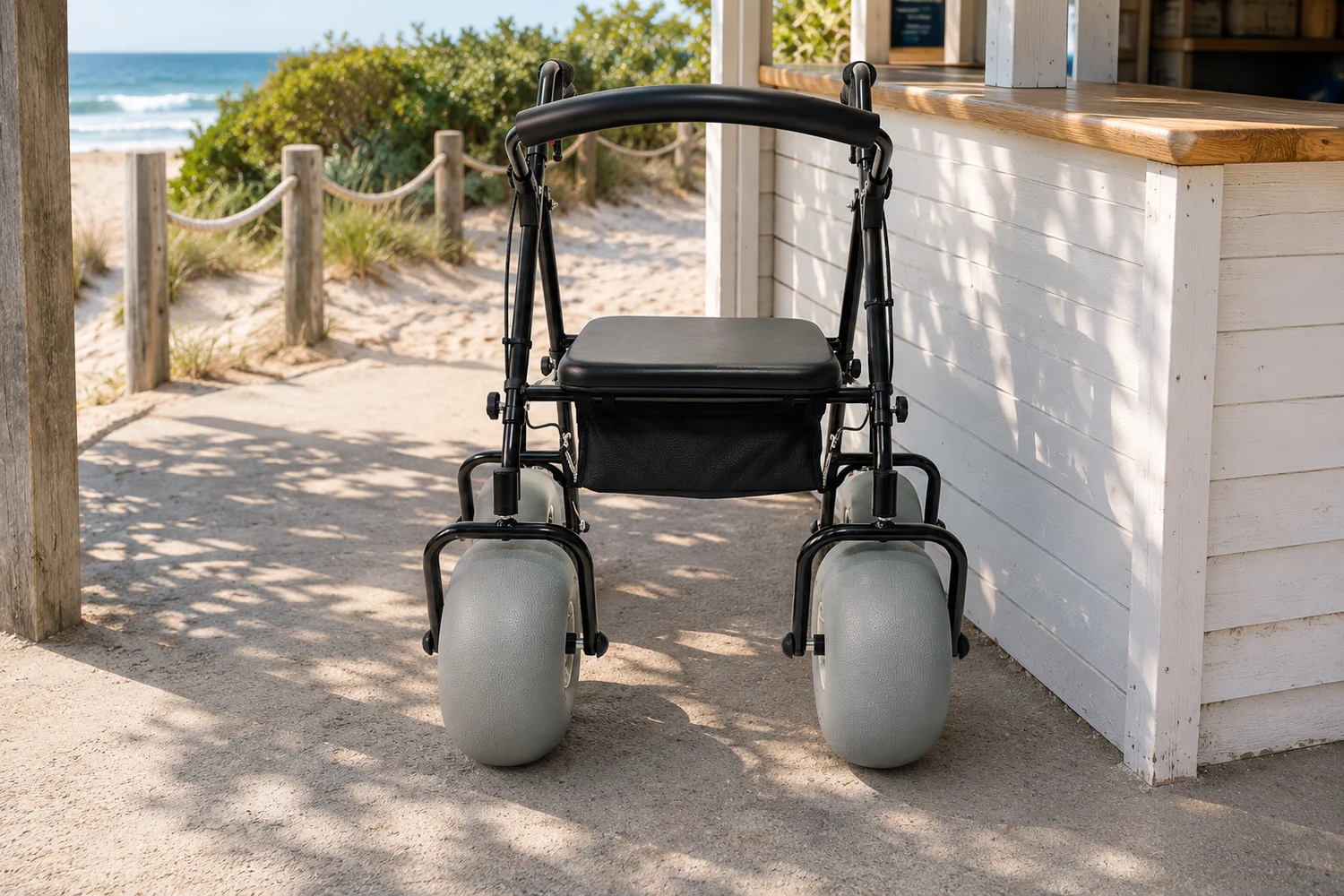
Ask whether the guest wants walking support, a beach rollator seat for breaks, or seated transport.
How do you ask without making assumptions?
Ask about the outing. Someone may want to walk outward and ride back, even when the outward distance sounds manageable. Where appropriate, discuss a beach passenger chair with the visitor.
- Ask how they plan to return.
- Explain what equipment the site can actually provide.
| Check | What to look for |
|---|---|
| Outbound | Walking support requested |
| Return | Rest or transport requirement |
Key Takeaway: The return plan is often the detail that changes the booking.
What if the guest wants someone to push them?
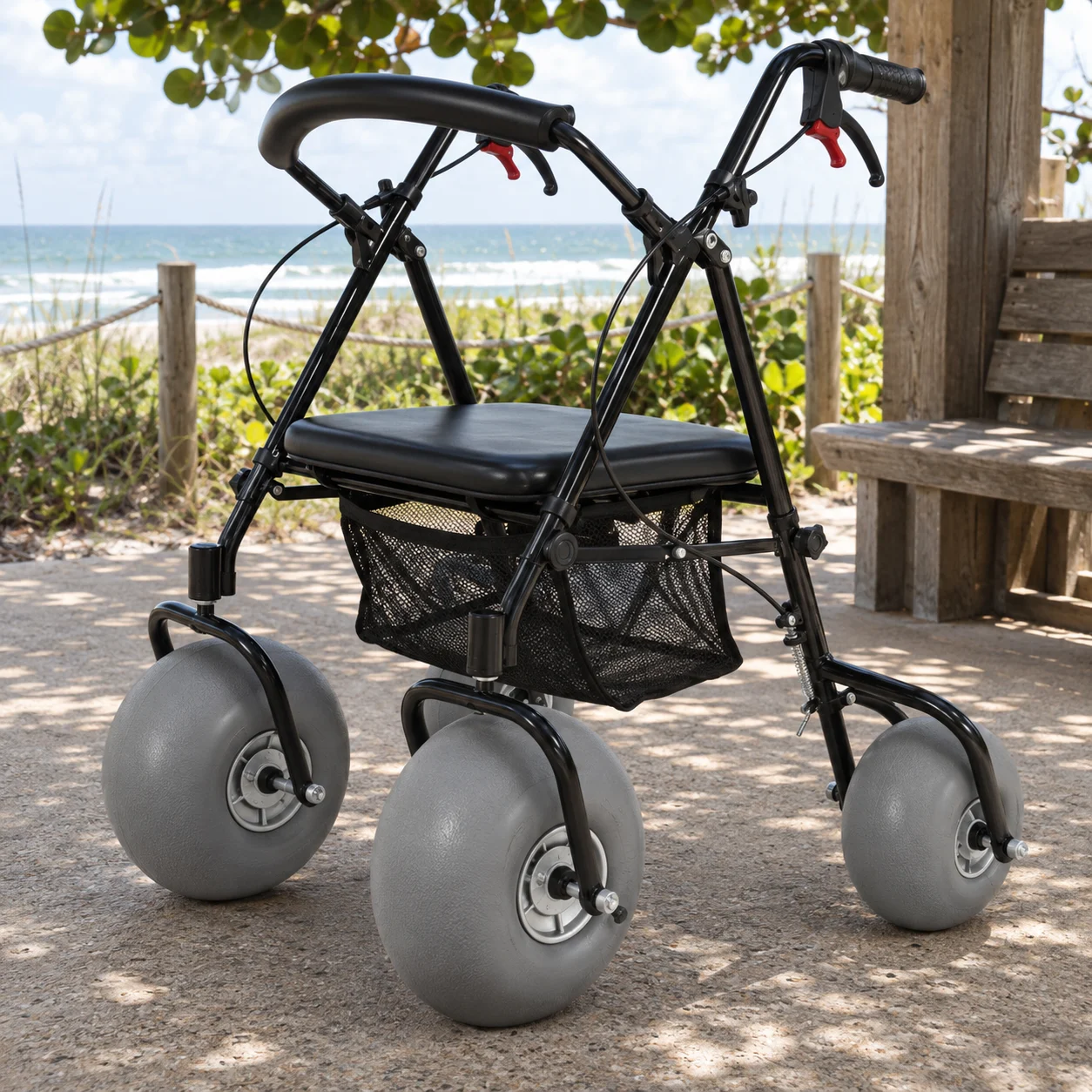
Arrange an approved passenger device when the guest's need exceeds the documented use of the beach rollator seat.
Which details matter at the handoff?
Confirm the handoff location. A guest who needs a ride should know where the appropriate chair and trained assistance will be available. The National Park Service beach chair listings give examples of site-specific chair services.
- Name the collection point.
- Confirm availability with the receiving team.
| Check | What to look for |
|---|---|
| Equipment | Identified passenger chair |
| Handoff | Agreed place and assistance |
Key Takeaway: The guest can make a choice based on a real option at the site.
Can a web listing establish a second mode?
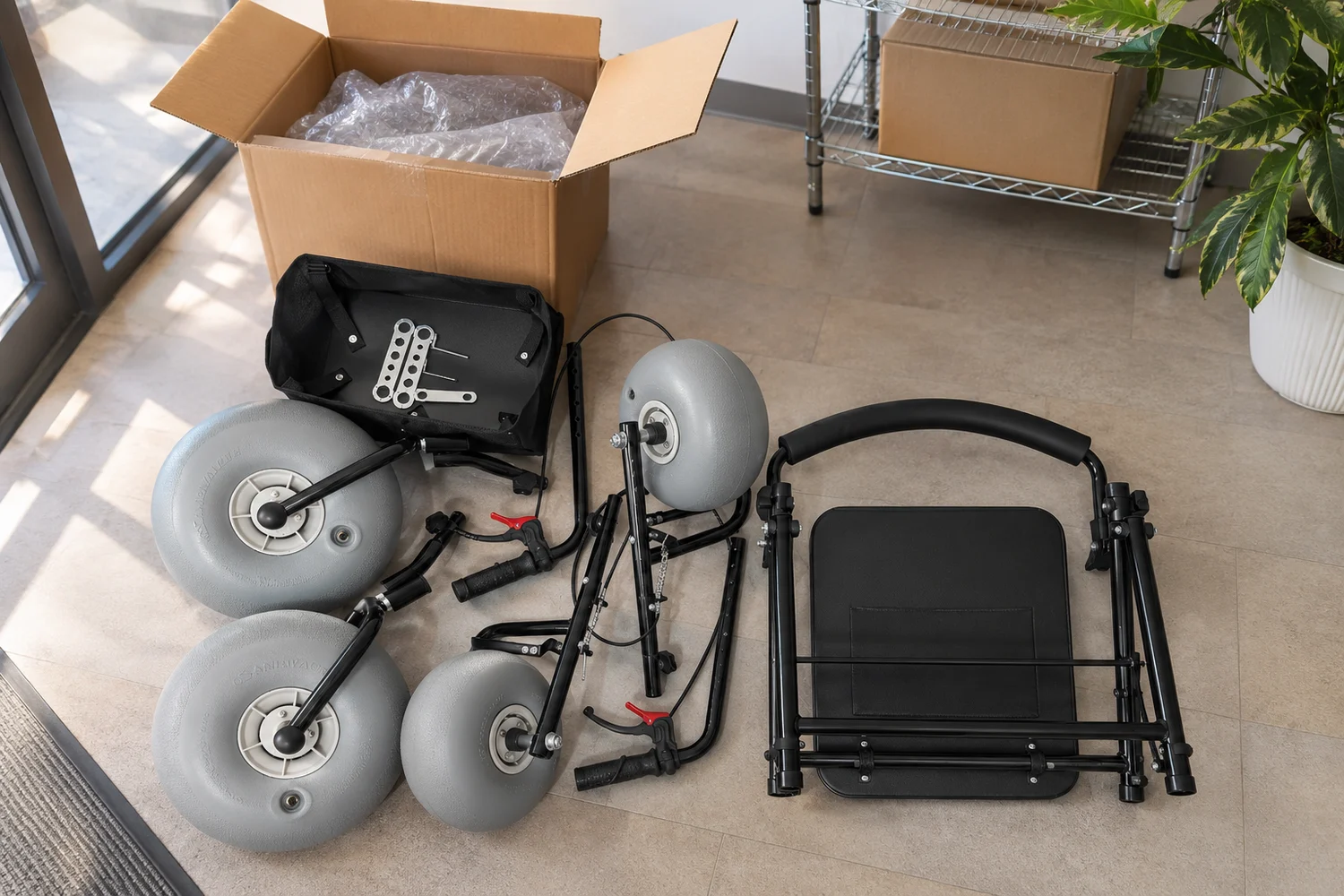
Accept a second mode for a beach rollator seat only when the exact manufacturer documentation describes it.
What if two catalogues disagree?
Ask for the relevant page. An image caption or the word “seat” cannot resolve conflicting product descriptions. Send the device identity with your product question.
- Quote the model and revision.
- Ask for the exact instructions for the claimed mode.
| Check | What to look for |
|---|---|
| Web copy | Claim to investigate |
| Manual page | Evidence for the exact device |
Key Takeaway: Written confirmation keeps the catalogue and rental desk consistent.
What should the rental team say to a companion?
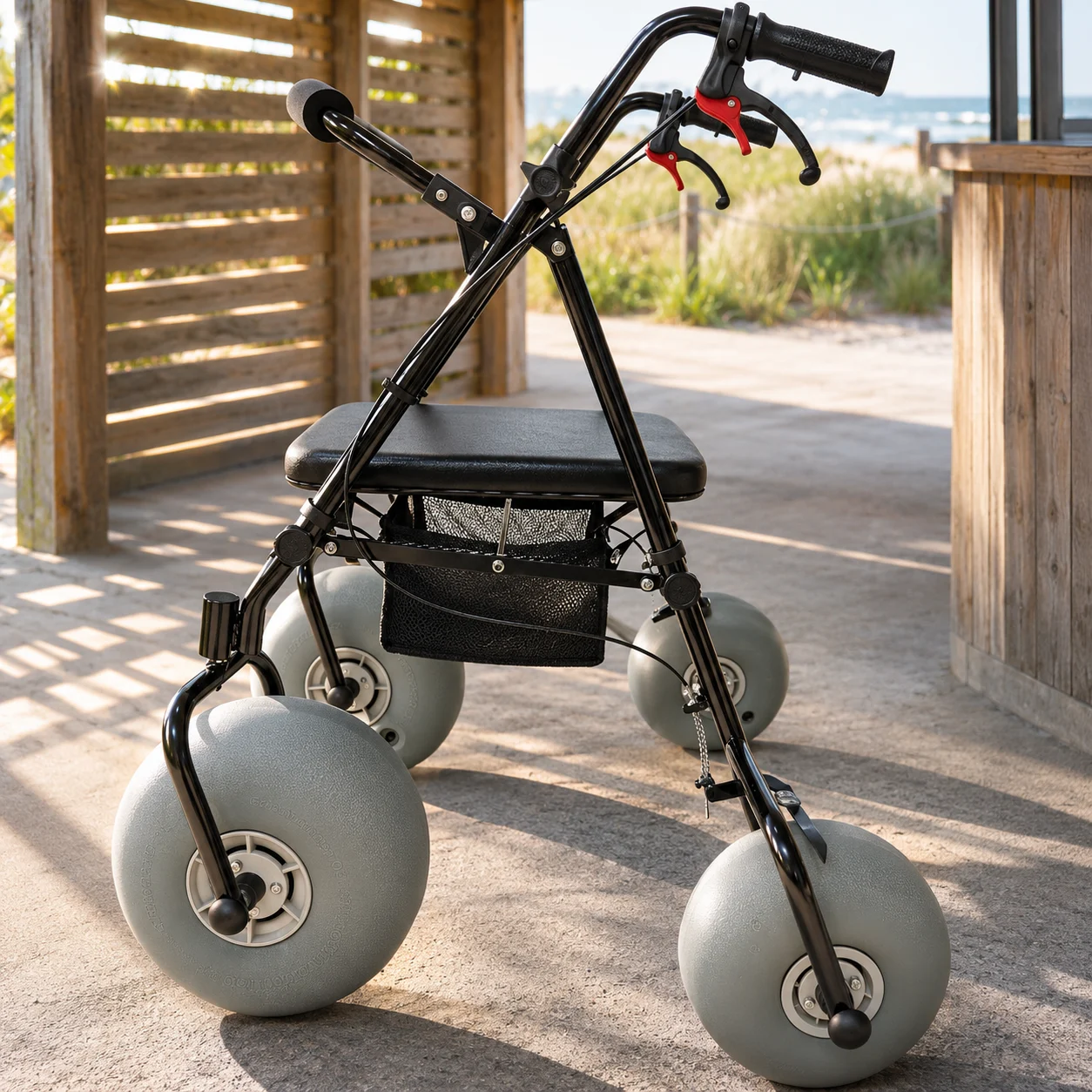
Explain the documented beach rollator seat use before the group leaves the counter.
Can staff say it in one sentence?
Try it aloud. “This walker is for walking and stationary breaks. Call us here if you need the return chair” gives the companion a concrete next step.
- Name the available alternative.
- Give the site contact method.
| Check | What to look for |
|---|---|
| Purpose | Brief device description |
| Fallback | Who can arrange assistance |
Key Takeaway: A short explanation is easier to remember halfway along a hot route.
How should you write the equipment description?
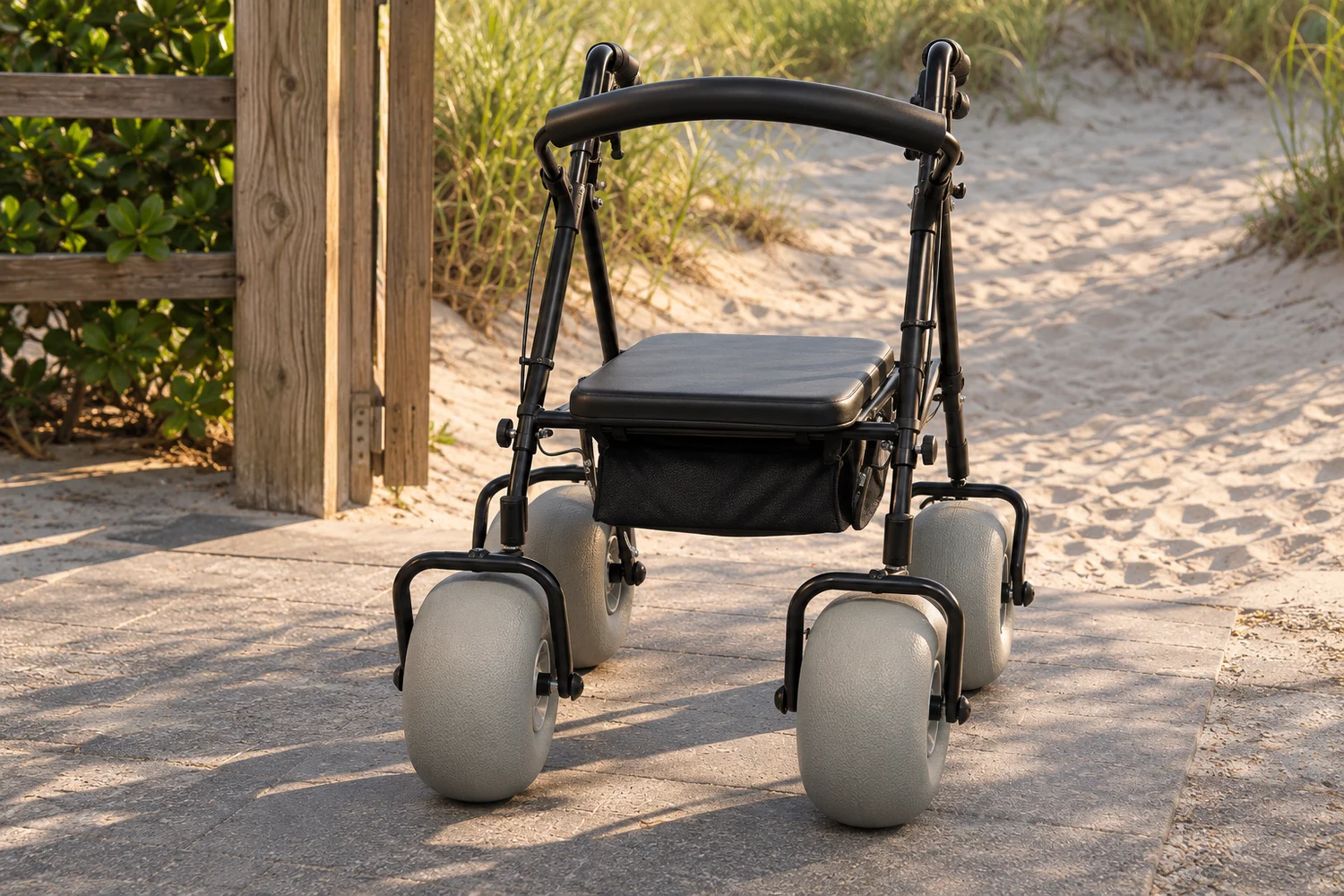
Describe the beach rollator seat as a resting feature only to the extent the current instructions support that wording.
What belongs in the final listing?
Read it as a visitor. If the title sounds like a ride service, change the title and put the separate transport arrangement where visitors can find it.
- Keep the device name consistent.
- Review the wording when equipment changes.
| Check | What to look for |
|---|---|
| Listing | Service you can supply |
| Review | Owner and revision date |
Key Takeaway: A visitor should know before arriving whether your walker meets their plan. Contact us with the walker model and the question your service team needs answered. Visitors deserve to know how they will get back before they set out.
Frequently asked questions
Q1: Can I push my partner back using this walker?
Do not push a seated person on a walking aid unless its manufacturer explicitly approves that mode and its requirements are met.
Q2: Can I use the seat on loose sand?
Check the unit instructions and the actual stopping place. Ask site staff for an appropriate alternative if the surface is unsuitable.
Q3: How do I know if it is a transport chair too?
Find explicit manufacturer instructions for that mode on the exact model. A seat and wide wheels do not prove it.
Q4: What's the best time to request a return chair?
Ask when booking. This gives the operator time to confirm equipment and personnel.
Q5: Can I use the same briefing for every walker?
Use a briefing tied to each model. Similar frames can carry different instructions.