
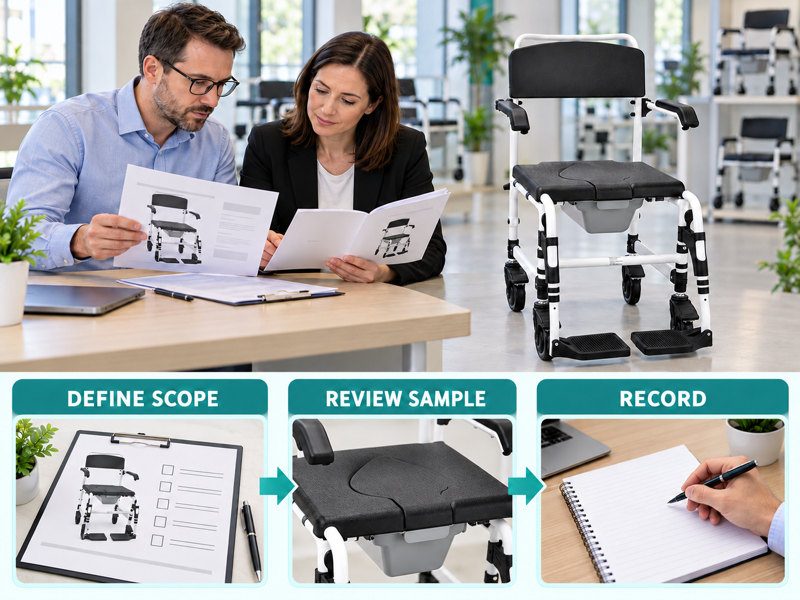
Use a commode chair sample review to decide whether an identified model meets a written brief within an agreed scope. A UAE buyer may like the sample but still lack the care guide and spare-part codes needed to support it. A requirement-by-requirement record makes acceptance more useful than a general approval email.
What should a commode chair sample review decide?
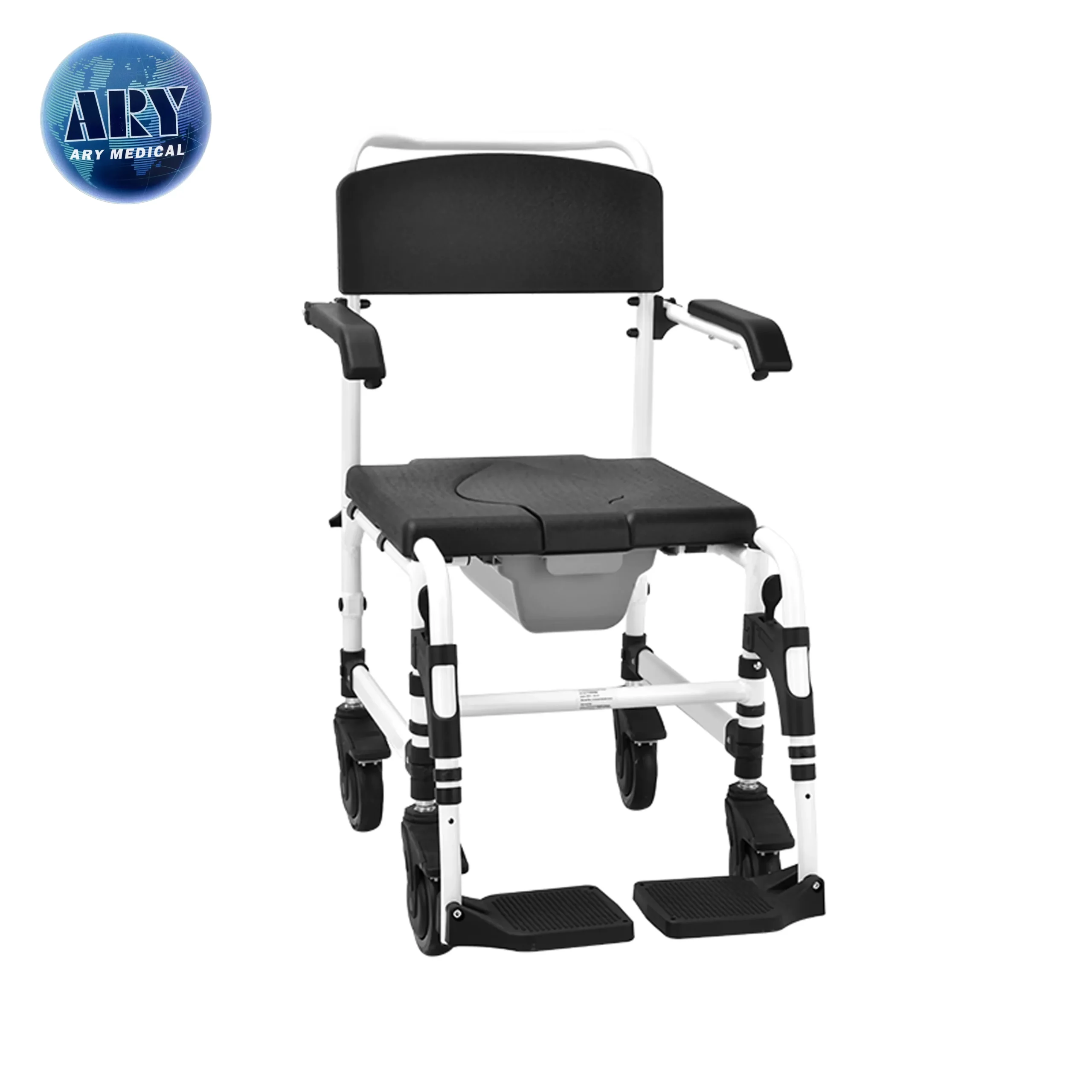
A commode chair sample review should decide whether the exact model meets your written brief within the agreed scope. A good first impression cannot settle every question about fit, care and support.
Set the review decision
Define the decision before ordering a sample. Write your needs and open questions before the sample arrives. Keep buyer checks separate from formal tests and a personal clinical assessment.
- Purchase need
- Review scope
- Open questions
| Check | Record or reference |
|---|---|
| Purchase need | Brief |
| Review scope | Plan |
| Open questions | Issue list |
Key Takeaway: The sample has a purpose beyond being another showroom chair.
How should the sample be identified?
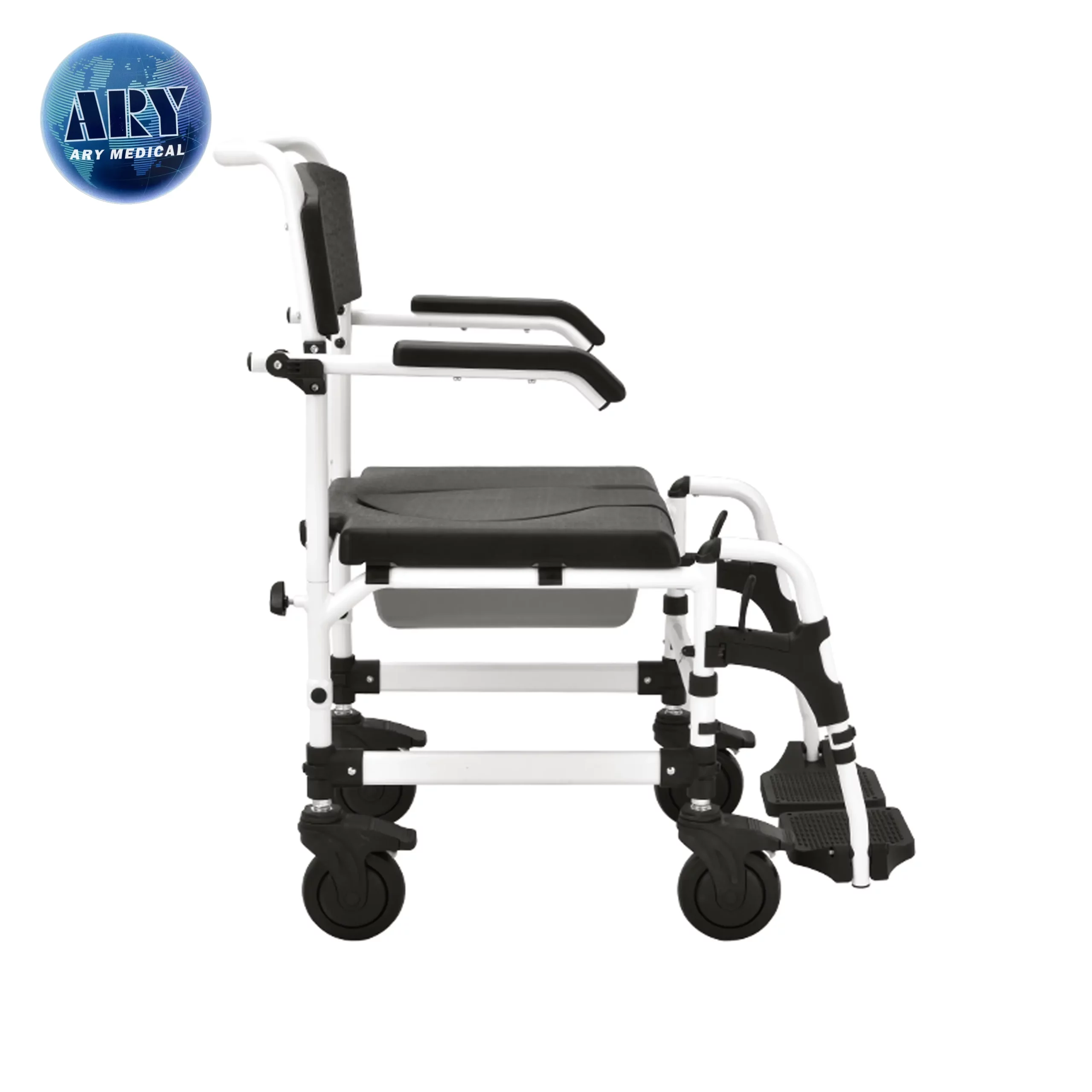
For a commode chair sample review, record the model, revision and accessories actually received. A sample with different wheels or a different bucket may not represent the quoted version.
Identify the received sample
Keep the sample linked to the offer. Photograph the product label and complete chair. Ask the supplier to explain any difference before using the sample to approve the order. Check the quoted arm-support version when identifying the sample.
- Model revision
- Quoted version
- Difference
| Check | Record or reference |
|---|---|
| Model revision | Label |
| Quoted version | Offer |
| Difference | Supplier response |
Key Takeaway: Your acceptance can refer to an exact product setup.
Which documents should arrive with it?
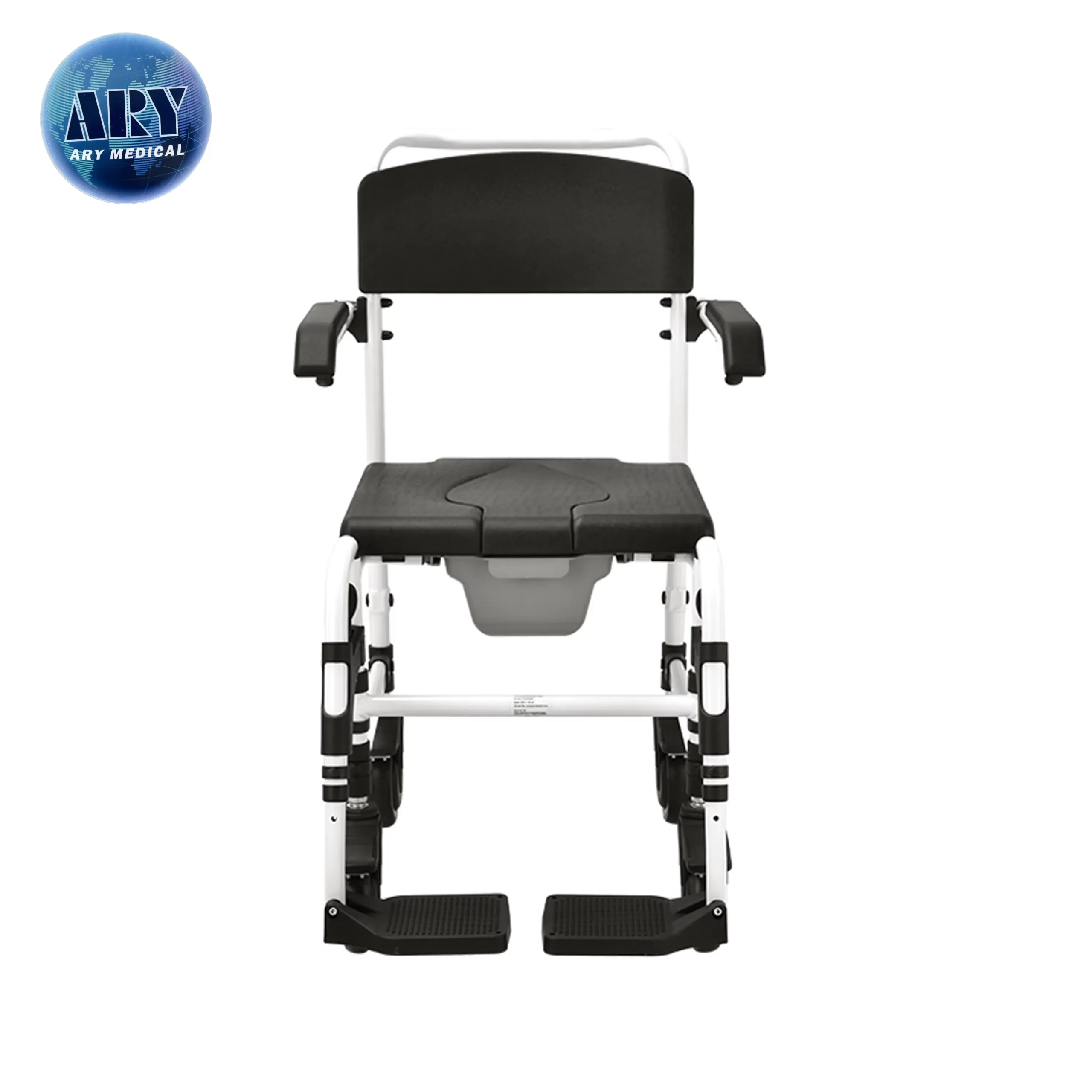
A commode chair sample review needs the current specification, instructions, care guidance and relevant evidence requested in the brief. A catalog image cannot explain assembly limits or replacement parts.
Collect the current product files
Request the files needed to judge the product. Check document versions against the sample. Record missing information as an open requirement rather than filling it with assumptions.
- Specification
- Instructions
- Evidence
| Check | Record or reference |
|---|---|
| Specification | Current file |
| Instructions | Manual |
| Evidence | Requested reports |
Key Takeaway: The review can use product facts rather than sales language alone.
How should dimensions be checked?

For a commode chair sample review, compare dimensions using defined reference points and the relevant approved setting. Seat width, overall width and under-seat clearance describe different things.
Define measurement reference points
Name each measurement and method. Use a suitable measurement method and record the setup. Refer personal fit and room-use questions to the appropriate assessor rather than declaring universal suitability.
- Measurement name
- Setup
- Observed value
| Check | Record or reference |
|---|---|
| Measurement name | Drawing |
| Setup | Review note |
| Observed value | Measurement sheet |
Key Takeaway: Your size comparison can be repeated and interpreted correctly.
What should component checks cover?
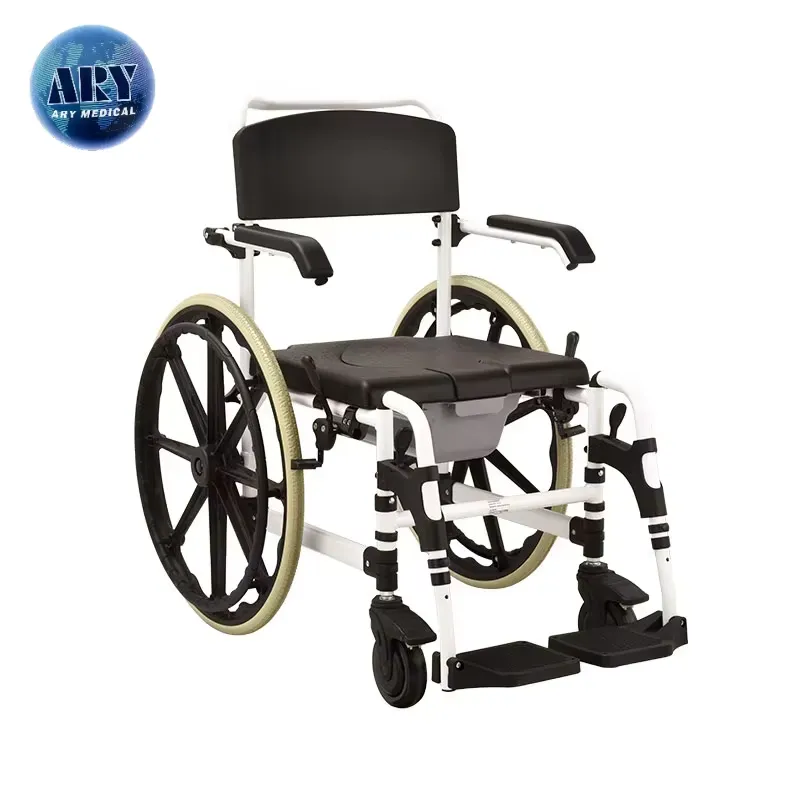
A commode chair sample review should cover the seat, supports, bucket set, wheels and other supplied components within the maker's instructions. A different version may need a different check list.
Check the supplied components
Inspect the supplied configuration. Use an empty chair and trained staff for permitted functional checks. Do not add a person or improvised weights to create an unofficial load test. Include the complete bucket assembly in the component review.
- Component list
- Check method
- Observation
| Check | Record or reference |
|---|---|
| Component list | Specification |
| Check method | Guide |
| Observation | Review sheet |
Key Takeaway: The sample is assessed within a defined practical scope.
How should care suitability be reviewed?
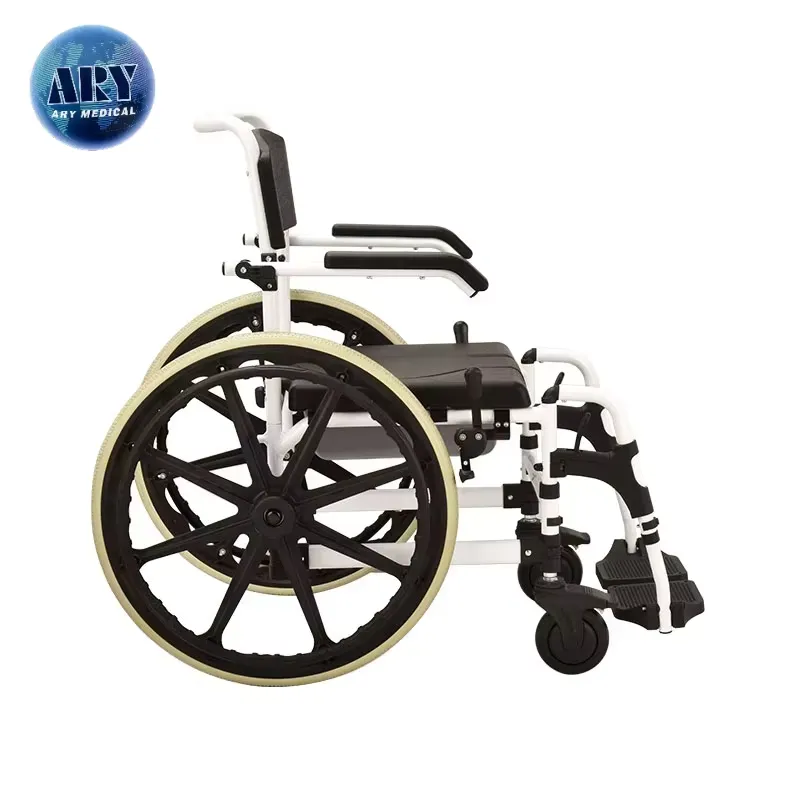
For a commode chair sample review, compare the maker's care limits with the buyer's intended cleaning and handling process. A smooth finish does not prove compatibility with every chemical or machine.
Compare care needs with limits
Compare instructions with your process. Have the responsible care team identify any mismatch. Ask the supplier for evidence or an approved method rather than assuming the process can be transferred from another chair.
- Intended process
- Material limits
- Mismatch
| Check | Record or reference |
|---|---|
| Intended process | Care brief |
| Material limits | Guide |
| Mismatch | Question log |
Key Takeaway: Your team can identify care conflicts before ordering stock.
What should parts support demonstrate?
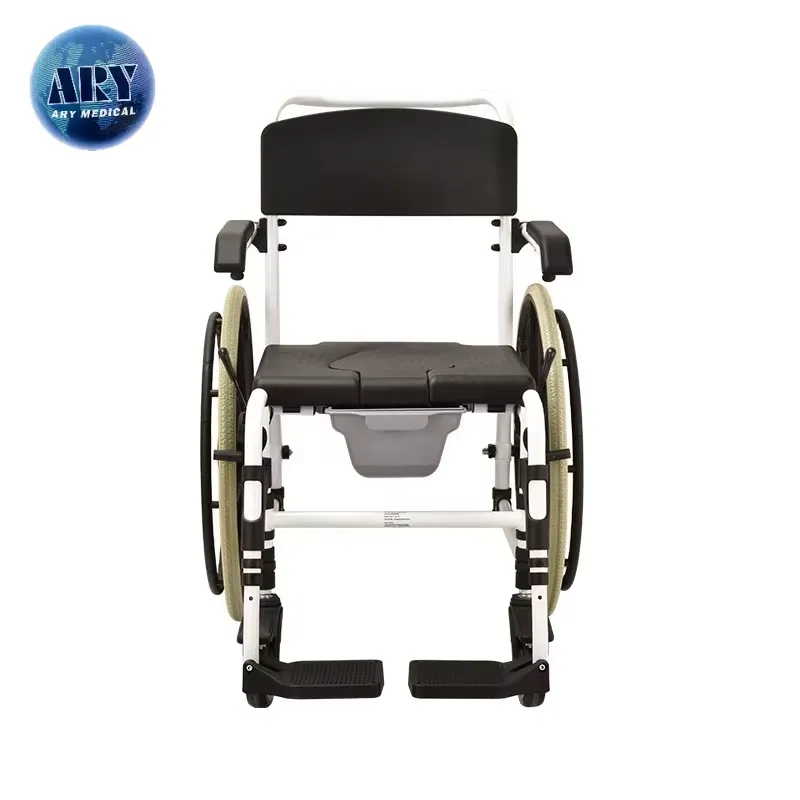
A commode chair sample review should establish how approved replacement parts and service guidance can be obtained. A sample can look satisfactory while leaving future bucket or brake replacements unresolved.
Verify the service route
Ask how the exact version will be serviced. Request part codes, available assemblies and current supply terms. Keep any unconfirmed service promise out of the acceptance record until it is clarified.
- Part codes
- Service method
- Supply terms
| Check | Record or reference |
|---|---|
| Part codes | Parts list |
| Service method | Guide |
| Supply terms | Written offer |
Key Takeaway: You can review support alongside the physical chair.
How should findings be recorded?
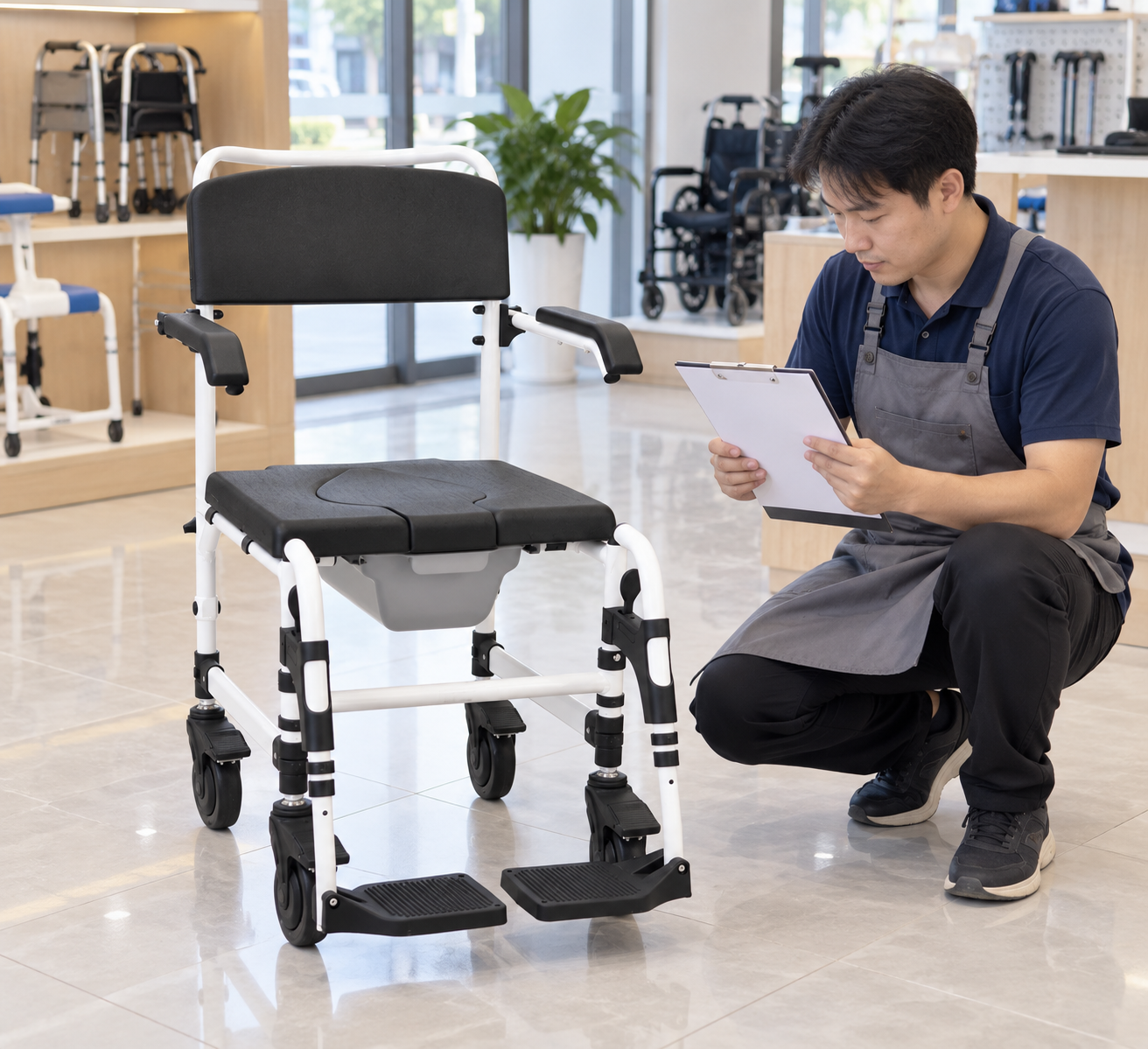
A commode chair sample review report should state the method, observation and decision for each requirement. A note saying good quality is too broad to guide production or settle a later difference.
Separate findings from approval
Keep observations separate from decisions. Attach relevant photographs and name the reviewer. Record limitations so the sample report does not become a claim about untested performance. Carry the accepted findings into the bulk purchase brief.
- Method
- Observation
- Decision
| Check | Record or reference |
|---|---|
| Method | Review plan |
| Observation | Record |
| Decision | Sign-off |
Key Takeaway: Another team can understand why the sample was accepted or held.
What happens after the supplier changes the sample?
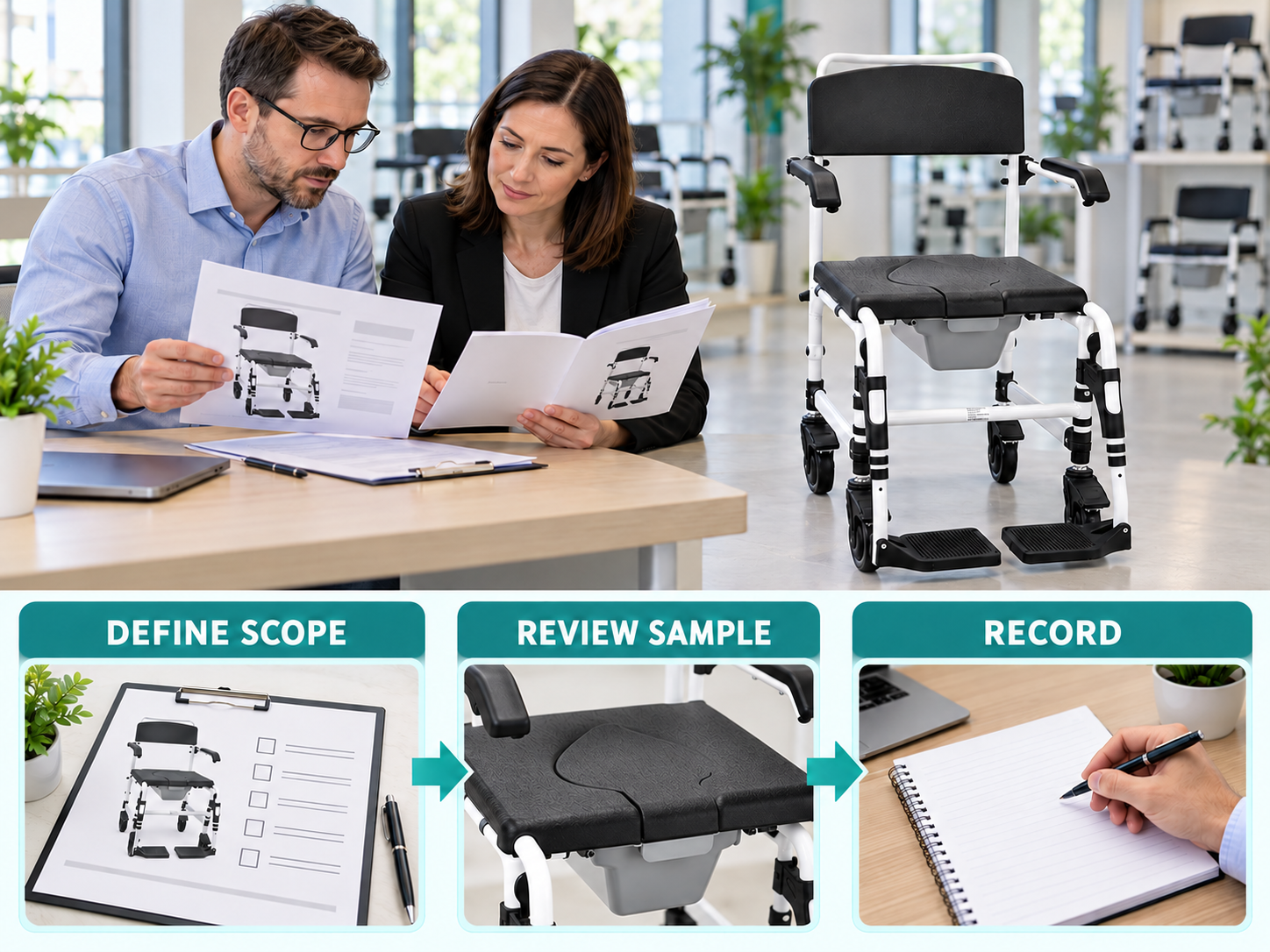
A commode chair sample review needs a new decision when a change affects the approved features or evidence. Replacing a part after review does not automatically carry the earlier approval forward.
Review changed samples
Review the affected requirements again. Ask for a marked change list and updated documents. Keep the original findings so the second review can focus on the actual difference. See the WHO assistive product specifications for procurement context.
- Change list
- Updated files
- New decision
| Check | Record or reference |
|---|---|
| Change list | Supplier notice |
| Updated files | Revision set |
| New decision | Review record |
Key Takeaway: Acceptance follows the version the supplier will deliver.
When is a sample ready for acceptance?

Accept a commode chair sample review when the agreed criteria are met and open issues have a recorded disposition. State which questions still require formal testing, local review or personal assessment.
What should you do next?
Close the requirements within scope. Send the accepted model reference and review report with the purchase order. Retain a controlled sample or clear reference record where your process requires it.
- Criteria met
- Open issues
- Accepted version
| Check | Record or reference |
|---|---|
| Criteria met | Review report |
| Open issues | Disposition |
| Accepted version | Order attachment |
Key Takeaway: Your order can refer to a defined and reviewable acceptance. To discuss the model and documents for your order, contact us with your requirements. At AryMD, useful product facts should support every care-equipment purchase.
Frequently asked questions
Q1: Can I approve a sample from photographs alone?
Only for a clearly limited visual question. Photos cannot answer every functional, care, fit or support requirement in a purchase brief.
Q2: What’s the best first step in sample review?
Write the requirements and open questions before ordering. That gives the review a defined decision to make.
Q3: How do I know the sample matches the quotation?
Compare its model, revision and accessories with the offer. Ask the supplier to explain every relevant difference.
Q4: Can I add weights to test the sample myself?
Do not improvise a load test. Use appropriate qualified testing and relevant protocols for any performance claim.
Q5: Does a revised sample keep the earlier approval?
Not automatically. Review the affected requirements and document the version that is ultimately accepted.