
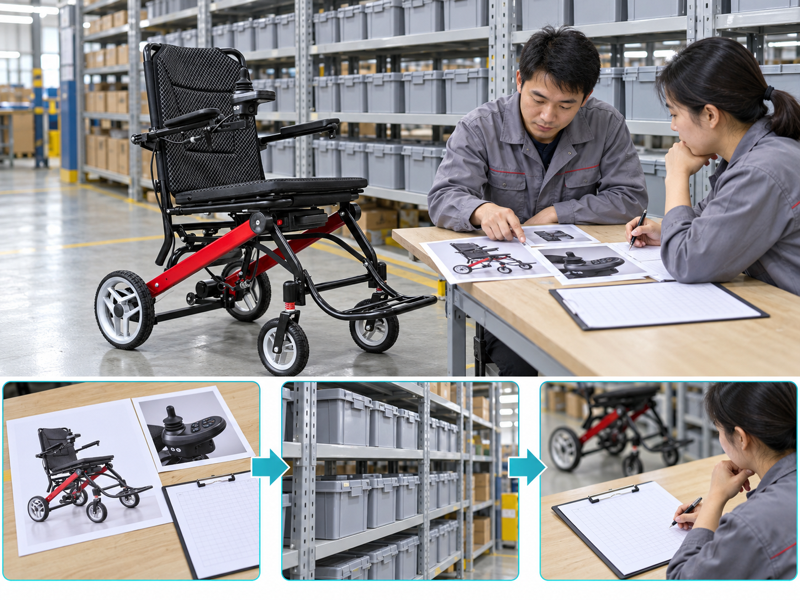
Plan power chair parts forecasting from supported chair versions, approved part mappings and actual service use. A distributor may hold a shelf of similar-looking spares yet still lack the correct controller for a customer's chair. More stock does not solve an identity mismatch. A model-based forecast helps you choose usable parts and keep uncertain demand or supply assumptions visible.
How should you plan power chair parts forecasting?
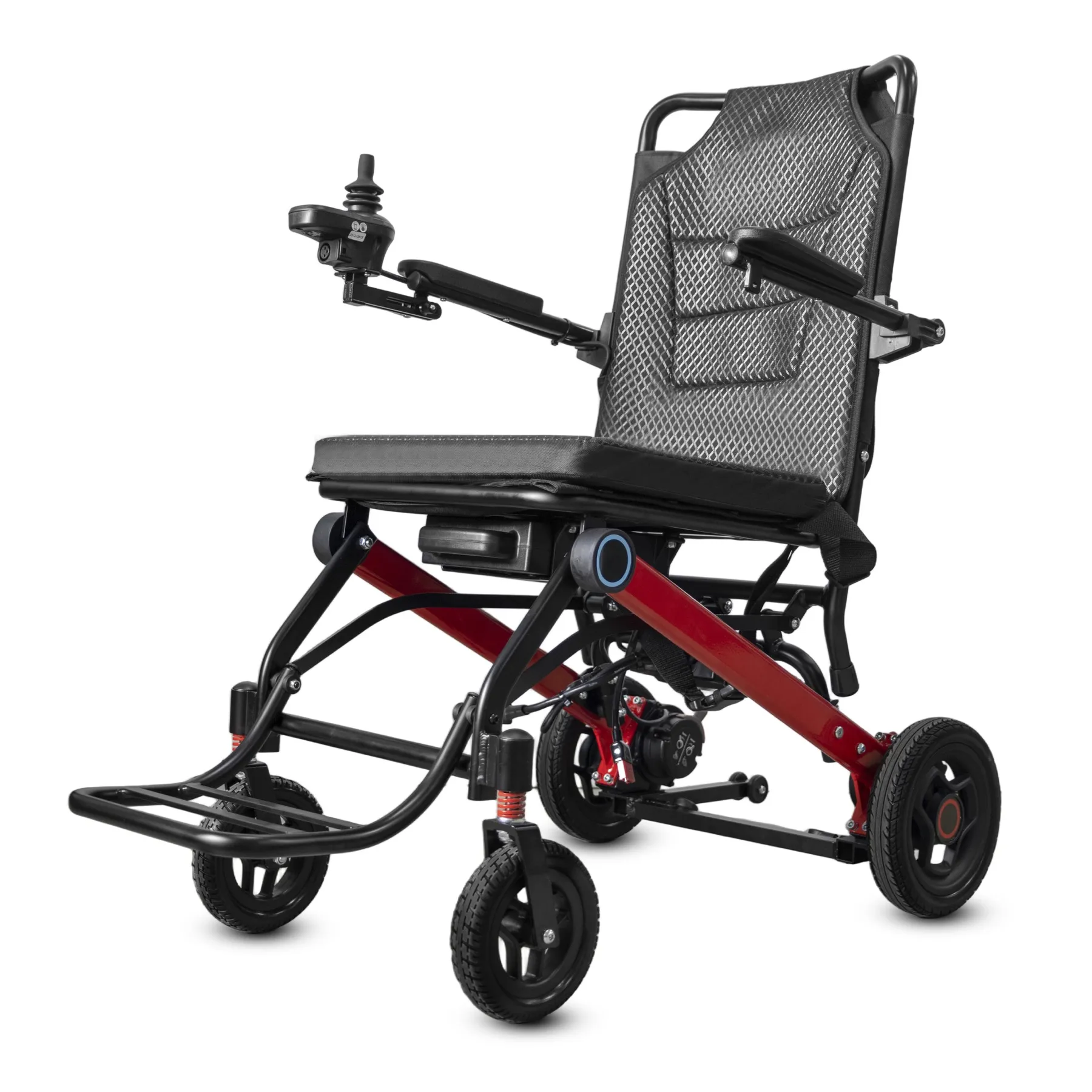
Plan power chair parts forecasting from the models you support, approved part mappings and actual service demand. A generic spare-parts bundle may contain items your installed chairs cannot use.
Start with supported chairs
Start from chairs already in service. List the active versions before estimating quantities. If the data is thin, keep that uncertainty visible instead of inventing a failure rate.
- List supported versions
- Use approved part mappings
- Review actual demand
| Check | What to keep |
|---|---|
| List supported versions | Installed-model record |
| Use approved part mappings | Supplier parts list |
| Review actual demand | Service history |
Key Takeaway: Your parts plan starts with real service obligations rather than a broad catalog of possible spares.
Which model details does the plan need?
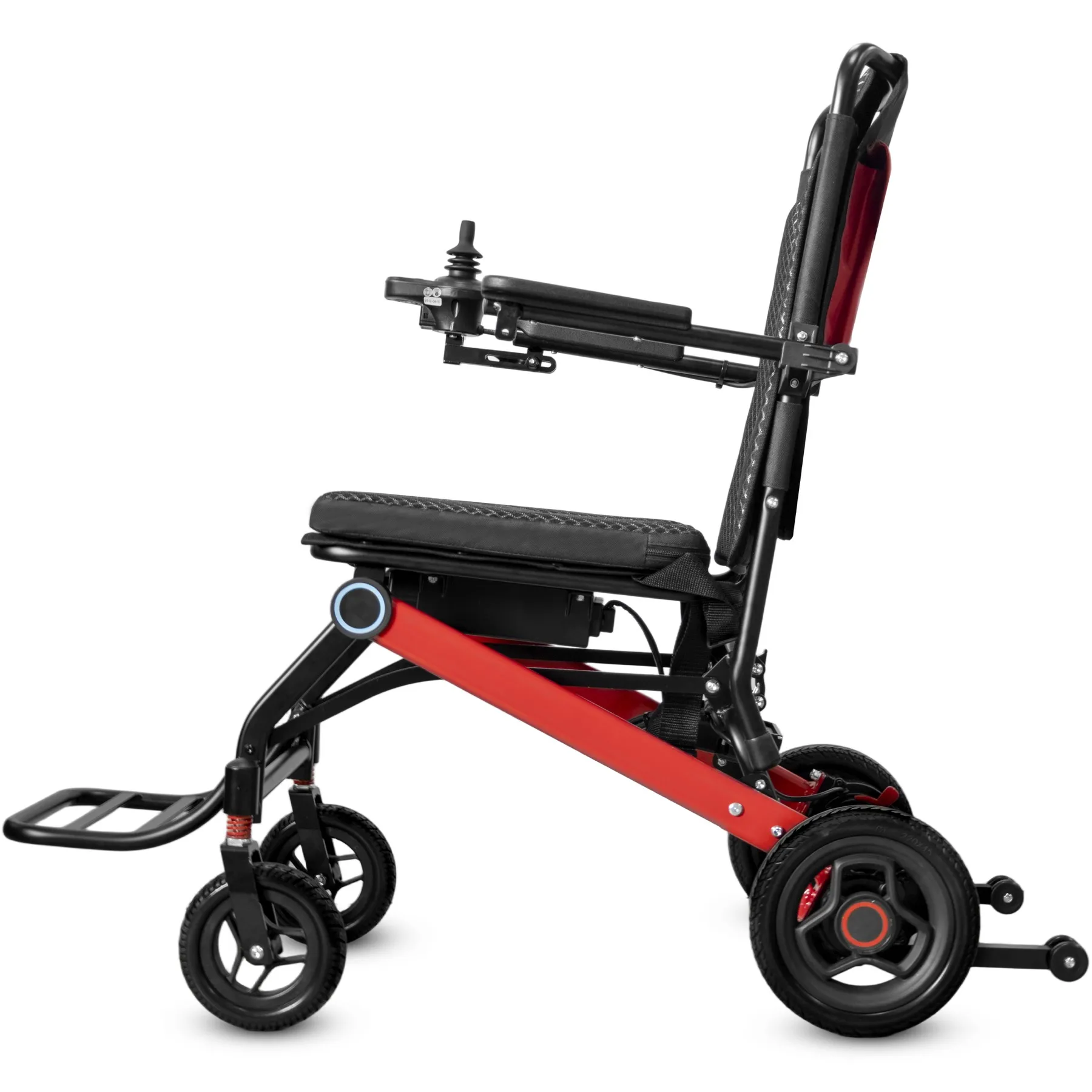
For power chair parts forecasting, connect each part with the model and version it supports. A product family name may be too broad when controllers or connectors changed during production.
Map each part to its versions
Know which version uses which part. Ask the supplier to confirm the approved mapping. If a match remains uncertain, keep the proposed item out of the usable stock count. Start from an approved parts list for each model.
- Name the part reference
- Map supported versions
- Flag uncertain matches
| Check | What to keep |
|---|---|
| Name the part reference | Supplier code |
| Map supported versions | Compatibility record |
| Flag uncertain matches | Open review list |
Key Takeaway: You can estimate demand for parts that your service team can actually use.
Which records support power chair parts forecasting?
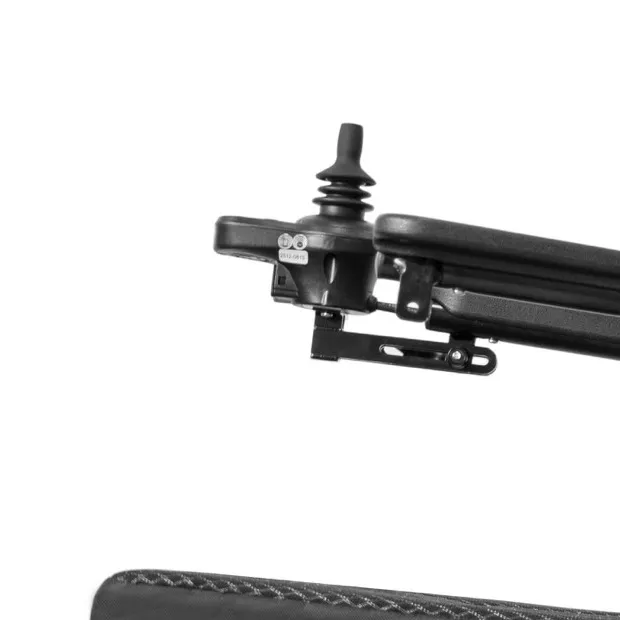
Useful power chair parts forecasting records distinguish reported faults, confirmed diagnoses and parts actually used. A complaint count is not the same as demand for a given spare.
Count actual service use
Count actual part use carefully. Check whether one case used several parts or required none. Keep repeat visits linked so the same event is not counted as several independent failures.
- Record confirmed part use
- Link related visits
- Separate reports from repairs
| Check | What to keep |
|---|---|
| Record confirmed part use | Service work record |
| Link related visits | Case history |
| Separate reports from repairs | Demand review |
Key Takeaway: Your forecast reflects completed service work without turning every complaint into a predicted replacement.
How should supply time affect stock decisions?
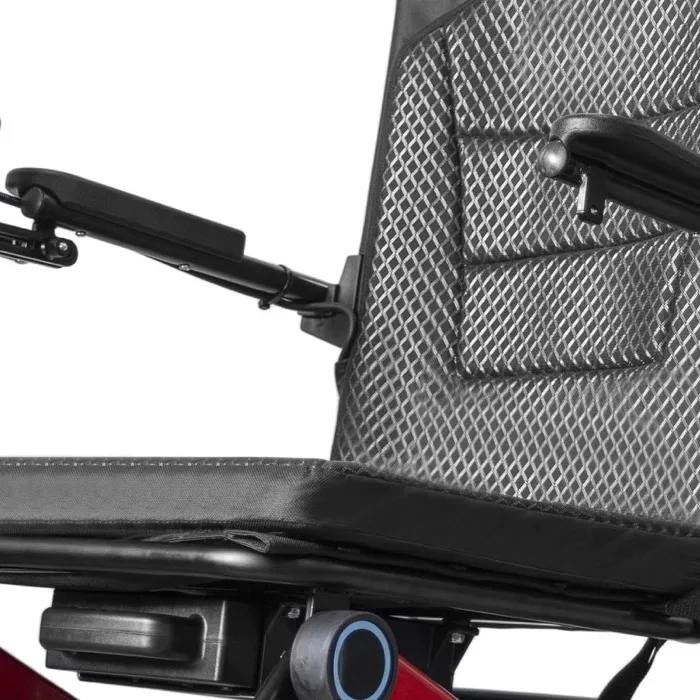
In power chair parts forecasting, consider confirmed replenishment terms alongside service demand. A low-use item may still need discussion if replacement supply is uncertain and downtime matters to your service plan.
Review the current supply route
Plan around the agreed supply route. Ask for current availability and lead-time conditions. Do not treat an old quote as proof that a part can still be supplied on the same basis.
- Confirm current supply scope
- Record lead-time conditions
- Review service impact
| Check | What to keep |
|---|---|
| Confirm current supply scope | Supplier reply |
| Record lead-time conditions | Current quotation |
| Review service impact | Internal support priorities |
Key Takeaway: You can weigh supply uncertainty without inventing a universal spare-stock ratio.
How should power chair parts forecasting handle slow demand?
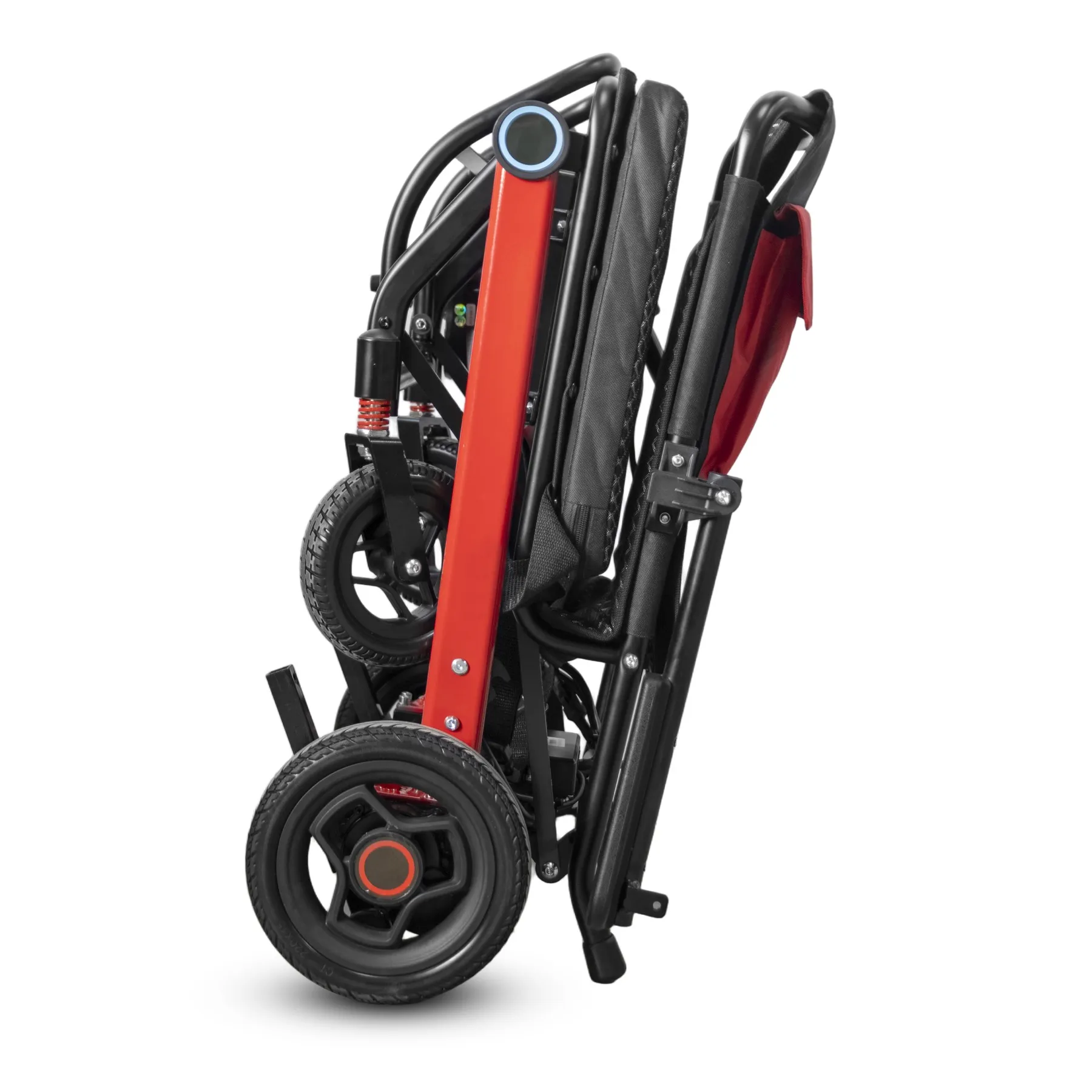
Low-demand items in power chair parts forecasting need a decision based on compatibility, supply and service consequences. Buying every possible part can tie up money in stock that may never fit future versions.
Make a separate low-demand decision
Use a separate decision for rare items. Discuss alternatives such as order-on-demand with the supplier. If availability is unconfirmed, state that clearly in the service plan. Count actual demand from the service log.
- Review actual usage
- Confirm future supply
- Choose a stocking approach
| Check | What to keep |
|---|---|
| Review actual usage | Part history |
| Confirm future supply | Supplier discussion |
| Choose a stocking approach | Written decision |
Key Takeaway: You can make a reasoned choice for rare parts without pretending demand is predictable.
How do model changes affect power chair parts forecasting?
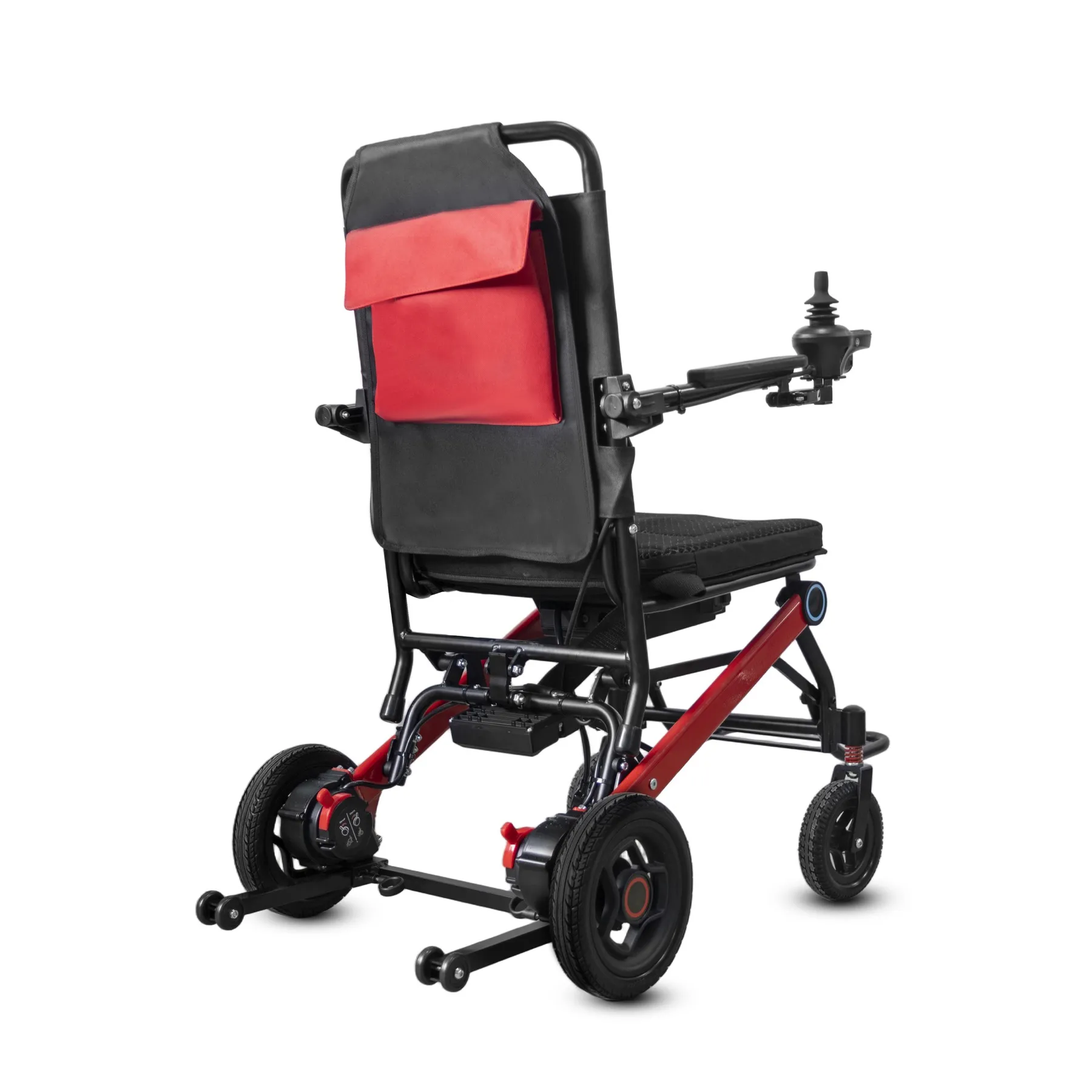
Model changes affect power chair parts forecasting when parts stop being shared or older chairs still need support. A new sales model does not remove your existing service workload.
Include older and newer models
Review old and new support needs. Keep the installed base and new-order plan separate. Ask which parts remain available and which require a new approved mapping.
- Track older supported chairs
- Map revised parts
- Review remaining service scope
| Check | What to keep |
|---|---|
| Track older supported chairs | Installed-base record |
| Map revised parts | Current supplier file |
| Review remaining service scope | Support plan |
Key Takeaway: Your forecast can serve existing customers while reflecting changes in new products.
How should parts stock be labeled?
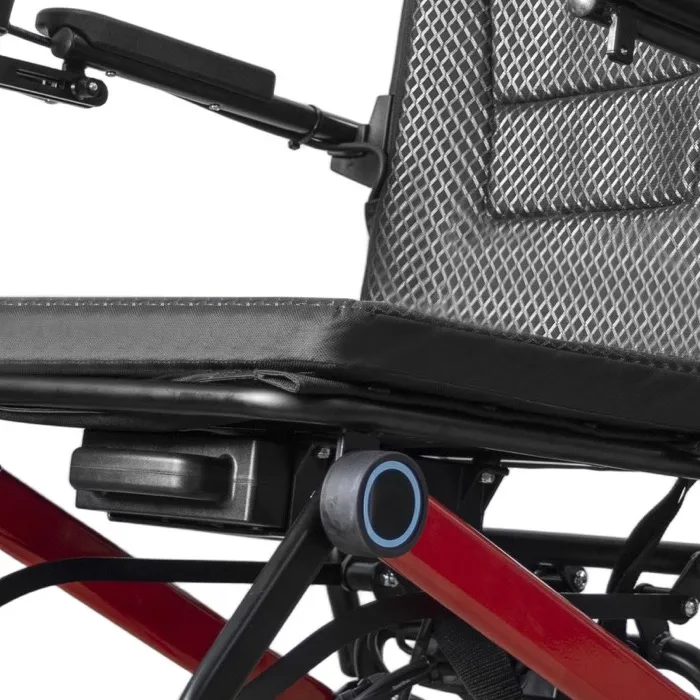
For power chair parts forecasting, label stored parts with their approved code and supported versions. Similar-looking items need clear separation when their electrical or mechanical details differ.
Keep stock identity clear
Keep identity visible in storage. Use the supplier's storage instructions where applicable. If a part is returned or its identity is uncertain, keep it outside ready service stock.
- Use exact part codes
- Show supported versions
- Separate uncertain items
| Check | What to keep |
|---|---|
| Use exact part codes | Bin or stock label |
| Show supported versions | Approved mapping |
| Separate uncertain items | Held-parts record |
Key Takeaway: Technicians can retrieve a supported part without relying on appearance alone.
How should budgets support power chair parts forecasting?
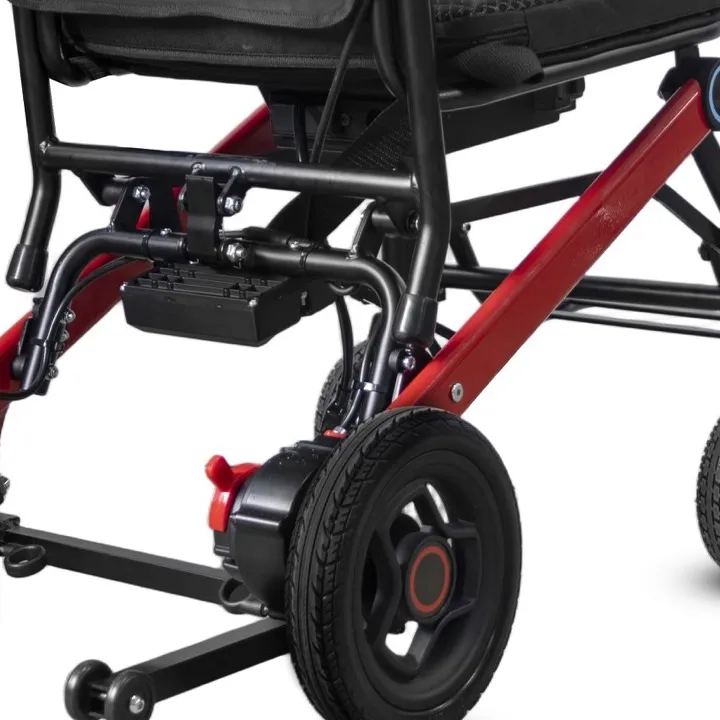
Budget power chair parts forecasting with explicit assumptions about usage, supply and current stock. An estimate helps planning but does not establish a guaranteed need for every item.
Budget with visible assumptions
Separate forecast from commitment. Compare proposed quantities with actual service records. If funds are limited, have the responsible team decide priorities and record the tradeoffs. Keep parts pricing and scope in a current quotation.
- State planning assumptions
- Compare current usable stock
- Record agreed priorities
| Check | What to keep |
|---|---|
| State planning assumptions | Forecast notes |
| Compare current usable stock | Stock review |
| Record agreed priorities | Budget decision |
Key Takeaway: You can discuss a parts budget using visible assumptions rather than a hidden blanket percentage.
When should the forecast be updated?
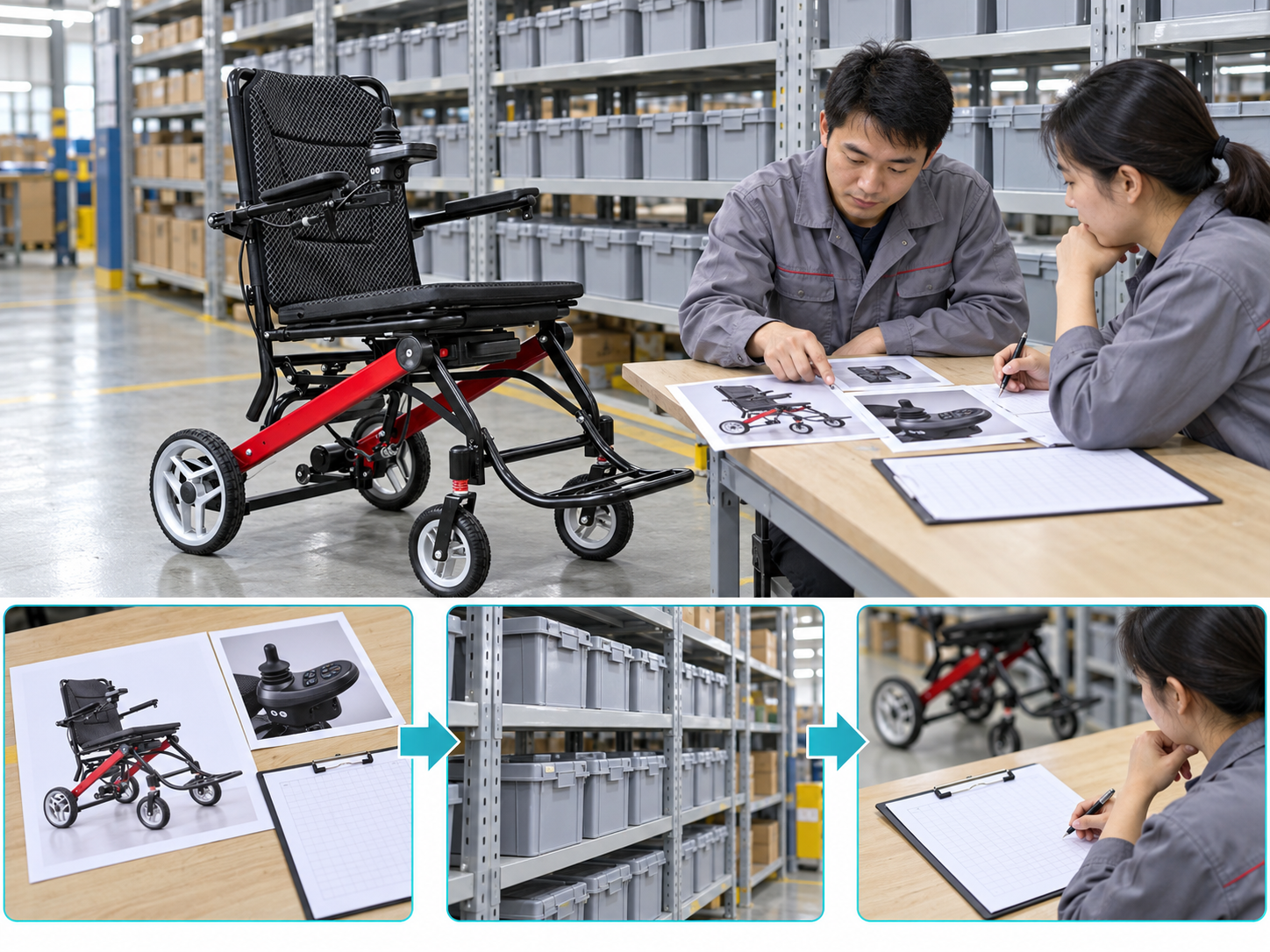
Update power chair parts forecasting when service patterns, installed models or supply terms change. A static list can miss both new demand and stock that is no longer compatible.
Update from real changes
Use changes in real demand. Review a useful period of comparable records. If the sample is small, keep conclusions cautious and seek more evidence before making a large commitment. MHRA device-management guidance provides broader purchasing and equipment-management context.
- Review service trends
- Check model changes
- Confirm supplier terms
| Check | What to keep |
|---|---|
| Review service trends | Comparable case summary |
| Check model changes | Installed-base update |
| Confirm supplier terms | Current supply review |
Key Takeaway: The plan can adapt to actual support needs without overstating what a small dataset proves.
What belongs in a power chair parts forecasting brief?
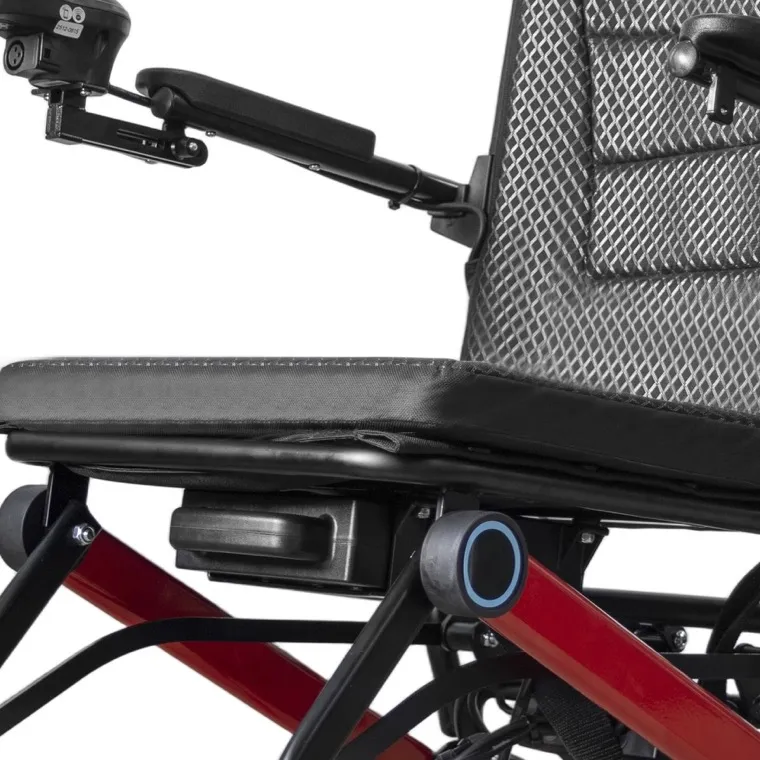
Send a power chair parts forecasting inquiry with model versions, approved part references and your service-use records. Ask the supplier to confirm compatibility, availability and supply conditions.
Prepare your parts inquiry
Send the supported-model list. Keep the resulting forecast separate from a final purchase order. Review any unresolved mappings before staff allocate the proposed stock.
- Name supported versions
- Attach part-use evidence
- Request current supply facts
| Check | What to keep |
|---|---|
| Name supported versions | Service model list |
| Attach part-use evidence | Demand summary |
| Request current supply facts | Supplier question sheet |
Key Takeaway: You can build a parts plan that reflects real chairs, usable stock and written supply terms. Contact us with your model and order brief so we can discuss the required product information. AryMD supports wheelchair buying decisions built on clear, model-specific facts.
Frequently asked questions
Q1: Can I use complaint counts as spare-part demand?
Not directly. Separate reported symptoms from confirmed diagnoses and parts actually used.
Q2: What's the best starting list for parts planning?
Use the approved parts mapping for the models you support. Confirm version differences before estimating quantities.
Q3: How do I know if two similar parts are interchangeable?
Ask for confirmed compatibility. Appearance and connector shape alone do not establish a match.
Q4: Can a past lead time guarantee future availability?
No. Confirm current supply terms and keep uncertainty visible in the plan.
Q5: Can I stop planning parts for older chairs after a new launch?
Review your remaining service obligations. Existing customers may still need support for earlier versions.